
Zoroaster Preaches Dualistic Monotheism
Zarathustra's revelation of Ahura Mazda established the first dualistic monotheism, introducing concepts of free will and final judgment that fundamentally reshaped Abrahamic faiths and Persian imperi
The Ancient Iranian Context
Prior to the advent of Zoroastrianism, the religious landscape of Greater Khorasan and the broader Iranian plateau was dominated by a polytheistic tradition closely resembling the Vedic religion of ancient India. This Indo-Iranian heritage featured a pantheon of deities such as Indra, Mithra, and Varuna, often associated with natural forces and tribal warfare. The priesthood, known as the *magu*, performed complex rituals involving the sacred intoxicating drink *haoma* (Vedic *soma*) and animal sacrifices to maintain cosmic order (*asha*). However, by the late second millennium BCE, social stratification was increasing, and the violent raiding culture celebrated in older hymns stood in stark contrast to emerging ethical concerns regarding settlement and agriculture.
The Revelation of Zarathustra
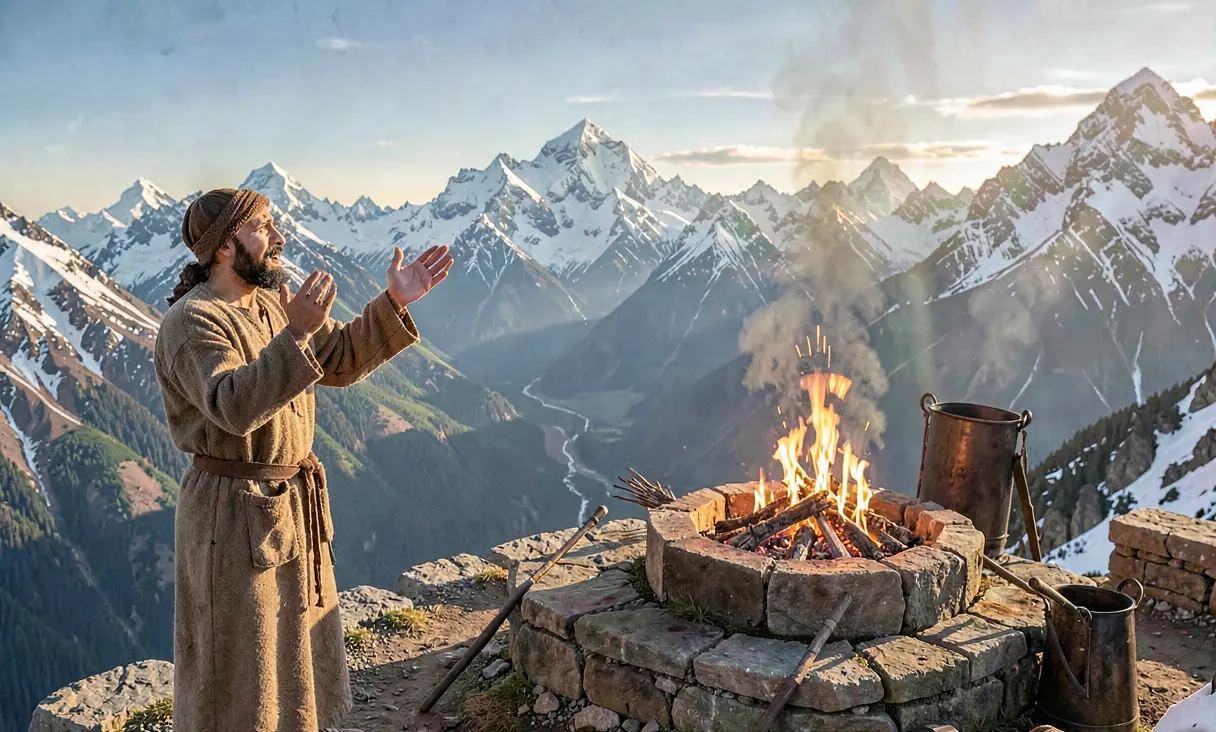
Around 1200 BCE, a priest-prophet named Zarathustra (Greek: Zoroaster) emerged from the eastern Iranian regions, likely near the Helmand River or in Bactria. According to tradition, at the age of thirty, he received a series of divine visions while performing a ritual ablution by a river. In these visions, he encountered Vohu Manah (Good Mind), one of the Amesha Spentas (Holy Immortals), who guided him to Ahura Mazda, the Wise Lord. Zarathustra proclaimed that Ahura Mazda was the sole uncreated creator, distinct from and superior to all other divine entities, effectively dismantling the old polytheistic hierarchy in favor of a revolutionary dualistic monotheism.
The Gathas and Theological Core
Zarathustra's teachings are preserved exclusively in the *Gathas*, seventeen hymns composed in an archaic Avestan dialect that remain the most authentic source of his thought. These texts articulate a cosmic dualism where Ahura Mazda represents truth, light, and order (*asha*), while Angra Mainyu (the Destructive Spirit) embodies falsehood, darkness, and chaos (*druj*). Unlike fatalistic worldviews, Zoroastrianism placed immense weight on human agency; every individual possesses free will to choose between the path of righteousness or wickedness. The prophet argued that the material world is inherently good but under assault by evil forces, necessitating active human participation in the cosmic struggle through good thoughts, good words, and good deeds.
Persecution and Gradual Acceptance
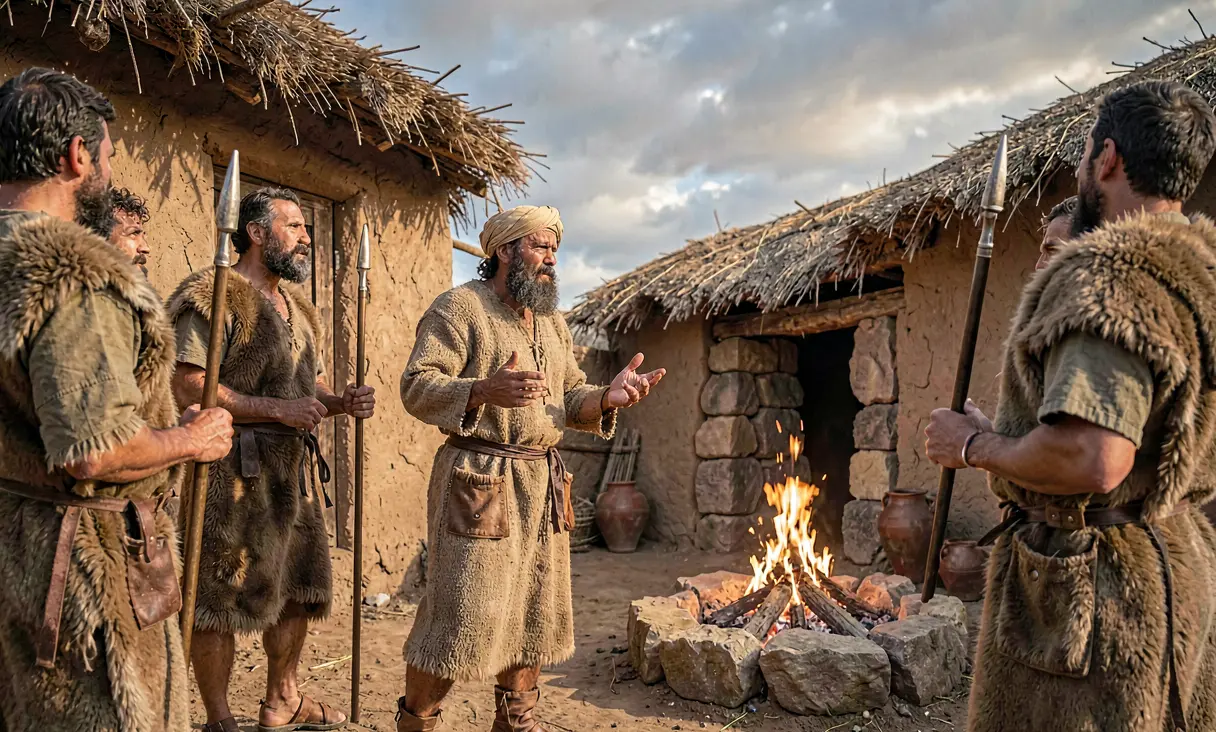
The initial reception of Zarathustra's radical message was hostile. His rejection of traditional animal sacrifices and his denunciation of the old gods as demons (*daevas*) alienated the conservative priesthood and tribal chieftains who relied on the established religious order for legitimacy. For over a decade, he preached in obscurity, facing persecution that forced him to flee his homeland. The turning point came when King Vishtaspa (identified by some scholars with Hystaspes of the Achaemenid lineage) converted to the new faith. This royal patronage allowed Zoroaster to establish his teachings as a state religion, transforming a marginalized sect into the dominant spiritual force of the region.
Institutionalization and Imperial Adoption
Following Zarathustra's death, which tradition places around 583 BCE after a long life, his followers compiled the *Avesta*, expanding upon the *Gathas* with later liturgical texts. The faith gained unprecedented prominence under the Achaemenid Empire (c. 550–330 BCE), where kings like Darius I and Xerxes explicitly invoked Ahura Mazda in their inscriptions as the source of their legitimacy. While the empire practiced a degree of religious tolerance, Zoroastrianism became the de facto state cult, influencing imperial administration, law, and art. The fire temples, maintained by a professional priesthood, became central to community life, preserving the oral traditions that had been transmitted for centuries.
Enduring Legacy and Historical Impact
The theological innovations of Zoroastrianism profoundly shaped the subsequent history of human religion. Concepts such as a final judgment, heaven and hell, a savior figure (the *Saoshyant*), and the ultimate resurrection of the dead entered the religious consciousness of the Near East during the Persian period. These ideas were absorbed and adapted by Judaism during the Babylonian Exile, subsequently influencing Christianity and Islam. As one of the world's first great universal religions, Zoroastrianism provided a moral framework that emphasized ethical dualism and linear history, moving humanity away from cyclical mythologies toward a teleological view of time where good ultimately triumphs over evil.
It introduced ethical dualism that profoundly shaped global religious thought and Persian imperial ideology.
Where it happened
Greater Khorasan, Iran/Afghanistan border region — see it on the interactive map →
Explore related history
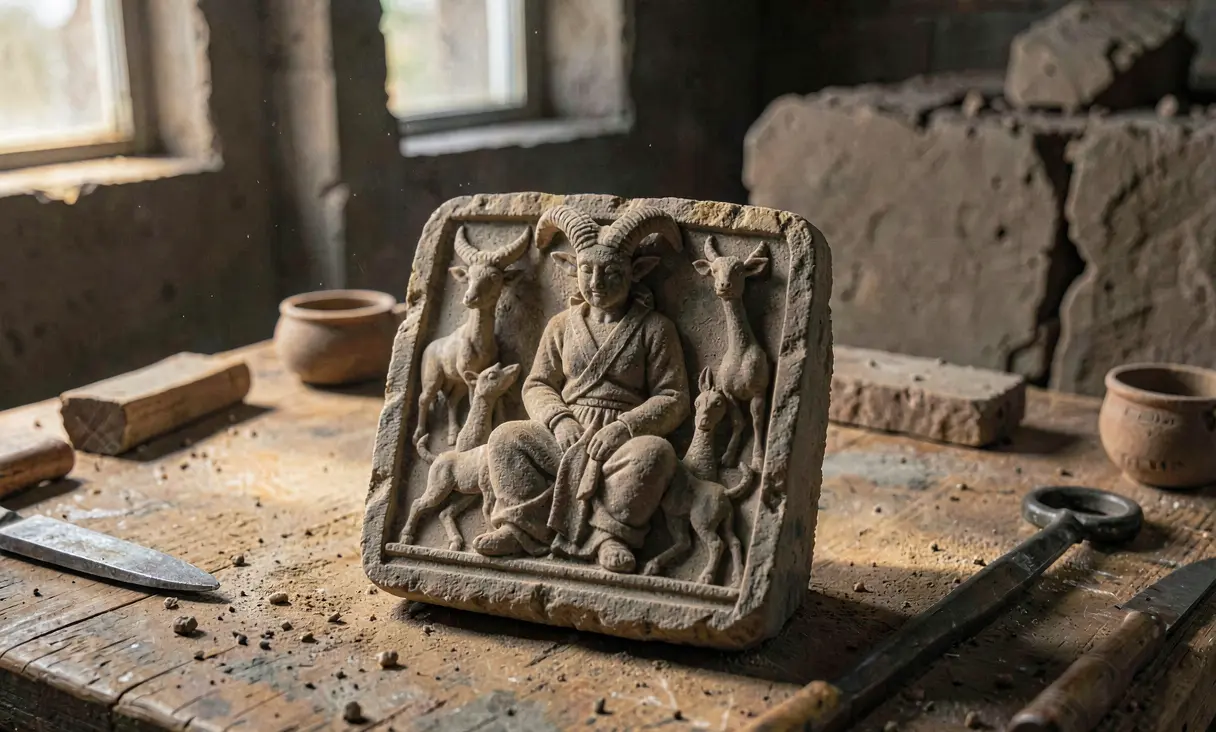 ReligionDiscovery of the Pashupati Sealc. 2500 BCE · Mohenjo-daro, Indus Valley (modern Pakistan)The Pashupati seal is carved, depicting a seated figure surrounded by animals, likely an early prototype of the Hindu god Shiva.
 ReligionRise of the Birdman Cult on Rapa Nuic. 1600 CE · Orongo, Rapa NuiThe Birdman cult replaces moai worship as the central religious and political institution on Rapa Nui.
 ReligionAskia Muhammad's Pilgrimage to Meccac. 1497 CE · Mecca (via Gao)Askia Muhammad undertakes a lavish pilgrimage to Mecca, strengthening ties with the Islamic world.
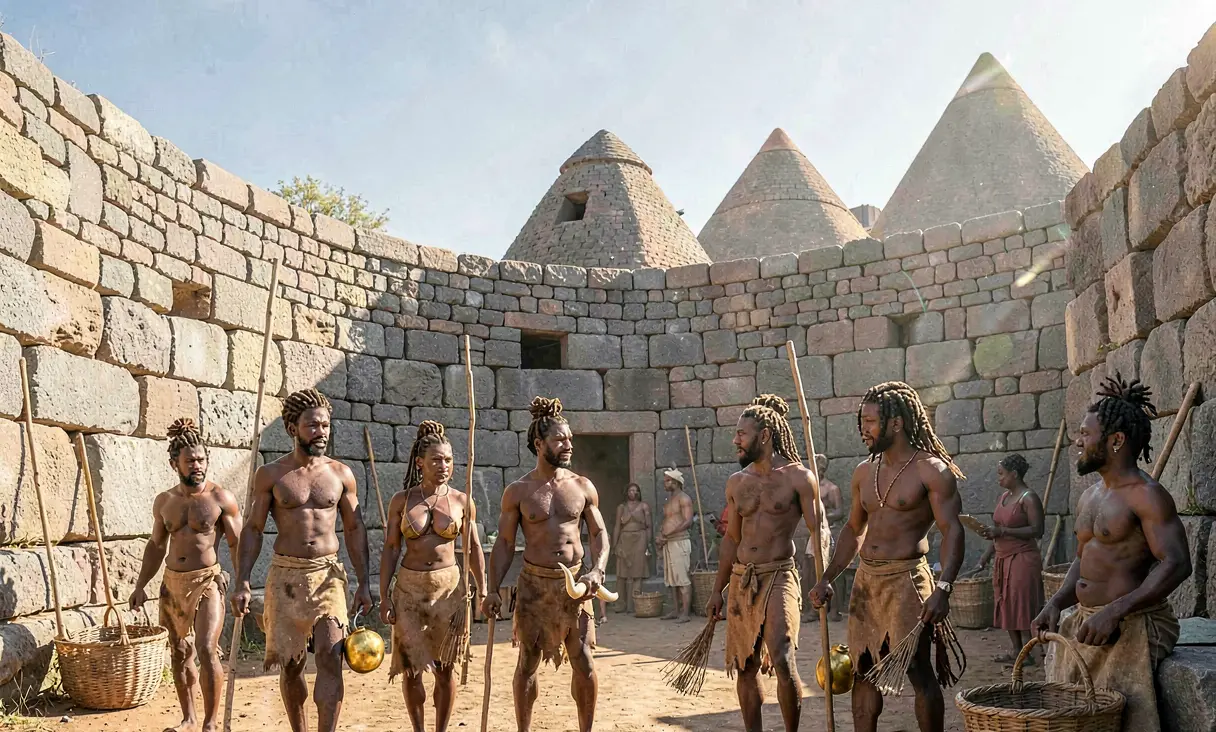 CivilizationConstruction and Peak of Great Zimbabwec. 1200 CE · Great Zimbabwe, ZimbabweThe Great Zimbabwe complex reaches its zenith as a major trading hub connecting the interior to the Swahili coast.
 TechnologyConstruction of the Benin Walls Beginsc. 1200 CE · Benin City, NigeriaMassive earthwork fortifications begin to encircle Benin City, creating one of the world's largest pre-modern structures.
 ArtRock-Hewn Churches of Lalibela Completedc. 1200 CE · Lalibela, EthiopiaKing Lalibela commissions the construction of monolithic rock-hewn churches as a 'New Jerusalem'.
Discussion
Loading…