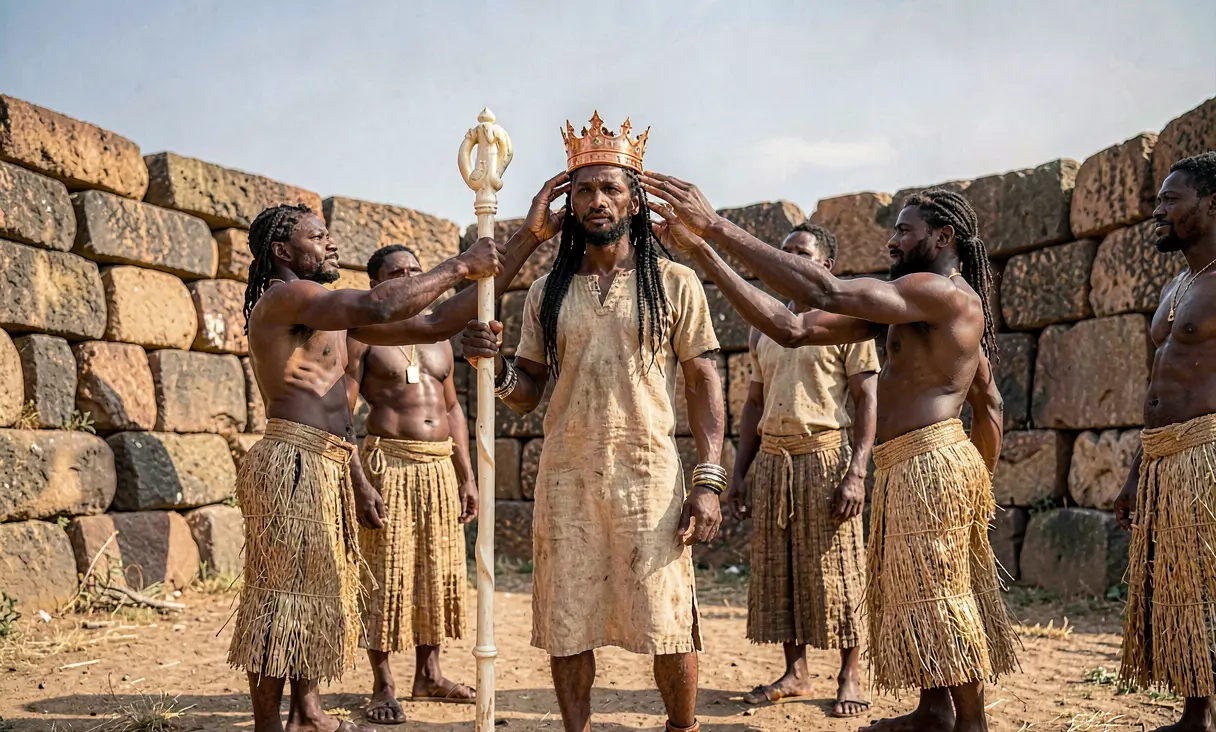
Coronation Ceremony at Great Zimbabwe
The c. 1350 coronation at Great Zimbabwe fused sacred ritual with political power, using ancestral spirits and monumental architecture to legitimize a ruler who controlled vast African trade networks.
The Rise of the Munhumutapa State
By the mid-14th century, the Shona-speaking people of the Zimbabwe Plateau had constructed a civilization of remarkable sophistication centered at Great Zimbabwe. This stone city, devoid of mortar yet built with precision-crafted granite blocks, served as the political and spiritual heart of an empire that controlled the lucrative trade routes linking the interior gold fields to the Indian Ocean coast. The title 'Munhumutapa,' meaning 'devourer of provinces' or 'master of the vast lands,' denoted a ruler whose authority extended far beyond the immediate valley, encompassing a network of client states and tributary chiefdoms.
Sacred Architecture and Ritual Space
The coronation ceremonies were not merely political transitions but profound theological events conducted within the Great Enclosure, the largest pre-colonial stone structure in sub-Saharan Africa. The conical tower and the high, curving walls of this elliptical complex created a unique acoustic environment where drum beats and chanting resonated with an intensity that blurred the line between the physical and spiritual worlds. This architectural design was intentional, serving as a vessel to amplify the voice of the spirit mediums (mhondoro) who acted as the critical intermediaries between the living king and the ancestral spirits.
The Role of Spirit Mediums and Ancestral Legitimacy
In the absence of a written constitution, the legitimacy of a new Munhumutapa rested entirely on spiritual endorsement. The mhondoro, revered custodians of lineage history, performed complex rituals to summon the spirits of previous rulers. It was believed that an ancestor spirit would possess the medium to speak directly to the candidate, testing their worthiness and bestowing divine sanction. Without this possession and the subsequent public declaration by the medium, a ruler's claim was considered void, rendering them vulnerable to rebellion from rival factions or neighboring clans.
Ceremonial Splendor and Symbolic Attire
The visual language of the coronation was as potent as its auditory elements. The new ruler and high-ranking courtiers adorned themselves in elaborate regalia featuring intricate beadwork made from imported glass and ostrich eggshell, alongside garments crafted from leopard and lion skins that symbolized martial prowess and royal authority. These materials were not merely decorative; they were talismanic, designed to physically manifest the connection between the monarch and the powerful forces of nature and ancestry. The rhythmic dancing of the participants, synchronized with deep-toned drums, created a trance-like state intended to unify the community in a shared spiritual experience.
Consolidation of Power and Economic Control
Beyond its religious function, the coronation served as a critical mechanism for economic consolidation. The new ruler was formally invested with the authority to regulate the flow of gold, ivory, and copper that fueled the region's prosperity. By securing the blessing of the ancestors during the ceremony, the Munhumutapa reinforced his exclusive right to levy taxes on caravans traveling to the coastal trading posts of Sofala. This ritualized transfer of power ensured stability in trade networks, preventing internal fragmentation and maintaining Great Zimbabwe's dominance as a commercial hub connecting Africa to the wider Indian Ocean world.
Legacy and Historical Significance
While the specific details of the 1350 CE coronation are reconstructed from oral traditions, archaeological evidence, and later Portuguese accounts, its impact on the region's political landscape was enduring. The ceremony established a template for Shona kingship that persisted long after Great Zimbabwe's decline in the 15th century, influencing the rise of the Mutapa state to the north. It stands as a testament to a complex indigenous state-building process that relied on spiritual cohesion and architectural grandeur rather than foreign conquest or written law.
Reinforced the divine legitimacy of the Munhumutapa dynasty through indigenous spiritual practices within a monumental architectural setting.
Where it happened
Great Zimbabwe, Zimbabwe — see it on the interactive map →
Explore related history
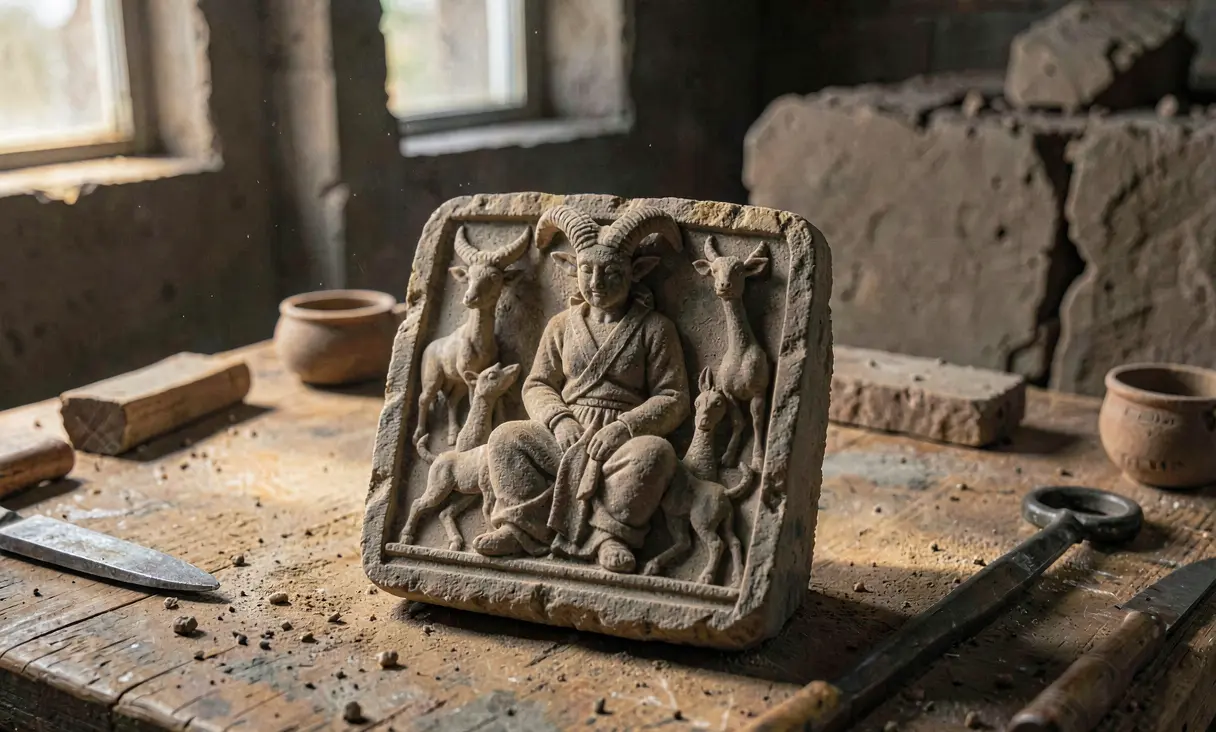 ReligionDiscovery of the Pashupati Sealc. 2500 BCE · Mohenjo-daro, Indus Valley (modern Pakistan)The Pashupati seal is carved, depicting a seated figure surrounded by animals, likely an early prototype of the Hindu god Shiva.
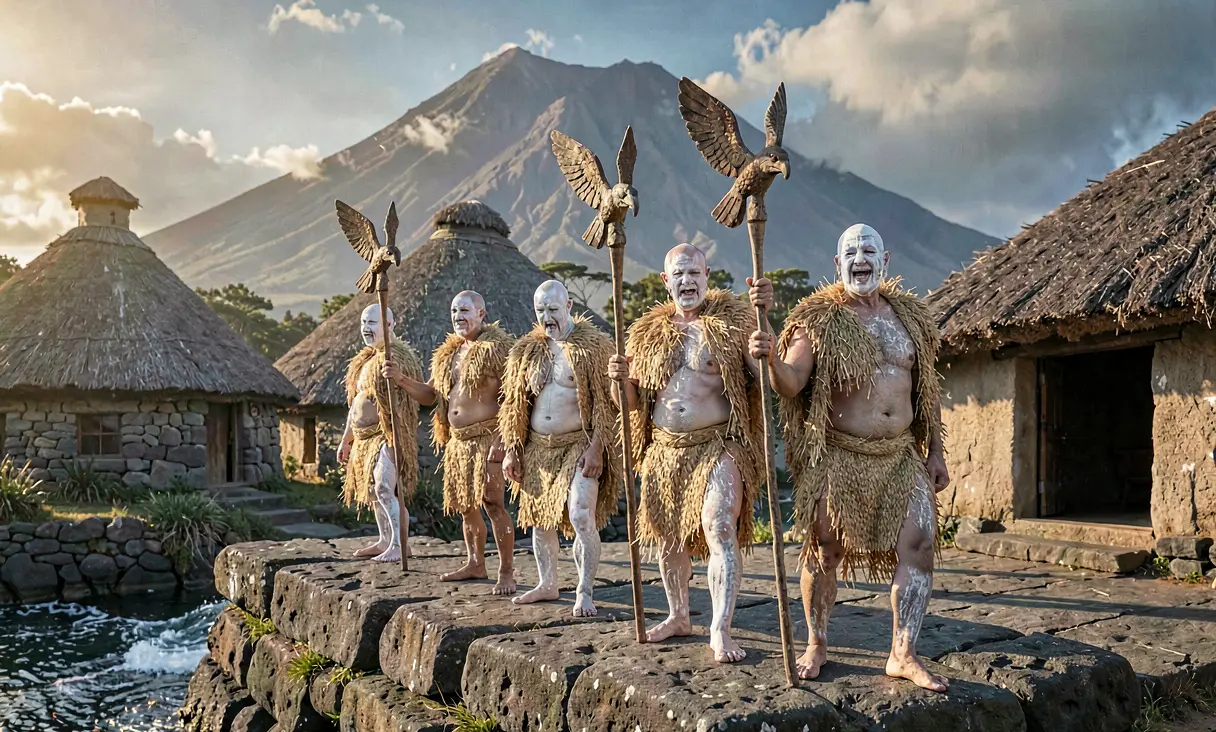 ReligionRise of the Birdman Cult on Rapa Nuic. 1600 CE · Orongo, Rapa NuiThe Birdman cult replaces moai worship as the central religious and political institution on Rapa Nui.
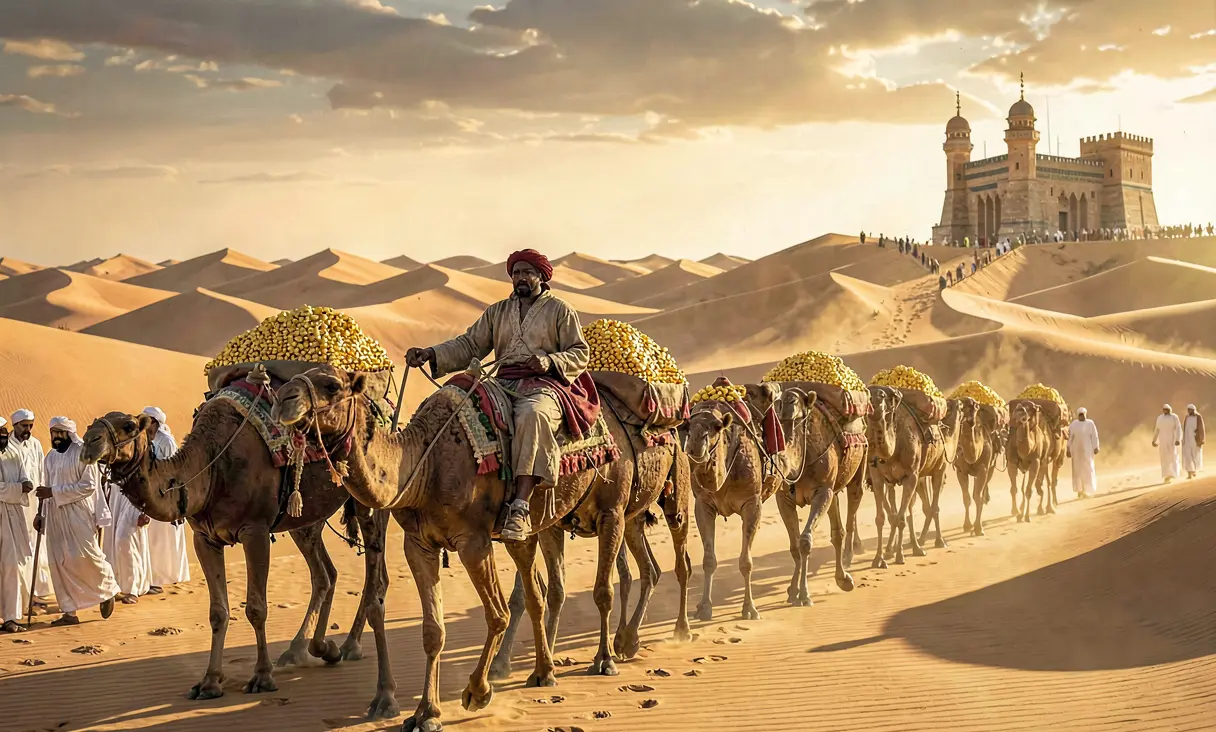 ReligionAskia Muhammad's Pilgrimage to Meccac. 1497 CE · Mecca (via Gao)Askia Muhammad undertakes a lavish pilgrimage to Mecca, strengthening ties with the Islamic world.
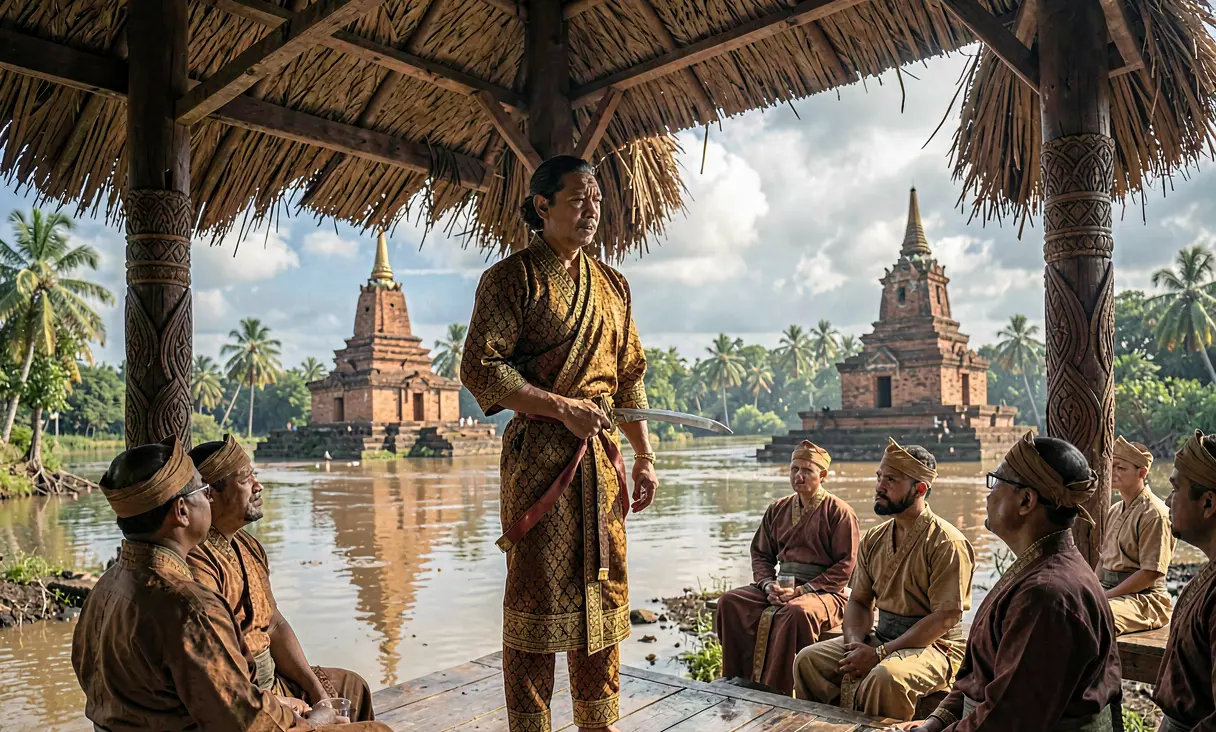 PoliticsFounding of Ayutthaya Kingdom1350 CE · Ayutthaya, ThailandU Thong establishes the capital at Ayutthaya, creating a powerful maritime and land empire.
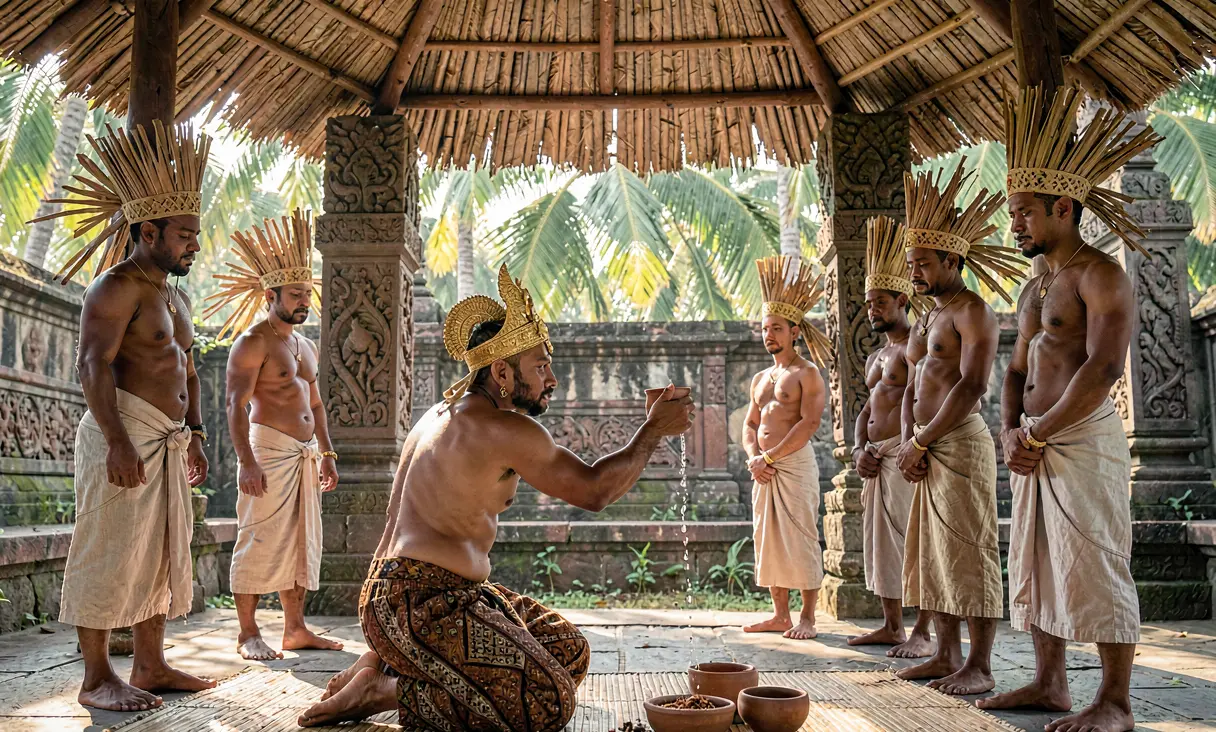 PoliticsGajah Mada's Palapa Oath1336 CE · Trowulan, Java, IndonesiaPrime Minister Gajah Mada vows to unify the archipelago before tasting spices.
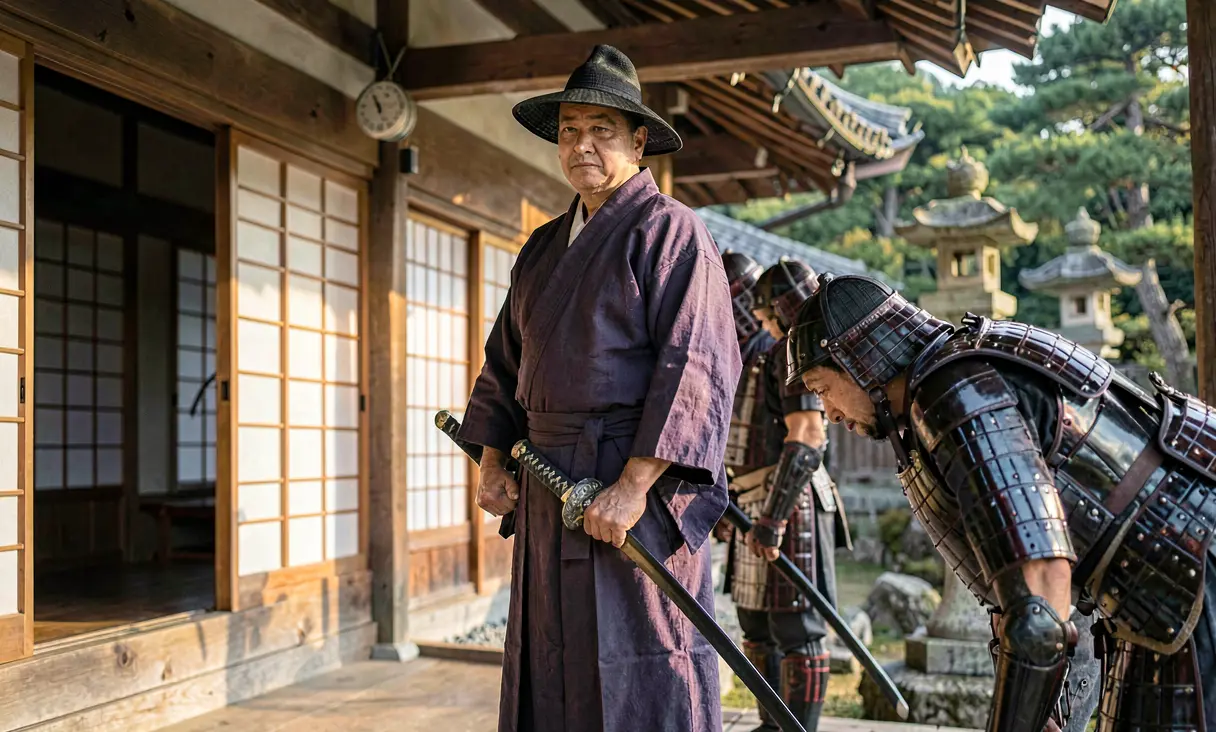 PoliticsAshikaga Takauji Establishes Muromachi Shogunate1336 CE · Kyoto, JapanAshikaga Takauji installs a new shogunate in Kyoto, beginning the Nanbokucho period.
Discussion
Loading…