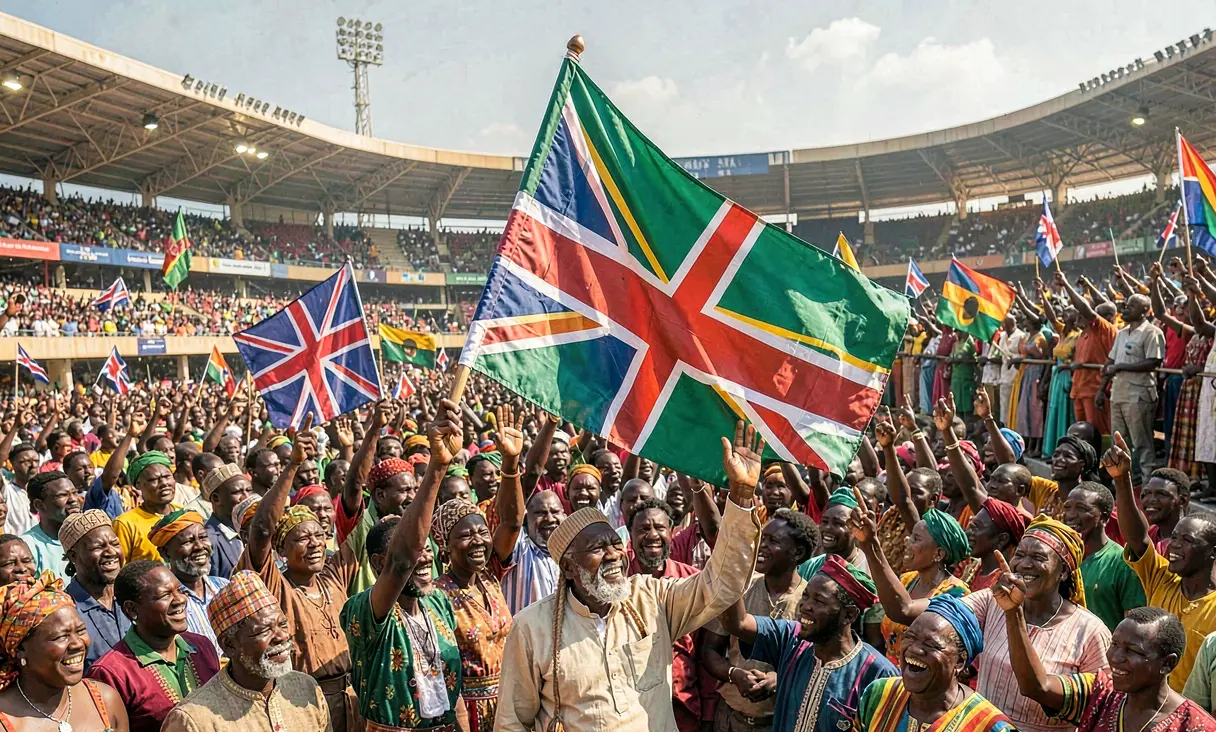
Zimbabwe Gains Independence from Britain
Zimbabwe's 1980 independence ended white minority rule in southern Africa, establishing Robert Mugabe's presidency but quickly devolving into authoritarianism and ethnic violence.
The Long Shadow of Rhodesia
For over a decade following the Unilateral Declaration of Independence (UDI) in 1965 by Prime Minister Ian Smith, the nation known as Rhodesia existed in a state of pariah isolation. Governed by a white minority comprising less than 5% of the population, the regime faced escalating guerrilla warfare from two primary nationalist movements: the Zimbabwe African National Union (ZANU), led by Robert Mugabe and based largely among the Shona people, and the Zimbabwe African People's Union (ZAPU), led by Joshua Nkomo and rooted in the Ndebele community. The conflict, known as the Rhodesian Bush War, ravaged the countryside, resulting in tens of thousands of deaths and massive displacement, while Smith's government attempted to maintain control through a combination of military force and limited political reforms that ultimately failed to satisfy the black majority's demand for universal suffrage.
The Lancaster House Negotiations
By late 1979, the economic and military strain on the Smith regime became unsustainable. Under intense pressure from the British government led by Prime Minister Margaret Thatcher, all parties convened at Lancaster House in London for a critical constitutional conference. The negotiations were arduous, involving complex debates over land redistribution, minority rights, and the structure of the new parliament. A fragile compromise was reached in December 1979: Rhodesia would temporarily revert to British colonial status under Governor Lord Christopher Soames, allowing for free elections under a new constitution that guaranteed white representation in parliament for ten years. This agreement paved the way for a transition from minority rule to majority rule, setting the stage for the first democratic vote in the country's history.
The 1980 Elections and Political Realignment
On February 27, 1980, amidst a tense atmosphere of intimidation and sporadic violence, Zimbabweans cast their ballots in the first general election based on universal suffrage. The campaign was dominated by Robert Mugabe's ZANU-PF party, which campaigned from bases in Mozambique with a message of radical change and reconciliation, contrasting sharply with Nkomo's ZAPU and the more moderate Bishop Abel Muzorewa, who had led the internal settlement government. Despite fears of a ZANU-PF victory leading to chaos or retaliation against the white minority, Mugabe secured a landslide victory, winning 57 out of 80 seats reserved for black representatives. This decisive mandate surprised many international observers and forced Ian Smith's party into opposition, marking a definitive shift in the region's political landscape.
The Ceremony of Independence
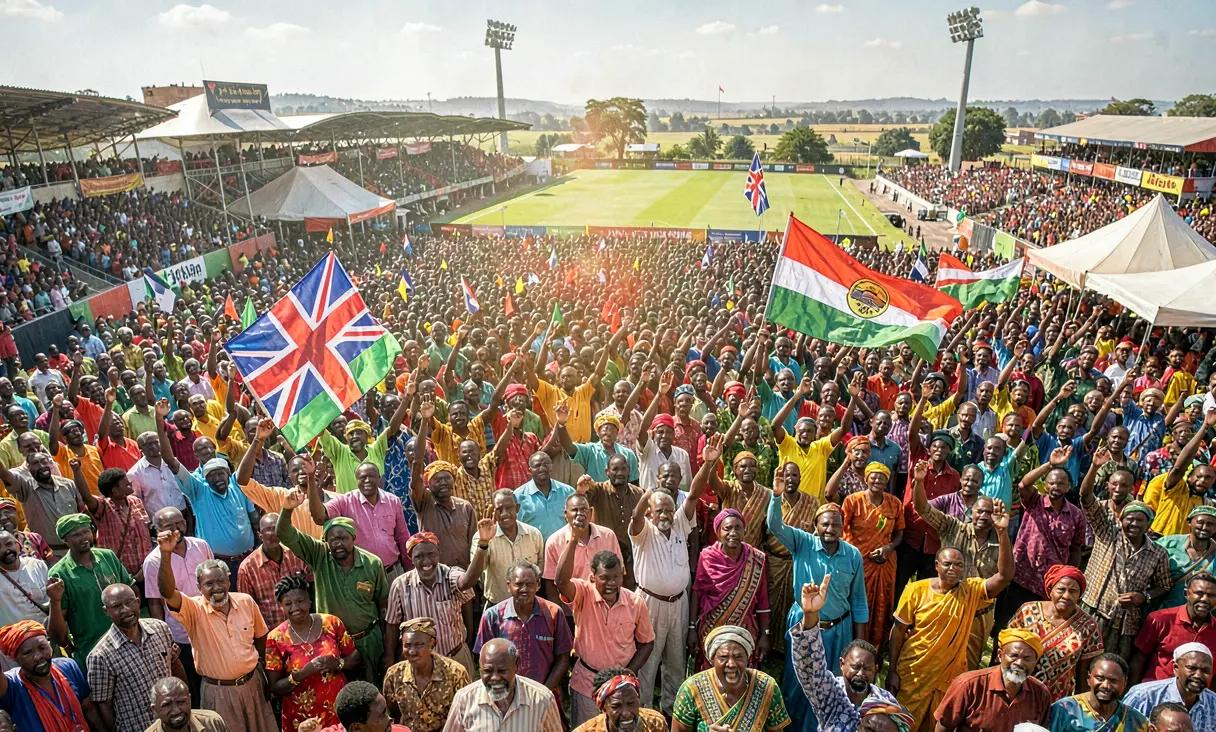
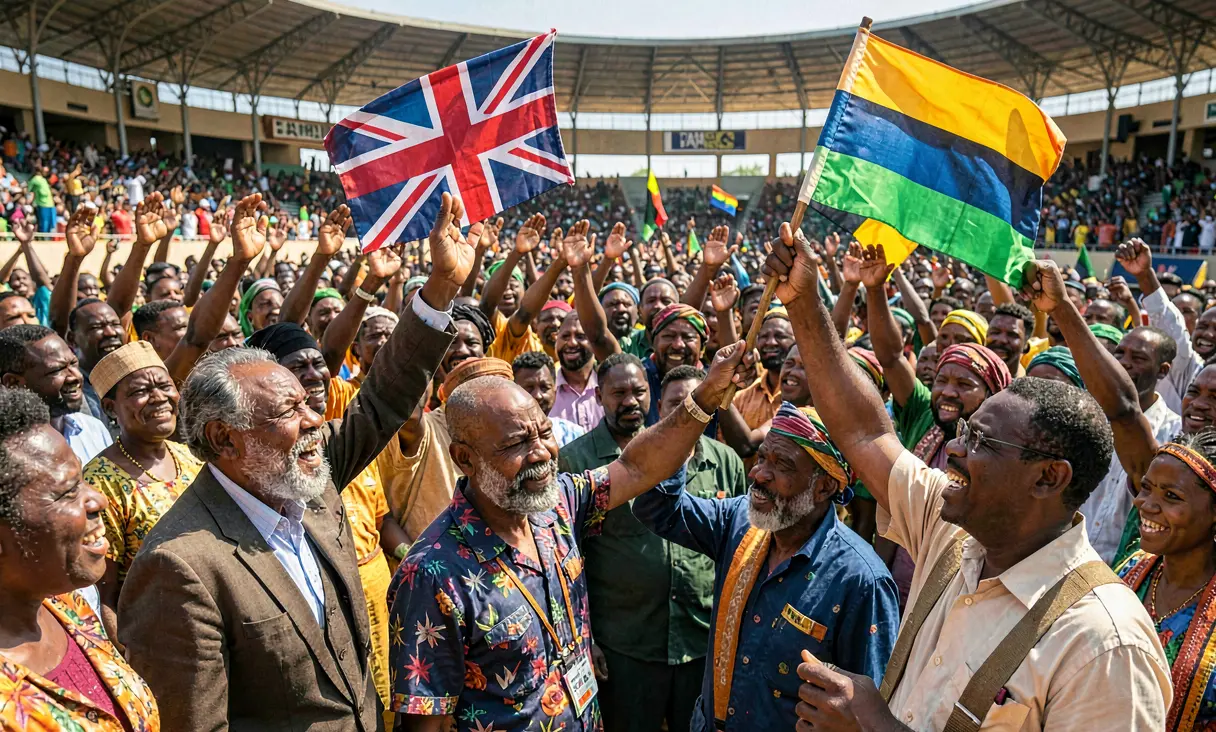
On April 18, 1980, the world gathered at Rufaro Stadium in Salisbury (soon to be renamed Harare) for the formal transfer of sovereignty. The ceremony was presided over by Prince Charles, representing Queen Elizabeth II, who lowered the Union Jack for the final time as the new green-and-white flag of Zimbabwe rose. In a momentous speech, Robert Mugabe addressed the crowd of 60,000, emphasizing national unity and forgiveness, famously stating, "We have won a victory that belongs to all Zimbabweans." The event was broadcast globally, symbolizing the effective end of formal colonialism in southern Africa and the collapse of the last major white-ruled state on the continent. The atmosphere was one of jubilation, with dignitaries from over 100 nations in attendance celebrating a new era.
Fractured Unity and the Gukurahundi
The euphoria of independence quickly gave way to deep-seated political fractures. The alliance between ZANU and ZAPU, forged during the liberation struggle, disintegrated almost immediately due to ethnic tensions and power struggles. Mugabe's government viewed Nkomo's party as a threat, leading to the suppression of dissent in Matabeleland and Midlands provinces. Between 1983 and 1987, the North Korean-trained Fifth Brigade carried out a brutal campaign known as Gukurahundi against perceived ZAPU supporters, resulting in an estimated 20,000 civilian deaths. This period of state-sponsored violence effectively ended democratic pluralism in Zimbabwe, consolidating Mugabe's power and setting a precedent for authoritarian rule that would define the nation for decades.
Legacy and Historical Significance
The independence of Zimbabwe stands as a pivotal moment in 20th-century decolonization, marking the culmination of the anti-apartheid struggle in southern Africa. While initially hailed as a beacon of hope and reconciliation, the nation's trajectory serves as a complex historical case study of the challenges inherent in post-colonial state-building. The early promises of unity and economic prosperity were overshadowed by the consolidation of one-party rule, land reform controversies in the late 1990s, and severe economic collapse. Nevertheless, April 18, 1980, remains a definitive date in global history, representing both the triumph of self-determination over colonialism and the tragic potential for liberation movements to transform into oppressive regimes.
Zimbabwe's independence concluded the era of white minority rule in southern Africa, though it ushered in a new chapter of political consolidation and conflict.
Where it happened
Harare, Zimbabwe — see it on the interactive map →
Explore related history
 PoliticsSargon of Akkad Establishes the First Empirec. 2334 BCE · Akkad (Location uncertain, near Baghdad, Iraq)Sargon unifies Sumerian city-states to create the world's first multi-ethnic empire.
 PoliticsPromulgation of the Code of Ur-Nammuc. 2100 BCE · Ur, Southern Mesopotamia (Iraq)The earliest known surviving law code is established in the Sumerian city of Ur.
 PoliticsNelson Mandela Elected President of South AfricaApril 27, 1994 · Cape Town, South AfricaSouth Africa holds its first democratic election, ending the apartheid regime and establishing a multiracial government.
 PoliticsAngolan War of Independence EndsNovember 11, 1975 · Luanda, AngolaAngola gains independence from Portugal, immediately plunging into a civil war between rival liberation movements.
 PoliticsCongo Gains Independence from BelgiumJune 30, 1960 · Kinshasa, Congo (DRC)The Belgian Congo becomes the independent Republic of the Congo, sparking immediate political turmoil.
 PoliticsGhana Gains Independence from BritainMarch 6, 1957 · Accra, GhanaKwame Nkrumah leads the Gold Coast to become the first sub-Saharan African nation to gain independence from colonial rule.
Discussion
Loading…