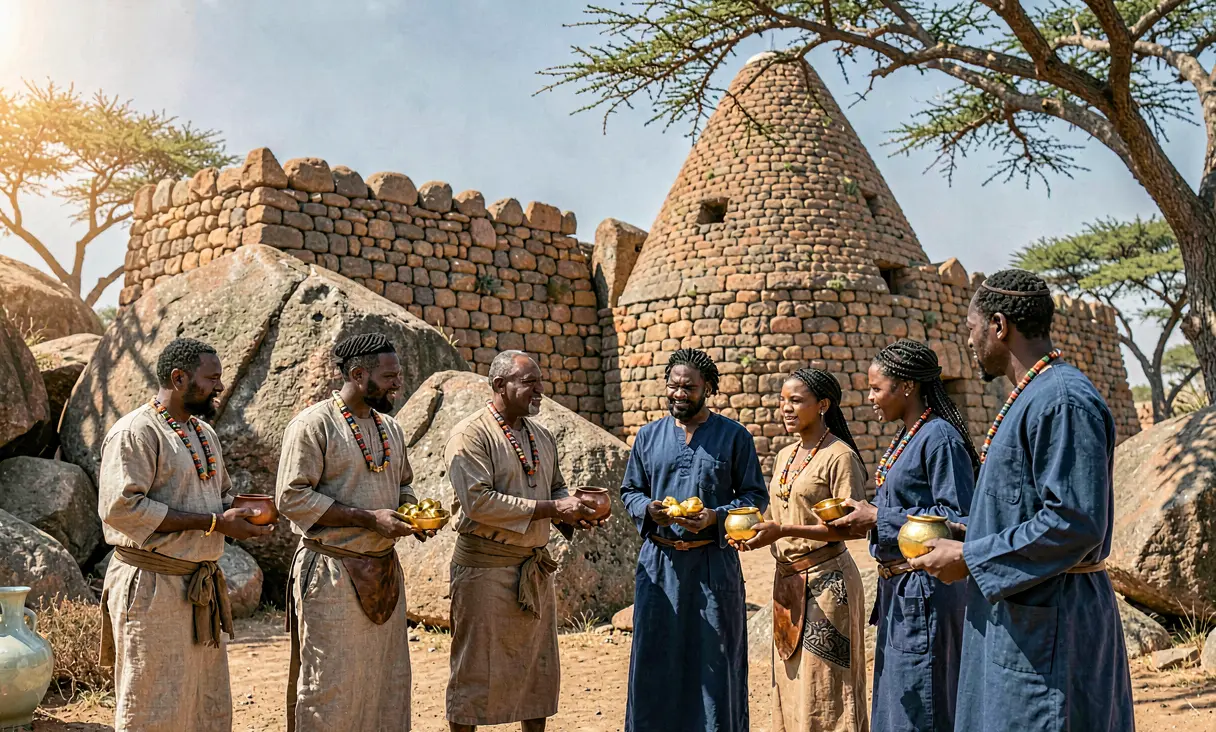
Great Zimbabwe Dominates Gold Trade with Kilwa
Around 1400 CE, Great Zimbabwe leveraged a monopoly on gold exports to integrate southern Africa into the Indian Ocean economy, funding monumental architecture and forging global trade links with Chin
The Rise of the Shona Interior
By the early 15th century, the Zimbabwe Plateau had evolved into a sophisticated political and economic hub under the leadership of the Munhumutapa state. Emerging from the earlier Great Zimbabwe civilization, which flourished between 1100 and 1450 CE, this polity commanded vast territories stretching from the Limpopo River to the Zambezi. The state's power was not derived solely from military might but from its strategic monopoly over the region's most valuable resource: alluvial gold. While European powers were just beginning their Age of Discovery, the Shona elite had already established a complex network that channeled precious metals from the interior highlands to the bustling ports of the Swahili Coast.
The Gold Trade Network
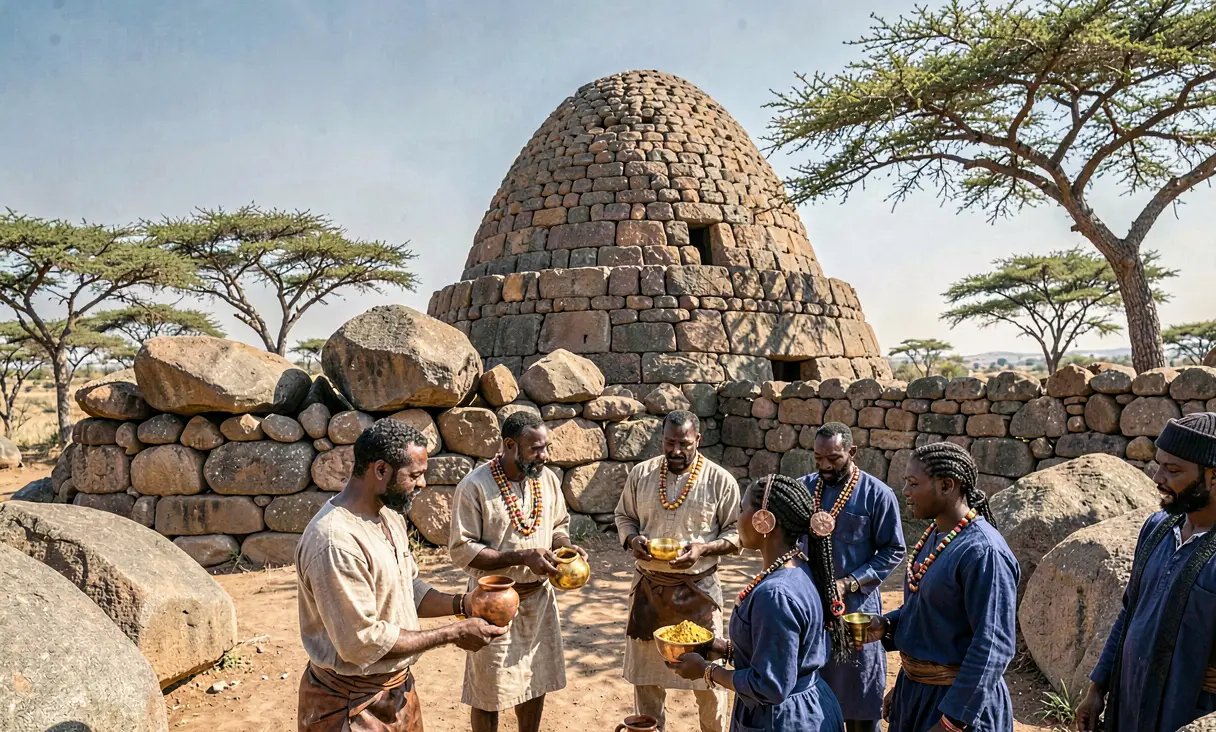
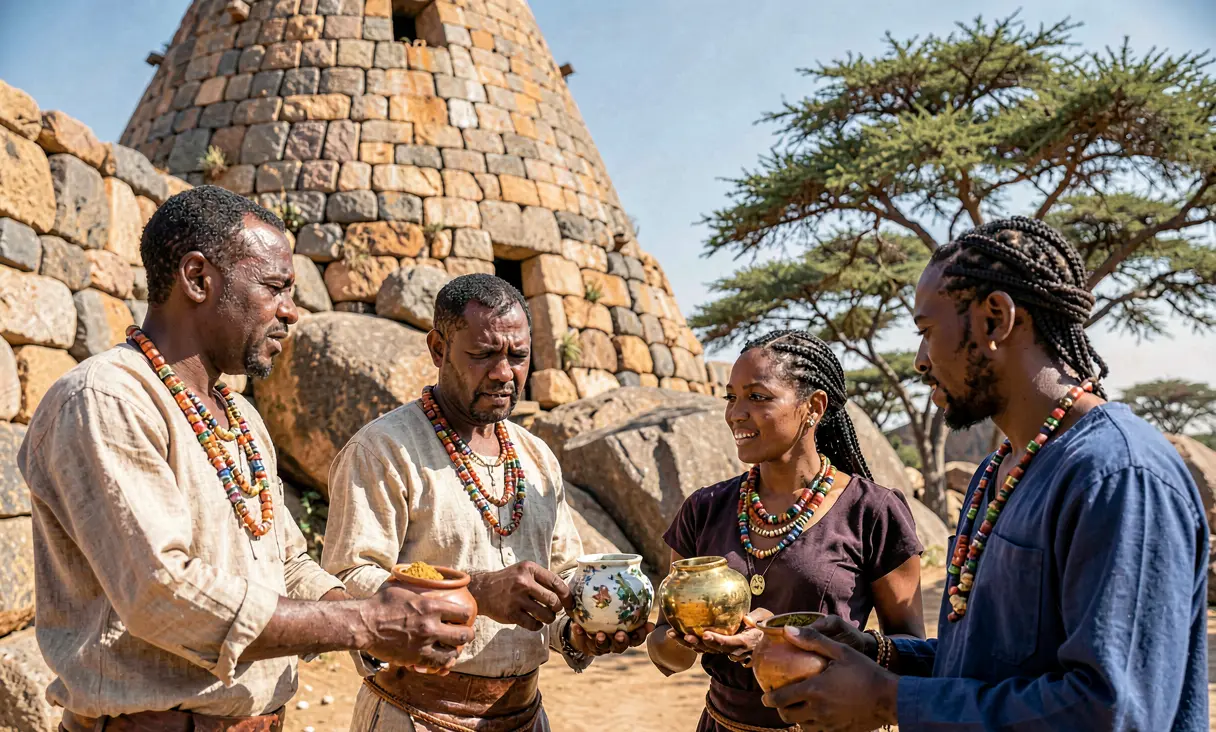
Around 1400 CE, Great Zimbabwe served as the critical nexus between the African interior and the Indian Ocean trade system. Gold was extracted from mines in areas such as Bumbusi and Hwange, then transported by caravans of porters to coastal entrepôts like Kilwa Kisiwani. At Kilwa, the gold was exchanged for a dazzling array of imported luxuries. Archaeological excavations at Great Zimbabwe have unearthed thousands of artifacts that testify to this global connectivity: blue-and-white porcelain from the Ming Dynasty in China, glass beads manufactured in Persia and Egypt, and cotton textiles woven in India. This trade was not merely an exchange of goods but a profound integration of southern Africa into the pre-modern global economy.
Architectural Manifestations of Wealth
The immense wealth generated from the gold trade directly funded the construction and maintenance of Great Zimbabwe's monumental stone architecture. The site features the famous Great Enclosure, a massive dry-stone wall rising over 10 meters high without the use of mortar, showcasing advanced engineering techniques unique to the region. This architectural grandeur was not just defensive; it served as a physical manifestation of the ruler's divine authority and economic control. The ability to mobilize thousands of laborers for such projects indicates a highly centralized administration capable of managing surplus resources derived from trade, supporting a population estimated between 10,000 and 20,000 people at its zenith.
The Symbiosis with Kilwa
The relationship between the interior polity and the Swahili city-state of Kilwa was one of strategic interdependence. Historical records from Arab geographers, such as Al-Umari in the 14th century, describe a kingdom called 'Mani' (likely referring to the Munhumutapa) that controlled the gold mines. Kilwa provided the maritime link to the wider Indian Ocean world, offering ships that could traverse the monsoon winds to Arabia and beyond. In return, Kilwa gained exclusive access to the gold supply, which was essential for minting their own currency and purchasing other African commodities like ivory and animal skins. This partnership allowed both entities to dominate regional commerce until external pressures began to fracture the alliance.
Environmental Shifts and Decline
Despite its economic dominance around 1400 CE, the Great Zimbabwe polity faced mounting challenges that would eventually lead to its decline. By the mid-15th century, environmental degradation, likely caused by overgrazing and deforestation to fuel the furnaces for gold smelting, began to strain the local agricultural base. Simultaneously, political fragmentation weakened the central authority of the Munhumutapa. The trade routes shifted northward toward the Zambezi Valley, leading to the rise of new power centers like the Mutota dynasty and the eventual abandonment of Great Zimbabwe as a royal capital around 1450 CE. The gold mines were still active, but the political cohesion required to maintain the monopoly had dissolved.
Legacy and Historical Significance
The era when Great Zimbabwe dominated the gold trade stands as a testament to African agency in global history long before European colonization. It disproves colonial narratives that attributed such monumental achievements to foreign origins, confirming instead a sophisticated indigenous civilization deeply integrated into world markets. The artifacts found at the site remain some of the most compelling evidence of pre-colonial transoceanic contact. Today, the ruins of Great Zimbabwe are a UNESCO World Heritage Site and a national symbol for the Republic of Zimbabwe, representing a golden age of African sovereignty, economic innovation, and cultural complexity that resonates through centuries.
Proves the existence of sophisticated African international trade networks connecting the interior to global markets.
Where it happened
Great Zimbabwe, Zimbabwe — see it on the interactive map →
Explore related history
 ExplorationLapita Expansion into the Bismarck Archipelagoc. 1500 BCE · Bismarck Archipelago, Papua New GuineaLapita people migrate from Island Melanesia into the Bismarck Archipelago, establishing distinct pottery traditions.
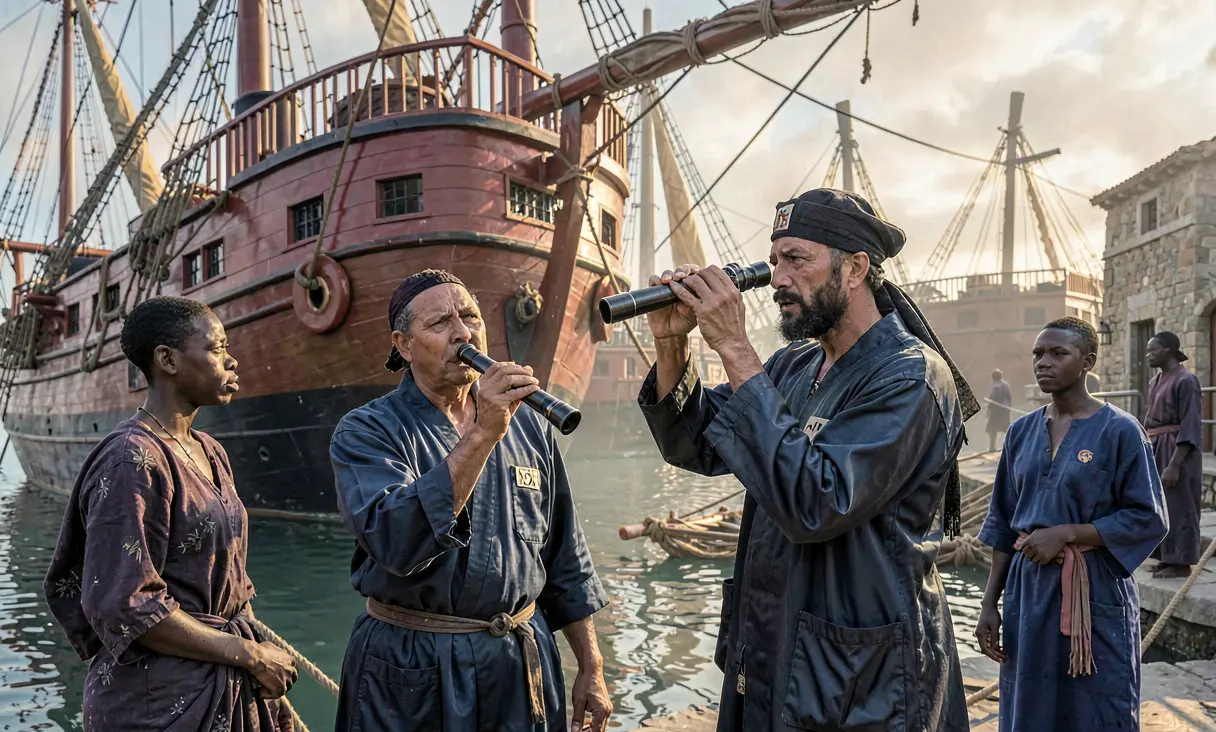 ExplorationEnd of Zheng He's Voyages and Ming Isolationism1433 CE · East Africa / China CoastThe Ming Dynasty halts the great naval expeditions and restricts maritime trade.
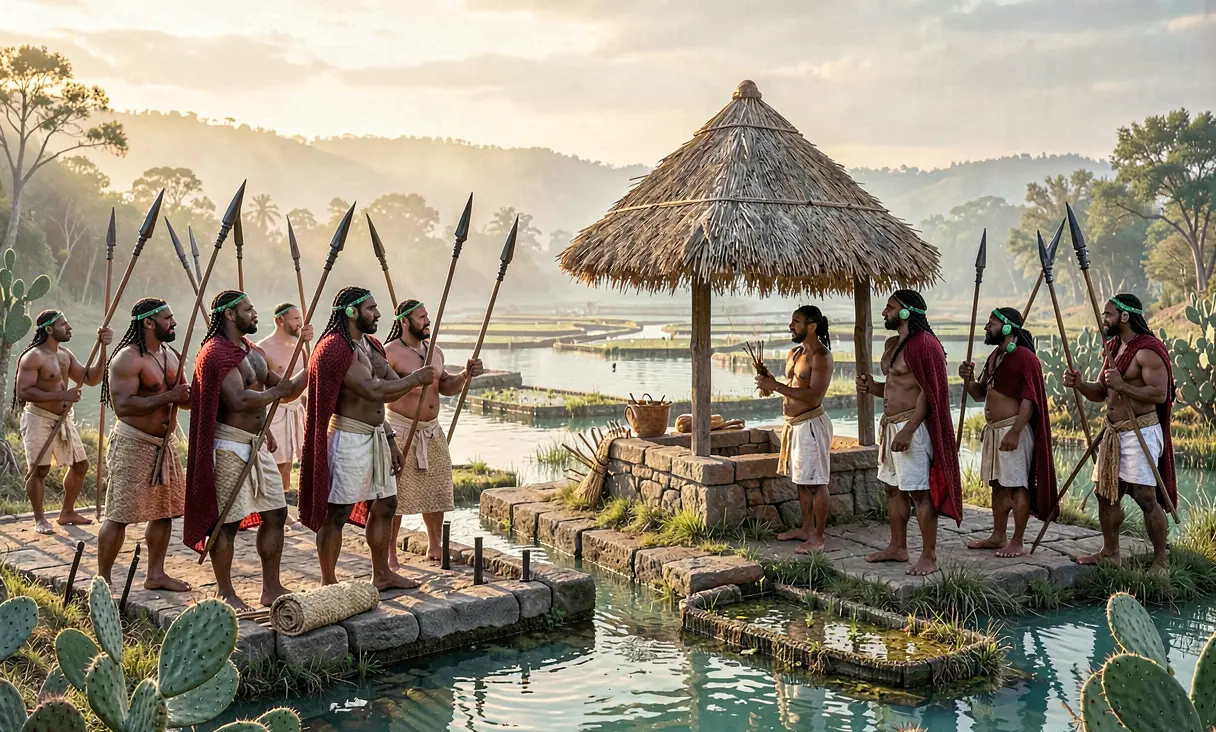 ExplorationFounding of Tenochtitlán on Lake Texcococ. 1325 CE · Lake Texcoco, Mexico City, MexicoThe Mexica establish their capital on an island in Lake Texcoco.
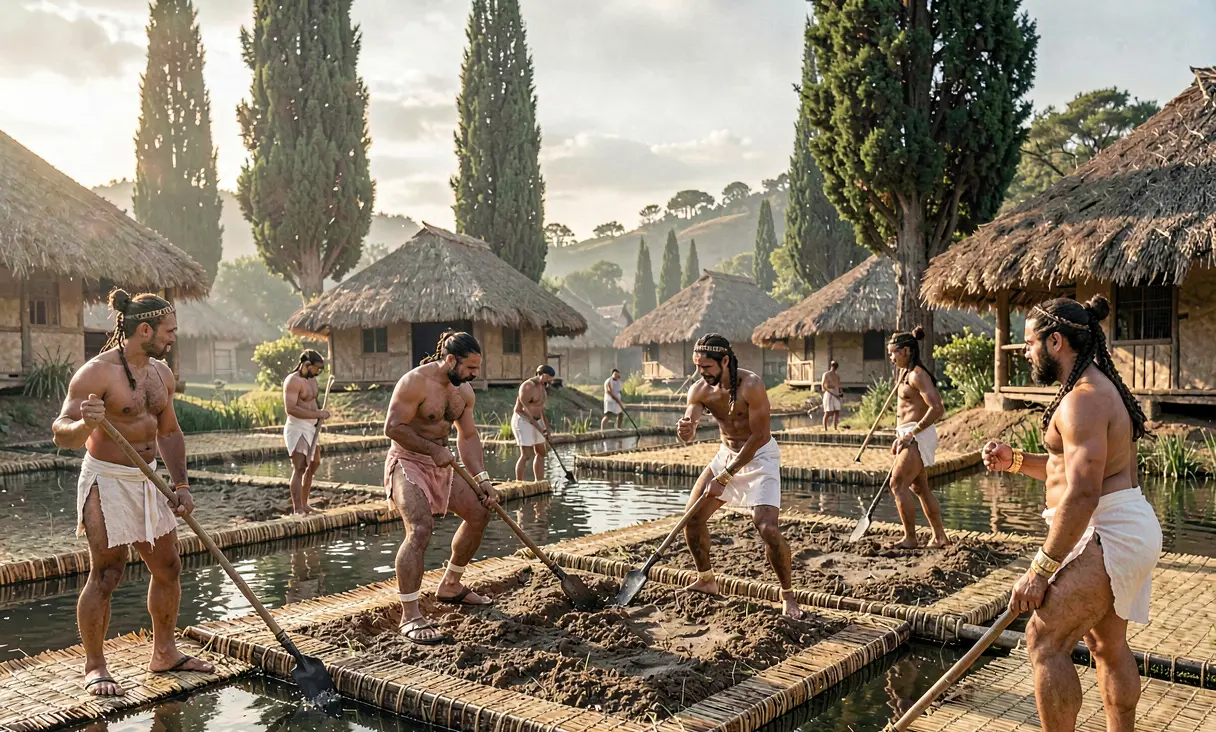 TechnologyExpansion of Chinampa Agriculture in the Valley of Mexicoc. 1400 CE · Lake Xochimilco, Mexico City, MexicoAztec engineers develop intensive floating gardens to feed a growing population.
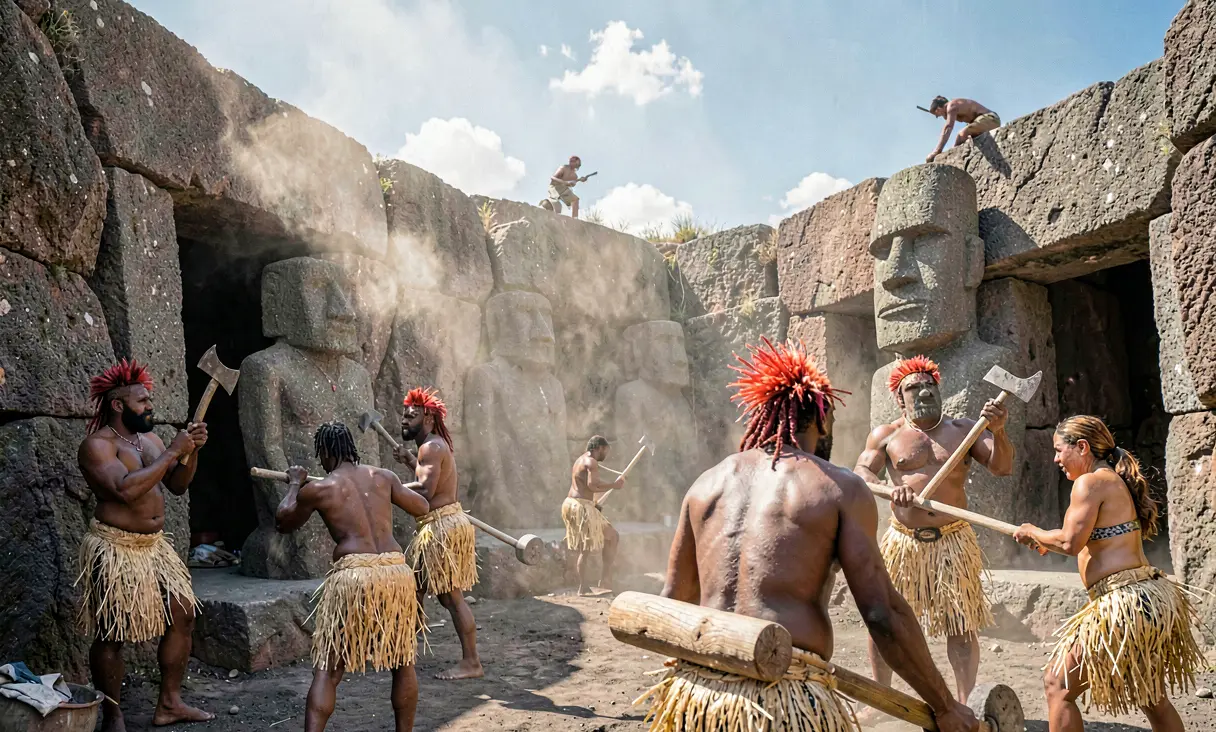 ArtMass Production of Moai Statues at Rano Rarakuc. 1400 CE · Rano Raraku Quarry, Rapa NuiThe peak period of moai carving begins at the Rano Raraku quarry under the direction of clan chiefs.
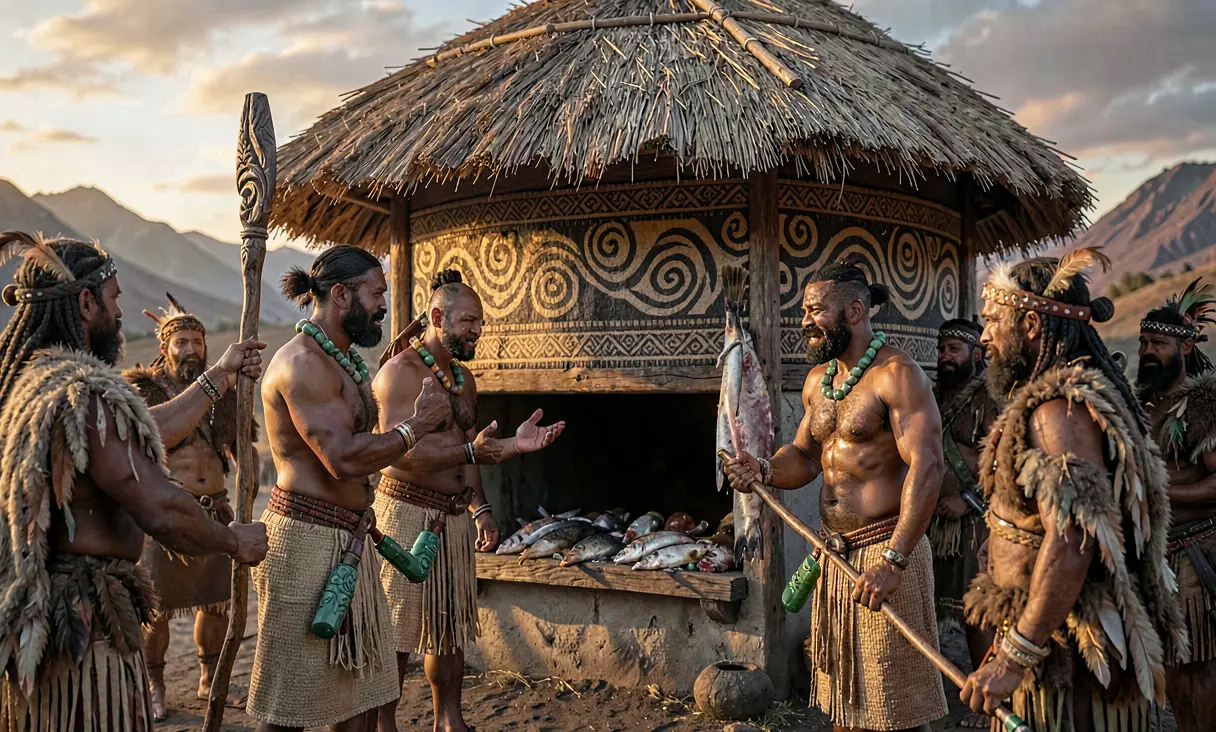 PoliticsBreaking of the Tapu by High Chiefsc. 1400 CE · North Island, New ZealandHigh chiefs challenge and modify traditional tapu rules to consolidate power and redistribute resources.
Discussion
Loading…