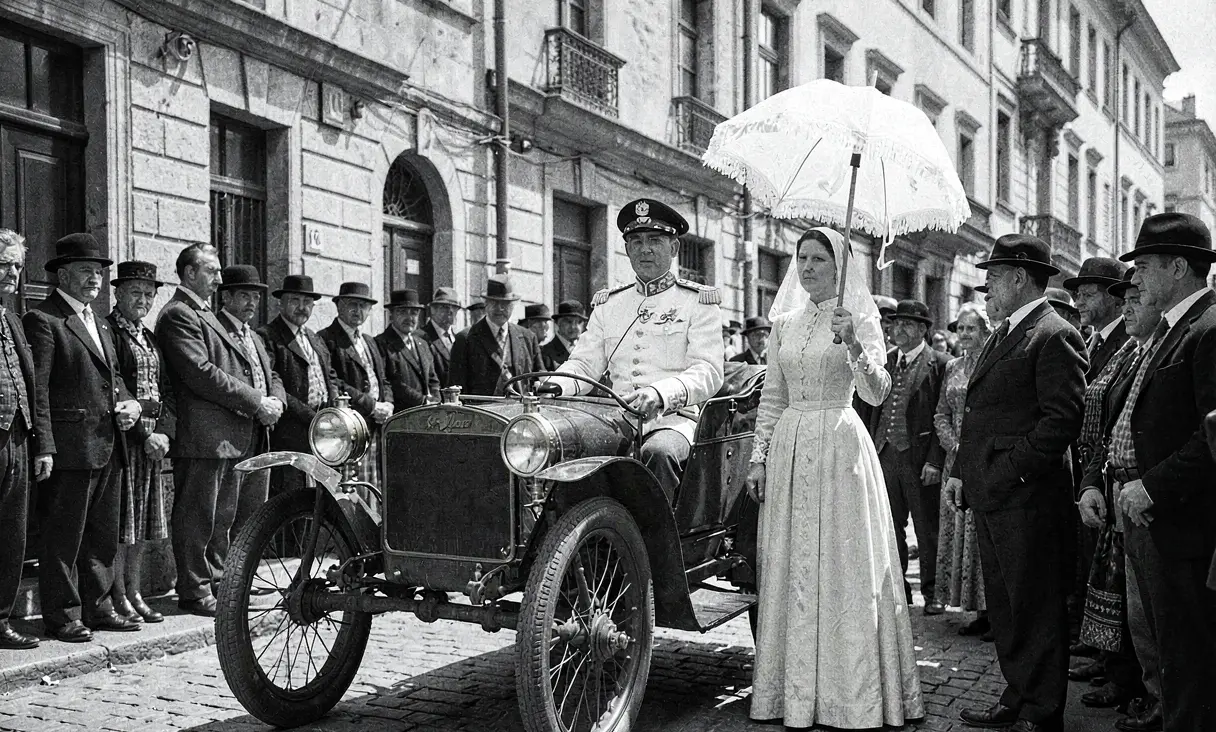
Outbreak of World War I
The assassination of Archduke Franz Ferdinand in Sarajevo triggered a chain reaction of alliances that plunged the world into the first industrialized global war, redrawing maps and costing millions o
The Powder Keg of the Balkans
By the summer of 1914, the geopolitical landscape of Europe was defined by a fragile equilibrium maintained through a web of rigid military alliances and imperial ambitions. The Austro-Hungarian Empire, a multi-ethnic patchwork held together by force and tradition, viewed the rising tide of South Slavic nationalism as an existential threat. Bosnia and Herzegovina, annexed by Vienna in 1908 against the wishes of Serbia and Russia, had become the epicenter of this tension. In Sarajevo, the capital of the province, nationalist groups like the Black Hand, a secret society funded by elements within the Serbian military intelligence, sought to liberate Slavic peoples from Habsburg rule and unite them into a Greater Serbia.
The Assassination in Sarajevo
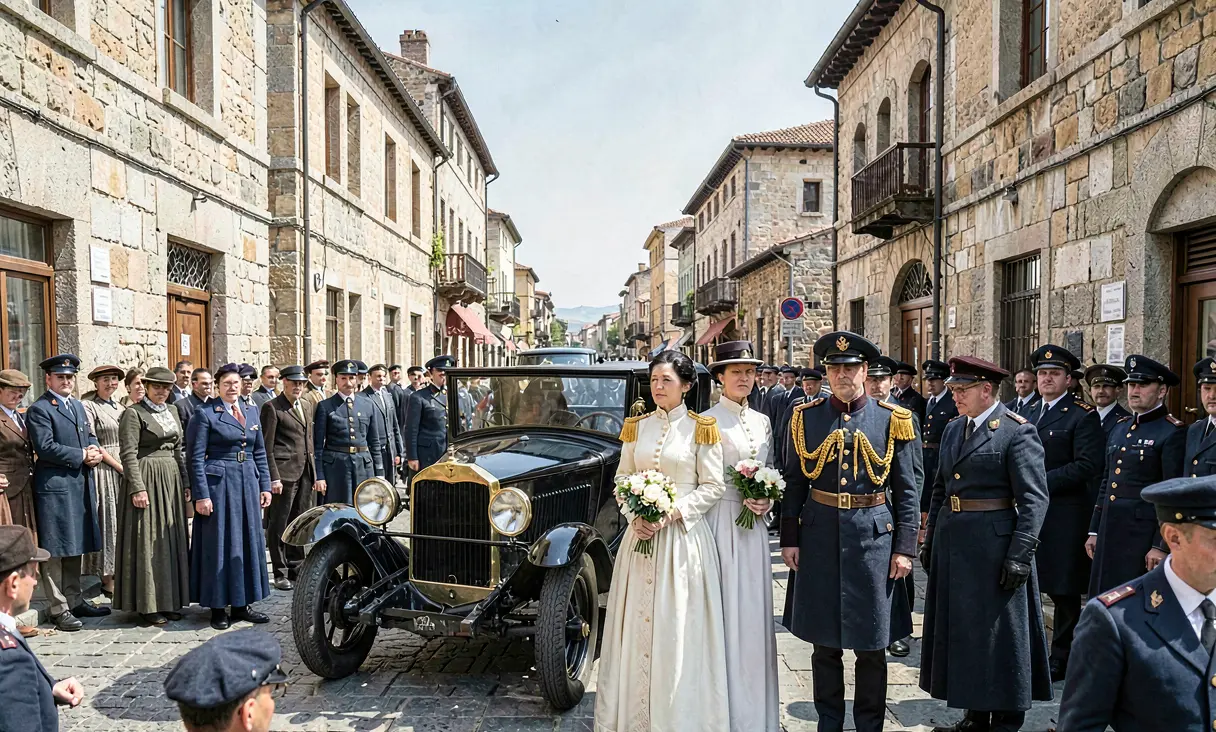
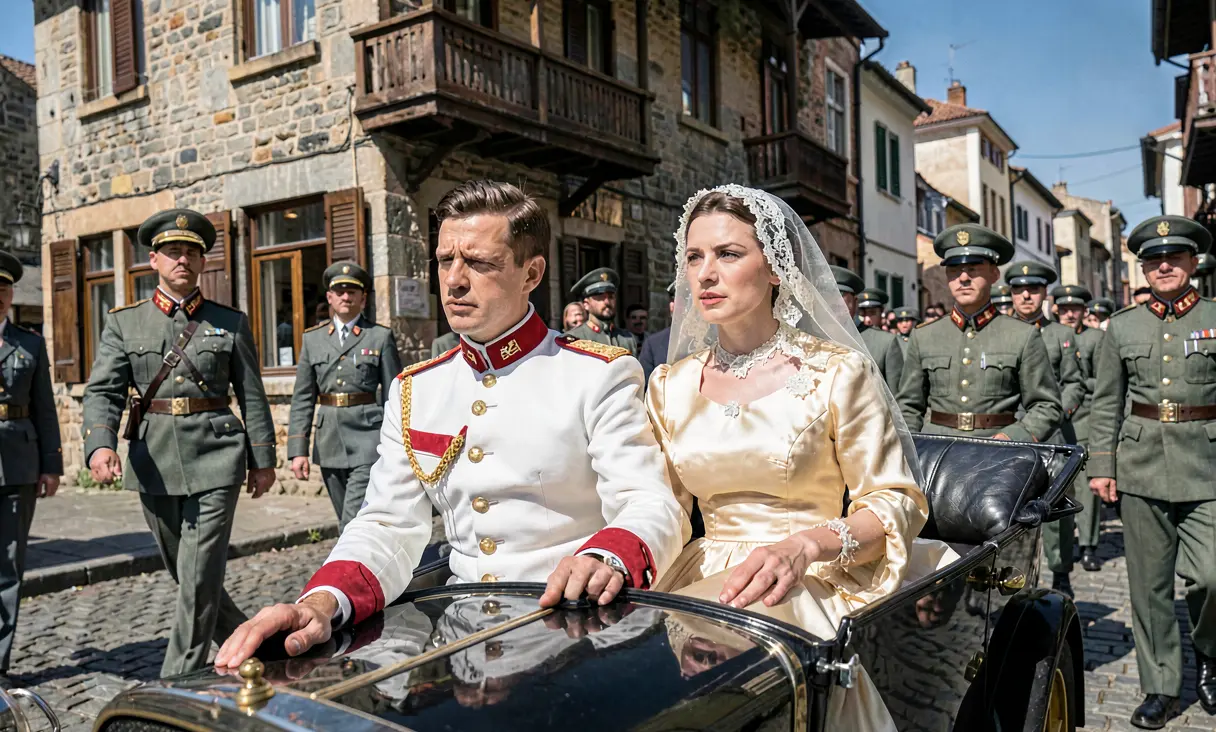
On June 28, 1914, the Feast of St. Vitus (Vidovdan), Archduke Franz Ferdinand, heir to the Austro-Hungarian throne, arrived in Sarajevo for a military inspection. His presence was provocative; he advocated for a federalized empire that would grant Slavs more autonomy, a move feared by hardline Serbian nationalists who sought total independence. Despite intelligence warnings of an assassination plot, security was lax. At 10:15 AM, Gavrilo Princip, a nineteen-year-old Bosnian Serb and member of the Young Bosnia movement, found himself standing near the Latin Bridge. After a failed grenade attempt by conspirator Nedeljko Čabrinović earlier that morning, Princip spotted the Archduke's open touring car stalled due to a navigational error. Seizing the moment, he fired two shots from his FN Model 1910 pistol: one struck Sophie, Duchess of Hohenberg, and the other hit Franz Ferdinand in the neck, killing both instantly.
The July Crisis and Diplomatic Collapse
The assassination did not immediately trigger war; rather, it ignited a month-long diplomatic crisis known as the July Crisis. Austro-Hungarian leaders, blaming Serbia for the attack with German backing via the 'blank check' assurance, issued an ultimatum on July 23 that was deliberately designed to be unacceptable. When Serbia accepted most demands but rejected Austrian involvement in their internal judicial process, Austria-Hungary declared war on July 28, 1914, bombarding Belgrade. The dominoes of the alliance system fell with terrifying speed: Russia mobilized in defense of its Slavic ally, Germany demanded Russian demobilization and declared war on Russia on August 1, then on France on August 3. When Germany invaded neutral Belgium to outflank French defenses, Britain declared war on Germany on August 4, transforming a regional Balkan conflict into a continental catastrophe.
From Mobile Warfare to the Trenches
The initial hopes for a short, decisive war evaporated by late 1914 as the Western Front solidified into a stalemate. The Schlieffen Plan's failure at the First Battle of the Marne forced German and Allied armies to dig in, creating a continuous line of trenches stretching from the North Sea to the Swiss border. This new form of warfare was characterized by industrialized slaughter; machine guns, heavy artillery, poison gas, and barbed wire turned the battlefield into a killing zone where advances were measured in yards at the cost of tens of thousands of lives. Battles like Verdun and the Somme became synonymous with attrition, as generals struggled to break the deadlock against modern defensive technology.
Global Devastation and Demographic Shifts
The war rapidly expanded beyond Europe, drawing in colonies and allies from across the globe, including Japan, the Ottoman Empire, and eventually the United States. The human cost was unprecedented; by the armistice on November 11, 1918, an estimated 20 million people had died, half of them civilians, due to combat, starvation, and disease. Economies were shattered as nations diverted resources entirely to the war effort, leading to hyperinflation in some regions and massive debt in others. The traditional empires that had dominated the world for centuries—the German, Austro-Hungarian, Ottoman, and Russian—collapsed or were dismantled, leaving a power vacuum that reshaped the map of Europe and the Middle East.
Legacy of the Great War
The Treaty of Versailles in 1919 formally ended the conflict but sowed the seeds for future instability. Harsh reparations imposed on Germany, the redrawing of borders without regard for ethnic realities, and the failure of the League of Nations to enforce peace created a volatile environment that facilitated the rise of extremism. The war marked the end of the old world order and the beginning of an era defined by total war, ideological conflict, and the decline of European global hegemony. It was not merely a military engagement but a societal rupture that altered the course of human history, directly paving the way for World War II and the Cold War.
It marked the end of the old European order and ushered in modern total war.
Where it happened
Sarajevo, Bosnia — see it on the interactive map →
Explore related history
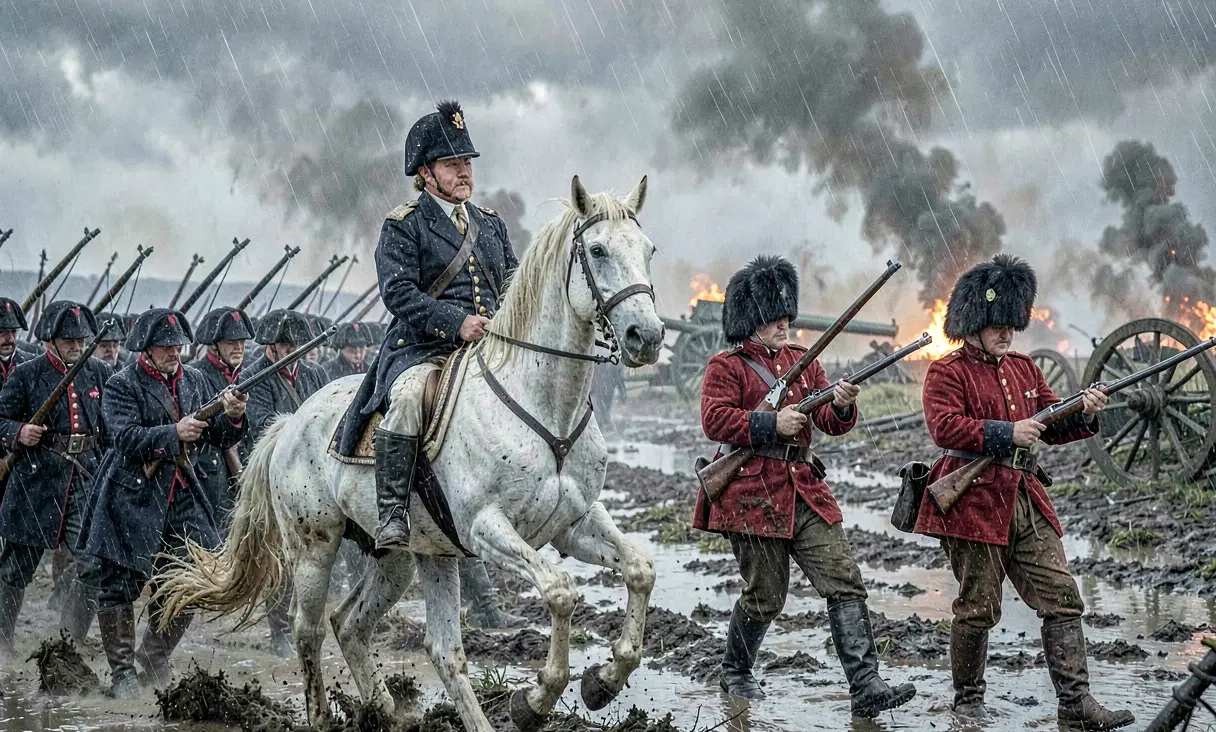 WarBattle of WaterlooJune 18, 1815 · Waterloo, BelgiumNapoleon Bonaparte is defeated, ending the Napoleonic Wars.
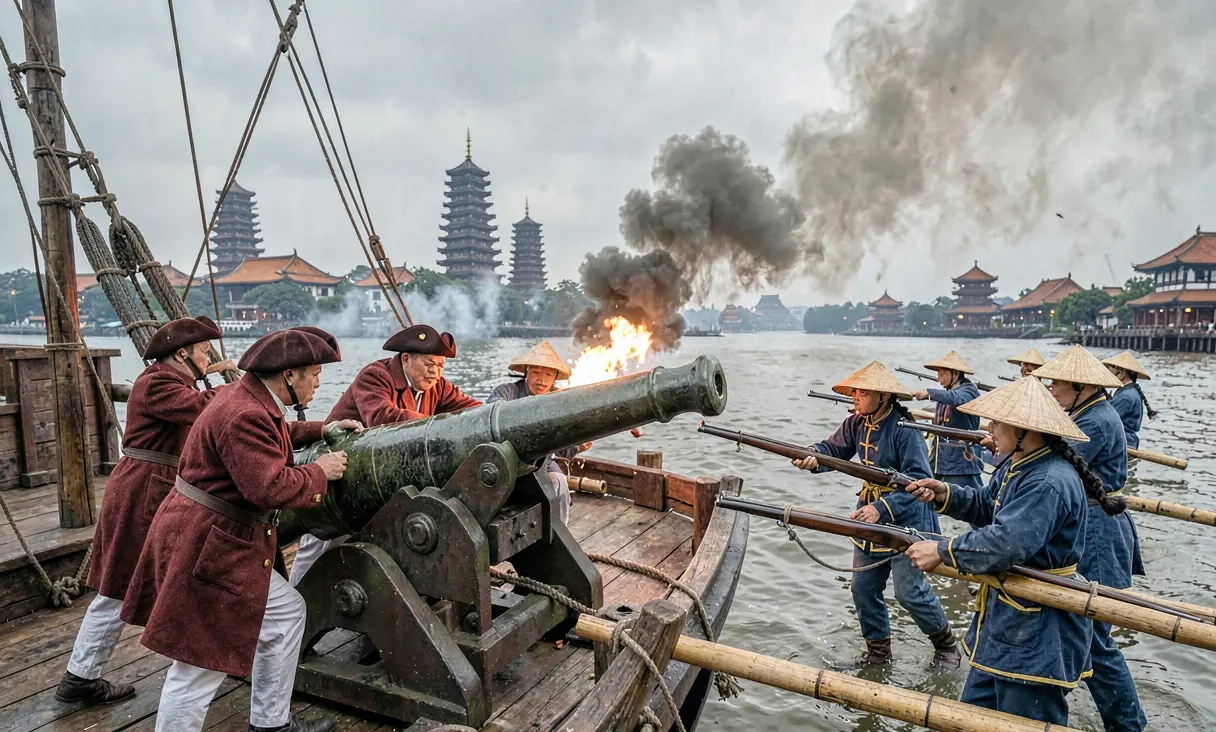 WarFirst Opium War BeginsSeptember 4, 1839 · Guangzhou, ChinaBritain forces open Chinese trade via war, beginning the Century of Humiliation.
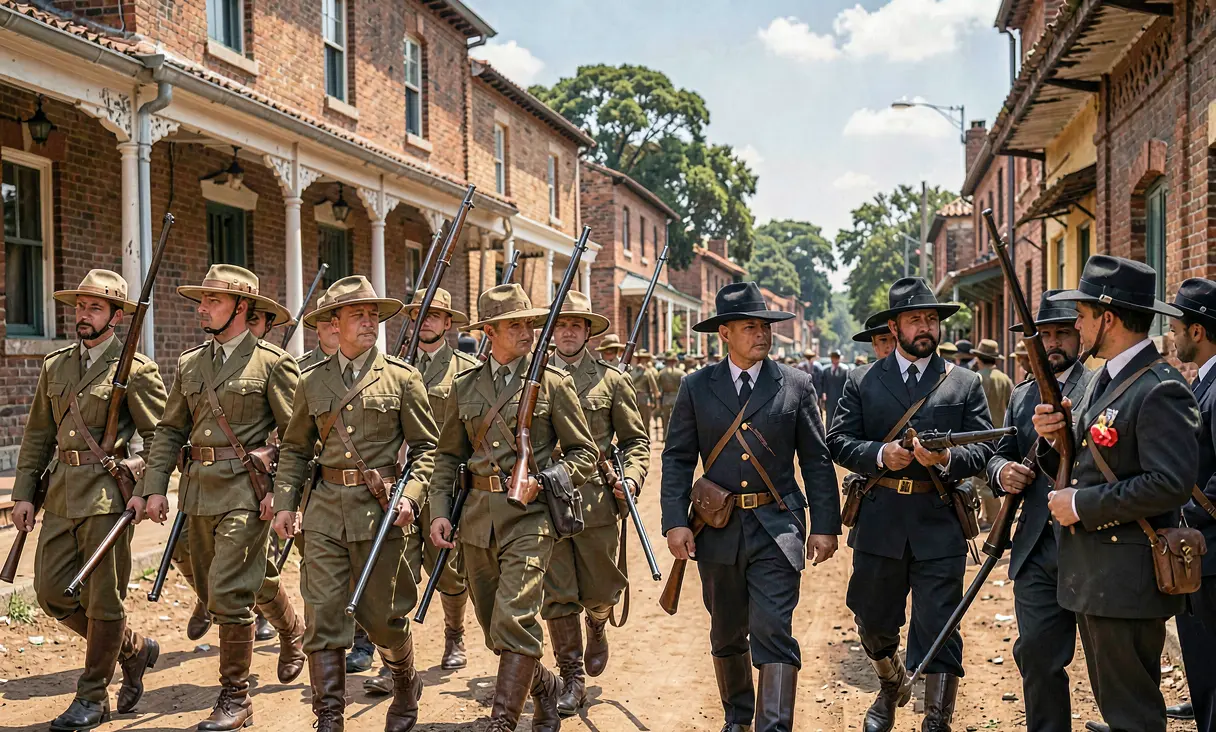 WarSecond Boer War BeginsOctober 11, 1899 · Pretoria, South AfricaBritish Empire fights Boer republics, introducing concentration camps.
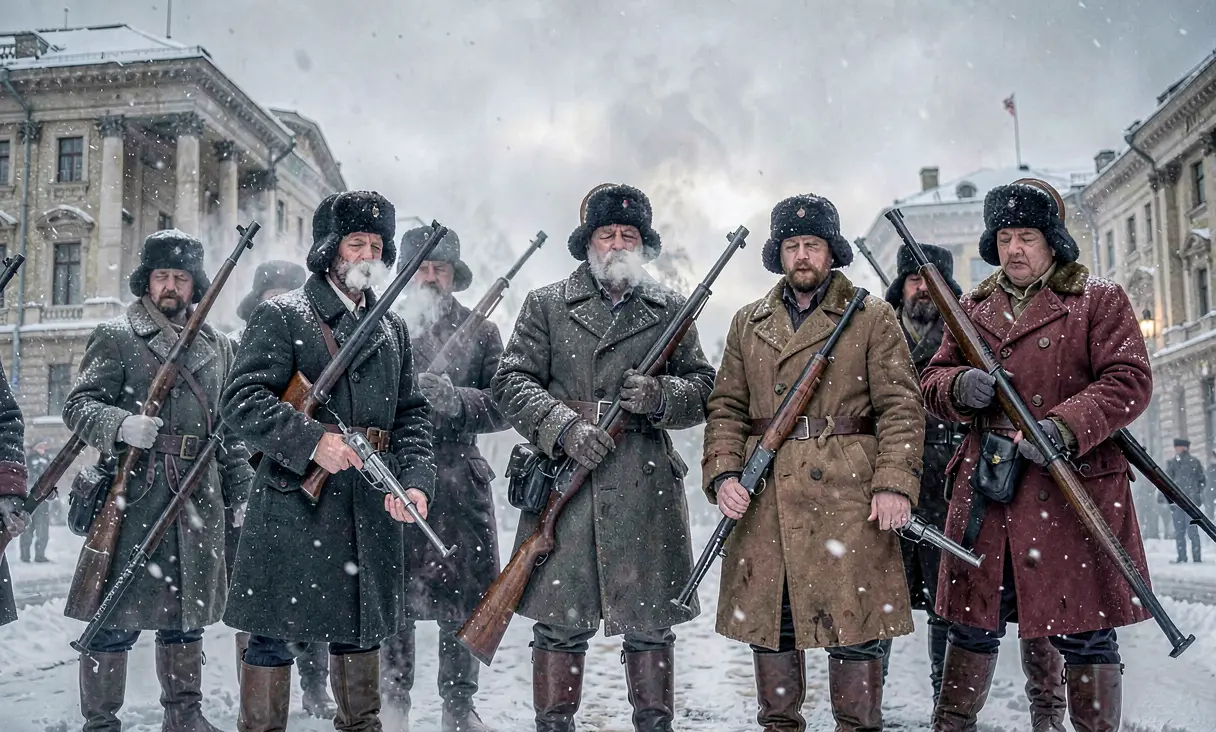 PoliticsOctober RevolutionNovember 7, 1917 · Petrograd (St. Petersburg), RussiaBolsheviks overthrow the Provisional Government, creating the first socialist state.
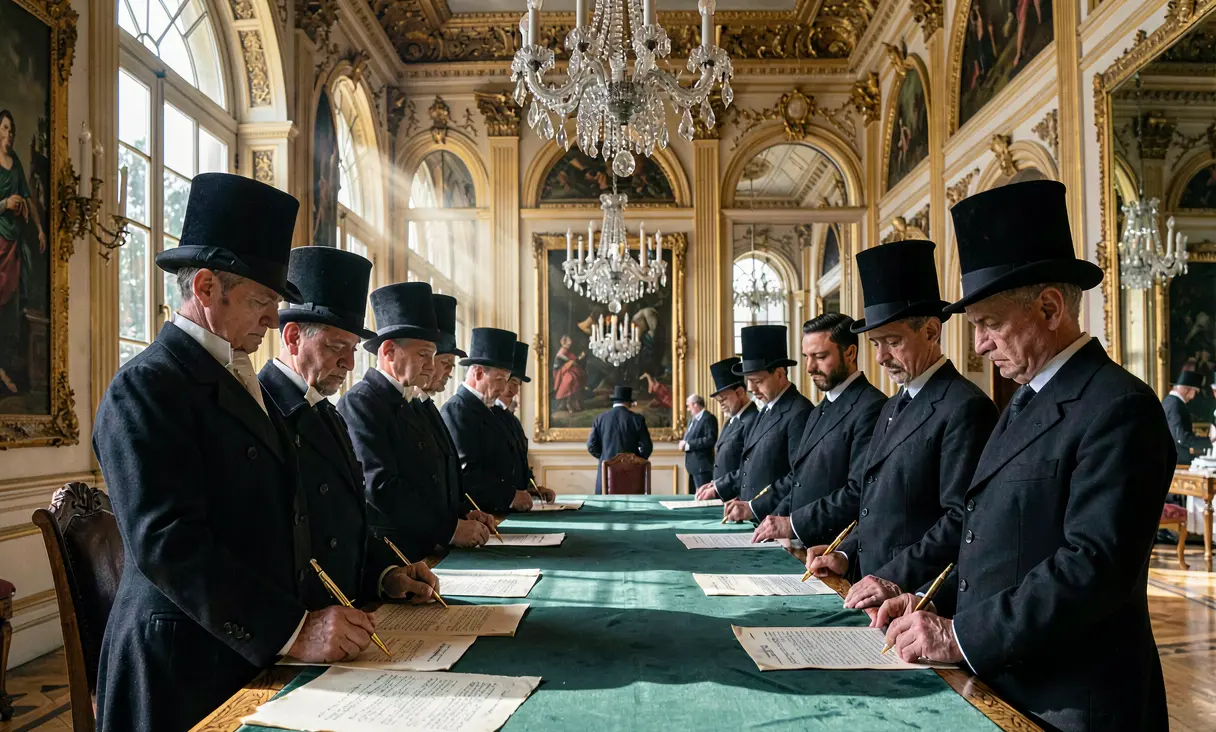 PoliticsTreaty of Versailles SignedJune 28, 1919 · Versailles, FrancePeace treaty ends WWI but imposes harsh terms on Germany, sowing seeds for WWII.
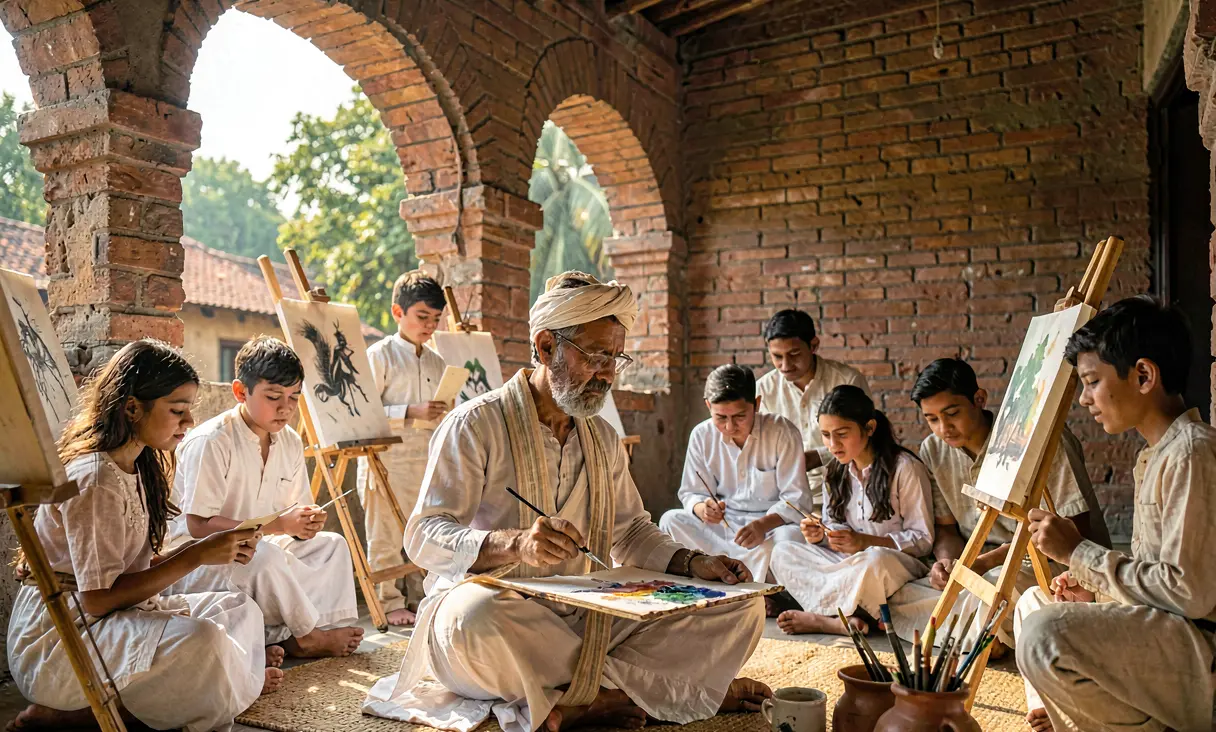 ArtFounding of the Bengal School of Artc. 1905 CE · Calcutta (Kolkata), IndiaAbanindranath Tagore pioneers a new indigenous Indian art style.
Discussion
Loading…