Founding of the Indochinese Communist Party
Ho Chi Minh unified three rival communist factions in Hong Kong to create the Indochinese Communist Party, establishing the centralized revolutionary force that would eventually liberate Vietnam from
The Fractured Landscape of Vietnamese Radicalism
By the late 1920s, Vietnam's anti-colonial resistance was fragmented and ideologically disjointed. Three distinct communist organizations vied for influence: the Annamite Communist Party in Saigon, the Dong Duong Communist League in Hanoi, and the Indochinese Communist Youth Association in Hue. Each group operated with its own leadership, tactical preferences, and limited resources, often engaging in petty rivalries that weakened their collective impact against the French colonial administration. The Comintern (Communist International) in Moscow had grown increasingly impatient with this disunity, viewing it as a critical vulnerability that prevented the realization of a unified proletarian revolution across French Indochina.
The Convergence in Hong Kong
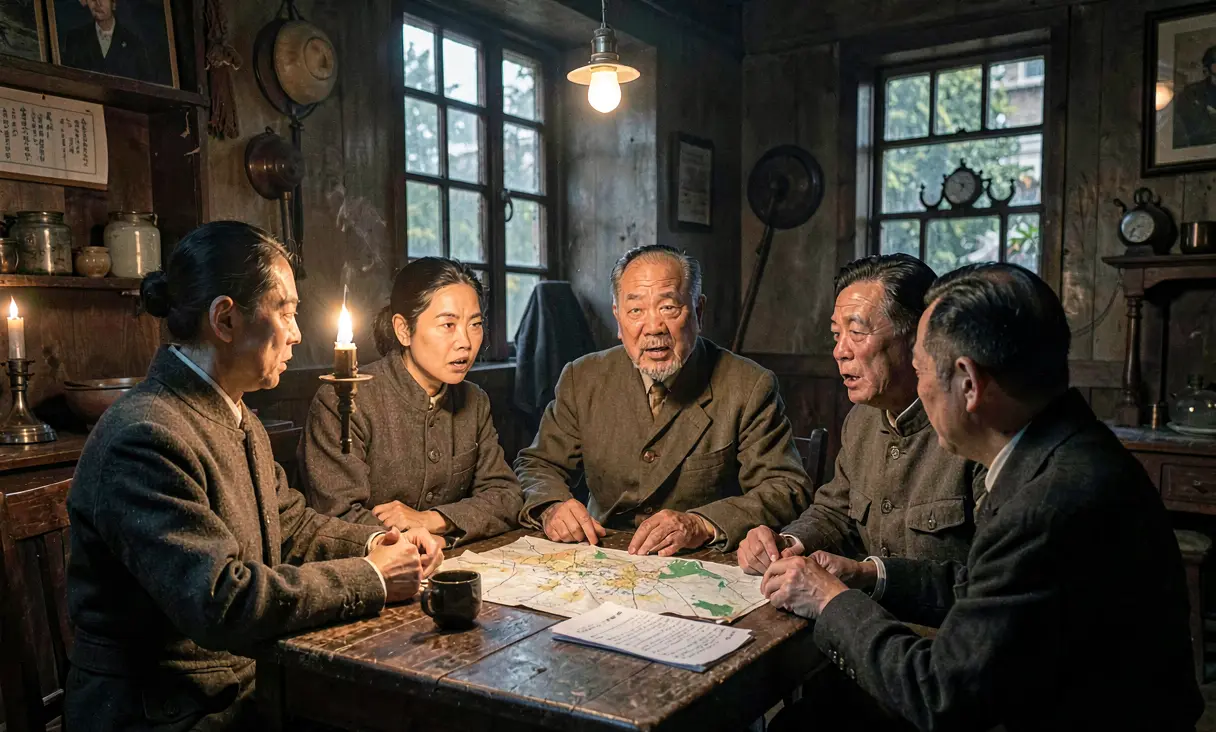
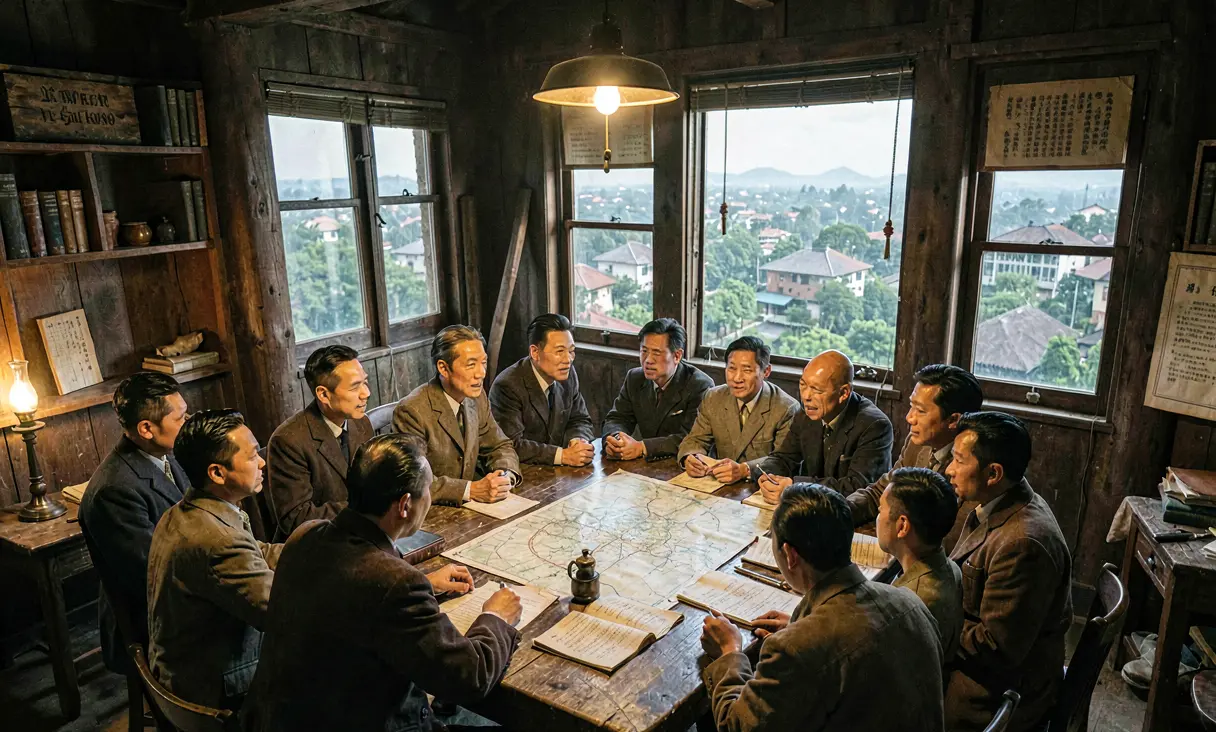
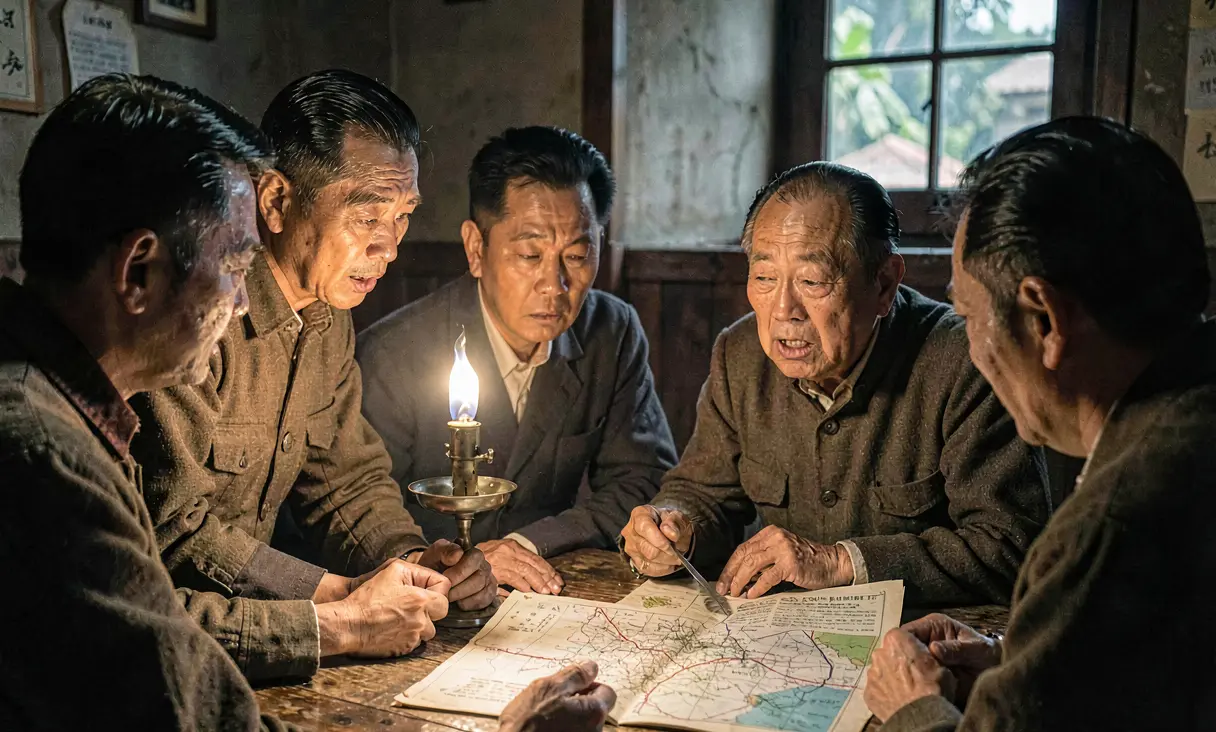
In early 1930, Nguyen Ai Quoc—better known to history as Ho Chi Minh—acted as the Comintern's special envoy to resolve these schisms. He selected Hong Kong, a British colony with a relatively permissive environment for political exiles compared to French-controlled Vietnam, as the neutral ground for unification. On February 3, 1930, representatives from the three rival factions convened in a modest room at the Joss House Bay area of Happy Valley. The atmosphere was tense; deep-seated mistrust existed between the delegates, particularly regarding the dominance of the Hanoi group versus the Saigon contingent. Ho Chi Minh, leveraging his authority as a Comintern representative and his personal charisma, steered the negotiations toward compromise.
Ho Chi Minh and the Architects of Unity
The central figure was undoubtedly Nguyen Ai Quoc, who had spent years traversing Europe, Asia, and Africa to build international solidarity for Vietnamese independence. He was joined by key figures such as Tran Phu, a prominent Hanoi-based revolutionary who would later become the party's first General Secretary, and Ngo Gia Tu, a leader from the Hue faction. These men represented the diverse regional bases of the movement. Their task was not merely administrative but ideological; they had to synthesize Marxist-Leninist theory with the specific agrarian realities of Vietnam, ensuring that the new party addressed both national liberation from French rule and the urgent needs of the peasantry.
The Unification Platform and Strategic Shift
After days of deliberation, the conference concluded with the formal dissolution of the three separate entities and the birth of the Indochinese Communist Party (ICP). The newly adopted political platform was a masterful synthesis of nationalism and communism. It called explicitly for the overthrow of French imperialism, the restoration of national independence, and a radical agrarian revolution to redistribute land to the peasants. Crucially, the party rejected the notion that Vietnam's struggle could be isolated; instead, it framed the revolution as part of a broader anti-imperialist movement across Indochina (including Laos and Cambodia), though in practice, Vietnamese leadership would dominate the organization. The decision to adopt the name 'Indochinese' rather than 'Vietnamese' was strategic, aiming to broaden the appeal while maintaining a unified command structure.
Immediate Aftermath and Colonial Retaliation
The unification proved short-lived in terms of organizational stability. The French colonial authorities, alerted by British intelligence or internal leaks, moved swiftly to dismantle the nascent party. Within months, a wave of arrests swept through Vietnam's major cities. Tran Phu was captured in May 1930 and died in prison later that year. Despite this decapitation of leadership, the ICP had successfully established a centralized command structure that survived the initial crackdown. The party retreated into clandestine operations, reorganizing its cells under strict secrecy. This period marked the transition from open agitation to underground resistance, setting the stage for the peasant uprisings in Nghe An and Ha Tinh later in 1930.
Legacy and the Road to Independence
The founding of the ICP was the pivotal organizational turning point in modern Vietnamese history. It provided the coherent ideological framework and hierarchical structure necessary to mobilize the masses over decades of conflict. The party evolved into the Viet Minh during World War II, leading the struggle against Japanese occupation and subsequently defeating French forces at Dien Bien Phu in 1954. Its influence extended through the Vietnam War against the United States, culminating in national reunification in 1975. Without the unification achieved in Hong Kong on February 3, 1930, the fragmented resistance movements likely would have remained ineffective, potentially altering the geopolitical map of Southeast Asia entirely.
The founding of the ICP centralized Vietnamese nationalist-communist efforts, setting the stage for the eventual independence of North and South Vietnam.
Where it happened
Hong Kong (Vietnamese context) — see it on the interactive map →
Explore related history
 PoliticsSargon of Akkad Establishes the First Empirec. 2334 BCE · Akkad (Location uncertain, near Baghdad, Iraq)Sargon unifies Sumerian city-states to create the world's first multi-ethnic empire.
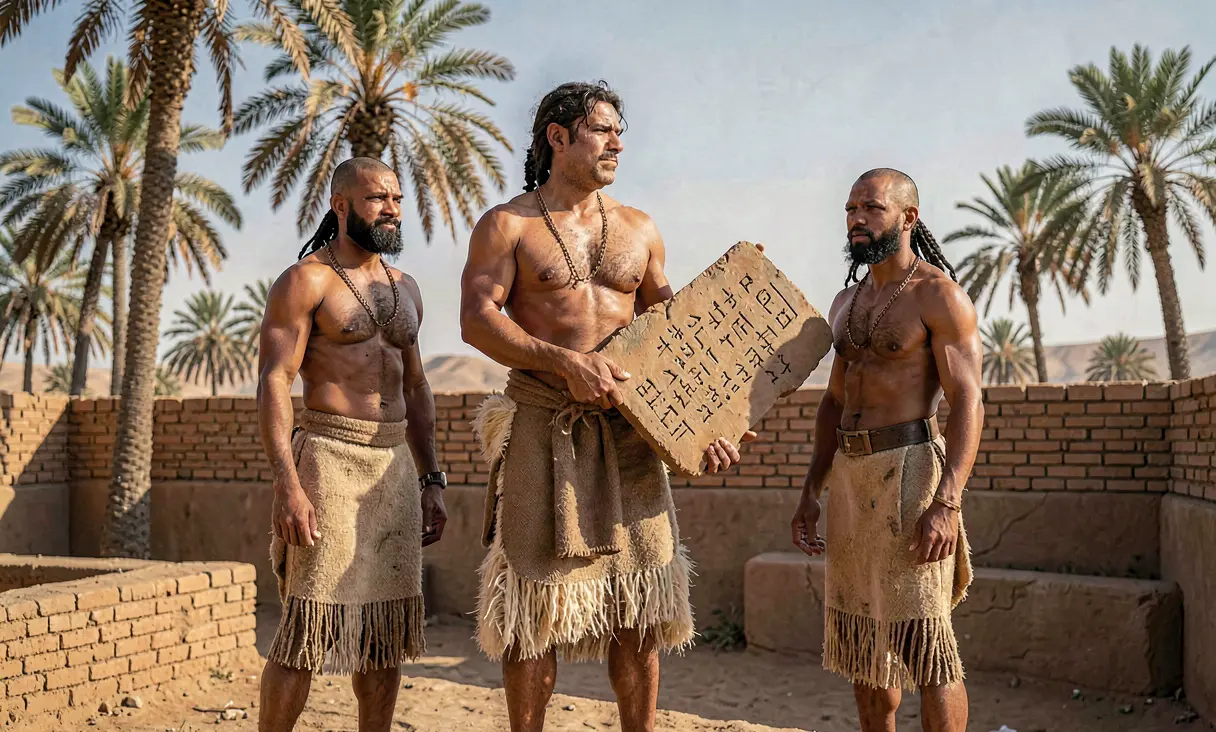 PoliticsPromulgation of the Code of Ur-Nammuc. 2100 BCE · Ur, Southern Mesopotamia (Iraq)The earliest known surviving law code is established in the Sumerian city of Ur.
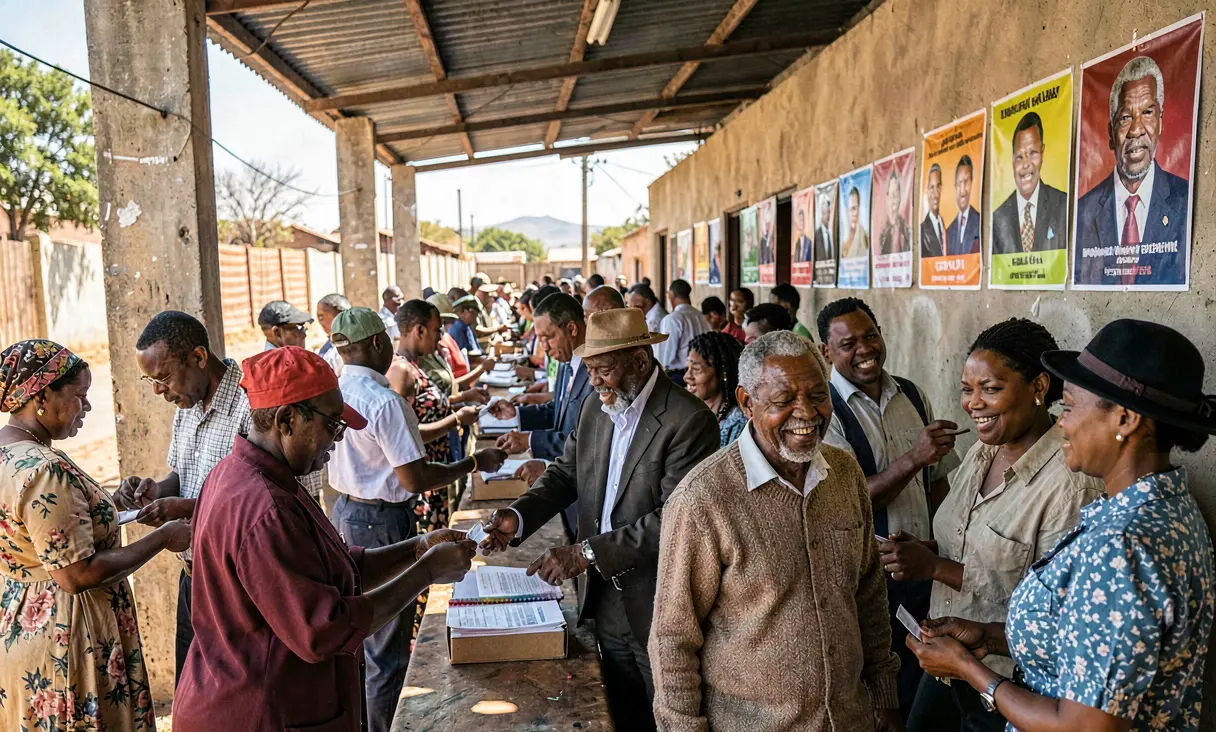 PoliticsNelson Mandela Elected President of South AfricaApril 27, 1994 · Cape Town, South AfricaSouth Africa holds its first democratic election, ending the apartheid regime and establishing a multiracial government.
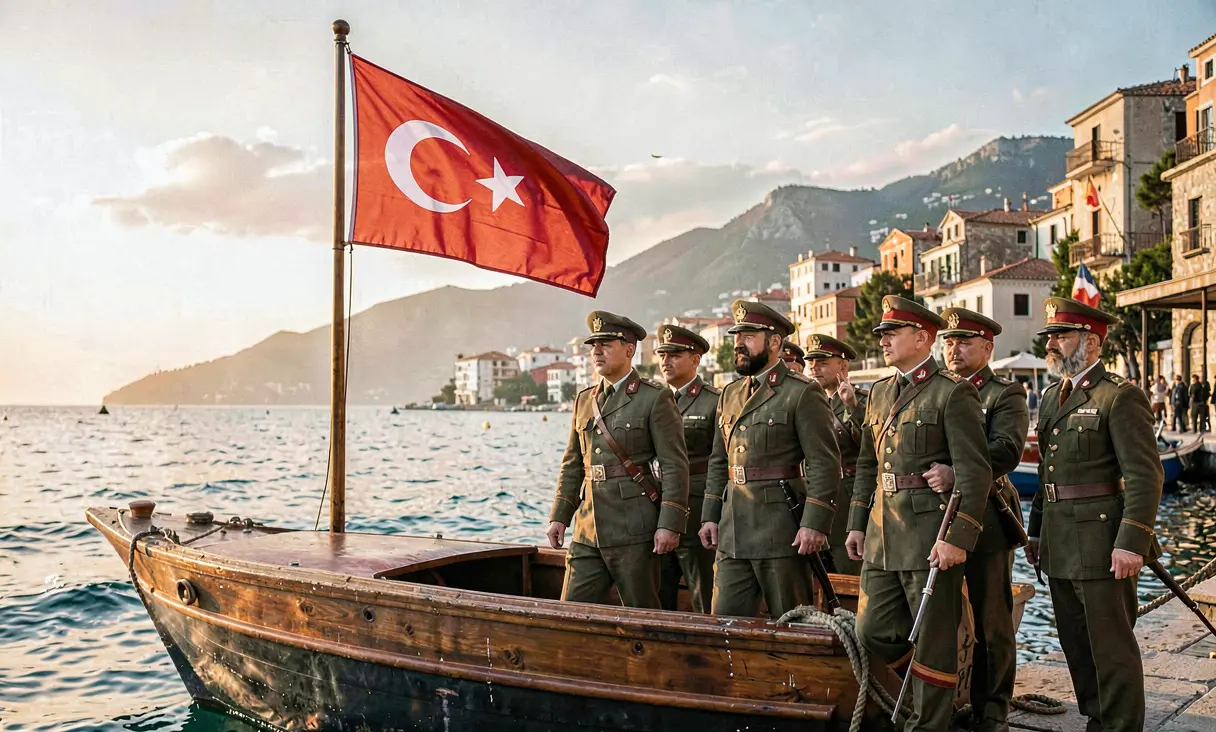 WarTurkish War of Independence BeginsMay 19, 1919 · Samsun, TurkeyMustafa Kemal Atatürk lands in Samsun to organize resistance against Allied occupation and the Ottoman Sultanate.
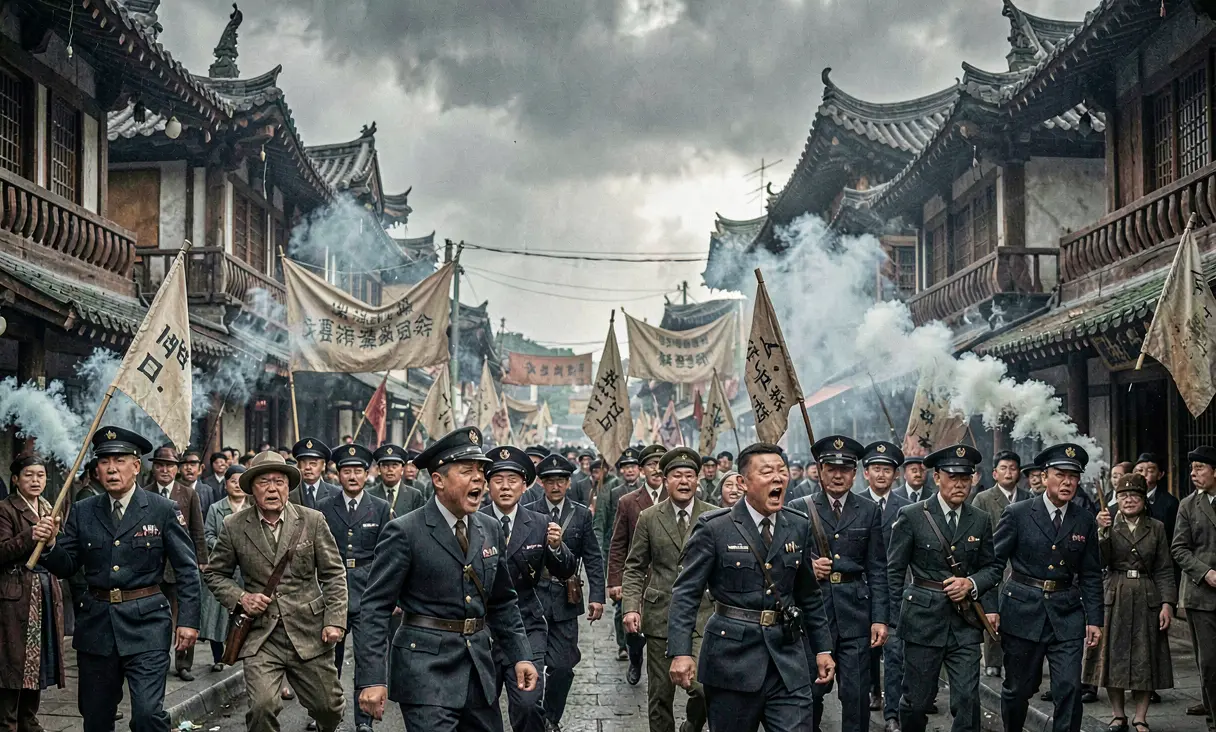 PoliticsKorean March First MovementMarch 1, 1919 · Seoul, Korea (under Japanese rule)Mass non-violent protests erupt across Korea demanding independence from Japanese colonial rule.
 PoliticsEgyptian Revolution of 1919March 8, 1919 · Cairo, EgyptMass protests erupt in Egypt demanding an end to British protectorate and full independence.
Discussion
Loading…