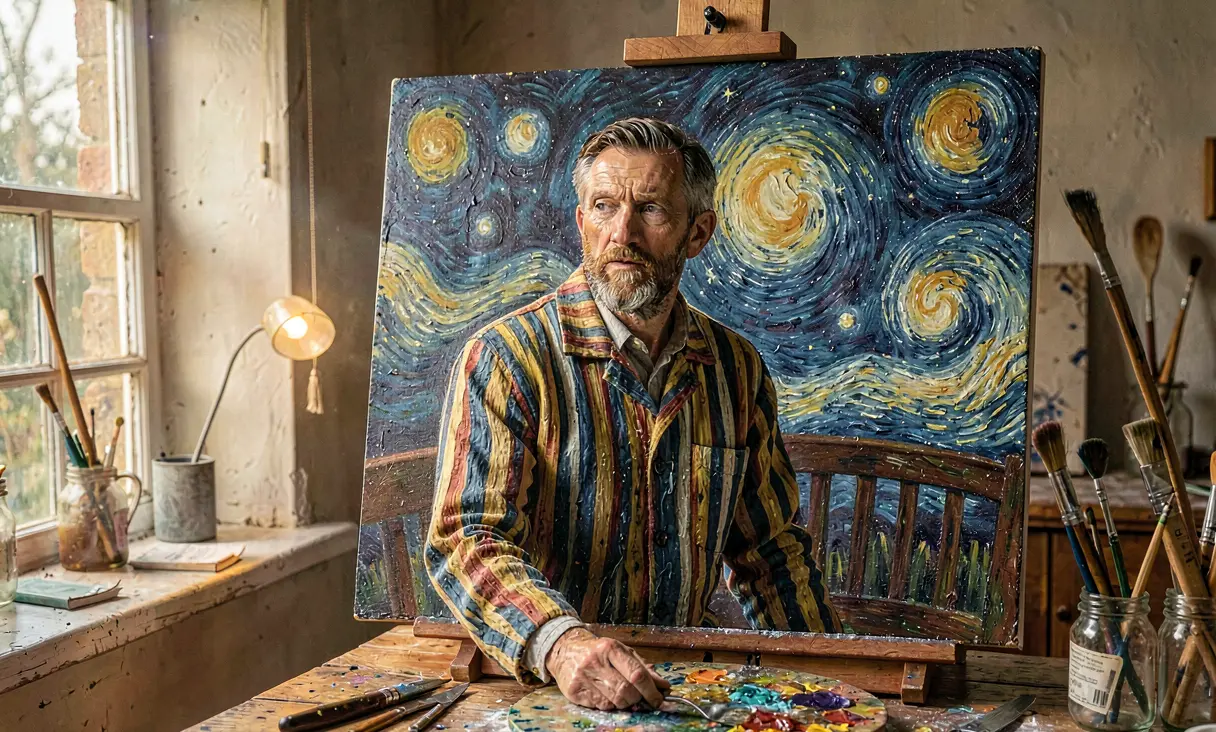
Creation of The Starry Night
Painted in June 1889 from an asylum window, this swirling masterpiece transformed Vincent van Gogh's mental anguish into the world's most iconic vision of the night sky.
Confinement and Context
In May 1889, following the self-inflicted ear injury in Arles and a subsequent breakdown, Vincent van Gogh voluntarily admitted himself to the Saint-Paul-de-Mausole asylum in Saint-Rémy-de-Provence. The institution, a former monastery converted into a psychiatric facility, offered him a structured environment where he could continue his artistic practice under medical supervision. By June of that year, Van Gogh had settled into a routine that alternated between periods of lucid creativity and severe mental episodes. It was within the walls of this asylum, specifically from a room with an east-facing barred window, that he began to observe the nocturnal landscape that would define his legacy.
The Nightly Observation
Contrary to popular belief, The Starry Night was not painted *en plein air* under a starlit sky. Instead, it is a synthesis of memory, observation, and imagination created during the daylight hours. Van Gogh had been sketching the view from his window at dawn for some time, noting the pre-dawn glow and the specific arrangement of celestial bodies. In a letter to his brother Theo dated June 18, 1889, he described seeing 'the morning star' (Venus) with great intensity before sunrise. The painting captures this specific moment of transition, blending the factual view of the village of Saint-Rémy below with an idealized, swirling cosmos that reflected his internal state rather than meteorological reality.
Composition and Technique
The canvas, measuring 73.7 cm by 92.1 cm, is a masterclass in Post-Impressionist technique, characterized by thick impasto brushstrokes that give the surface a rhythmic, vibrating texture. Dominating the left foreground is a towering cypress tree, rendered in deep, dark greens and blacks, serving as a visual bridge between the terrestrial village and the celestial sphere. The sky itself is a chaotic yet harmonious vortex of blues and yellows, where stars are depicted as radiant orbs with concentric halos. Below, the village is largely fictional; while the church spire resembles those found in Van Gogh's native Netherlands rather than Provençal architecture, it anchors the composition in a sense of spiritual longing.
The Creative Process
Van Gogh executed The Starry Night with a speed and intensity that belied his fragile mental state. He worked on the painting over several days in June 1889, layering paint to create a sense of movement and depth. His use of color was deliberate and symbolic; the contrast between the cool blues of the night sky and the warm yellows of the stars and windows was intended to evoke emotional resonance rather than visual accuracy. This period marked a shift in his style toward greater abstraction and expressive distortion, moving away from the observational realism of his earlier Dutch works toward a more subjective interpretation of nature.
Reception and Aftermath
Upon its completion, Van Gogh considered The Starry Night one of his 'failures,' viewing it as too abstract compared to the naturalistic studies he preferred. He sent the painting to his brother Theo in Paris, where it was exhibited at the Salon des Indépendants in September 1889, though it received little critical attention or public acclaim during Van Gogh's lifetime. The work remained in the possession of the van Gogh family for decades, largely unknown to the wider art world until the early 20th century. It was only after his death that critics began to recognize the profound emotional depth and technical innovation embedded within the swirling brushwork.
Legacy and Cultural Impact
Today, The Starry Night is arguably the most recognized painting in Western art history, serving as a global icon of artistic expression and mental resilience. Acquired by the Museum of Modern Art (MoMA) in New York City in 1941 through the Lillie P. Bliss Bequest, it has transcended its origins to become a symbol of the tortured genius archetype. The painting's influence extends far beyond the art world, permeating popular culture, literature, and music, while continuing to inspire artists who seek to convey internal emotional landscapes through external forms. It stands as a testament to Van Gogh's ability to transform personal suffering into universal beauty.
This painting revolutionized modern art by prioritizing emotional expression over realistic representation through dynamic color and form.
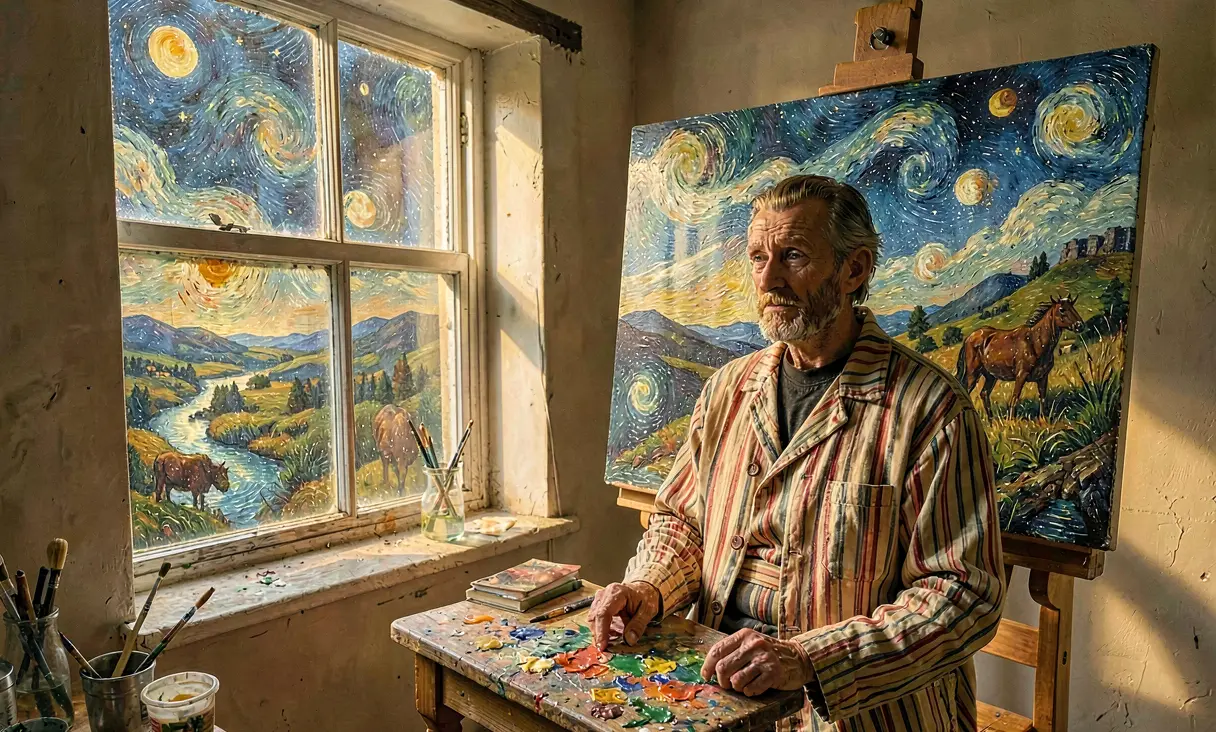
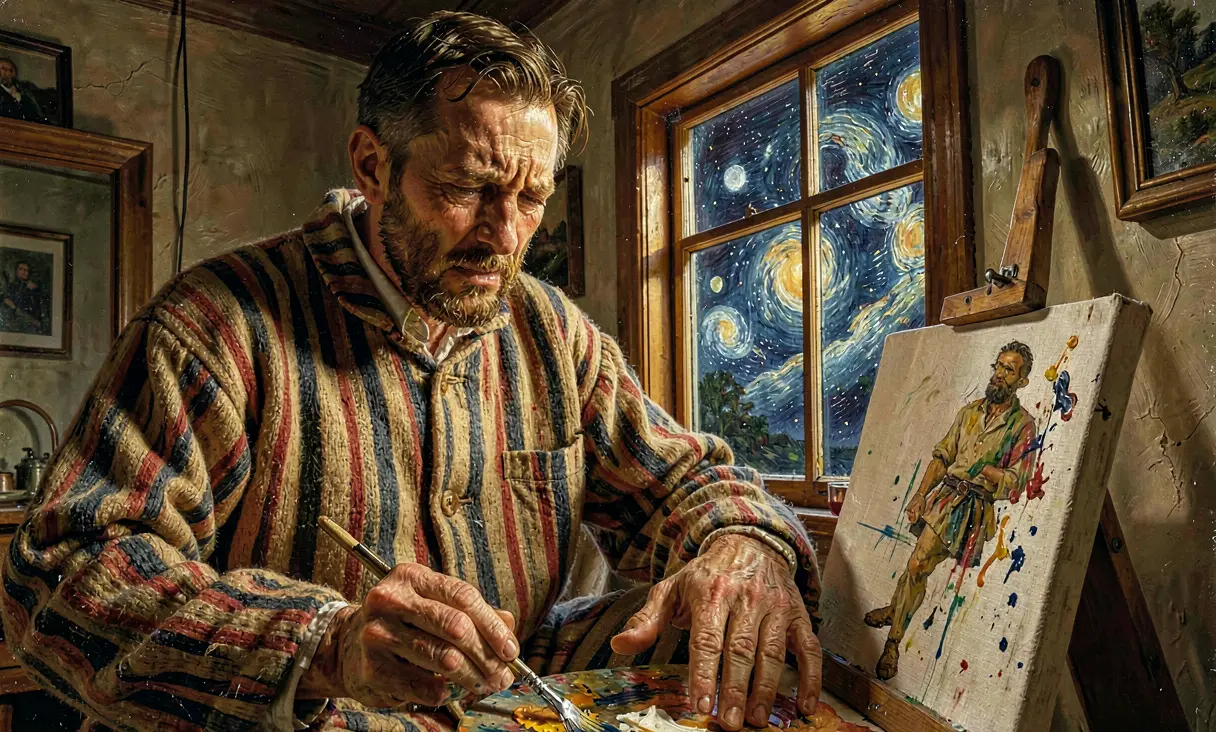
Where it happened
Saint-Rémy-de-Provence, France — see it on the interactive map →
Explore related history
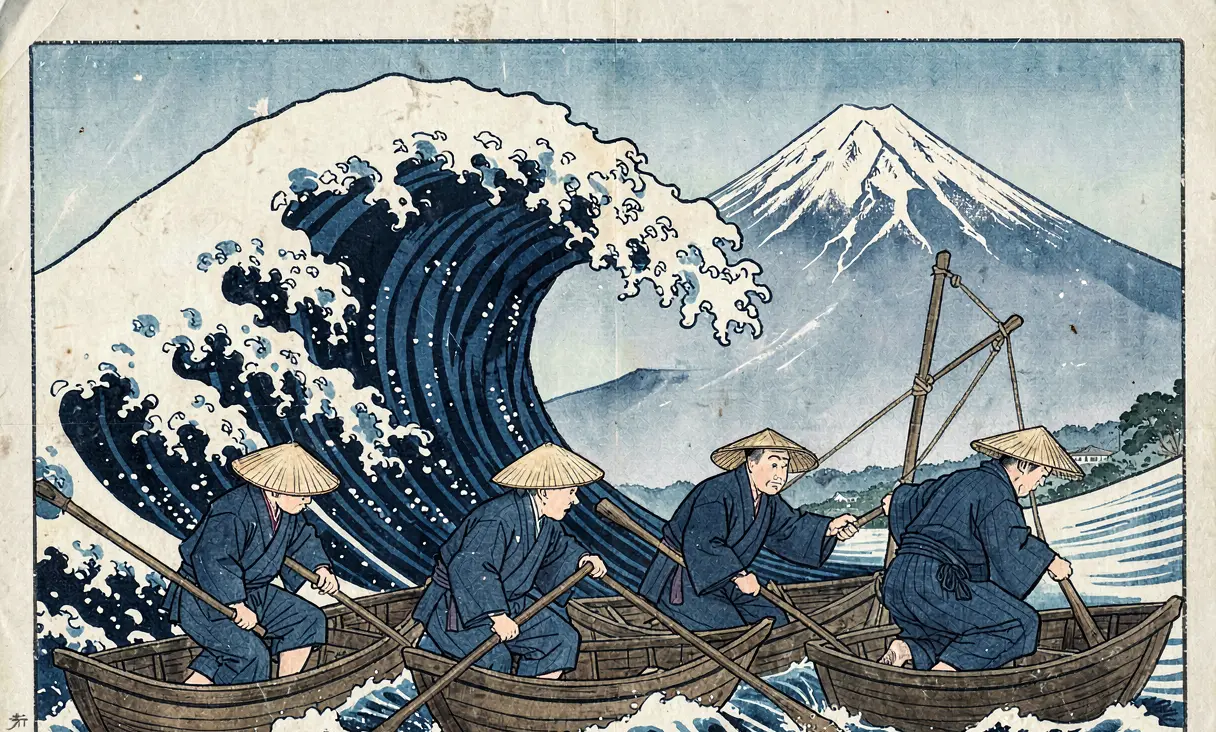 ArtCreation of The Great Wave off Kanagawac. 1831 CE · Kanagawa, JapanHokusai produces iconic woodblock print influencing Western art movements.
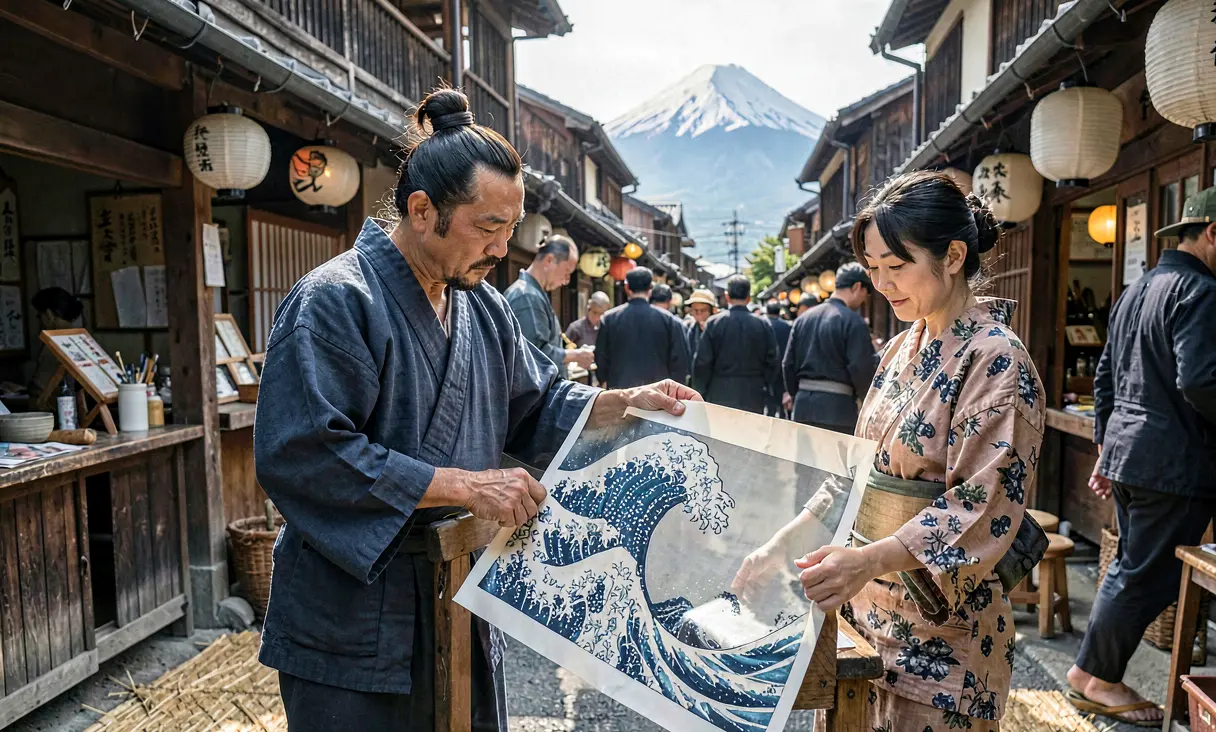 ArtPublication of Hokusai's Great Wavec. 1831 CE · Edo (Tokyo), JapanKatsushika Hokusai releases the iconic woodblock print of Mount Fuji.
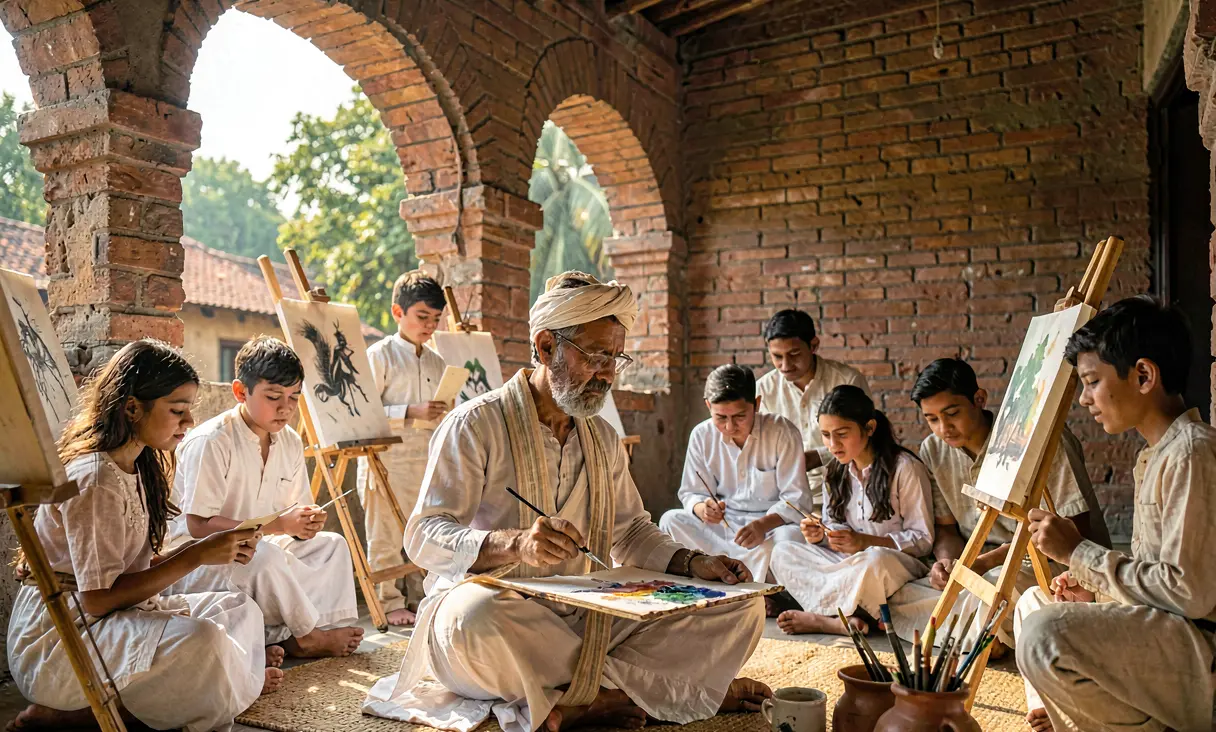 ArtFounding of the Bengal School of Artc. 1905 CE · Calcutta (Kolkata), IndiaAbanindranath Tagore pioneers a new indigenous Indian art style.
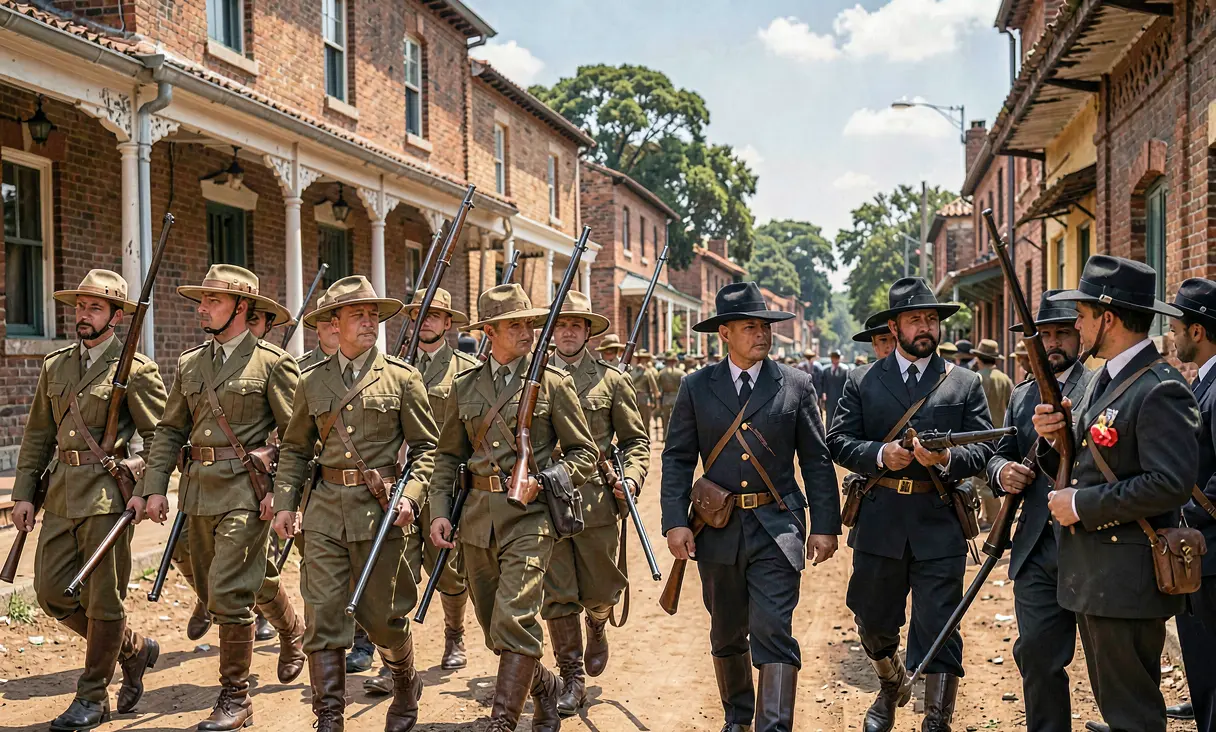 WarSecond Boer War BeginsOctober 11, 1899 · Pretoria, South AfricaBritish Empire fights Boer republics, introducing concentration camps.
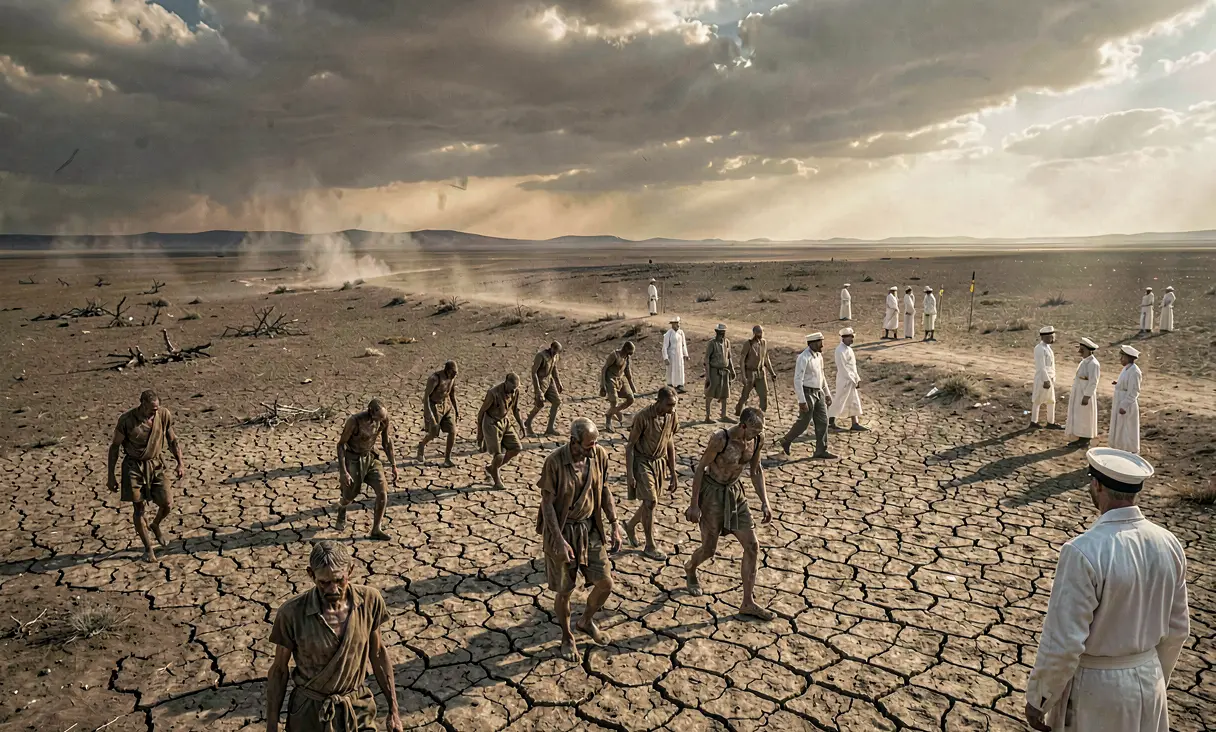 DisasterGreat Famine of India (1876-1878)November 1, 1876 · Southern IndiaDrought and British policy cause mass starvation in India.
 WarOutbreak of World War IJuly 28, 1914 CE · Sarajevo, BosniaAssassination of Archduke Franz Ferdinand triggers a global conflict involving major powers.
Discussion
Loading…