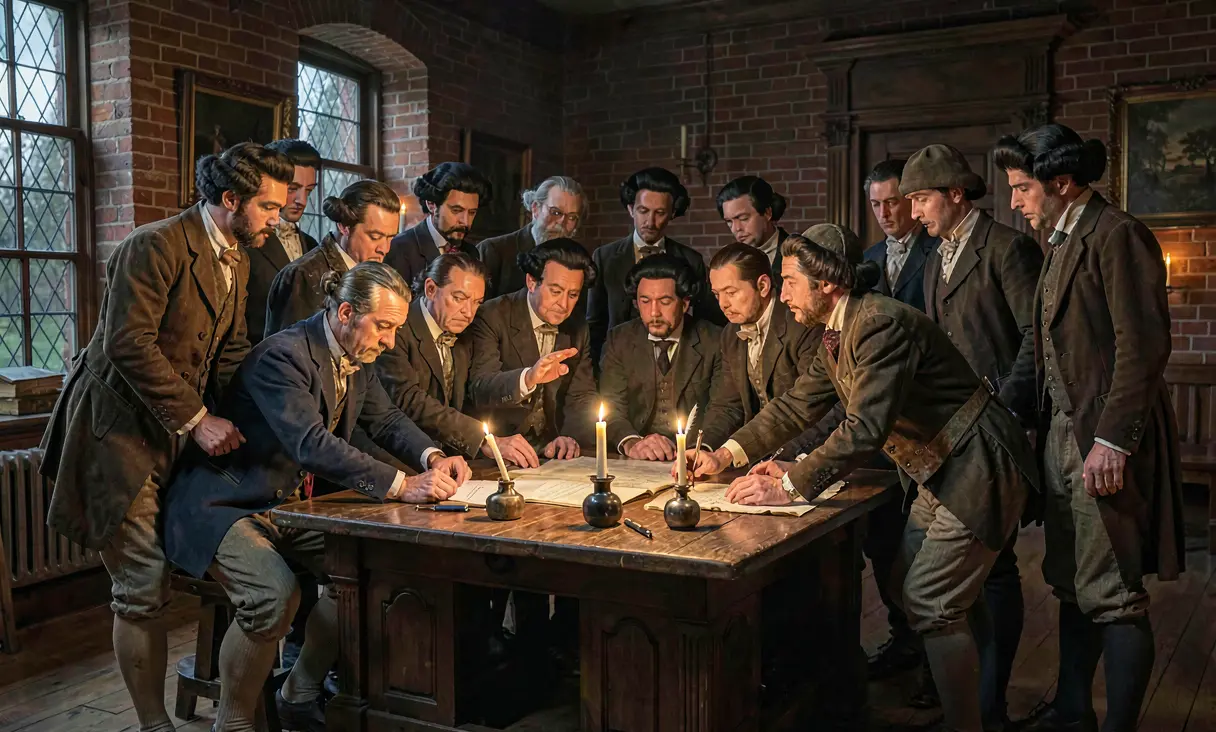
Adoption of US Declaration of Independence
On July 4, 1776, the Continental Congress adopted Thomas Jefferson's Declaration of Independence, transforming thirteen rebellious colonies into a sovereign nation founded on Enlightenment ideals that
Crucible of Revolution
By the summer of 1776, the American colonies had been engaged in armed conflict with Great Britain for over a year following the skirmishes at Lexington and Concord. The Second Continental Congress, convening in Philadelphia's Pennsylvania State House (later Independence Hall), found itself in a precarious position: fighting a war without a declared cause or a unified political identity. While many delegates still harbored hopes of reconciliation through petitions like the Olive Branch Petition, the radical faction led by John Adams and Richard Henry Lee argued that separation was inevitable. The intellectual climate had shifted dramatically from demands for rights within the British Empire to a full-throated rejection of monarchical authority, fueled by Thomas Paine's incendiary pamphlet 'Common Sense,' which sold 150,000 copies in its first months and galvanized public opinion toward independence.
The Committee of Five
On June 11, 1776, the Congress appointed a 'Committee of Five' to draft a formal declaration justifying the break from Britain. The committee comprised John Adams of Massachusetts, Roger Sherman of Connecticut, Robert Livingston of New York, Benjamin Franklin of Pennsylvania, and Thomas Jefferson of Virginia. Despite Adams's seniority and oratorical prowess, he insisted that the Virginian Jefferson take the lead in writing the document, citing Jefferson's superior penmanship and reputation as a writer. Over two weeks in June, largely working in isolation at his lodgings on Market Street, Jefferson synthesized Enlightenment philosophy, particularly the works of John Locke, with specific colonial grievances to create a draft that would redefine the concept of sovereignty.
Debate and Revision
When Jefferson presented his draft on June 28, it faced immediate scrutiny from both the Committee of Five and the full Congress. The delegates engaged in a rigorous editing process over July 1 and 2, removing approximately one-quarter of the original text to secure unanimous support among the fractious colonies. Most notably, they excised a lengthy passage condemning the slave trade and blaming King George III for its existence, a concession made to appease South Carolina and Georgia delegates whose economies relied on slavery. Other edits softened the tone against British citizens and refined the phrasing of grievances regarding taxation and quartering troops, transforming Jefferson's fiery manifesto into a more legally precise instrument of statecraft.
The Vote for Independence
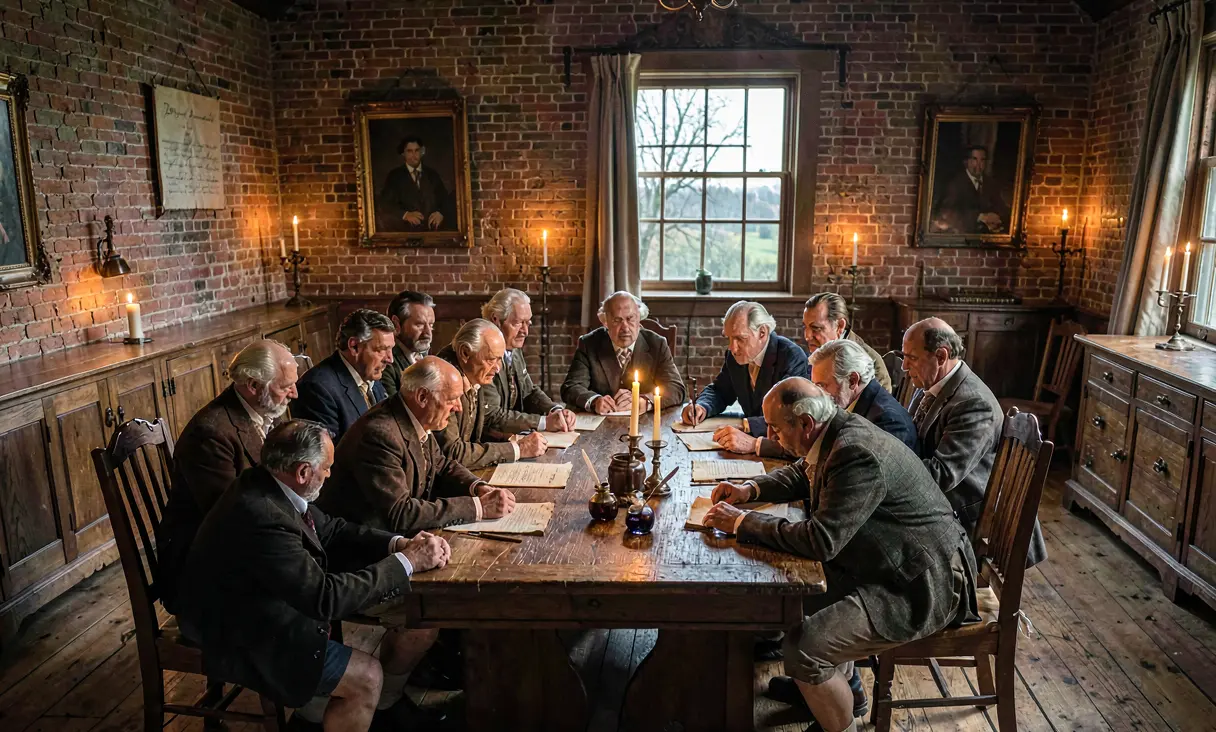
On July 2, 1776, the Congress voted on Lee's resolution for independence. With New York abstaining due to lack of instructions from its provincial congress, twelve colonies voted in favor and one (New York) abstained, effectively making the decision unanimous once New York later ratified it. John Adams famously predicted that July 2 would be celebrated by future generations as a great anniversary festival. However, the delegates chose to delay the formal adoption of the written declaration until July 4 to allow for final revisions and printing. On that day, the Congress formally adopted the 'Unanimous Declaration of the Thirteen United States of America,' with only John Dickinson of Pennsylvania refusing to sign at this stage.
A Sovereign Nation Born
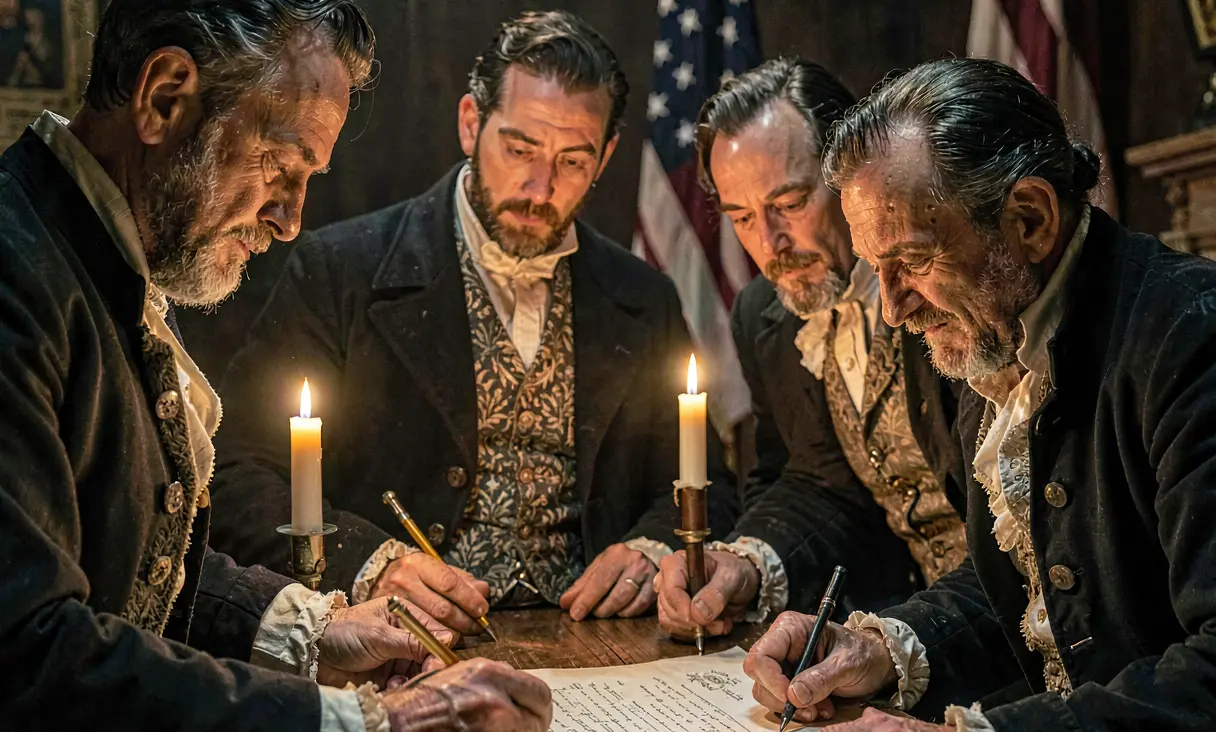
The adoption of the document marked a fundamental shift in international relations and political theory. It was not merely a list of complaints but a philosophical assertion that governments derive their just powers from the consent of the governed, and that when a government becomes destructive to the unalienable rights of life, liberty, and the pursuit of happiness, the people have the right to alter or abolish it. By signing this document, fifty-six delegates risked charges of high treason against the Crown, pledging their 'lives, fortunes, and sacred honor.' The act legally dissolved the political bands connecting the colonies to Great Britain, establishing the United States as a sovereign entity capable of forming alliances, waging war, and conducting diplomacy on the world stage.
Global Echoes and Enduring Legacy
The ripple effects of July 4, 1776, extended far beyond the Atlantic Ocean. The Declaration's articulation of universal human rights provided a blueprint for revolutionary movements worldwide, most notably inspiring the French Revolution's 'Declaration of the Rights of Man and of the Citizen' in 1789. Over subsequent centuries, its language has been invoked by abolitionists like Frederick Douglass, suffragettes at Seneca Falls, and leaders of decolonization movements across Asia and Africa. While the nation struggled for decades to align its practice with its professed ideals regarding slavery and gender, the document's enduring power lies in its aspirational promise that all men are created equal, serving as a perpetual standard against which American society measures itself.
It birthed the first modern republic influencing democracy worldwide.
Where it happened
Philadelphia, USA — see it on the interactive map →
Explore related history
 PoliticsFounding of Fatehpur Sikric. 1571 CE · Fatehpur Sikri, Uttar Pradesh, IndiaAkbar establishes Fatehpur Sikri as the new capital of the Mughal Empire to honor his spiritual guide and centralize administration.
 PoliticsPeace of WestphaliaOctober 24, 1648 · Münster and Osnabrück, GermanyTreaties end the Thirty Years' War, establishing state sovereignty.
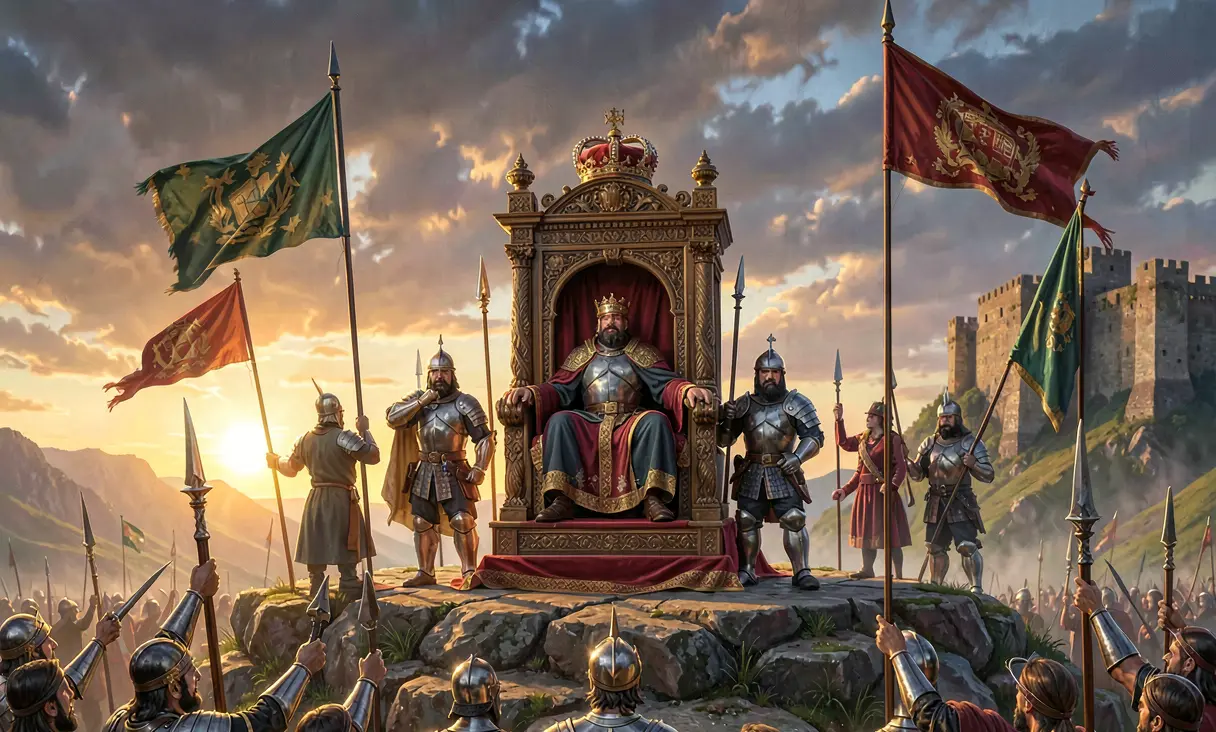 PoliticsShivaji Maharaj Coronation and Maratha Empirec. 1674 CE · Raigad Fort (modern Maharashtra/India)Chhatrapati Shivaji is crowned as the sovereign ruler of the Marathas, establishing an independent Hindu kingdom against Mughal dominance.
 PoliticsStorming of the BastilleJuly 14, 1789 · Paris, FranceRevolutionaries storm the Bastille prison, symbolizing the start of the French Revolution.
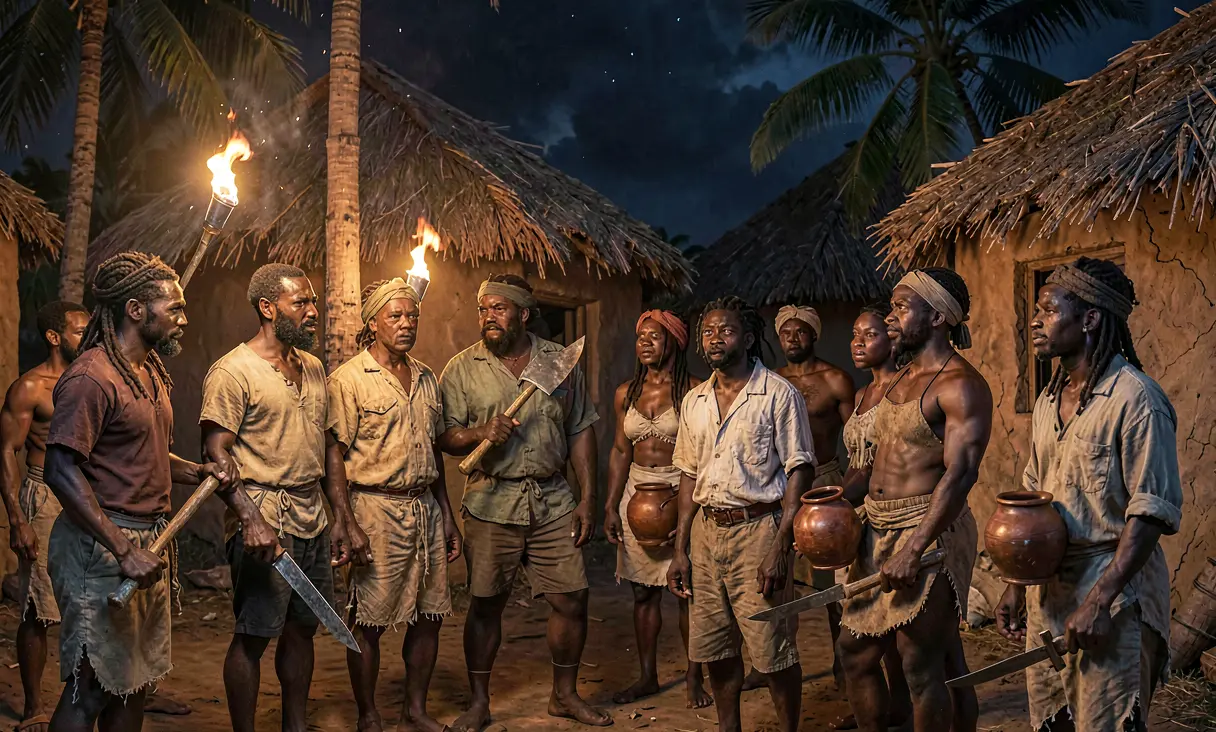 PoliticsHaitian Revolution BeginsAugust 22, 1791 · Saint-Domingue (Haiti)Enslaved people revolt in Saint-Domingue, leading to the first black republic.
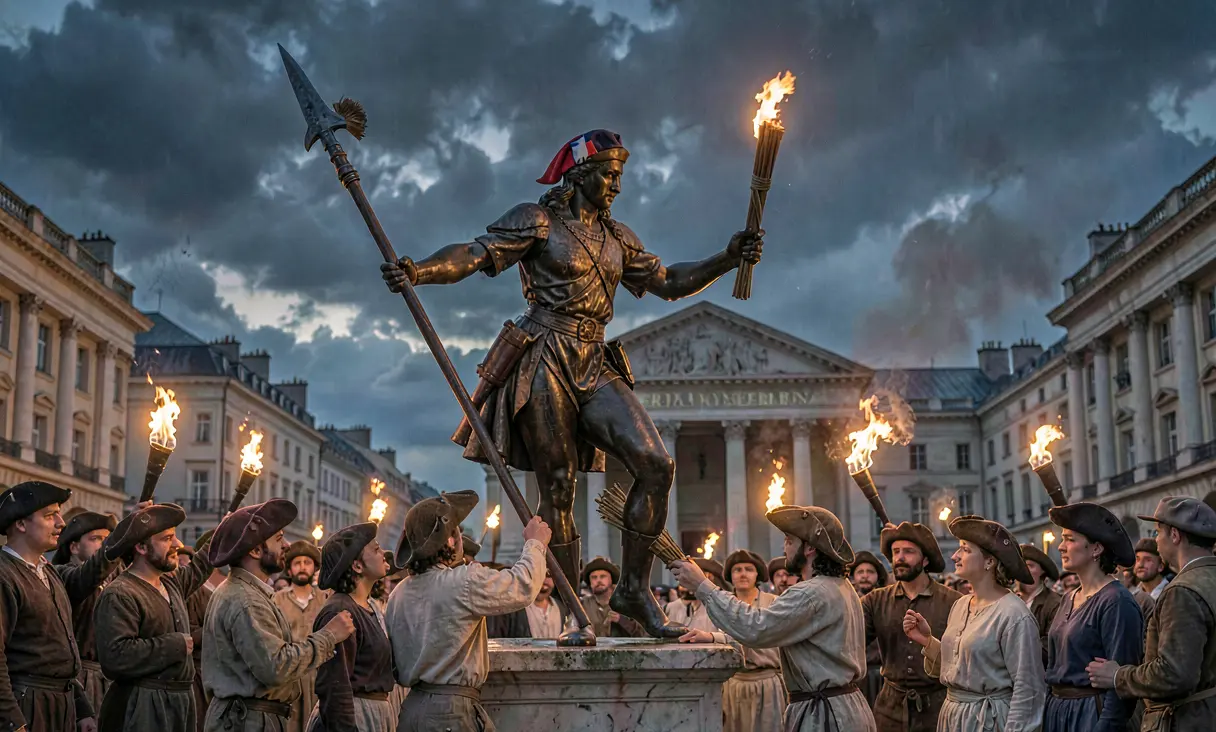 PoliticsAdoption of Marianne as French Symbolc. 1792 CE · Paris, FranceThe Republic adopts a female allegory representing Liberty and Reason.
Discussion
Loading…