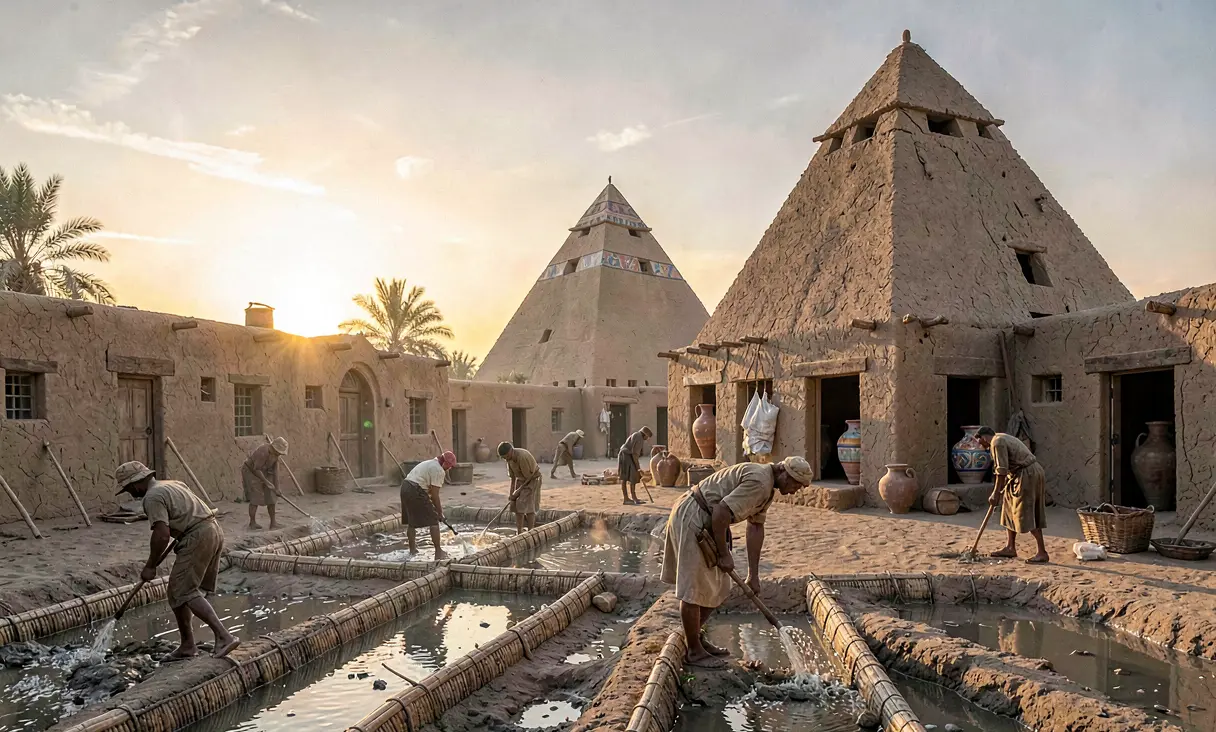
Emergence of Ubaid Culture in Southern Mesopotamia
Emerging c. 6500 BCE, the Ubaid culture pioneered irrigation, monumental temple architecture, and regional trade networks in southern Mesopotamia, creating the essential social and economic foundation
The Alluvial Crucible
By the mid-6th millennium BCE, the southern Mesopotamian alluvium presented a paradoxical landscape: a land of immense fertility yet hostile hydrology. The Tigris and Euphrates rivers flooded unpredictably, depositing rich silt but threatening to drown nascent settlements without human intervention. Prior to this era, the region was inhabited by scattered Neolithic communities reliant on rain-fed agriculture in the northern highlands or small-scale irrigation in the south. However, the climatic stabilization following the last glacial maximum created a unique opportunity for demographic expansion in the marshy south. It was here, amidst the shifting deltaic environment, that a distinct cultural synthesis began to coalesce, setting the stage for the first true civilization of the Near East.
The Ubaid Horizon Emerges
Around 6500 BCE, archaeologists identify the emergence of the Ubaid culture, named after the type site Tell al-Ubaid in modern-day Iraq. This was not a sudden invasion but an evolutionary cultural shift characterized by a standardized material culture that spread rapidly across southern Mesopotamia and into adjacent regions. The most immediate marker of this transition is the distinctive painted pottery: buff-colored vessels adorned with geometric patterns in dark brown or black, often depicting stylized ibexes, snakes, and abstract motifs. Unlike the earlier Halaf culture of the north, which favored polychrome floral designs, Ubaid pottery reflected a more uniform aesthetic, suggesting a shared ideological framework that transcended individual village boundaries.
Architectural Innovation and Social Stratification
The most profound indicator of social complexity during the Ubaid period was the development of monumental architecture. Excavations at Eridu, considered the oldest city in Sumerian tradition, reveal a sequence of temples built upon one another over centuries. These structures followed a strict tripartite plan: a central nave flanked by two rows of smaller rooms, often with an altar at the far end and a niche for offerings. This architectural consistency implies a centralized religious authority and a class of specialized builders or priests capable of organizing labor beyond the kinship group. The construction of these mud-brick temples required surplus resources and coordinated effort, signaling the breakdown of egalitarian village structures in favor of social stratification.
Hydraulic Engineering and Agricultural Surplus
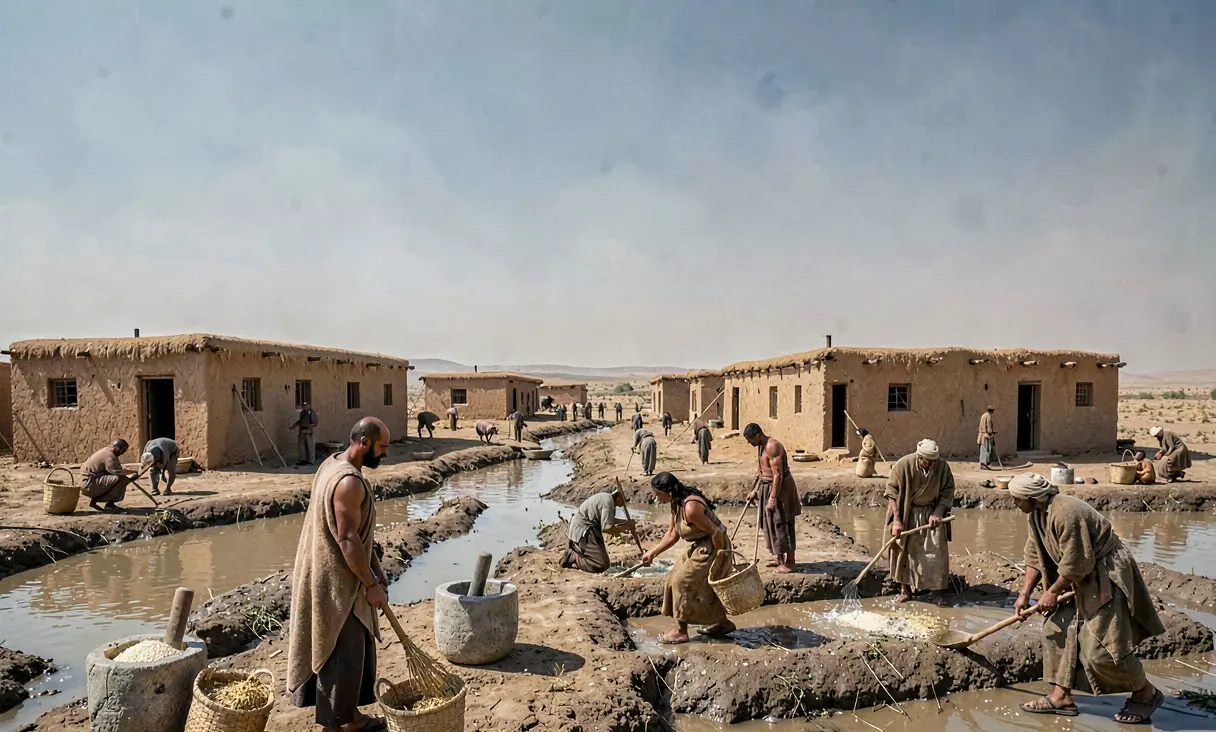
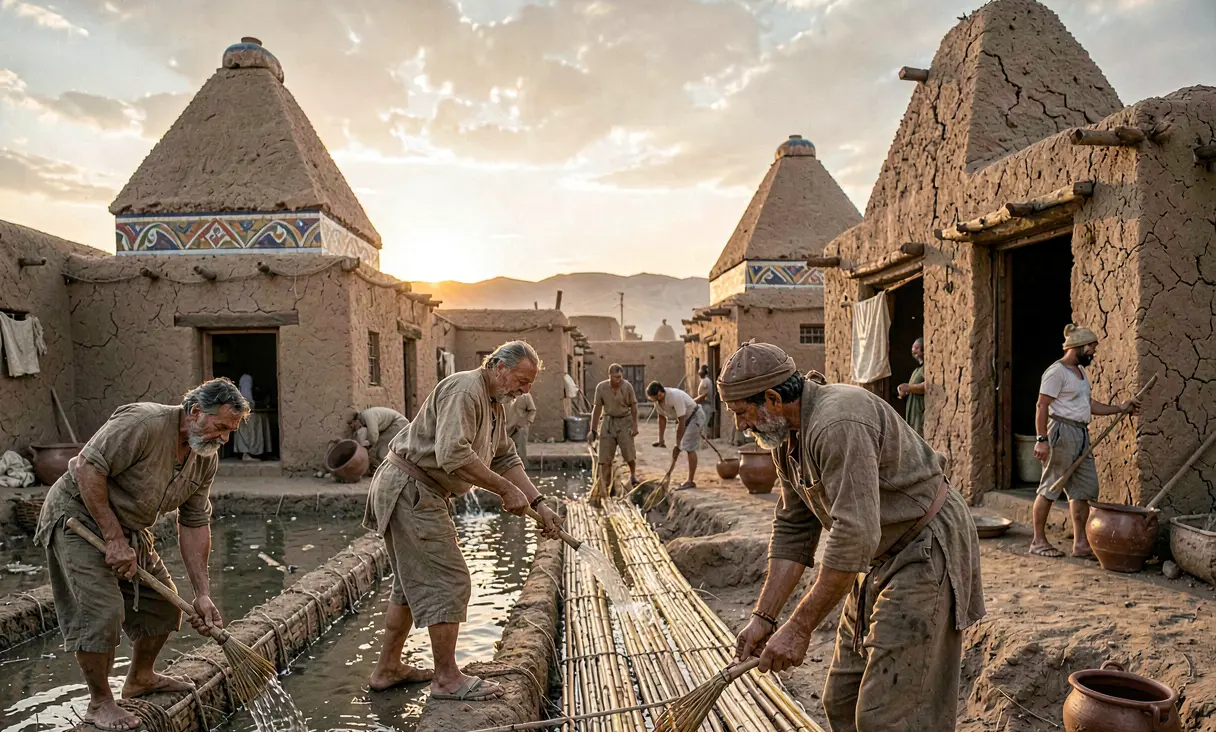
The survival and expansion of Ubaid settlements were predicated on sophisticated hydrological management. The inhabitants developed extensive canal systems to divert river water for irrigation, allowing them to cultivate barley and date palms in an environment where rainfall was insufficient. This technological mastery transformed the southern marshes into a breadbasket capable of supporting significantly larger populations than ever before. The resulting agricultural surplus freed a portion of the population from food production, enabling the specialization of crafts such as pottery making, metallurgy, and weaving. This economic shift created the material conditions necessary for the first urban centers to rise.
Expansion and Cultural Homogenization
The influence of the Ubaid culture extended far beyond southern Mesopotamia, creating a vast interaction sphere that stretched from the Iranian plateau to the Levant and into Anatolia. This expansion was likely driven by both demographic pressure and the search for raw materials like copper, timber, and stone, which were scarce in the alluvial plain. Trade networks facilitated the exchange of goods and ideas, resulting in a remarkable cultural homogenization across thousands of miles. While local variations persisted, the ubiquity of Ubaid-style pottery and temple plans suggests a shared cosmological worldview that bound these diverse communities together, effectively creating the first 'international' culture of the ancient world.
Legacy and the Dawn of Urbanization
The Ubaid period laid the indispensable foundations for the Sumerian civilization that would follow in the Uruk period (c. 4000 BCE). The social hierarchies, religious institutions, and administrative practices established during these centuries became the bedrock of Mesopotamian statehood. Without the irrigation mastery and the centralized temple economies developed by the Ubaid people, the rapid urbanization of cities like Uruk, Ur, and Lagash would have been impossible. They transformed a landscape of scattered hamlets into a complex society where power was institutionalized, setting a precedent for governance and social organization that would influence the Near East for millennia.
This event represents the foundational shift toward urbanism and complex society in the cradle of civilization.
Where it happened
Tell al-Ubaid, Southern Mesopotamia (Iraq) — see it on the interactive map →
Explore related history
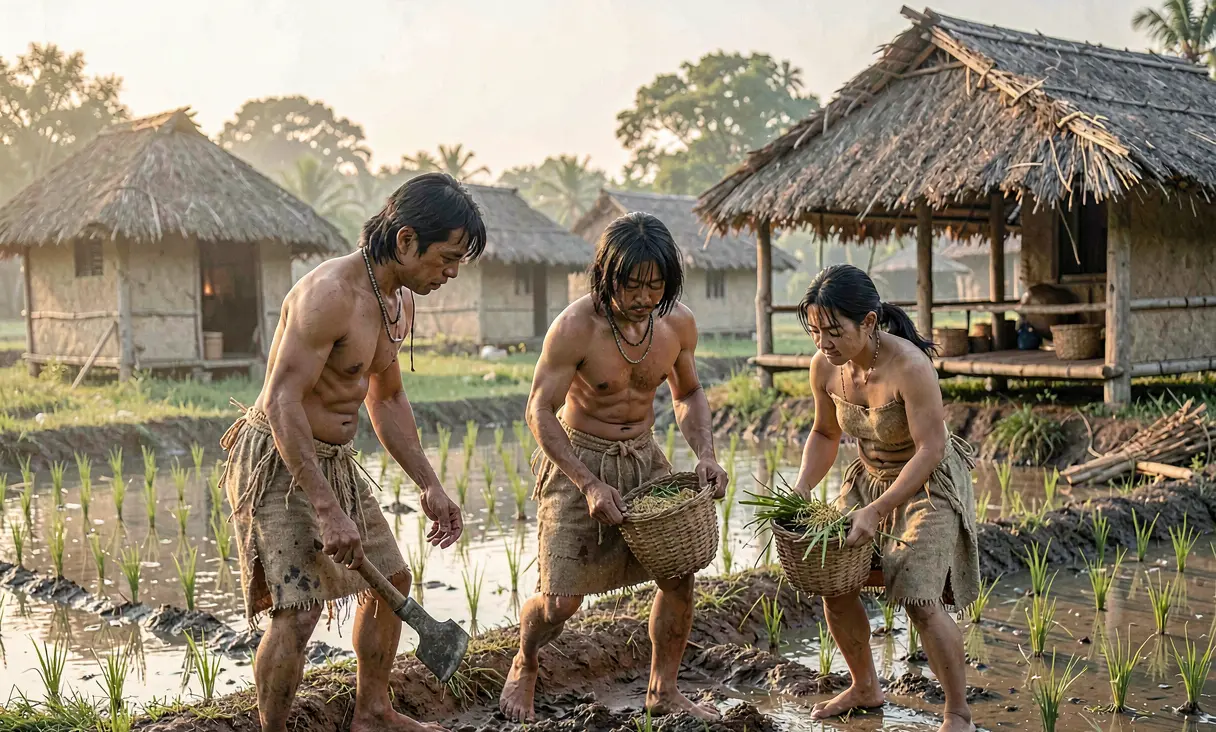 CivilizationDomestication of Rice in the Yangtze Valleyc. 4000 BCE · Yangtze River Valley, ChinaRice cultivation begins in the Yangtze River valley, transforming East Asian agriculture and supporting massive population growth.
 CivilizationInvention of Cuneiform Scriptc. 3400 BCE · Uruk, Sumer (Modern Iraq)Scribes develop the first known writing system using wedge-shaped impressions on clay.
 TechnologyAboriginal Fire-Stick Farming Practicesc. 5000 BCE onwards · Central AustraliaAboriginal Australians develop controlled burning techniques to manage landscapes and enhance biodiversity.
 ScienceCodification of Aboriginal Songlines Across Australiac. 5000 BCE onwards · Central AustraliaAboriginal peoples develop Songlines that map the continent through oral narratives and star paths.
 ScienceFinal Domestication of Maize from Teosinte in Mesoamericac. 5000 BCE · Balsas River Valley, MexicoIndigenous farmers selectively breed teosinte into modern maize (corn).
Discussion
Loading…