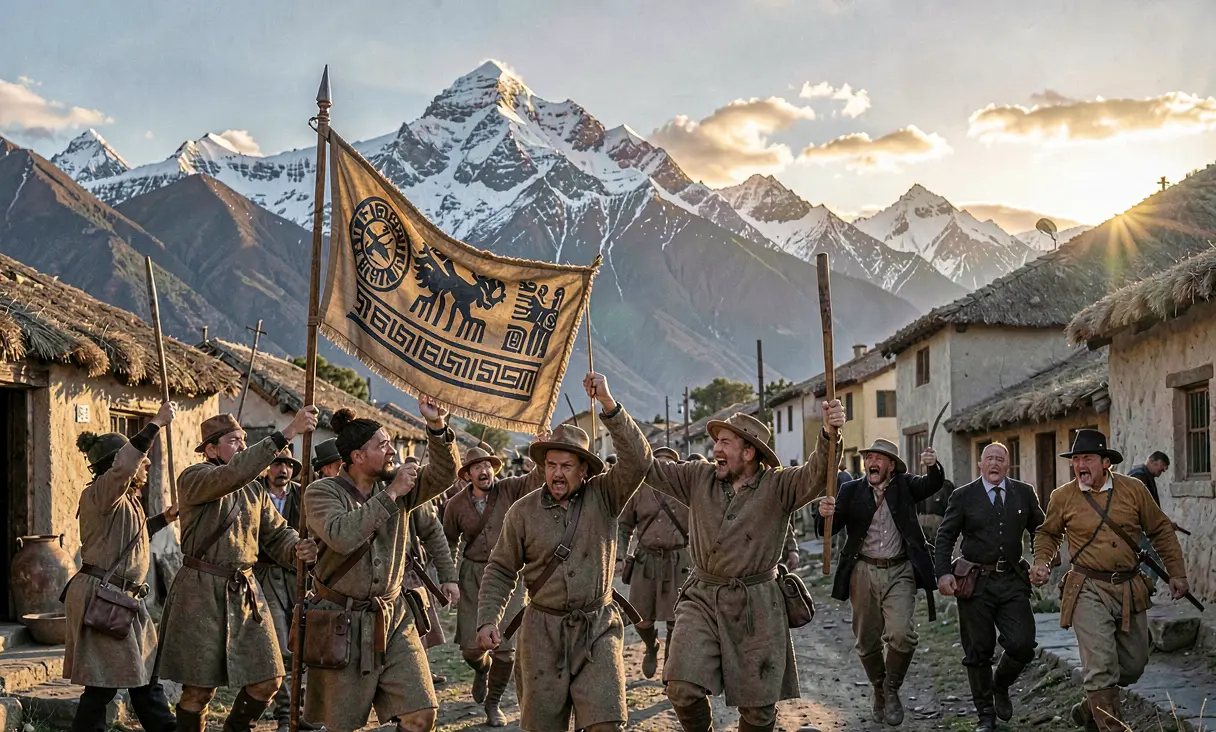
Túpac Amaru II Rebellion Begins
Túpac Amaru II's execution of Corregidor Arriaga ignited the largest indigenous uprising in Spanish America, exposing colonial cracks and inspiring future independence movements despite its brutal sup
The Cracked Viceroyalty
By the late 18th century, the Spanish Crown's Bourbon Reforms had intensified exploitation in the Andes, dismantling traditional indigenous structures while imposing heavy taxes and forced labor. The *mita* system, a colonial adaptation of Inca labor drafts, drained rural communities of their workforce to serve silver mines like Potosí, causing widespread demographic collapse and social despair. Local corregidores, royal officials appointed to administer justice and collect tribute, often acted with unchecked brutality, viewing the indigenous population as mere revenue sources rather than subjects. This atmosphere of systemic abuse created a powder keg in the Viceroyalty of Peru, where grievances over land rights, religious coercion, and economic strangulation had festered for decades.
The Catalyst at Tungasuca
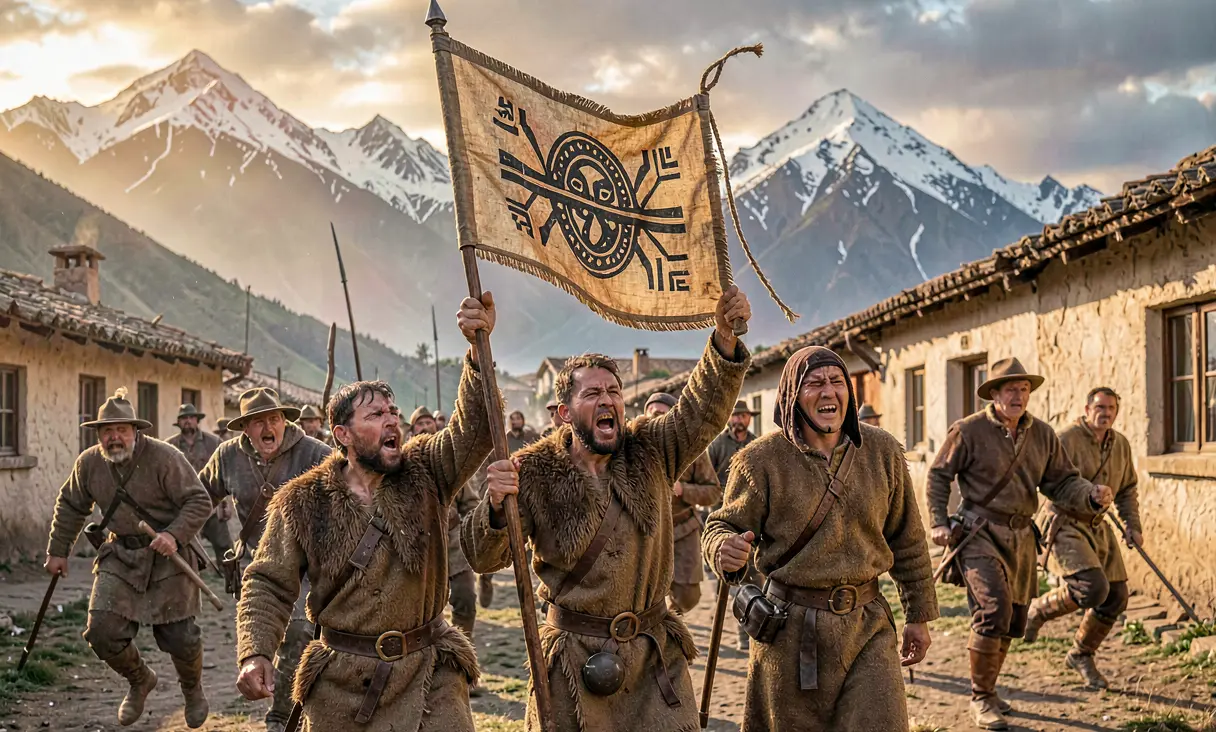
On November 4, 1780, in the small town of Tungasuca, the simmering unrest erupted into open warfare. José Gabriel Condorcanqui, a wealthy *kuraka* (indigenous leader) who had adopted the name Túpac Amaru II to invoke the legacy of the last Sapa Inca, orchestrated the arrest of Corregidor Antonio de Arriaga. During a staged meeting under the guise of resolving a debt dispute, Condorcanqui's forces seized Arriaga and held him captive for several days before publicly executing him on November 10 in the town square. This decisive act was not merely an assassination but a symbolic decapitation of Spanish authority, signaling that the indigenous leadership would no longer submit to colonial tyranny.
The Architect and His Army
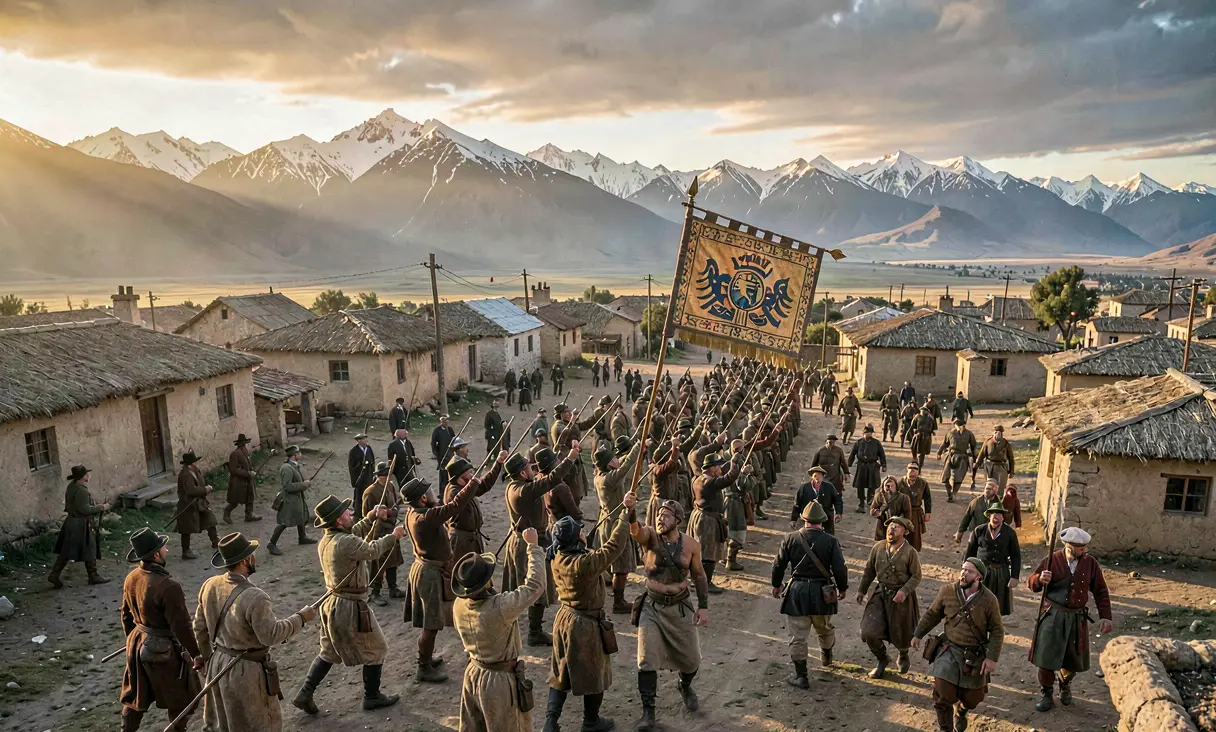
Túpac Amaru II was a unique figure in colonial history: a mestizo-educated man who spoke Quechua and Spanish fluently, owned extensive lands, and served as a royal magistrate before turning revolutionary. He was joined by his wife, Micaela Bastidas Puyucahua, whose strategic acumen and organizational skills were instrumental in mobilizing the rebellion; she managed logistics, recruited leaders, and maintained discipline within the growing ranks. The movement rapidly expanded beyond Tupac Amaru's immediate kin, drawing support from diverse sectors of society including indigenous peasants, mixed-race castas, and even some disaffected creoles who resented Spanish peninsular dominance. Within weeks, an estimated 60,000 to 100,000 rebels formed a massive army, the largest anti-colonial force assembled in the Americas up to that point.
Siege of Cusco and Strategic Stalemate
Following the execution of Arriaga, the rebellion swept through the southern highlands, capturing towns and executing abusive officials. By late 1780, the rebel forces laid siege to Cusco, the historic capital of the Inca Empire and a major Spanish administrative center. Despite their numerical superiority, the rebels lacked heavy artillery and professional military training, leading to a protracted stalemate that lasted nearly two months. The failure to breach Cusco's defenses allowed Spanish reinforcements to arrive from Lima and Buenos Aires, turning the tide against the insurgents. Internal divisions also began to fracture the coalition, as some indigenous leaders hesitated when the rebellion's goals shifted toward broader social restructuring.
Brutal Suppression and Execution
The Spanish response was swift and merciless. After defeating rebel forces in a series of battles throughout 1781, royalist troops captured Túpac Amaru II, Micaela Bastidas, and their family members in April 1781. In a spectacle designed to terrify the population into submission, they were tried and sentenced in Cusco. On May 18, 1781, Túpac Amaru was subjected to *cuatro partes* (dismemberment by four horses) after failing to be torn apart, followed by the public execution of his wife and son. The Crown declared a state of emergency, executing thousands of suspected rebels and their families in subsequent years, effectively extinguishing the organized resistance by 1783.
Echoes of Independence
Although the rebellion failed to overthrow Spanish rule or restore Inca sovereignty, it fundamentally altered the political landscape of South America. The uprising exposed the fragility of colonial authority and demonstrated that the indigenous population could mobilize on a massive scale. It forced the Crown to repeal some of the most hated reforms, such as the *reparto de mercancías* (forced sale of goods), and led to the abolition of the *mita* in certain regions decades later. Furthermore, the rebellion served as a potent symbol for future independence leaders like Simón Bolívar, who recognized that the struggle against Spanish hegemony required addressing deep-seated social inequalities. The events of 1780 remain a defining moment in the history of Latin American resistance.
This uprising shattered the myth of indigenous passivity under Spanish rule and foreshadowed the continent-wide wars for independence a generation later.
Where it happened
Tungasuca, Viceroyalty of Peru — see it on the interactive map →
Explore related history
 PoliticsSargon of Akkad Establishes the First Empirec. 2334 BCE · Akkad (Location uncertain, near Baghdad, Iraq)Sargon unifies Sumerian city-states to create the world's first multi-ethnic empire.
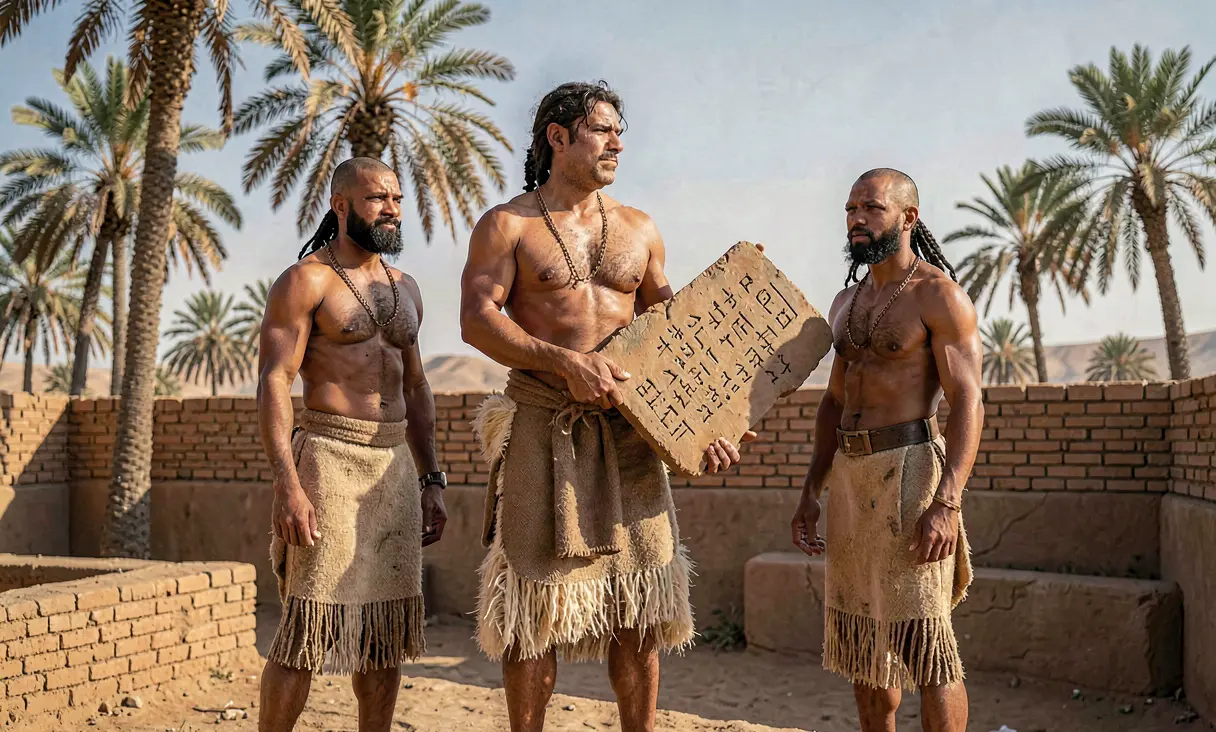 PoliticsPromulgation of the Code of Ur-Nammuc. 2100 BCE · Ur, Southern Mesopotamia (Iraq)The earliest known surviving law code is established in the Sumerian city of Ur.
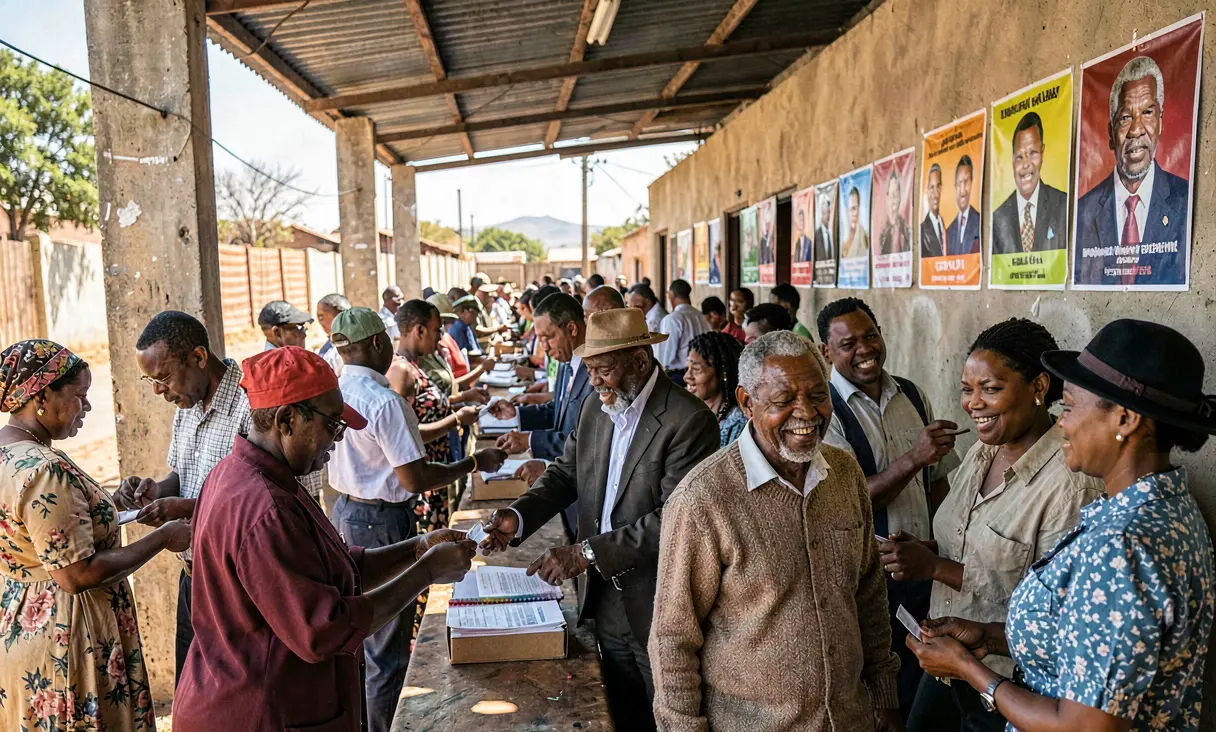 PoliticsNelson Mandela Elected President of South AfricaApril 27, 1994 · Cape Town, South AfricaSouth Africa holds its first democratic election, ending the apartheid regime and establishing a multiracial government.
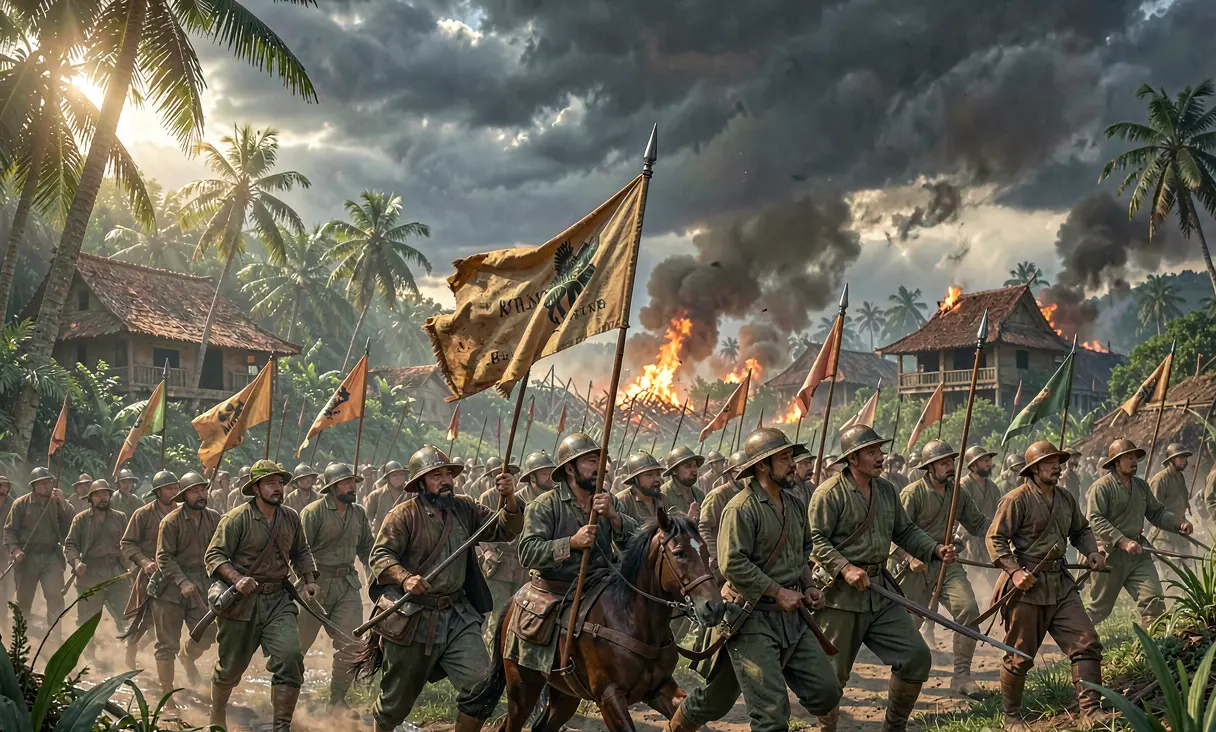 WarTay Son Rebellion Overthrows Le Dynasty1771 CE · Tay Son, VietnamThe Tay Son brothers launch a peasant revolt that overthrows the ruling dynasties.
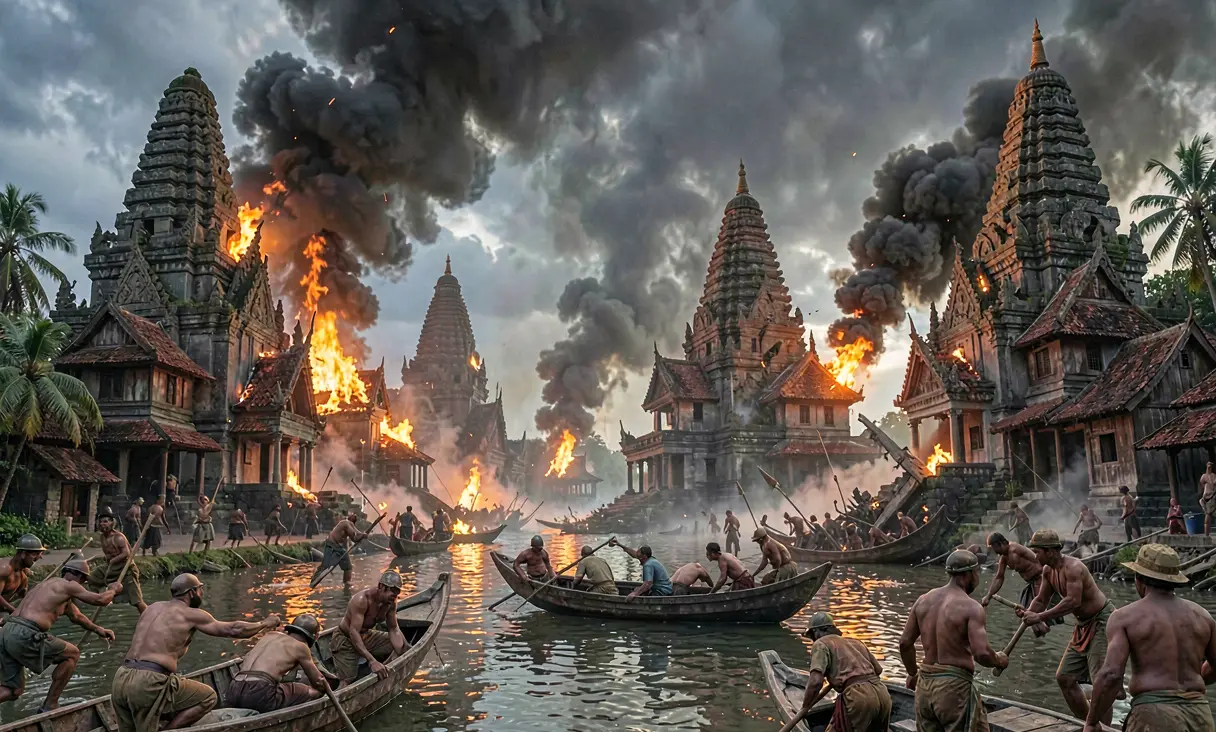 WarFall of Ayutthaya to Burma1767 CE · Ayutthaya, ThailandBurmese forces sack and burn Ayutthaya, ending the kingdom after four centuries.
 ScienceDevelopment of Linear A Script by Minoansc. 1800 BCE · Knossos, Crete (Greece)The Minoans develop Linear A, a still undeciphered writing system for administration.
Discussion
Loading…