Reign of Emperor Taizong and the Zhenguan Era
Following a bloody coup in 626 CE, Emperor Taizong transformed the Tang Dynasty into a cosmopolitan superpower through meritocratic rule, economic reform, and a unique culture of imperial self-critici
The Shadow of Xuanwu Gate
In the summer of 626 CE, the Tang Dynasty stood on a precipice. Emperor Gaozu, Li Yuan, found his authority paralyzed by a bitter succession crisis between his sons: the Crown Prince Li Jiancheng and the formidable General Li Shimin. The tension culminated in the Xuanwu Gate Incident on July 2, 626, where Li Shimin ambushed and killed his elder brother Li Jiancheng and his younger brother Li Yuanji at the palace entrance of Chang'an. This act of fratricide was not merely a family tragedy but a calculated political coup that forced Gaozu to abdicate within days, elevating Li Shimin to the throne as Emperor Taizong. The bloodshed cast an immediate pall over the new reign, necessitating a radical shift in governance to legitimize his rule and stabilize a fractured empire.
The Philosophy of Zhenguan Governance
Upon ascending the throne, Li Shimin adopted the era name 'Zhenguan' (Governing with Integrity) for 627 CE, signaling a departure from the violence that brought him to power. He recognized that his legitimacy rested not on martial prowess alone but on moral rectitude and effective administration. Taizong famously likened the ruler to a boat and the people to water, capable of both carrying or capsizing the vessel. This philosophy drove a meritocratic bureaucracy where officials were selected based on ability rather than solely on aristocratic lineage. He revitalized the civil service examination system, ensuring that talent flowed from all social strata into the imperial court, creating a government responsive to the needs of the populace.
The Counsel of Wei Zheng
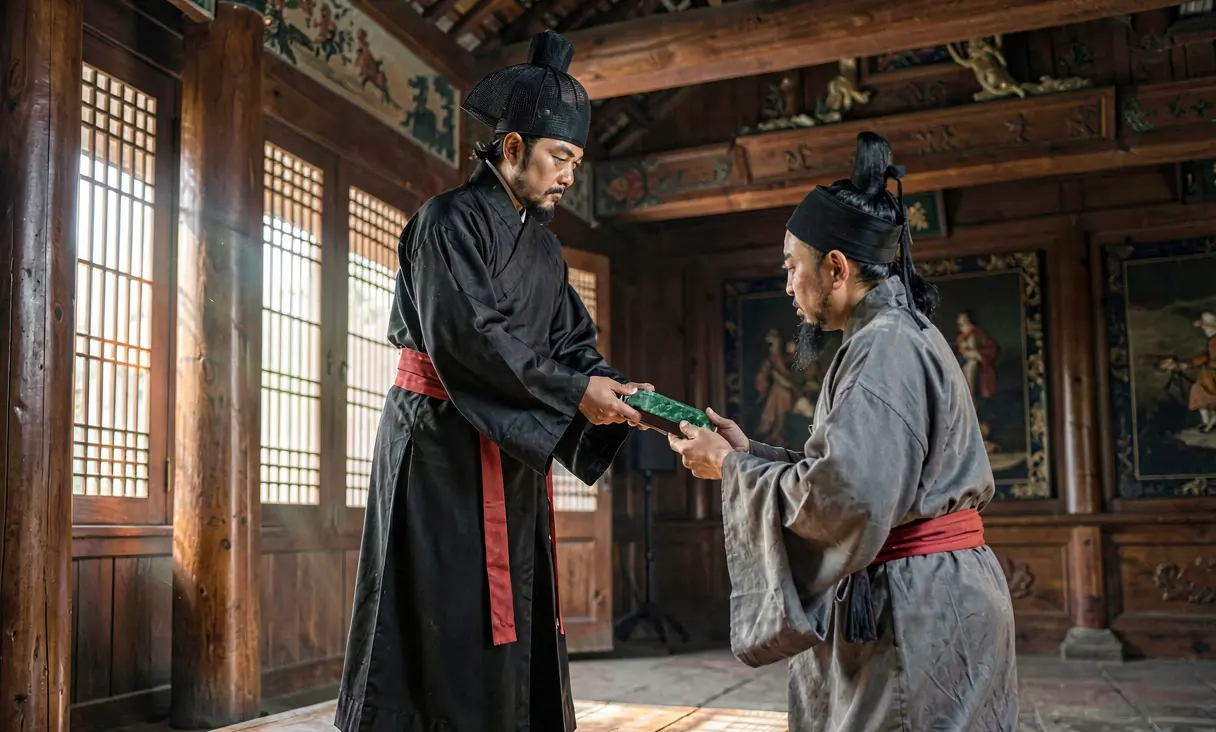
Central to the success of the Zhenguan Era was Emperor Taizong's unique relationship with his ministers, most notably the stern and unyielding Wei Zheng. Unlike previous emperors who demanded sycophancy, Taizong actively sought out criticism, viewing it as a mirror for self-correction. Wei Zheng, formerly an advisor to Li Jiancheng, became one of Taizong's most trusted confidants, delivering over 200 memorials that challenged the emperor's decisions with brutal honesty. When Taizong was tempted by extravagance or military adventurism, Wei Zheng reminded him of the fragility of power and the suffering of the common people. This dynamic established a new standard for Confucian rulership, where the emperor's virtue was measured by his willingness to submit to the counsel of his ministers.
Economic Reforms and Social Stability
To address the devastation left by decades of civil war, Taizong implemented rigorous economic reforms centered on the Equal-Field System. This land redistribution policy ensured that every adult male received a plot of land based on his labor capacity, preventing the concentration of estates in the hands of powerful aristocratic families and restoring agricultural productivity. Coupled with comprehensive census reforms, these measures allowed the state to accurately assess taxes and conscript soldiers fairly. The result was a dramatic demographic recovery; by the mid-7th century, the population had rebounded significantly, and granaries were filled, creating a surplus that funded both internal stability and external expansion without overburdening the peasantry.
Expansion and Cosmopolitanism
While focusing on domestic consolidation, Taizong simultaneously projected Tang power outward, defeating the Eastern Turks in 630 CE and earning the title 'Heavenly Khan' from the nomadic tribes of the steppe. This dual role as Emperor of China and protector of the steppes secured the Silk Road, transforming Chang'an into a global metropolis where Zoroastrians, Nestorian Christians, Manichaeans, and Buddhists worshipped alongside Confucian scholars. The era witnessed an unprecedented exchange of goods, ideas, and culture, with foreign envoys, merchants, and monks flocking to the capital. This cosmopolitan openness was not merely a byproduct of peace but a deliberate strategy to integrate diverse peoples into the Tang sphere, solidifying China's status as a world superpower.
The Enduring Legacy of Zhenguan
Emperor Taizong died in 649 CE, leaving behind an empire that had reached its zenith in terms of territorial control and cultural influence. The Zhenguan Era became the benchmark for all subsequent Chinese dynasties; later emperors would constantly look back to this period as the ideal model of governance. The administrative structures established during these two decades—the Three Departments and Six Ministries system, the legal codes, and the examination protocols—endured for centuries, shaping the political landscape of East Asia well into the modern era. Taizong's ability to transform a usurper's guilt into a golden age of prosperity remains one of history's most remarkable political transformations.
Taizong's rule defined the ideal of Confucian kingship, establishing the political and cultural framework that made the Tang Dynasty a golden age.
Where it happened
Chang'an, China — see it on the interactive map →
Explore related history
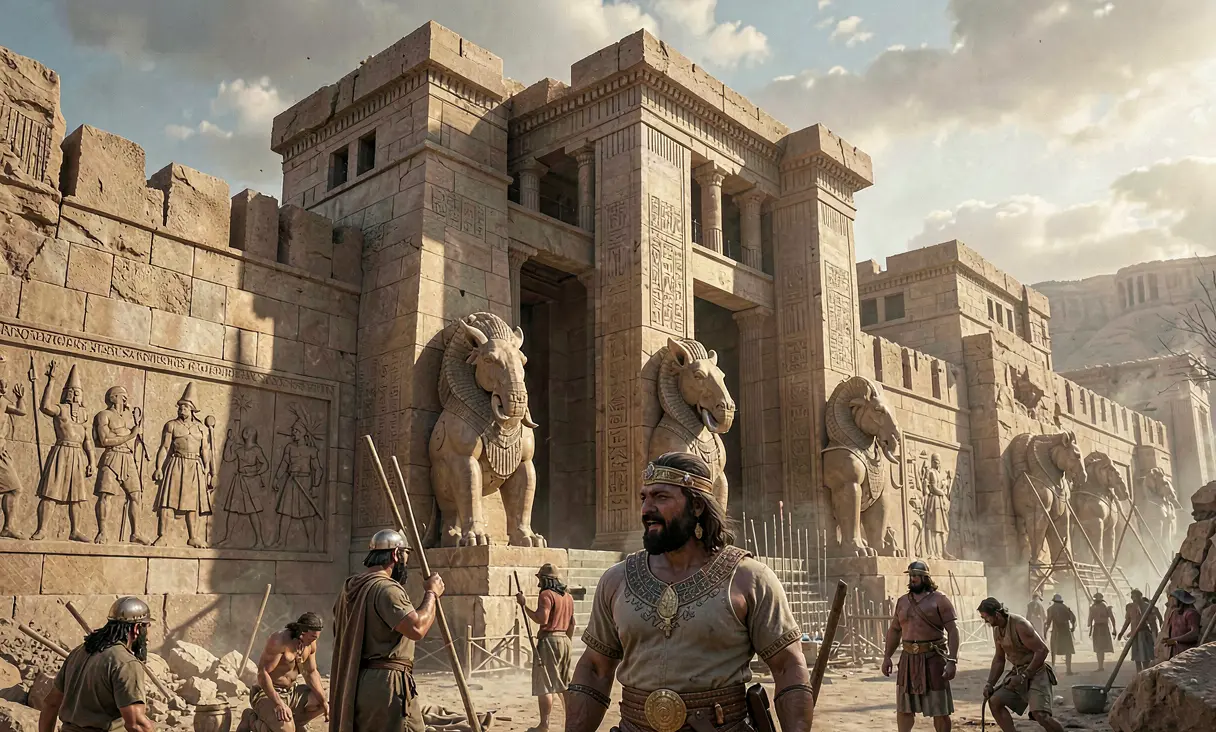 PoliticsFounding of Dur-Sharrukin by Sargon IIc. 717 BCE · Khorsabad (Dur-Sharrukin), IraqSargon II builds a new capital city to project Assyrian power and administrative control.
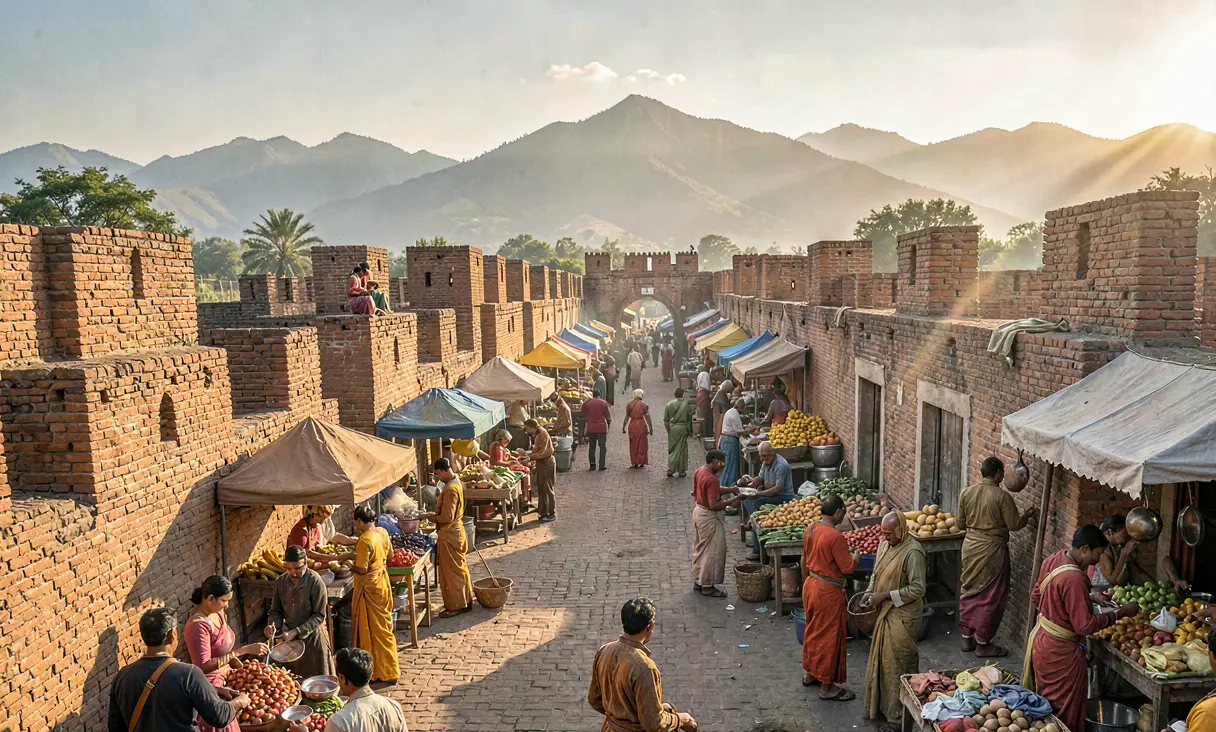 PoliticsRise of the Sixteen Mahajanapadasc. 600 BCE · Gangetic Plain (modern Uttar Pradesh/India)Sixteen great kingdoms and republics emerge across the Gangetic plain, marking the transition from tribal chiefdoms to state-level societies.
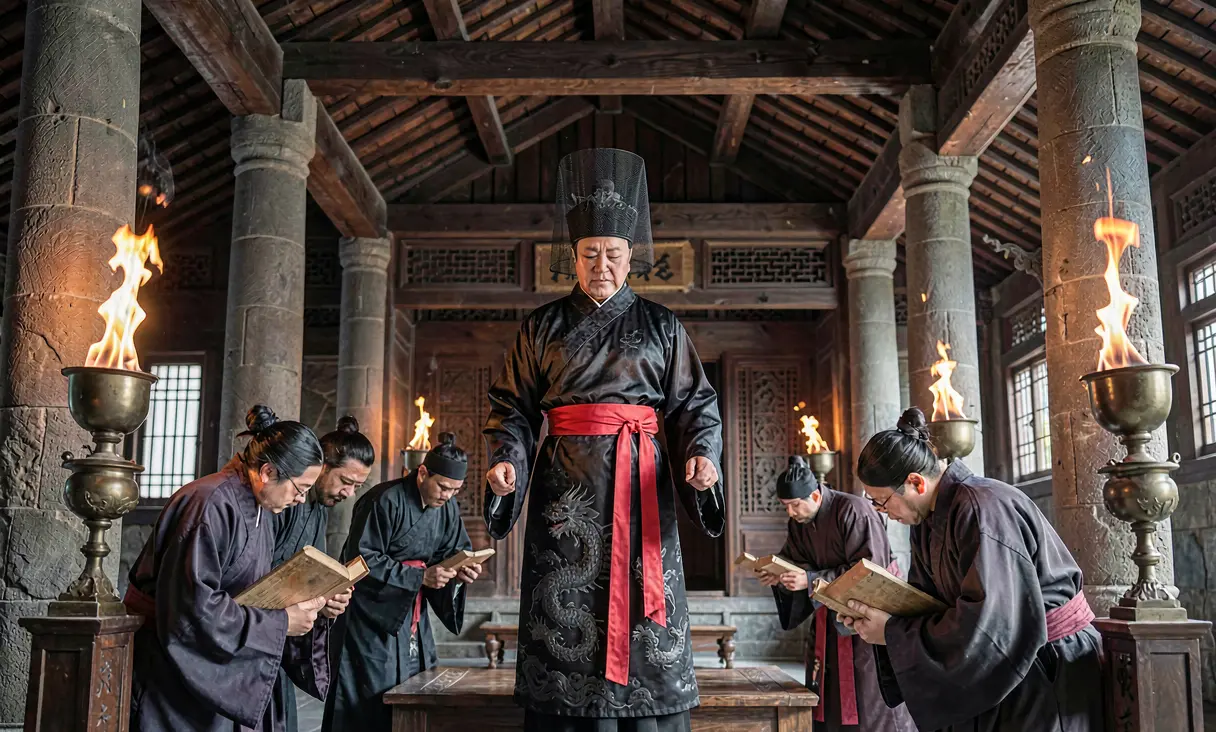 PoliticsEmperor Wen Unifies China and Founding of Sui Dynasty581 CE · Chang'an, ChinaYang Jian usurps the Northern Zhou throne, ending centuries of division and establishing the Sui Dynasty.
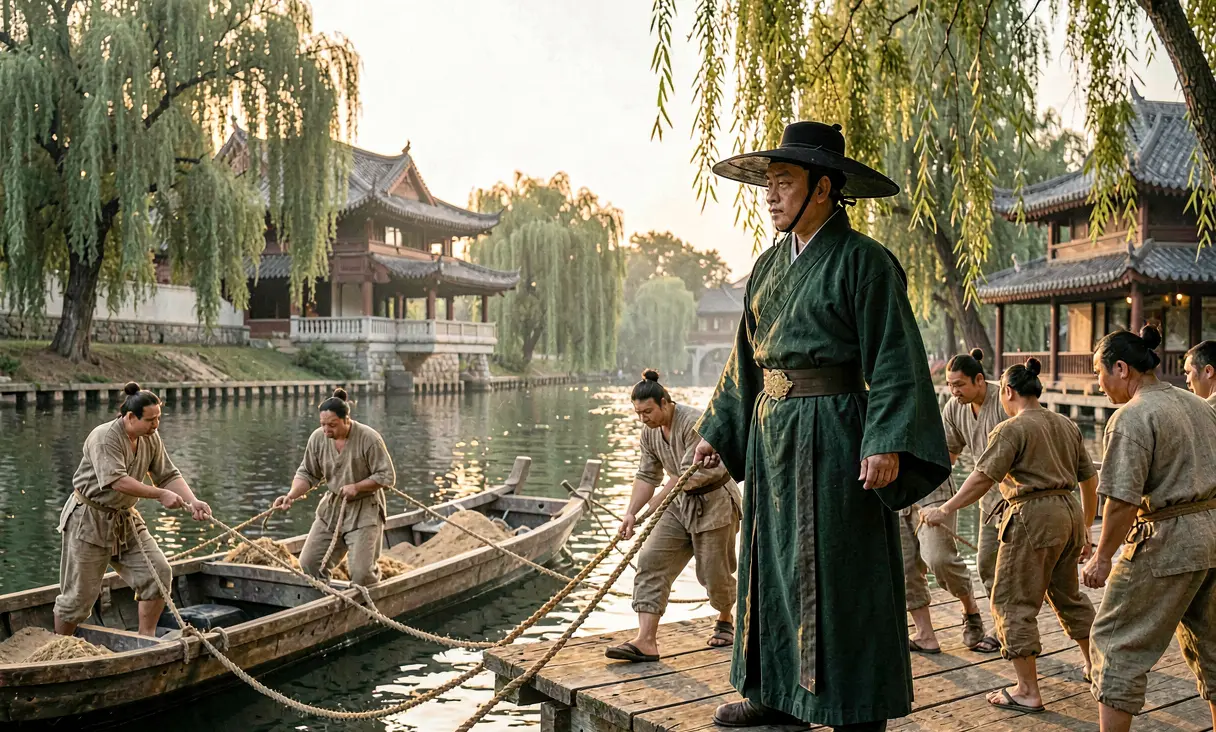 TechnologyGrand Canal of China Connects North and South610 CE · Luoyang to Hangzhou, ChinaEmperor Yang completes the massive waterway linking the Yellow and Yangtze rivers for transport and grain.
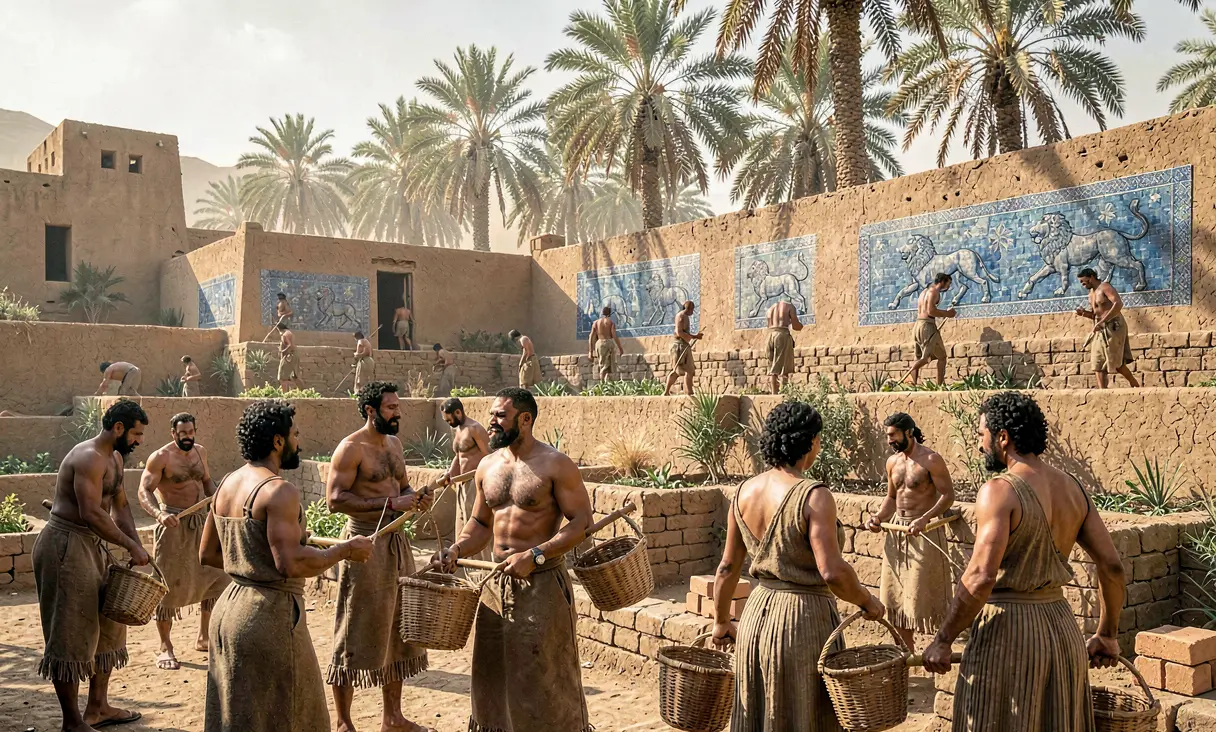 ArtConstruction of the Hanging Gardens of Babylonc. 605 BCE · Babylon, Mesopotamia (Iraq)Nebuchadnezzar II builds the legendary Hanging Gardens for his Median wife.
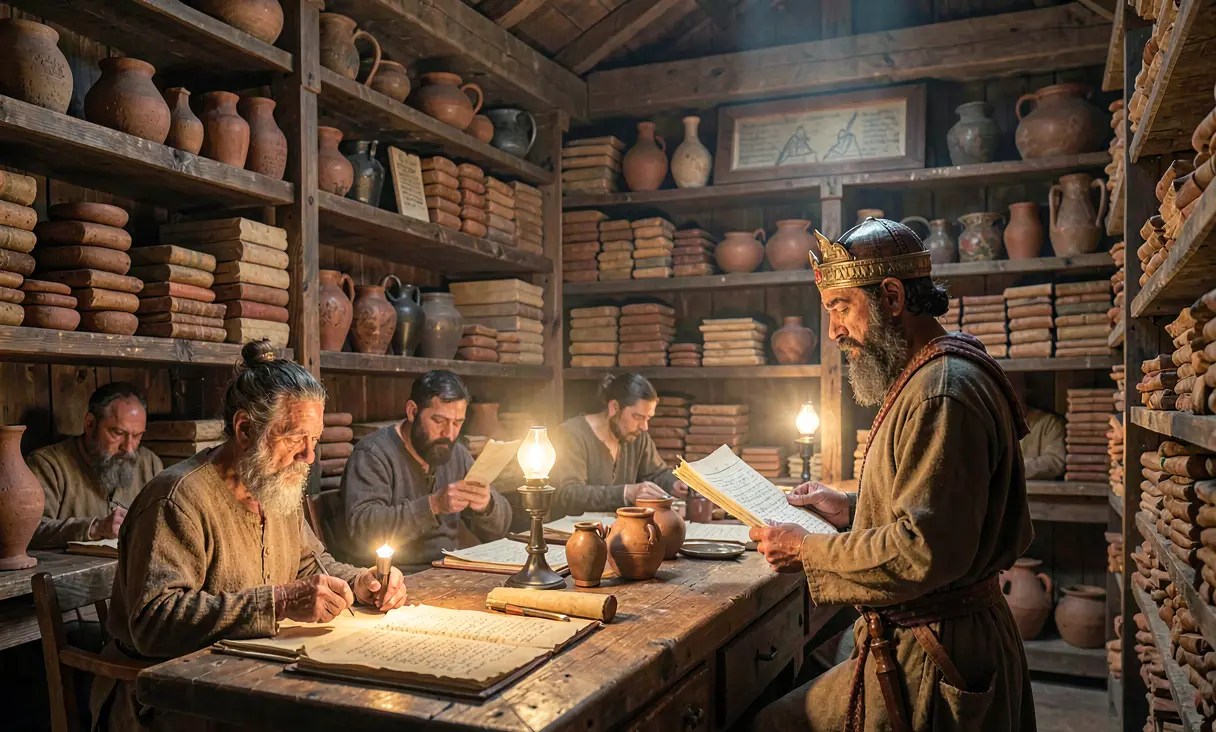 ScienceCompilation of Ashurbanipal's Royal Libraryc. 650 BCE · Nineveh (Mosul), IraqKing Ashurbanipal assembles the largest collection of cuneiform tablets in the ancient world.
Discussion
Loading…