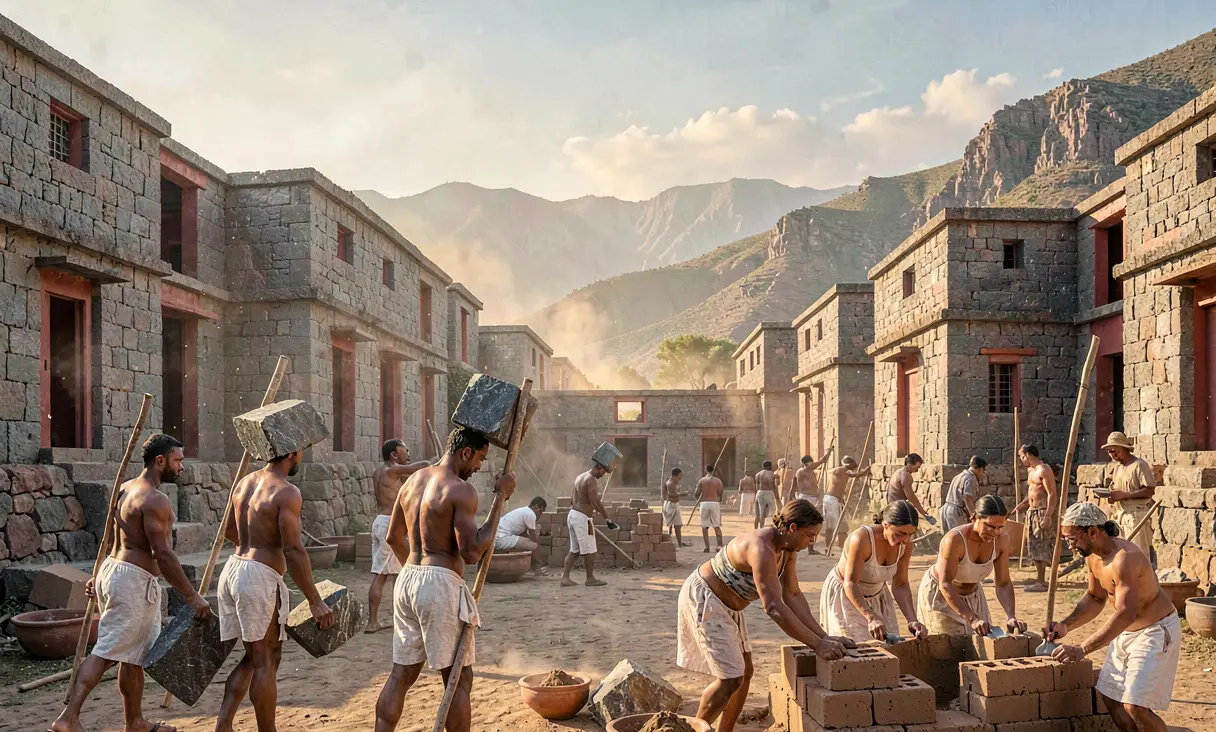
Construction of Teotihuacán Apartment Compounds
Starting c. 100 BCE, Teotihuacán pioneered multi-family apartment compounds, enabling unprecedented urban density and centralized social control that made it the world's largest city by 450 CE.
The Urban Crucible of the Basin of Mexico
By the late Preclassic period (c. 100 BCE), the Valley of Mexico was a landscape of scattered agricultural villages and emerging chiefdoms, none yet possessing the demographic weight to define a civilization. However, the site of Teotihuacán, situated near abundant obsidian deposits and water sources from the San Juan River, began to coalesce into something unprecedented in Mesoamerican history. Unlike the contemporaneous Maya centers, which were dominated by monumental palaces and temple complexes serving elite lineages, or the Olmec ceremonial hubs that relied on ritual prestige, Teotihuacán embarked on a radical experiment in urbanism: the systematic construction of multi-family apartment compounds. This shift represented a fundamental departure from the traditional model of city-building, prioritizing dense residential aggregation over monumental isolation.
Architectural Standardization and Centralized Planning
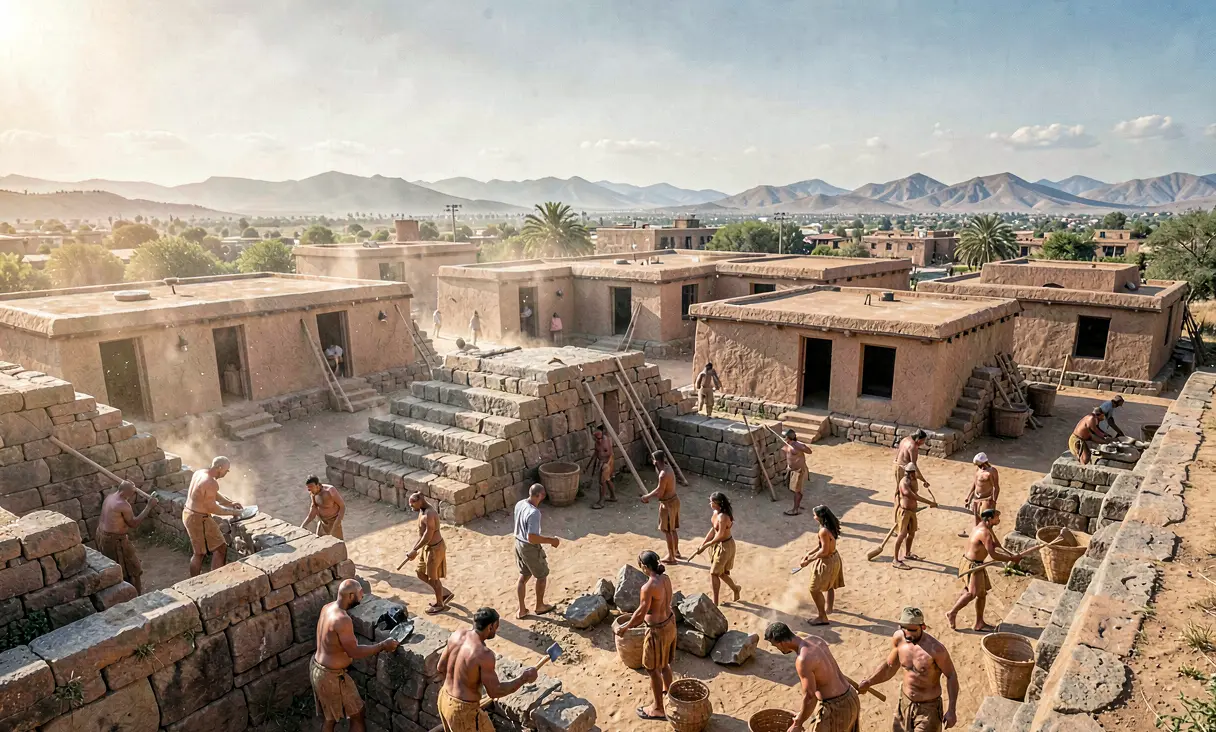
The construction of these apartment compounds, known locally as 'apartment complexes' or 'palaces' in later scholarship despite their non-royal function, began around 100 BCE and accelerated rapidly during the Early Tzacualli phase (c. 1–150 CE). The city was laid out on a rigorous grid aligned 15.5 degrees east of true north, a celestial orientation that dictated the placement of every structure. These compounds were not built haphazardly but were constructed using standardized adobe blocks and stone foundations, suggesting a state-controlled labor force operating under strict architectural blueprints. Each unit typically enclosed a central courtyard surrounded by rooms with raised platforms for sleeping or ritual activities, creating self-contained neighborhoods that could house extended families of 30 to 100 individuals.
Social Stratification and Religious Iconography
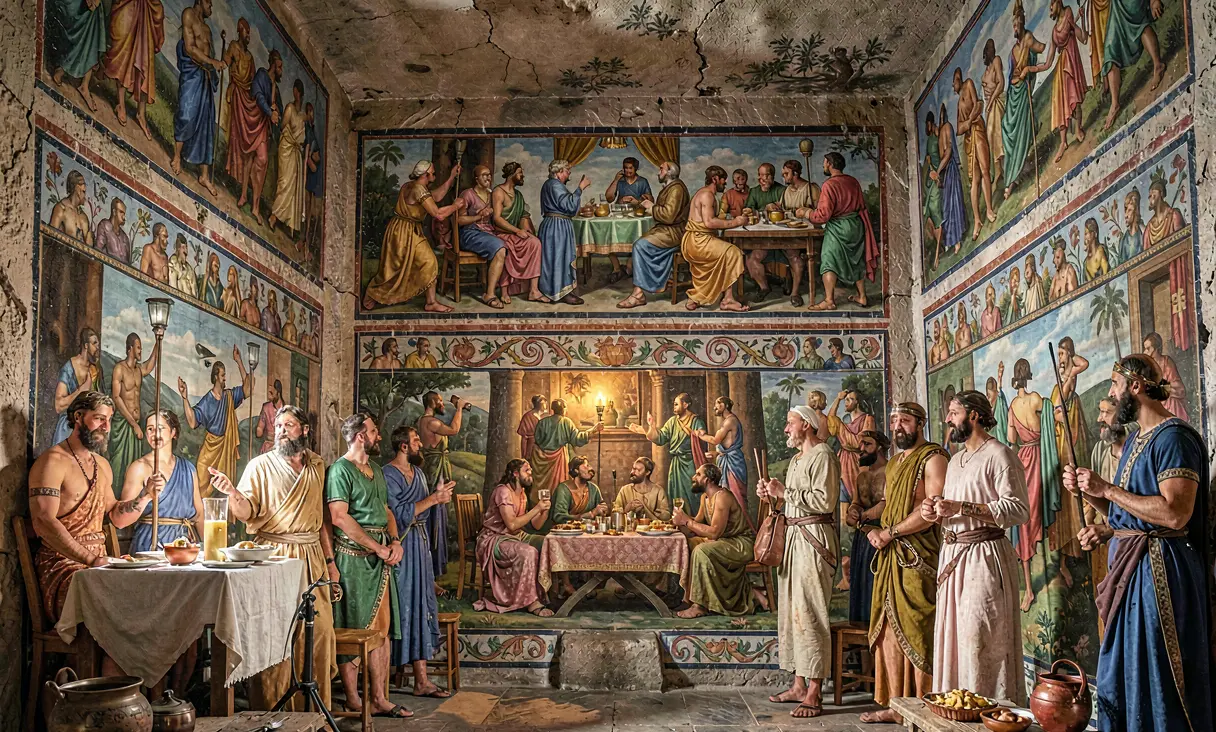
The interior decoration of these compounds reveals a complex social fabric where religious ideology permeated daily life. Distinct murals, painted in vibrant mineral pigments, adorned the walls of courtyards and rooms, frequently depicting Tlaloc, the storm god, and other deities associated with water and fertility. Unlike the Maya, whose art was often commissioned by specific kings to glorify their lineage, Teotihuacán's iconography appears more collective, emphasizing communal ritual over individual ruler worship. The uniformity of these murals across different compounds suggests a state-sponsored religious apparatus that sought to integrate diverse populations into a single civic identity, effectively using art as a tool for social cohesion in a city that would eventually swell to over 125,000 inhabitants.
The Mechanics of Urban Expansion
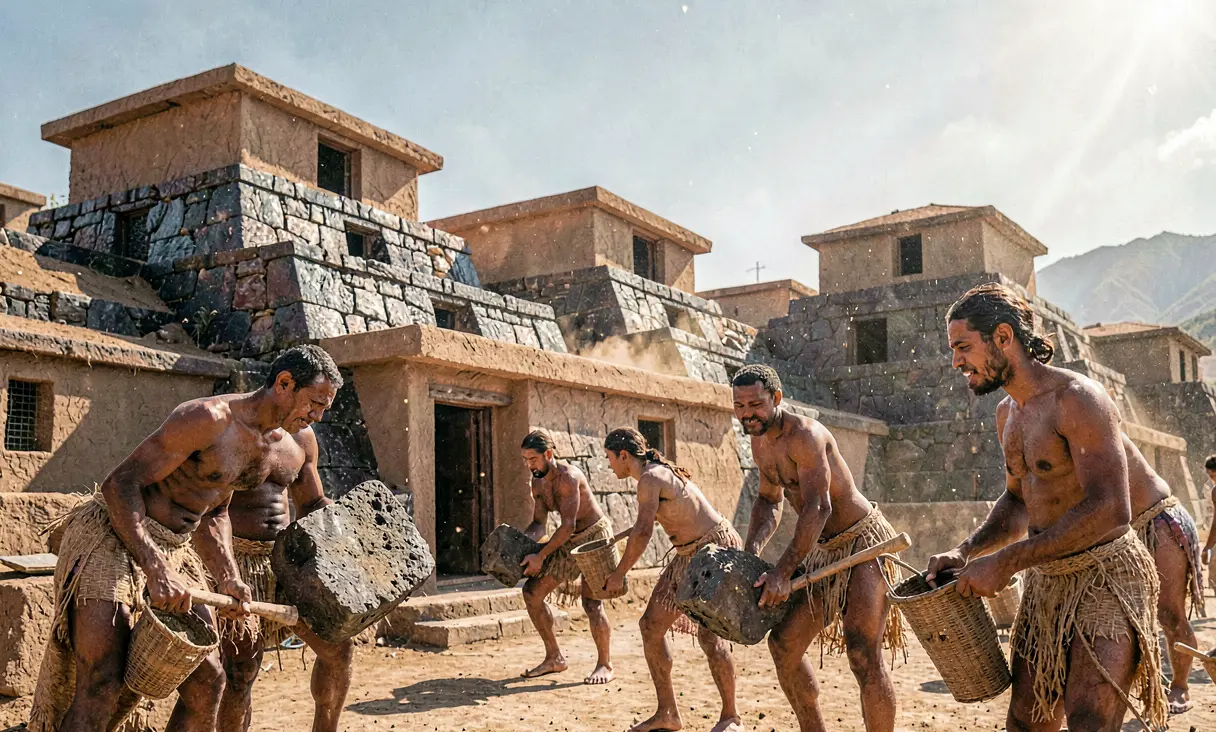
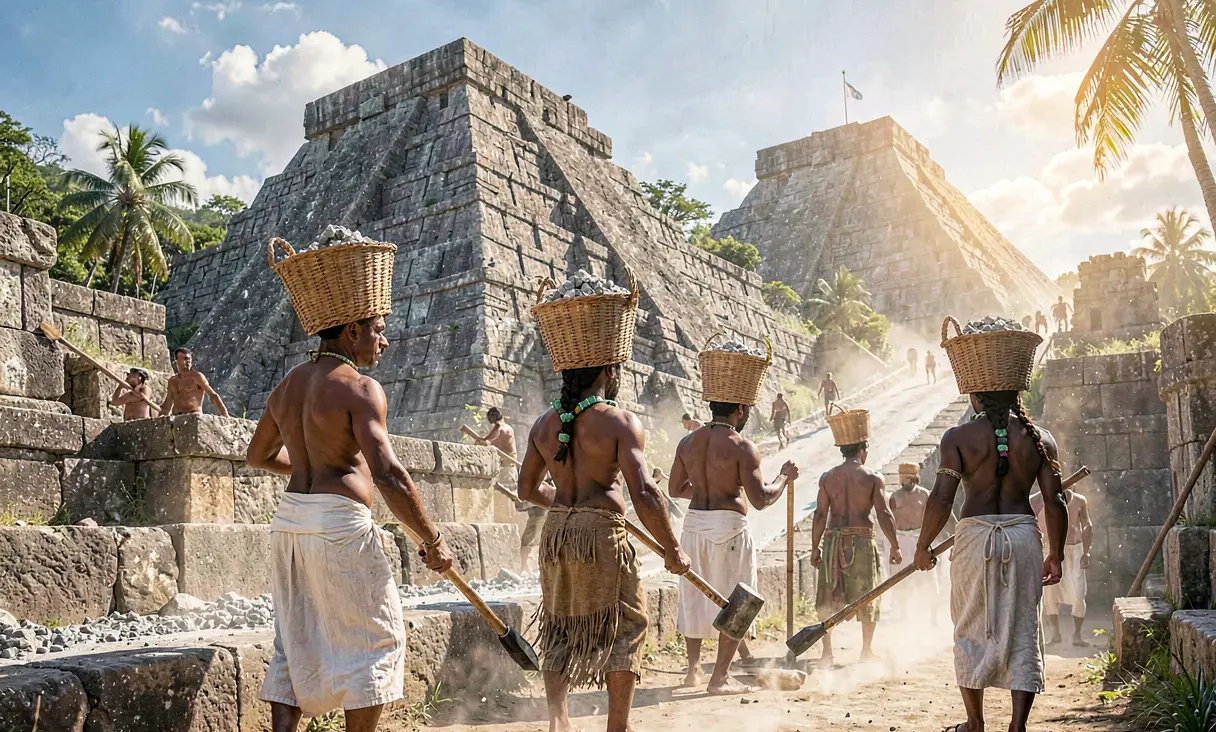
How such massive structures were erected without the wheel or draft animals remains a testament to Teotihuacán's organizational prowess. The state likely mobilized labor through a system of reciprocal obligation, where communities contributed work in exchange for security and access to trade networks. Archaeological evidence indicates that construction occurred in phases, with older compounds often being expanded or modified rather than demolished, reflecting a dynamic but continuous urban growth strategy. The sheer scale of these projects required the management of vast quantities of raw materials, including volcanic stone (tezontle) and lime for plaster, pointing to a sophisticated bureaucracy capable of logistics on a scale unseen in the Americas until the Aztec Empire millennia later.
Demographic Explosion and Global Supremacy
The success of this residential model catalyzed an explosive population boom. By 450 CE, during the city's Xolalpan phase, Teotihuacán had grown to become the largest city in the world, rivalling or surpassing Rome, Constantinople, and Alexandria in size. The apartment compound system allowed for high-density living without the squalor often associated with urbanization, as each unit provided private space and communal resources. This demographic concentration transformed Teotihuacán into a global hub of trade and culture, drawing artisans, merchants, and migrants from as far away as the Maya lowlands and the Gulf Coast, all integrated into this unique urban fabric.
Legacy of the Apartment City
The legacy of Teotihuacán's apartment compounds endures not only in the ruins that still scar the Mexican landscape but in the very concept of the city as a collective project. When the city collapsed around 550–650 CE, likely due to internal strife or environmental stress, these structures were often ritually burned and abandoned rather than repurposed, marking the end of an era of centralized control. However, the model influenced subsequent Mesoamerican civilizations; the Aztecs, who revered Teotihuacán as the 'City of the Gods,' adopted similar residential patterns in Tenochtitlan. The apartment compound remains one of history's most successful experiments in creating a unified urban society through architecture, proving that state power could be exercised not just through temples and palaces, but through the organization of everyday domestic life.
It demonstrates an unprecedented level of social organization and urban density in the ancient Americas.
Where it happened
Teotihuacán, Mexico — see it on the interactive map →
Explore related history
 CivilizationRise of the Etruscan League in Central Italyc. 750 BCE · Tarquinia (Cerveteri), ItalyEtruscan city-states form a powerful confederation dominating central Italy and influencing Rome.
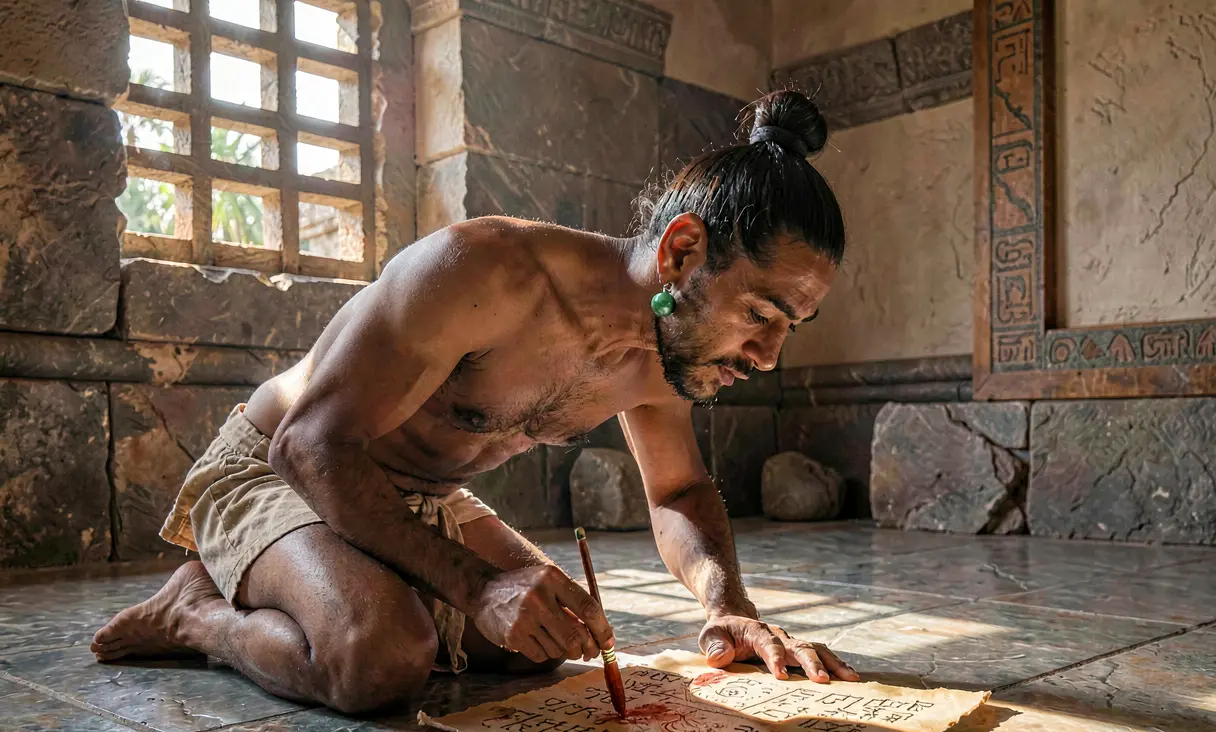 CivilizationCodices and Writing System of the Mayac. 200 BCE · El Mirador, GuatemalaThe Maya develop a complex logosyllabic writing system and astronomical calendars during the Preclassic period.
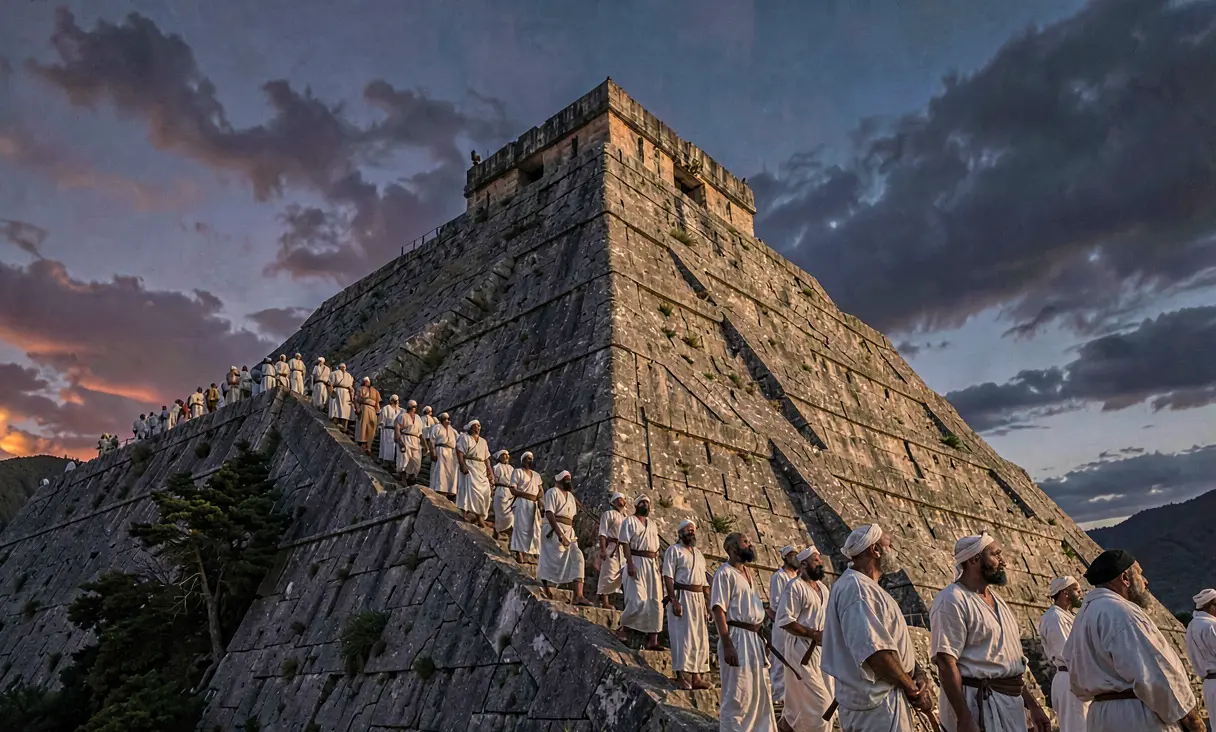 CivilizationConstruction of the Pyramid of the Moon at Teotihuacánc. 1 CE · Teotihuacán, MexicoThe second-largest pyramid is built to honor the Great Goddess and align with lunar cycles.
 PoliticsSatavahana Ascendancy in the Deccanc. 100 BCE · Pratishthana, Maharashtra, IndiaThe Satavahana dynasty consolidates power in the Deccan plateau, breaking away from Shunga dominance and becoming a major trade hub.
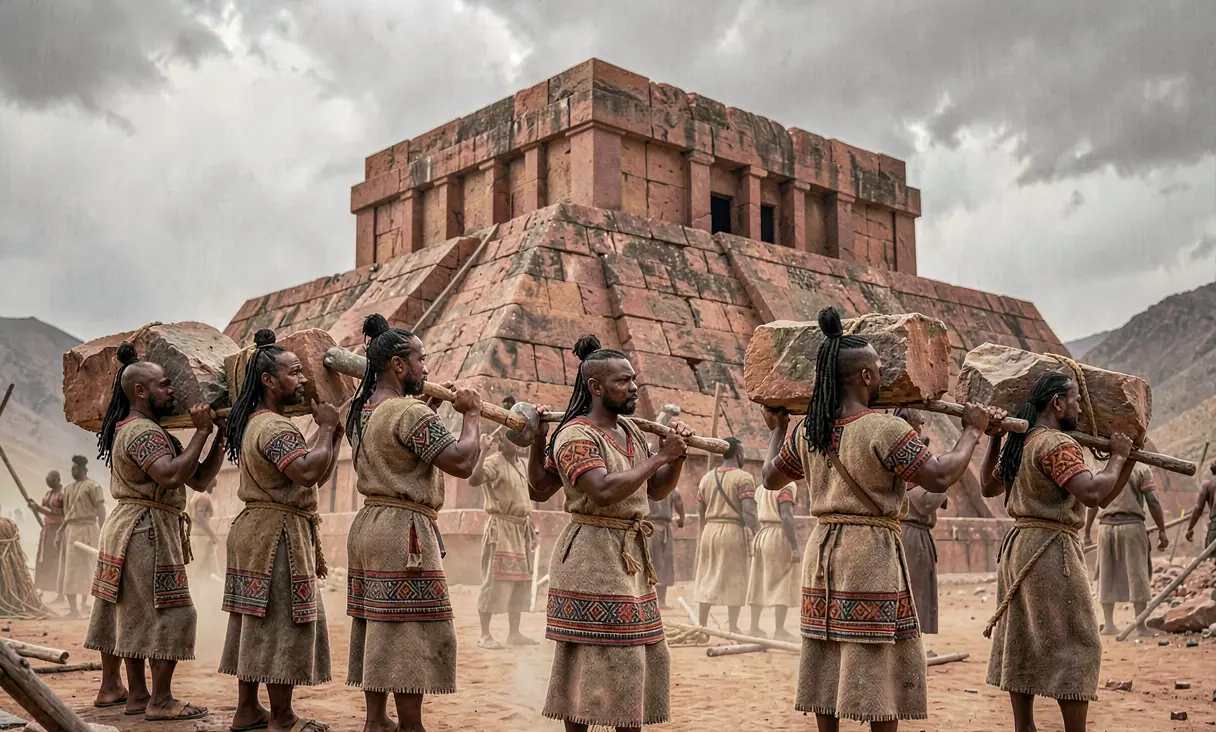 CivilizationExpansion of the Akapana Pyramid at Tiwanakuc. 100 BCE · Tiwanaku, BoliviaThe Akapana pyramid is expanded into a massive artificial mountain for ritual use.
 CivilizationConstruction of El Mirador Causewaysc. 100 BCE · El Mirador, GuatemalaMassive raised causeways connect the sprawling Preclassic city of El Mirador.
Discussion
Loading…