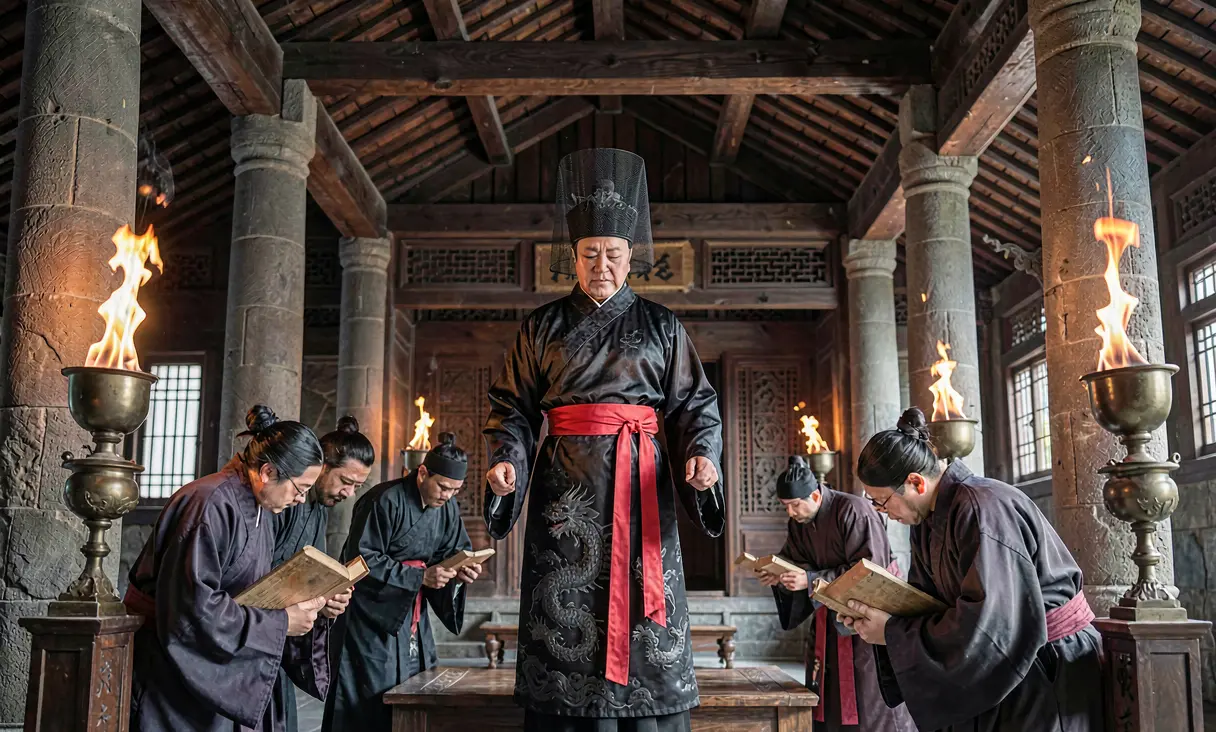
Emperor Wen Unifies China and Founding of Sui Dynasty
In 581 CE, General Yang Jian founded the Sui Dynasty, ending four centuries of fragmentation by reunifying China in 589 and establishing the administrative foundations for the golden age of the Tang.
The Century of Fragmentation
Following the collapse of the Han Dynasty in 220 CE, China endured nearly four centuries of political disintegration known as the Period of Disunion. The north was dominated by a succession of non-Han regimes and warlord states collectively termed the Northern Dynasties, while the south remained under various Southern Dynasties claiming legitimacy through descent from Han culture. By the late 6th century, the Northern Zhou Dynasty controlled the north, but internal instability threatened its cohesion. The court was dominated by powerful aristocratic families, and the throne had fallen into the hands of a child emperor, Jing, whose regency was effectively held by the general Yang Jian, who hailed from the prestigious Wugong clan.
The Coup of 581
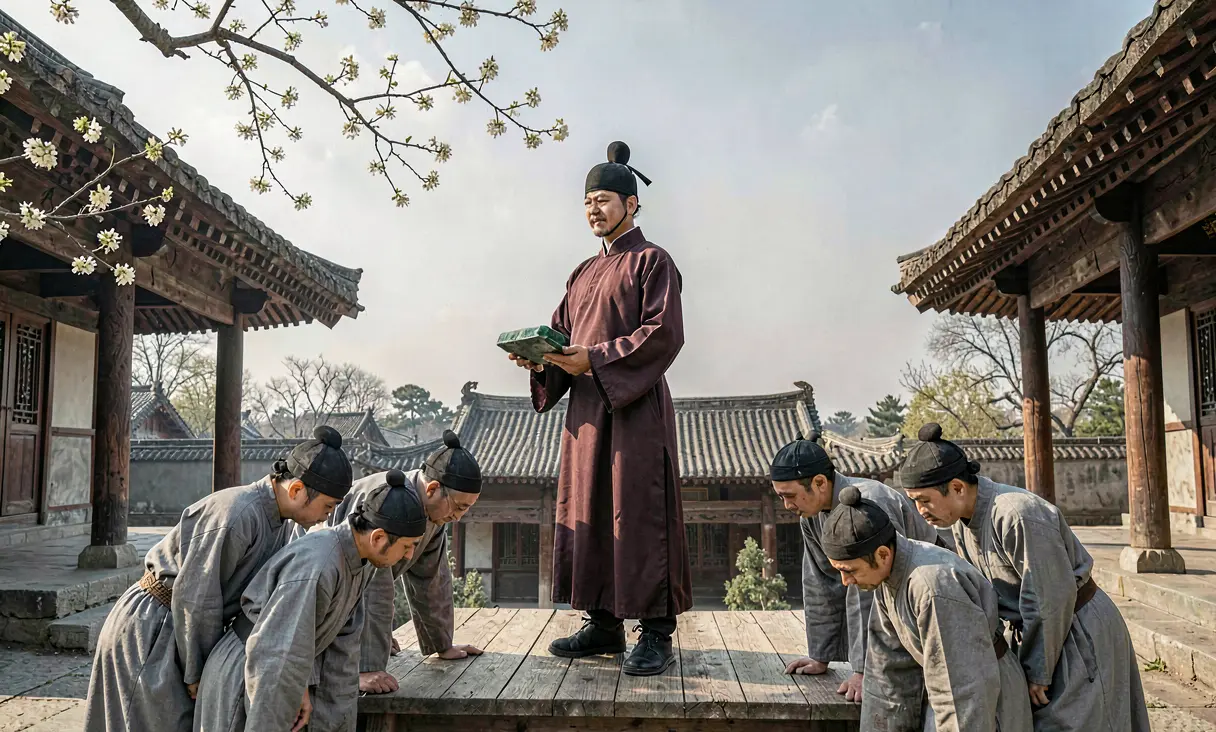
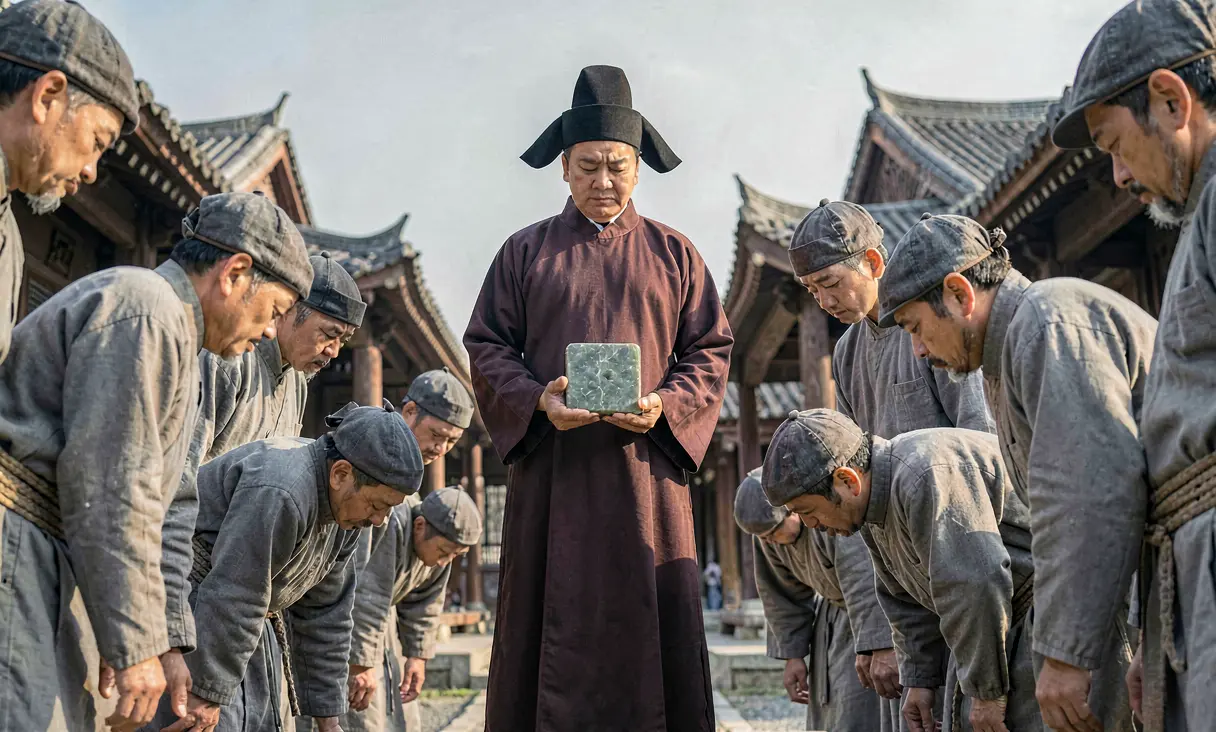
In early 581 CE, amidst rumors of a conspiracy against him orchestrated by the imperial family and rival nobles, Yang Jian moved decisively to secure his position. Leveraging his control over the military and the loyalty of key generals, he forced the seven-year-old Emperor Jing to abdicate in favor of himself. On March 4, 581, Yang Jian proclaimed the establishment of a new dynasty, taking the reign title 'Wen' (meaning 'civilized'), thus becoming Emperor Wen of Sui. He established his capital at Daxing, later known as Chang'an, strategically located to control the Wei River valley and project power across the north.
Consolidation and Reforms
Emperor Wen immediately embarked on a rigorous program of centralization to dismantle the feudal power structures that had plagued China for centuries. He abolished the complex, hereditary military fiefdoms of the Northern Zhou, replacing them with a centralized command structure directly answerable to the throne. Simultaneously, he instituted the 'Equal-Field System' to redistribute land to peasants, breaking the grip of large aristocratic estates and revitalizing the agrarian tax base. His legal code, the Kaihuang Code, streamlined laws and reduced the severity of punishments compared to previous eras, fostering a climate of relative stability that encouraged economic recovery.
The Southern Campaign
With the north firmly secured, Emperor Wen turned his attention to the Chen Dynasty in the south, which had become increasingly decadent and militarily weak. In 588 CE, he launched a massive amphibious invasion, commanding an army of over half a million men. The campaign was meticulously planned; Sui forces crossed the Yangtze River in early 589, bypassing key fortifications to strike directly at the Chen capital, Jiankang (modern Nanjing). By February 589, Emperor Wen's forces had captured the Chen emperor, effectively ending four centuries of division and reunifying China under a single imperial banner for the first time since the fall of the Han.
Infrastructure and Administration
The reunification was not merely military but administrative. Emperor Wen initiated massive infrastructure projects, most notably the early stages of what would become the Grand Canal, linking the Yellow River and Yangtze River systems to facilitate grain transport and troop movement. He also standardized weights, measures, and coinage across the vast empire, fostering a unified economy. Crucially, he began to revive the imperial examination system, selecting officials based on merit rather than solely on aristocratic lineage, a shift that would fundamentally alter Chinese governance for the next millennium.
Legacy of the Sui
Although the Sui Dynasty lasted only thirty-seven years before collapsing under the weight of overextension and rebellious campaigns in Korea, its impact was profound. Emperor Wen's reforms created the administrative blueprint that the subsequent Tang Dynasty would inherit and refine, leading to one of China's golden ages. The reunification of 589 CE restored a unified Chinese identity, re-established the concept of a centralized empire, and set the territorial boundaries that would define China for centuries. Without the Sui's foundational work in law, infrastructure, and bureaucracy, the cultural and political zenith of the Tang era would have been impossible.
Yang Jian's unification ended the chaotic Northern and Southern Dynasties period, restoring central imperial authority and enabling the subsequent Tang cultural flourishing.
Where it happened
Chang'an, China — see it on the interactive map →
Explore related history
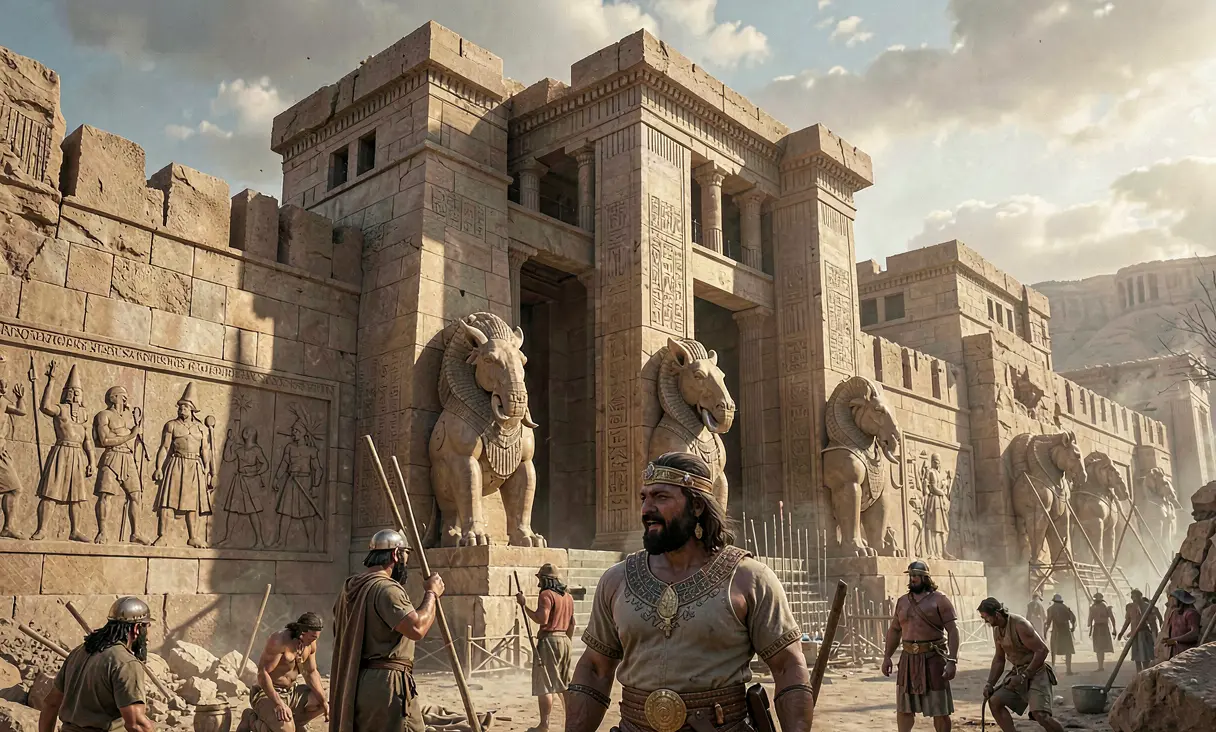 PoliticsFounding of Dur-Sharrukin by Sargon IIc. 717 BCE · Khorsabad (Dur-Sharrukin), IraqSargon II builds a new capital city to project Assyrian power and administrative control.
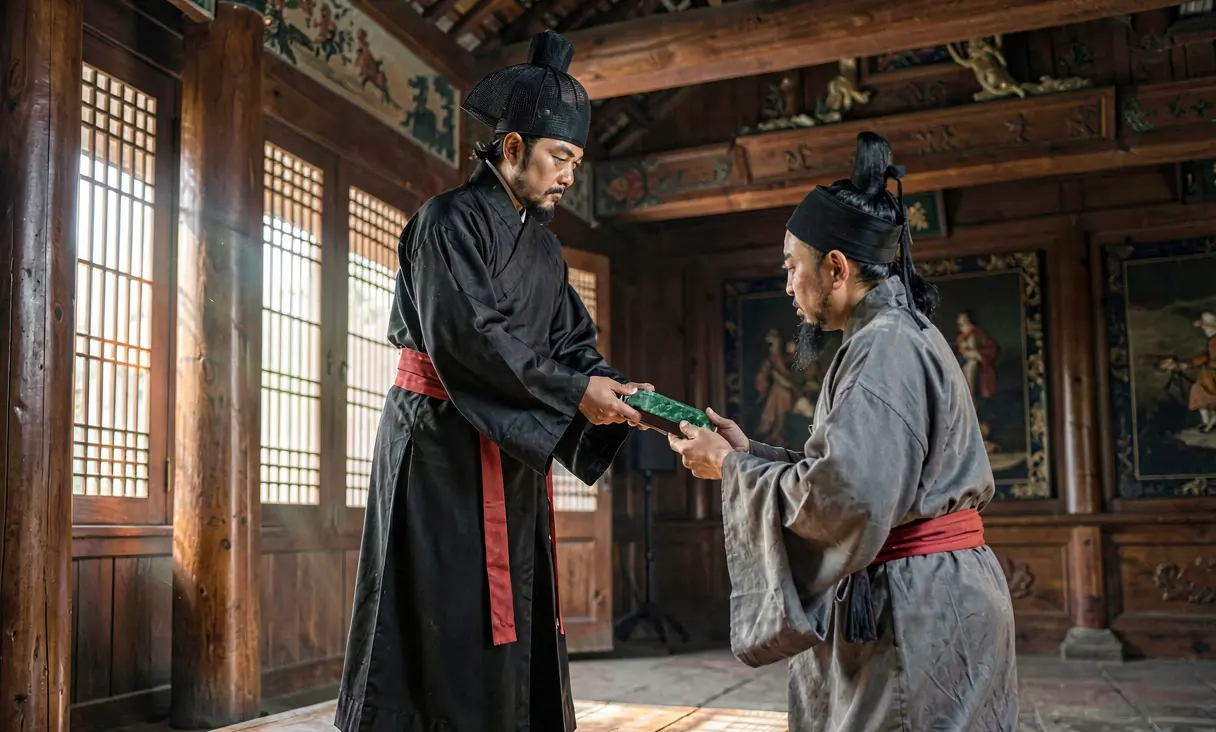 PoliticsReign of Emperor Taizong and the Zhenguan Era626 CE · Chang'an, ChinaLi Shimin ascends the throne after the Xuanwu Gate Incident, ushering in a golden age of governance.
 PoliticsRise of the Sixteen Mahajanapadasc. 600 BCE · Gangetic Plain (modern Uttar Pradesh/India)Sixteen great kingdoms and republics emerge across the Gangetic plain, marking the transition from tribal chiefdoms to state-level societies.
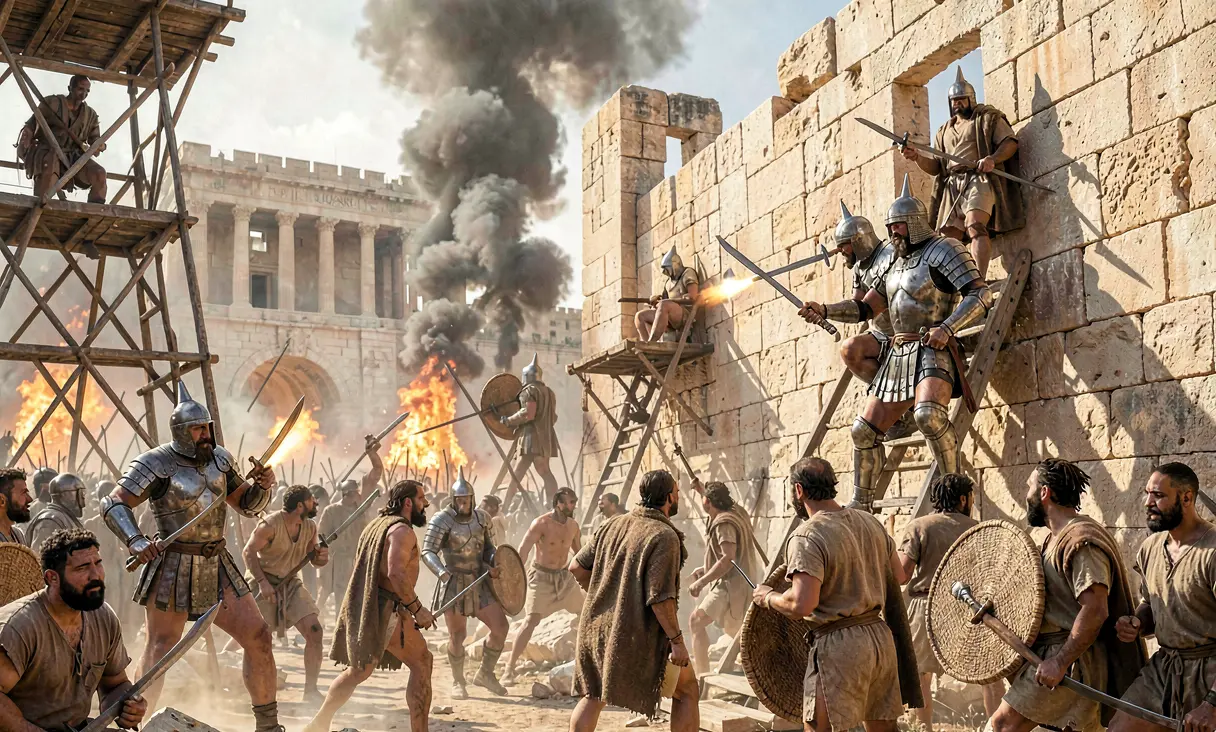 WarBabylonian Destruction of Jerusalem and First Templec. 586 BCE · Jerusalem, Judea (Israel/Palestine)Nebuchadnezzar II destroys Jerusalem and the First Temple, exiling the Jewish population.
 medicineRitual Bloodletting as Medical and Religious Practice in Mayac. 600 BCE · Tikal, GuatemalaMaya elites use stingray spines and obsidian for ritual bloodletting to commune with gods.
 medicineSushruta Samhita: Foundation of Indian Surgery and Anatomyc. 600 BCE · Varanasi, IndiaSushruta documents advanced surgical techniques including rhinoplasty and cataract surgery.
Discussion
Loading…