Nelson Mandela Elected President of South Africa
In 1994, Nelson Mandela became South Africa's first black president following the nation's first universal suffrage election, peacefully ending decades of apartheid and inspiring global movements for
The Long Shadow of Apartheid
For nearly half a century, the Republic of South Africa was defined by the rigid, state-enforced system of racial segregation known as apartheid. Instituted formally in 1948 by the National Party, this regime categorized citizens by race, restricting movement, residence, and political participation for the Black majority through legislation like the Population Registration Act and the Group Areas Act. By the late 1980s, the system faced internal insurrection and intense international pressure, including comprehensive economic sanctions that crippled the nation's economy. The state of emergency declared in 1986 saw thousands detained without trial, yet the momentum for change became unstoppable as the African National Congress (ANC), led by a newly released Nelson Mandela, engaged in secret negotiations with President F.W. de Klerk to dismantle the architecture of white minority rule.
The Road to Universal Suffrage
The transition from apartheid to democracy was not immediate but the result of a perilous, multi-year negotiation process known as the Convention for a Democratic South Africa (CODESA). Beginning in December 1991, delegates from over twenty political parties gathered to draft a new constitution and determine the electoral framework. Despite violent outbreaks in townships, often attributed to provocations within the security apparatus or conflicts between the ANC and the Inkatha Freedom Party, the negotiations held firm. By early 1994, an interim constitution was agreed upon, establishing the principles of universal suffrage and a Government of National Unity. The date for the first democratic election was set for April 27, 1994, a day that would forever alter the geopolitical landscape of Africa.
April 27: A Nation Votes
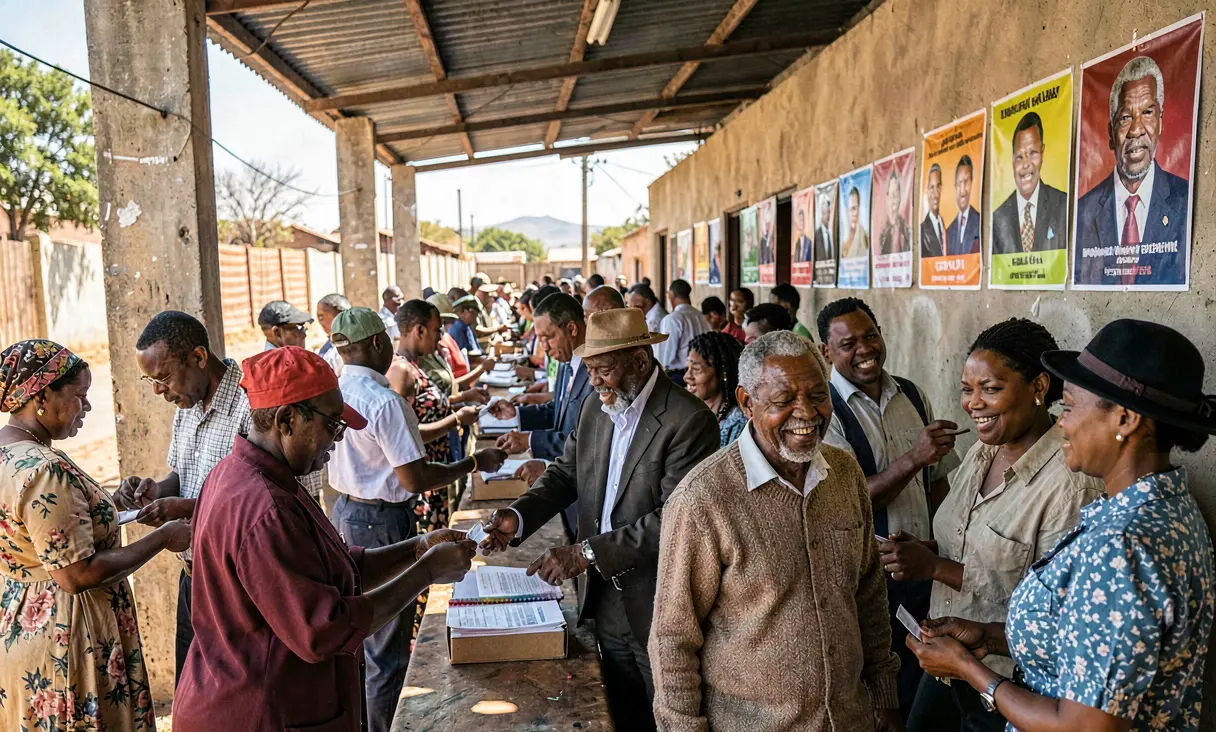
On April 27, 1994, South Africans descended upon polling stations in an unprecedented display of civic participation. For millions, it was their first time casting a ballot; lines stretched for miles under the scorching sun, with voters waiting up to twelve hours to exercise their franchise. The election was administered by the Independent Electoral Commission (IEC), chaired by Judge Johann Kriegler, which faced the monumental task of registering over 22 million eligible voters in just weeks. Despite logistical nightmares and sporadic violence that claimed hundreds of lives in the days leading up to the vote, the process remained largely peaceful. The ANC secured a decisive victory with 62.65% of the national vote, while the National Party won 20.39% and the Inkatha Freedom Party took 10.54%, ensuring a coalition government as mandated by the interim constitution.
The Inauguration in Cape Town
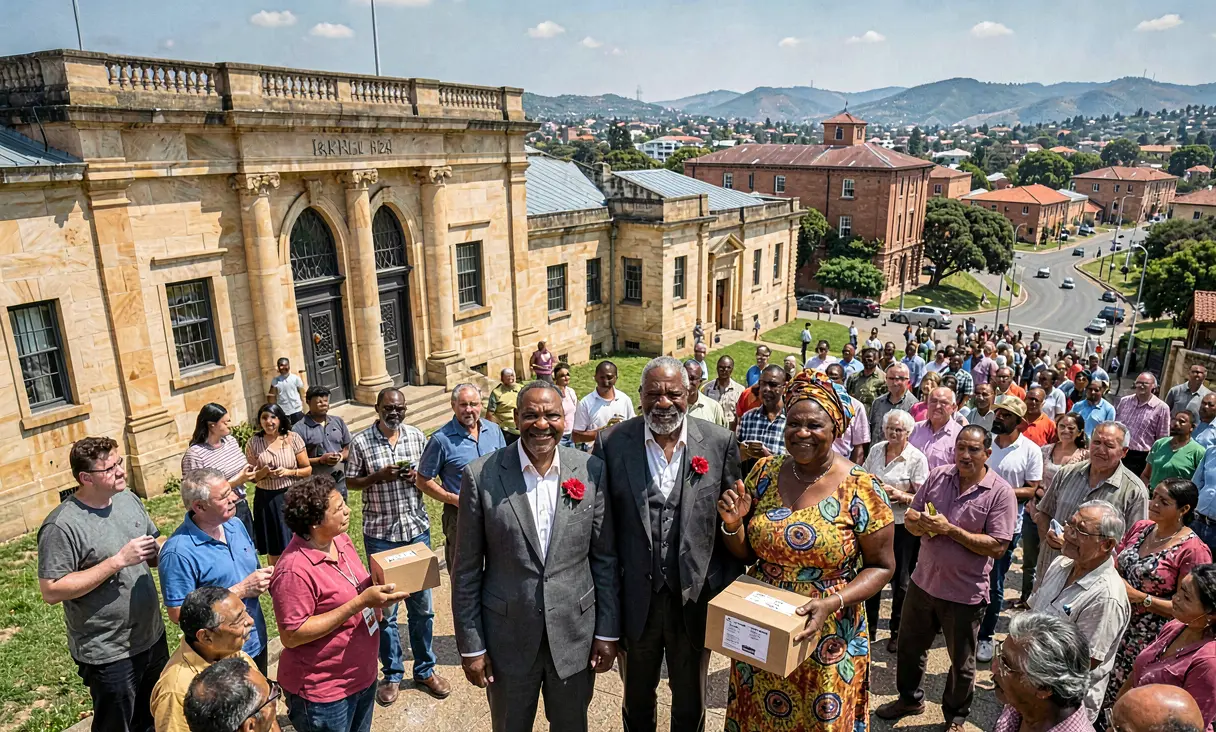
Although the election results were tallied over several days, the symbolic culmination of this historic shift occurred on May 10, 1994, at the Union Buildings in Pretoria, not Cape Town as initially noted in some summaries. Nelson Mandela was inaugurated as the first democratically elected President of South Africa, flanked by F.W. de Klerk and Thabo Mbeki as Deputy Presidents. The ceremony was a spectacle of reconciliation, attended by 40 world leaders, including US President Bill Clinton and British Prime Minister John Major, who witnessed the transformation of a pariah state into a beacon of hope. Mandela's inaugural address, delivered to a crowd estimated at over 100,000 people, famously declared, 'Never, never and never again shall it be that this beautiful land will again experience the oppression of one by another.' The event marked the official end of apartheid and the birth of the 'Rainbow Nation'.
Challenges of the New Dawn
The euphoria of 1994 masked deep-seated structural inequalities that would plague the new democracy. The transition had been negotiated rather than revolutionary, meaning many economic levers remained in white hands, and the legacy of spatial segregation persisted. Mandela's administration faced the immediate task of addressing massive disparities in housing, education, healthcare, and employment. The Truth and Reconciliation Commission (TRC), established under Archbishop Desmond Tutu, became a cornerstone of the new era, prioritizing restorative justice over retributive punishment to heal the wounds of state-sponsored torture and murder. While political freedom was achieved overnight, the economic transformation required decades of sustained effort, with poverty rates remaining stubbornly high among the Black majority.
A Global Legacy of Reconciliation
The 1994 election stands as a defining moment in modern history, demonstrating that entrenched systems of racial oppression could be dismantled through negotiation and democratic will rather than total civil war. It inspired liberation movements across the globe and redefined the role of international diplomacy in conflict resolution. Nelson Mandela's presidency established a moral standard for leadership based on forgiveness and unity, influencing political discourse worldwide. While South Africa continues to grapple with corruption and economic stagnation, the 1994 transition remains a testament to the possibility of peaceful regime change. The event fundamentally shifted the center of gravity in international relations, proving that a multi-racial democracy was viable even in the most divided societies.
The 1994 election dismantled the apartheid system and established a democratic framework that inspired global human rights movements.
Where it happened
Cape Town, South Africa — see it on the interactive map →
Explore related history
 PoliticsSargon of Akkad Establishes the First Empirec. 2334 BCE · Akkad (Location uncertain, near Baghdad, Iraq)Sargon unifies Sumerian city-states to create the world's first multi-ethnic empire.
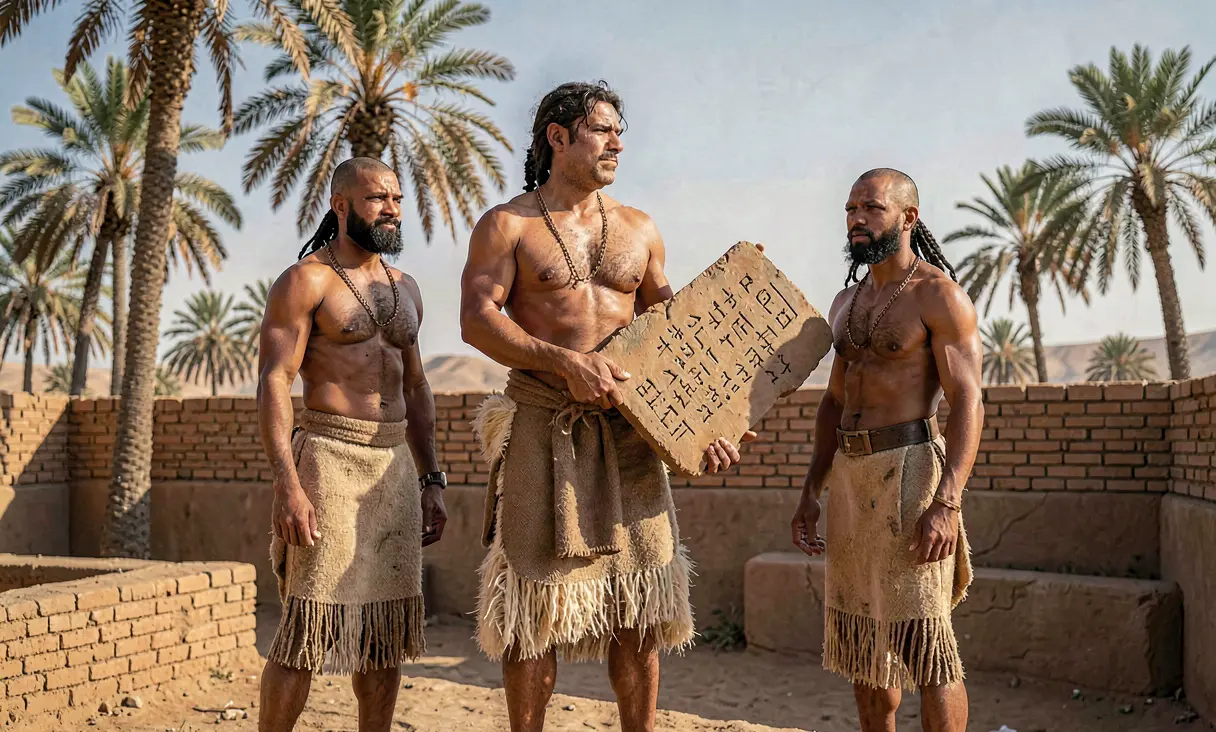 PoliticsPromulgation of the Code of Ur-Nammuc. 2100 BCE · Ur, Southern Mesopotamia (Iraq)The earliest known surviving law code is established in the Sumerian city of Ur.
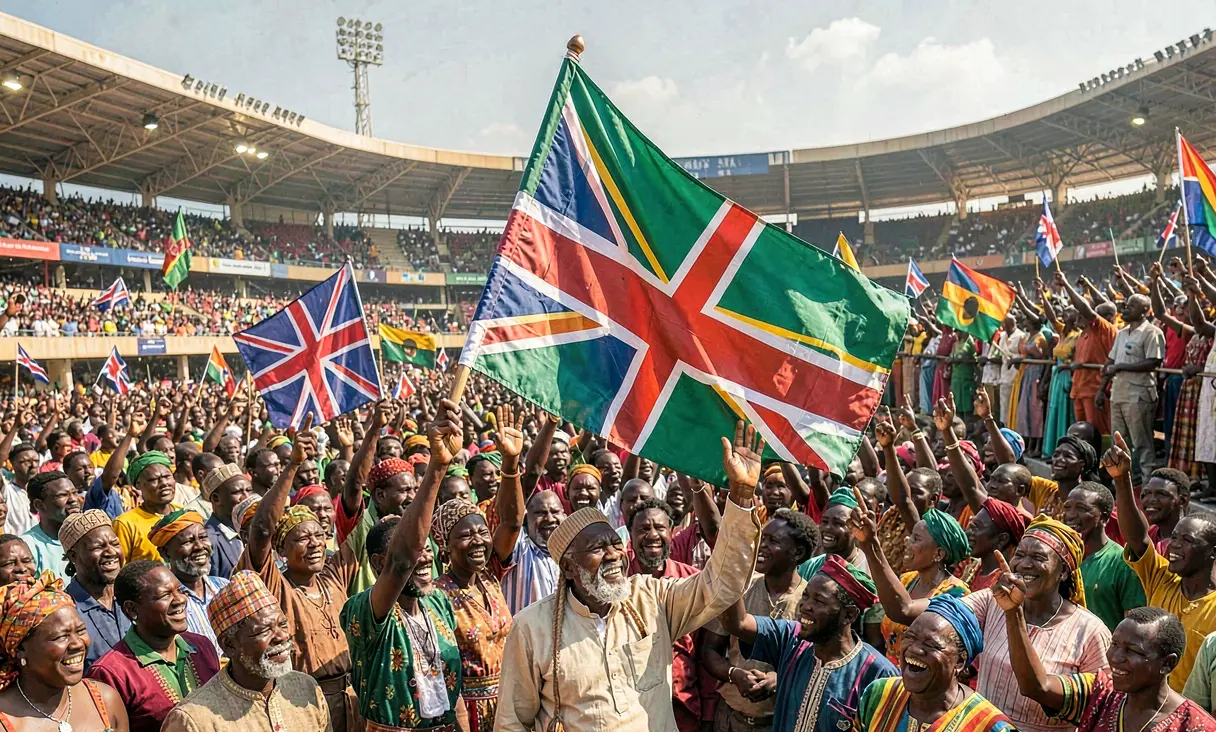 PoliticsZimbabwe Gains Independence from BritainApril 18, 1980 · Harare, ZimbabweRobert Mugabe leads the transition from Rhodesia to the independent nation of Zimbabwe.
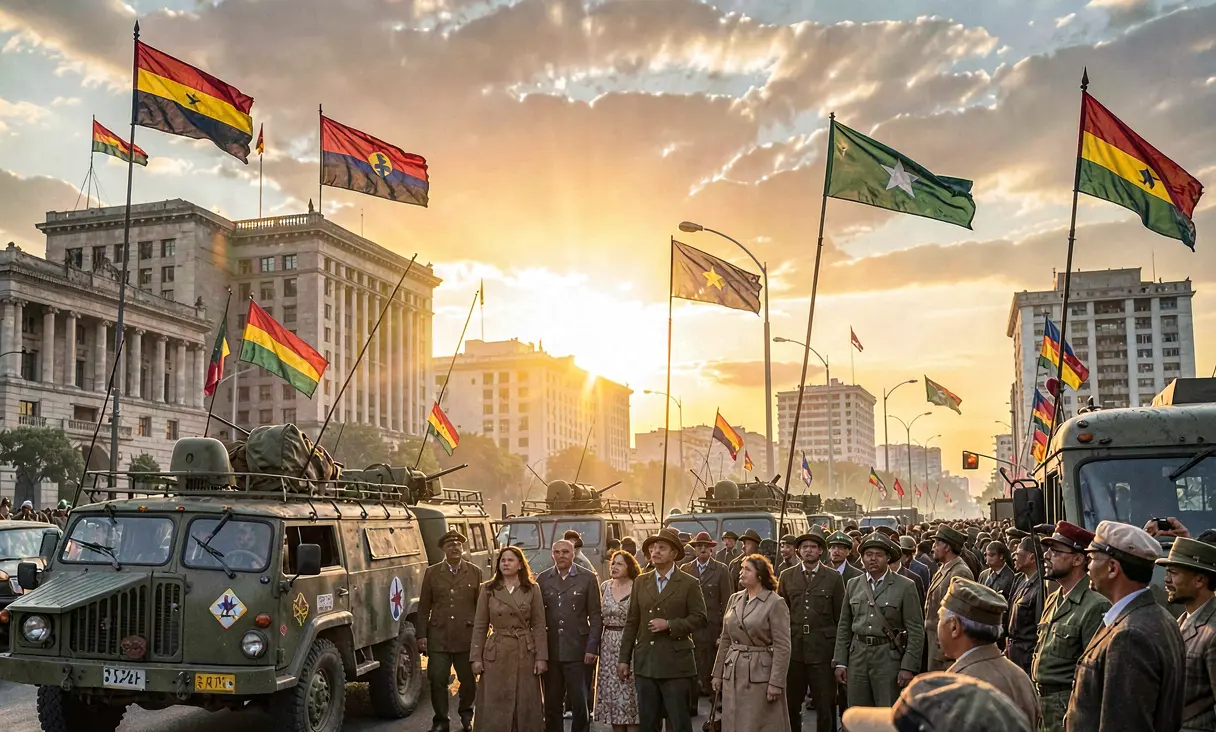 PoliticsAngolan War of Independence EndsNovember 11, 1975 · Luanda, AngolaAngola gains independence from Portugal, immediately plunging into a civil war between rival liberation movements.
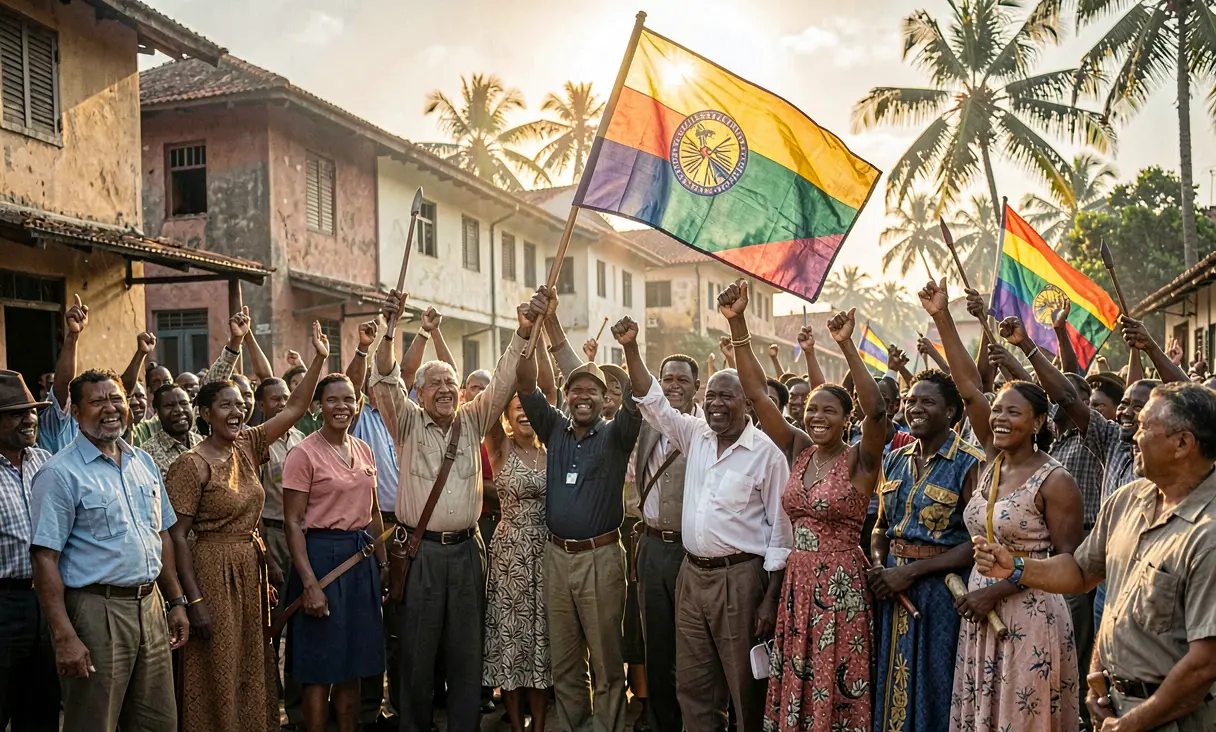 PoliticsCongo Gains Independence from BelgiumJune 30, 1960 · Kinshasa, Congo (DRC)The Belgian Congo becomes the independent Republic of the Congo, sparking immediate political turmoil.
 PoliticsGhana Gains Independence from BritainMarch 6, 1957 · Accra, GhanaKwame Nkrumah leads the Gold Coast to become the first sub-Saharan African nation to gain independence from colonial rule.
Discussion
Loading…