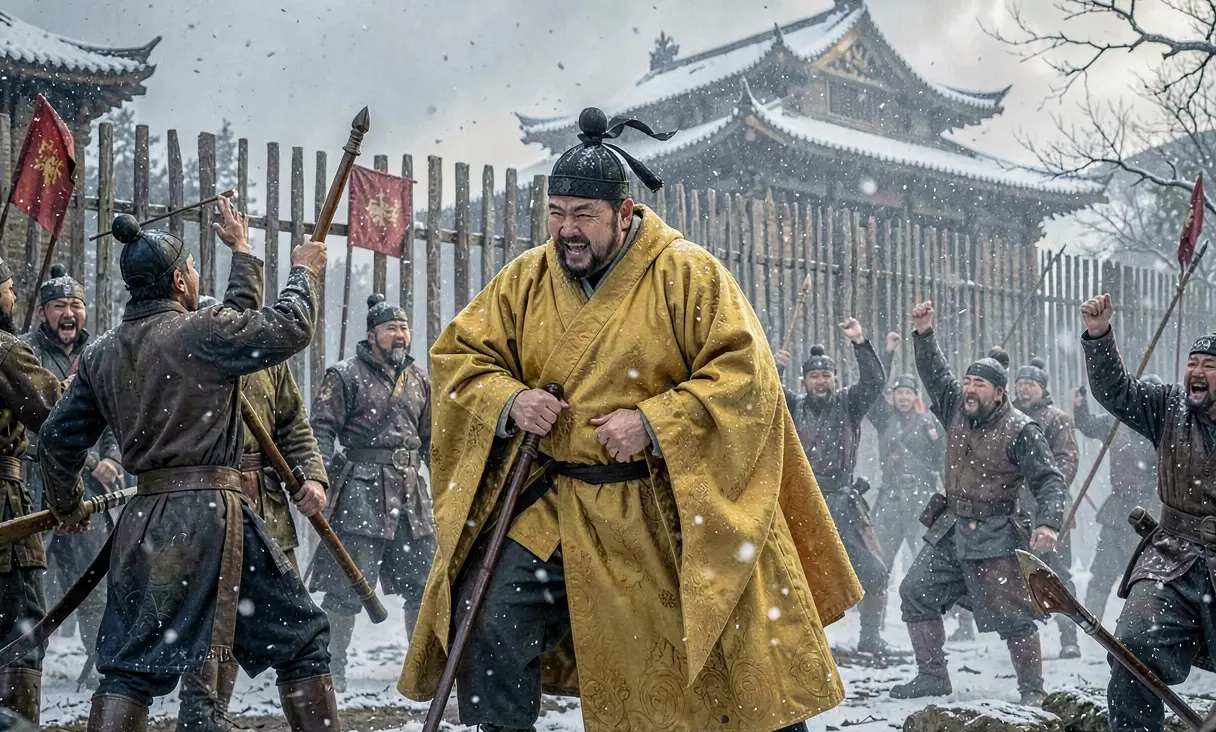
Emperor Taizu Establishes the Song Dynasty
Zhao Kuangyin's bloodless coup at Chenqiao Post ended decades of warlord chaos, founding the Song Dynasty and establishing a civil-administration model that fueled an economic golden age while inadver
The Chaos of the Five Dynasties
By the mid-10th century, central China had descended into a prolonged era of fragmentation known as the Five Dynasties and Ten Kingdoms period. Following the collapse of the Tang Dynasty in 907 CE, the Central Plains witnessed five rapid dynastic successions—Later Liang, Later Tang, Later Jin, Later Han, and Later Zhou—each lasting less than two decades. This instability was driven by the rise of powerful regional military governors (jiedushi) who commanded private armies and frequently deposed emperors at will. The constant warfare devastated agriculture, disrupted trade, and eroded the Confucian social order, creating an urgent demand for a strong central authority capable of restoring stability and preventing further warlordism.
The Coup at Chenqiao Post
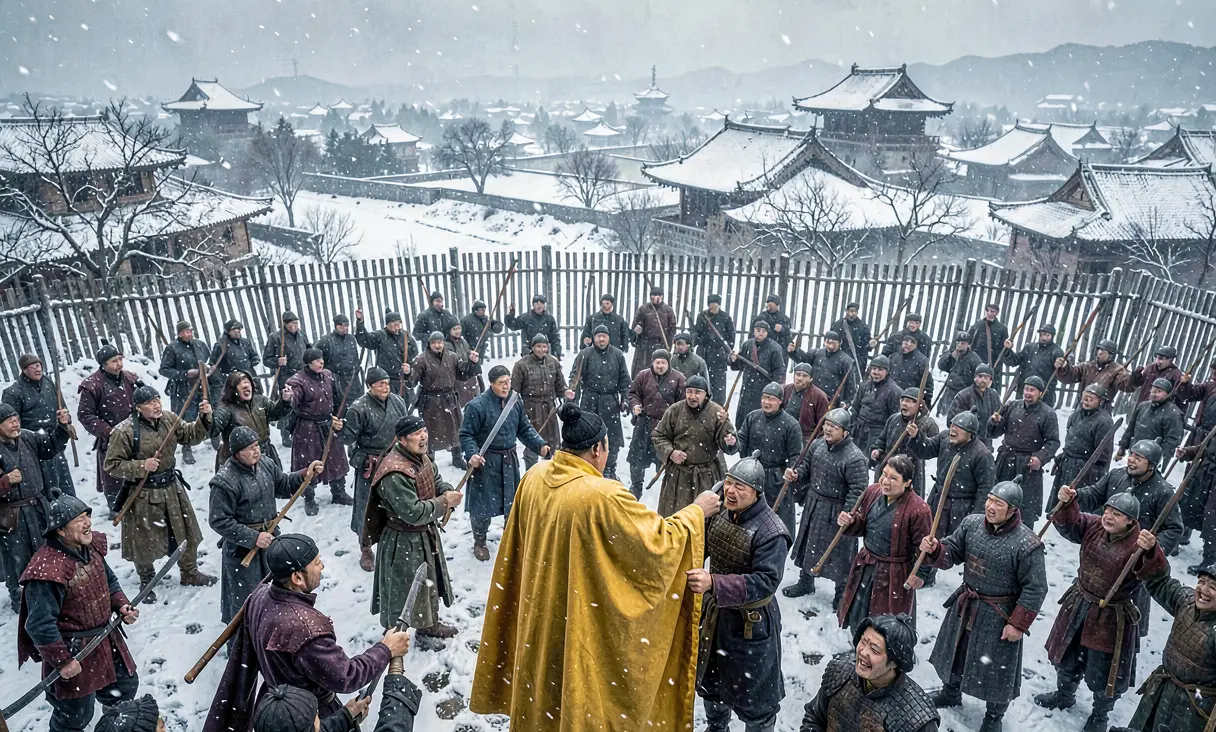
In early 960 CE, General Zhao Kuangyin, the commander of the Later Zhou's imperial guard, was stationed at Chenqiao Post (modern-day Kaifeng) to repel a rumored invasion by the Liao Dynasty and Northern Han. On New Year's Day, while the court in the capital celebrated the holiday, rumors spread among the troops that they needed a new emperor to lead them. In a staged but decisive coup d'état, Zhao's subordinates, led by his brother Zhao Guangyi and strategist Zhao Pu, draped a yellow robe over him, proclaiming him Emperor Taizu of Song. The event was remarkably bloodless; upon returning to Kaifeng, the Later Zhou court surrendered without significant resistance, marking the end of the chaotic Five Dynasties period.
Zhao Kuangyin and the New Order
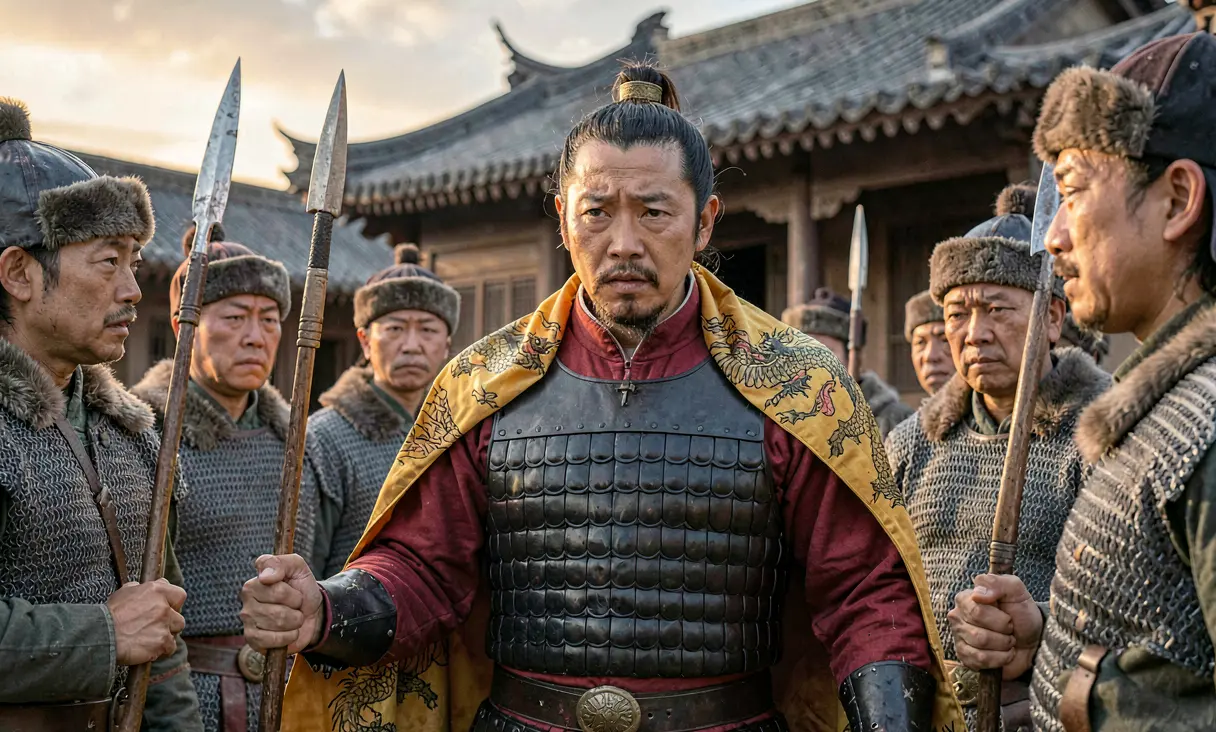
Emperor Taizu (r. 960–976) was a seasoned military commander who understood that his own rise to power posed an existential threat to the dynasty's longevity if unchecked. He sought to dismantle the system of hereditary warlordism that had plagued China for centuries. His primary objective was to establish a state where civil administration superseded military rule, ensuring that no single general could ever again usurp the throne. Taizu was not merely a conqueror but a statesman who recognized that the restoration of order required a fundamental restructuring of the relationship between the emperor, the military, and the bureaucracy.
Dismantling Military Power
To secure his rule, Taizu implemented the famous policy of 'releasing the power of the generals' (Jiebing). In a legendary banquet known as the 'Cup of Wine to Relieve Military Command,' he persuaded his most powerful field commanders to retire in exchange for generous pensions and land, effectively stripping them of their troops. He further institutionalized this shift by rotating military commanders frequently, preventing them from building personal loyalties within specific regiments, and separating command authority from logistical control. Simultaneously, he expanded the imperial examination system to recruit bureaucrats based on merit rather than aristocratic lineage, flooding the administration with scholar-officials who owed their status solely to the emperor.
Consolidation and Economic Revival
With internal stability secured by 970 CE, Taizu and his successors embarked on a campaign of reunification, conquering the remaining independent kingdoms in the south. The new Song Dynasty established its capital at Kaifeng (renamed Dongjing), transforming it into one of the world's largest and most cosmopolitan cities. Freed from the ravages of constant civil war, the economy experienced an unprecedented boom. Agriculture intensified with the introduction of early-ripening rice varieties, while commerce flourished through a sophisticated network of canals and roads. The state actively promoted trade, leading to the proliferation of urban markets, the use of paper money (jiaozi), and significant advancements in technology such as movable type printing and gunpowder.
Legacy and Strategic Vulnerabilities
The Song Dynasty established by Taizu ushered in a golden age of Chinese civilization characterized by cultural refinement, economic sophistication, and technological innovation that would influence East Asia for centuries. However, the very policies designed to prevent internal coup d'états created long-term strategic weaknesses. By prioritizing civil administration over military prowess and maintaining a large but fragmented standing army, the Song struggled to defend against aggressive northern nomads like the Liao and later the Jin. Despite these military deficits, Taizu's restructuring of the Chinese state created a durable political model that emphasized bureaucratic governance over feudal militarism, defining the character of imperial China until its fall in 1912.
Taizu's coup ended centuries of chaos and established a civil-military balance that fostered China's greatest economic and cultural achievements.
Where it happened
Kaifeng, China — see it on the interactive map →
Explore related history
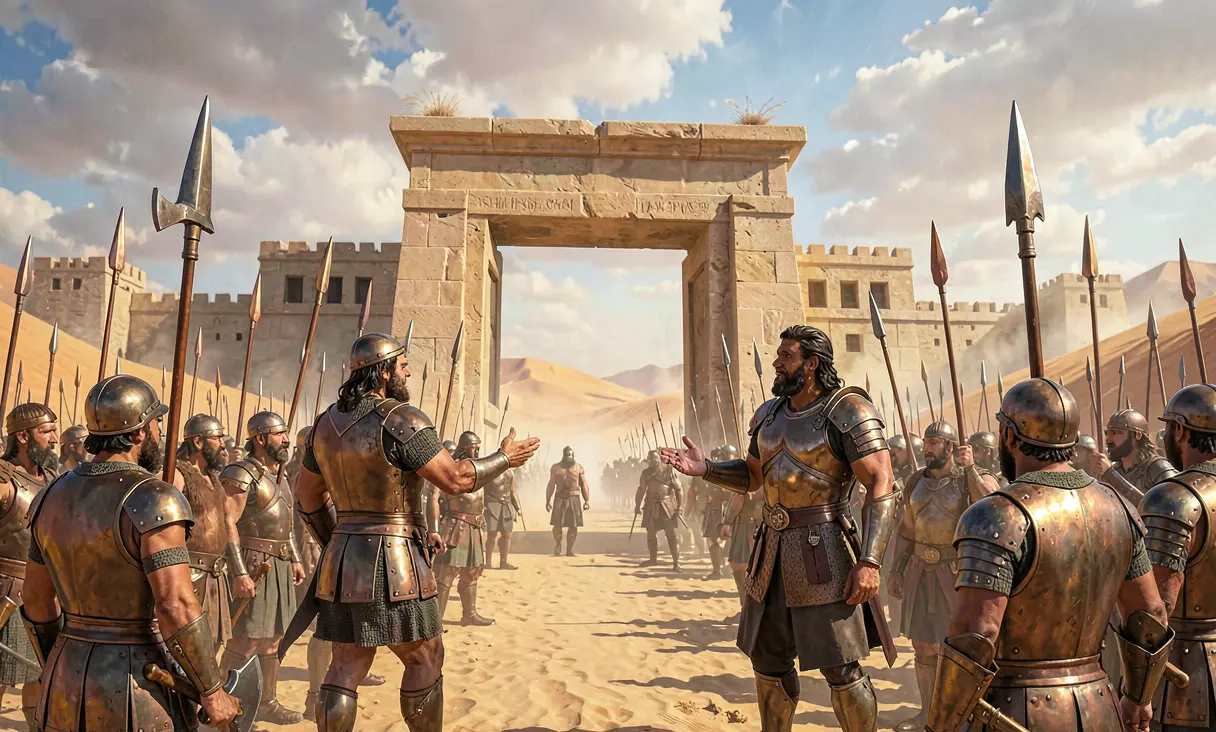 PoliticsSargon of Akkad Establishes the First Empirec. 2334 BCE · Akkad (Location uncertain, near Baghdad, Iraq)Sargon unifies Sumerian city-states to create the world's first multi-ethnic empire.
 PoliticsPromulgation of the Code of Ur-Nammuc. 2100 BCE · Ur, Southern Mesopotamia (Iraq)The earliest known surviving law code is established in the Sumerian city of Ur.
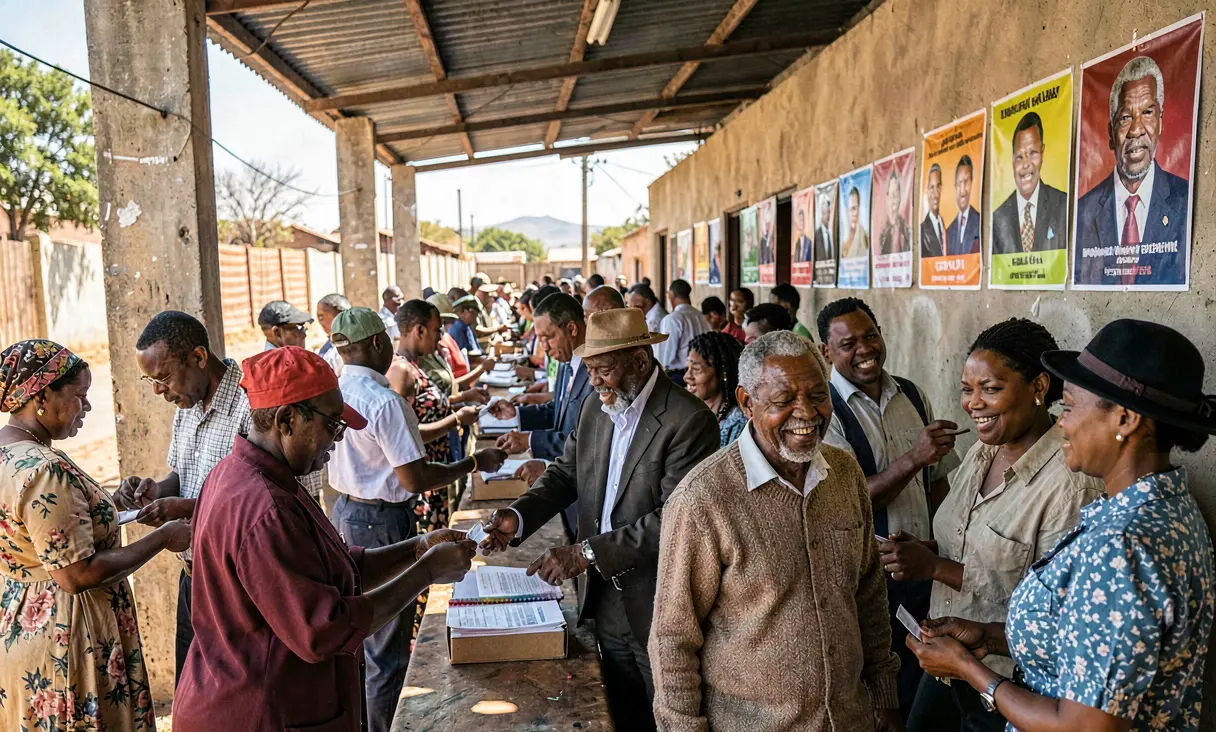 PoliticsNelson Mandela Elected President of South AfricaApril 27, 1994 · Cape Town, South AfricaSouth Africa holds its first democratic election, ending the apartheid regime and establishing a multiracial government.
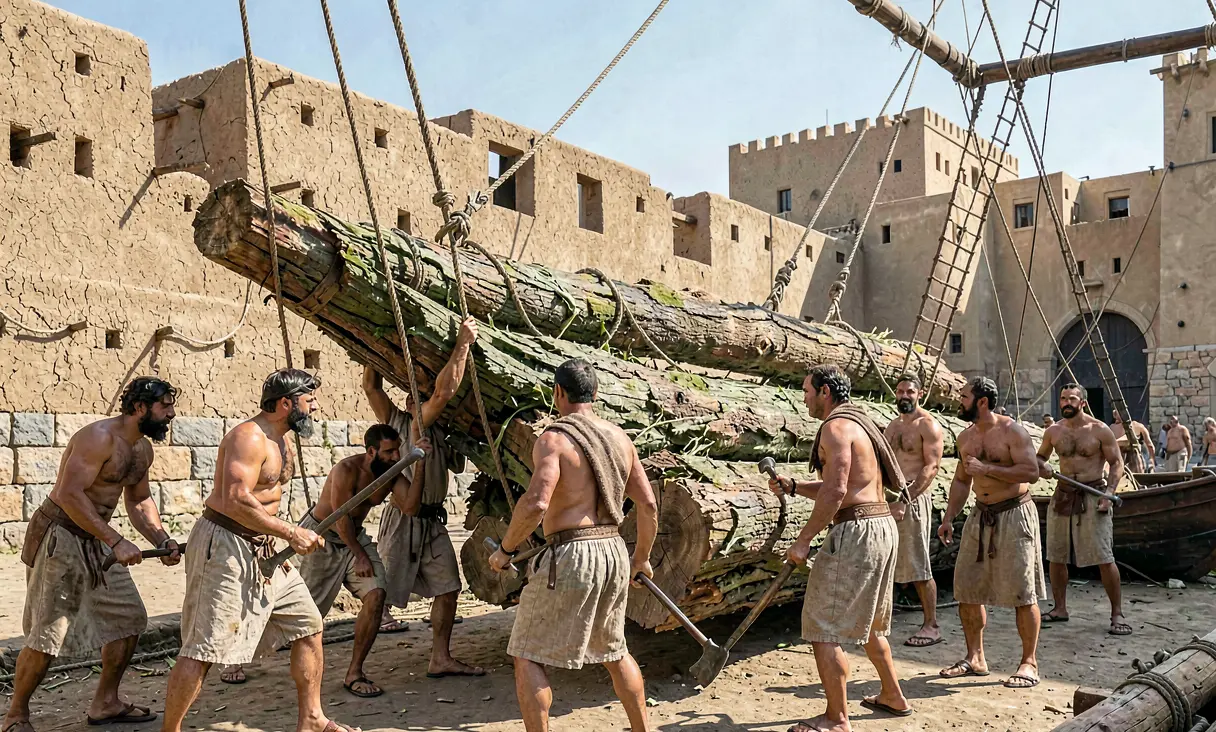 ExplorationHiram I of Tyre Supplies Cedar for Solomon's Templec. 960 BCE · Jerusalem / Tyre (Lebanon)King Hiram of Tyre provides cedar and craftsmen for the construction of Solomon's Temple.
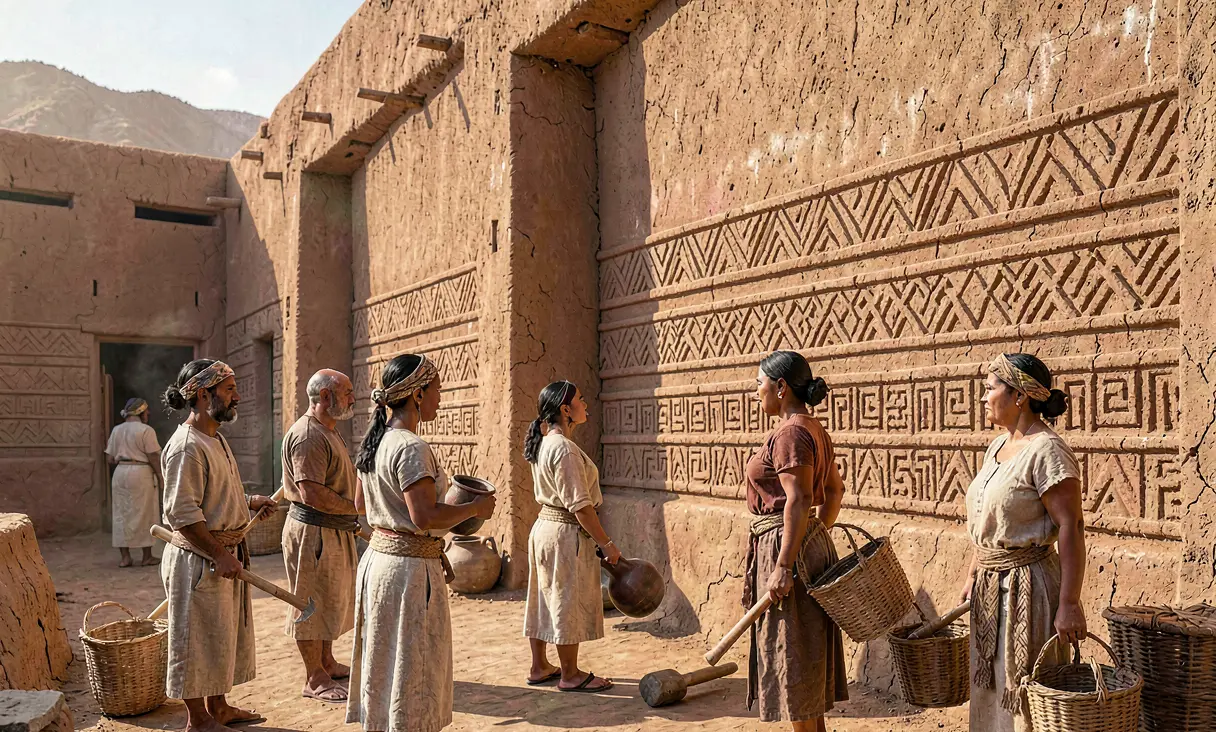 CivilizationRise of the Chimú Kingdom at Chan Chanc. 1000 CE · Chan Chan, PeruThe Chimú establish the largest adobe city in the Americas at Chan Chan.
 ExplorationLapita Settlement in Western Samoac. 1000 BCE · Western SamoaLapita voyagers reach the Samoan archipelago, marking the first entry into Remote Oceania.
Discussion
Loading…