Shunga Dynasty Overthrows Mauryas
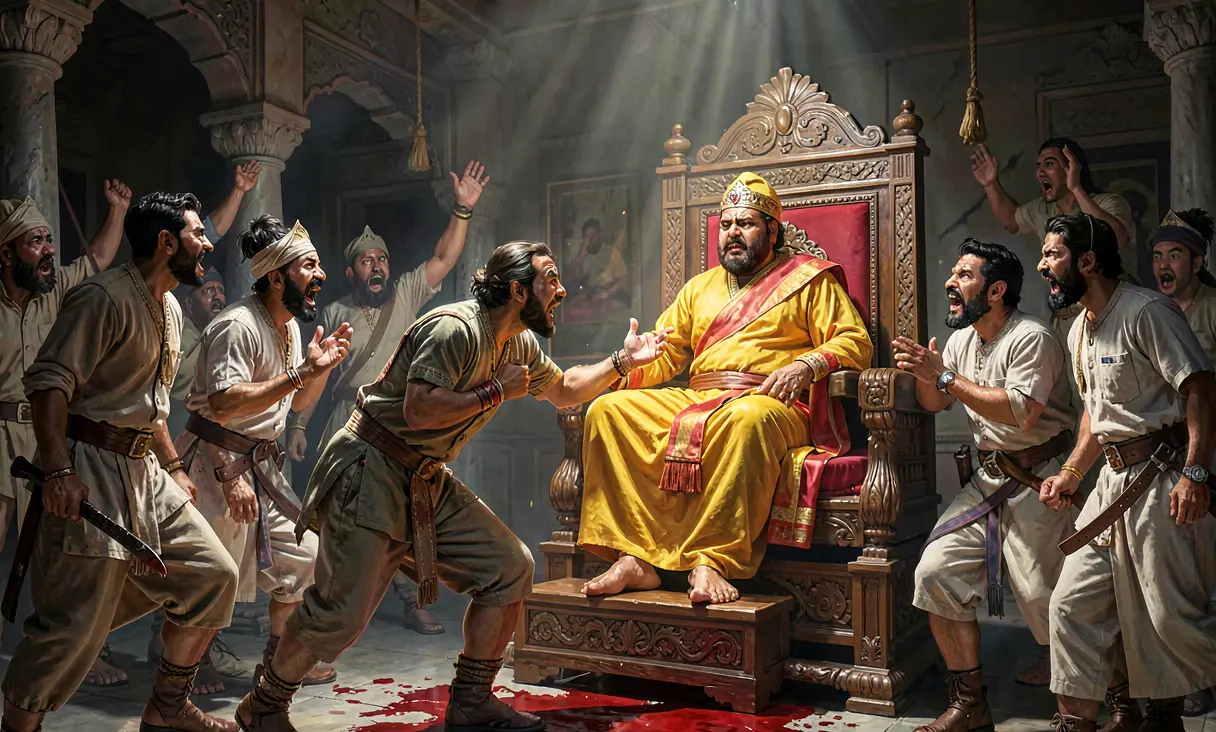
In 185 BCE, General Pushyamitra Shunga assassinated Emperor Brihadratha to end the Mauryan Empire, sparking a cultural revival of orthodox Hinduism while defending central India against Indo-Greek inv
The Waning of the Mauryan Colossus
By the mid-2nd century BCE, the vast Mauryan Empire, once unified under Ashoka and spanning from Afghanistan to Karnataka, had fractured into a fragile confederacy. The central authority in Pataliputra was weak, plagued by succession disputes and the administrative overreach that characterized the empire's final decades. While Emperor Brihadratha Maurya nominally held the throne, real power increasingly resided with his commander-in-chief, Pushyamitra Shunga, a Brahmin general of immense military capability and political ambition. The empire's borders were eroding; the Greco-Bactrian kingdoms pressed from the northwest, while regional satraps in the Deccan and Bengal asserted their independence. In this atmosphere of decay, the state religion had shifted significantly toward Buddhism, a policy initiated by Ashoka that alienated the orthodox Brahminical priesthood, creating a potent socio-religious tension that Pushyamitra would soon exploit.
The Assassination at the Army Review
The transition of power occurred not through a prolonged civil war, but in a single, shocking act of regicide during a military parade. Around 185 BCE, while Emperor Brihadratha was inspecting his troops near Pataliputra, Pushyamitra Shunga stepped forward under the guise of presenting a report or offering a salute. Seizing the moment of proximity and trust, the general drew his sword and slew the unarmed monarch before the assembled army. The soldiers, bound by loyalty to their commander rather than the distant throne, immediately acclaimed Pushyamitra as the new sovereign. This coup d'état effectively ended the Mauryan line, which had ruled for over a century since Chandragupta's rise in 321 BCE, and inaugurated the Shunga Dynasty.
Pushyamitra: The Brahmin General
Pushyamitra Shunga was a figure of complex duality. As a high-caste Brahmin, he represented a resurgence of orthodox Vedic traditions that had been marginalized under the Buddhist patronage of the later Mauryas. Historical accounts, particularly from Buddhist sources like the Ashokavadana, portray him as a persecutor who destroyed monasteries and offered rewards for the heads of monks; however, modern historiography suggests this narrative may be exaggerated by sectarian bias. Archaeological evidence indicates that while he reinstated Vedic sacrifices, such as the Ashvamedha (horse sacrifice), to legitimize his rule, he did not systematically eradicate Buddhism. His primary motivation appears to have been political consolidation through religious realignment rather than genocidal zeal.
Consolidation and External Threats
The early years of the Shunga reign were defined by a desperate struggle for survival against external invaders. The most significant threat came from the Indo-Greeks (Yavanas), who had established control over parts of northwest India following the collapse of Bactrian power. Pushyamitra successfully repelled an invasion led by King Menander I (Milinda) or his predecessors, securing the Gangetic heartland. While the Shungas lost territory in the west and north to these Hellenistic forces, they maintained firm control over Magadha, Malwa, and parts of central India. The dynasty's capital remained Pataliputra, but their influence extended as far as Vidisha and Bharhut, where they commissioned significant architectural works.
A Renaissance of Sanskrit and Art
Despite the political fragmentation, the Shunga era witnessed a remarkable cultural flourishing often termed a 'Hindu Renaissance.' The dynasty actively patronized Sanskrit literature and the arts, reversing the Mauryan preference for Prakrit. This period saw the composition of early commentaries on grammar and the potential early development of classical Sanskrit drama, though attributing specific works to this era requires caution; the great playwright Kalidasa is traditionally associated with a later Gupta context, but Shunga patronage laid the groundwork for such literary achievements. Architecturally, the Shungas are renowned for expanding the Bharhut Stupa and contributing to the Sanchi complex, blending Hellenistic artistic motifs with traditional Indian iconography to create a distinct visual language.
Legacy of the Shunga Transition
The overthrow of the Mauryas by Pushyamitra marked a pivotal turning point in Indian history, signaling the end of the first great imperial unity and the beginning of regional fragmentation that would persist until the rise of the Guptas. More importantly, it cemented the revival of Brahmanical Hinduism as a dominant political and cultural force, ensuring its survival against the spread of Buddhism and Jainism. The Shunga dynasty, which lasted until approximately 73 BCE, served as a crucial bridge between the Mauryan and Gupta eras, preserving Indian cultural identity during a period of foreign pressure and internal disunity. Their reign demonstrated that political power could be effectively wielded through a synthesis of military strength and religious orthodoxy.
The Shunga coup reversed Mauryan religious policies, revitalizing Brahmanism and fostering a resurgence of Sanskrit culture and art.
Where it happened
Pataliputra (modern Patna/India) — see it on the interactive map →
Explore related history
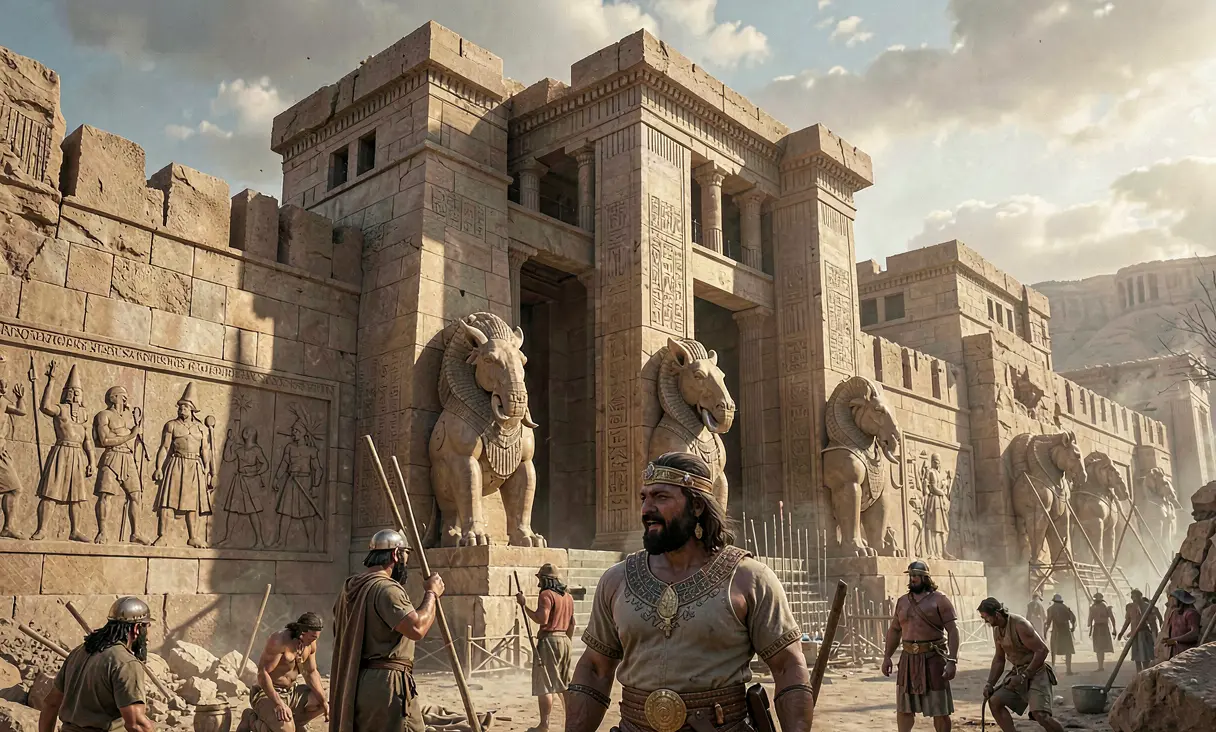 PoliticsFounding of Dur-Sharrukin by Sargon IIc. 717 BCE · Khorsabad (Dur-Sharrukin), IraqSargon II builds a new capital city to project Assyrian power and administrative control.
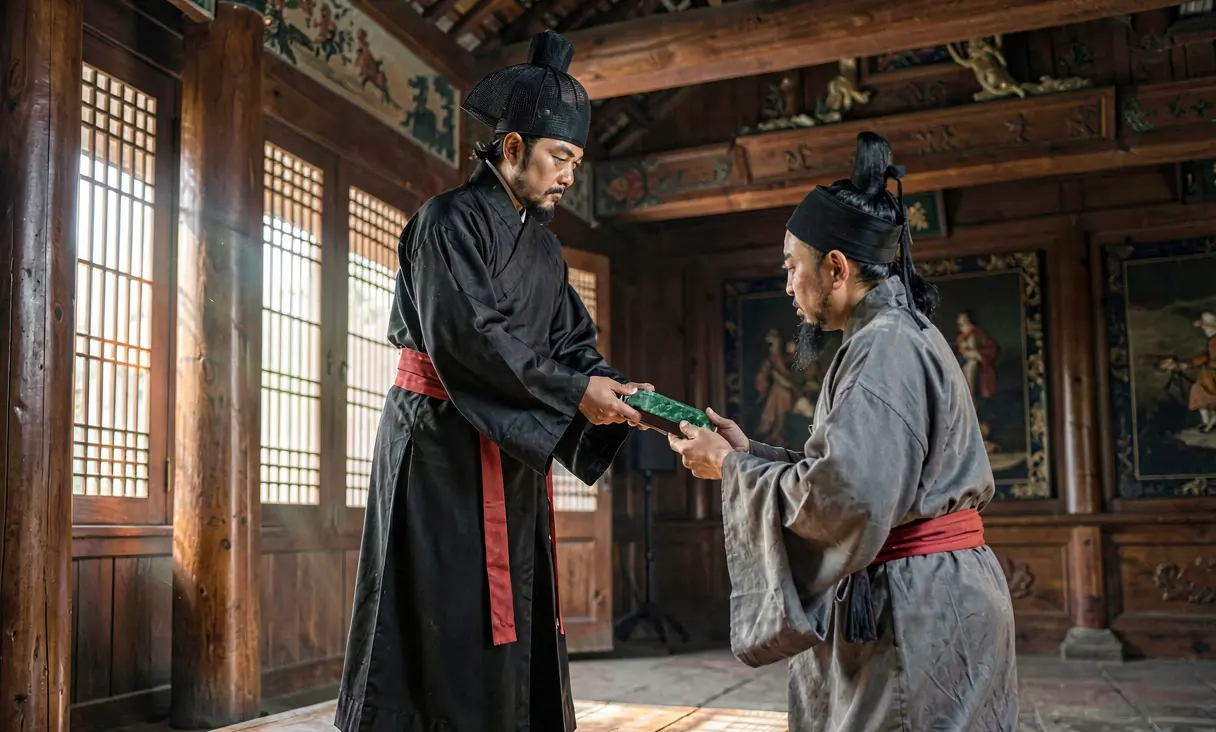 PoliticsReign of Emperor Taizong and the Zhenguan Era626 CE · Chang'an, ChinaLi Shimin ascends the throne after the Xuanwu Gate Incident, ushering in a golden age of governance.
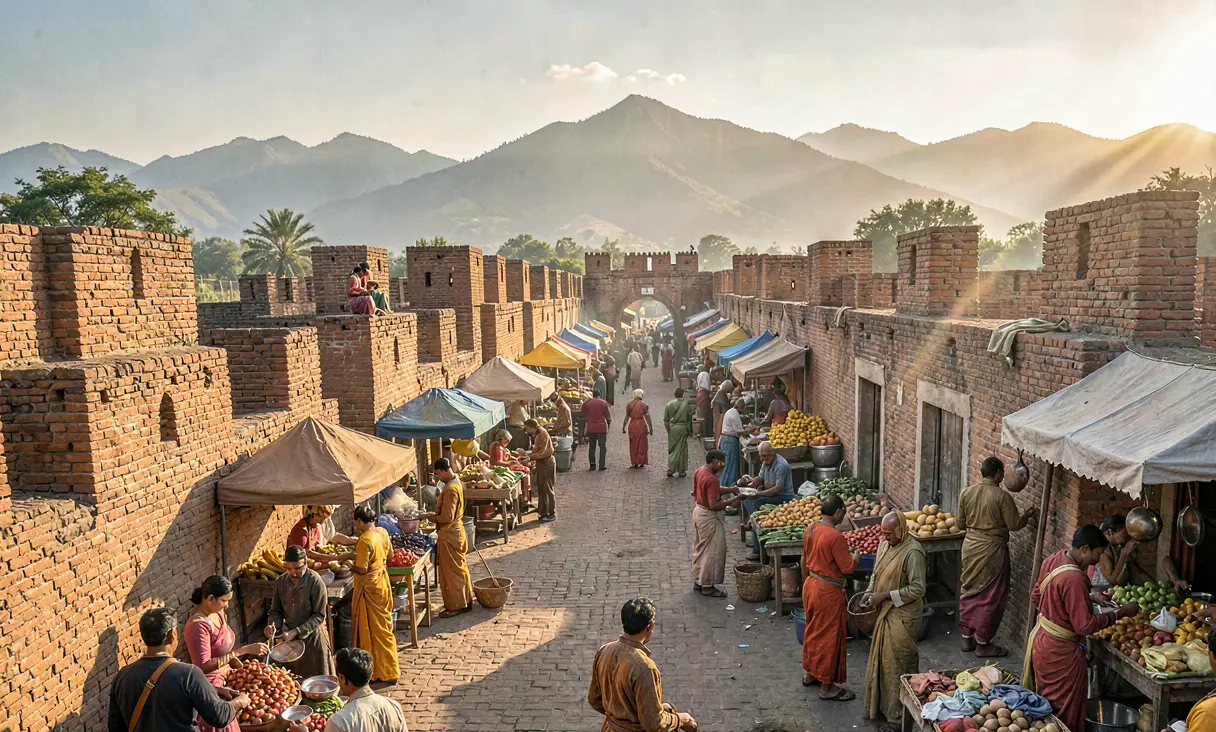 PoliticsRise of the Sixteen Mahajanapadasc. 600 BCE · Gangetic Plain (modern Uttar Pradesh/India)Sixteen great kingdoms and republics emerge across the Gangetic plain, marking the transition from tribal chiefdoms to state-level societies.
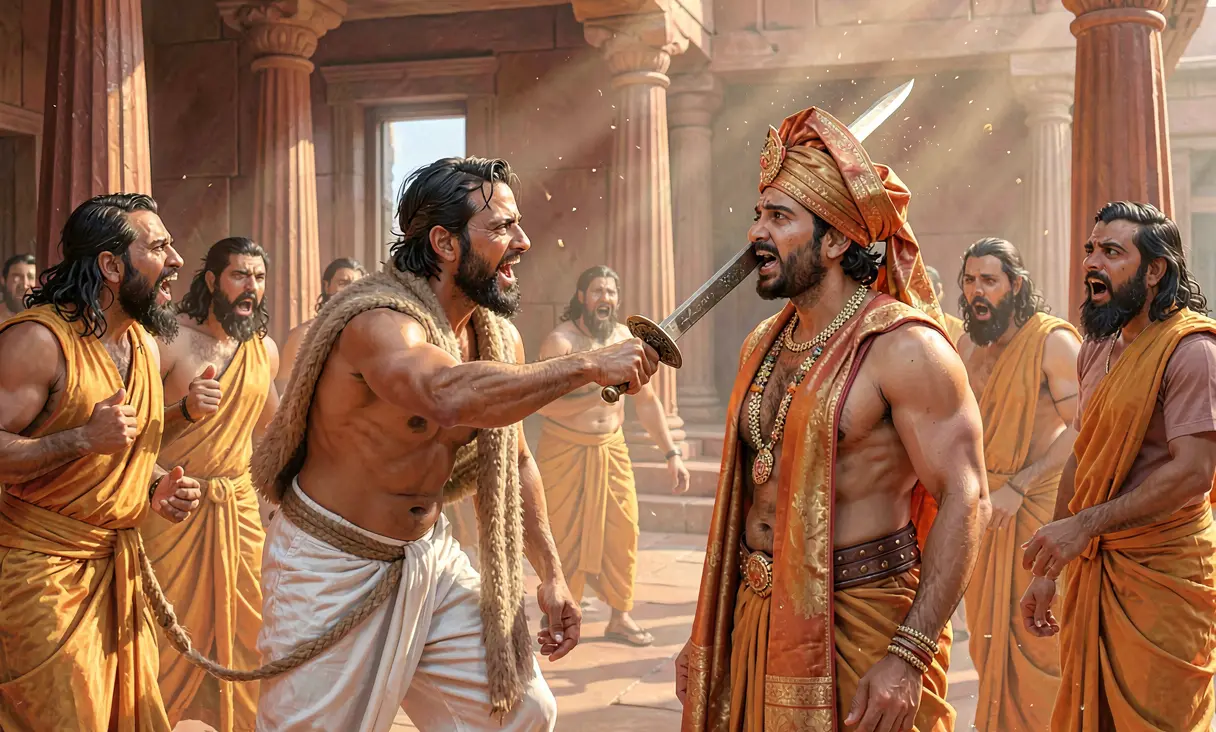 PoliticsSunga Dynasty Overthrows Mauryasc. 185 BCE · Pataliputra, Magadha, IndiaGeneral Pushyamitra Shunga assassinates the last Mauryan emperor Brihadratha, ending the Mauryan Empire and establishing the Shunga Dynasty.
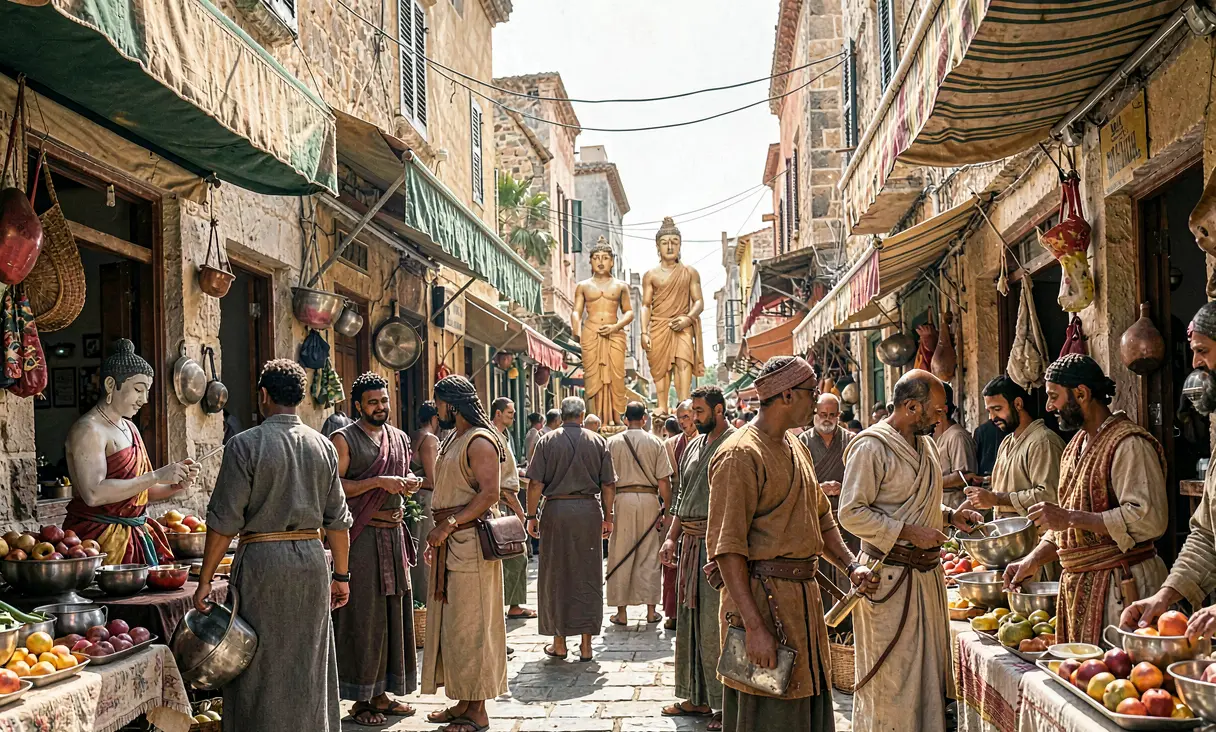 PoliticsEstablishment of Indo-Greek Kingdom in Bactriac. 180 BCE · Bactria (modern Afghanistan)The Greco-Bactrian Kingdom expands into India under Demetrius I, creating a unique fusion of Greek and Indian art and culture.
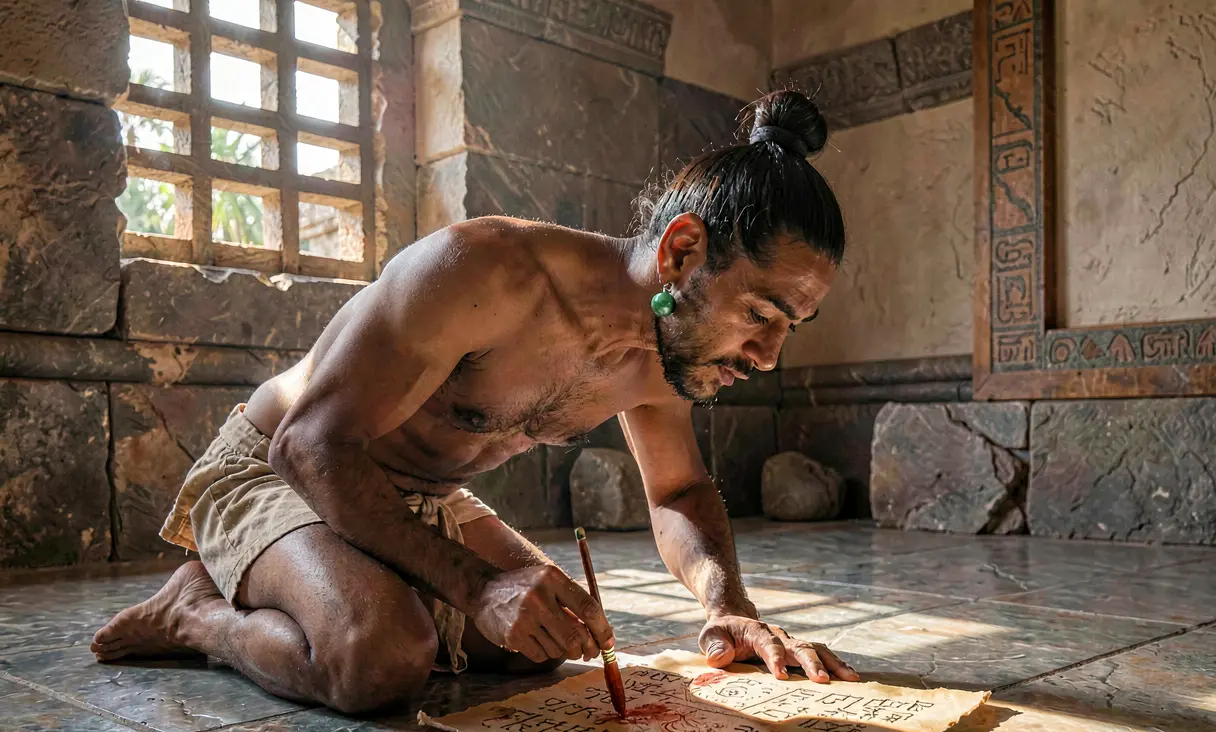 CivilizationCodices and Writing System of the Mayac. 200 BCE · El Mirador, GuatemalaThe Maya develop a complex logosyllabic writing system and astronomical calendars during the Preclassic period.
Discussion
Loading…