Satavahana Ascendancy in the Deccan
The Satavahana dynasty unified the Deccan under Simuka and Gautamiputra Satakarni, controlling vital Indo-Roman trade routes and fostering a unique culture of religious pluralism for four centuries.
The Vacuum of Power in the Deccan
By the late 2nd century BCE, the political landscape of peninsular India was undergoing a seismic shift. The Mauryan Empire had fragmented, leaving a power vacuum that the Shunga dynasty attempted to fill from their base in Magadha, while simultaneously, the Indo-Greeks pressed into the northwest. In the Deccan plateau, however, local governors appointed by these northern powers found themselves increasingly isolated and vulnerable. The region was dotted with tribal confederacies and emerging urban centers that craved autonomy. It was within this fractured geopolitical environment that Simuka, likely a chieftain of the Satavahana clan, seized the opportunity to challenge Shunga authority. Unlike previous regional uprisings, Simuka's movement was not merely a rebellion but a calculated project of state-building aimed at unifying the disparate territories of the Deccan under a single, indigenous banner.
Simuka and the Founding of Pratishthana
Around 100 BCE, Simuka successfully overthrew the local Shunga governors, marking the definitive end of northern hegemony in the central Deccan. He established his capital at Pratishthana (modern-day Paithan), strategically located on the banks of the Godavari River. This location was not chosen by chance; it sat at the confluence of vital trade arteries connecting the Gangetic plains to the western ports of Bharuch and the eastern ports of Kalinga. By securing Pratishthana, Simuka gained control over the movement of goods, particularly spices, textiles, and precious stones, which were essential for the region's economic vitality. His reign, though relatively brief in historical records compared to his successors, laid the administrative and territorial foundations upon which a vast empire would be constructed.
The Zenith under Gautamiputra Satakarni
While Simuka initiated the dynasty, it was Gautamiputra Satakarni (r. c. 106–130 CE) who transformed the Satavahana kingdom into a formidable empire. His reign represents the apex of Satavahana power, characterized by military campaigns that pushed back the invading Shaka (Western Kshatrapa) forces and reasserted control over the Konkan coast. Inscriptions, most notably the Nasik prashasti commissioned by his mother Gautami Balasri, boast of his victories against the Sakas, Yavanas (Greeks), and Pahlavas (Parthians). He claimed to have destroyed the pride of the Kshatriyas, a reference to the foreign rulers who had encroached upon Deccan sovereignty. Under his rule, the empire stretched from present-day Maharashtra in the west to Andhra Pradesh in the east, effectively controlling the entire breadth of the Deccan plateau.
Economic Engine: Coinage and Commerce
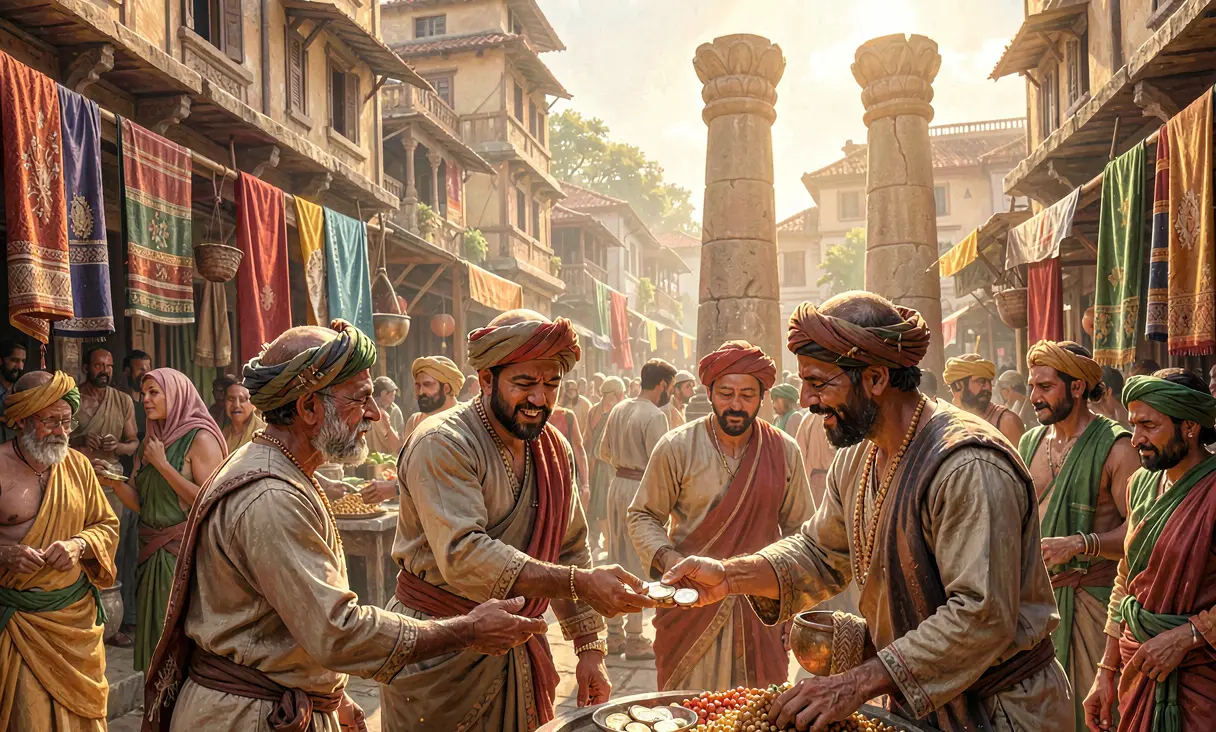
The economic prosperity of the Satavahana era was fueled by their innovative approach to currency and trade. They were among the first Indian dynasties to issue large quantities of lead coinage, alongside copper and silver issues, which facilitated a robust internal market and long-distance commerce. These coins often bore symbols such as the ship with two masts, the elephant, and the lion, reflecting both maritime prowess and royal authority. The Satavahanas acted as crucial intermediaries in the Indo-Roman trade network; Roman gold coins have been found in abundance across their territory, indicating a massive export of Indian goods to the Mediterranean world. This economic integration allowed for the flourishing of urban centers like Paithan, which became a cosmopolitan hub where merchants from diverse cultures converged.
Cultural Synthesis and Religious Pluralism
The Satavahana court was distinguished by its remarkable religious tolerance and patronage of multiple traditions. While the dynasty claimed Brahmanical lineage and performed Vedic sacrifices like the Ashvamedha, they were equally fervent patrons of Buddhism and Jainism. This pluralistic approach is vividly evidenced in the rock-cut cave complexes of Ajanta and Karla, where Satavahana rulers funded viharas (monasteries) and chaityas (prayer halls). The Great Stupa at Amaravati, a masterpiece of Buddhist art, was significantly developed during this period. This synthesis fostered a unique Deccan culture that blended indigenous traditions with Hellenistic influences brought by trade, creating an artistic and intellectual milieu that would influence the subcontinent for centuries.
Legacy and Historical Significance
The Satavahana ascendancy was a pivotal chapter in Indian history, serving as the bridge between the classical Mauryan era and the later Gupta period. For nearly four centuries, they maintained the political unity of the Deccan, preventing its fragmentation into warring tribal states and ensuring the stability necessary for economic growth. Their administration set precedents for land grants to Brahmins and Buddhist monasteries that would become standard in medieval India. Although the dynasty eventually declined due to internal succession disputes and the resurgence of the Western Kshatrapas around 220 CE, their legacy endured in the cultural identity of Maharashtra and Andhra Pradesh. They proved that a powerful indigenous empire could thrive in the Deccan, independent of northern dominance.
The rise of the Satavahanas ensured the economic vitality of the Deccan and maintained cultural continuity during a period of northern political fragmentation.
Where it happened
Pratishthana, Maharashtra, India — see it on the interactive map →
Explore related history
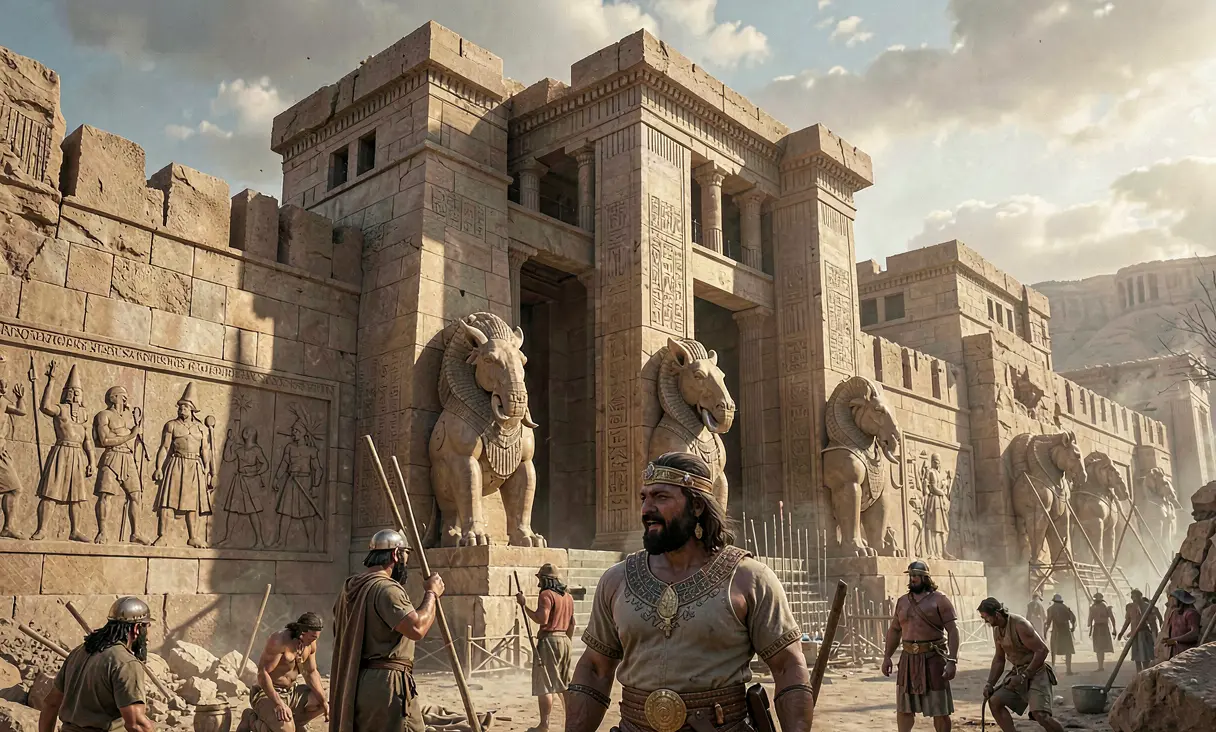 PoliticsFounding of Dur-Sharrukin by Sargon IIc. 717 BCE · Khorsabad (Dur-Sharrukin), IraqSargon II builds a new capital city to project Assyrian power and administrative control.
 PoliticsReign of Emperor Taizong and the Zhenguan Era626 CE · Chang'an, ChinaLi Shimin ascends the throne after the Xuanwu Gate Incident, ushering in a golden age of governance.
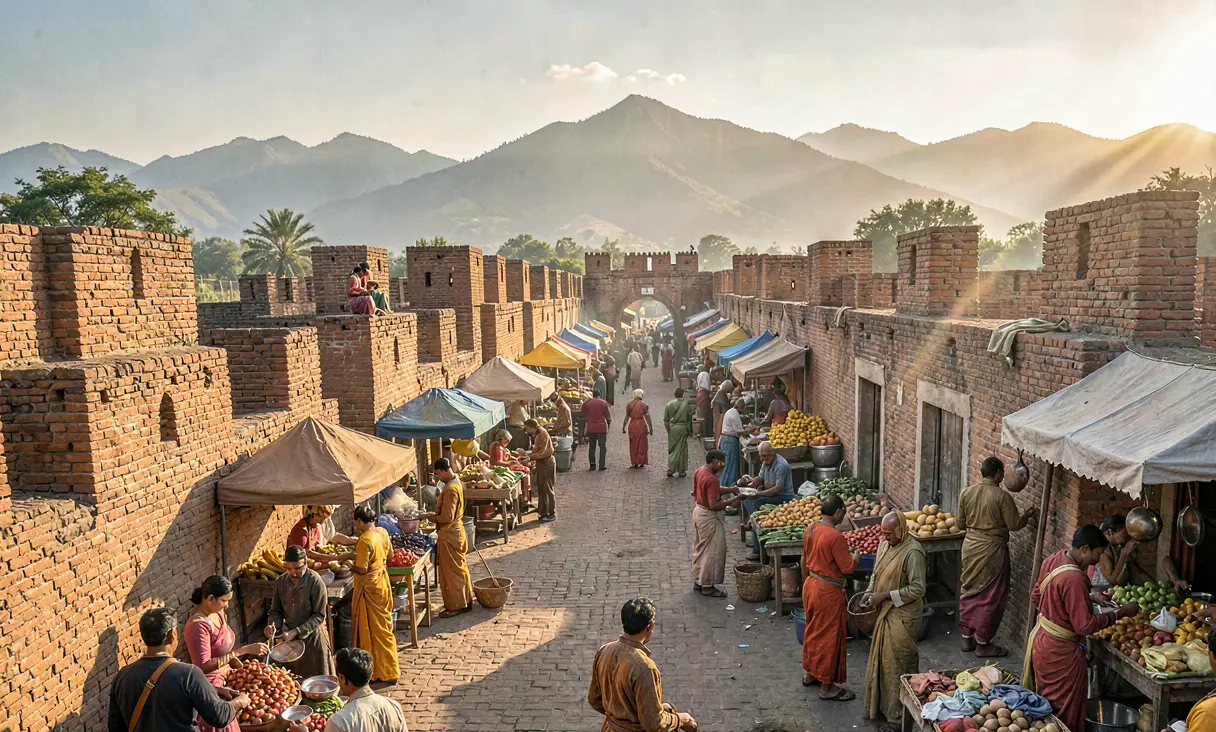 PoliticsRise of the Sixteen Mahajanapadasc. 600 BCE · Gangetic Plain (modern Uttar Pradesh/India)Sixteen great kingdoms and republics emerge across the Gangetic plain, marking the transition from tribal chiefdoms to state-level societies.
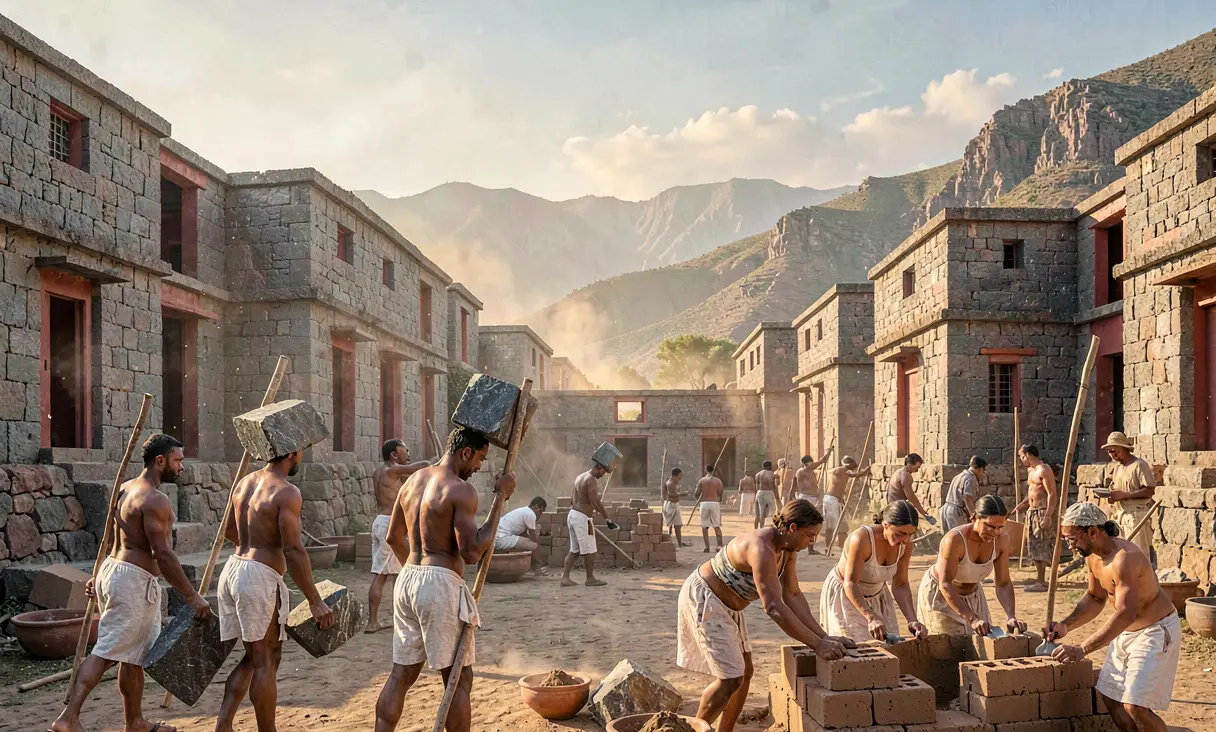 CivilizationConstruction of Teotihuacán Apartment Compoundsc. 100 BCE · Teotihuacán, MexicoMassive apartment complexes are built to house the growing urban population.
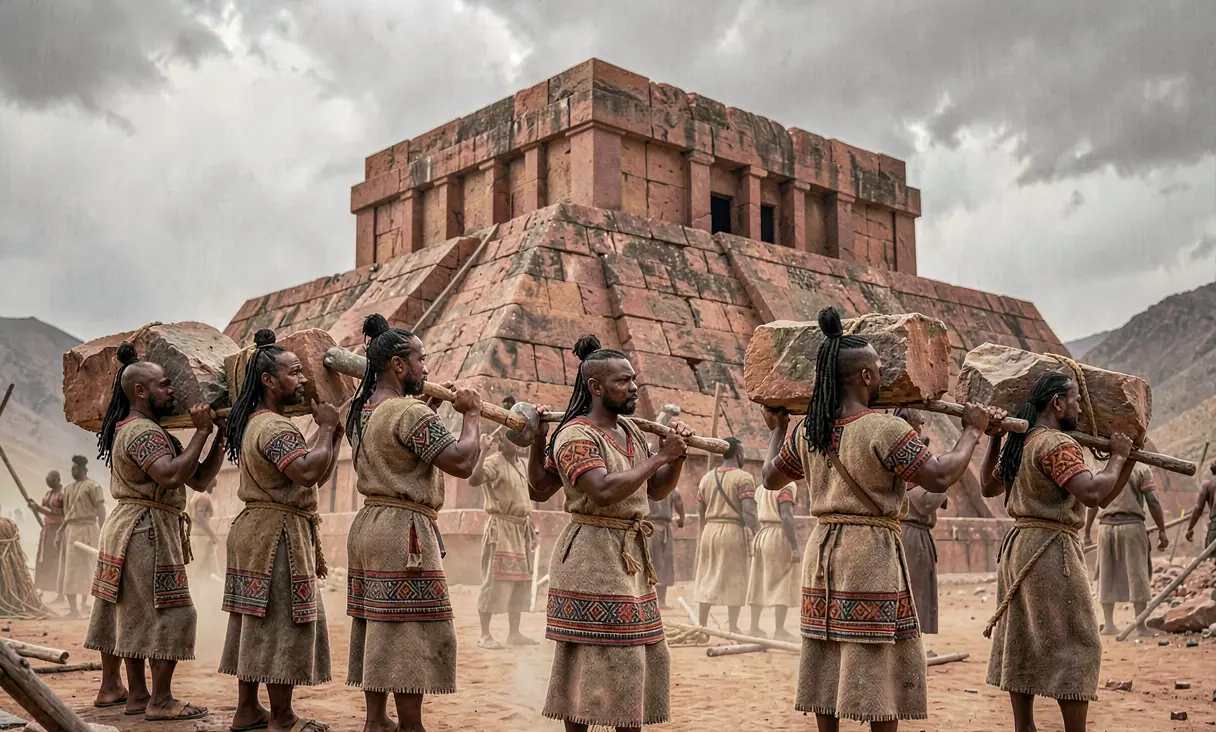 CivilizationExpansion of the Akapana Pyramid at Tiwanakuc. 100 BCE · Tiwanaku, BoliviaThe Akapana pyramid is expanded into a massive artificial mountain for ritual use.
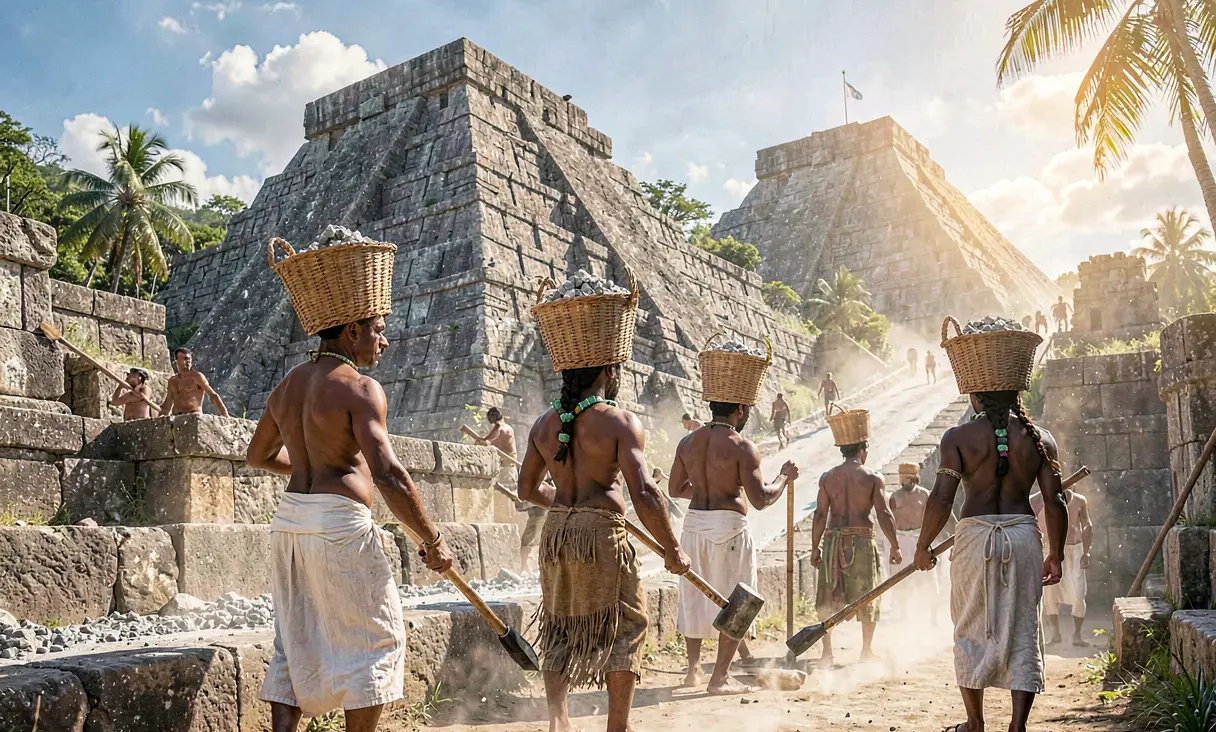 CivilizationConstruction of El Mirador Causewaysc. 100 BCE · El Mirador, GuatemalaMassive raised causeways connect the sprawling Preclassic city of El Mirador.
Discussion
Loading…