Sargon of Akkad Establishes the First Empire
Sargon of Akkad shattered the centuries-old independence of Sumerian city-states around 2334 BCE, forging the world's first multi-ethnic empire through professional armies and centralized administrati
The Fragmented Landscape of Early Sumer
Prior to the mid-third millennium BCE, the southern Mesopotamian alluvium was a patchwork of independent city-states, including Uruk, Ur, Lagash, and Kish. These polities were defined by their patron deities and often engaged in perpetual, fluid warfare over water rights and arable land. The political structure was decentralized, with power oscillating between local kings (lugals) and elected assemblies. While the Sumerian civilization had achieved remarkable advancements in writing, mathematics, and architecture, it lacked a mechanism for regional unification. This fragmentation left the region vulnerable to external pressures from Elamites in the east and Amorites in the west, setting the stage for a radical transformation of political organization.
The Rise of Sargon: From Cupbearer to King
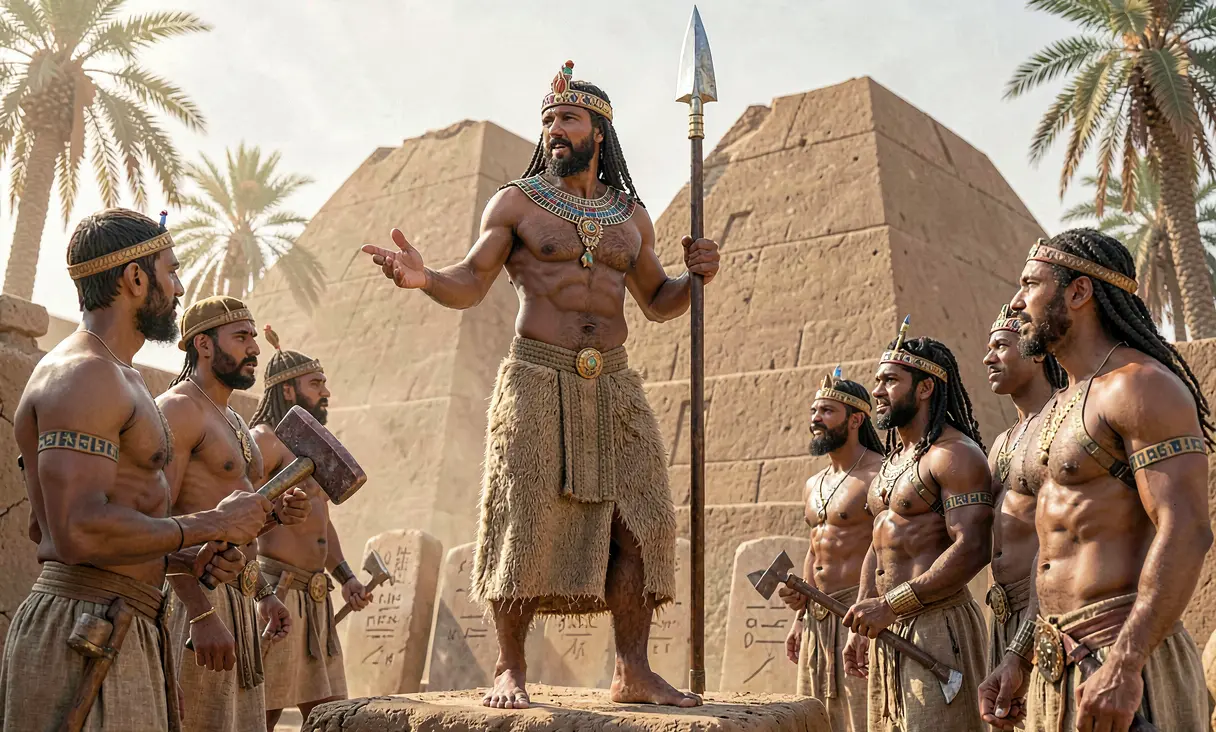
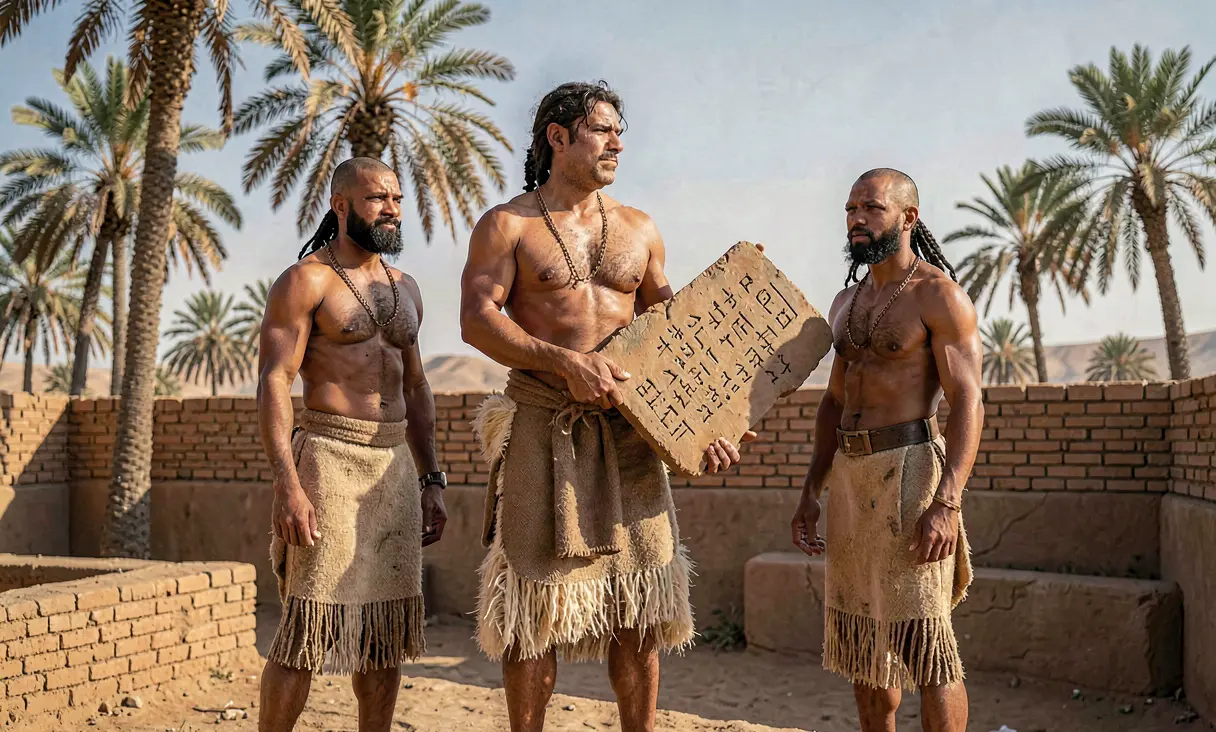
Sargon, whose name means 'the king is legitimate,' emerged from humble origins to seize power around 2334 BCE. According to later Neo-Assyrian legends recorded on clay tablets centuries after his death, he was the son of a gardener and served as the cupbearer to Ur-Zababa, the king of Kish. The exact nature of his ascent remains debated by historians; some narratives suggest he overthrew Ur-Zababa through treachery or military coup, while others imply he was appointed by the god Enlil following the collapse of Kish's authority. Regardless of the precise mechanism, Sargon established a new capital at Akkad (Agade), a city whose exact location remains one of archaeology's most enduring mysteries, likely situated somewhere near modern-day Baghdad.
Military Innovation and Conquest
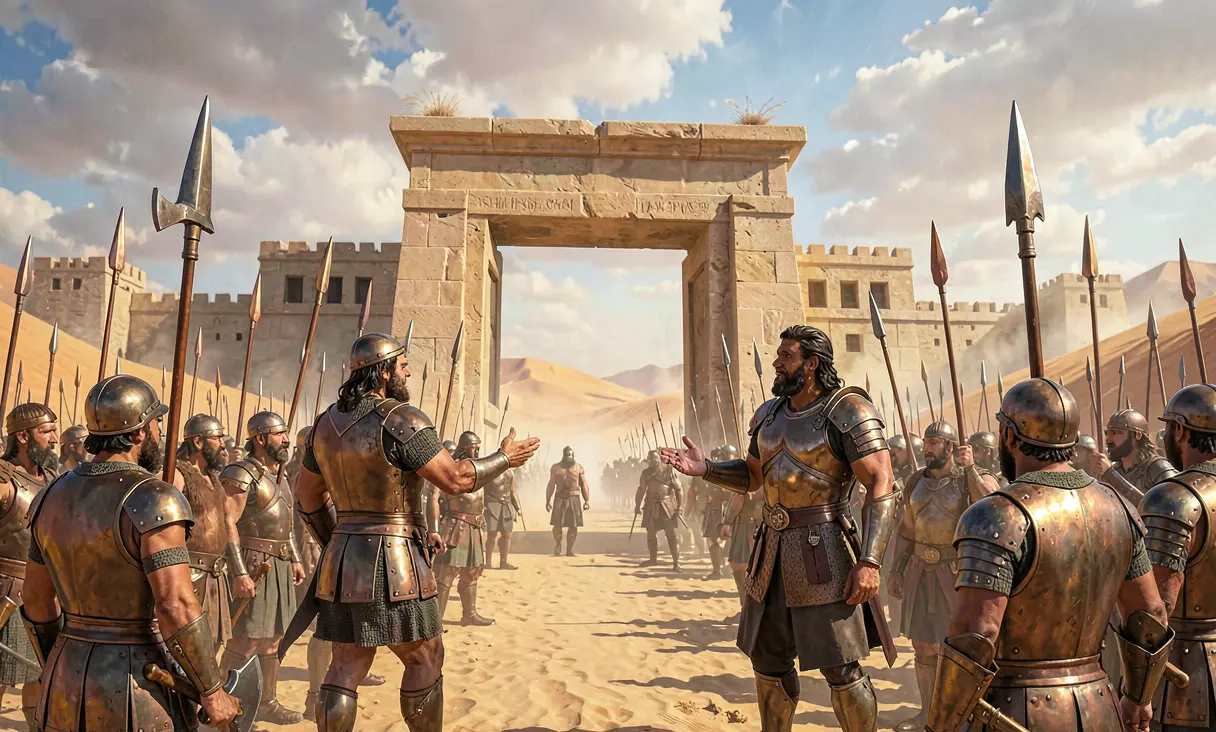
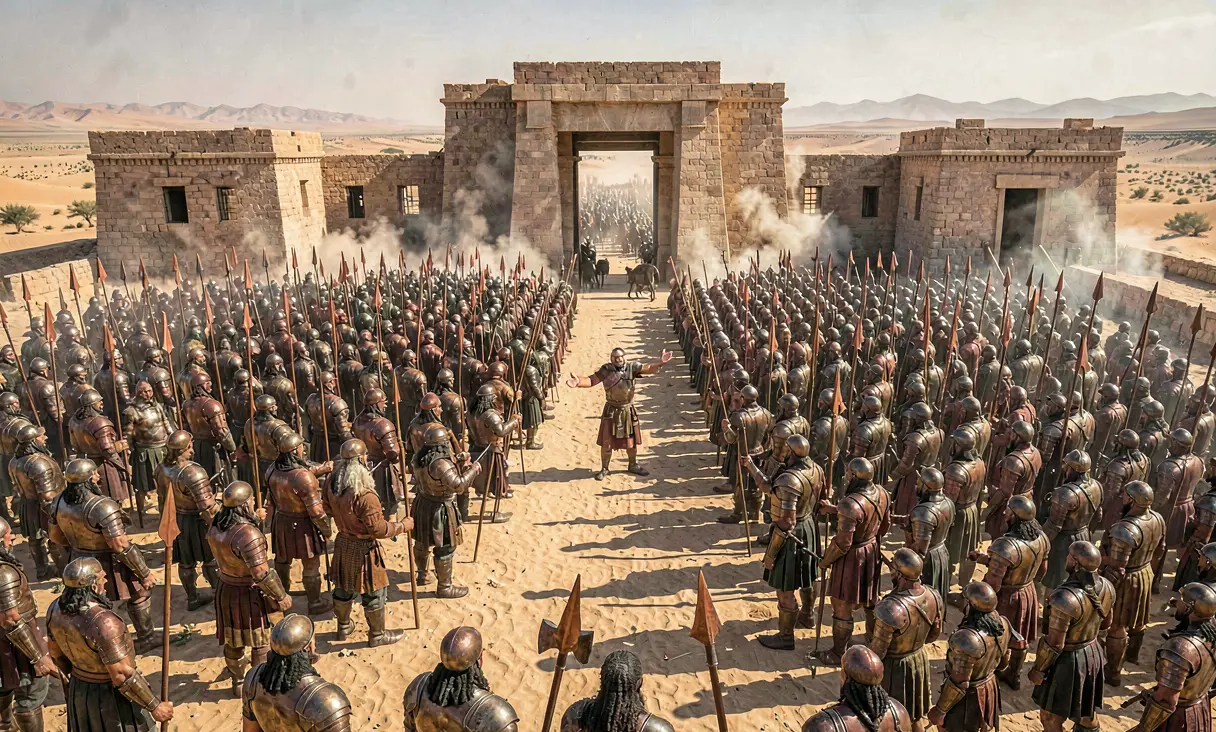
Sargon revolutionized warfare by shifting from the traditional Sumerian model of citizen levies to a professional standing army. This force, loyal directly to the king rather than local city-states, allowed for sustained campaigns and rapid mobilization. Utilizing advanced tactics that likely included disciplined phalanx formations and siege engineering, Sargon systematically dismantled the resistance of the major Sumerian cities. He defeated Lugalzagesi of Uruk, who had briefly united much of Sumer under his own rule, in a decisive battle near the Euphrates. Following this victory, Sargon marched on Ur, Lagash, and other centers, reportedly destroying their walls and installing Akkadian garrisons to ensure compliance.
Administrative Integration and Cultural Synthesis
Rather than merely plundering the conquered territories, Sargon implemented a sophisticated administrative system designed to integrate diverse cultures under a centralized authority. He appointed his own officials as governors in key cities, replacing local dynasties with loyal Akkadian administrators. In a masterstroke of political and religious strategy, he installed his daughter, Enheduanna, as the High Priestess of the moon god Nanna in Ur. This move not only secured loyalty through family ties but also synthesized Sumerian and Semitic traditions; Enheduanna became history's first named author, composing hymns that merged the pantheons of Akkad and Sumer. The empire facilitated a unified economic zone where the Akkadian language became the lingua franca for administration and trade.
Economic Expansion and Trade Networks
The unification of Mesopotamia under Sargon unleashed an era of unprecedented economic integration. By securing the land routes from the Persian Gulf to the Mediterranean Sea, Sargon's empire controlled the flow of vital resources such as copper from Magan (Oman), silver from Anatolia, and timber from the Cedar Mountains of Lebanon. Inscriptions detail expeditions sent by Sargon himself to these distant lands, establishing a trade network that stretched over 1,500 miles. This connectivity allowed for the standardization of weights and measures across the empire, fostering a commercial boom that supported urban growth and monumental construction projects in Akkad.
Legacy: The Archetype of Empire
Sargon's reign established the blueprint for all subsequent empires in the Near East. He proved that disparate city-states could be bound into a single political entity through military might, bureaucratic administration, and cultural synthesis. Although his dynasty faced internal revolts and eventually collapsed under the pressure of Gutian invasions around 2154 BCE, the concept of empire persisted. Later rulers, from Naram-Sin to Hammurabi and beyond, would look back to Sargon as a semi-divine model of kingship. His creation of the first true multi-ethnic state fundamentally altered the trajectory of human civilization, shifting history from the era of city-states to the age of empires.
Sargon invented the concept of a centralized, multi-ethnic empire that would influence Near Eastern politics for millennia.
Where it happened
Akkad (Location uncertain, near Baghdad, Iraq) — see it on the interactive map →
Explore related history
 PoliticsPromulgation of the Code of Ur-Nammuc. 2100 BCE · Ur, Southern Mesopotamia (Iraq)The earliest known surviving law code is established in the Sumerian city of Ur.
 PoliticsNelson Mandela Elected President of South AfricaApril 27, 1994 · Cape Town, South AfricaSouth Africa holds its first democratic election, ending the apartheid regime and establishing a multiracial government.
 PoliticsZimbabwe Gains Independence from BritainApril 18, 1980 · Harare, ZimbabweRobert Mugabe leads the transition from Rhodesia to the independent nation of Zimbabwe.
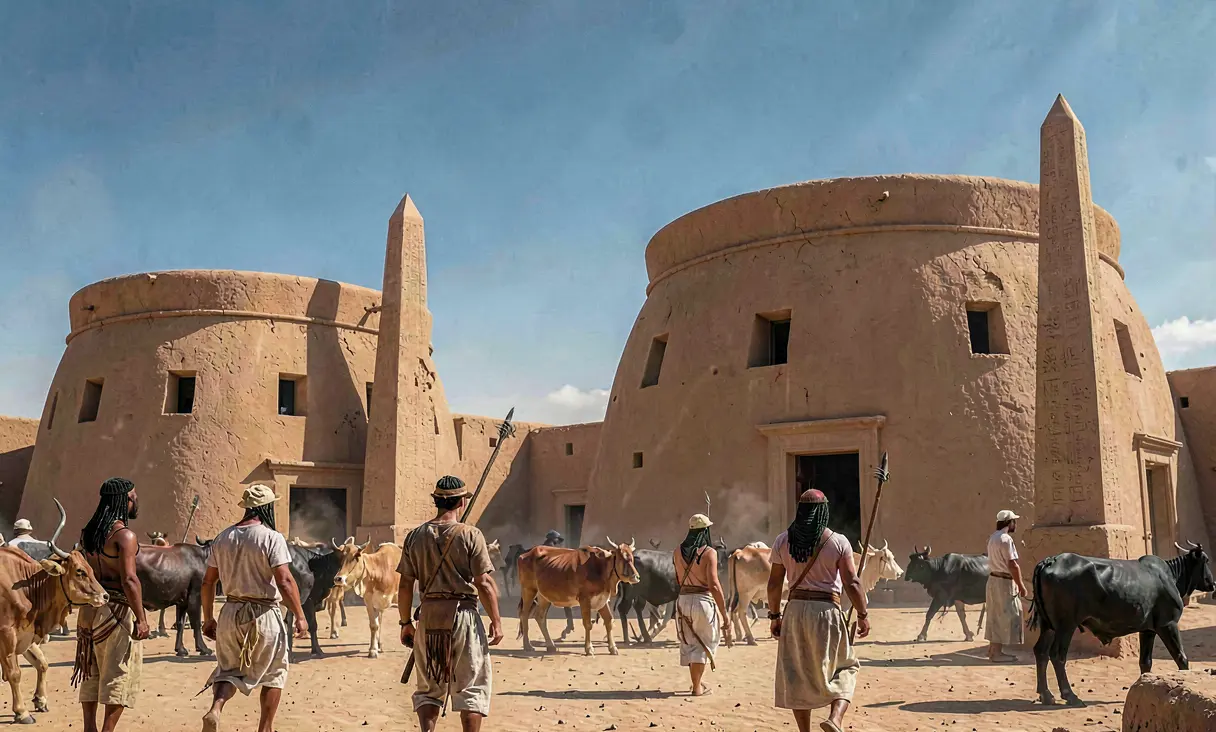 CivilizationRise of the Kingdom of Kush at Kermac. 2500 BCE · Kerma, SudanThe Kingdom of Kush emerges in Nubia as a powerful rival to Egypt with unique monumental architecture and trade networks.
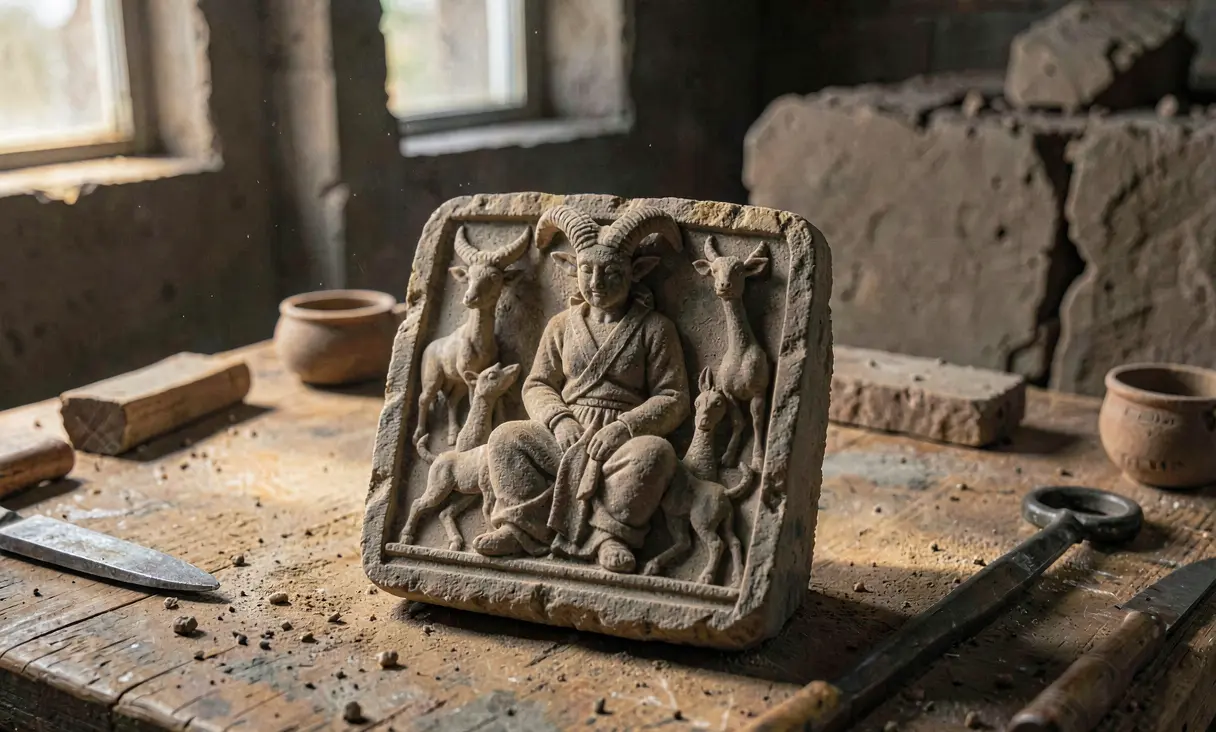 ReligionDiscovery of the Pashupati Sealc. 2500 BCE · Mohenjo-daro, Indus Valley (modern Pakistan)The Pashupati seal is carved, depicting a seated figure surrounded by animals, likely an early prototype of the Hindu god Shiva.
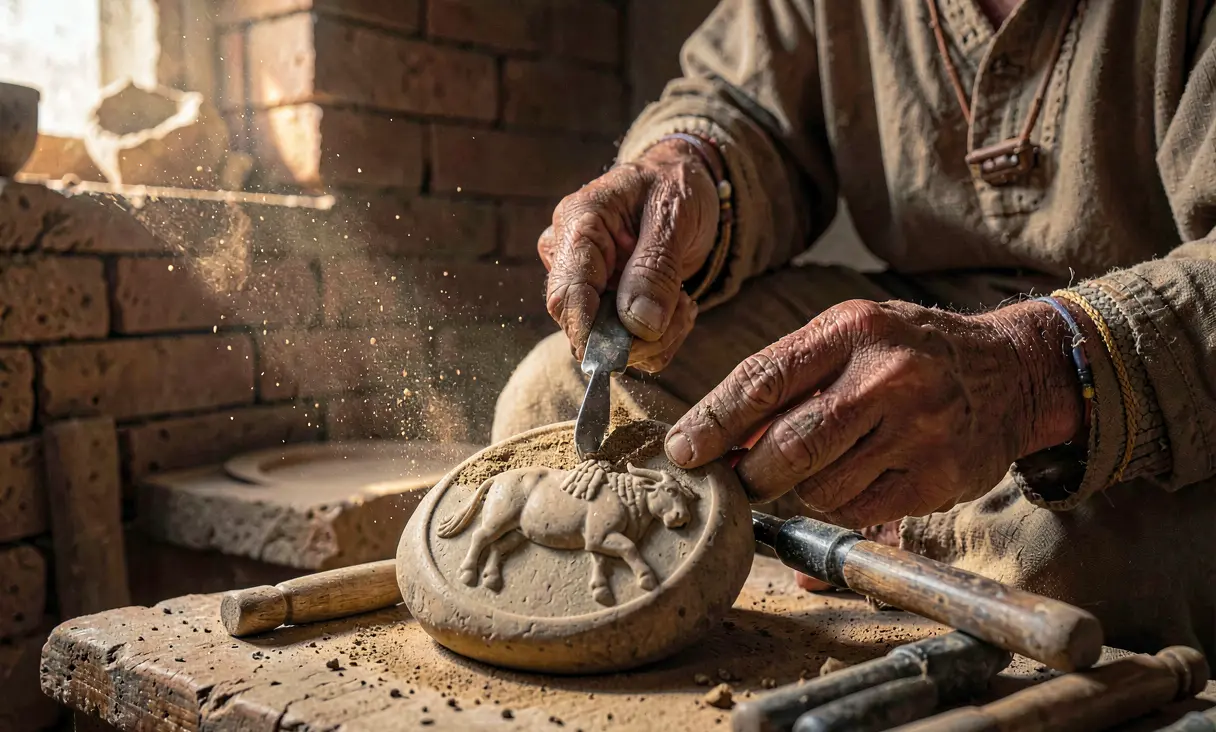 CivilizationProduction of Indus Valley Sealsc. 2500 BCE · Mohenjo-daro, Indus Valley (Modern Pakistan)Craftsmen carve intricate steatite seals featuring undeciphered script and animal motifs.
Discussion
Loading…