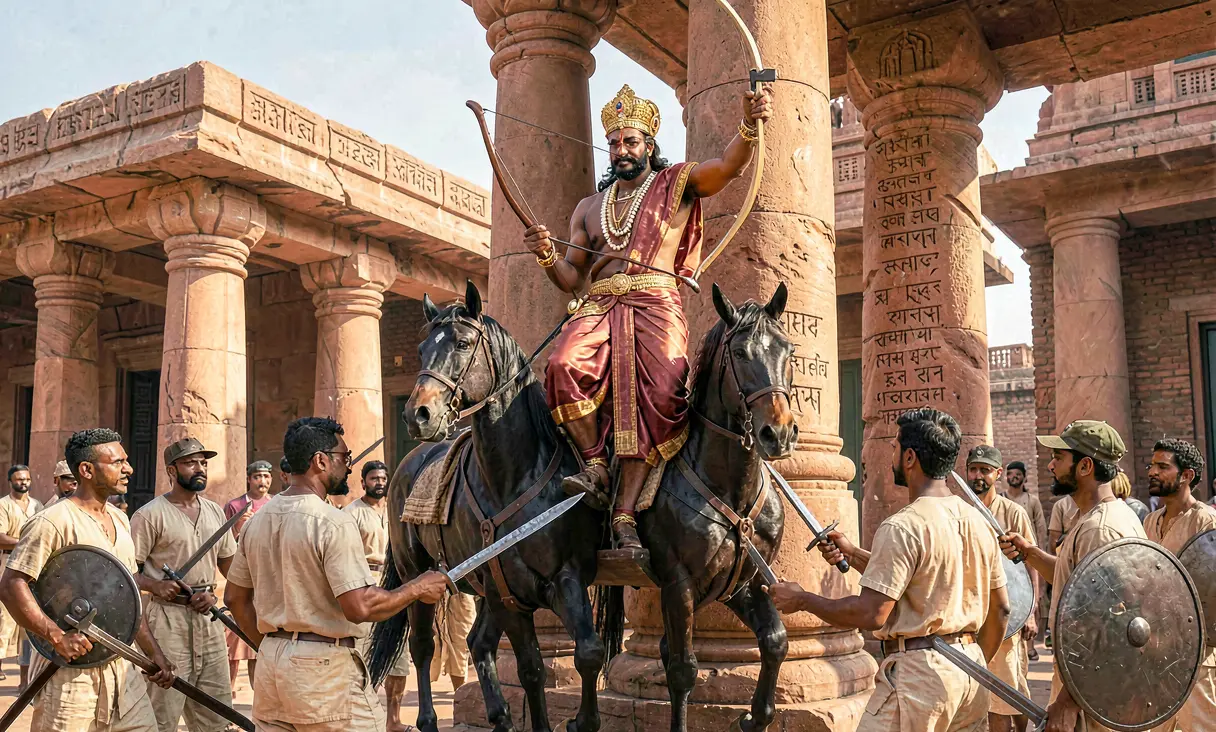
Samudragupta's Southern Campaigns and Allahabad Pillar
Samudragupta's c. 350 CE southern campaigns established Gupta hegemony over twelve Deccan kings through strategic reinstatement as vassals, immortalized in Harishena's Allahabad Pillar inscription.
The Zenith of the Early Gupta Empire
By the mid-4th century CE, the Indian subcontinent was undergoing a profound political transformation under the ascendancy of the Gupta dynasty. While Chandragupta I had laid the foundational stone through strategic marriage alliances and limited territorial expansion, it was his son and successor, Samudragupta (reigned c. 335–375 CE), who aggressively expanded these gains into a vast imperial dominion. Ascending to the throne around 335 CE, Samudragupta inherited a kingdom centered in Magadha but possessed an ambition that transcended regional boundaries. His reign is widely regarded by historians as the 'Golden Age' of India, characterized not only by military prowess but also by a flourishing of arts, literature, and religious tolerance. The empire's expansion was driven by a sophisticated strategy that differentiated between the northern kingdoms, which were often annexed or destroyed, and the southern dynasties, which were subdued and reinstated as tributary vassals.
The Allahabad Pillar Inscription: A Primary Source
Our most detailed understanding of Samudragupta's military campaigns comes from the Prayag Prashasti, an inscription composed by his court poet and minister Harishena. Carved onto a monolithic Ashoka Pillar located in Allahabad (modern-day Prayagraj), this text serves as both a royal eulogy and a historical record of unparalleled detail for ancient India. The inscription meticulously categorizes Samudragupta's conquests into four distinct groups: the nine kings of Aryavarta (North India) who were uprooted, twelve rulers of Dakshinapatha (South India) who were defeated but reinstated, eight forest chieftains of the frontier regions, and various tribal republics like the Yaudheyas and Malavas. Harishena's poetic language describes Samudragupta as 'the conqueror of all directions' and compares his military might to that of the gods, providing a rare glimpse into the administrative and ideological framework of early Indian imperialism.
The Southern Campaigns: Strategy of Hegemony
Around 350 CE, Samudragupta launched his most ambitious military expedition southward into the Deccan and the Tamilakam regions. Unlike his northern campaigns where he sought direct annexation, the southern campaign was executed with a distinct strategy of establishing hegemony rather than administrative control. The inscription lists twelve specific kings defeated during this march, including Mahendra of Kosala, Vyaghraraja of Maharakta, Mantaraja of Kuruvala, and notably, Vishnugopa of the Pallava dynasty in Kanchipuram. Other targets included Hastinavarman of Palakka, Kubera of Devarashtra, Dhananjaya of Kunthala, and Nilaraja of Avamukta. Rather than deposing these rulers or integrating their territories into the Gupta administrative machinery, Samudragupta reinstated them as subordinate allies who were required to pay tribute, offer homage, and provide military support when called upon. This approach allowed him to project power deep into the south without overextending his logistical lines.
Key Figures: The Poet-Historian and The Warrior King
The narrative of this era is inextricably linked to two central figures: Emperor Samudragupta himself and his court poet, Harishena. Samudragupta was a paragon of the warrior-king ideal, described by Harishena as possessing the strength of an elephant and the agility of a lion. He was not merely a conqueror but also a patron of the arts, earning titles such as 'Kaviraja' (King of Poets) for his own musical and literary talents. On the other side of this historical record stands Harishena, whose composition is a masterpiece of Sanskrit panegyric literature. His ability to weave factual military achievements with mythological allusions created a lasting image of Samudragupta that influenced subsequent Indian historiography. The inscription also mentions the presence of foreign envoys and the submission of distant powers like Sri Lanka (Simhala), suggesting that the impact of these campaigns resonated far beyond the immediate battlefields.
The Aftermath: A Unified Cultural Sphere
The conclusion of Samudragupta's southern campaign did not result in a unified political entity stretching from the Himalayas to Kanyakumari, but it did establish a de facto sphere of Gupta influence across the subcontinent. The reinstated southern kings maintained their local autonomy while acknowledging Gupta suzerainty, creating a network of diplomatic and economic ties that facilitated the flow of goods and ideas. This period saw the standardization of coinage, with Samudragupta issuing gold 'Ashvamedha' coins that depicted him performing the ancient horse sacrifice ritual, symbolizing his imperial sovereignty over all India. The stability provided by this hegemonic system allowed for a remarkable cultural synthesis, where Brahmanical traditions coexisted with Buddhist and Jain practices, setting the stage for the flourishing of classical Indian culture in the following centuries.
Legacy and Historical Significance
Samudragupta's campaigns around 350 CE represent a pivotal moment in South Asian history, marking the transition from fragmented regional kingdoms to a cohesive imperial concept. The Allahabad Pillar inscription remains one of the most important primary sources for understanding ancient Indian geopolitics, offering a rare contemporary account of military strategy and diplomatic relations. By choosing hegemony over annexation in the south, Samudragupta demonstrated a sophisticated understanding of governance that prioritized stability and tribute over direct administration. His reign established the Gupta Empire as a world power comparable to contemporaneous empires in Rome and Persia, and his legacy endured long after his death, influencing the political ideologies of subsequent Indian dynasties for centuries.
Samudragupta's conquests expanded the Gupta Empire to unprecedented heights, establishing a hegemony that unified much of the subcontinent under one rule.
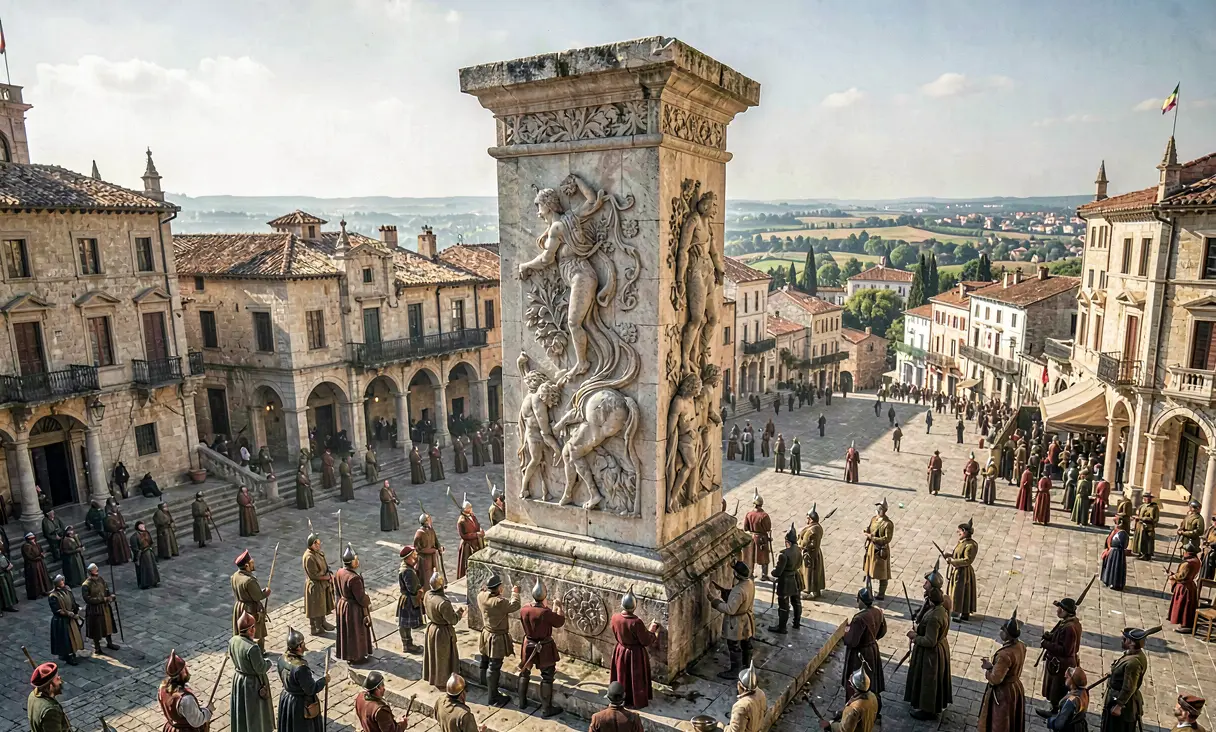

Where it happened
Allahabad (modern Uttar Pradesh/India) — see it on the interactive map →
Explore related history
 WarAn Lushan Rebellion Begins755 CE · Chang'an, ChinaGeneral An Lushan revolts against Emperor Xuanzong, devastating the Tang Dynasty and population.
 WarKushite Conquest of Egypt (25th Dynasty)c. 747 BCE · Thebes, EgyptKing Piye of Kush conquers Upper and Lower Egypt, establishing the first African-led dynasty in Egyptian history.
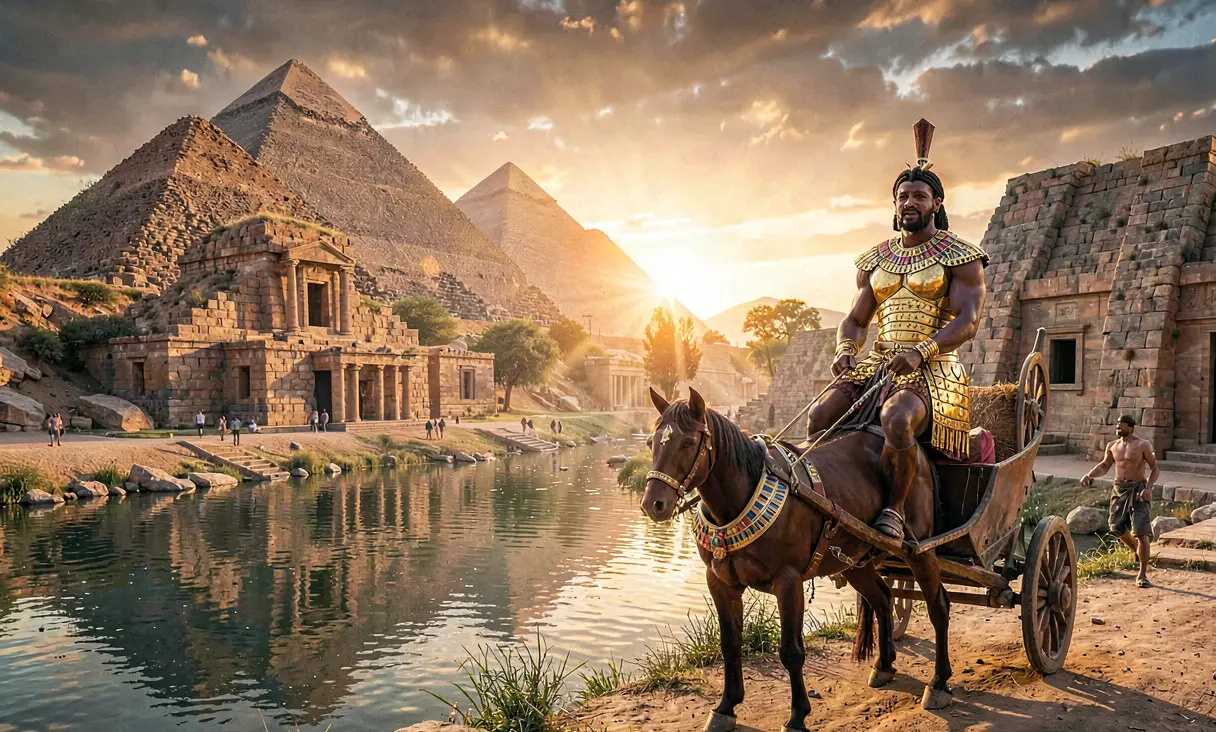 WarKushite Conquest of Egypt Establishes 25th Dynastyc. 744 BCE · Napata, Nubia (Modern Sudan)King Piye of Kush conquers Upper Egypt, establishing the 25th Dynasty and restoring traditional Egyptian religious practices.
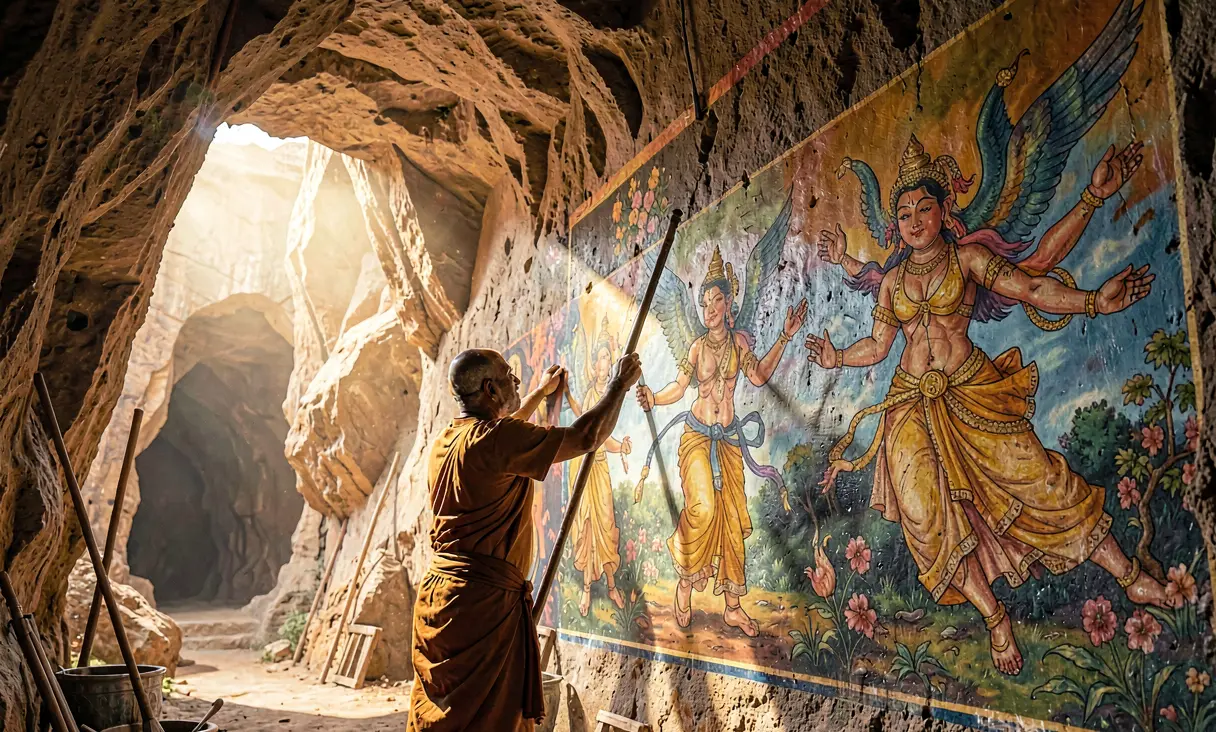 ArtCreation of Mogao Caves Muralsc. 366 CE - ongoing · Dunhuang, ChinaArtists begin painting Buddhist murals in the cave complex on the Silk Road.
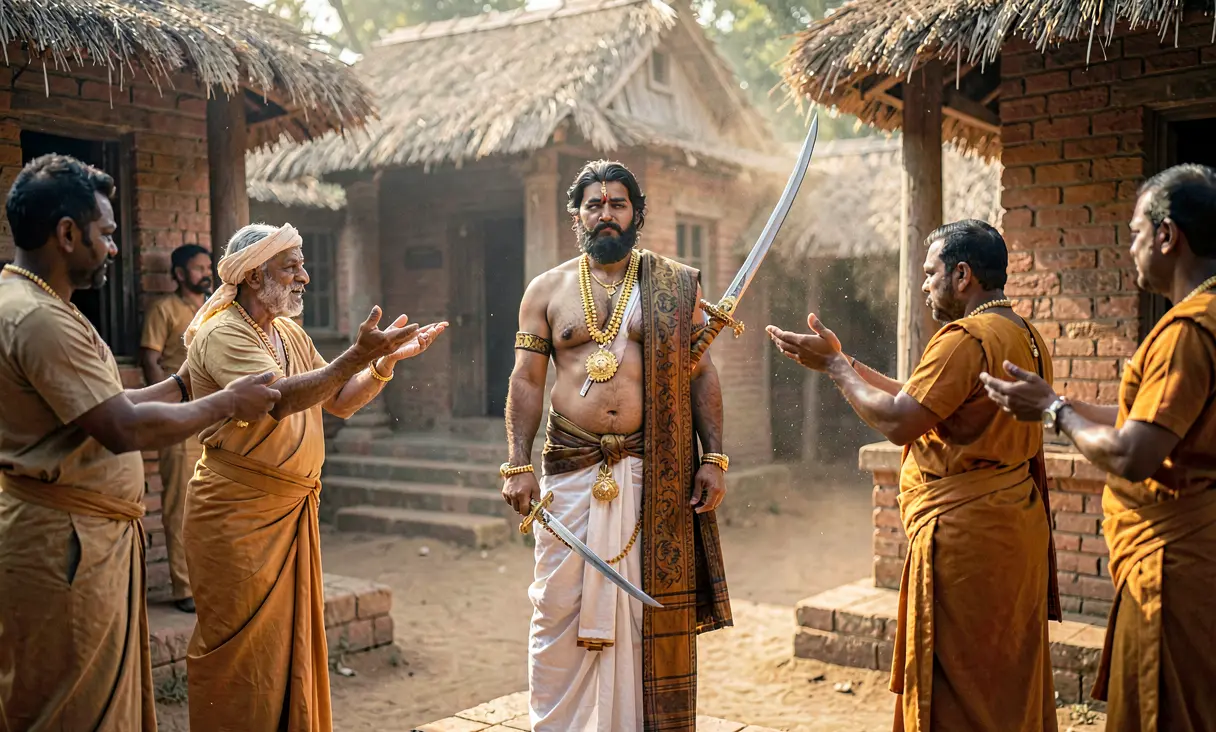 PoliticsFounding of the Gupta Empire by Chandragupta Ic. 320 CE · Pataliputra (modern Patna/India)Chandragupta I assumes the title of Maharajadhiraja, marking the beginning of the 'Golden Age' of India.
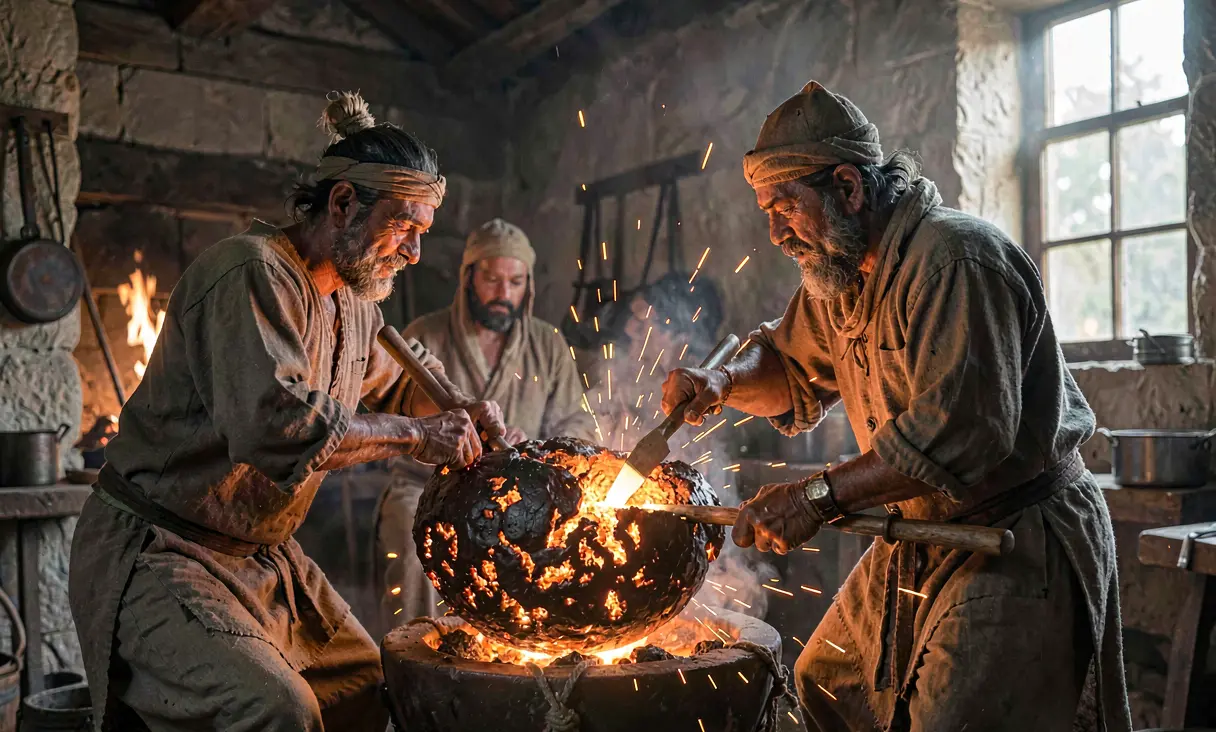 TechnologyCasting of the High-Corrosion Resistant Iron Pillar at Delhic. 400 CE · Delhi, IndiaIndian metallurgists forge a massive iron pillar that resists rust for over 1,600 years.
Discussion
Loading…