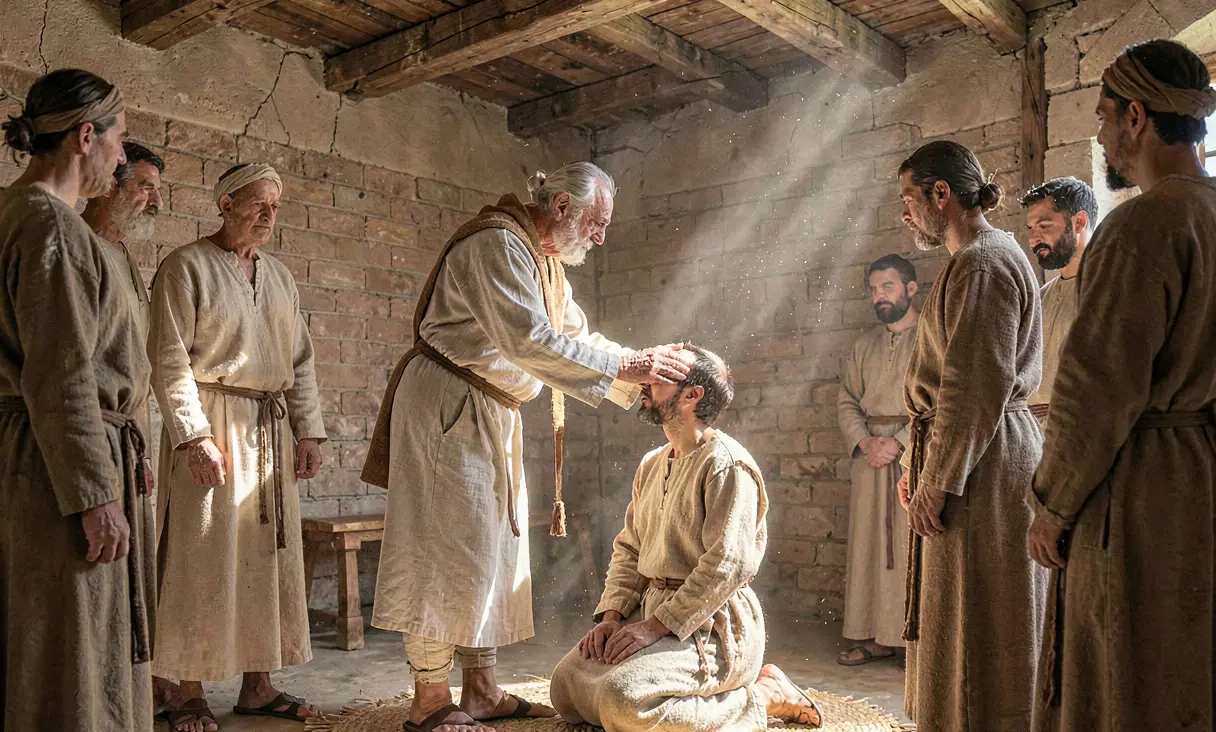
St. Augustine Becomes Bishop of Hippo Regius
In 395 CE, Augustine's consecration as Bishop of Hippo Regius transformed a local North African diocese into the intellectual epicenter of Western Christianity, shaping theology for millennia.
The Intellectual Crucible of Late Antiquity
By the late fourth century, Roman North Africa had emerged as a vibrant, albeit turbulent, center of Christian intellectual life. The region was fractured by deep theological and social schisms, most notably the Donatist controversy, which questioned the validity of sacraments administered by priests who had lapsed during earlier persecutions. Amidst this spiritual discord lived Aurelius Augustinus, born in 354 CE in Thagaste (modern-day Souk Ahras, Algeria). His early life was marked by a search for truth through Manichaeism and Neoplatonism, a period of moral struggle vividly chronicled later in his autobiographical work, the Confessions. After his dramatic conversion to orthodox Christianity in Milan under the tutelage of Ambrose in 386 CE, Augustine returned to Africa, initially establishing a monastic community in Thagaste before moving to Hippo Regius.
The Consecration at Hippo Regius
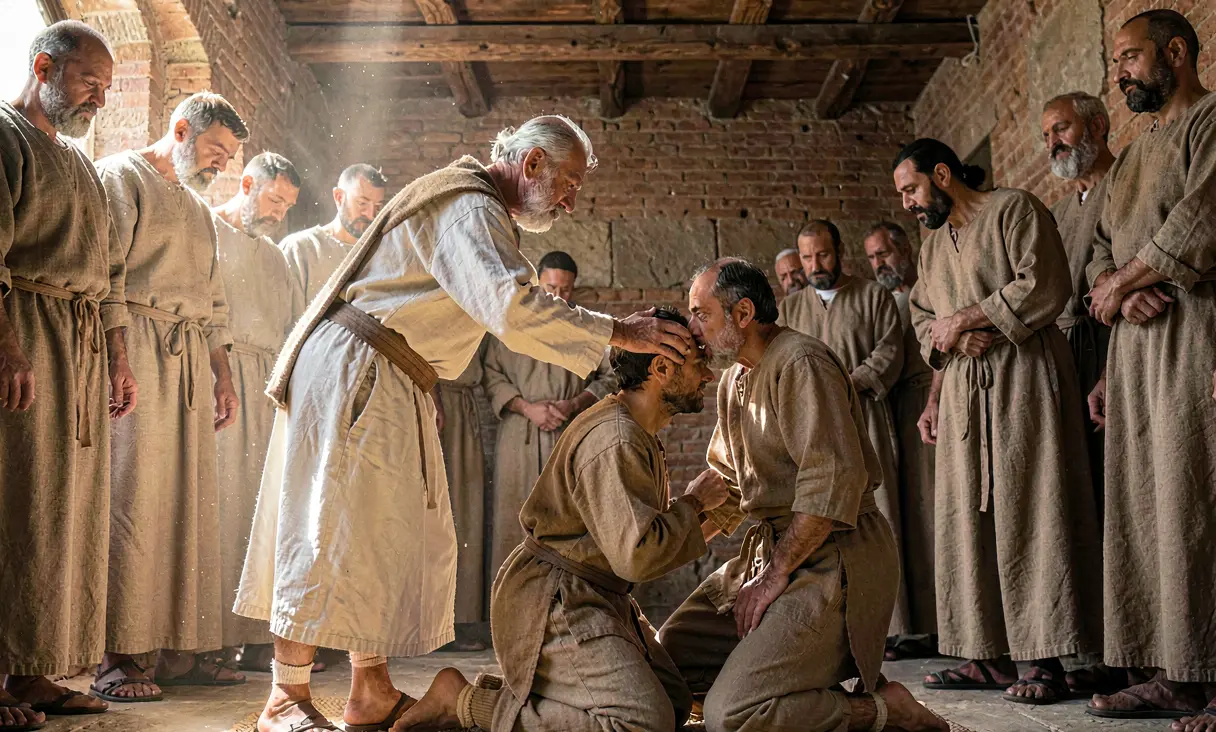
In the year 395 CE, following the death of Bishop Valerius of Hippo Regius, Augustine was formally consecrated as his successor. The event was not merely a local clerical appointment but a strategic necessity for the Catholic Church in the face of growing Donatist influence. According to historical accounts, the populace and clergy of Hippo had long desired Augustine's leadership; he was initially ordained as a priest in 391 CE against his will, serving under Valerius who, due to an inability to preach effectively in Greek or Latin with sufficient rhetorical power, authorized Augustine to deliver sermons. By 395, upon Valerius's death, the transition of episcopal authority was seamless, cementing Augustine's role as the primary theological defender of the Catholic faith in the region.
Augustine: The Reluctant Shepherd
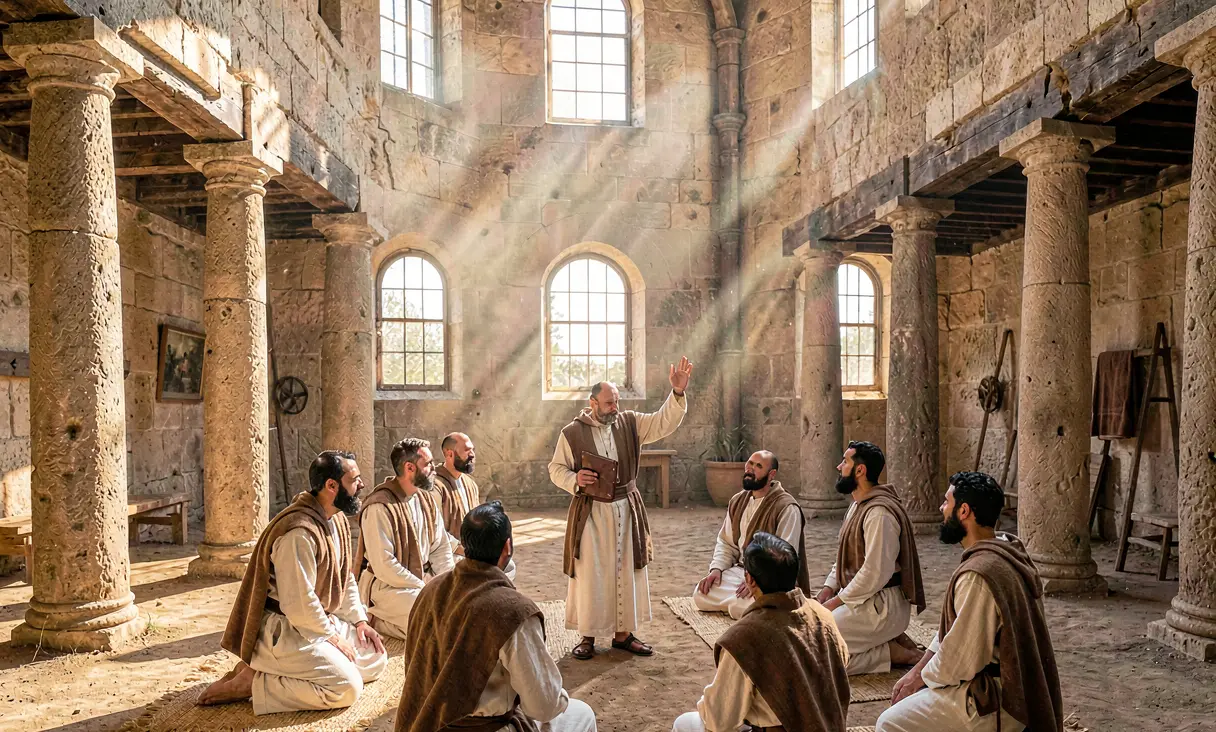
Augustine's ascent to the episcopacy was characterized by a profound sense of duty overriding personal desire. He famously lamented the burdens of administrative and judicial responsibilities that came with the office, preferring the quiet contemplation of scripture and philosophy. Despite his reluctance, he embraced the role with unmatched vigor, transforming Hippo Regius into a hub of theological debate and pastoral care. His background as a former rhetorician in Carthage and Milan equipped him with the rhetorical skills necessary to dismantle opposing arguments, while his monastic discipline ensured a rigorous approach to church governance. He became known not just for his administrative acumen but for his personal asceticism, living simply among his clergy and refusing the luxury often associated with high-ranking Roman officials.
Theological Battles and Doctrinal Formulation
Immediately upon assuming the bishopric, Augustine engaged in fierce controversies that would define Western theology for centuries. His primary adversary was the Donatist movement; he argued against their separatist stance, asserting the unity of the Church and the validity of sacraments regardless of the moral failings of the clergy. Later, his intellectual focus shifted to the Pelagian controversy, where he rigorously debated Pelagius regarding the nature of original sin, free will, and divine grace. These debates were not abstract academic exercises but urgent pastoral concerns that shaped the liturgy and doctrine of the African church. His writings from this period, including 'On Baptism' and various treatises against Pelagius, established the foundational concepts of grace that would later influence Thomas Aquinas and the Protestant Reformers.
The City of God and Historical Reflection
Following the catastrophic Sack of Rome by the Visigoths in 410 CE, Augustine's tenure as bishop took on a new dimension. The event shattered the illusion that the Christian empire was immune to collapse, prompting pagan critics to blame Christianity for Rome's decline. In response, Augustine began composing his magnum opus, 'The City of God' (De Civitate Dei), a massive work spanning over two decades. This text redefined the relationship between the earthly city and the heavenly city, arguing that true citizenship belongs to the eternal kingdom of God rather than any temporal political entity. Written from Hippo Regius, this work provided a philosophical framework for understanding history and suffering that transcended its immediate context, offering solace and intellectual structure to a crumbling Roman world.
Legacy of the African Bishop
Augustine served as Bishop of Hippo Regius until his death in 430 CE, during the Vandal siege that would eventually end Roman rule in North Africa. His influence extended far beyond the walls of Hippo; his theological formulations on predestination, original sin, and the nature of the Church became central to Catholic orthodoxy and profoundly impacted Protestant thought through Luther and Calvin. The region of North Africa, once a backwater of the empire, was transformed into the intellectual engine room of Western Christianity under his leadership. Although the Vandal conquest later suppressed the Catholic hierarchy in the region for centuries, Augustine's writings survived, ensuring that the voice of the Bishop of Hippo continued to shape the spiritual and philosophical landscape of Europe long after the fall of Rome.
Established North Africa as a pivotal center for early Christian theology that influenced global religious thought.
Where it happened
Hippo Regius (Annaba), Algeria — see it on the interactive map →
Explore related history
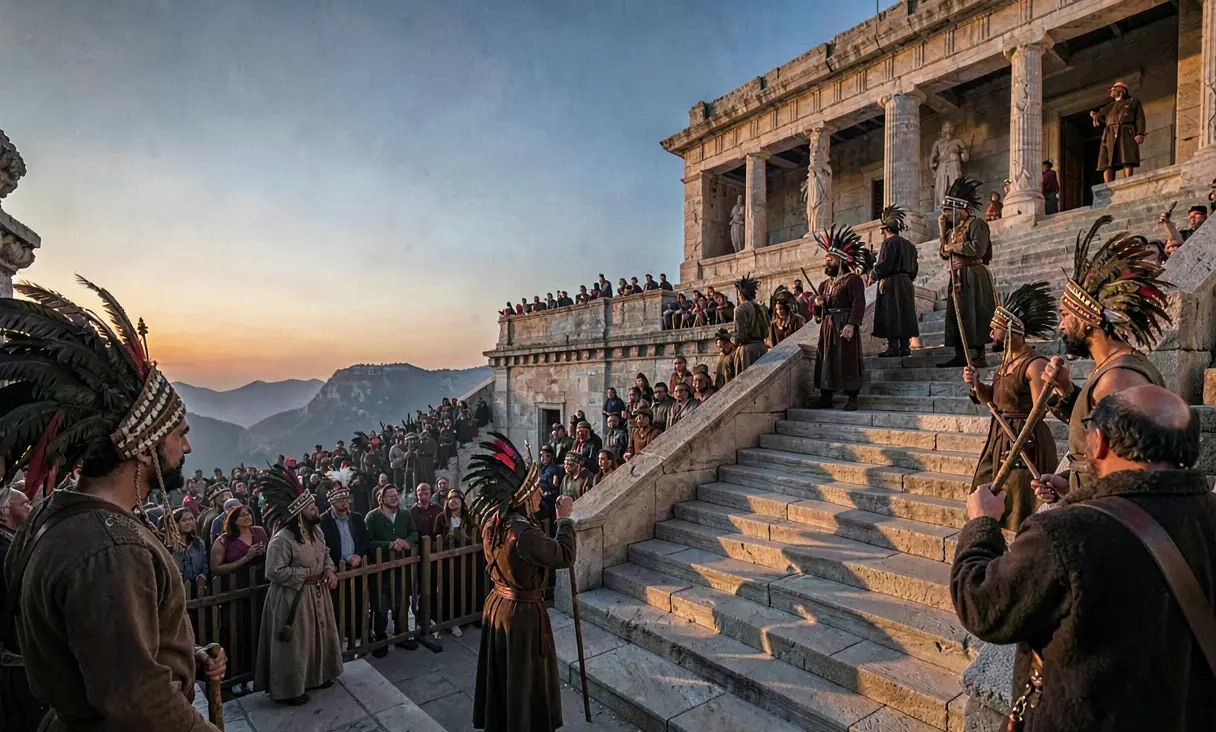 ReligionConstruction of the Temple of Kukulcán at Chichén Itzác. 800 CE · Chichén Itzá, MexicoThe iconic pyramid dedicated to the feathered serpent god is built during the Puuc-Toltec fusion period.
 ReligionBuddha Attains Enlightenmentc. 528 BCE · Bodh Gaya, IndiaSiddhartha Gautama achieves nirvana under the Bodhi tree founding Buddhism.
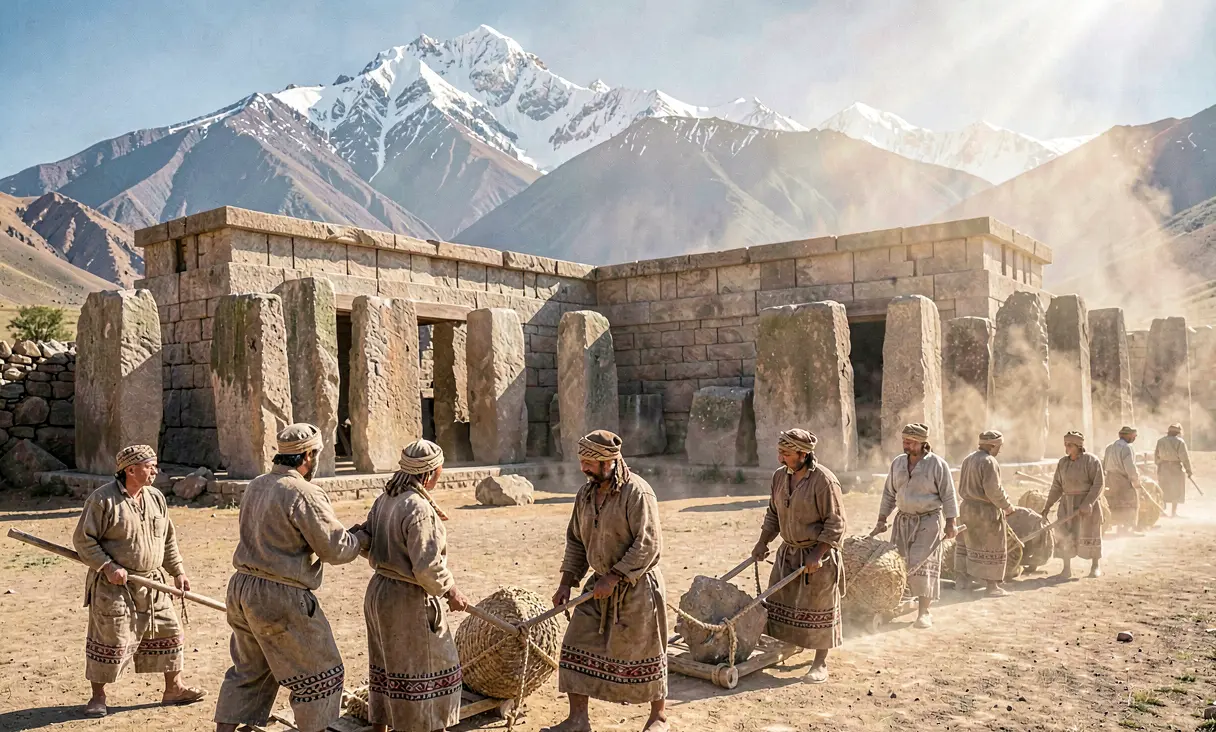 ReligionConstruction of Kalasasaya Temple at Tiwanakuc. 500 CE · Tiwanaku, BoliviaThe Kalasasaya temple is built with monolithic stones for solar observance.
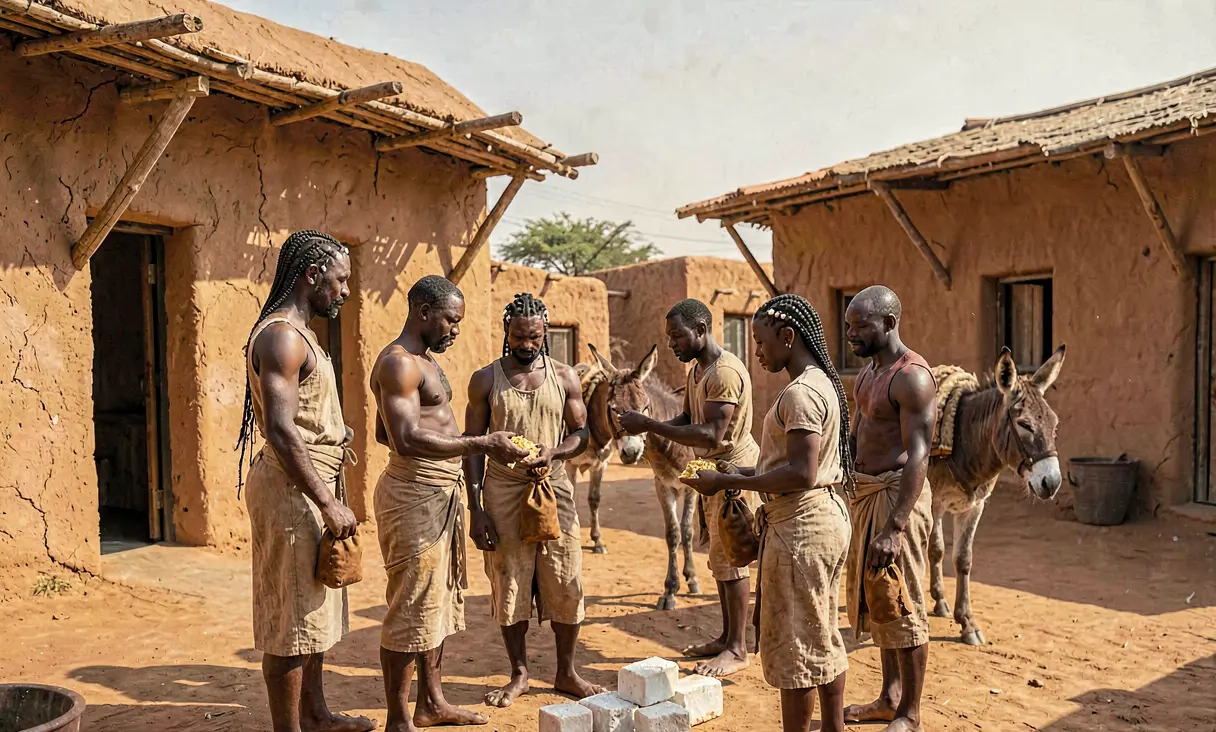 PoliticsRise of the Ghana Empire under Soninke Rulec. 400 BCE · Koumbi Saleh (Modern Mauritania)The Soninke people consolidate power to form the Ghana Empire, controlling trans-Saharan gold and salt trade.
 ExplorationSettlement of the Hawaiian Islandsc. 400 BCE to 800 CE · Hawaii (Big Island), USAPolynesian voyagers from the Marquesas and Society Islands settle the isolated Hawaiian archipelago.
 ScienceRefinement of the Maya Long Count Calendar Systemc. 361 BCE · Chiapa de Corzo, MexicoMaya scholars formalize the Long Count calendar for tracking deep historical time.
Discussion
Loading…