Sack of Rome
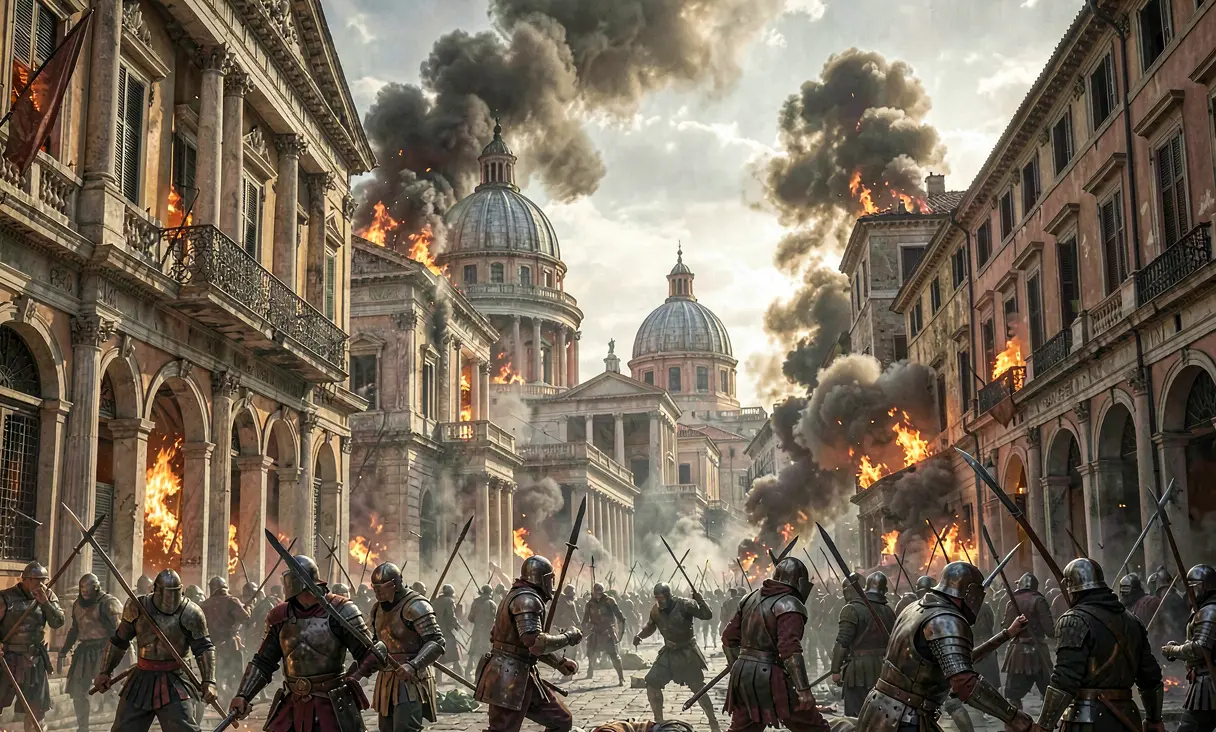
The brutal 1527 mutiny and sack of Rome by unpaid Imperial mercenaries shattered papal power, killed thousands, and symbolically ended the High Renaissance era.
The Mutiny of the Imperial Army
By early 1527, the military landscape of Italy was defined by a volatile coalition of unpaid mercenaries serving Holy Roman Emperor Charles V. The army, a ragged amalgamation of roughly 20,000 German Landsknechts and Spanish tercios under the nominal command of Charles de Bourbon, Duke of Bourbon, had been stranded in Lombardy after failing to capture Milan. With their pay in arrears for months and supplies exhausted, the troops descended into chaos, electing their own officers and demanding immediate payment or plunder. The mutiny was not a coordinated strategic maneuver but a desperate act of survival that quickly spiraled into a force of nature beyond imperial control, marching south toward Rome with the singular intent of seizing the wealth of the Papal States.
A City Unprepared
Pope Clement VII, born Giulio de' Medici, found himself in a precarious political position, having recently shifted alliances to form the League of Cognac against Charles V. However, his military preparations were woefully inadequate for the threat that loomed. The Papal Swiss Guard, numbering only 189 men under Captain Kaspar Röist, stood as the primary defense alongside a small contingent of local militia and mercenaries who were themselves ill-equipped and demoralized. Rome's fortifications, though ancient, had not been updated to withstand a modern siege by an army experienced in the brutal warfare of the Italian Wars. The Pope's hope that the Imperial forces would bypass the city or that diplomatic channels could resolve the crisis proved fatal; he ordered the gates closed too late, sealing the city's fate.
The Breach and the Slaughter
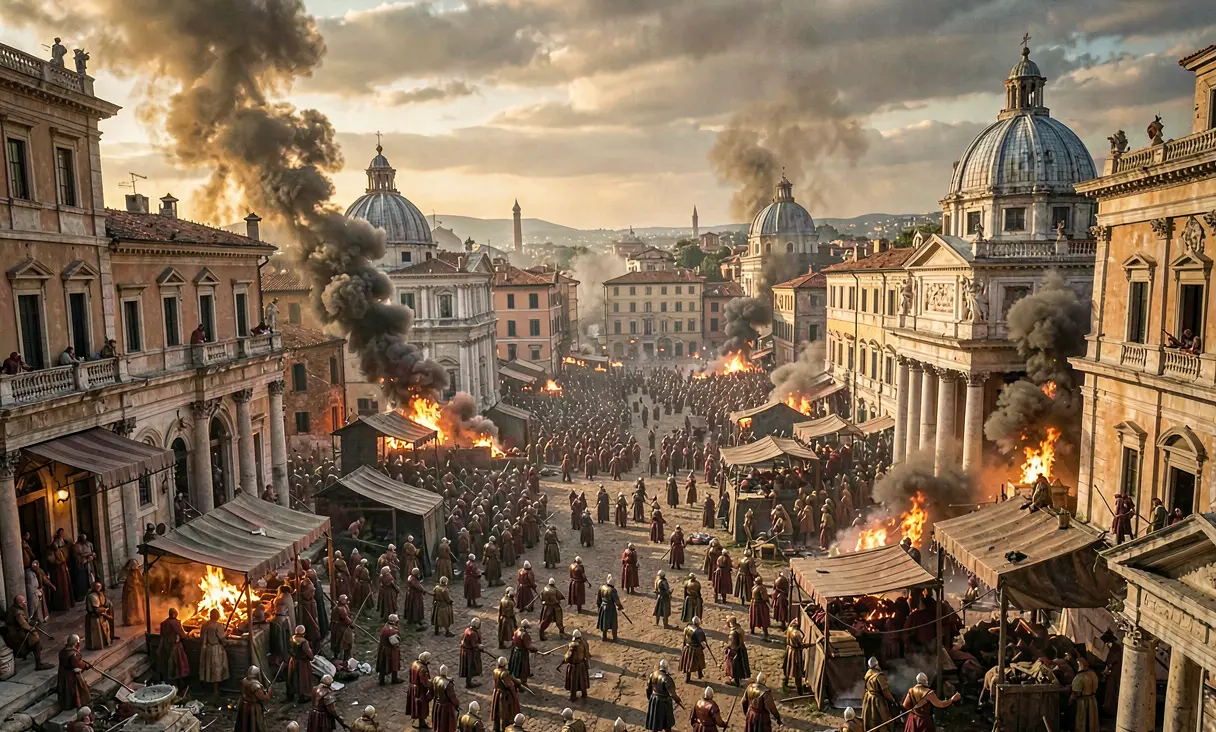
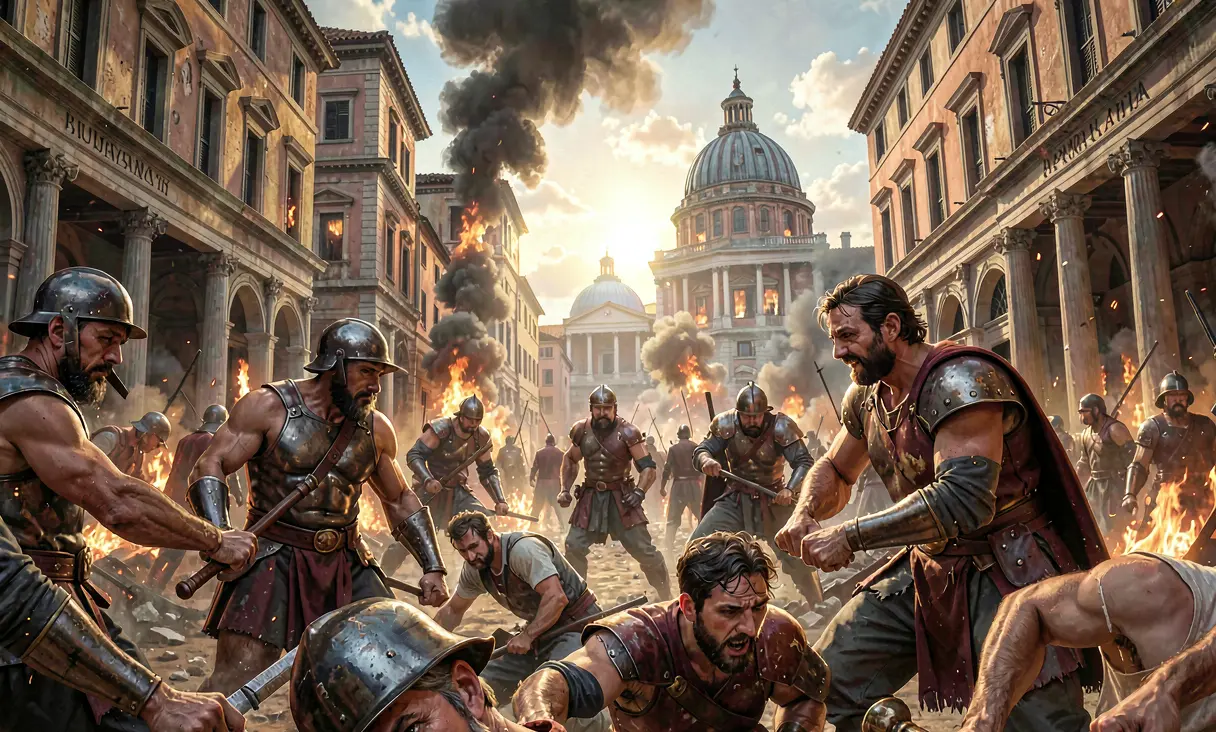
On the morning of May 6, 1527, the Imperial army launched a coordinated assault on the walls near the Borgo district. In a tragic twist of irony, Charles de Bourbon was killed by an arquebus shot while leading his men over the ramparts, leaving the mutinous horde without its only restraining influence. The breach was quickly exploited, and the city fell within hours. What followed was not a standard military occupation but a descent into unrestrained barbarism known as the Sack of Rome. The Landsknechts, many of whom were Lutheran and hostile to the Catholic Church, combined with Spanish soldiers in a frenzy of looting, rape, and murder that lasted for months. Thousands of civilians perished, their bodies left to rot in the streets or dumped into the Tiber River.
The Flight of the Pope
Amidst the chaos, Pope Clement VII managed a perilous escape through the Passetto di Borgo, an elevated fortified corridor connecting the Vatican to Castel Sant'Angelo. He took refuge within the fortress's thick walls, where he remained besieged for seven months while the city below burned and was systematically stripped of its treasures. Inside Castel Sant'Angelo, the Pontiff witnessed the total collapse of his temporal power as the Imperial troops ransacked the Vatican, desecrated churches, and destroyed countless masterpieces of art and literature. The psychological blow to the Papacy was immense; for the first time in centuries, the Vicar of Christ was a prisoner within his own city, forced to negotiate surrender terms from a position of absolute weakness.
Cultural Devastation and Death
The human and cultural cost of the Sack of Rome is difficult to quantify but remains staggering. Contemporary accounts estimate that between 5,000 and 10,000 inhabitants were killed during the initial assault and subsequent weeks of pillaging. The city's artistic infrastructure suffered catastrophic damage; libraries were burned, statues smashed, and frescoes defaced by iconoclastic soldiers. The loss included irreplaceable manuscripts and the works of artists who had defined the High Renaissance. The event marked a brutal end to an era of optimism and humanism, replacing it with a pervasive sense of disillusionment and tragedy that would permeate European culture for generations.
The End of the High Renaissance
Historians widely regard the Sack of Rome as the symbolic termination of the Italian High Renaissance. The event shattered the illusion of papal invincibility and political supremacy, accelerating the decline of the Papal States' influence in Italian affairs and cementing Spanish Habsburg dominance on the peninsula. Culturally, the trauma of 1527 catalyzed a shift in artistic expression from the harmonious balance of the High Renaissance to the distorted, emotional intensity of Mannerism. The event also had profound religious ramifications, strengthening the resolve of the Protestant Reformation while forcing the Catholic Church into a defensive posture that would eventually lead to the Counter-Reformation.
It marked the violent end of the Italian High Renaissance and significantly weakened the temporal power of the Papacy.
Where it happened
Rome, Italy — see it on the interactive map →
Explore related history
 WarBabur's Victory at Panipat and Founding of Mughalsc. 1526 CE · Panipat (modern Haryana/India)Babur defeats the Lodi Sultanate at the First Battle of Panipat, establishing the Mughal Empire in India.
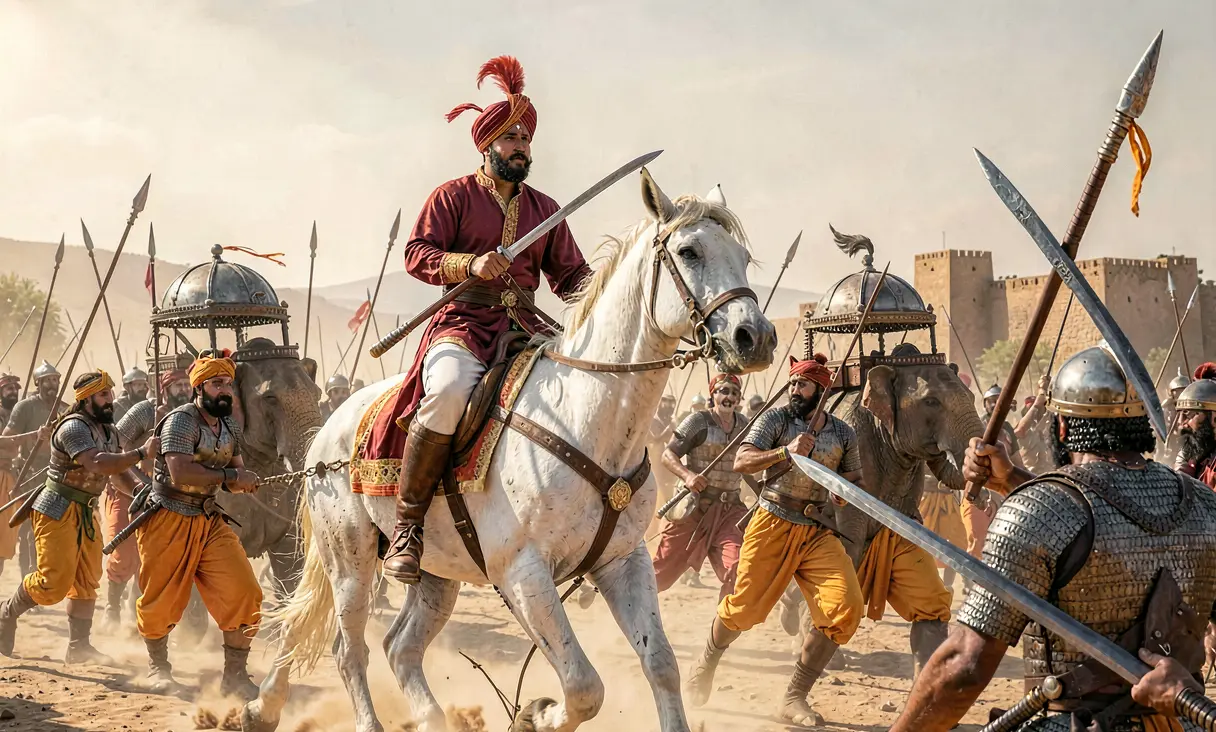 WarBabur's Victory at Khanwac. 1527 CE · Khanwa, Rajasthan, IndiaBabur defeats the Rajput confederacy led by Rana Sanga, consolidating Mughal rule over North India.
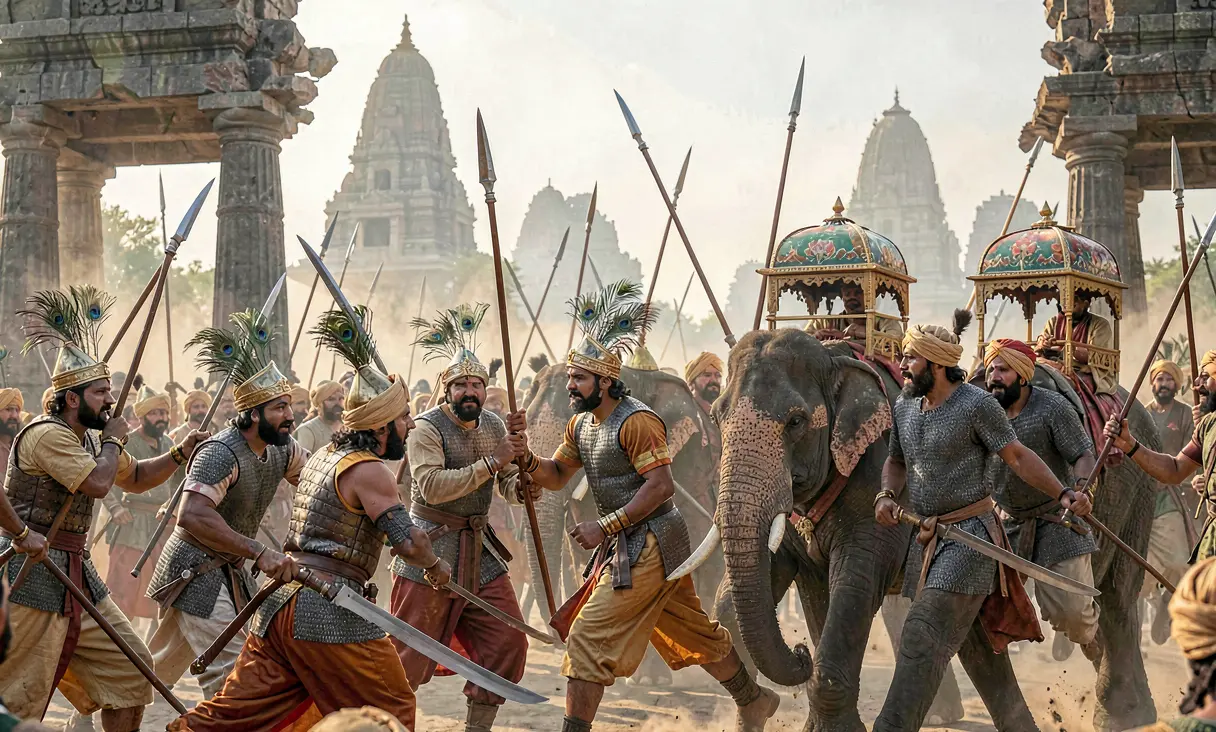 WarBattle of Talikota and Fall of Vijayanagarac. 1565 CE · Talikota, Karnataka, IndiaThe Deccan Sultanates defeat the Vijayanagara Empire in a decisive battle, leading to the sack of Hampi and the empire's collapse.
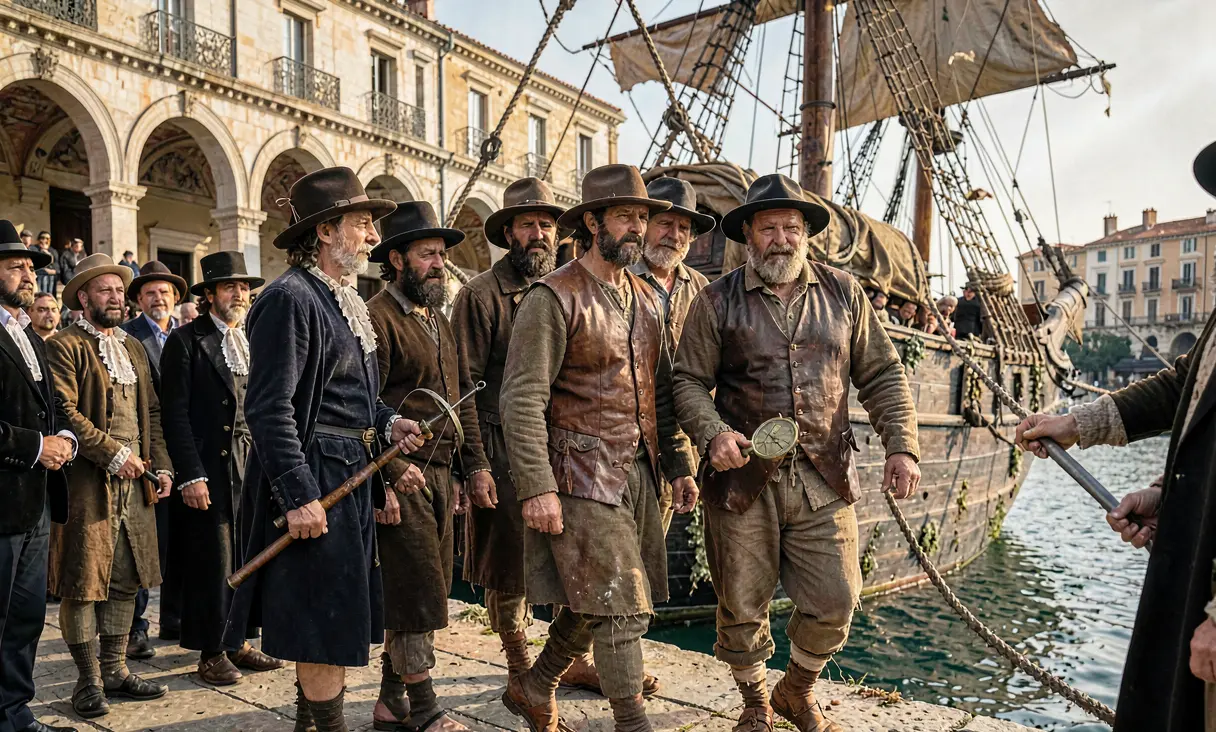 ExplorationMagellan's Circumnavigation CompletedSeptember 6, 1522 CE · Seville, SpainFirst expedition sails around the globe proving Earth is round and vast.
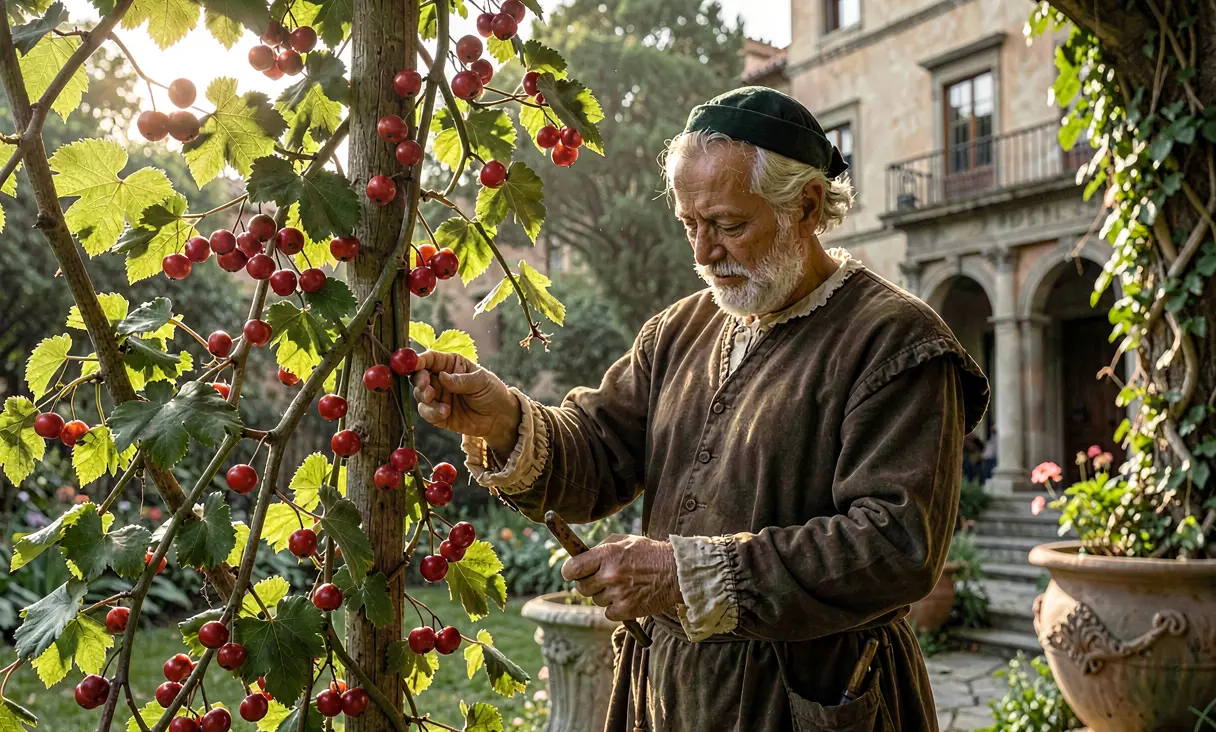 TechnologyIntroduction of the Tomato to Europec. 1520 CE · Rome, ItalyTomatoes arrive in Europe from the Americas, revolutionizing global cuisine.
 ReligionLuther Posts Ninety-Five ThesesOctober 31, 1517 CE · Wittenberg, GermanyMartin Luther challenges Catholic Church practices sparking the Protestant Reformation.
Discussion
Loading…