
Settlement of Rapa Nui (Easter Island)
Polynesian voyagers settled Earth's most remote island around 800 CE, creating a unique stratified society that carved monumental moai before facing profound ecological collapse.
The Context of Isolation
Rapa Nui, known today as Easter Island, stands as the most remote permanently inhabited island on Earth, situated approximately 2,075 kilometers (1,290 miles) from the nearest landmass, Pitcairn Island, and roughly 3,600 kilometers (2,240 miles) from the South American coast. In the centuries preceding the Common Era's eighth century, Polynesian expansion had already reached the farthest corners of the Pacific, yet Rapa Nui remained a singular challenge due to its extreme isolation. The prevailing winds and ocean currents made the voyage treacherous, requiring not only advanced celestial navigation but also an intimate understanding of wave patterns and bird migrations that guided wayfinders across thousands of miles of open ocean.
The Arrival Around 800 CE
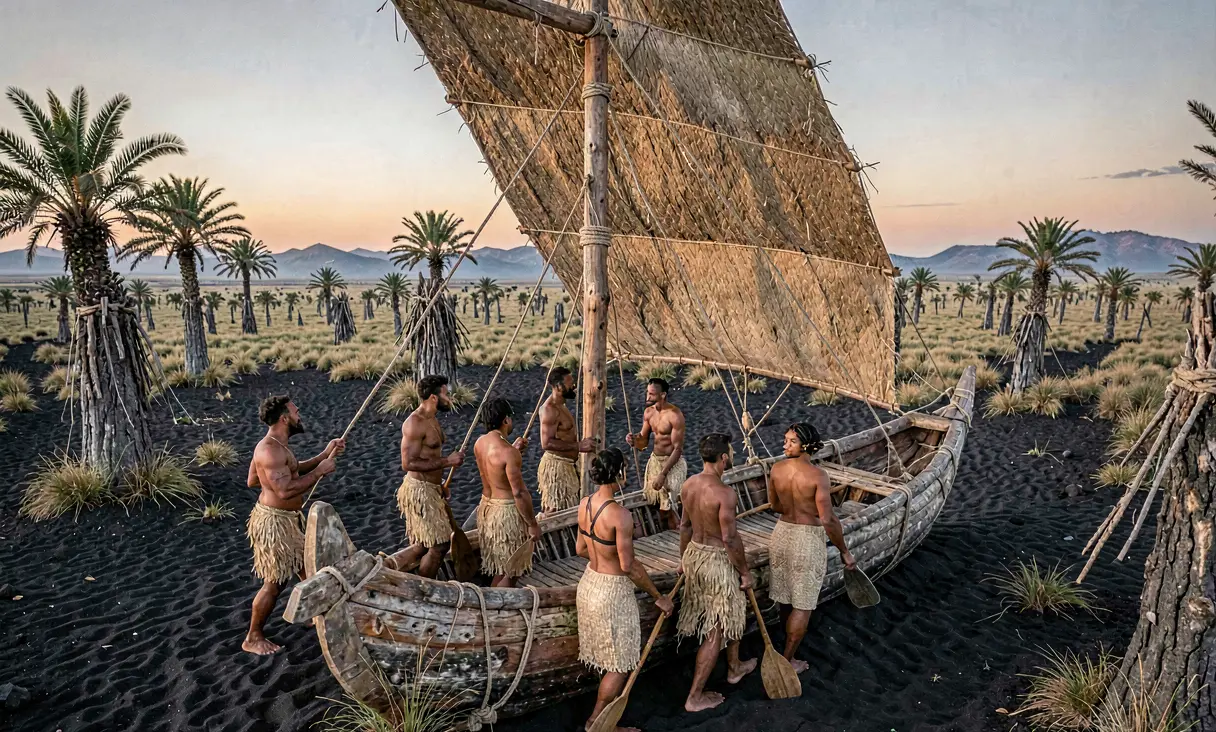
Radiocarbon dating and linguistic analysis converge to suggest that the initial settlement of Rapa Nui occurred around 800 CE, though some recent studies propose dates as late as 1200 CE. The settlers arrived in double-hulled voyaging canoes, likely originating from the Marquesas Islands or possibly Mangareva in the Gambier group. Upon landing at Anakena Beach, they encountered a lush, subtropical landscape dominated by the now-extinct Rapa Nui palm (Paschalococos disperta), which towered over the island's terrain. This pristine ecosystem provided the essential resources for survival: timber for constructing canoes and housing, and fertile soil for agriculture.
Founding Narratives and Hotu Matu'a
Oral traditions recorded by early European visitors and later ethnographers recount the arrival of a legendary chief named Hotu Matu'a. According to these accounts, Hotu Matu'a was driven from his homeland by civil war or overpopulation and led a migration party consisting of two canoes carrying families, priests, craftsmen, and vital crops such as sweet potato (kumara), taro, yam, and sugarcane. He is credited with dividing the island into eight clans, each governed by a sub-chieftain under his supreme authority as the paramount ariki. This foundational myth underscores the deliberate nature of the colonization, emphasizing the transport of a complete societal structure rather than mere survivalists.
Societal Stratification and Cultural Flourishing
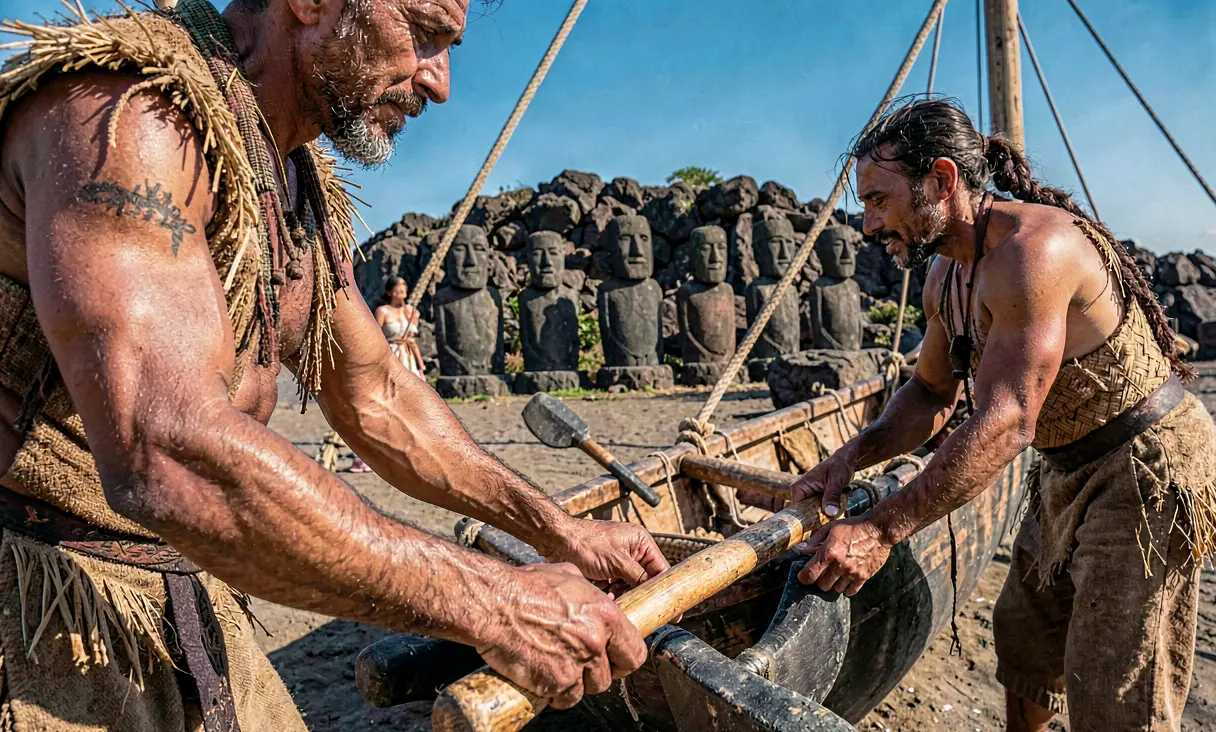
The isolation of Rapa Nui fostered a rapid and unique cultural evolution. The society became highly stratified, with the ariki holding divine status believed to channel the mana (spiritual power) of the ancestors. This hierarchy supported a specialized class of artisans who carved the island's most iconic monuments: the moai. These massive stone figures, carved primarily from the soft volcanic tuff of the Rano Raraku crater, were erected on ceremonial platforms known as ahu to honor deified ancestors and protect the community. The construction of these statues required sophisticated engineering, including the use of palm logs as rollers or sledges to transport weights exceeding 80 tons across the island.
The Ecological Transformation
The settlement marked the beginning of profound environmental change. The Polynesian settlers introduced the Pacific rat (Rattus exulans), which, combined with human activity, accelerated the deforestation of the island's palm forests. As the trees were felled for agriculture, canoe building, and statue transport, the ecosystem shifted irrevocably. By the time European contact was made in 1722 by Dutch explorer Jacob Roggeveen, the once-forested island had been reduced to grassland, leading to soil erosion and a decline in agricultural productivity. This ecological shift forced a dramatic restructuring of Rapa Nui society, moving away from statue construction toward a period of internal conflict and the rise of the Birdman cult at Orongo.
Legacy and Historical Significance
The settlement of Rapa Nui represents one of humanity's most remarkable feats of navigation and adaptation, demonstrating the capacity of Polynesian culture to thrive in extreme isolation. The moai stand as enduring testaments to a civilization that achieved monumental artistic and engineering heights without contact with the outside world for over a millennium. Today, the island serves as a critical case study in environmental history, illustrating both the resilience of human societies and the fragility of isolated ecosystems under pressure. The Rapa Nui people's survival through centuries of change, culminating in their modern reclamation of cultural identity, remains a powerful narrative of endurance.
The settlement of Rapa Nui demonstrates the incredible navigational capabilities of Polynesians in reaching the most isolated points on Earth.
Where it happened
Rapa Nui (Easter Island), Chile — see it on the interactive map →
Explore related history
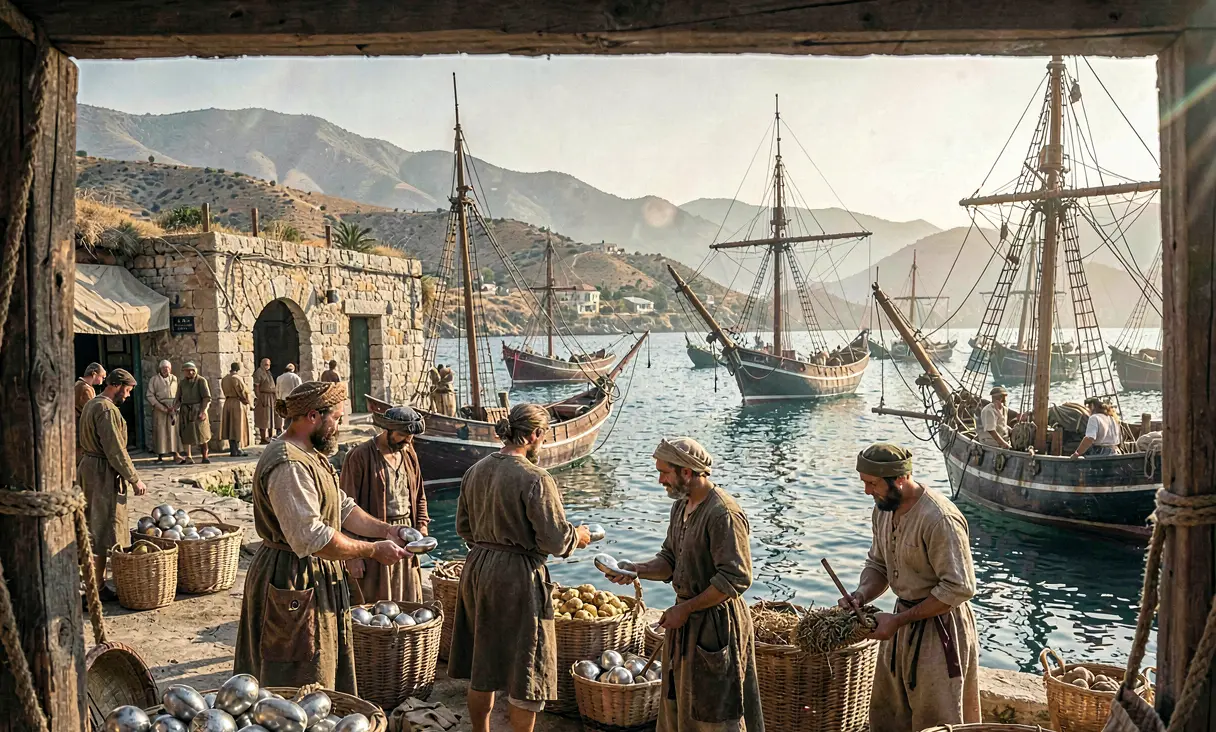 ExplorationEstablishment of Malaca (Malaga) by Phoeniciansc. 770 BCE · Malaga (Malaca), SpainPhoenician traders establish a major colony on the Iberian Peninsula for salt and metal trade.
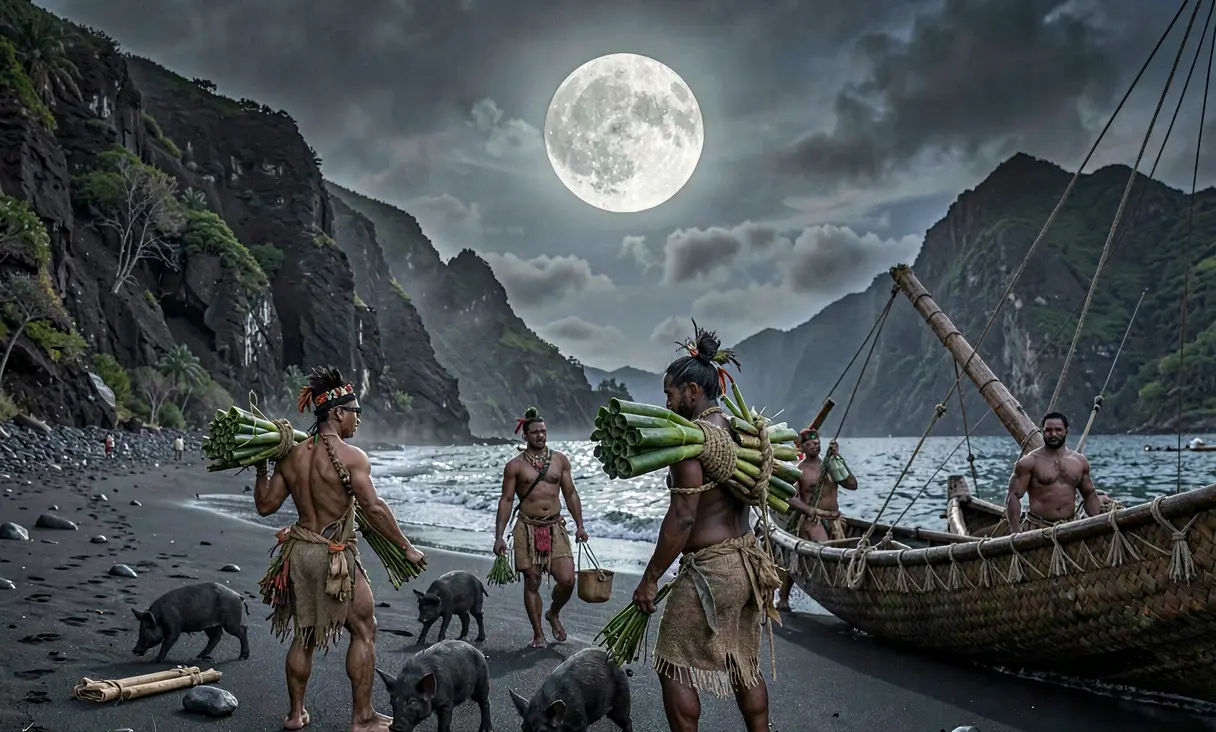 ExplorationSettlement of the Hawaiian Islandsc. 400 BCE to 800 CE · Hawaii (Big Island), USAPolynesian voyagers from the Marquesas and Society Islands settle the isolated Hawaiian archipelago.
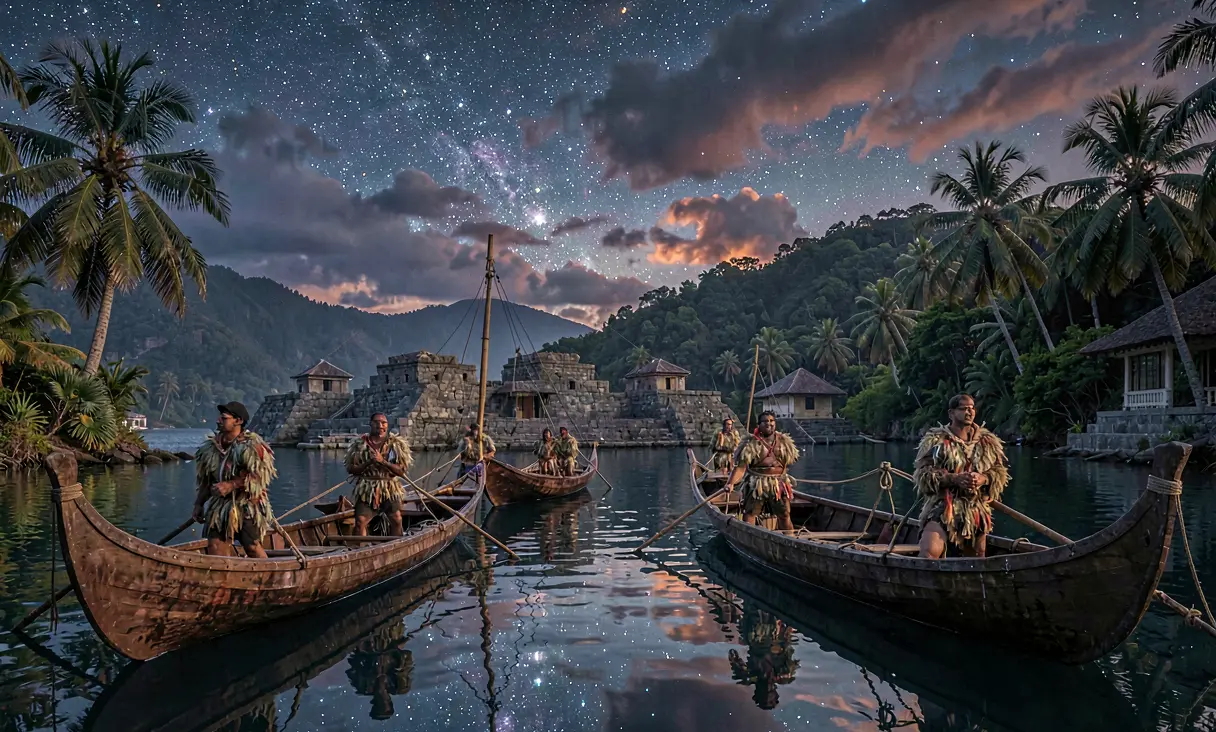 ExplorationPolynesian Expansion into the Society Islandsc. 300 BCE · Society Islands, French PolynesiaPolynesian voyagers colonize the Society Islands, establishing a central hub for further eastward expansion.
 ReligionConstruction of the Temple of Kukulcán at Chichén Itzác. 800 CE · Chichén Itzá, MexicoThe iconic pyramid dedicated to the feathered serpent god is built during the Puuc-Toltec fusion period.
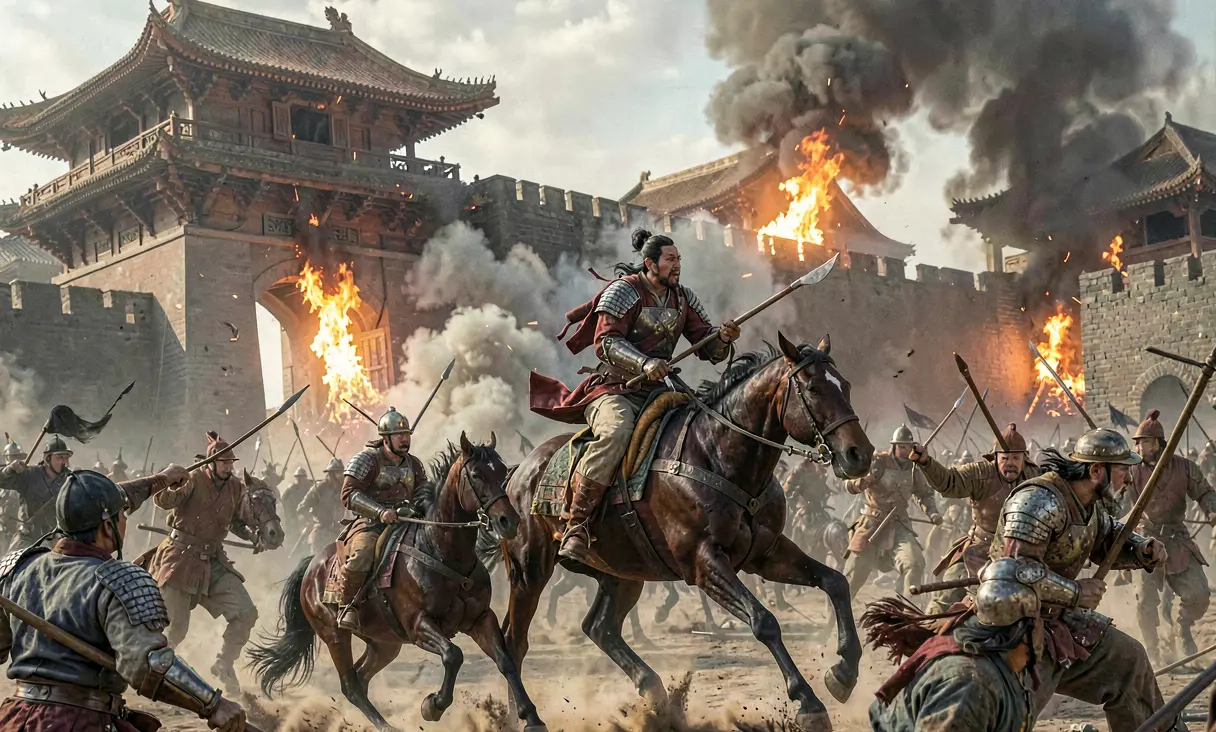 WarAn Lushan Rebellion Begins755 CE · Chang'an, ChinaGeneral An Lushan revolts against Emperor Xuanzong, devastating the Tang Dynasty and population.
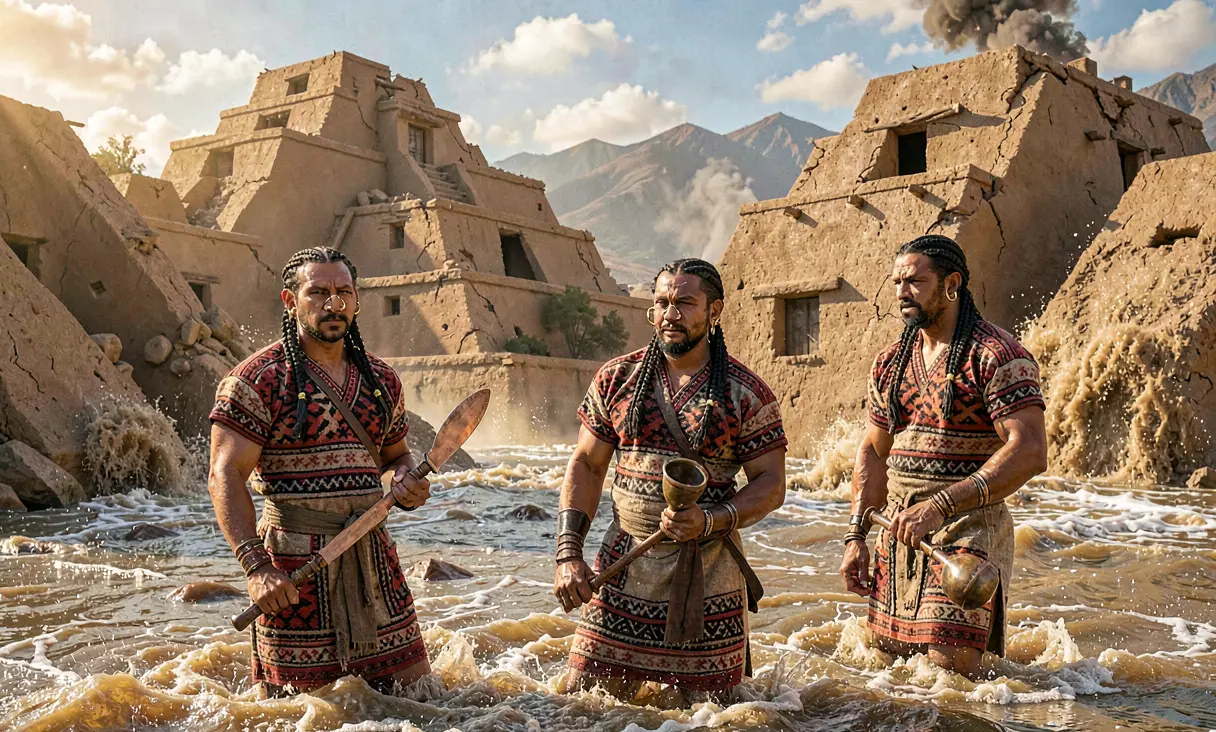 DisasterCatastrophic Floods and Collapse of Moche San José de Moroc. 750 CE · Lambayeque Valley, PeruEl Niño floods devastate Moche infrastructure leading to societal transformation.
Discussion
Loading…