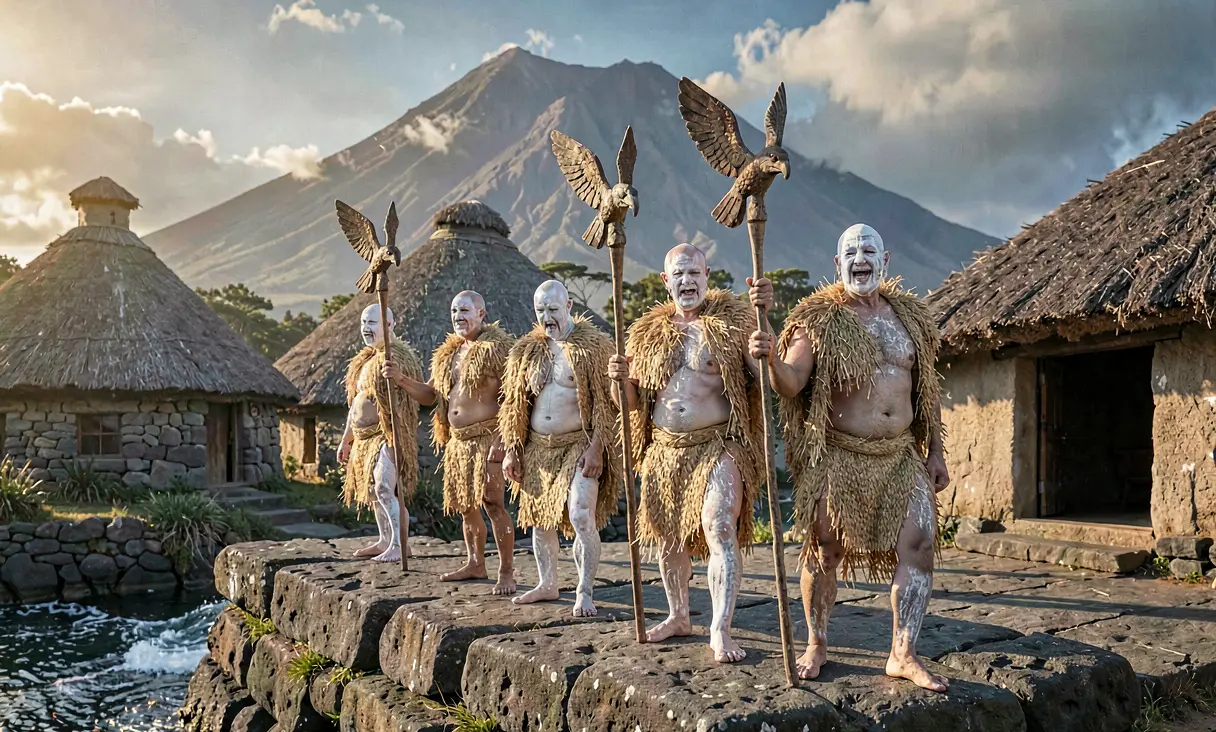
Rise of the Birdman Cult on Rapa Nui
The Birdman cult transformed Rapa Nui's society from hereditary rule to merit-based leadership through a dangerous annual egg hunt, marking a resilient adaptation to ecological collapse.
Context of Collapse and Transition
By the early 17th century, Rapa Nui (Easter Island) faced a profound existential crisis. Centuries of intensive moai construction and deforestation had led to severe soil erosion, the collapse of local ecosystems, and the disappearance of large seabirds essential for protein. The traditional theocratic system, centered on the worship of ancestors through massive stone statues, became untenable as resources dwindled and social stratification fractured. In this climate of scarcity and instability, the island's spiritual and political focus shifted dramatically from the static, monumental dead to a dynamic, merit-based cult dedicated to Makemake, the creator god associated with fertility and the sooty tern (manu tara).
The Birth of the Tangata Manu
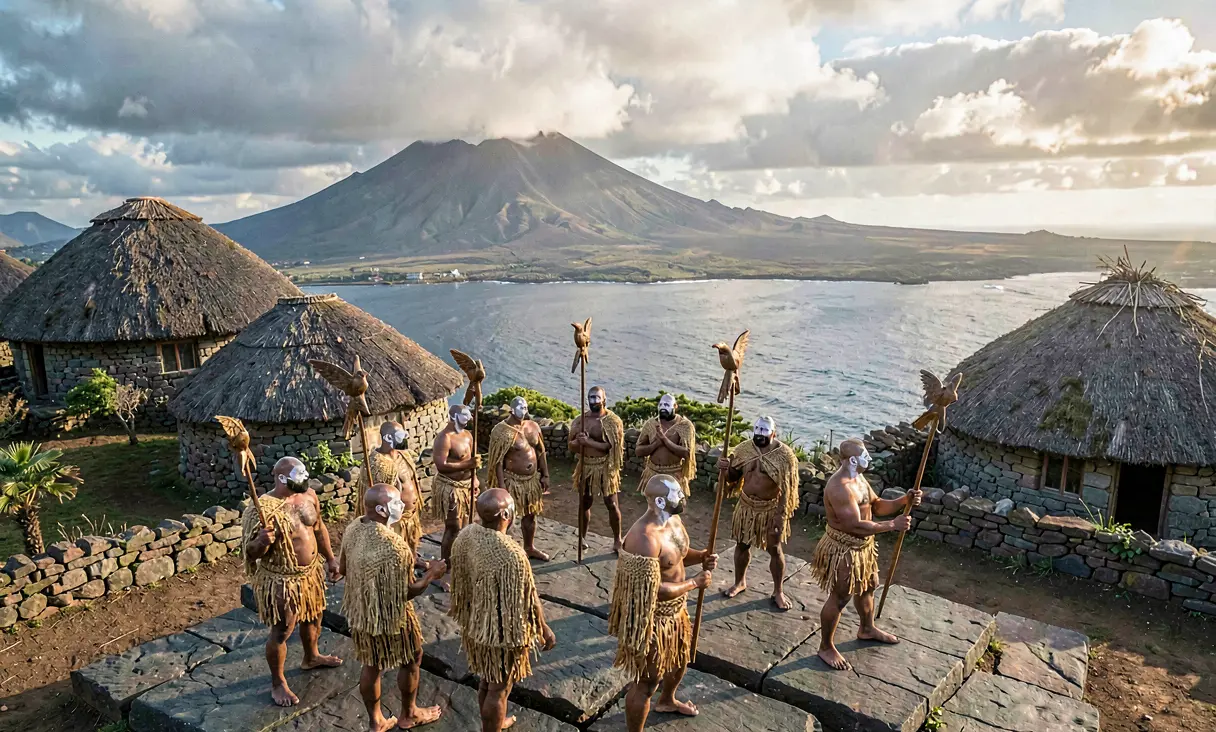
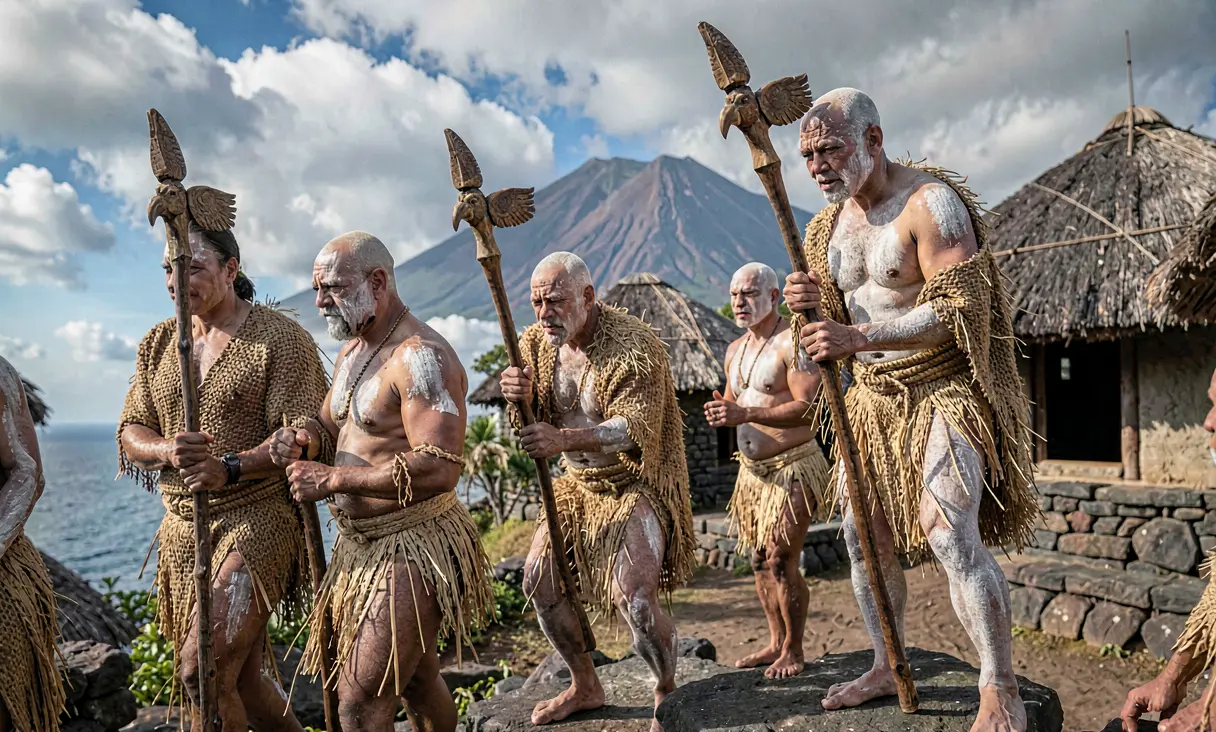
Emerging around 1600 CE at the ceremonial village of Orongo, perched precariously on the volcanic crater rim of Rano Kau, the Birdman cult (Tangata manu) replaced the hereditary authority of the ariki with a competitive system. The annual ritual was designed to select a new leader for the coming year based not on lineage, but on physical prowess and spiritual favor. The core objective was to retrieve the first egg of the sooty tern from the islets of Motu Nui, Motu Iti, and Motu Kao Kao, located roughly 1.5 kilometers offshore. This competition transformed political legitimacy into a test of endurance, requiring participants to navigate treacherous cliffs and swim shark-infested waters.
The Ritual Mechanics at Orongo
The contest unfolded during the austral spring, drawing competitors from various clans to the 460 carved stone houses of Orongo. The ritual began with a period of seclusion and purification for the candidates (hopu manu) and their sponsors (maori). Once the first egg was spotted by a lookout on the cliffs, a hopu would descend the sheer basalt slopes, swim the dangerous channel, retrieve the egg, and return to Orongo. Upon presentation of the egg to the sponsor, the sponsor's clan was declared the winner, granting them the title of Tangata Manu for one year. This new leader gained control over resource distribution, religious ceremonies, and the administration of justice, effectively usurping the power of the hereditary high chief.
Key Figures and Symbolism
While specific names of early Birdmen are lost to time due to the oral nature of Rapa Nui history prior to European contact, the cult's iconography remains vividly preserved in the petroglyphs of Orongo. The central figure is Makemake, depicted with a bird's head and human body, often flanked by sooty terns. The ritual also involved the creation of the 'are pa' (stone houses) decorated with intricate carvings of the Birdman motif. Prominent clans such as the Hotu Matua descendants initially resisted but eventually adopted the cult to maintain relevance. The shift represented a democratization of power, where a commoner could rise to supreme authority through skill rather than birthright, reflecting a societal adaptation to extreme environmental stress.
Aftermath and European Contact
The Birdman cult dominated Rapa Nui society for nearly two centuries, stabilizing the island during its most fragile period. However, the system was disrupted by the arrival of Dutch explorer Jacob Roggeveen in 1722, who documented the ruins of the moai and the ongoing rituals but did not fully grasp their political mechanics. The cult's final decline occurred following the Peruvian slave raids of 1862, which decimated the island's population, including many priests and leaders, and the subsequent introduction of Christianity by Catholic missionaries in the 1860s. By 1870, the last known Birdman ceremony had ceased as the new religion supplanted the ancient traditions.
Legacy and Historical Significance
The rise of the Tangata Manu stands as a remarkable case study in human resilience and religious adaptation. It demonstrates how a society can fundamentally restructure its political and spiritual institutions in response to ecological collapse without total societal disintegration. The shift from ancestor worship to a meritocratic competition highlights Rapa Nui's ability to innovate under pressure, moving away from the resource-intensive moai economy toward a system that required less material wealth but demanded greater physical risk. Today, Orongo remains one of the most significant archaeological sites in Polynesia, preserving the unique art and history of this transformative era.
The Birdman cult represents a unique socio-religious adaptation to ecological crisis on Easter Island, replacing traditional chiefdom with a competitive ritual system.
Where it happened
Orongo, Rapa Nui — see it on the interactive map →
Explore related history
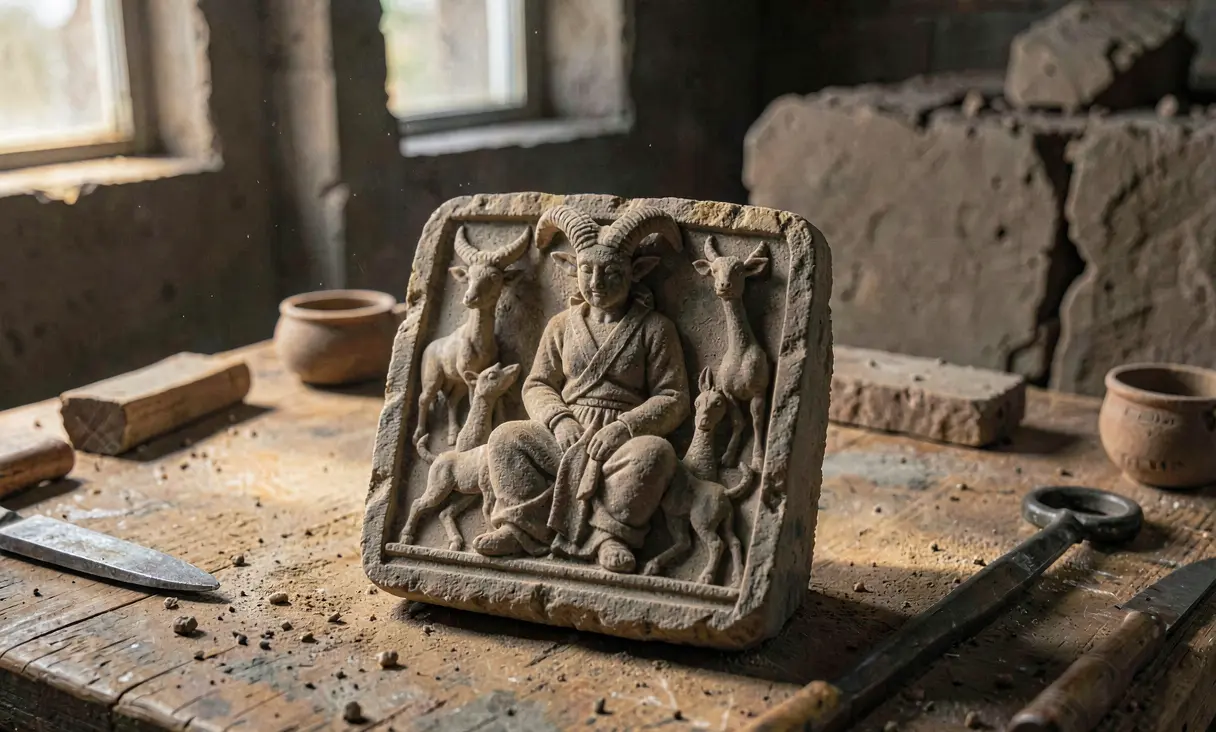 ReligionDiscovery of the Pashupati Sealc. 2500 BCE · Mohenjo-daro, Indus Valley (modern Pakistan)The Pashupati seal is carved, depicting a seated figure surrounded by animals, likely an early prototype of the Hindu god Shiva.
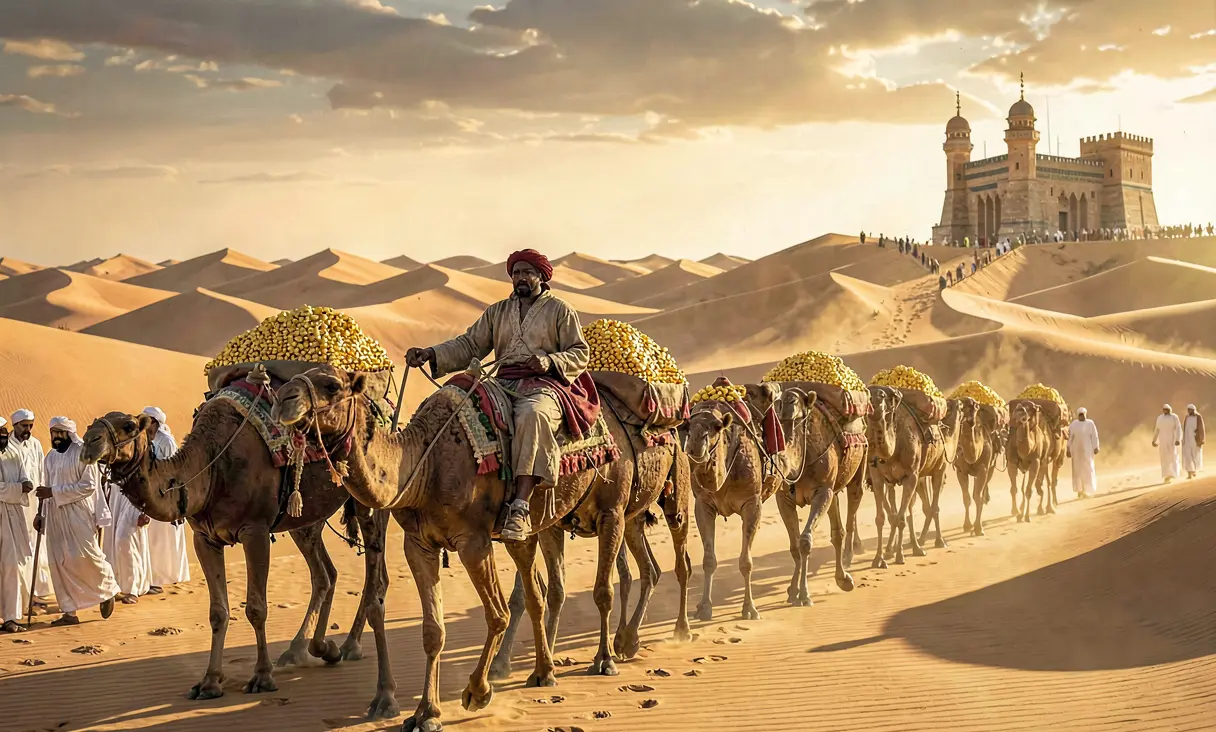 ReligionAskia Muhammad's Pilgrimage to Meccac. 1497 CE · Mecca (via Gao)Askia Muhammad undertakes a lavish pilgrimage to Mecca, strengthening ties with the Islamic world.
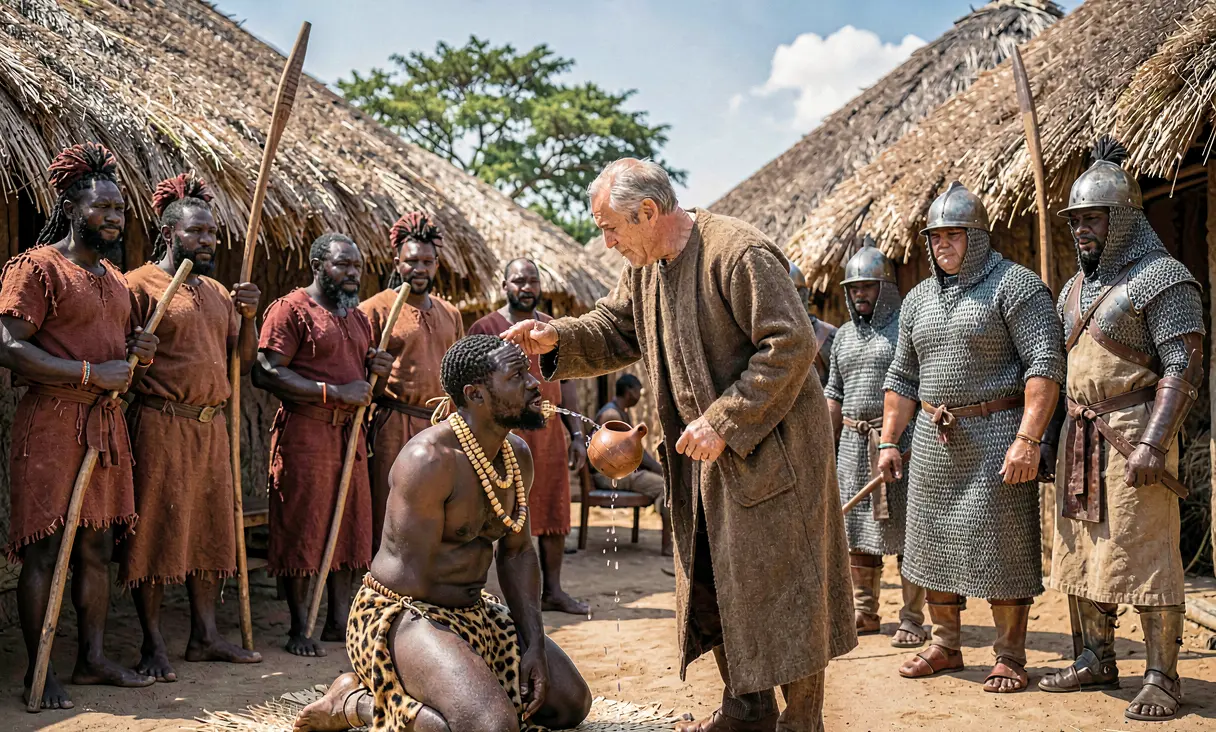 ReligionKing Nzinga a Nkuwu Baptized as João I of Kongo1491 CE · Mbanza Kongo, AngolaKing Nzinga a Nkuwu converts to Catholicism, initiating a complex fusion of Christian and traditional Kongo beliefs.
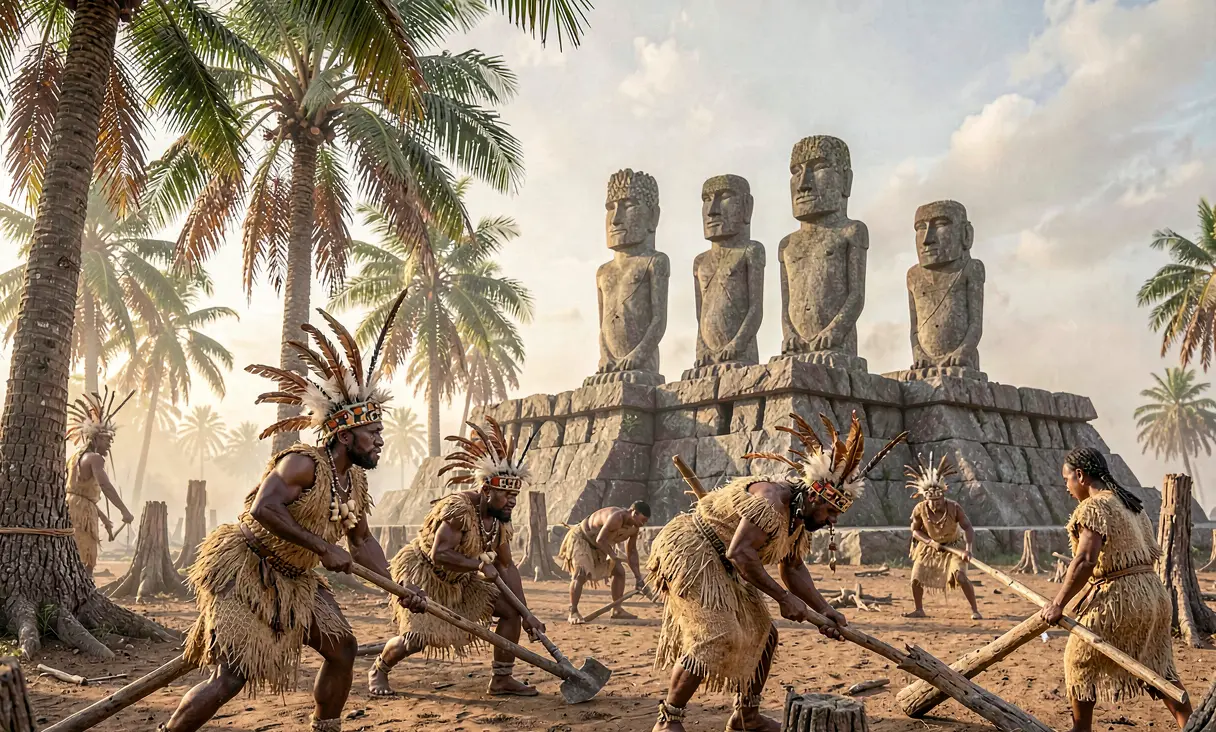 DisasterEcological Collapse and Deforestation of Rapa Nuic. 1600 CE · Rapa Nui (Easter Island), ChileOverexploitation of resources leads to deforestation and societal transformation on Rapa Nui.
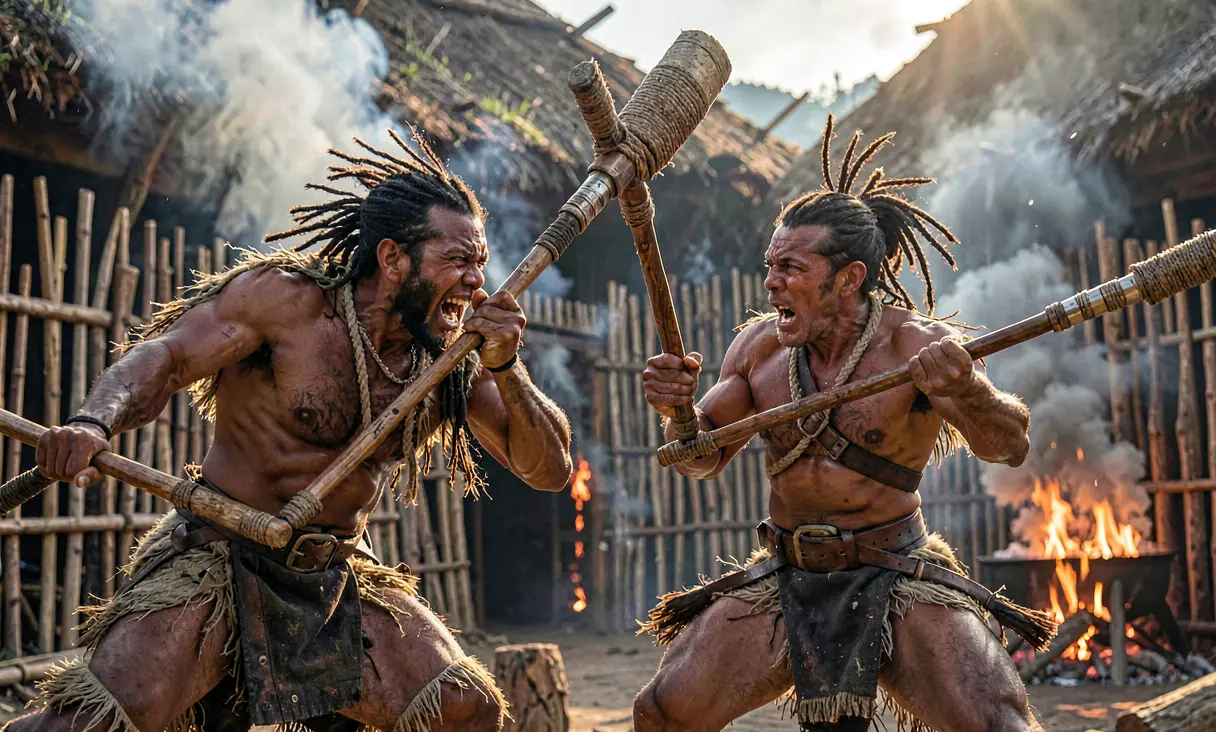 WarEscalation of Inter-Tribal Warfare in New Zealandc. 1600 CE · North Island, New ZealandIntensified warfare leads to the construction of massive pā and the development of new weapons like the taiaha.
 DisasterMinoan Eruption of Thera (Santorini)c. 1600 BCE · Santorini (Thera), Aegean SeaA massive volcanic eruption devastates the Minoan civilization and alters the Mediterranean climate.
Discussion
Loading…