Construction of Double-Hulled Voyaging Canoes
Around 1000 CE, Polynesians engineered massive double-hulled canoes in the Society Islands, enabling the mass migration that settled the farthest reaches of the Pacific Ocean.
Background and Context
By the first millennium CE, the Polynesian expansion had reached a critical juncture in the Society Islands of French Polynesia. While earlier voyagers had successfully colonized the archipelagos of Eastern Polynesia using single-hulled outrigger canoes, the distances between these islands and potential new frontiers like Aotearoa (New Zealand) or Rapa Nui exceeded the safe limits of smaller vessels. The Society Islands, particularly Raiatea and Tahiti, served as a central hub for maritime innovation. In this environment, the need for a vessel capable of carrying large populations, livestock, and extensive agricultural supplies to sustain new settlements drove a radical evolution in naval architecture.
The Engineering Breakthrough
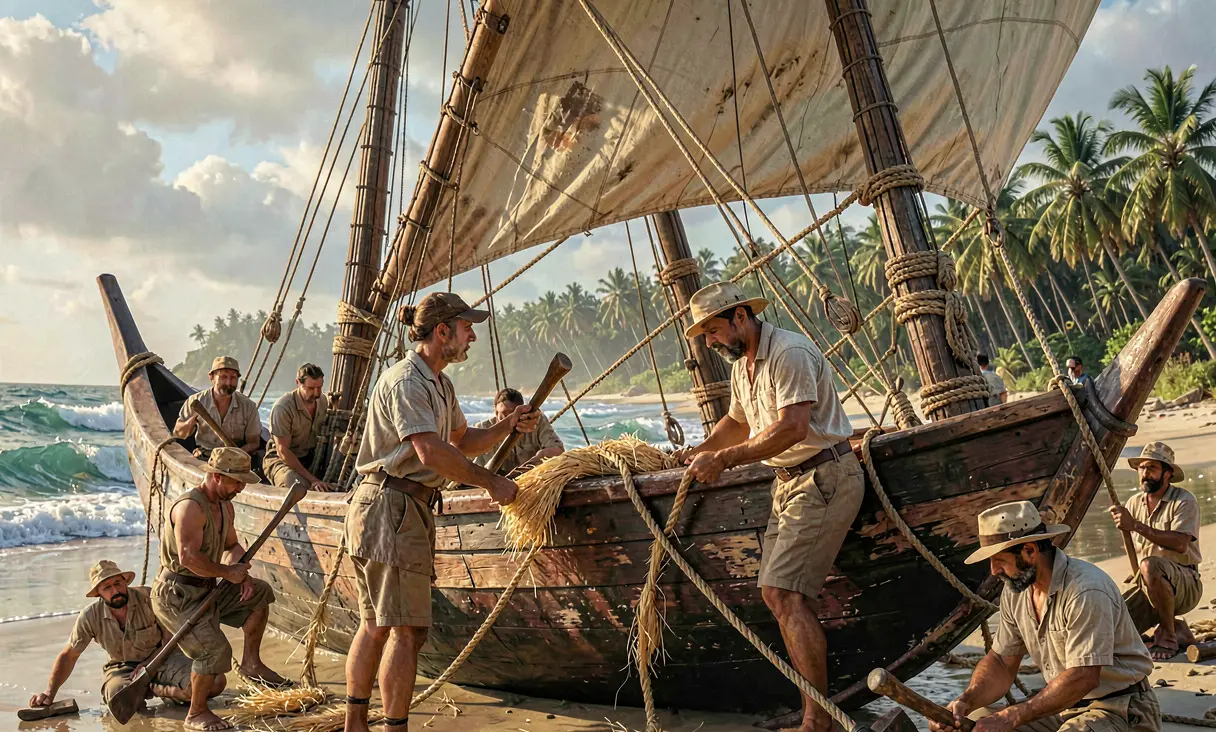
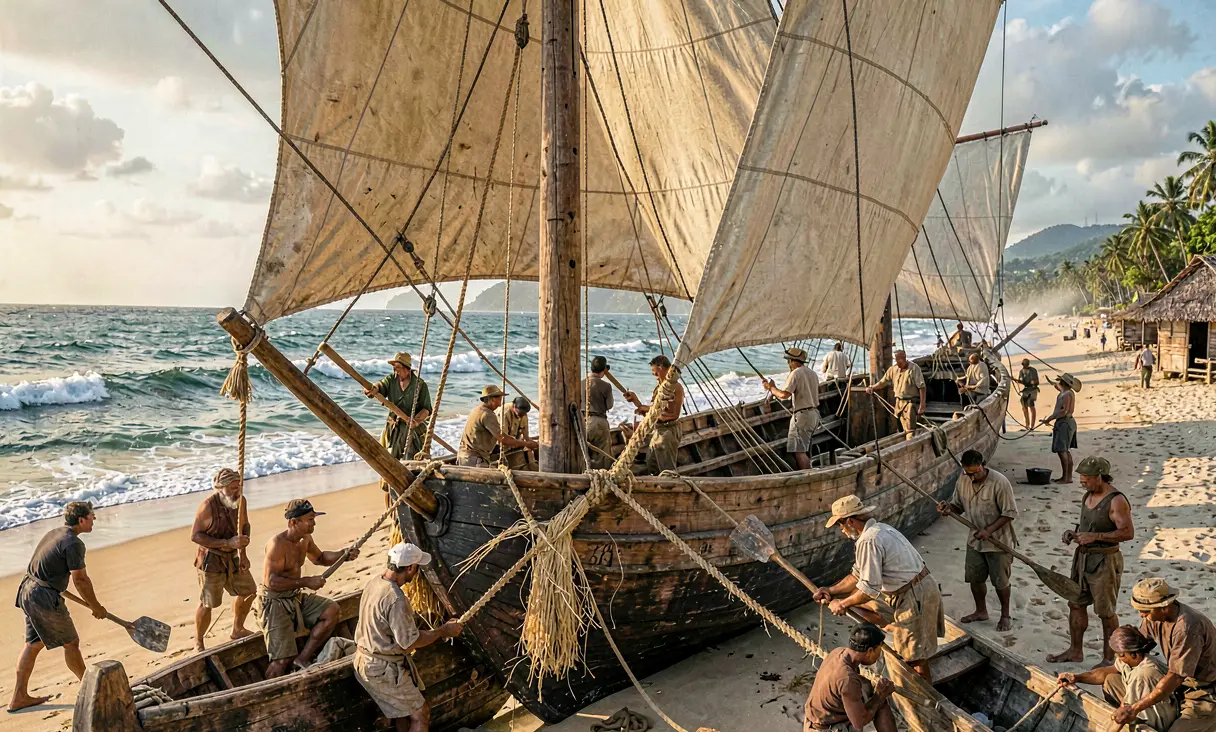
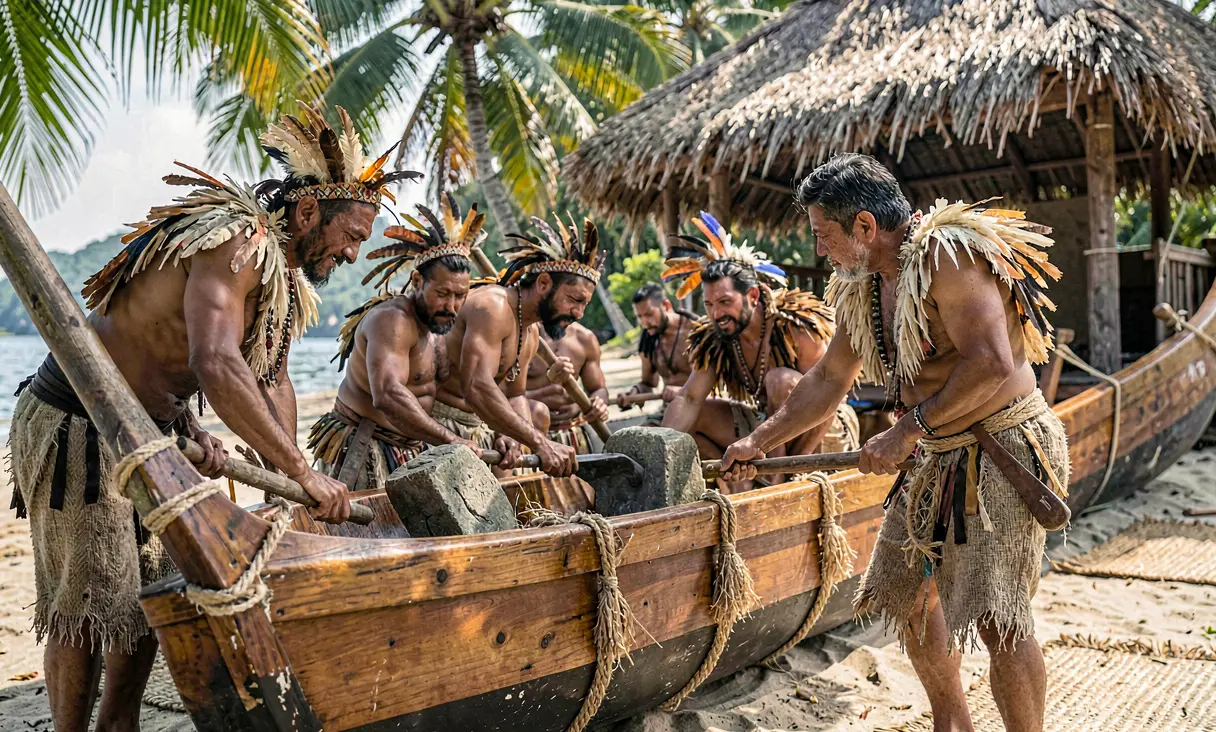
Around 1000 CE, master boatwrights in the Society Islands perfected the construction of the wa'a kaulua, or double-hulled voyaging canoe. Unlike single outriggers, this design featured two massive parallel hulls connected by a robust deck platform, creating an exceptionally stable vessel capable of traversing open ocean swells without capsizing. The hulls were carved from the trunks of immense koa or breadfruit trees, often reaching lengths exceeding 20 meters. These hulls were not merely lashed together; they were integrated through a complex system of coconut fiber sennit (aha) lashings that allowed the structure to flex with the waves rather than snap under stress.
Key Figures and Social Structure
The construction of these vessels was not the work of individuals but of highly organized guilds led by master navigators (tohunga) and expert canoe builders. While specific names from this era remain lost to oral tradition due to the pre-literate nature of the society, the role of the navigator was paramount. Figures such as those in the lineage of Hōkūleʻa's later ancestors would have directed these projects, combining astronomical knowledge with deep understanding of ocean currents and wind patterns. The construction process itself was a communal ritual, involving the entire village in felling trees, carving hulls, and weaving the thousands of feet of sennit required for lashing.
How It Unfolded: Construction and Sailing
The creation of a wa'a kaulua was a multi-year endeavor. Once the massive hulls were shaped and hollowed, they were joined by a central platform that could support a village-like population of up to 100 people, along with pigs, chickens, dogs, and taro cuttings. The vessel was rigged with a crab-claw sail, a triangular design made from woven pandanus leaves that provided superior aerodynamic efficiency compared to square sails. This sail configuration allowed the canoe to tack against the wind, a critical capability for returning home after discovering new lands—a feat impossible with earlier drift-based vessels.
Aftermath: The Great Expansion
The deployment of these double-hulled canoes triggered the final phase of the Polynesian expansion. Around 1000 to 1200 CE, fleets departed from the Society Islands, utilizing these stable platforms to reach the most remote corners of the Pacific. This technological leap enabled the colonization of Aotearoa (New Zealand) to the south and Rapa Nui (Easter Island) to the east. These were not mere exploratory trips but mass migrations; the canoes functioned as floating villages, transporting the genetic and cultural founders of entire new nations across thousands of miles of open ocean.
Legacy and Significance
The double-hulled voyaging canoe stands as one of history's most sophisticated pre-industrial technologies. It facilitated the settlement of 10 million square miles of the Pacific Ocean, creating a vast cultural sphere that shared language, religion, and customs despite vast distances. The vessel's design principles influenced maritime engineering for centuries, and its revival in the late 20th century with the construction of Hōkūleʻa proved the viability of traditional navigation methods. Today, it remains a potent symbol of human ingenuity and the courage required to cross the world's largest ocean without modern instruments.
The double-hulled canoe was the technological key that enabled the colonization of the vast Pacific Ocean.
Where it happened
Society Islands, French Polynesia — see it on the interactive map →
Explore related history
 TechnologyIndustrialization of Sericulture in Ancient Chinac. 2600 BCE · Shaanxi Province, ChinaChinese artisans perfect the reeling and spinning of silk from silkworm cocoons.
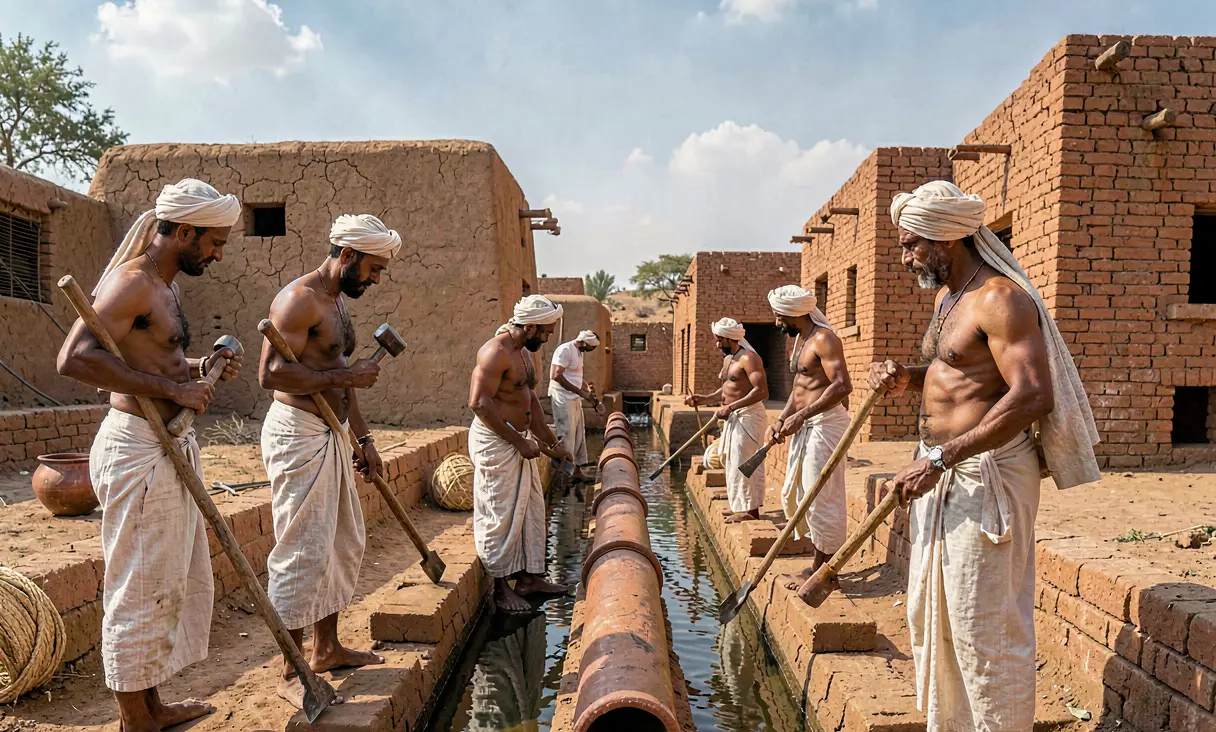 TechnologyAdvanced Irrigation Systems of the Indus Valley Civilizationc. 2600 BCE · Harappa, PakistanEngineers construct sophisticated canal networks and water reservoirs for urban agriculture.
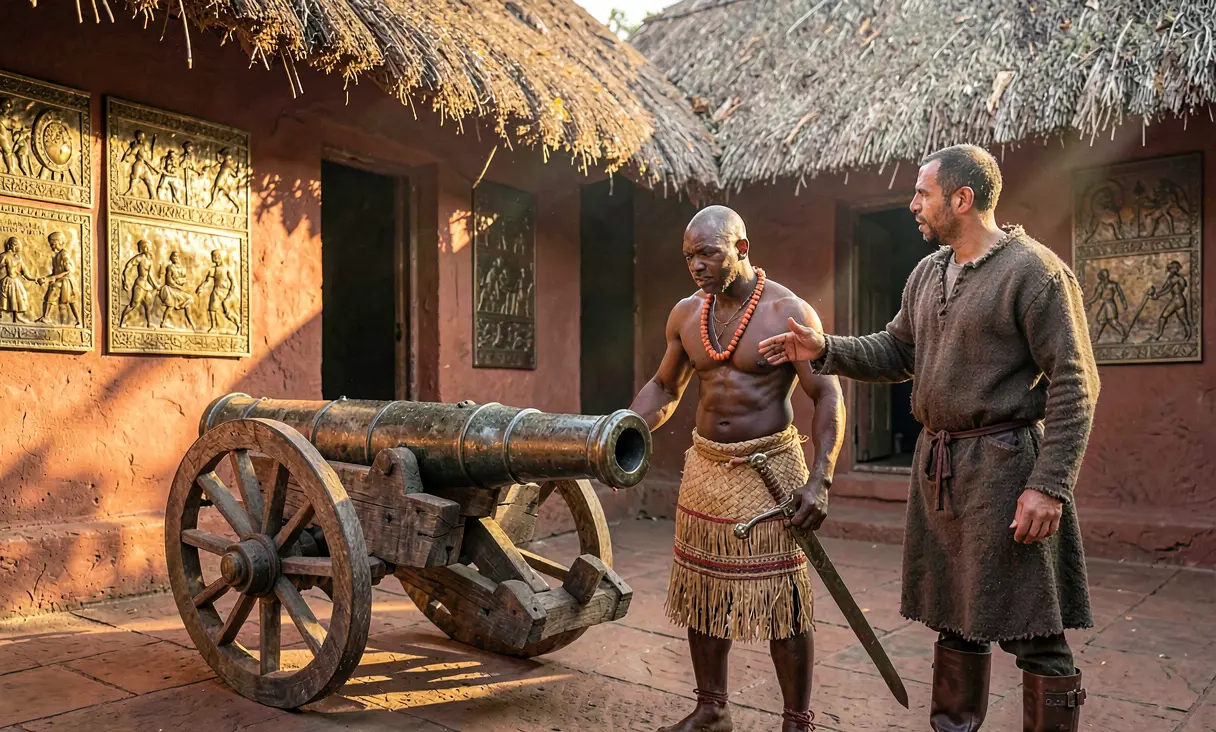 TechnologyBenin Acquires Cannon Technology from Portugalc. 1500 CE · Benin City, NigeriaThe Kingdom of Benin integrates Portuguese cannon technology into its military arsenals.
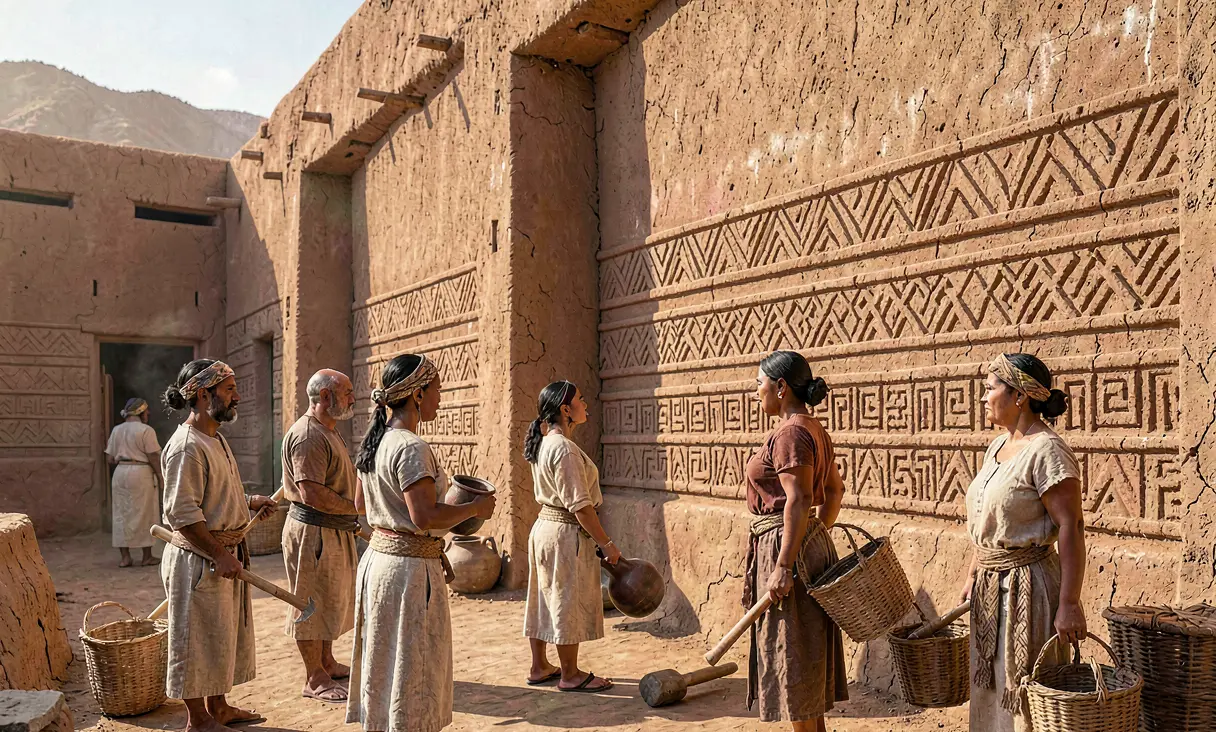 CivilizationRise of the Chimú Kingdom at Chan Chanc. 1000 CE · Chan Chan, PeruThe Chimú establish the largest adobe city in the Americas at Chan Chan.
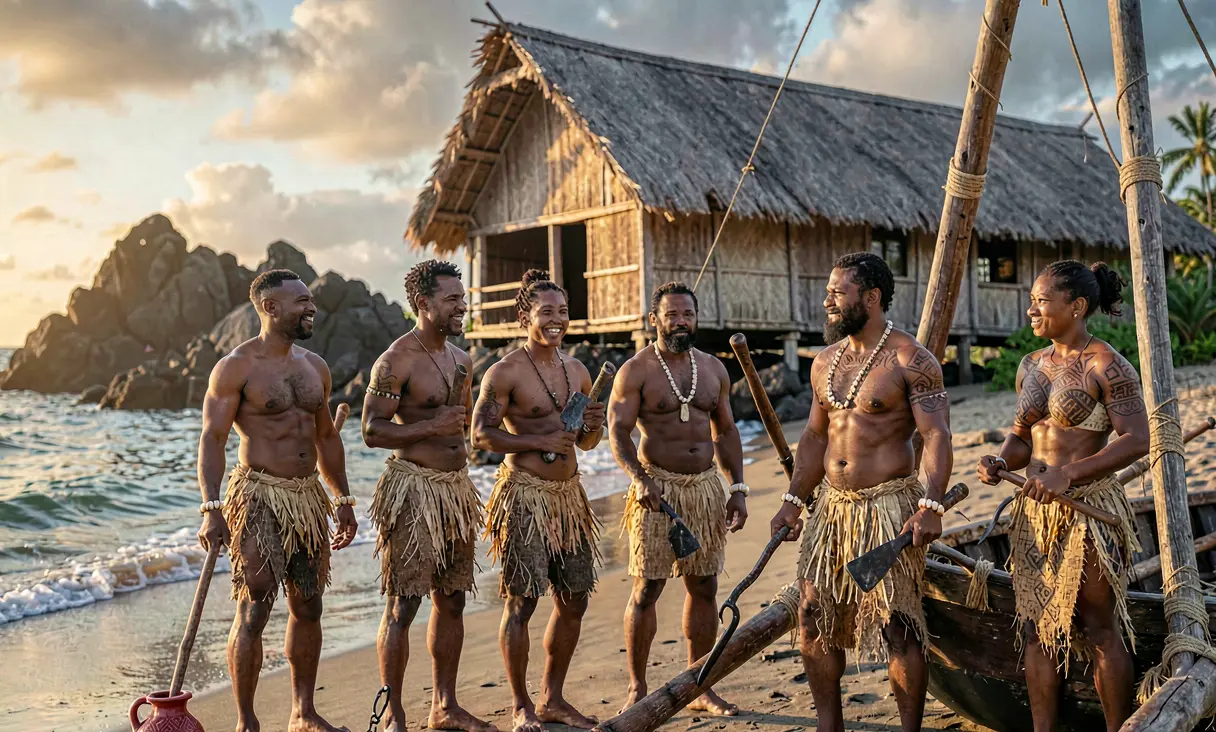 ExplorationLapita Settlement in Western Samoac. 1000 BCE · Western SamoaLapita voyagers reach the Samoan archipelago, marking the first entry into Remote Oceania.
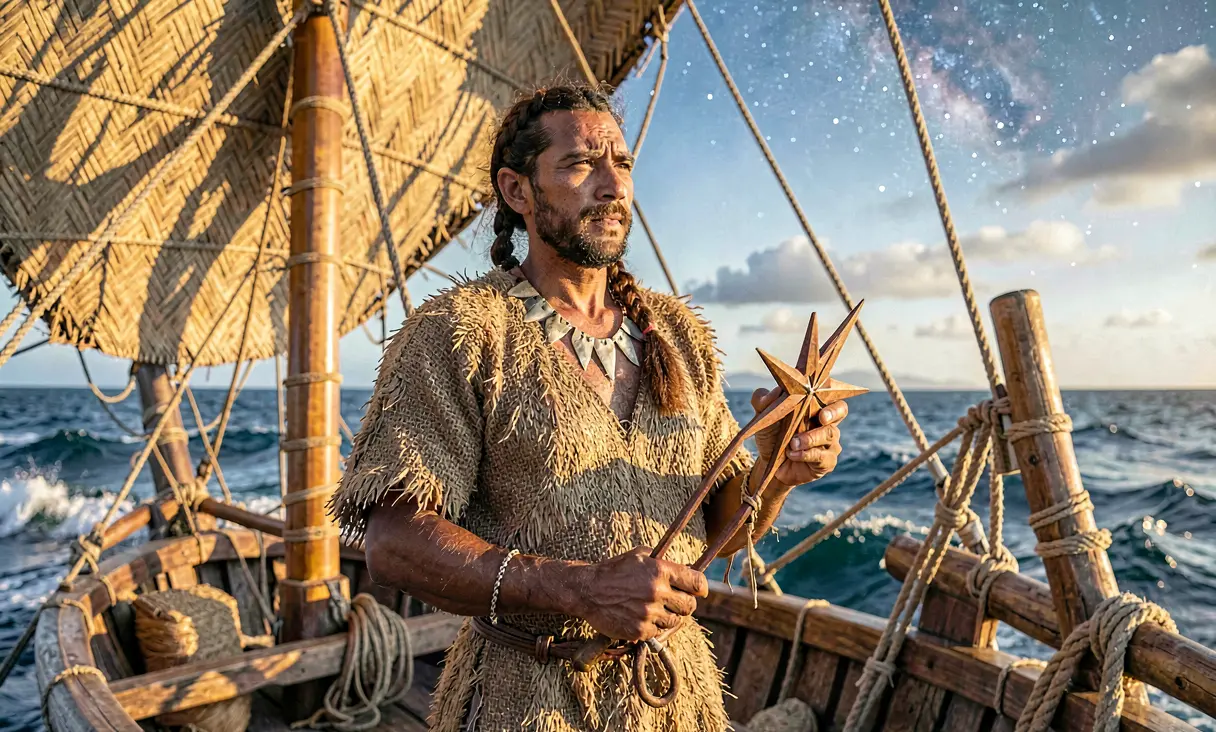 ScienceRefinement of Polynesian Wayfinding Techniquesc. 1000 BCE to 1500 CE · Pacific Ocean (Society Islands)Polynesian navigators perfect star paths and ocean swells to traverse the vast Pacific without instruments.
Discussion
Loading…