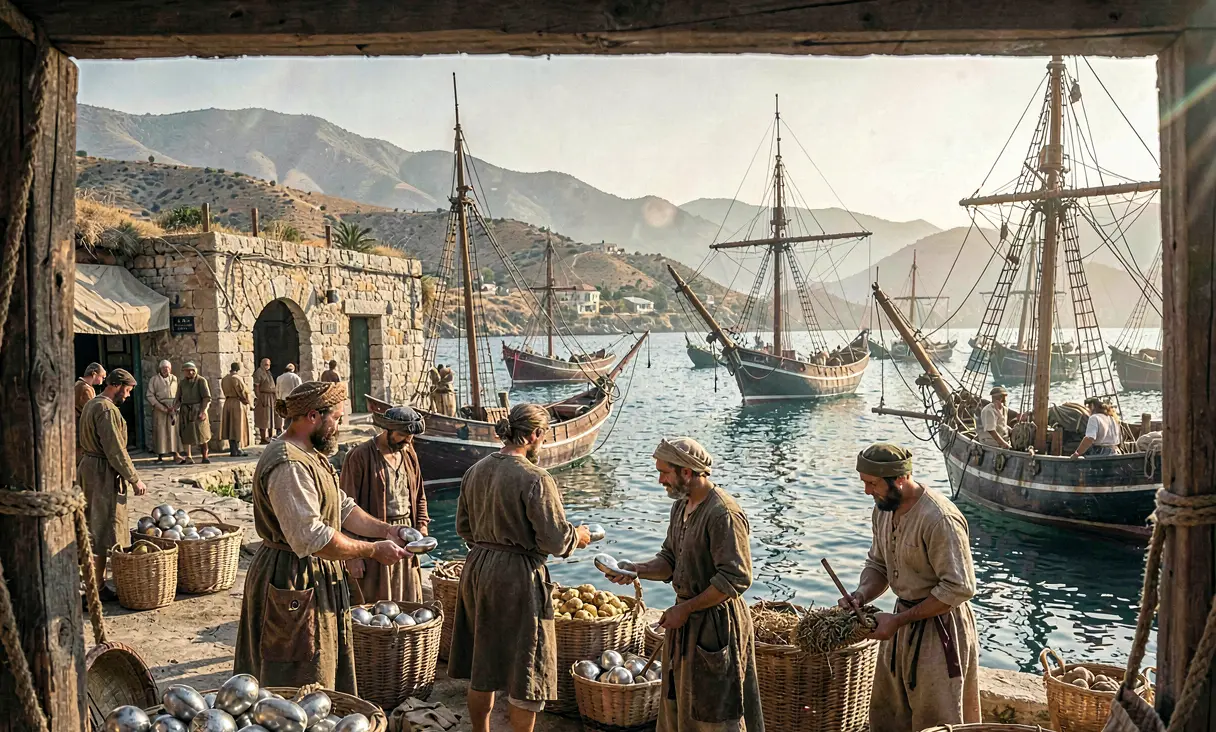
Establishment of Malaca (Malaga) by Phoenicians
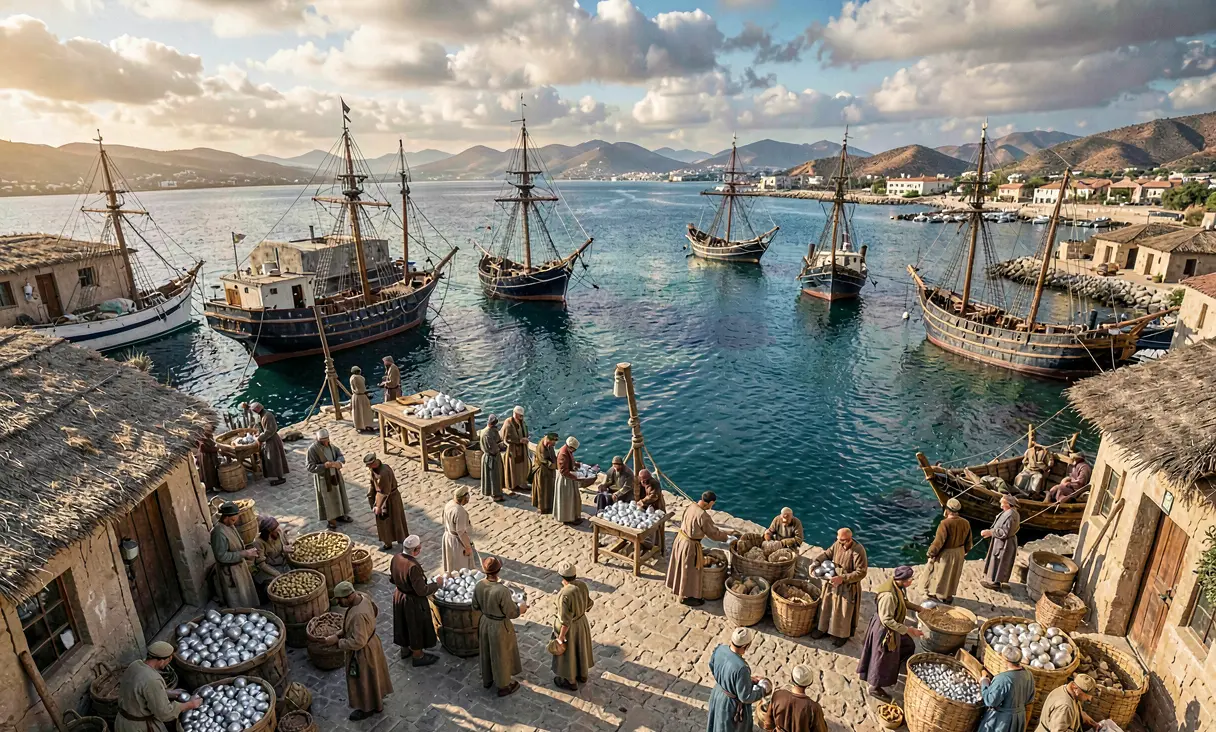
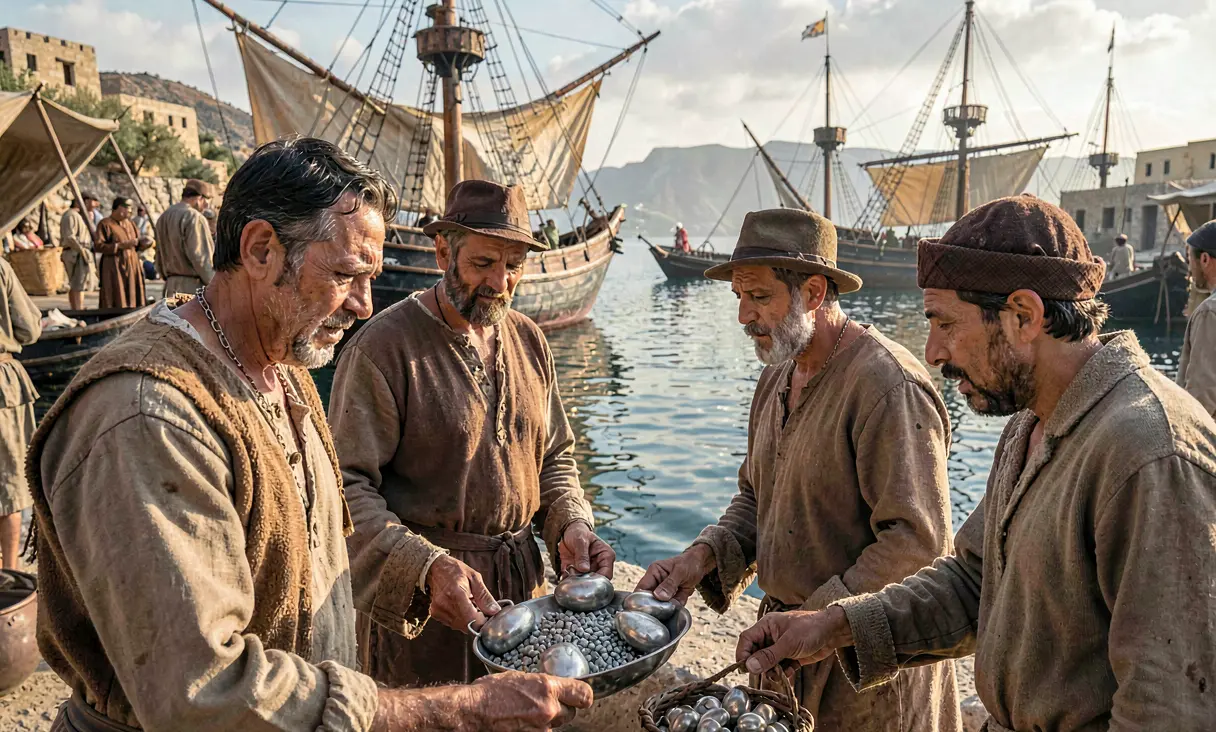
Founded c. 770 BCE by Tyrian merchants, Malaca became the pivotal gateway for exporting Iberian silver and tin, fundamentally shaping the economic and cultural landscape of southern Spain.
The Phoenician Horizon and Iberian Opportunity
By the late 9th century BCE, the Levantine city-state of Tyre had emerged as the preeminent maritime power of the Mediterranean. Driven by a voracious demand for raw materials that their arid homeland could not provide, Tyrian merchants cast their gaze westward across the Pillars of Hercules. The Iberian Peninsula, particularly its southern coast known to later Romans as Baetica, represented the westernmost frontier of the known world and a treasure trove of untapped wealth. Unlike the established Greek colonies in the east, this region offered vast, unexploited deposits of silver from the Rio Tinto mines and tin from the northwest, essential commodities for the bronze and emerging iron industries of the Near East.
Founding of Malaca: Strategic Calculus
Circa 770 BCE, a Tyrian expeditionary force established the settlement of Malaca on a sheltered promontory along the southern coast of modern-day Spain. The site was not chosen at random; it possessed a natural harbor protected by the Guadalmedina River estuary and sat directly adjacent to the Sierra Nevada, which provided access to the rich mineral veins of the hinterland. This location served as the perfect logistical nexus: ships could anchor safely while caravans transported ore from the interior, and the settlement lay on the critical maritime artery connecting the Atlantic to the Levantine ports of Tyre, Sidon, and Byblos. The name 'Malaca' likely derives from the Phoenician root for a salt-curing plant or a sheltered harbor, reflecting its immediate economic utility.
The Mechanics of a Trading Empire
The establishment of Malaca was less an act of conquest and more a sophisticated exercise in commercial diplomacy. The Phoenicians did not seek to displace the indigenous Tartessian culture but rather to integrate it into a vast trans-Mediterranean trade network. They introduced advanced metallurgical techniques, the potter's wheel, and the cultivation of olives and grapes, exchanging these technologies for local silver, gold, and tin. Archaeological strata from this period reveal a distinct layer of Phoenician material culture—specifically red-slip pottery and amphorae designed for bulk transport—intermingled with indigenous artifacts, suggesting a symbiotic relationship where the settlement acted as an entrepôt rather than a colonial garrison.
Cultural Synthesis and Urban Evolution
As Malaca grew from a seasonal trading post into a permanent urban center, it became a crucible for cultural fusion. The Phoenicians introduced the concept of organized urban planning, with grid-like street patterns and fortified walls that protected both the merchant warehouses and the local population. Religious practices also blended; the worship of Melqart, the patron deity of Tyre, merged with indigenous Iberian earth deities, creating a unique syncretic pantheon. This period marked the beginning of urbanization in southern Spain, transforming scattered tribal settlements into a cohesive economic zone that would eventually influence the rise of later Carthaginian and Roman cities.
The Aftermath: From Outpost to Powerhouse
In the centuries following its founding, Malaca evolved from a simple dependency of Tyre into an autonomous and wealthy city-state. As the Phoenician homeland faced increasing pressure from Assyrian expansion in the 8th century BCE, control over western outposts like Malaca became even more critical for economic survival. The city's wealth grew exponentially as it monopolized the flow of Spanish metals to the eastern Mediterranean. By the time Carthage rose to dominance in the 6th century BCE, Malaca was already a mature, fortified city and a key node in the Punic empire, serving as a vital naval base that projected power across the Strait of Gibraltar.
Legacy: The Enduring Shape of Málaga
The legacy of the Phoenician foundation is indelibly etched into the geography and history of Málaga. For nearly two millennia, the city remained a continuous center of commerce, surviving Roman conquests, Visigothic rule, and Muslim caliphates without ever losing its status as a primary Mediterranean port. The very name 'Málaga' is a direct linguistic descendant of 'Malaca,' preserving the Phoenician tongue in modern Spanish. Furthermore, the economic model established by these early merchants—leveraging local resources for global trade—set the precedent for the region's development, making it one of the oldest continuously inhabited cities in Europe and a testament to the enduring reach of Phoenician enterprise.
The founding of Malaca extended Phoenician influence into the Atlantic world and facilitated resource extraction from Spain.
Where it happened
Malaga (Malaca), Spain — see it on the interactive map →
Explore related history
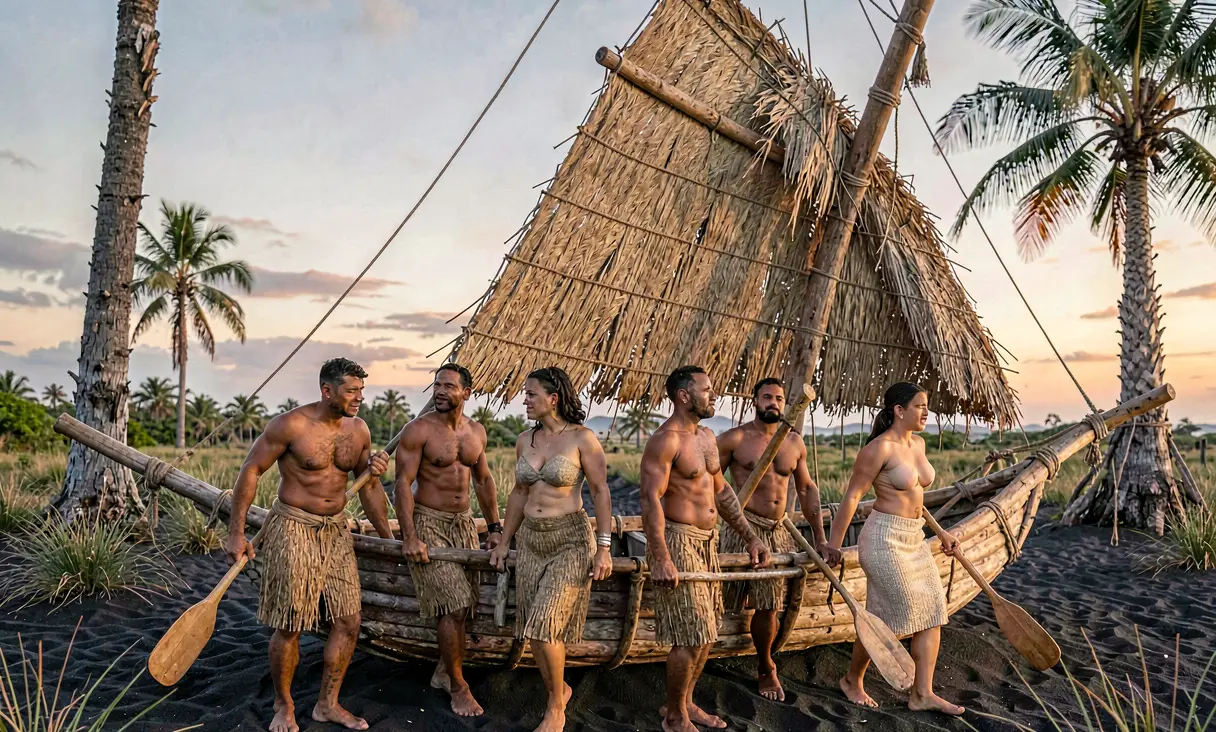 ExplorationSettlement of Rapa Nui (Easter Island)c. 800 CE · Rapa Nui (Easter Island), ChilePolynesian navigators reach the remote Rapa Nui and establish a unique island society.
 ExplorationSettlement of the Hawaiian Islandsc. 400 BCE to 800 CE · Hawaii (Big Island), USAPolynesian voyagers from the Marquesas and Society Islands settle the isolated Hawaiian archipelago.
 ExplorationPolynesian Expansion into the Society Islandsc. 300 BCE · Society Islands, French PolynesiaPolynesian voyagers colonize the Society Islands, establishing a central hub for further eastward expansion.
 WarAn Lushan Rebellion Begins755 CE · Chang'an, ChinaGeneral An Lushan revolts against Emperor Xuanzong, devastating the Tang Dynasty and population.
 DisasterCatastrophic Floods and Collapse of Moche San José de Moroc. 750 CE · Lambayeque Valley, PeruEl Niño floods devastate Moche infrastructure leading to societal transformation.
 CivilizationRise of the Etruscan League in Central Italyc. 750 BCE · Tarquinia (Cerveteri), ItalyEtruscan city-states form a powerful confederation dominating central Italy and influencing Rome.
Discussion
Loading…