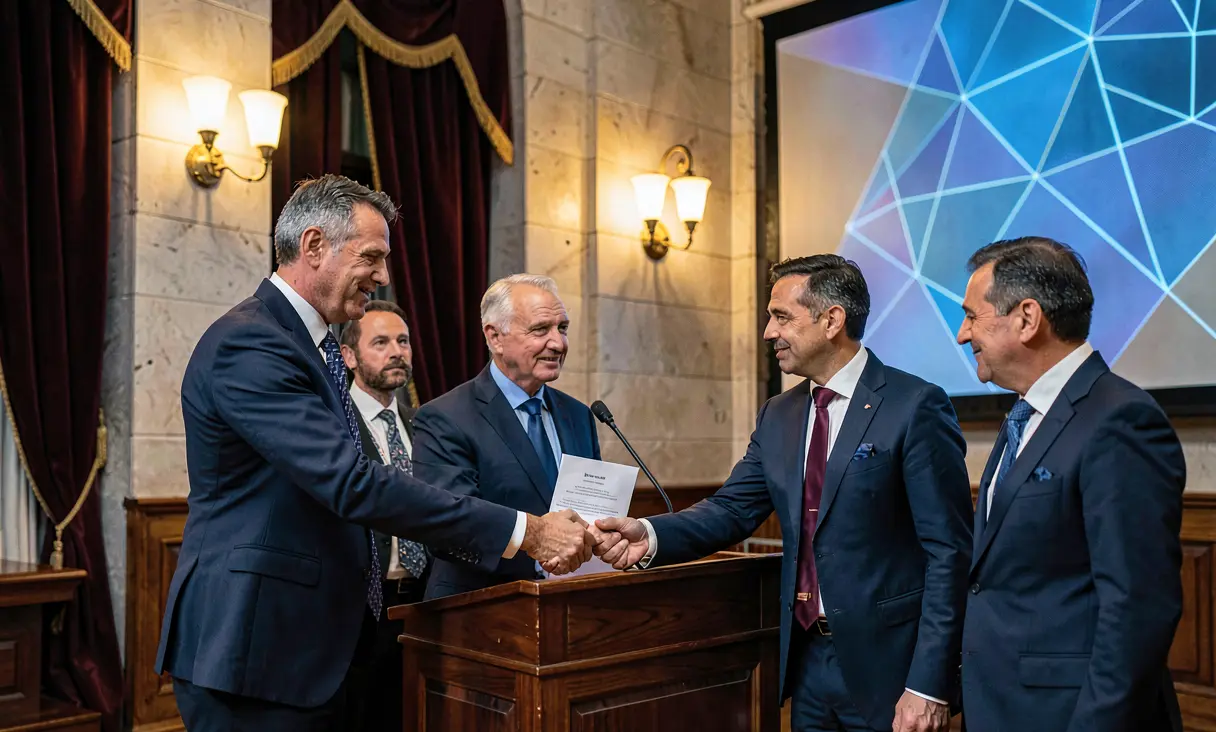
Paris Climate Agreement Adopted
In December 2015, nearly 200 nations united in Paris to adopt a historic accord aiming to limit global warming below 2°C through binding national commitments and unprecedented international cooperatio
Background and Rising Urgency
By the mid-2010s, the scientific consensus on anthropogenic climate change had solidified into an undeniable global crisis. The Intergovernmental Panel on Climate Change (IPCC) had issued stark warnings that limiting global warming to 2 degrees Celsius above pre-industrial levels was essential to avoid catastrophic ecological collapse. Previous diplomatic efforts, most notably the 1997 Kyoto Protocol, had struggled with enforcement and the exclusion of major emerging economies like China and India from binding targets. As extreme weather events intensified globally, the international community recognized that a new framework was required—one that could unite both developed and developing nations in a shared commitment to decarbonization.
The Negotiations at COP21
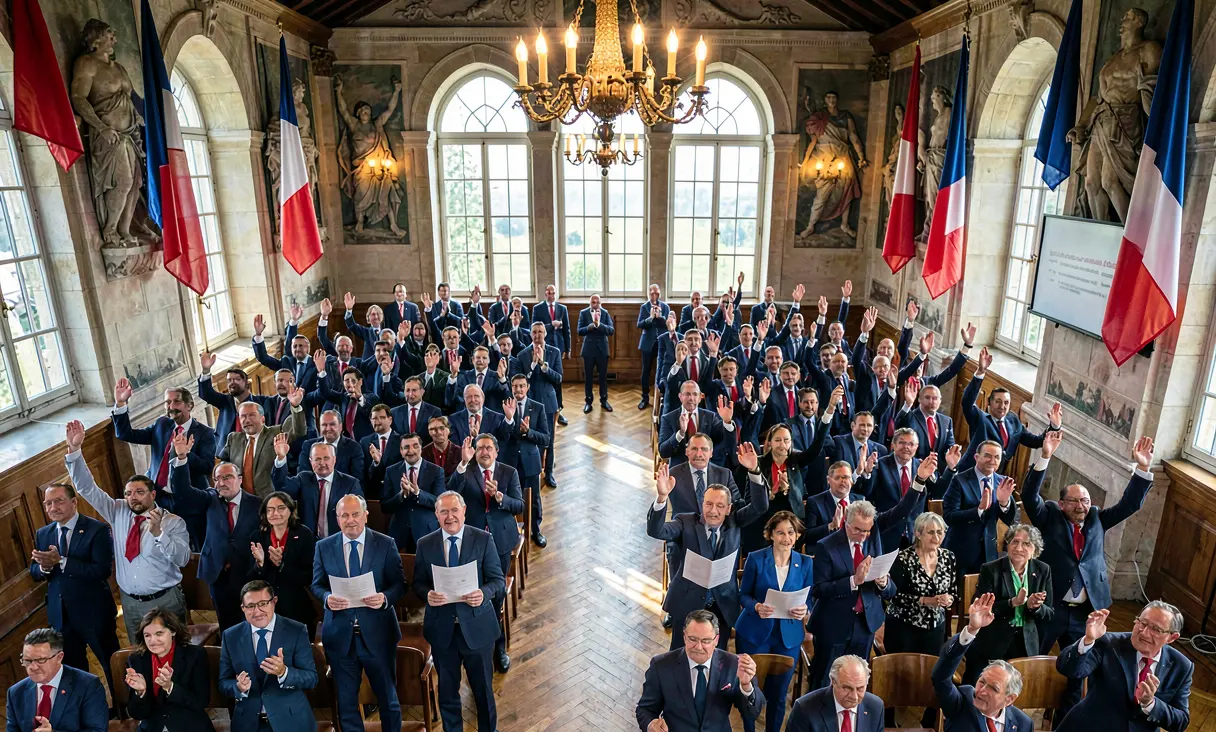
From November 30 to December 12, 2015, the 21st Conference of the Parties (COP21) convened at Le Bourget, just outside Paris, drawing nearly 40,000 participants including heads of state, scientists, and civil society activists. The atmosphere was charged with high stakes; French Foreign Minister Laurent Fabius presided over the talks with a mandate to secure a legally binding agreement by the deadline. Unlike previous summits that often ended in deadlock or non-binding declarations, the Paris negotiations were characterized by an unprecedented level of transparency and iterative drafting. Delegates worked around the clock, refining text to balance national sovereignty with collective responsibility, ultimately crafting a mechanism where each nation would determine its own Nationally Determined Contributions (NDCs).
Key Architects and Diplomats
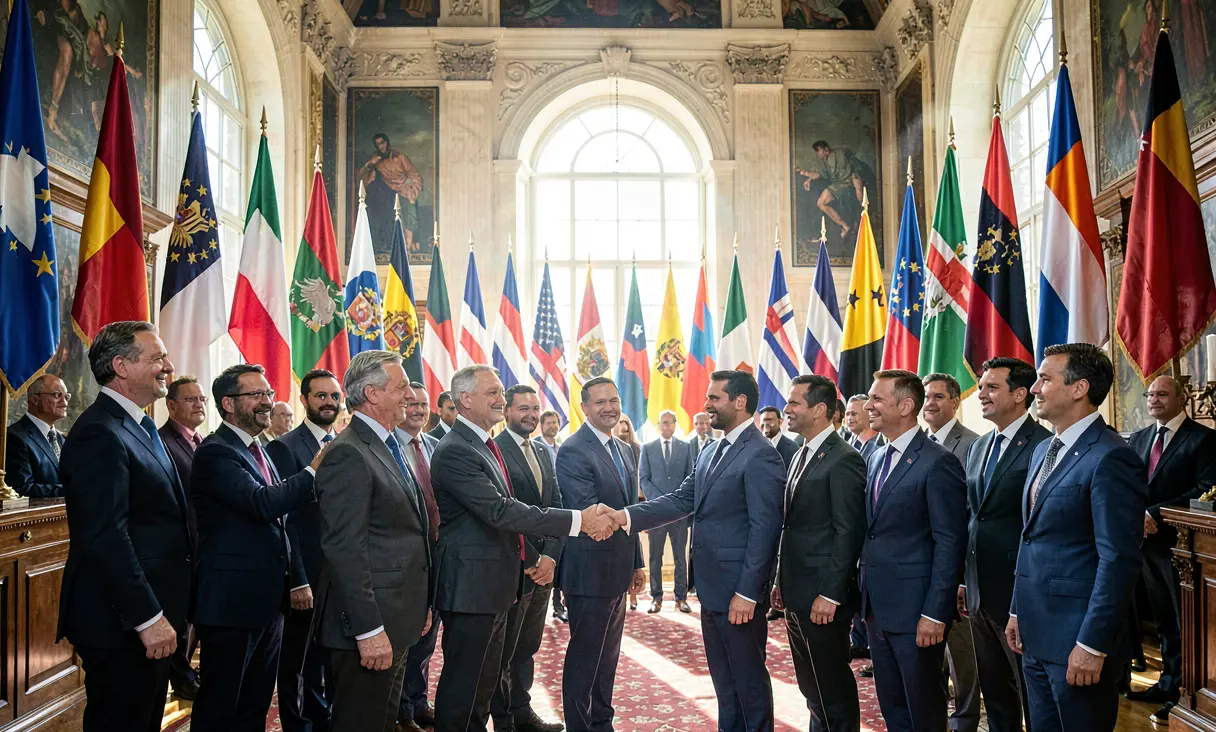
The success of the agreement hinged on the diplomatic maneuvering of key figures who bridged deep ideological divides. Christiana Figueres, the Executive Secretary of the UN Framework Convention on Climate Change (UNFCCC), provided the strategic vision and relentless optimism necessary to keep the process on track. French President François Hollande played a crucial role in hosting the summit with high-level political engagement, while US President Barack Obama and Chinese President Xi Jinping issued a joint pre-summit declaration that signaled a historic shift in Sino-American cooperation on climate policy. Their ability to align the world's two largest economies was instrumental in convincing other nations to commit to ambitious targets.
The Adoption of the Accord
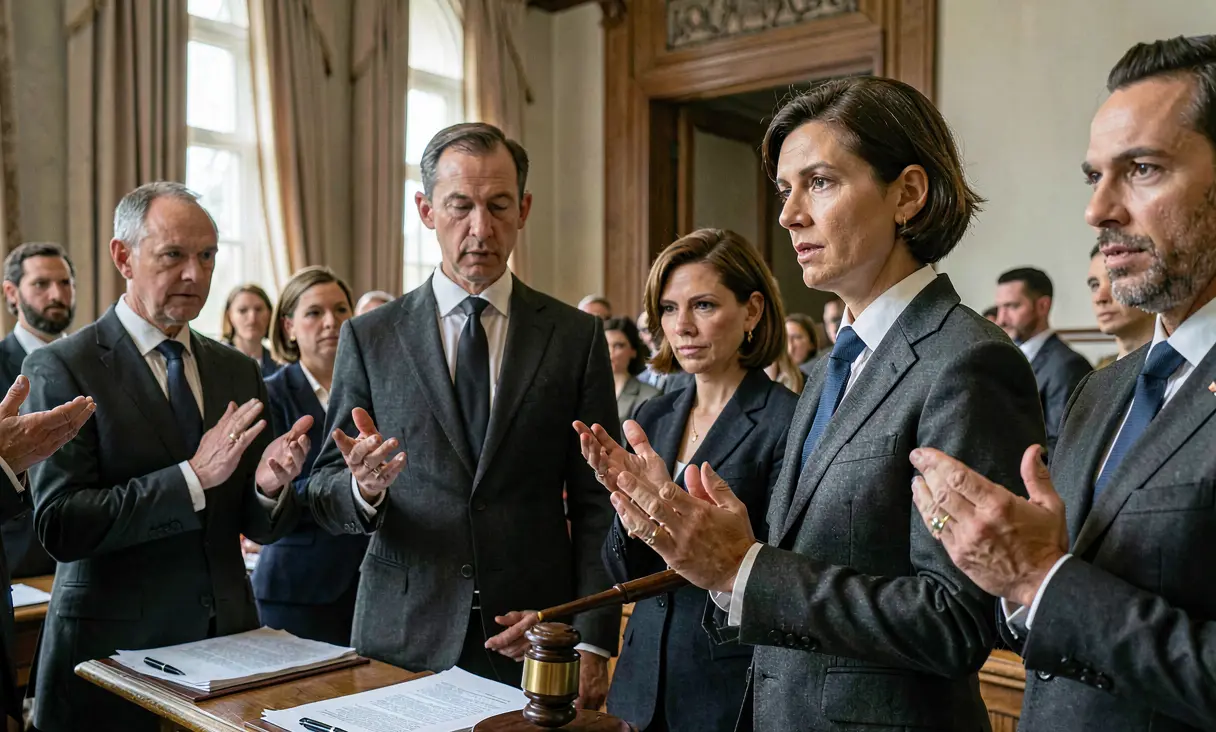
On December 12, 2015, after days of intense final negotiations that extended well past midnight, the text of the Paris Agreement was adopted by consensus. The agreement established a long-term goal to hold the increase in the global average temperature to well below 2°C above pre-industrial levels and to pursue efforts to limit the increase to 1.5°C. It introduced a 'ratchet mechanism,' requiring countries to submit increasingly ambitious NDCs every five years, ensuring that global action would intensify over time rather than stagnate. The accord also mandated a transparency framework for tracking progress and established a financial commitment from developed nations to mobilize $100 billion annually by 2020 to assist developing countries in mitigation and adaptation efforts.
Immediate Aftermath and Ratification
The adoption of the agreement was met with widespread celebration, yet the path to implementation proved complex. The Paris Agreement entered into force remarkably quickly on November 4, 2016, after being ratified by enough countries representing at least 55% of global greenhouse gas emissions—a process that took less than a year compared to decades for previous treaties. However, political volatility soon tested the accord's resilience; in June 2017, US President Donald Trump announced his intention to withdraw from the agreement, citing economic concerns and national sovereignty, which temporarily fractured the unified front established at Le Bourget.
Legacy and Global Significance
Despite political headwinds and the challenge of aligning national interests with global survival, the Paris Agreement remains a landmark achievement in international law. It shifted the paradigm from top-down mandates to a bottom-up approach, empowering nations while holding them accountable through peer pressure and transparency. As of the early 2020s, nearly every nation on Earth has ratified the accord, creating a universal framework for climate action that transcends traditional geopolitical rivalries. While the window to limit warming to 1.5°C is narrowing rapidly, the agreement established the normative standard against which all future climate policy and corporate strategy are measured, cementing its place as a defining moment of the Anthropocene.
It established the most comprehensive global framework for combating climate change.
Where it happened
Paris, France — see it on the interactive map →
Explore related history
 PoliticsFounding of the United NationsOctober 24, 1945 · San Francisco, USA (Charter signed)UN Charter ratified to prevent future global conflicts and promote cooperation.
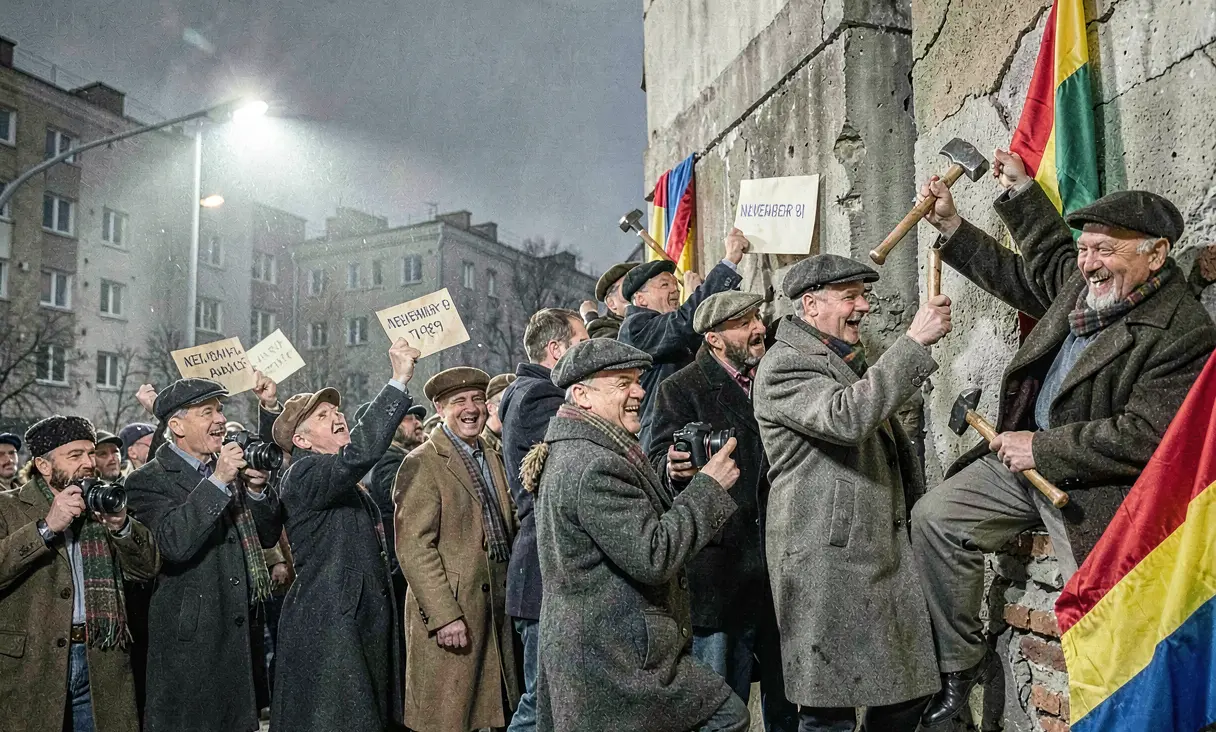 PoliticsFall of the Berlin WallNovember 9, 1989 CE · Berlin, GermanyCitizens breach the barrier dividing East and West Berlin ending Cold War division.
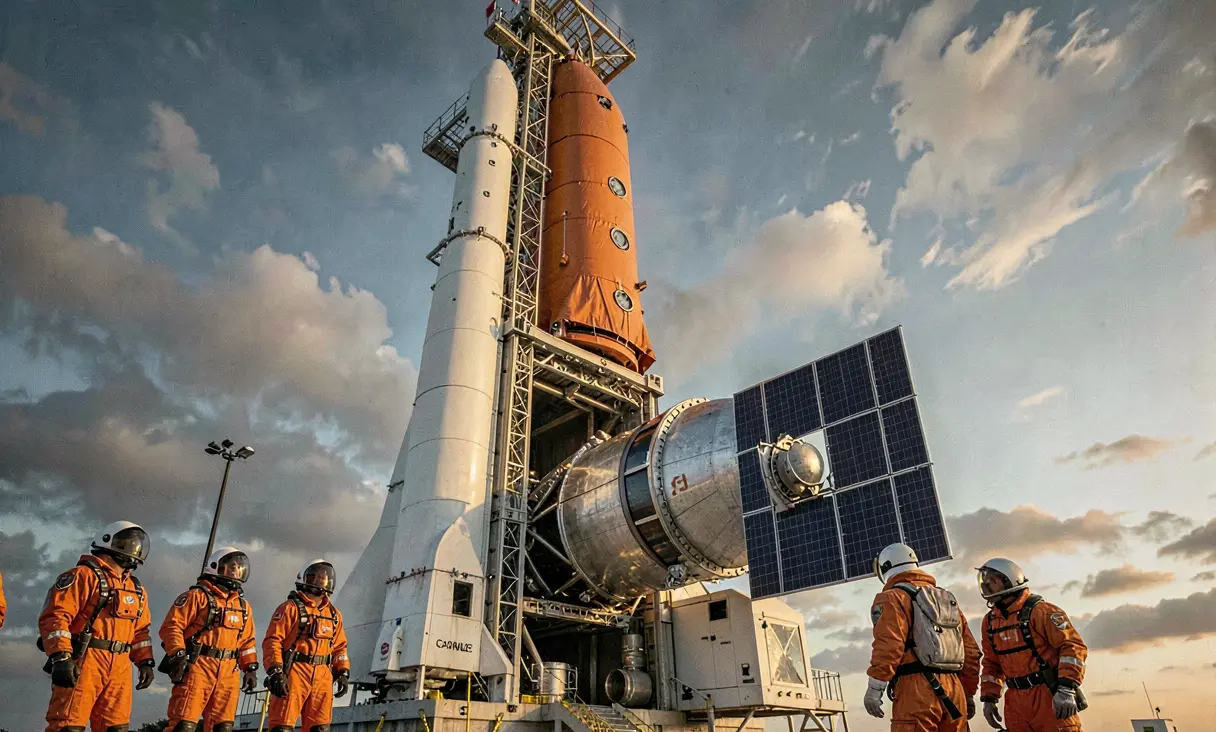 ScienceLaunch of Hubble Space TelescopeApril 24, 1990 CE · Cape Canaveral, USASpace telescope deployed into orbit providing unprecedented deep space observations.
 DisasterChernobyl Nuclear DisasterApril 26, 1986 CE · Pripyat, UkraineReactor explosion releases radiation contaminating large parts of Europe.
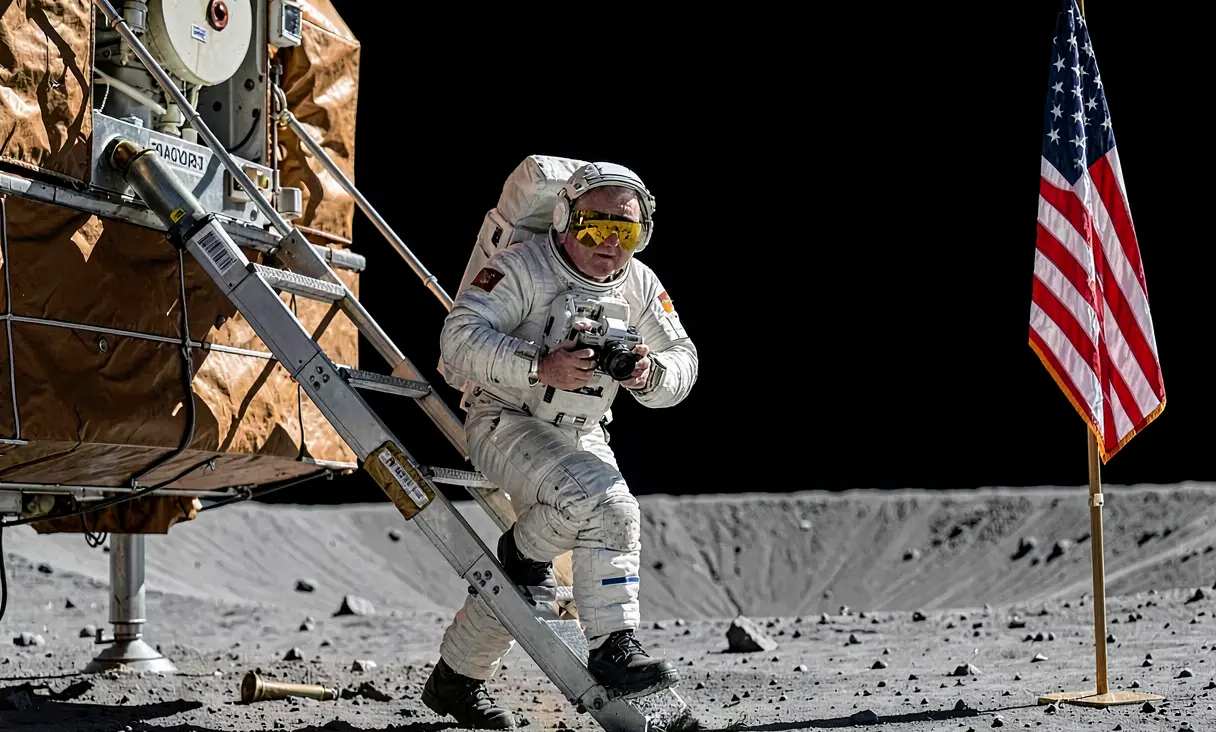 ExplorationApollo 11 Moon LandingJuly 20, 1969 CE · Cape Canaveral, USAHumans first walk on the lunar surface during the Space Race.
Discussion
Loading…