San Lorenzo Tenochtitlán Reaches Zenith
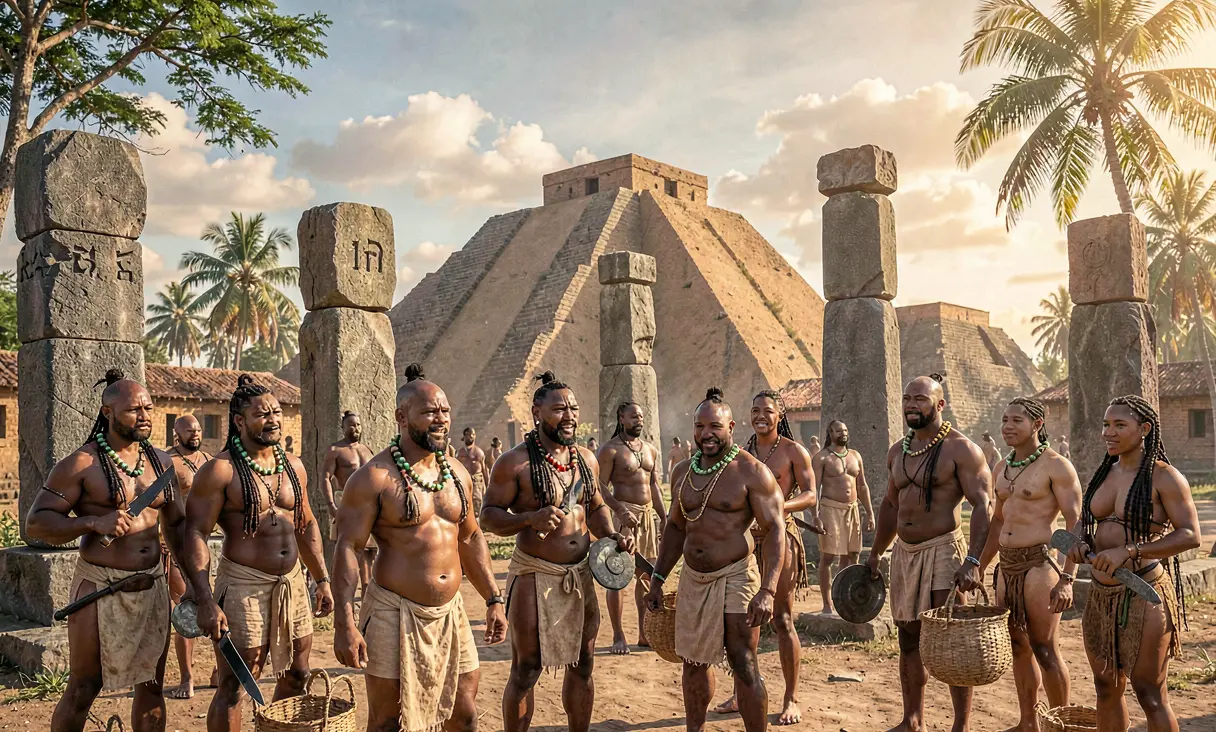
San Lorenzo Tenochtitlán's zenith around 1200 BCE established Mesoamerica's first civilization through colossal basalt monuments and advanced hydraulic engineering, setting the cultural template for a
The Cradle of Mesoamerican Civilization
By approximately 1200 BCE, the lowland tropical forests of southern Veracruz and Tabasco in modern-day Mexico became the stage for a transformation that would define the cultural trajectory of an entire hemisphere. San Lorenzo Tenochtitlán rose from the swampy banks of the Coatzacoalcos River to become the first major urban center in Mesoamerica, predating the great cities of Teotihuacán and Monte Albán by more than a millennium. This era marks the zenith of the Olmec civilization's Formative Period, where a centralized polity successfully mobilized vast labor forces to reshape the natural landscape into a monumental statement of political and religious power.
Engineering the Sacred Landscape
The physical dominance of San Lorenzo was not merely a product of organic growth but of deliberate, sophisticated hydraulic engineering. The site is built upon a massive artificial earthen plateau, elevated to protect against seasonal flooding while providing a commanding view of the surrounding delta. To manage the intense tropical rains and prevent catastrophic inundation, Olmec architects constructed an intricate system of stone-lined drainage canals and reservoirs. These channels, some carved directly into the bedrock and others lined with basalt slabs, demonstrate an advanced understanding of hydrology that allowed the city to thrive in a challenging environment, effectively turning the seasonal deluge into a controlled resource for agriculture and ritual.
The Colossal Monuments and Divine Authority
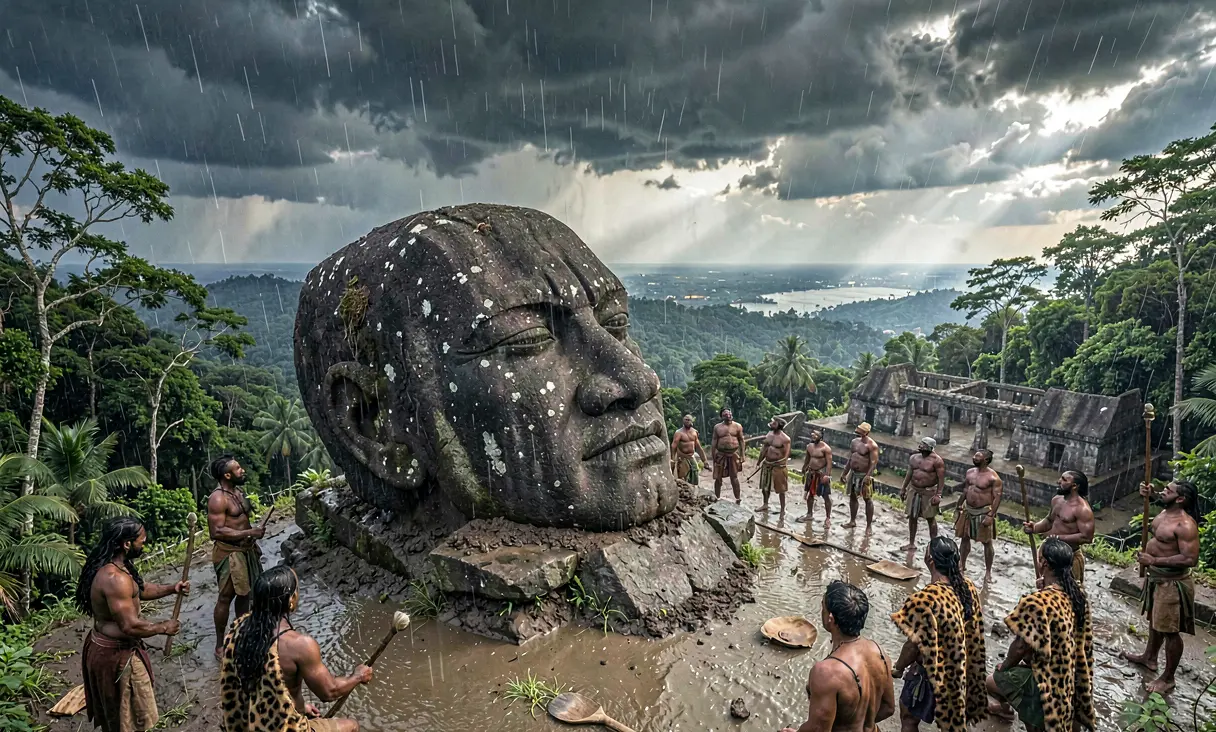
The most enduring symbols of San Lorenzo's zenith are its colossal basalt heads, thirteen of which have been identified at the site. Carved from single blocks of stone weighing between 6 and 25 tons, these sculptures depict specific rulers with distinct facial features, headdresses, and expressions that convey both human individuality and divine authority. The logistical feat required to transport this basalt from the Tuxtla Mountains, located over 80 kilometers away across difficult terrain without the use of the wheel or draft animals, remains one of archaeology's most impressive mysteries. These monuments were not merely art; they were political tools, strategically placed along causeways and plazas to assert the ruler's connection to the supernatural realm and his absolute control over the populace.
The Were-Jaguar and Religious Iconography
Beyond the stone giants, San Lorenzo established a complex religious iconography that would permeate all subsequent Mesoamerican cultures. The dominant motif of this period is the 'were-jaguar,' a hybrid figure combining human and feline characteristics, often depicted with a cleft head and downturned mouth. This imagery likely represented shamanic transformation or the embodiment of rain deities, central to an agrarian society dependent on seasonal cycles. Artifacts found at San Lorenzo, including jade celts, ceramic figurines, and basalt altars (such as Altar 4), reveal a sophisticated cosmology where rulers acted as intermediaries between the human world and the spirit realm, solidifying their status through ritual performance and iconographic consistency.
The Zenith and Its Sudden Decline
Despite its monumental achievements, San Lorenzo's dominance was relatively short-lived. Around 900 BCE, the site experienced a rapid and violent decline, marked by systematic defacement of its colossal heads and the destruction of its ceremonial center. Evidence suggests that this was not due to natural environmental collapse alone but rather a deliberate act of political erasure, possibly orchestrated by rival polities or internal rebellion. The sudden abandonment left the great plateau silent, with its massive sculptures toppled into ravines, signaling the end of San Lorenzo's hegemony and the shift of Olmec power to La Venta further east.
A Legacy Carved in Stone
The zenith of San Lorenzo Tenochtitlán laid the foundational bedrock for Mesoamerican civilization. The artistic styles, religious concepts, and political structures developed here—specifically the concept of divine kingship and the use of monumental sculpture to project power—became the template for the Maya, Aztec, and other cultures that followed. Although San Lorenzo itself was abandoned, its cultural DNA persisted through La Venta, Tres Zapotes, and beyond. The site stands as a testament to the first great urban experiment in the New World, proving that complex state-level societies could flourish in the tropical lowlands long before European contact.
San Lorenzo set the precedent for urban planning and monumental art in pre-Columbian history.

Where it happened
San Lorenzo, Veracruz, Mexico — see it on the interactive map →
Explore related history
 CivilizationEmergence of Norte Chico Urban Centersc. 3000 BCE · Caral-Supe Valley, PeruThe Norte Chico civilization establishes the oldest known cities in the Americas.
 CivilizationUrban Planning of Mohenjo-daroc. 2600 BCE · Mohenjo-daro, PakistanThe Indus Valley Civilization constructs Mohenjo-daro with advanced grid systems and the world's first known urban sanitation.
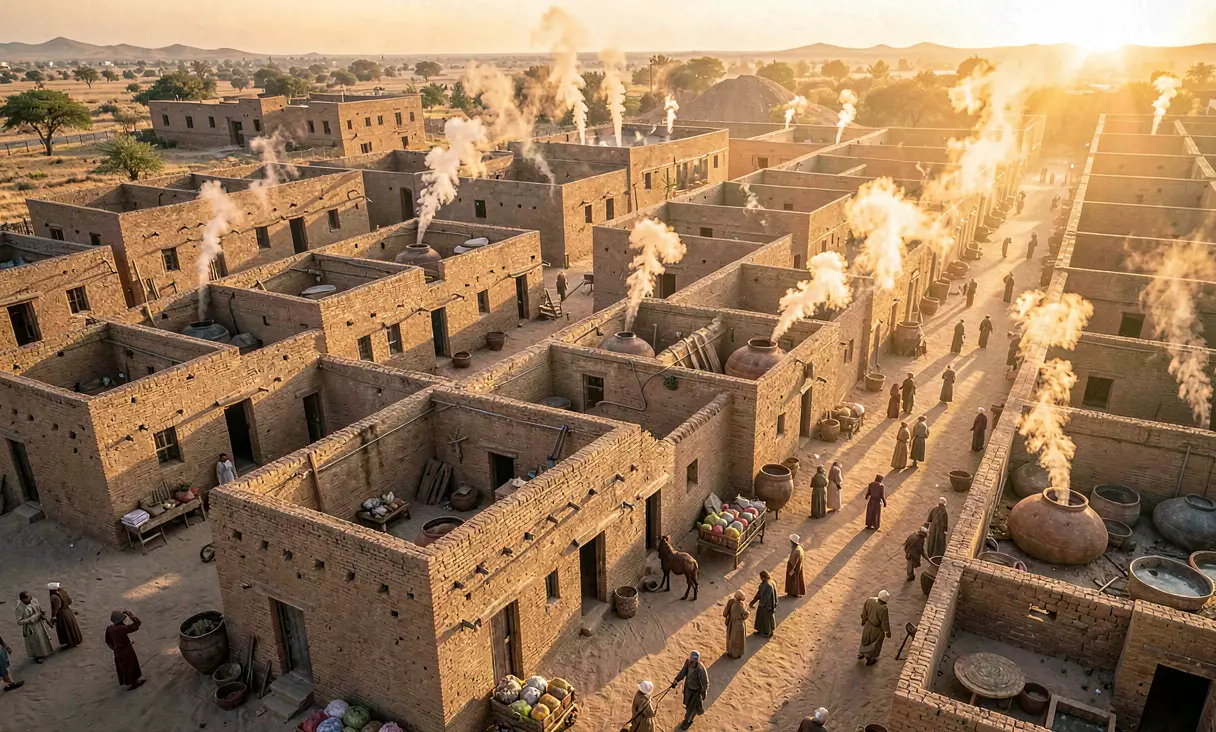 CivilizationUrbanization of Harappa and Mohenjo-daroc. 2600 BCE · Harappa and Mohenjo-daro, Indus Valley (modern Pakistan)The mature Harappan phase begins, establishing the first large-scale urban centers in South Asia with advanced grid planning.
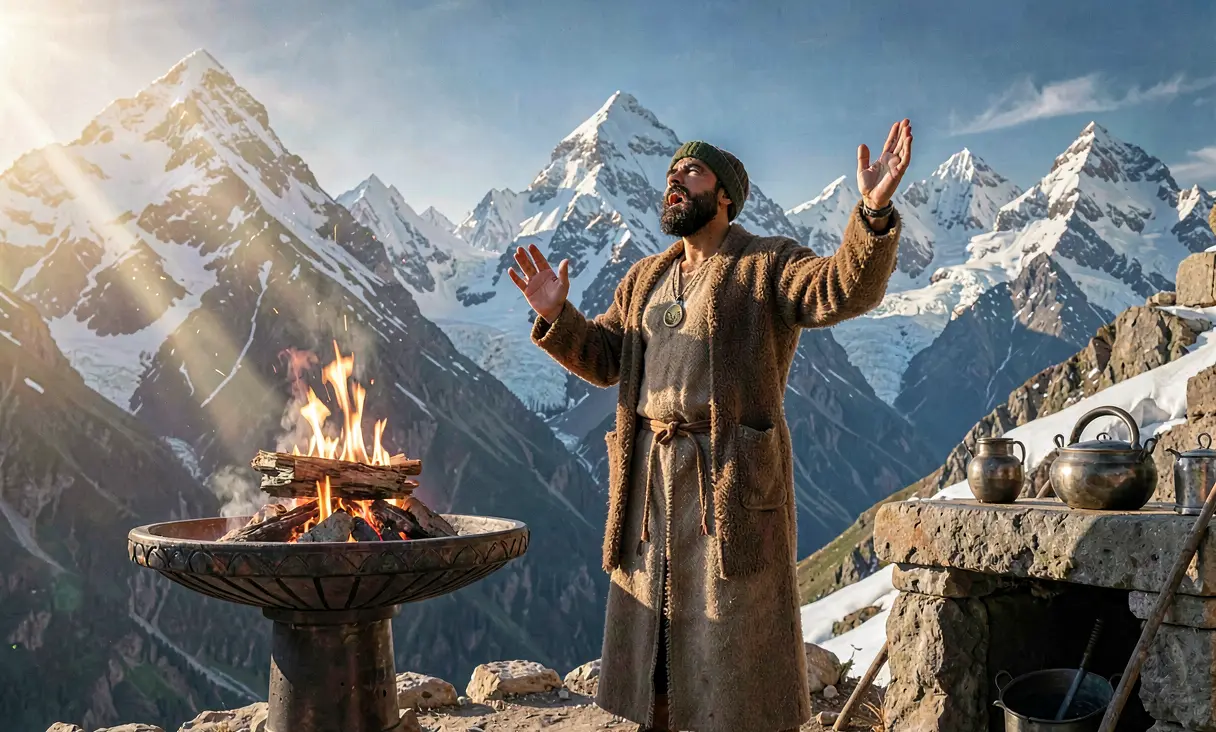 ReligionZoroaster Preaches Dualistic Monotheismc. 1200 BCE · Greater Khorasan, Iran/Afghanistan border regionThe prophet Zoroaster establishes a dualistic faith emphasizing the cosmic struggle between good and evil in ancient Persia.
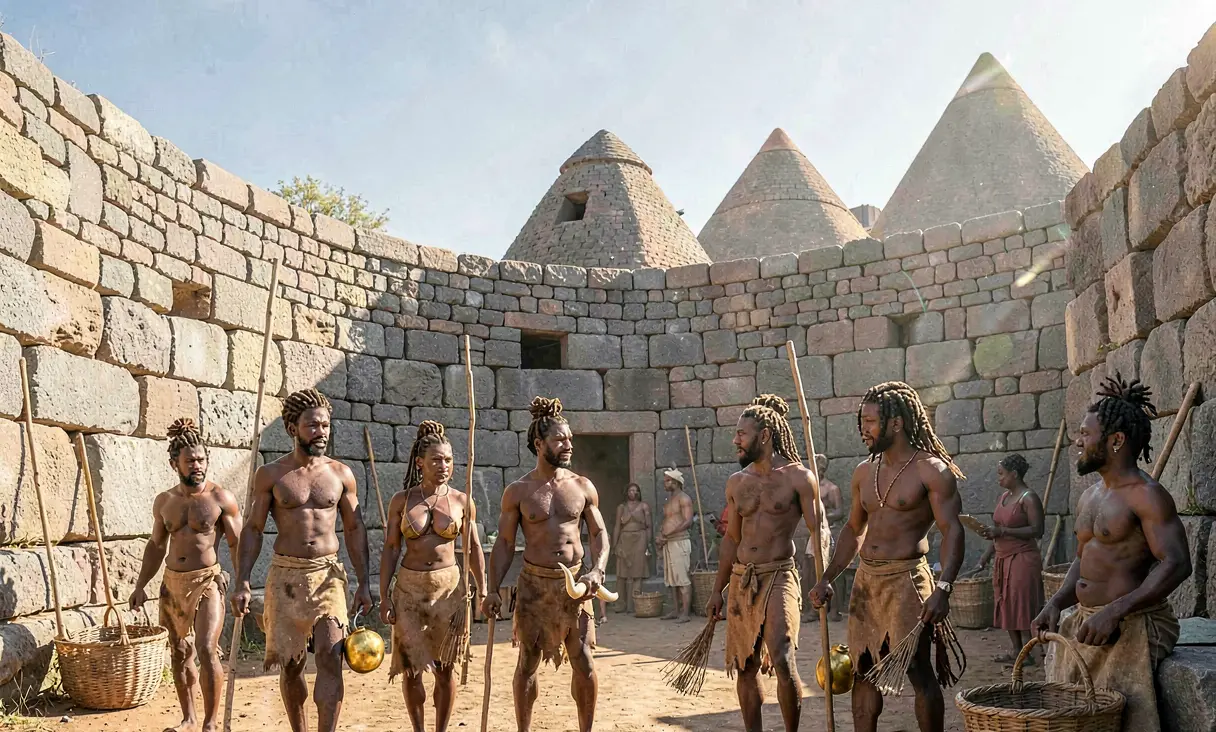 CivilizationConstruction and Peak of Great Zimbabwec. 1200 CE · Great Zimbabwe, ZimbabweThe Great Zimbabwe complex reaches its zenith as a major trading hub connecting the interior to the Swahili coast.
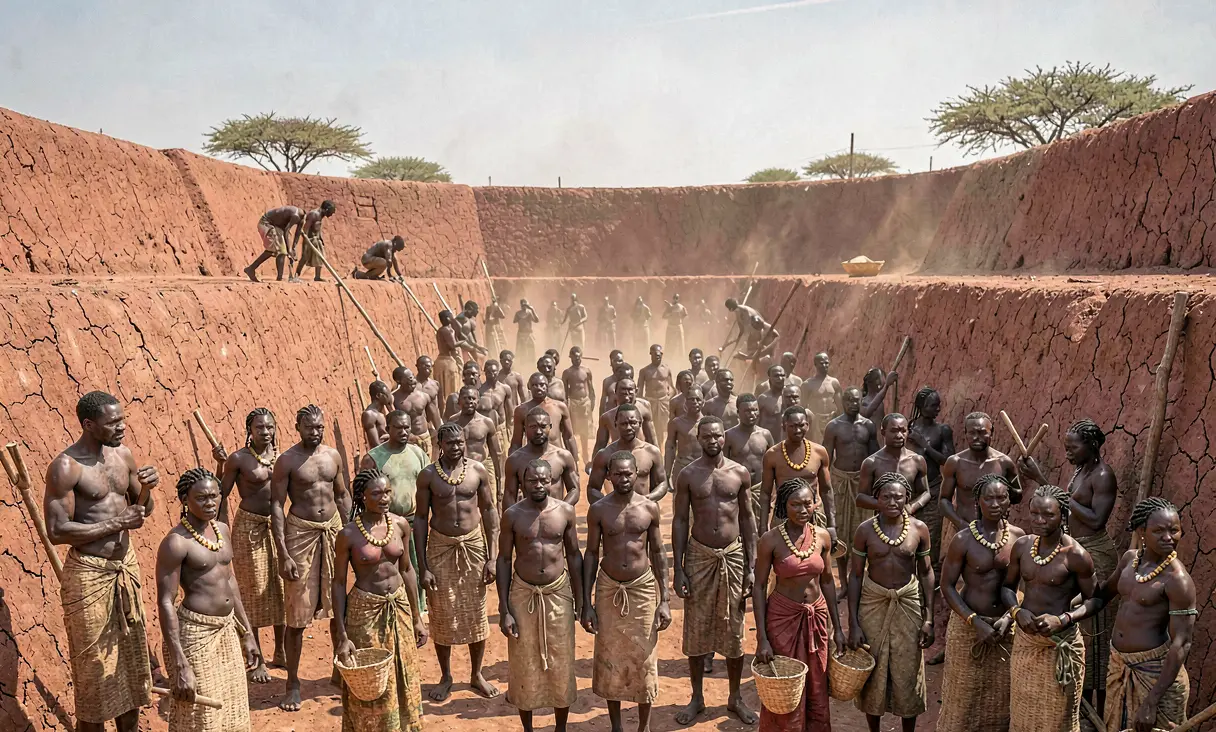 TechnologyConstruction of the Benin Walls Beginsc. 1200 CE · Benin City, NigeriaMassive earthwork fortifications begin to encircle Benin City, creating one of the world's largest pre-modern structures.
Discussion
Loading…