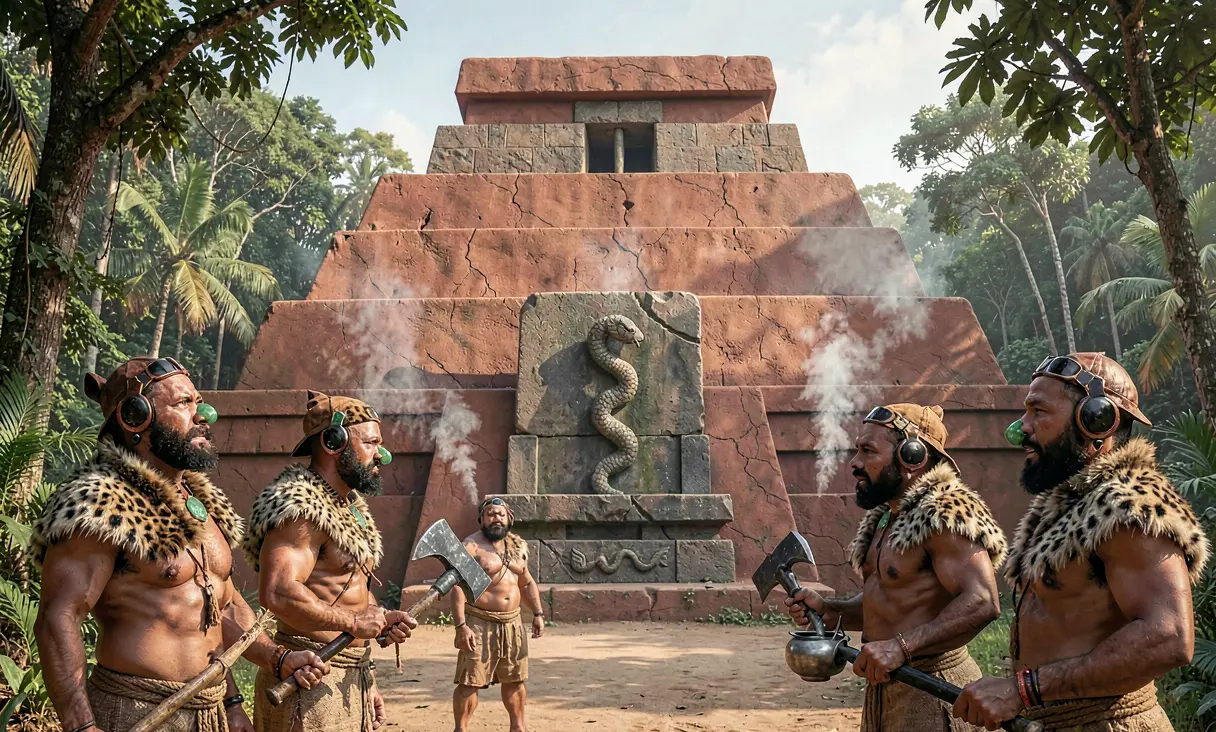
Consecration of La Venta's Great Pyramid
The c. 900 BCE consecration of La Venta's Great Pyramid established the first true pyramid in Mesoamerica, cementing the Olmec transition to a shamanistic theocracy and setting the architectural templ
The Shift of Power in the Olmec Heartland
By approximately 900 BCE, the political and religious landscape of Mesoamerica underwent a profound transformation as the preeminent center of San Lorenzo Tenochtitlán fell into decline. For centuries, San Lorenzo had dominated the region through its colossal stone heads and sophisticated hydraulic engineering, but by the late second millennium BCE, signs of deliberate destruction and abandonment suggested a violent overthrow or internal collapse. In this vacuum of power, the Olmec civilization reoriented itself toward the coastal lowlands of Tabasco, establishing La Venta as the new capital. This strategic relocation was not merely administrative; it represented a fundamental shift in cosmological orientation, moving from the high riverine terraces to the swampy, island-like environment of the Tuxtla Mountains' foothills.
Engineering the First True Pyramid
At the heart of this new era stood the Great Pyramid of La Venta, a monumental feat of engineering that redefined architectural possibilities in the ancient Americas. Unlike later stone pyramids of the Maya or Aztec, this structure was constructed entirely from clay and earth, meticulously layered to form a massive, cruciform mound rising approximately 30 meters (100 feet) above the surrounding marshland. Spanning roughly 128 by 76 meters at its base, it remains the largest single volume of construction in pre-Columbian Mesoamerica prior to the Classic period. The pyramid's design was not arbitrary; its shape mimicked a sacred mountain or volcano, serving as a physical axis mundi that connected the earthly realm with the supernatural forces inhabiting the sky and the underworld.
Rituals of Consecration and Burial
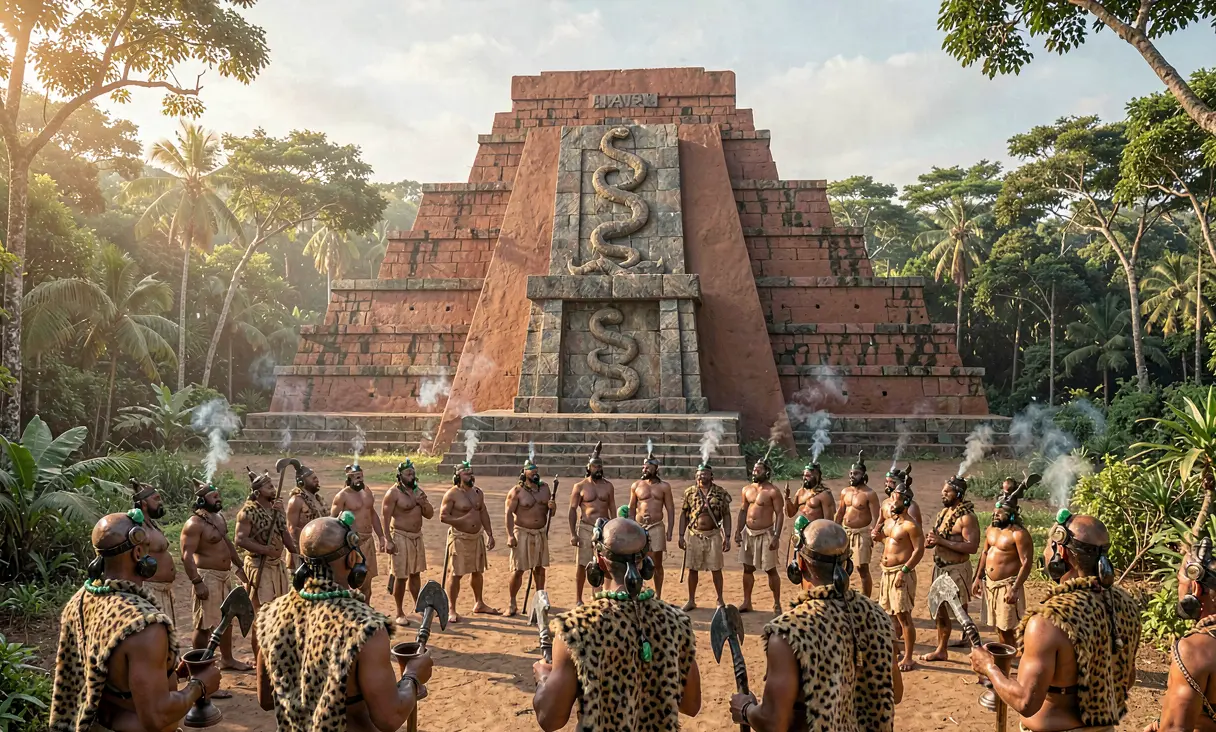
The consecration of the Great Pyramid was likely a protracted series of ceremonies involving the entire Olmec elite, though no single named king is recorded from this specific moment. Archaeological evidence suggests that the construction itself was an act of devotion, with the mound being built in stages, each layer sealed with ritual offerings before the next was added. Beneath the surface and within the core of the pyramid lay caches of extraordinary wealth and symbolic power: massive stone altars carved from single blocks of basalt, representing portals to the underworld; polished jade celts arranged in precise geometric patterns; and figurines depicting were-jaguars and shamanic figures. These offerings were not merely buried treasures but active participants in the ritual, intended to anchor the pyramid's spiritual potency and legitimize the ruling lineage's divine right to govern.
The Emergence of a Shaman-King Society
The rise of La Venta marked a distinct evolution in Olmec governance, characterized by an intensified emphasis on shamanistic rituals and theocratic authority. While San Lorenzo had been dominated by powerful rulers whose images were carved into colossal heads, La Venta's iconography focused more heavily on the transformation of humans into jaguars or other supernatural entities. The Great Pyramid served as the stage for these complex ceremonies, where the ruling elite likely acted as intermediaries between the human and divine realms. This period saw the standardization of Olmec religious symbols across a vast network of trade routes, spreading the visual language of the jaguar, the feathered serpent, and the maize god from Chiapas to central Mexico.
Legacy and the Enduring Influence
The consecration of La Venta's Great Pyramid established a blueprint for Mesoamerican civilization that would endure for over two millennia. It was the first true pyramid in the Americas, setting a precedent for the monumental architecture that would later define Teotihuacan, the Maya city-states, and Tenochtitlan. The site remained a major ceremonial center until roughly 400 BCE, when it too was mysteriously abandoned, possibly due to environmental changes or tectonic shifts that altered the local hydrology. Yet, its influence persisted; the concept of the pyramid as a sacred mountain, the use of ritual offerings to consecrate space, and the integration of art and religion became foundational elements of every subsequent culture in the region.
La Venta's Great Pyramid established the pyramid form that would define Mesoamerican architecture for millennia.
Where it happened
La Venta, Tabasco, Mexico — see it on the interactive map →
Explore related history
 CivilizationEmergence of Norte Chico Urban Centersc. 3000 BCE · Caral-Supe Valley, PeruThe Norte Chico civilization establishes the oldest known cities in the Americas.
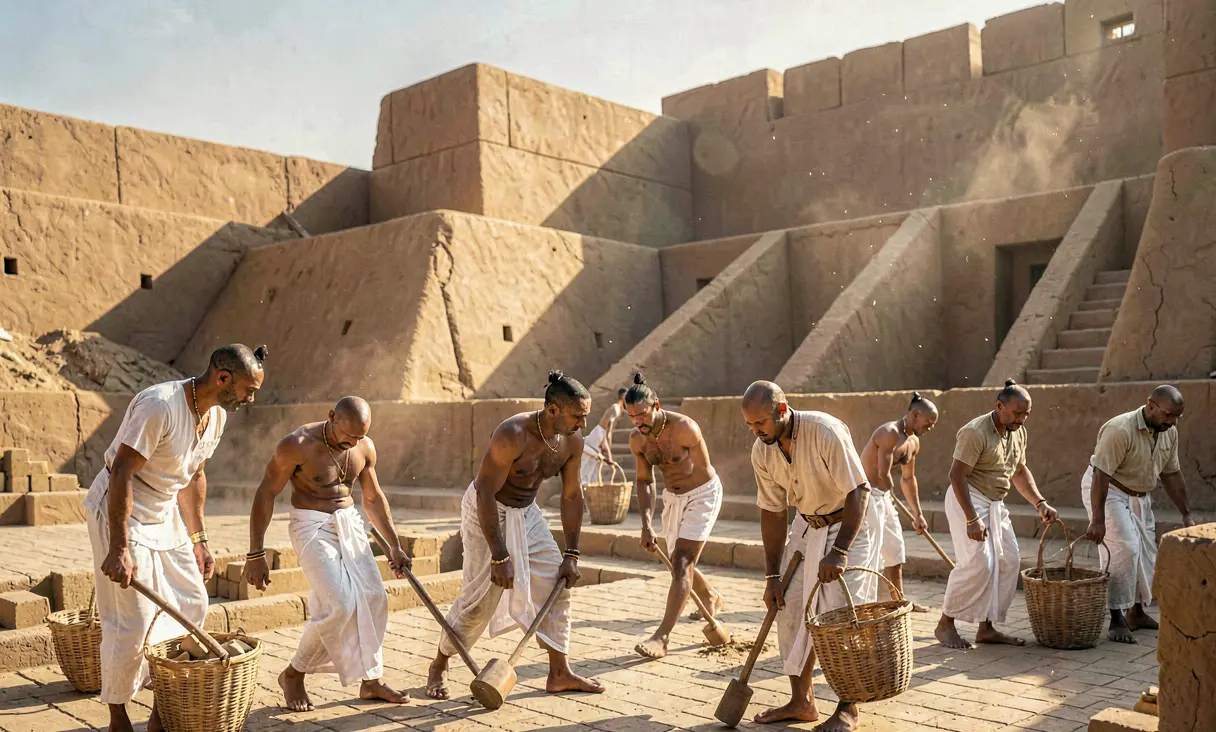 CivilizationUrban Planning of Mohenjo-daroc. 2600 BCE · Mohenjo-daro, PakistanThe Indus Valley Civilization constructs Mohenjo-daro with advanced grid systems and the world's first known urban sanitation.
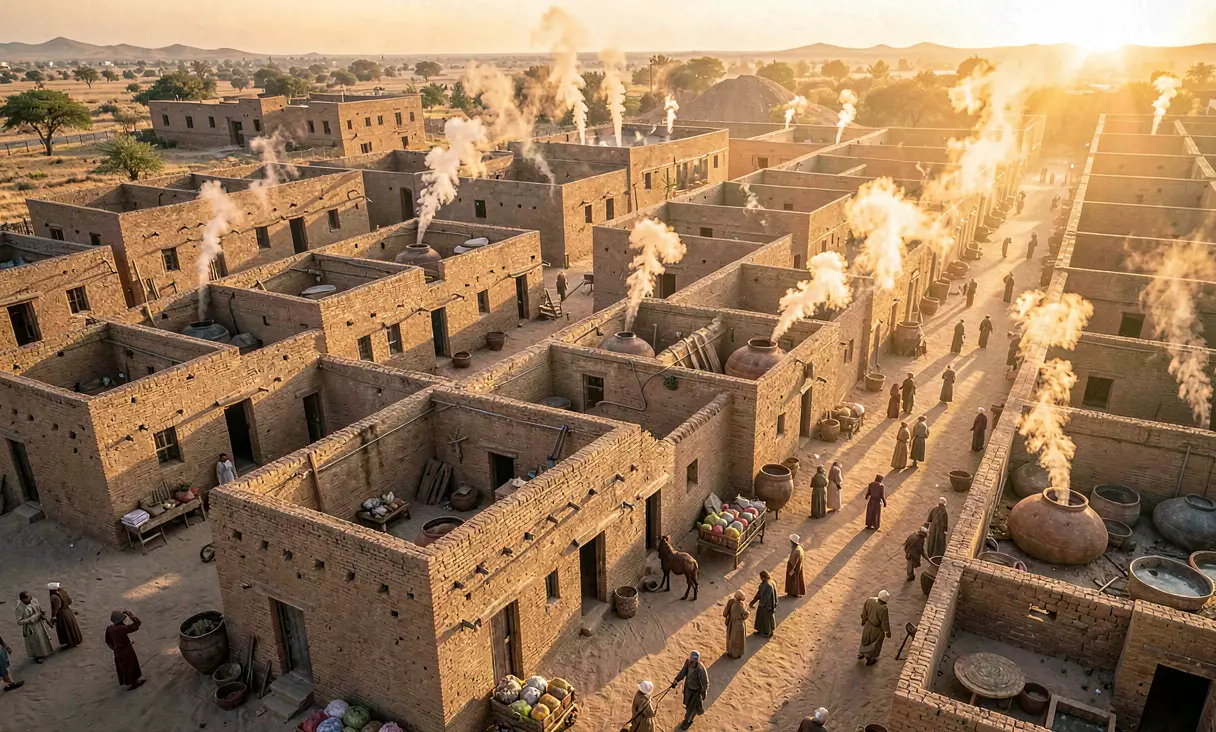 CivilizationUrbanization of Harappa and Mohenjo-daroc. 2600 BCE · Harappa and Mohenjo-daro, Indus Valley (modern Pakistan)The mature Harappan phase begins, establishing the first large-scale urban centers in South Asia with advanced grid planning.
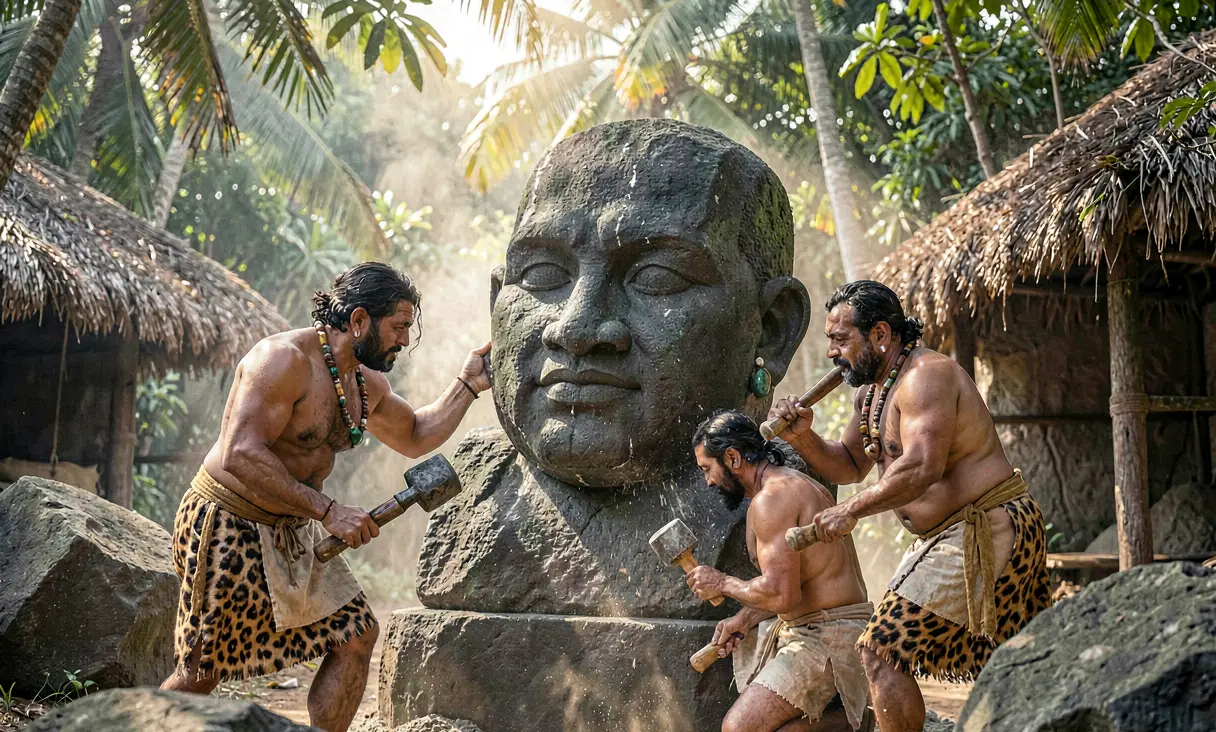 ArtCarving of Olmec Colossal Headsc. 900 BCE · San Lorenzo Tenochtitlan, MexicoThe Olmec civilization carves massive basalt heads depicting rulers, establishing the first major complex society in Mesoamerica.
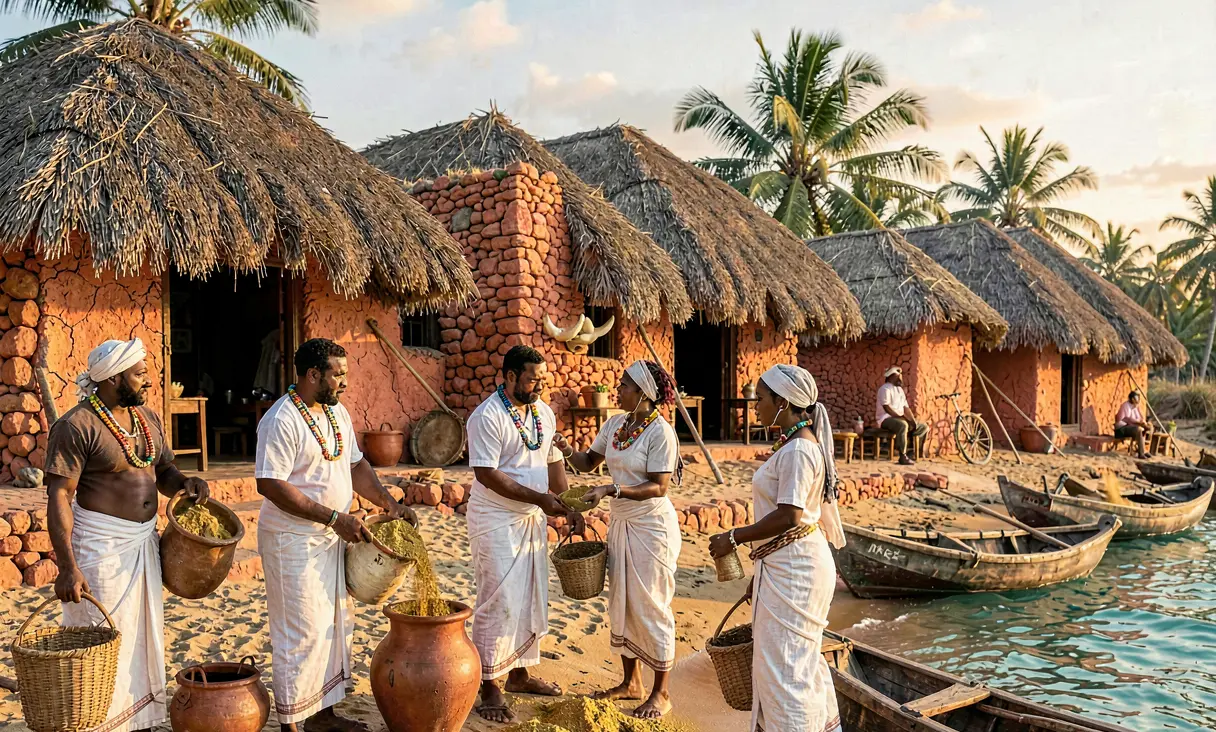 ExplorationFoundation of Kilwa Kisiwani as a Major Trade Hubc. 900 CE · Kilwa Kisiwani, TanzaniaKilwa emerges as a dominant Swahili city-state controlling gold trade from Great Zimbabwe to the Indian Ocean.
 WarHuang Chao Rebellion and Fall of Tang874 CE · Shandong Province, ChinaHuang Chao leads a massive peasant uprising that sacks Chang'an and destroys Tang authority.
Discussion
Loading…