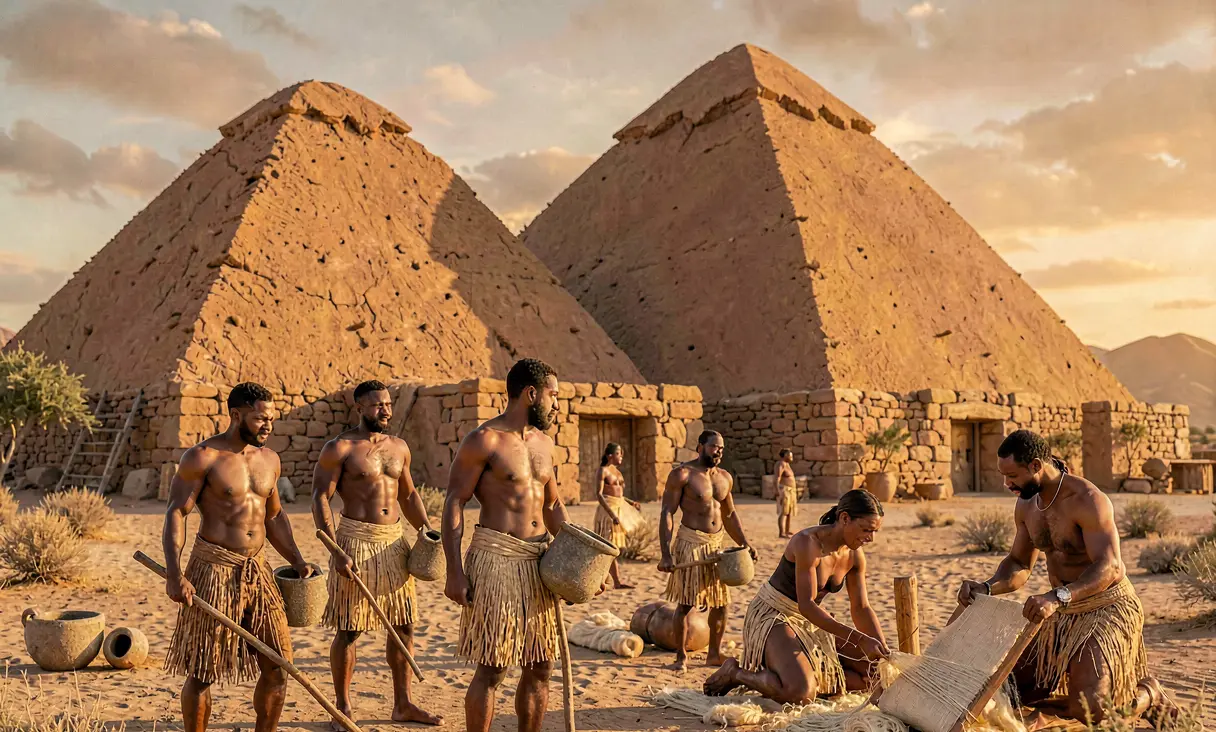
Emergence of Norte Chico Urban Centers
Emerging around 3000 BCE in Peru's Supe Valley, Norte Chico established the Western Hemisphere's first cities through a unique cotton-fish trade and monumental architecture, proving complex civilizati
The Arid Frontier of Early Urbanism
In the third millennium BCE, while the great river valleys of Mesopotamia and Egypt were forging the first recognizable states, a parallel and equally profound social revolution was unfolding in the arid coastal deserts of modern-day Peru. The Norte Chico civilization, centered in the Supe Valley, represents the earliest known complex society in the Americas, predating the Olmec by over a millennium. Unlike their Old World contemporaries who relied on cereal grains like wheat or barley, the Norte Chico people thrived on a unique symbiotic relationship between the Pacific Ocean and the fertile inland valleys. The region's hyper-arid climate, receiving less than two inches of rain annually, necessitated an intricate system of irrigation fed by seasonal rivers descending from the Andes, allowing for the cultivation of cotton and food crops in an otherwise hostile environment.
The Architecture of Peace
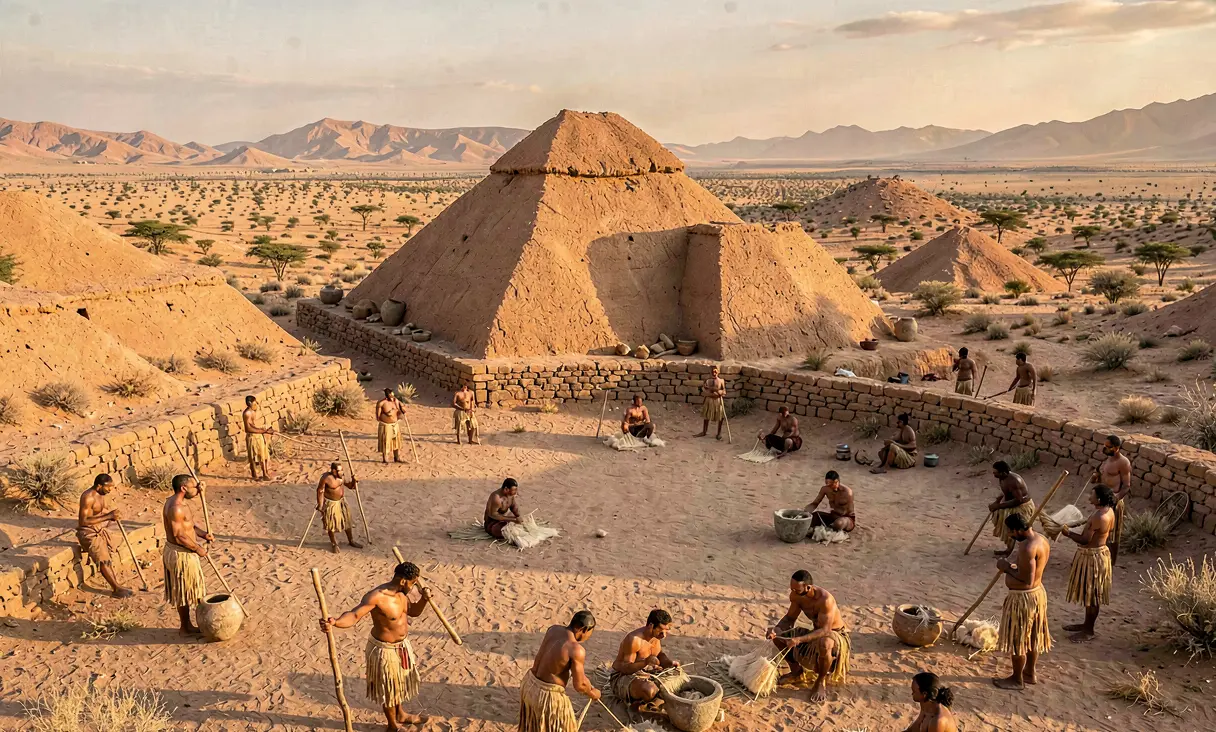
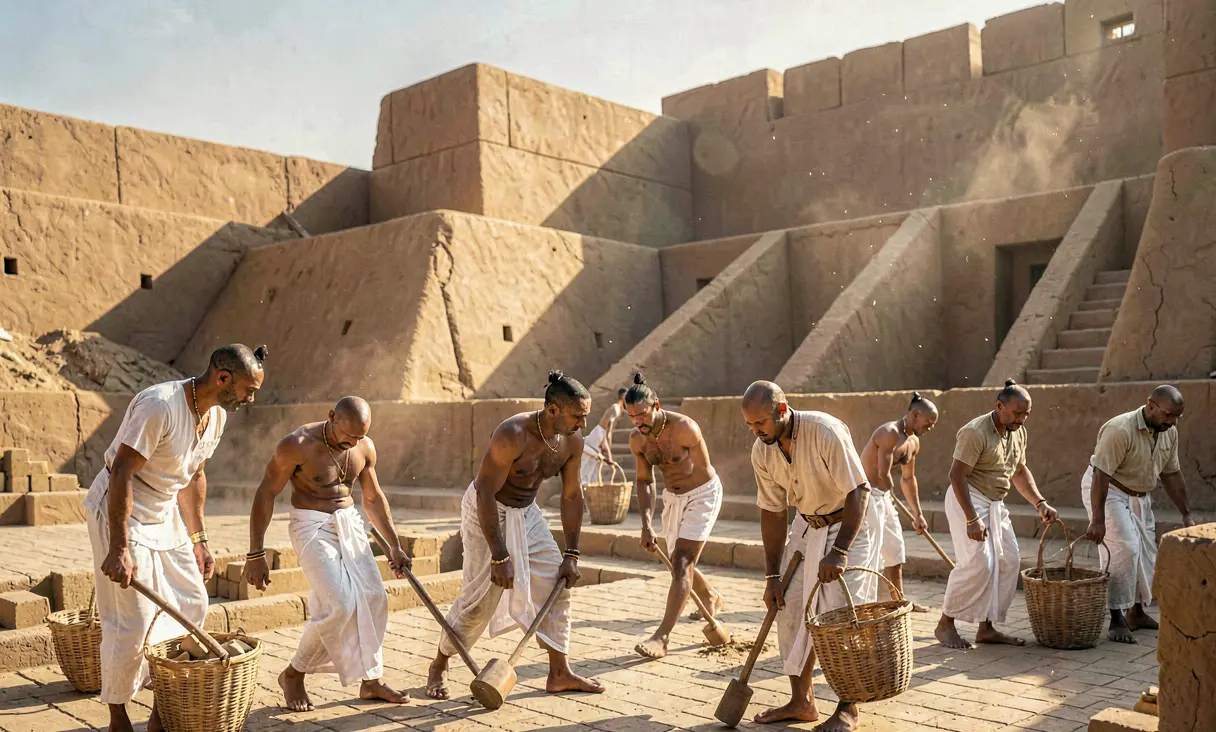
The physical manifestation of Norte Chico power is found not in palaces or temples adorned with gold, but in monumental architecture constructed entirely from stone and earth. At the site of Caral, often cited as the oldest city in the Americas, massive platform mounds rise up to 28 meters high, featuring sunken circular plazas that served as the focal points for communal ritual and administration. These structures were built using 'shicra' bags—woven cotton sacks filled with rocks—which allowed workers to transport heavy loads efficiently without the wheel or draft animals. Strikingly, despite their architectural sophistication, these early urban centers lack evidence of fortifications, weaponry, or iconography depicting warfare, suggesting a society organized around consensus and religious authority rather than military conquest.
The Cotton-Fish Economic Engine
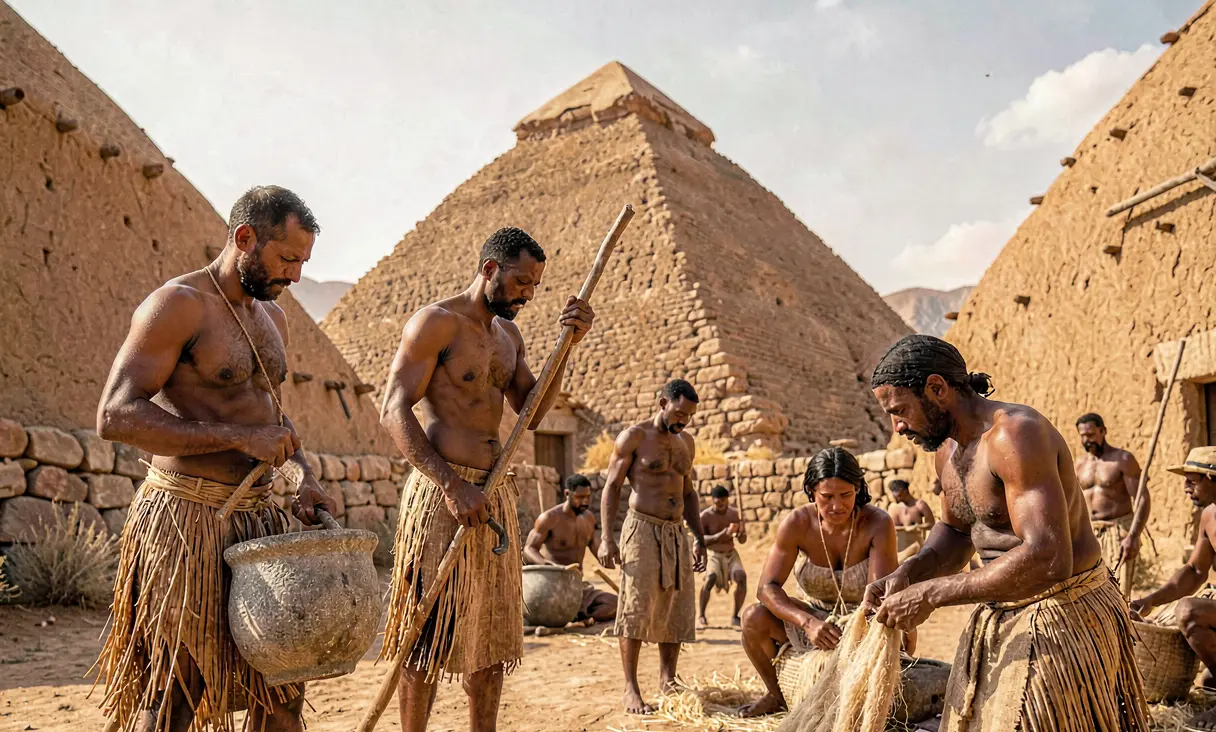
The economic backbone of this civilization was an ingenious exchange network that bridged the ecological divide between the coast and the highlands. Coastal communities, including the site of Aspero, specialized in fishing and the production of cotton nets, which were essential for deep-sea harvesting of anchovies and sardines. These textiles were traded inland to agriculturalists who cultivated squash, beans, and maize on irrigated terraces. In return, the coast received a steady supply of foodstuffs that could not be grown in the desert. This reciprocal trade system eliminated the need for a standing army to seize resources, fostering a stable environment where surplus labor could be redirected toward monumental construction and social organization.
Administration Without Writing
Perhaps the most enigmatic aspect of Norte Chico society is its method of record-keeping and administration in the absence of a written script. Archaeological evidence points to the early use of *quipu*, a system of knotted strings that would later become the primary administrative tool of the Inca Empire. While the full complexity of the Caral-era quipu remains debated, it is clear that these devices were used to track labor contributions, resource distribution, and agricultural yields. This sophisticated bureaucratic capability allowed for the coordination of thousands of workers required to build the city's monumental centers, demonstrating a level of social stratification and centralized planning previously thought impossible without literacy.
The Decline and Transformation
Around 1800 BCE, the Norte Chico civilization began to wane, likely due to a combination of climatic shifts and environmental degradation. Paleoclimatic data suggests that intense El Niño events may have disrupted the delicate balance between coastal fishing and inland agriculture, while soil salinization from centuries of irrigation could have reduced crop yields. As the central authority at Caral faded, the population gradually dispersed or migrated to other regions, leaving behind the silent stone mounds. However, the cultural DNA of Norte Chico did not vanish; its architectural styles, religious practices, and administrative techniques were absorbed by subsequent Andean cultures, laying the foundational bedrock for the civilizations that would follow.
Legacy of the First Americans
The rediscovery of Caral in the late 20th century fundamentally altered the historical narrative of human development. It proved that urbanization and state-level society could emerge independently in the Americas without the influence of Old World models, challenging long-held Eurocentric assumptions about the trajectory of civilization. The Norte Chico achievement stands as a testament to human adaptability, showing how diverse ecological niches can foster complex social structures through cooperation rather than conflict. Today, the ruins of Caral and its sister sites serve as a UNESCO World Heritage site, reminding the world that the roots of American urbanism stretch back nearly 5,000 years.
It marks the dawn of civilization in the Americas, predating Mesoamerican cultures by over a millennium.
Where it happened
Caral-Supe Valley, Peru — see it on the interactive map →
Explore related history
 CivilizationUrban Planning of Mohenjo-daroc. 2600 BCE · Mohenjo-daro, PakistanThe Indus Valley Civilization constructs Mohenjo-daro with advanced grid systems and the world's first known urban sanitation.
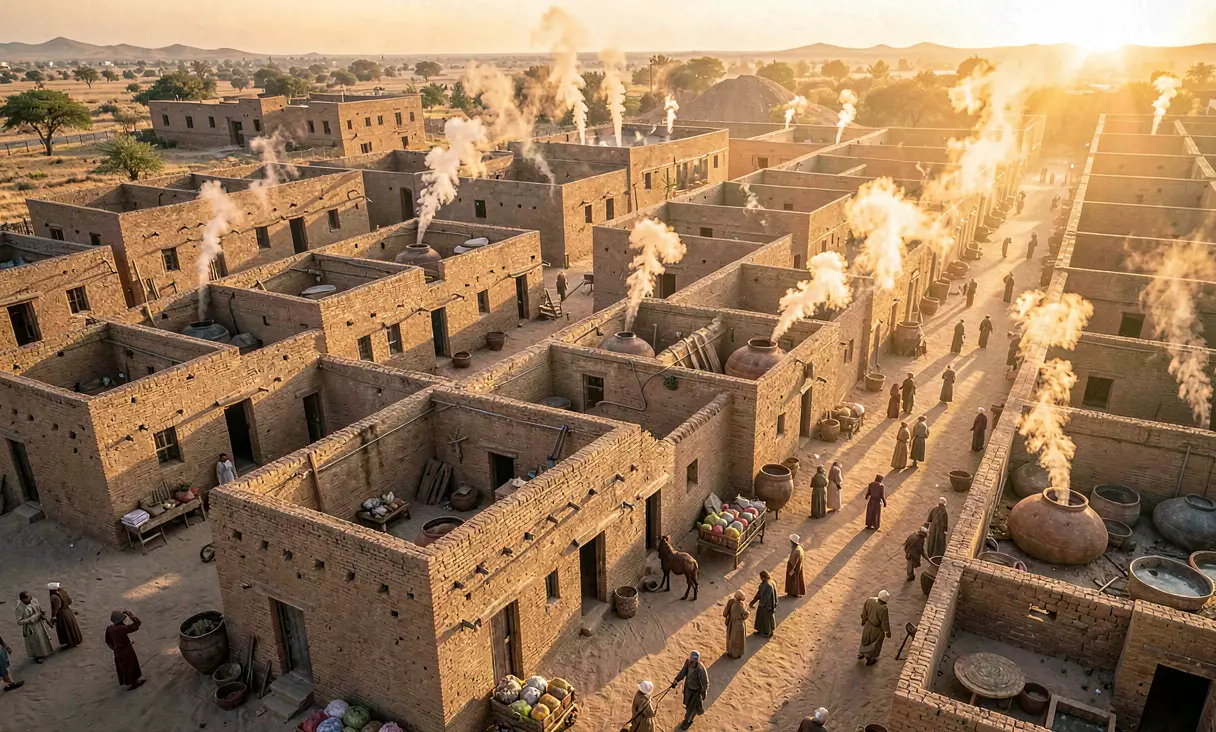 CivilizationUrbanization of Harappa and Mohenjo-daroc. 2600 BCE · Harappa and Mohenjo-daro, Indus Valley (modern Pakistan)The mature Harappan phase begins, establishing the first large-scale urban centers in South Asia with advanced grid planning.
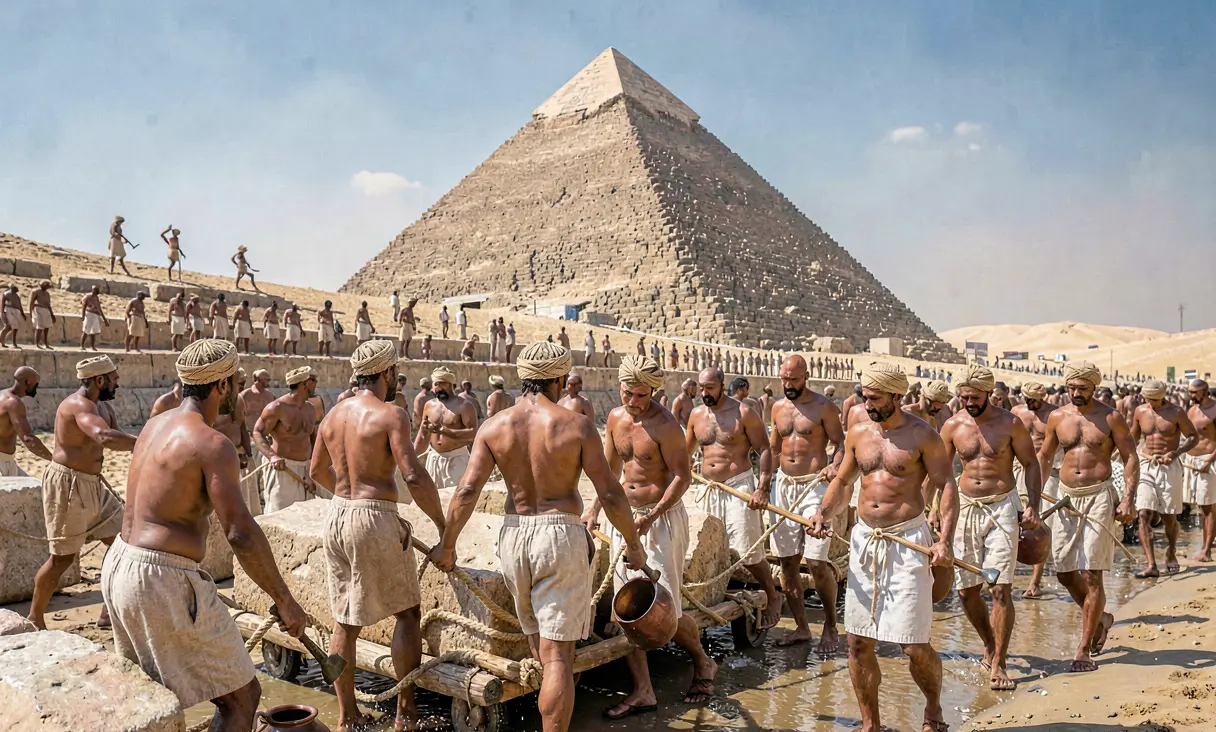 CivilizationGreat Pyramid of Giza Builtc. 2560 BCE · Giza, EgyptPharaoh Khufu commissions the largest ancient monument using millions of limestone blocks and advanced engineering.
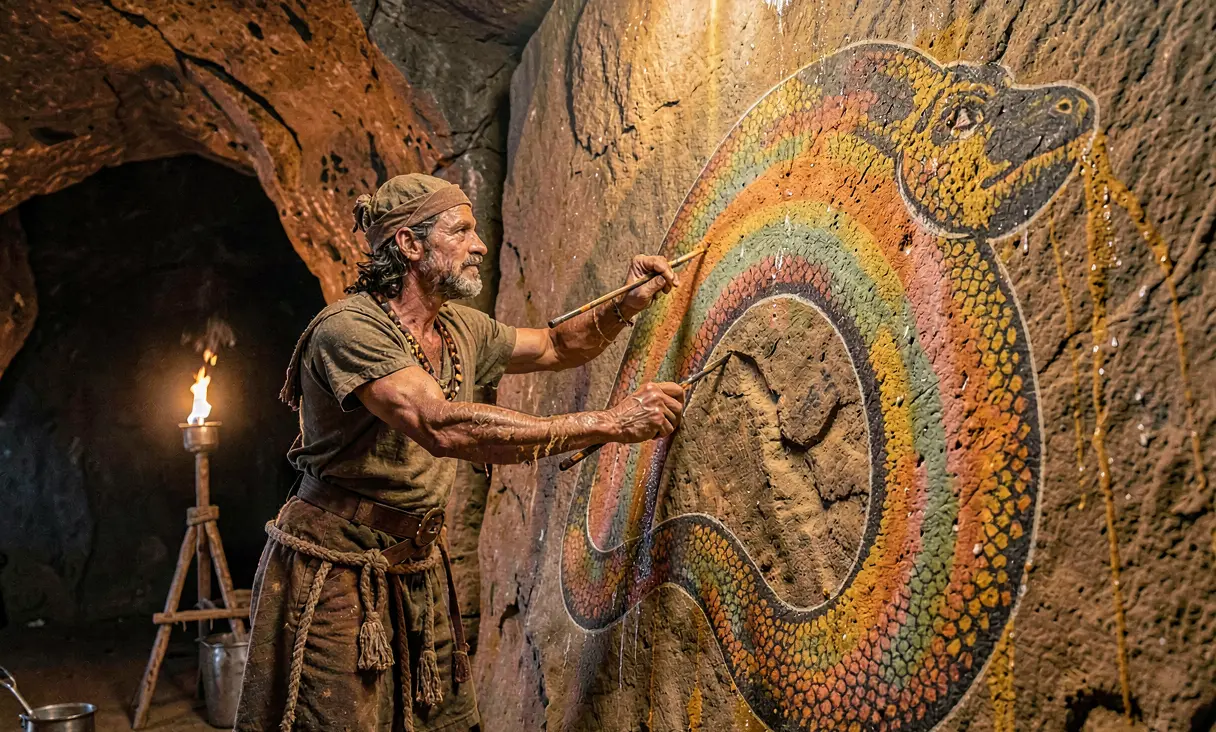 ArtPeak Period of Australian Aboriginal Rock Artc. 3000 BCE to 1500 CE · Kakadu National Park, AustraliaAboriginal artists create vast galleries of rock paintings depicting ancestral beings and hunting scenes.
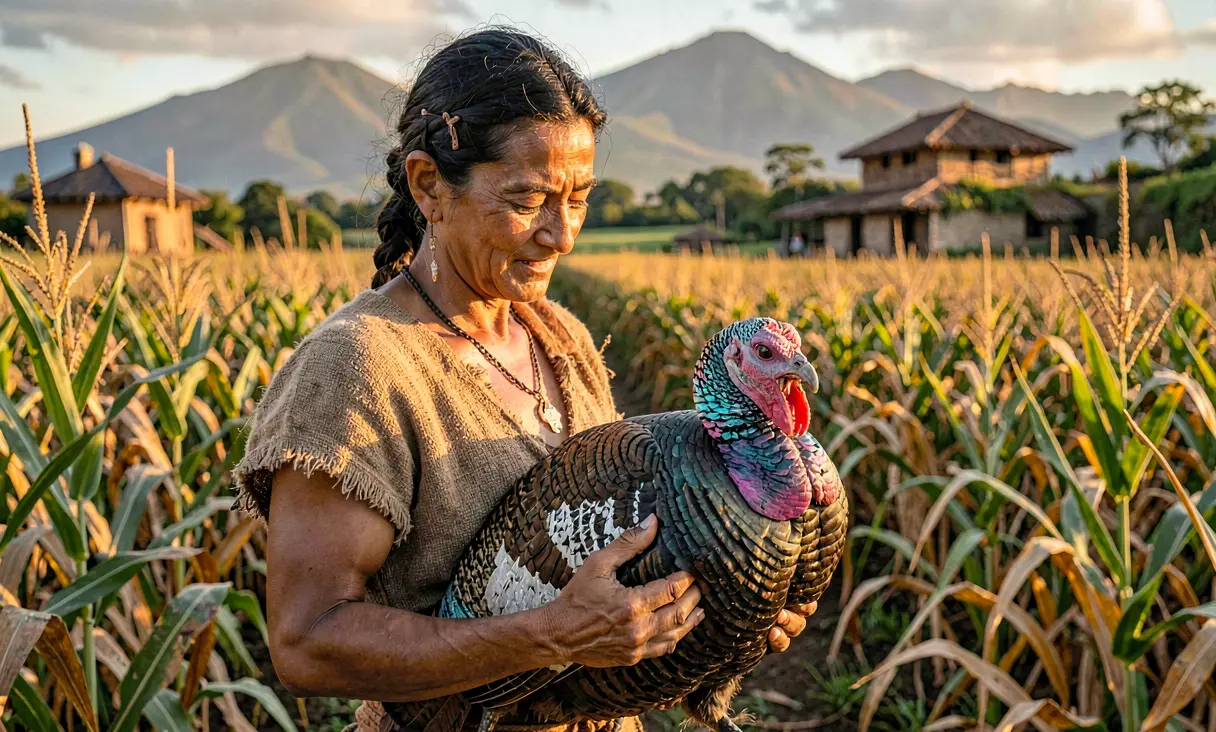 ScienceDomestication of the Turkey in Mesoamericac. 1000 BCE · Central MexicoAncient Mesoamericans successfully domesticate the wild turkey for meat and ritual feathers.
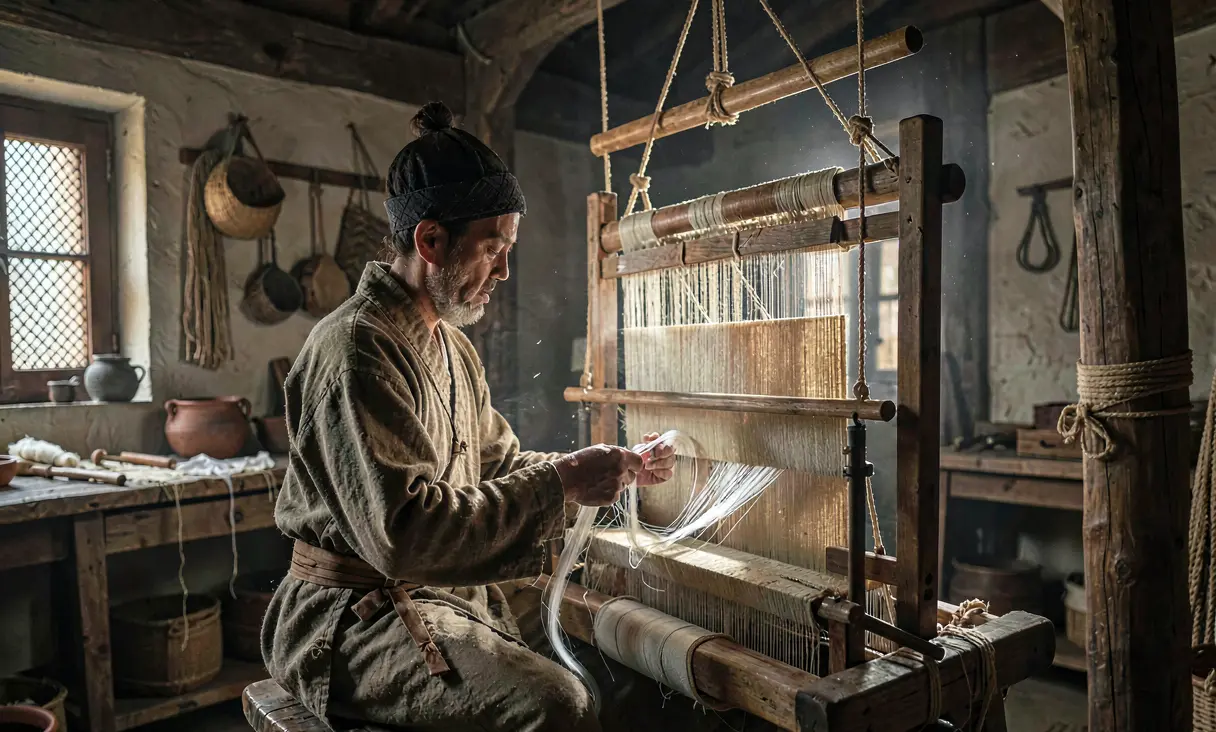 TechnologyIndustrialization of Sericulture in Ancient Chinac. 2600 BCE · Shaanxi Province, ChinaChinese artisans perfect the reeling and spinning of silk from silkworm cocoons.
Discussion
Loading…