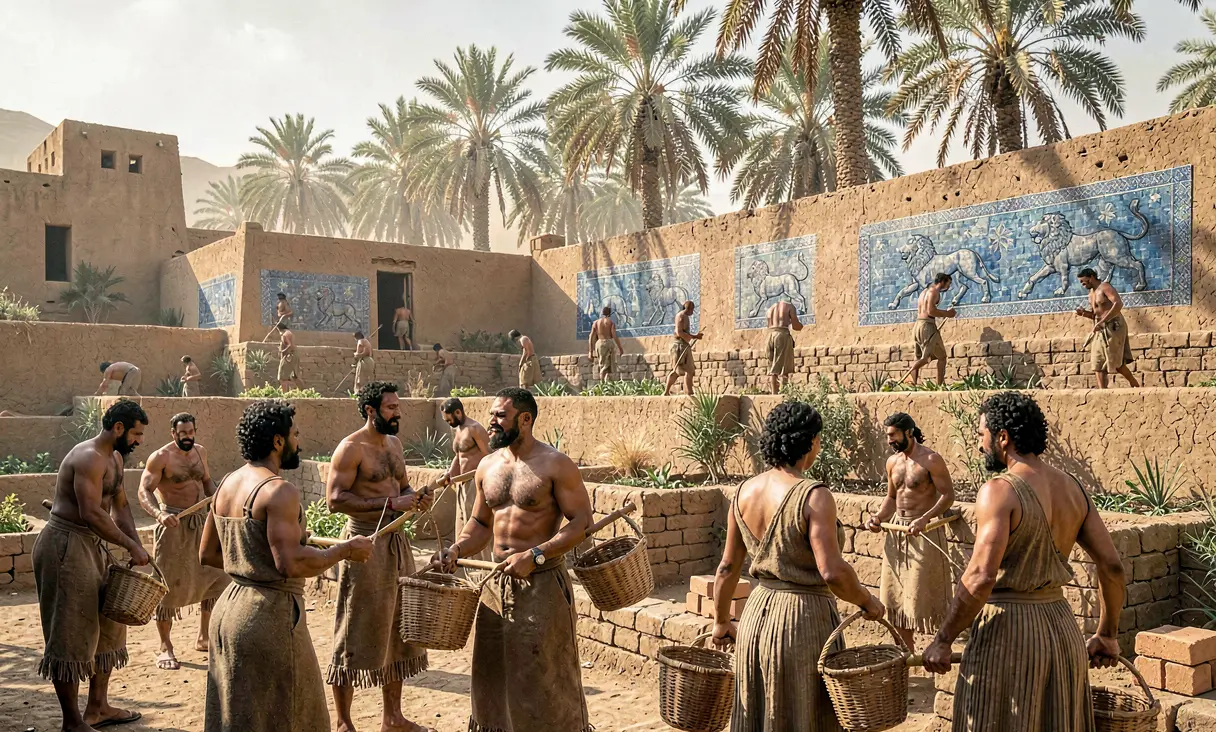
Construction of the Hanging Gardens of Babylon
Nebuchadnezzar II allegedly built these terraced marvels to comfort his homesick wife, creating an engineering wonder that defined ancient luxury despite its disputed physical existence.
The Imperial Context of Neo-Babylon
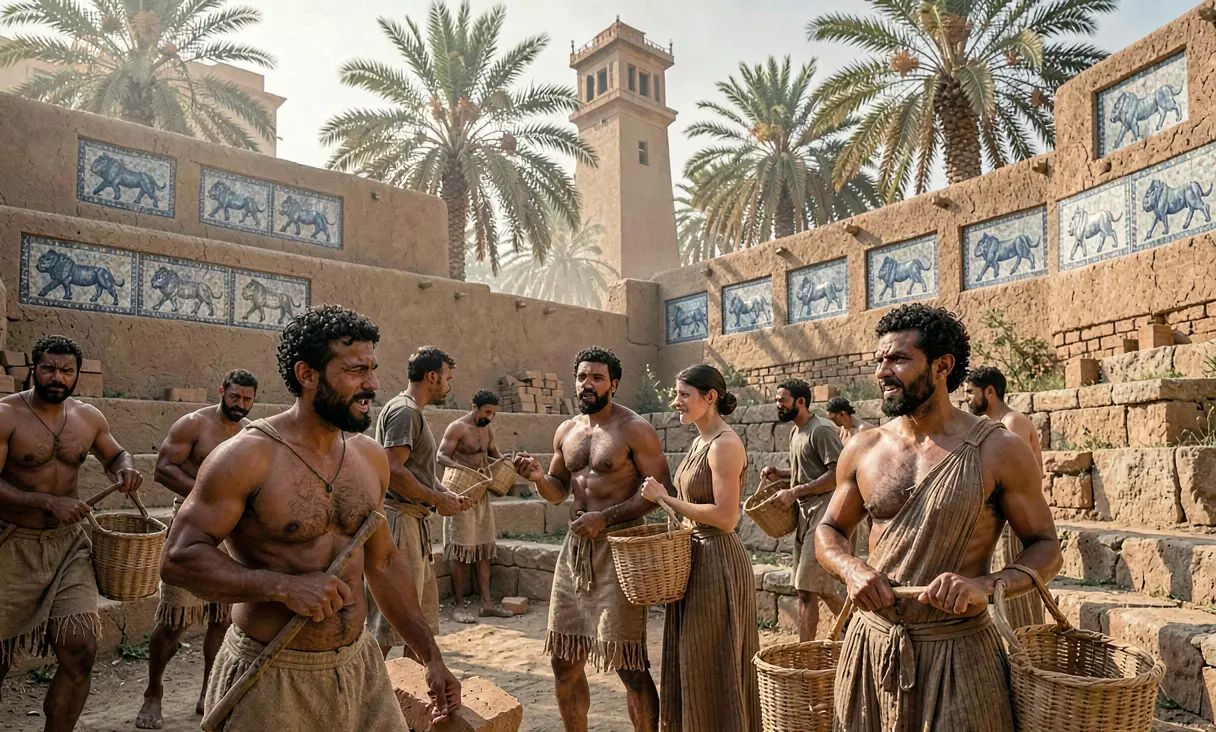
Following the collapse of the Assyrian Empire in 612 BCE, Babylon rose as the preeminent power of the ancient Near East under the leadership of Nebuchadnezzar II (r. c. 605–562 BCE). This era marked a cultural and architectural renaissance, where the city was transformed into a glittering metropolis of mud-brick fortifications, the Ishtar Gate, and the Processional Way. It was within this atmosphere of immense wealth and imperial confidence that Nebuchadnezzar initiated his most ambitious projects, aiming to surpass the achievements of his predecessors and cement Babylon's status as the center of the world.
The Motivation: A Queen's Longing
Ancient sources, particularly the Greek historian Berossus writing in the 3rd century BCE, attribute the construction of the Hanging Gardens to a deeply personal motive. Nebuchadnezzar II is said to have built the terraced gardens for his Median wife, Amytis, who had been married to him as part of a political alliance following the defeat of the Medes. Struggling with the flat, arid landscape of Mesopotamia, Amytis reportedly yearned for the verdant, mountainous terrain of her homeland in modern-day Iran. To alleviate her melancholy and demonstrate his devotion, the king commissioned an artificial mountain that would recreate the lush environment she missed.
Engineering Marvels and Hydraulic Innovation
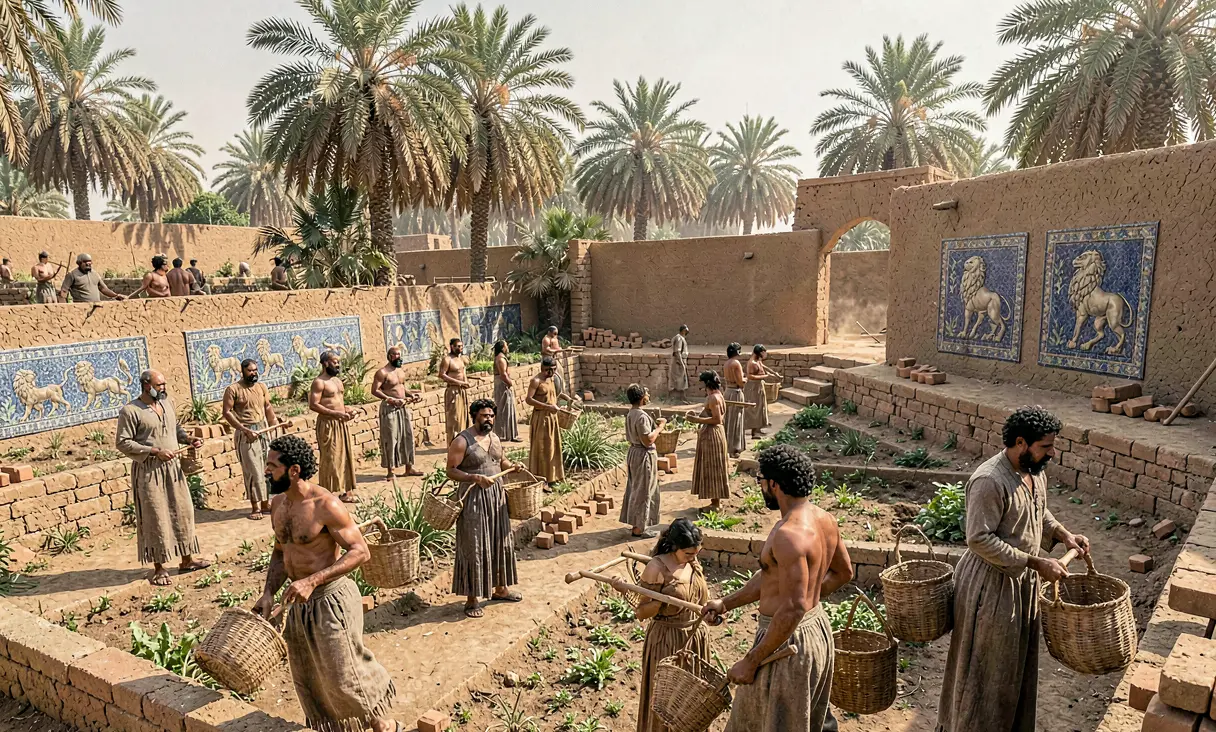
The construction required unprecedented engineering feats to sustain life in a desert climate. The gardens were designed as a series of ascending terraces, supported by vaulted arches made of baked brick sealed with bitumen, creating a waterproof foundation capable of holding heavy soil and mature trees. To irrigate this vertical landscape, engineers devised a sophisticated hydraulic system that drew water from the Euphrates River. While later Greek accounts describe an 'Archimedes screw'—a device not yet invented in Babylon—the mechanism likely involved chain pumps or shadufs operated by slaves to lift water against gravity to the highest terraces, ensuring a continuous flow that defied the region's natural aridity.
The Controversy of Existence
Despite their fame as one of the Seven Wonders of the Ancient World, the archaeological reality of the Hanging Gardens remains one of history's most persistent mysteries. Extensive excavations in Babylon by German archaeologists led by Robert Koldewey in the early 20th century uncovered a 'Southern Palace' with vaulted rooms and an unusual water supply system that some argue matches the description of the gardens. However, no definitive inscription from Nebuchadnezzar himself mentions the gardens, and contemporary Assyrian or Babylonian texts are silent on their existence. Some modern historians posit that the gardens may have been a poetic invention of Greek travelers or were actually located in Nineveh under the Assyrian King Sennacherib, conflating two distinct Mesopotamian capitals.
Legacy and Cultural Impact
Whether physically real or a legendary construct, the Hanging Gardens have exerted an enduring influence on Western imagination for over two millennia. They stand as the ultimate symbol of human ingenuity conquering nature, representing the pinnacle of landscape architecture in antiquity. The narrative of the gardens has inspired countless artistic depictions, from Renaissance paintings to modern speculative fiction, serving as a metaphor for lost paradise and the hubris of empire. Their inclusion in the canonical list of Seven Wonders by ancient Greek scholars like Antipater of Sidon ensured their place in history, even as their physical location remained elusive.
The Enduring Enigma
Today, the Hanging Gardens exist primarily in the realm of historical debate and literary tradition rather than confirmed archaeology. While the Neo-Babylonian Empire eventually fell to the Persians under Cyrus the Great in 539 BCE, taking with it much of its architectural grandeur to ruin, the story of the gardens survived. They remain a testament to the power of storytelling and the human desire to create beauty against the odds. The ongoing search for their definitive location continues to drive archaeological interest in Iraq, where the buried layers of Babylon still hold secrets that could finally resolve this ancient enigma.
The gardens symbolize the pinnacle of Neo-Babylonian architectural and agricultural innovation, though their physical reality is still debated.
Where it happened
Babylon, Mesopotamia (Iraq) — see it on the interactive map →
Explore related history
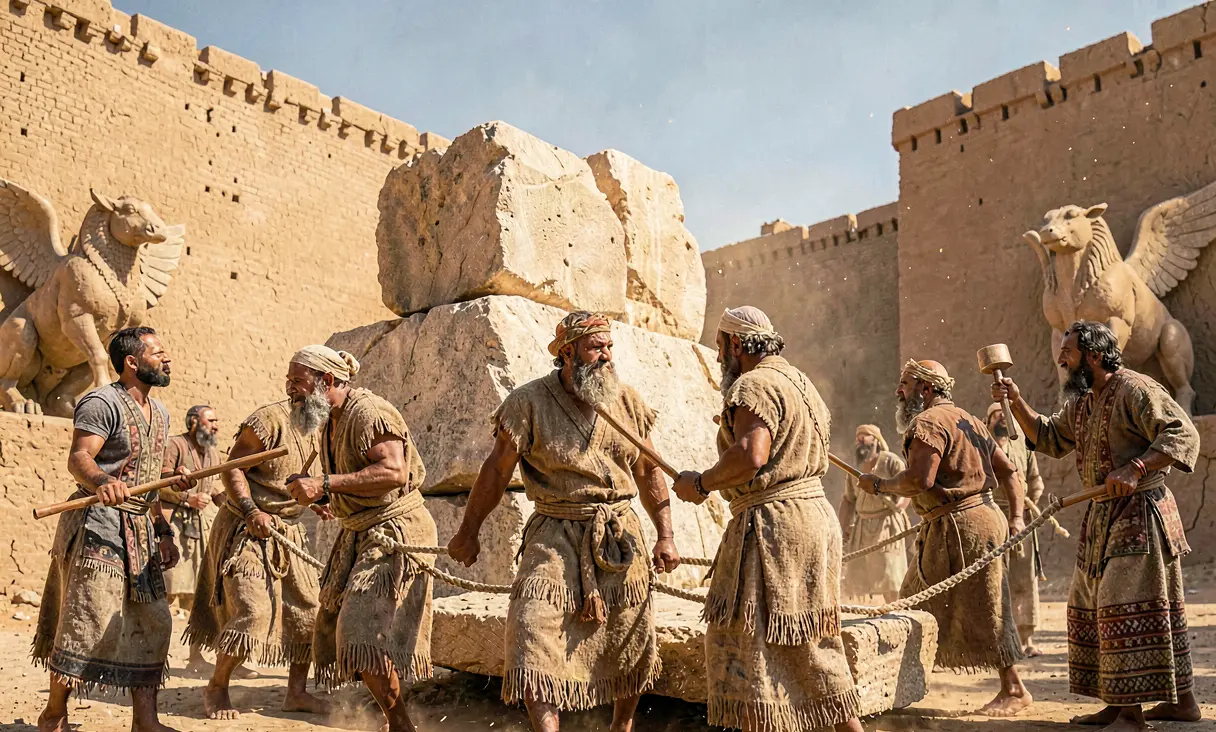 ArtConstruction of Sennacherib's Palace at Ninevehc. 705 BCE · Nineveh (Mosul), IraqSennacherib expands Nineveh into a magnificent capital filled with art and libraries.
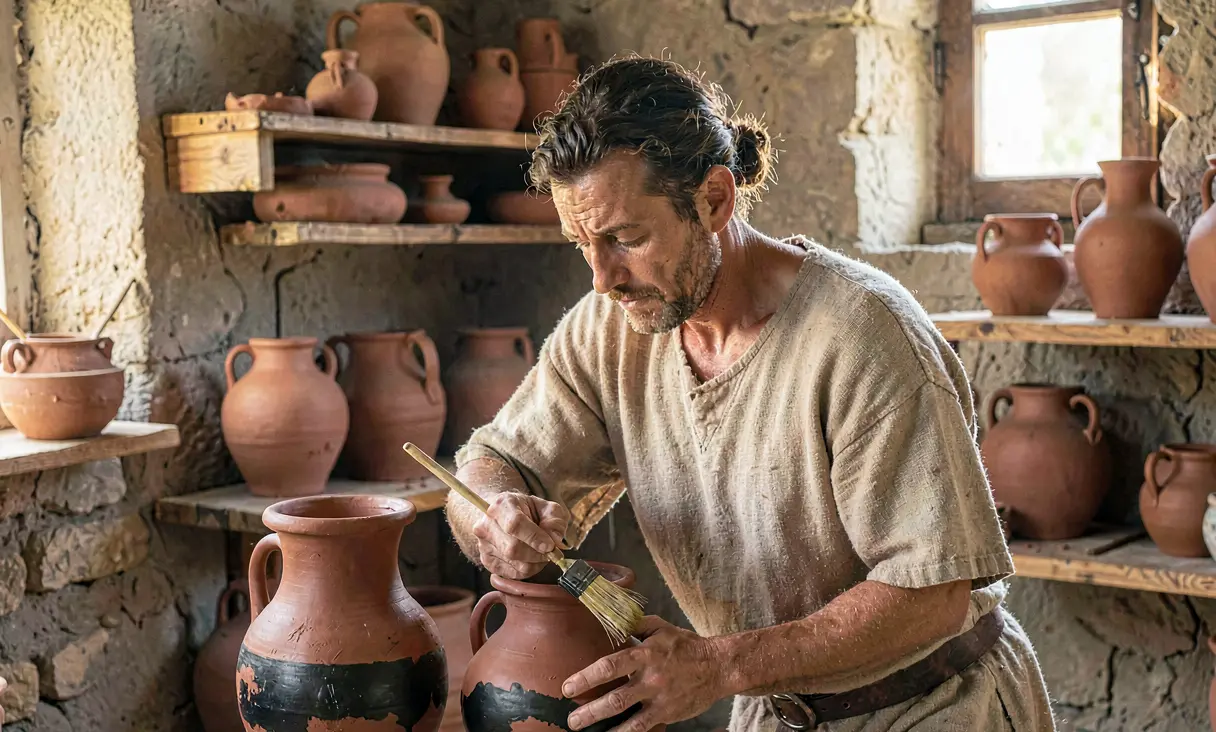 ArtRise of Black-Figure Vase Paintingc. 700 BCE · Athens, GreeceGreek potters perfect the black-figure technique to depict mythological scenes.
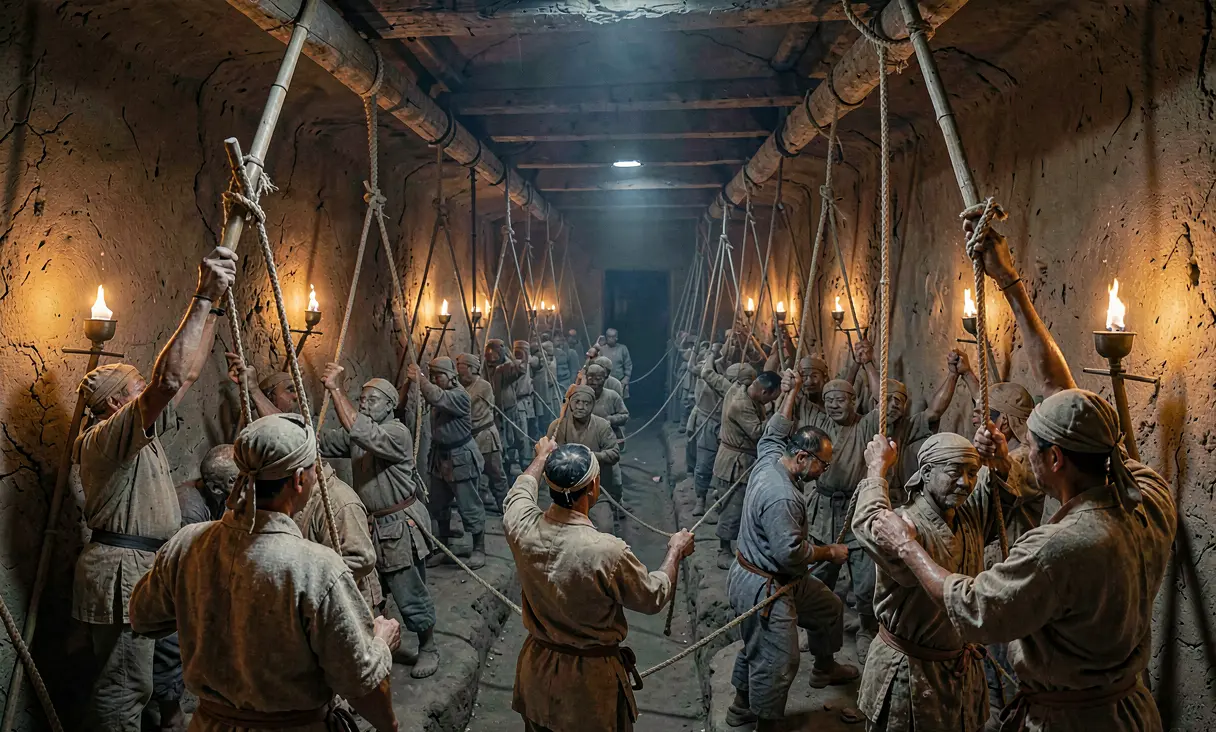 ArtBurial of Qin Shi Huang's Terracotta Armyc. 210 BCE · Xi'an, ChinaEmperor Qin Shi Huang is buried with a massive army of life-sized terracotta soldiers to guard him in the afterlife.
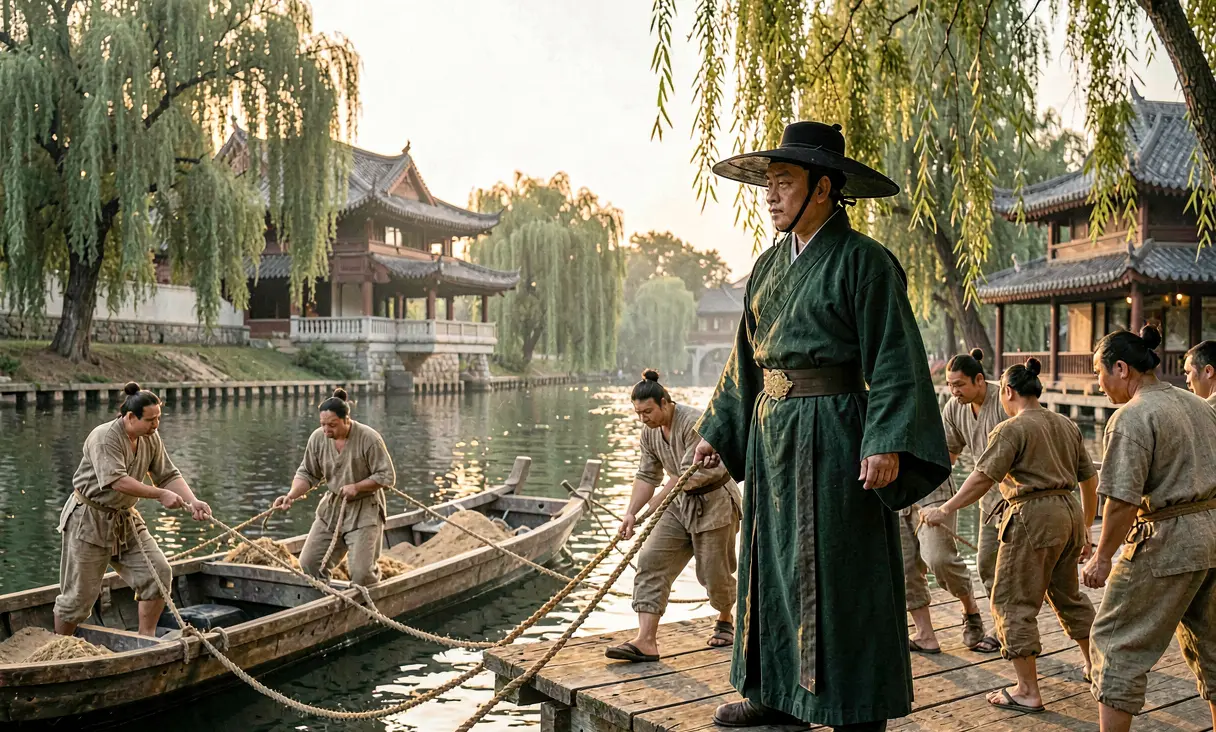 TechnologyGrand Canal of China Connects North and South610 CE · Luoyang to Hangzhou, ChinaEmperor Yang completes the massive waterway linking the Yellow and Yangtze rivers for transport and grain.
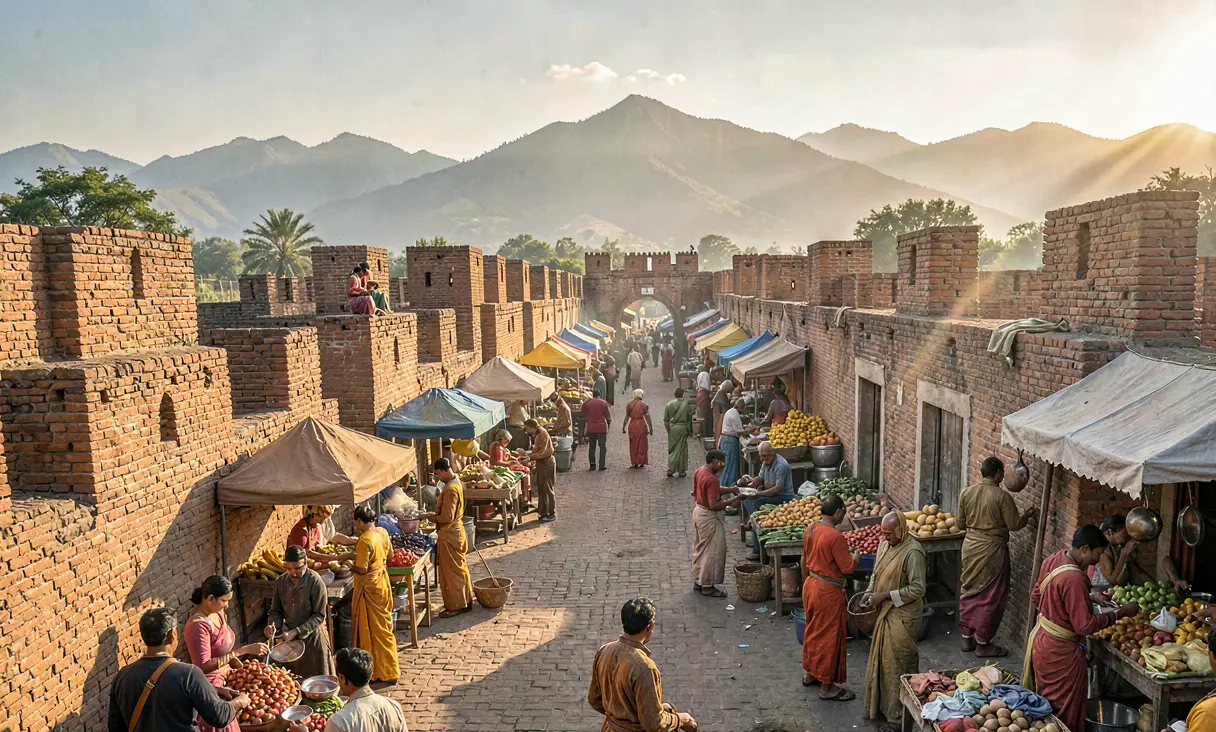 PoliticsRise of the Sixteen Mahajanapadasc. 600 BCE · Gangetic Plain (modern Uttar Pradesh/India)Sixteen great kingdoms and republics emerge across the Gangetic plain, marking the transition from tribal chiefdoms to state-level societies.
 medicineRitual Bloodletting as Medical and Religious Practice in Mayac. 600 BCE · Tikal, GuatemalaMaya elites use stingray spines and obsidian for ritual bloodletting to commune with gods.
Discussion
Loading…