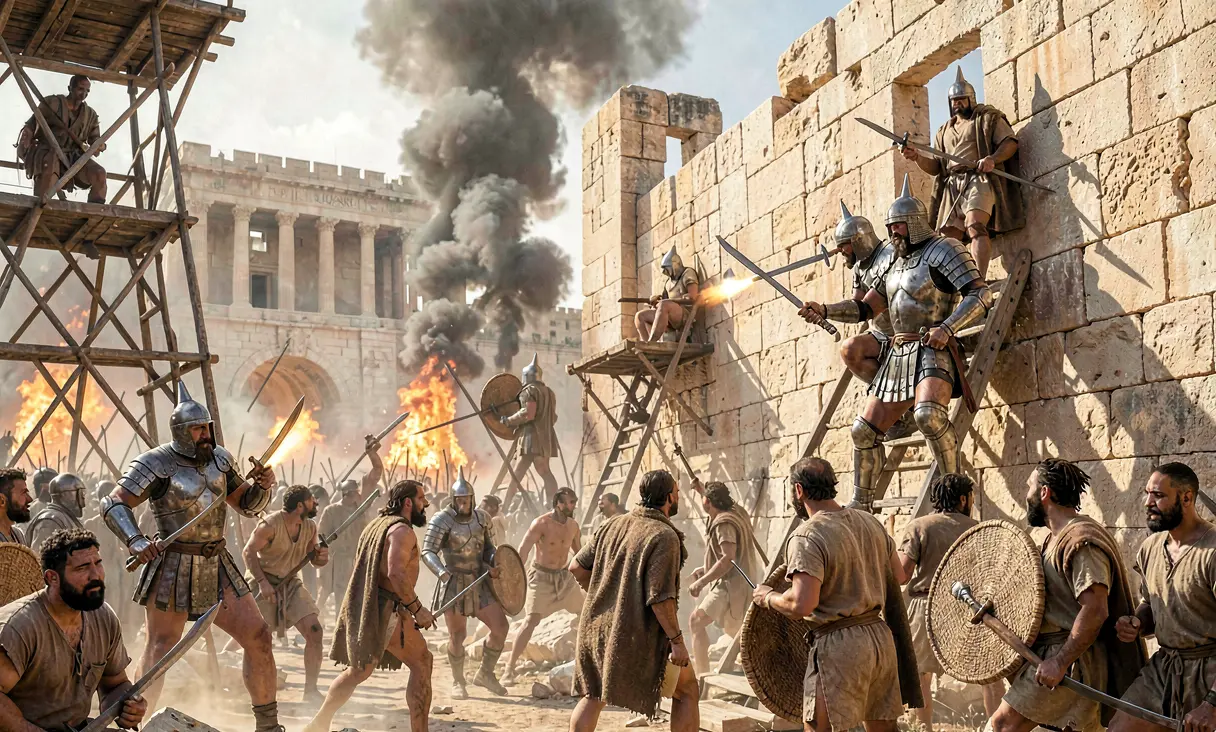
Babylonian Destruction of Jerusalem and First Temple
Nebuchadnezzar II's 586 BCE siege destroyed Jerusalem and Solomon's Temple, triggering a mass exile that transformed Judaism from a temple-based cult into a text-centered religion of survival.
The Geopolitical Crucible
By the late seventh century BCE, the ancient Near East was dominated by the Neo-Babylonian Empire under King Nebuchadnezzar II, a power that had eclipsed Assyria following the fall of Nineveh in 612 BCE. To the west, the Kingdom of Judah found itself trapped between the warring superpowers of Egypt and Babylon. Under the reigns of Kings Josiah, Jehoahaz, Jehoiakim, and finally Zedekiah, Jerusalem oscillated between vassalage to Babylon and desperate alliances with Egypt. The prophet Jeremiah repeatedly warned that resistance against Babylon was futile and divinely ordained, yet the royal court in Jerusalem, buoyed by false prophets and Egyptian promises of support, chose rebellion. This geopolitical miscalculation set the stage for a catastrophic confrontation that would irrevocably alter the trajectory of Western religious history.
The Siege of Jerusalem
In late 589 BCE or early 588 BCE, Nebuchadnezzar II launched a full-scale invasion of Judah to crush the rebellion. Babylonian forces systematically dismantled the fortified cities of the Shephelah, including Lachish and Azekah, isolating Jerusalem before turning their attention to the capital itself. The city was encircled by a massive siege line, cutting off all supply routes and trapping King Zedekiah and his subjects within the walls. The siege lasted for approximately 18 months, during which famine ravaged the population, leading to extreme suffering and social collapse. Archaeological strata from this period reveal layers of ash and destruction, while the Lachish Letters—ostraca discovered at Tell ed-Duweir—provide harrowing contemporary accounts of the desperate final days, with commanders pleading for reinforcements as Babylonian units closed in.
The Breach and Destruction
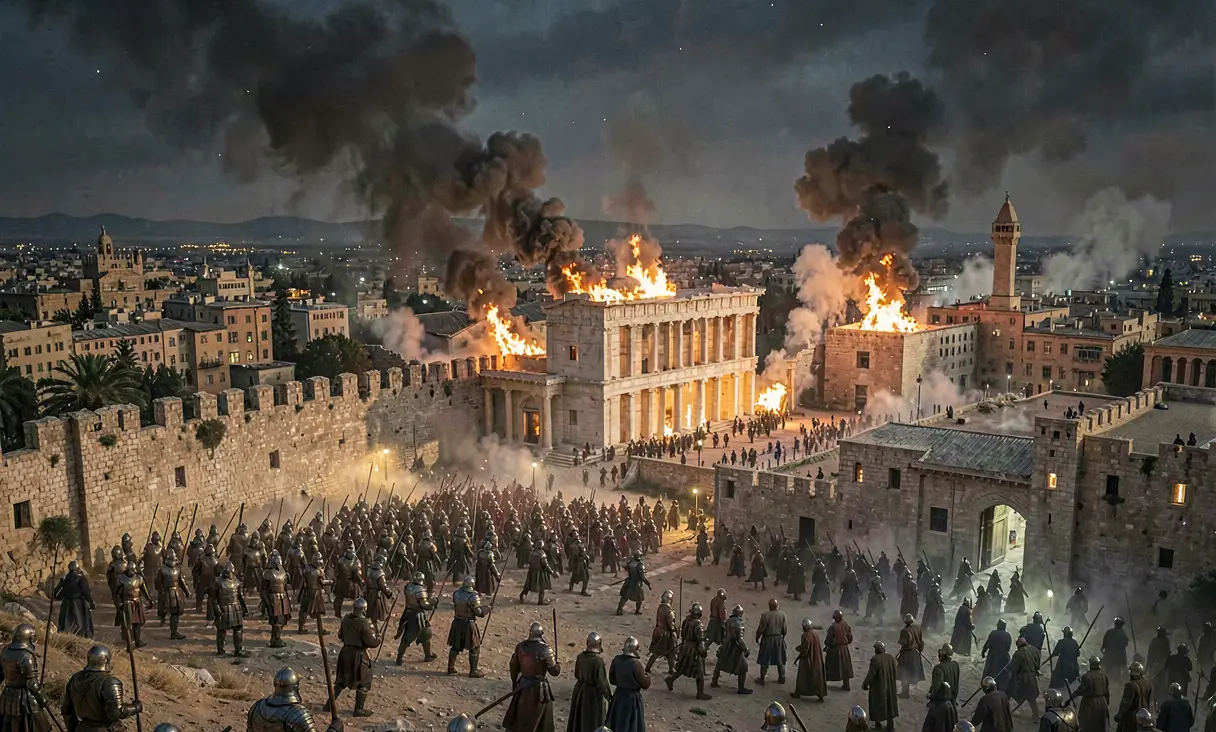
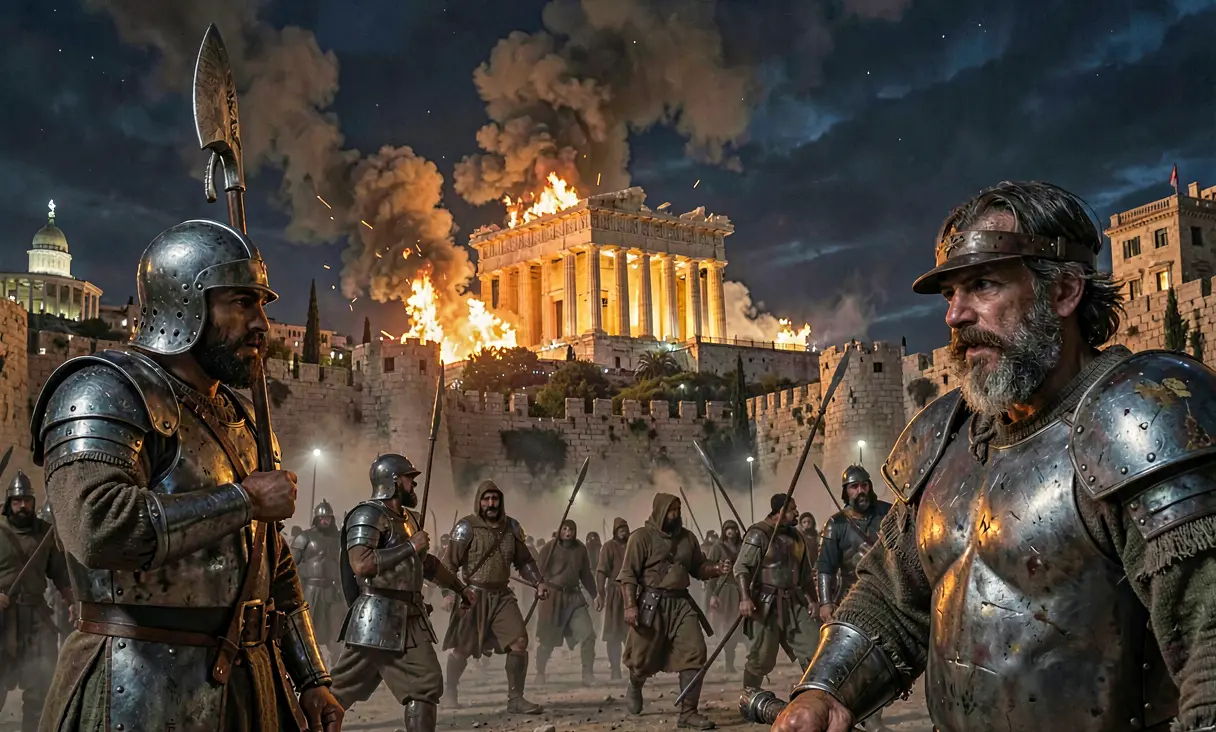
In July or August of 586 BCE, after a prolonged blockade, Babylonian engineers finally breached the northern walls of Jerusalem. The city fell swiftly into chaos; King Zedekiah attempted to flee through the night toward the Jordan Valley but was captured at Jericho. He was brought before Nebuchadnezzar at Riblah, where he was forced to witness the execution of his sons before having his eyes gouged out and being taken in chains to Babylon. The subsequent destruction of Jerusalem was thorough and systematic. The Temple of Solomon, the spiritual and political heart of the nation since the time of David, was razed by fire. The bronze pillars, the Sea, and the sacred vessels were stripped from the sanctuary and transported to Mesopotamia as war booty. Residential quarters, administrative buildings, and the city walls were reduced to rubble, leaving a scarred landscape that archaeologists continue to excavate today.
The Babylonian Exile
Following the destruction, Nebuchadnezzar ordered the deportation of a significant portion of Judah's population. While the precise numbers remain debated among historians, biblical texts suggest tens of thousands were exiled, including the royal family, priests, scribes, artisans, and military leaders. This event, known as the Babylonian Captivity or Exile, saw the elite of Judean society resettled in various locations throughout Babylonia, such as Tel Abib by the Chebar River. A small remnant was left behind to tend the vineyards and fields under a governor named Gedaliah, but his assassination shortly thereafter led to further deportations. The removal of the nation's leadership created a demographic vacuum that fundamentally changed the social fabric of the land, ending the monarchy and the centralized statehood of Israel.
Religious Transformation
The loss of the Temple and the homeland precipitated a profound theological crisis for the Jewish people. Without a central sanctuary to offer sacrifices, the exiles faced the fear that their covenant with Yahweh had been broken forever. In response, religious leaders like Ezekiel and the anonymous author of Deutero-Isaiah reinterpreted the catastrophe not as a defeat of their god, but as divine punishment for idolatry and social injustice. This period catalyzed a shift from temple-centric worship to a religion of the book. The exiles began to compile, edit, and codify their sacred texts, emphasizing prayer, Sabbath observance, and study in local gathering places that would evolve into synagogues. This adaptation ensured the survival of Jewish identity despite the loss of political sovereignty and physical land.
Legacy and Historical Echoes
The events of 586 BCE stand as a defining watershed in the history of Judaism and, by extension, Christianity and Islam. The trauma of the destruction was memorialized in the Hebrew Bible through books like Lamentations, Psalms 79 and 137, and the historical narratives of Kings and Jeremiah. When Cyrus the Great of Persia conquered Babylon in 539 BCE, he issued a decree allowing the Jews to return to Jerusalem and rebuild the Temple, an event recorded on the Cyrus Cylinder. However, the post-exilic community was never quite the same; the Second Temple era that followed was defined by a heightened sense of monotheistic exclusivity and messianic expectation born from the ashes of 586 BCE. The memory of this destruction continues to resonate in Jewish liturgy and historical consciousness to this day.
The destruction of the First Temple and the subsequent exile fundamentally reshaped Judaism and Jewish identity forever.
Where it happened
Jerusalem, Judea (Israel/Palestine) — see it on the interactive map →
Explore related history
 WarAn Lushan Rebellion Begins755 CE · Chang'an, ChinaGeneral An Lushan revolts against Emperor Xuanzong, devastating the Tang Dynasty and population.
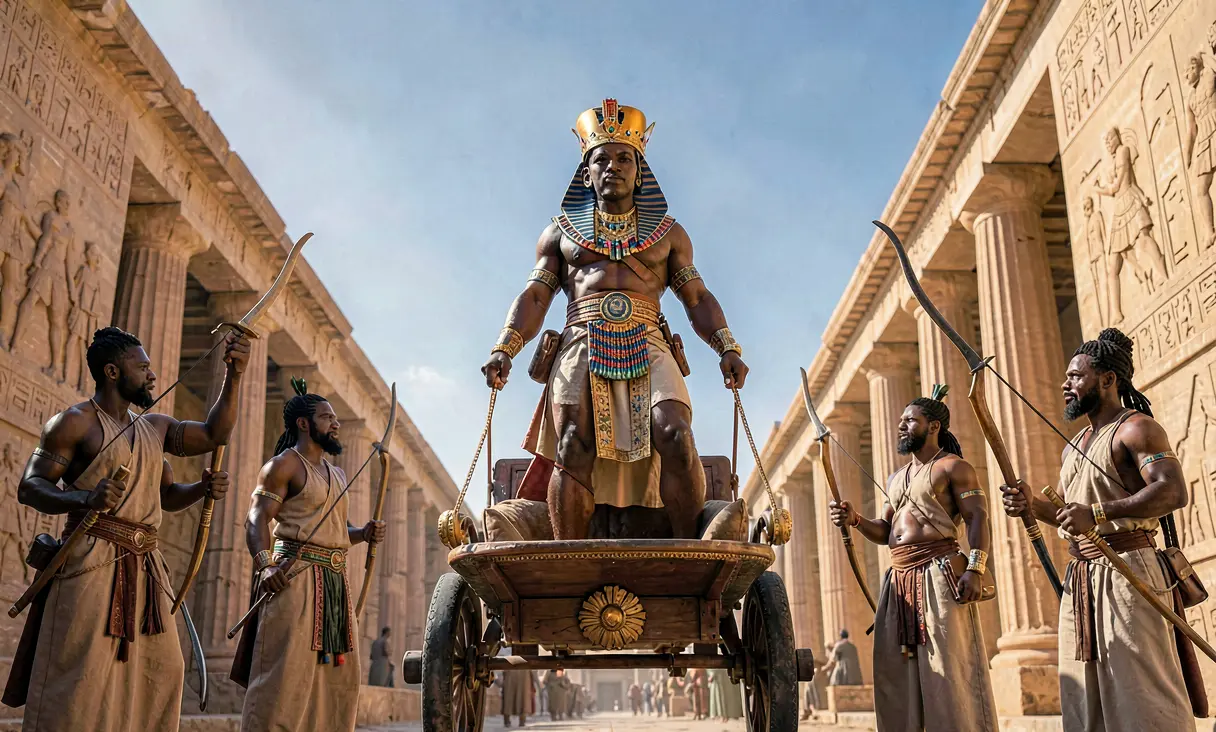 WarKushite Conquest of Egypt (25th Dynasty)c. 747 BCE · Thebes, EgyptKing Piye of Kush conquers Upper and Lower Egypt, establishing the first African-led dynasty in Egyptian history.
 WarKushite Conquest of Egypt Establishes 25th Dynastyc. 744 BCE · Napata, Nubia (Modern Sudan)King Piye of Kush conquers Upper Egypt, establishing the 25th Dynasty and restoring traditional Egyptian religious practices.
 PoliticsEmperor Wen Unifies China and Founding of Sui Dynasty581 CE · Chang'an, ChinaYang Jian usurps the Northern Zhou throne, ending centuries of division and establishing the Sui Dynasty.
 PoliticsRise of the Sixteen Mahajanapadasc. 600 BCE · Gangetic Plain (modern Uttar Pradesh/India)Sixteen great kingdoms and republics emerge across the Gangetic plain, marking the transition from tribal chiefdoms to state-level societies.
 medicineRitual Bloodletting as Medical and Religious Practice in Mayac. 600 BCE · Tikal, GuatemalaMaya elites use stingray spines and obsidian for ritual bloodletting to commune with gods.
Discussion
Loading…