Completion of Great Stupas at Nagarjunakonda
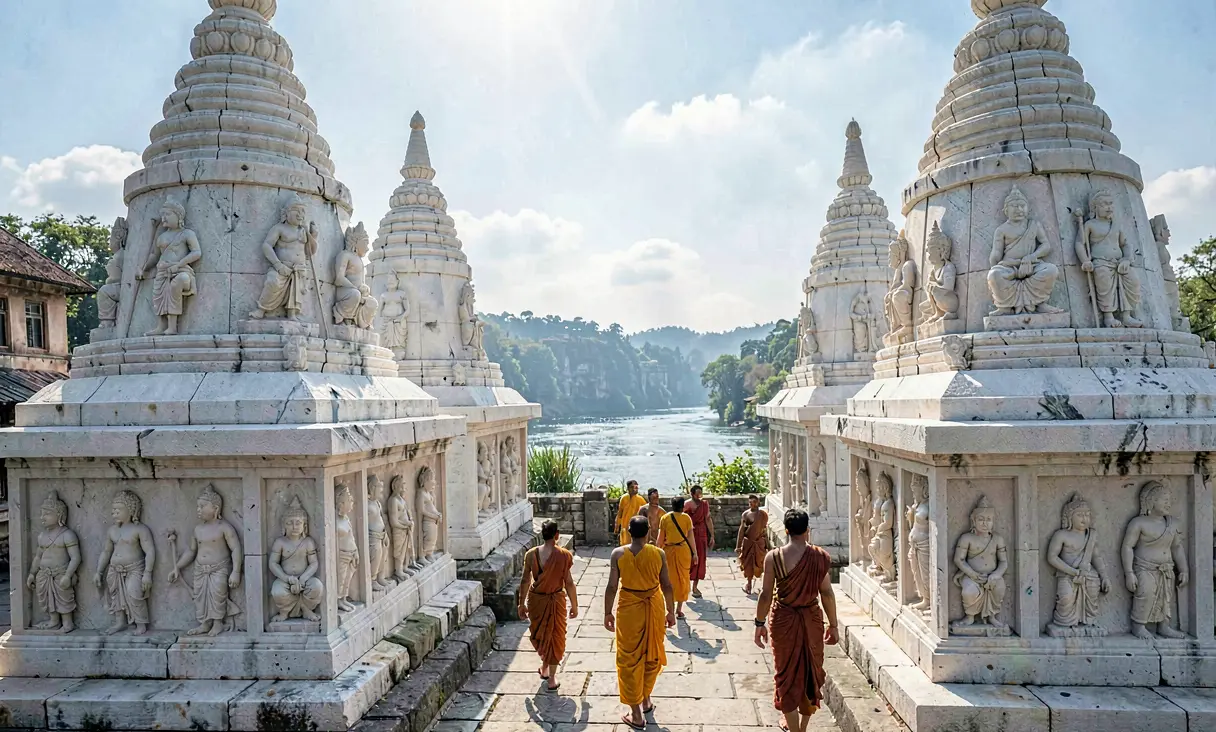
Under Ikshvaku patronage around 275 CE, Nagarjunakonda's Great Stupas fused Deccan motifs with emerging Gupta elegance to create a world-class Mahayana hub that shaped Buddhist art from India to South
The Ikshvaku Ascendancy and the Buddhist Renaissance
By the mid-3rd century CE, the political landscape of the Deccan was undergoing a profound transformation with the rise of the Ikshvaku dynasty in the Krishna River valley. Following the decline of the Satavahanas, King Vashishtiputra Sri Santamula and his successors established their capital at Vijayapuri (modern Nagarjunakonda), fostering an environment where state patronage converged with religious fervor. Unlike the earlier Ananda school of art in Amaravati, which utilized dark limestone, the Ikshvaku patrons commissioned structures using pristine white limestone, signaling a shift toward a new aesthetic ideal that emphasized luminosity and clarity.
Architectural Synthesis: The Great Stupas
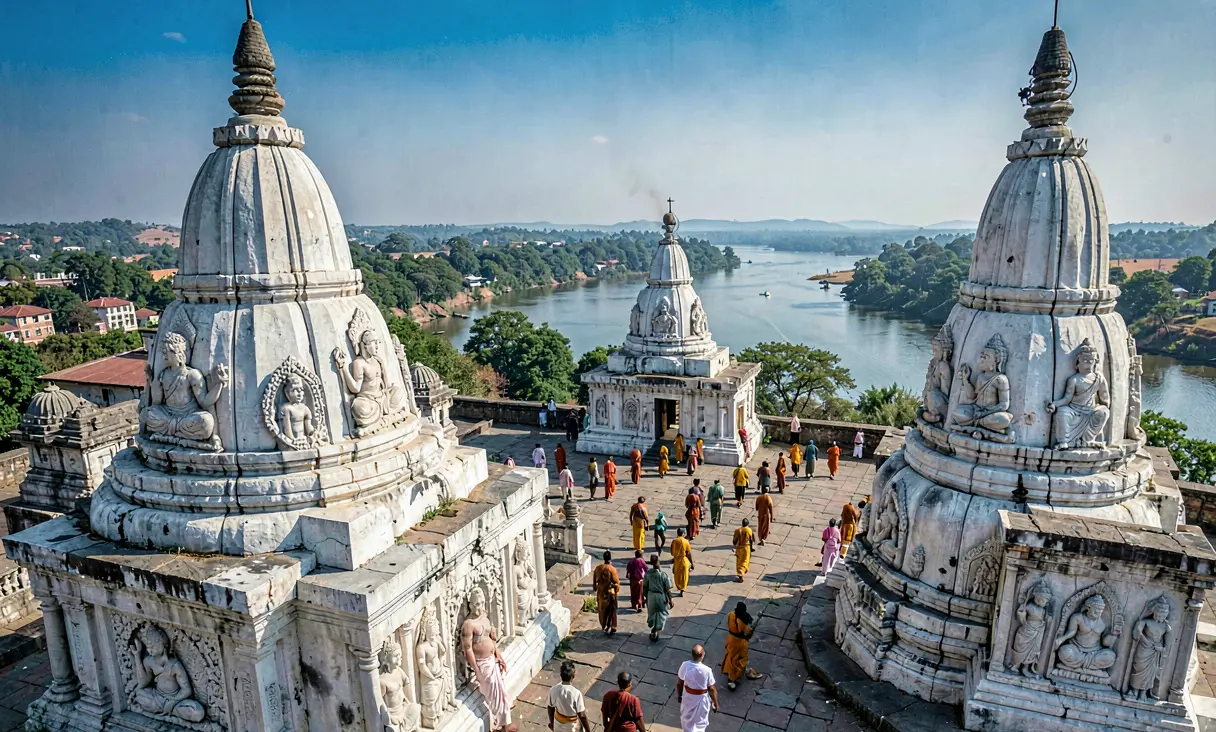
Around 275 CE, the construction of the monumental Great Stupa at Nagarjunakonda reached its zenith under the reign of Queen Chantamula and King Virapurushadatta. This structure was not merely a reliquary but a complex architectural entity featuring a massive drum adorned with narrative friezes that wrapped around the circumference. The stupa's design incorporated a unique synthesis of Dravidian structural logic and emerging Gupta sensibilities, characterized by slender pillars, elegant toranas (gateways), and a refined sense of proportion that moved away from the robust, dynamic forms of earlier Satavahana art.
Narrative Art as Theological Text
The white stone panels encircling these stupas served as visual scriptures for a largely illiterate populace, depicting intricate scenes from the Jataka tales and the life of the Buddha. These carvings displayed a distinct regional style where figures possessed a softness and grace that prefigured the classical Gupta era, yet retained the rhythmic vitality of the Deccan tradition. The panels meticulously illustrated episodes such as the Vessantara Jataka, using continuous narrative techniques to guide the viewer through complex theological concepts of compassion and self-sacrifice, effectively turning the stupa into a walking meditation path.
The Intellectual Hub: Nagarjuna's Legacy
Beyond its architectural splendor, Nagarjunakonda functioned as a premier intellectual center for Mahayana Buddhism, housing vast monastic complexes (viharas) and chaitya halls. It is historically associated with the great philosopher Nagarjuna, who is believed to have taught here in the 2nd century CE, laying the philosophical groundwork for the Madhyamaka school of thought. By 275 CE, these institutions were thriving, attracting scholars from across India and beyond, creating a vibrant ecosystem where logic, metaphysics, and ritual practice intersected under royal protection.
Regional Influence and Global Reach
The artistic innovations pioneered at Nagarjunakonda during this period exerted a profound influence on the broader Buddhist world. The stylistic elements developed here—specifically the treatment of drapery, the serene facial expressions, and the compositional balance—traveled along maritime trade routes to Southeast Asia. Archaeological evidence suggests that the iconography found in early temples across Sri Lanka, Burma, and even as far as Cambodia bears the unmistakable imprint of the Nagarjunakonda school, marking it as a critical node in the trans-Asian diffusion of Buddhist art.
Preservation Amidst Cataclysm
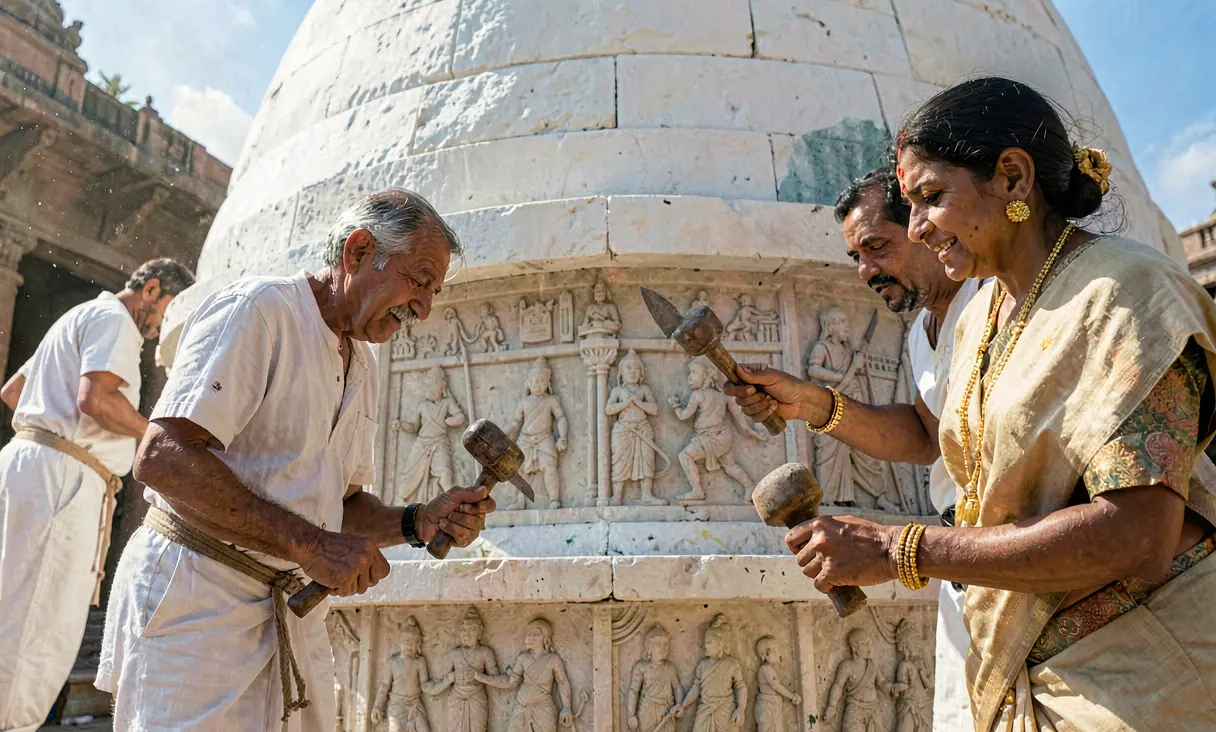
The legacy of these stupas was tested by the construction of the Nagarjuna Sagar Dam in the mid-20th century, which threatened to submerge the entire site. In a remarkable feat of archaeological rescue, the Government of India and UNESCO undertook a massive project to dismantle the major monuments stone-by-stone and reconstruct them on the summit of the nearby hill, preserving the Great Stupa and its intricate panels for future generations. This intervention ensured that the artistic achievements of the Ikshvaku era remained accessible, standing as a testament to a golden age of Deccan Buddhism.
Enduring Significance
The completion of the Great Stupas at Nagarjunakonda around 275 CE represents a pivotal moment in Indian art history, marking the transition from the dynamic realism of the Satavahana period to the refined classicalism that would define the Gupta age. It stands as a physical manifestation of the flourishing Mahayana tradition, where royal power and spiritual inquiry merged to create a cultural legacy that transcended regional boundaries. Today, it remains one of the most significant sites for understanding the evolution of Buddhist architecture and the spread of Indian culture across Asia.
Nagarjunakonda stands as a testament to the sophistication of Deccan Buddhism and its role in transmitting culture across the Indian Ocean.
Where it happened
Nagarjunakonda, Andhra Pradesh, India — see it on the interactive map →
Explore related history
 ArtConstruction of Sennacherib's Palace at Ninevehc. 705 BCE · Nineveh (Mosul), IraqSennacherib expands Nineveh into a magnificent capital filled with art and libraries.
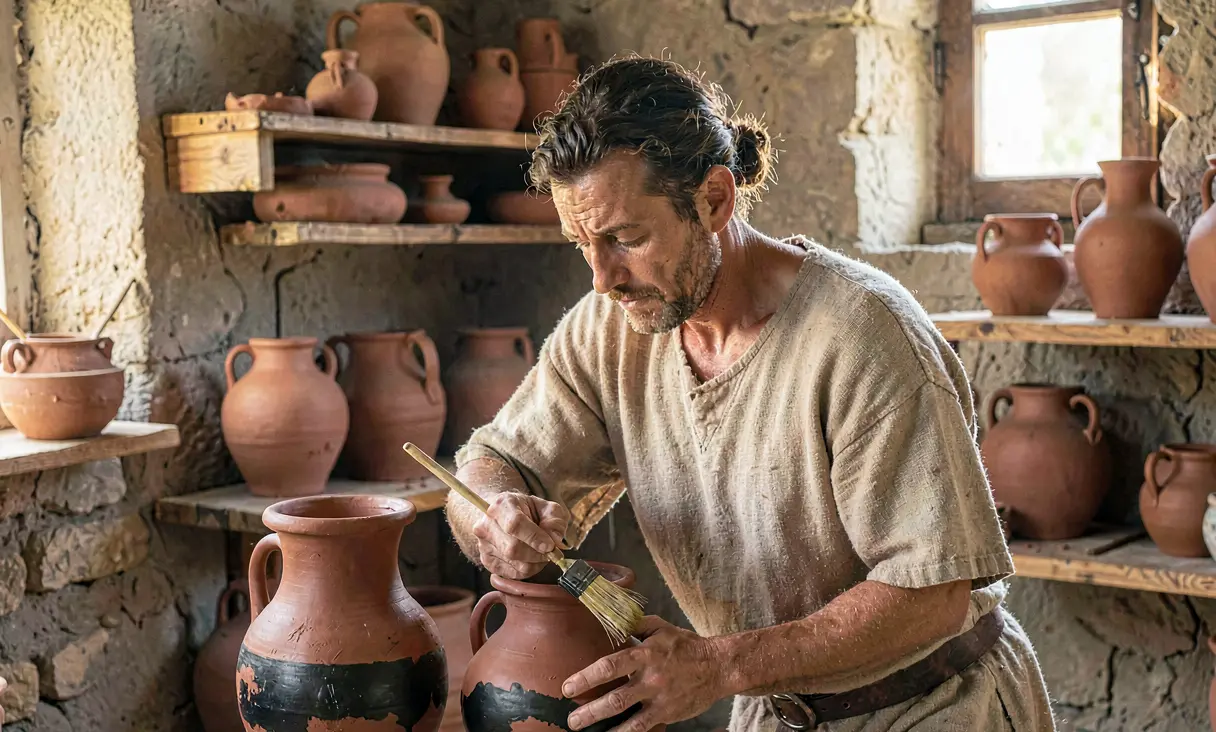 ArtRise of Black-Figure Vase Paintingc. 700 BCE · Athens, GreeceGreek potters perfect the black-figure technique to depict mythological scenes.
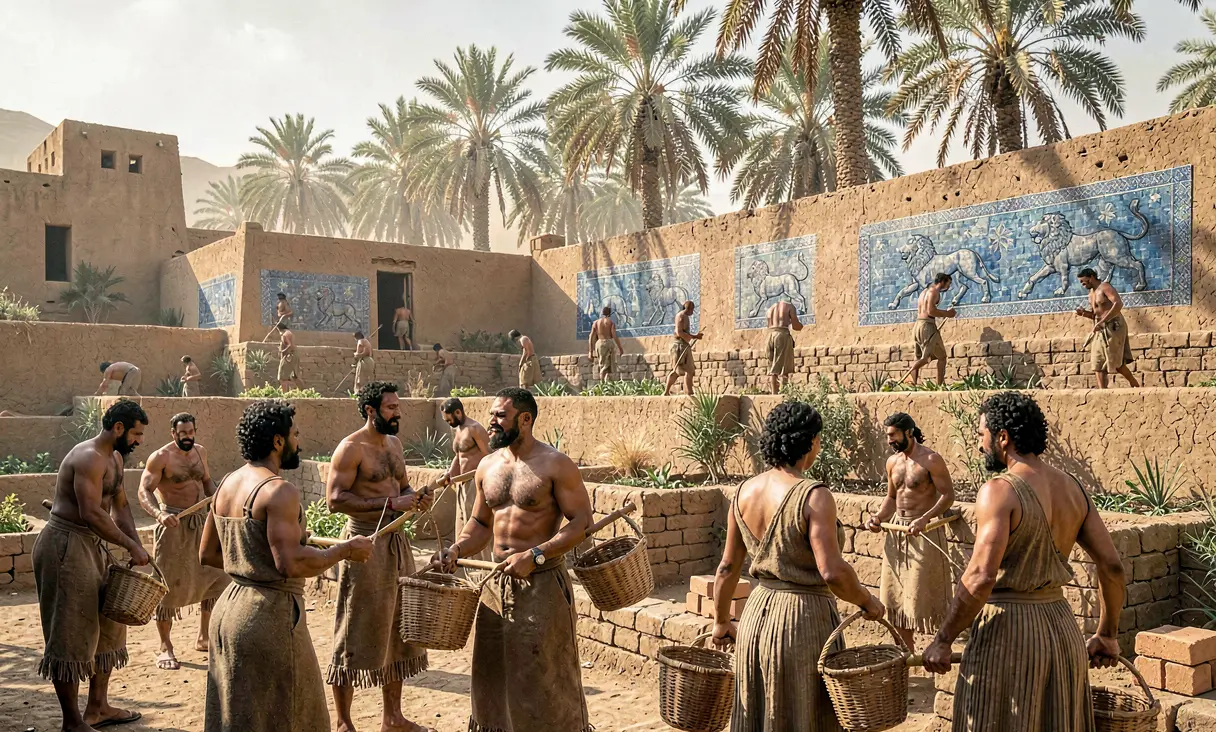 ArtConstruction of the Hanging Gardens of Babylonc. 605 BCE · Babylon, Mesopotamia (Iraq)Nebuchadnezzar II builds the legendary Hanging Gardens for his Median wife.
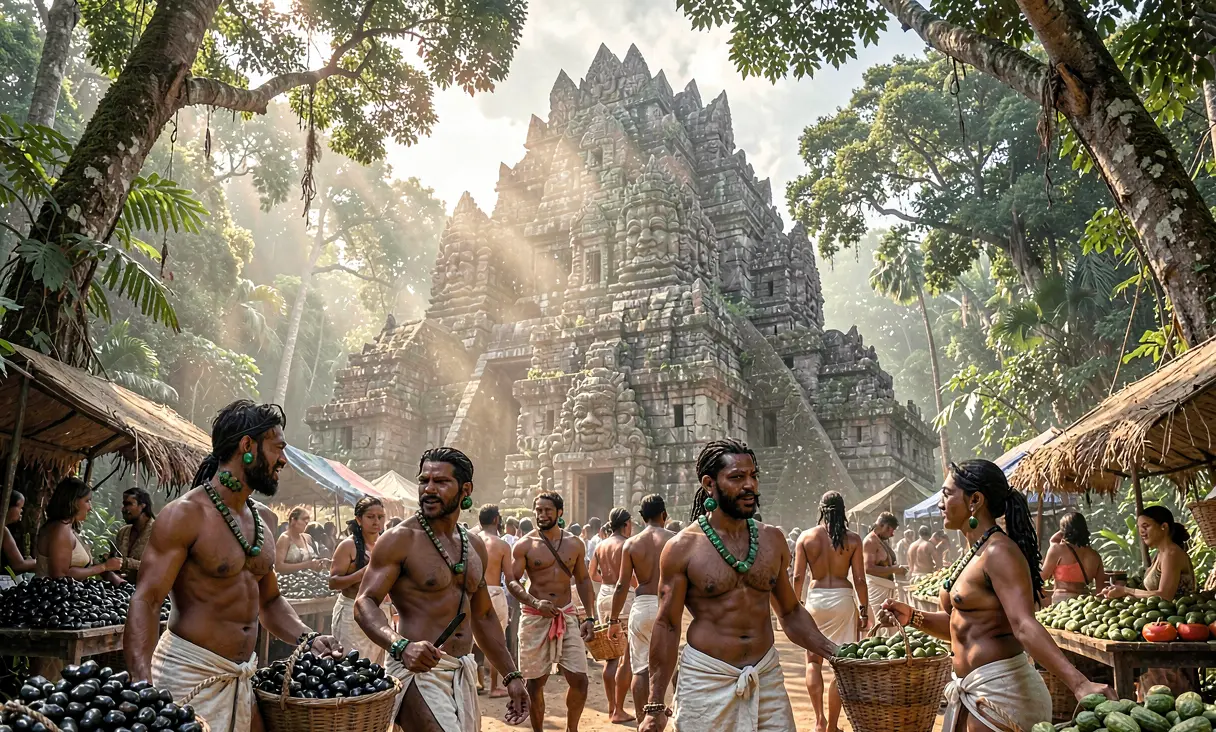 CivilizationMaya Obsidian Trade Network Expansionc. 250 CE · Tikal, GuatemalaThe Maya Classic Period sees a massive expansion of trade networks distributing obsidian, jade, and cacao across Mesoamerica.
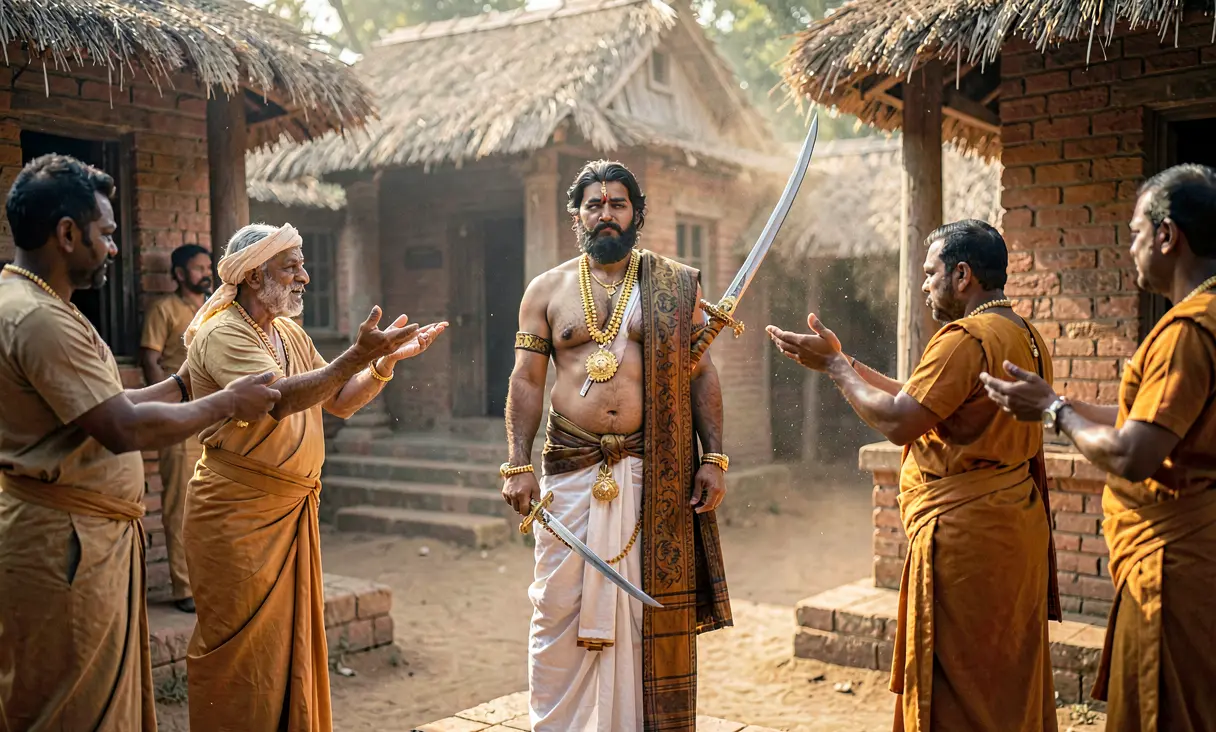 PoliticsFounding of the Gupta Empire by Chandragupta Ic. 320 CE · Pataliputra (modern Patna/India)Chandragupta I assumes the title of Maharajadhiraja, marking the beginning of the 'Golden Age' of India.
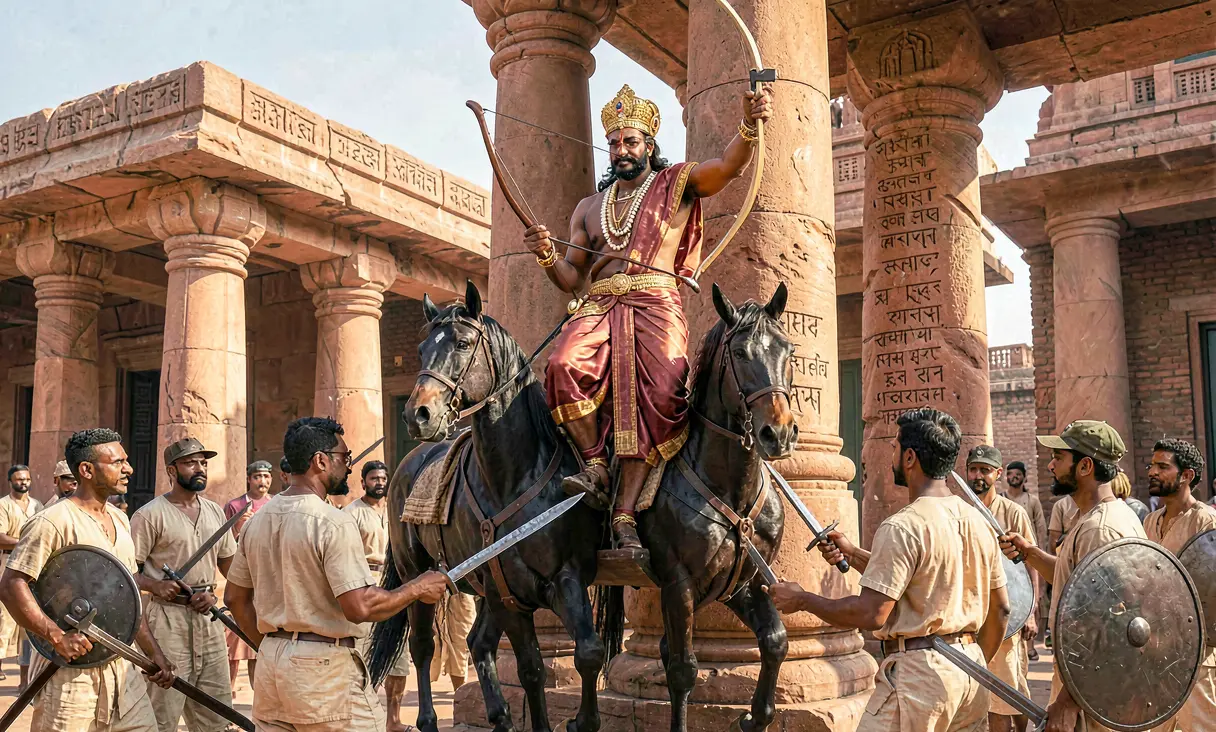 WarSamudragupta's Southern Campaigns and Allahabad Pillarc. 350 CE · Allahabad (modern Uttar Pradesh/India)Emperor Samudragupta conquers northern and southern India, recording his victories on the Allahabad Pillar.
Discussion
Loading…