Rise of the Chimú Kingdom at Chan Chan
Rising c. 1000 CE on Peru's north coast, the Chimú Kingdom built Chan Chan, the world's largest adobe city, mastering gold metallurgy and hydraulic engineering before falling to the Inca in 1470.
Context: The North Coast Power Vacuum
Following the collapse of the Moche civilization around 800 CE and the waning influence of the Wari Empire in the northern Andes, a political vacuum emerged along Peru's arid north coast. This region, characterized by narrow river valleys cutting through vast desert plains, had long supported complex societies reliant on sophisticated irrigation. By the late 10th century, the city-state of Chimor began to coalesce under a centralized authority, distinct from the fragmented chiefdoms that preceded it. The environmental stability provided by the El Niño-Southern Oscillation patterns allowed for agricultural surplus, which became the economic engine for state formation.
The Founding of Chan Chan
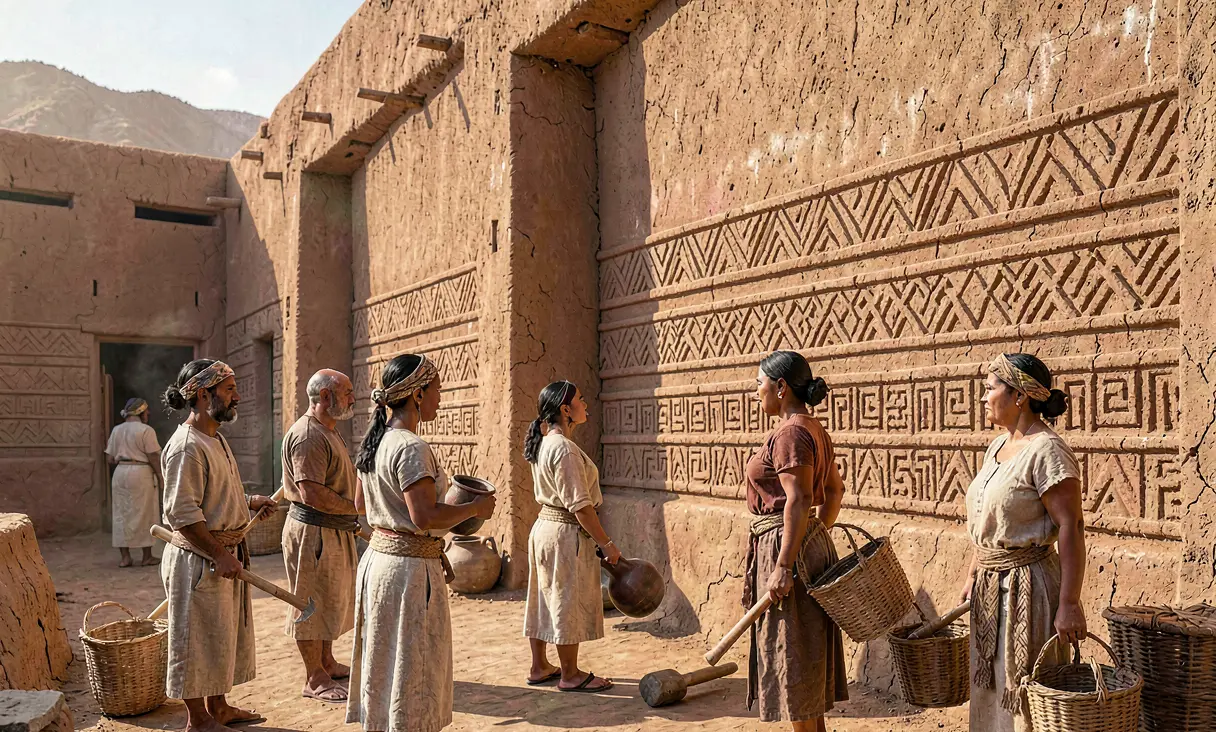
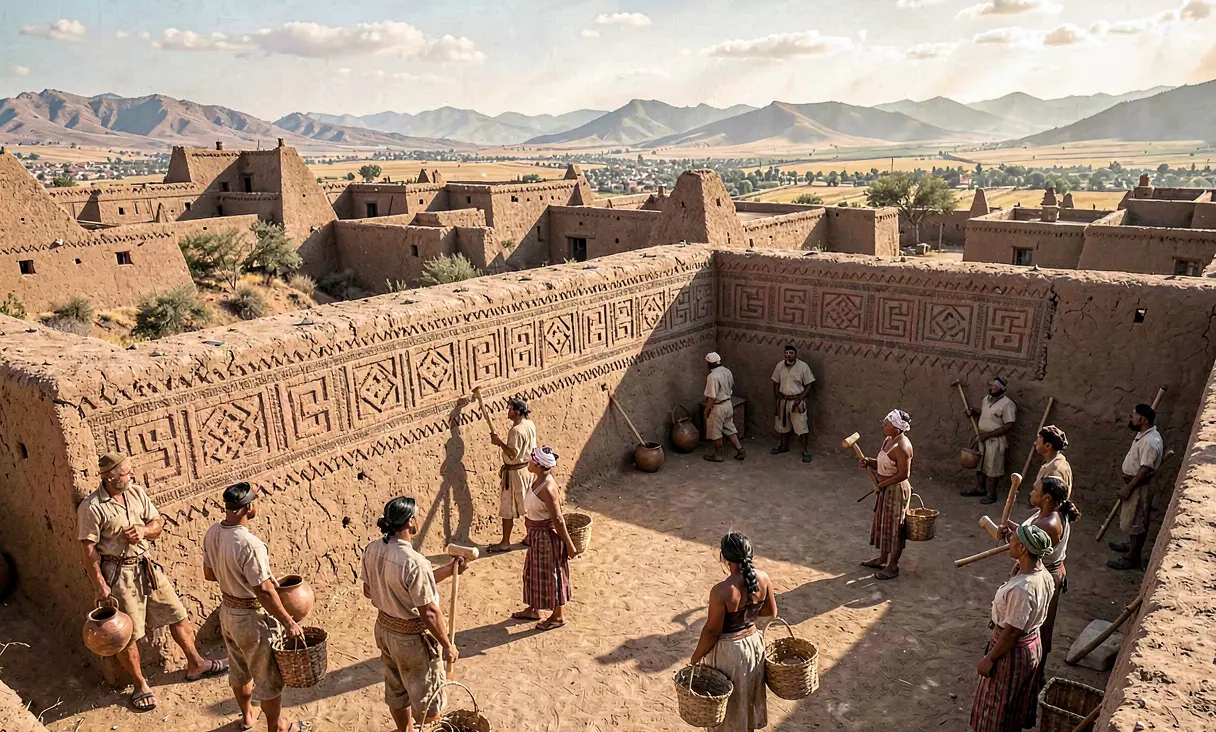
Around 1000 CE, the Chimú established their capital at Chan Chan, a name derived from the Quechua word 'Chimu' meaning 'Sun Sun.' Located near modern-day Trujillo, the city grew to become the largest pre-Columbian adobe city in the Americas, covering approximately 20 square kilometers. Unlike the stone masonry of the later Inca or the earlier Moche, Chan Chan was constructed almost entirely from sun-dried mud bricks (adobe). The city was organized into nine massive fortified citadels, known as 'ciudadelas,' each serving as a palace complex for a reigning king and his court. These structures were enclosed by towering walls reaching up to 12 meters in height, designed both for defense and to demarcate the sacred space of the ruler.
Architectural Mastery and Iconography
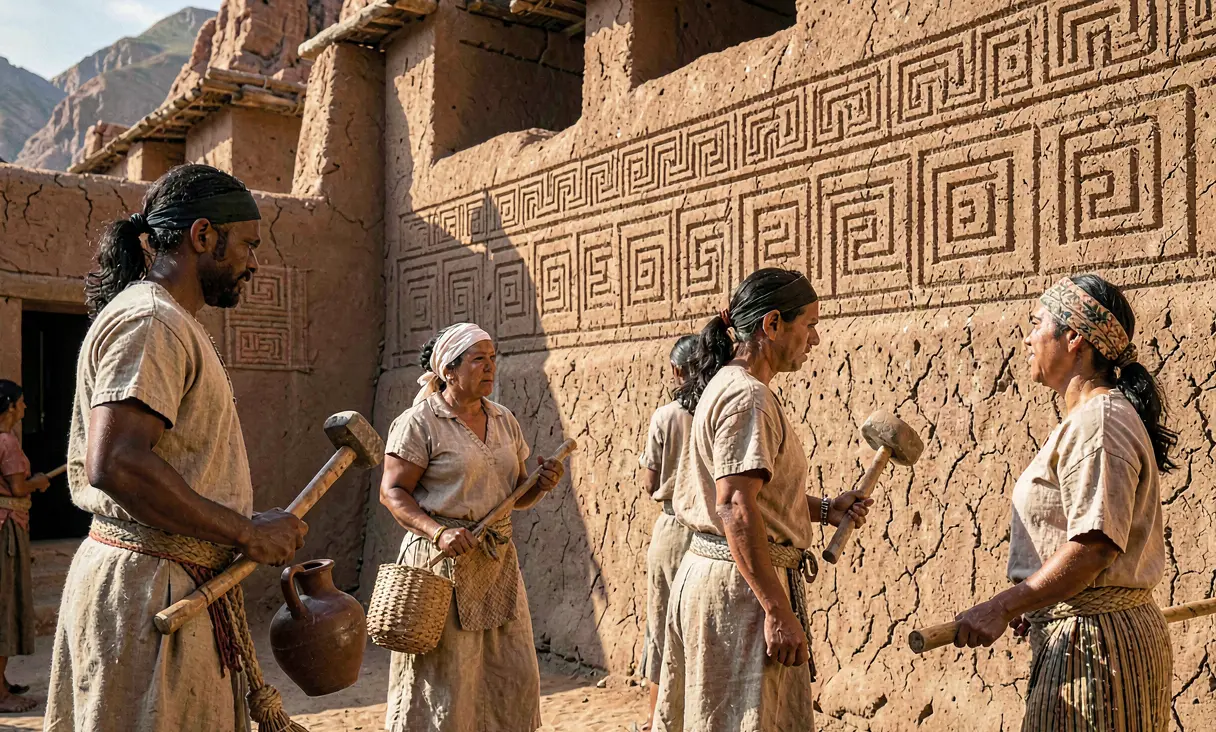
The aesthetic of Chan Chan is defined by its intricate relief friezes adorning the exterior walls of the citadels. These bas-reliefs, created using wooden molds pressed into wet mud before drying, depict a rich cosmology centered on maritime life. Recurring motifs include stylized fish, seabirds, and geometric waves, reflecting the Chimú's profound reliance on the Pacific Ocean for sustenance and trade. The most famous of these is the 'Fisherman' frieze found in the Tschudi Palace. Beyond decoration, the layout of the citadels followed a strict hierarchy: outer walls housed artisans and storage facilities, while inner courtyards contained temples, residential quarters for the elite, and burial chambers, ensuring that access to the king was strictly controlled.
Economic Engine: Metallurgy and Irrigation
The Chimú state's power was underpinned by two pillars: advanced metallurgy and hydraulic engineering. The Chimú artisans were arguably the finest metalworkers in the pre-Columbian world, mastering techniques such as lost-wax casting, gilding, and the alloying of gold with copper to create tumbaga. They produced elaborate ceremonial masks, jewelry, and ritual objects that signified status and religious authority. Simultaneously, the state managed a vast network of canals diverting water from the Chicama, Moche, and Virú rivers to support intensive agriculture in the desert. This surplus allowed for a large non-agricultural workforce, including specialized craftsmen who produced textiles and metal goods for trade across the Andes.
Expansion and Imperial Control
Under successive kings, most notably the legendary founder Tacaynamo and his successors, the Chimú Kingdom expanded its territory from the Chancay River in the south to the Tumbes region in the north. The state maintained control not through a standing army alone, but through a system of tribute and forced labor (mit'a). Conquered populations were often relocated to Chan Chan or other administrative centers to work on state projects, while local elites were integrated into the Chimú hierarchy. This expansion facilitated a robust maritime trade network that extended as far as present-day Ecuador and Chile, exchanging gold, shells, and textiles for exotic goods like Spondylus shells from the north.
The Inca Conquest and Decline
Despite its wealth and sophistication, the Chimú Kingdom faced an existential threat in the late 15th century. The rising Inca Empire, led by Pachacuti and later Tupac Yupanqui, launched a military campaign against the north coast around 1470 CE. After a prolonged siege of Chan Chan, the Inca successfully captured the city, deposed the last Chimú ruler, Minchancaman, and dismantled the state apparatus. The Inca incorporated much of the Chimú territory into their empire but often left the adobe structures to decay due to different construction preferences and the lack of maintenance by their own engineers.
Legacy and Modern Significance
Today, Chan Chan stands as a UNESCO World Heritage site and a testament to one of the most complex civilizations in pre-Columbian history. Although much of the city has suffered from erosion due to El Niño events and human activity, ongoing archaeological efforts continue to reveal the sophistication of Chimú urban planning and social organization. The Chimú legacy endures in Peruvian culture through their descendants and the preservation of their artistic traditions, particularly in metallurgy. The site serves as a critical case study for understanding how ancient societies adapted to extreme arid environments and organized large-scale labor without the use of the wheel or draft animals.
Chan Chan represents the largest pre-Columbian city built entirely from adobe in the Americas.
Where it happened
Chan Chan, Peru — see it on the interactive map →
Explore related history
 CivilizationEmergence of Norte Chico Urban Centersc. 3000 BCE · Caral-Supe Valley, PeruThe Norte Chico civilization establishes the oldest known cities in the Americas.
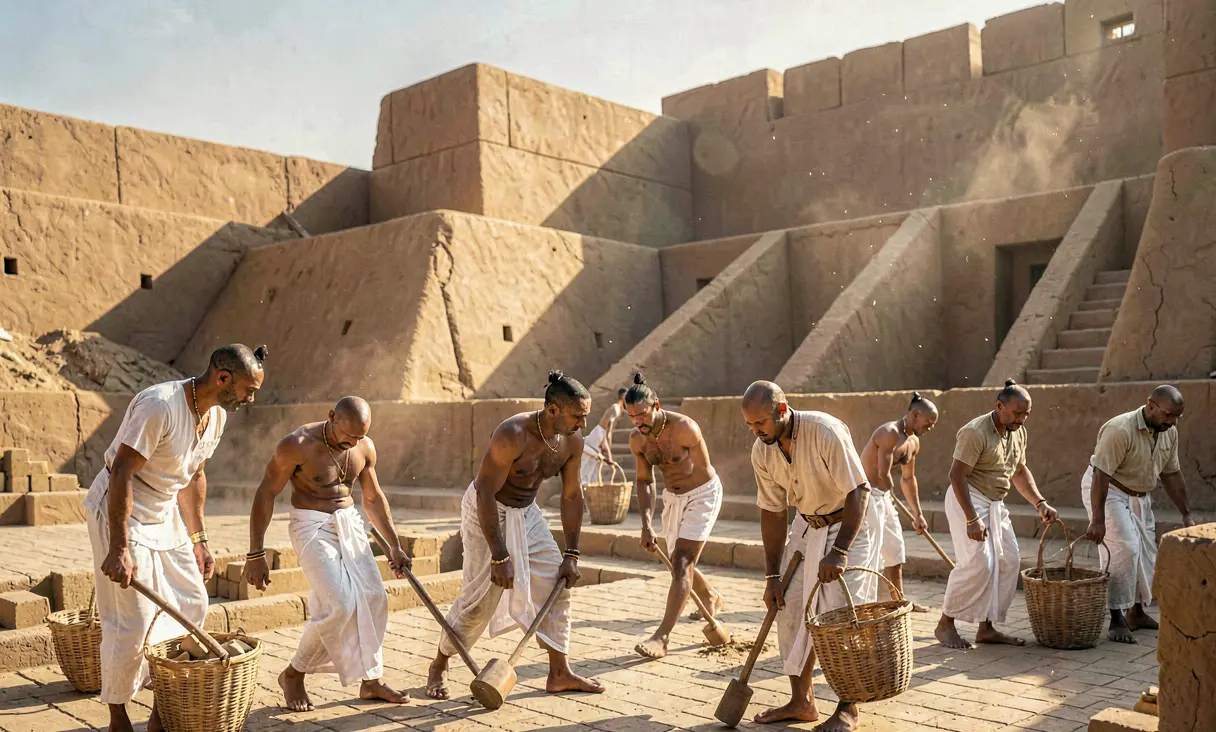 CivilizationUrban Planning of Mohenjo-daroc. 2600 BCE · Mohenjo-daro, PakistanThe Indus Valley Civilization constructs Mohenjo-daro with advanced grid systems and the world's first known urban sanitation.
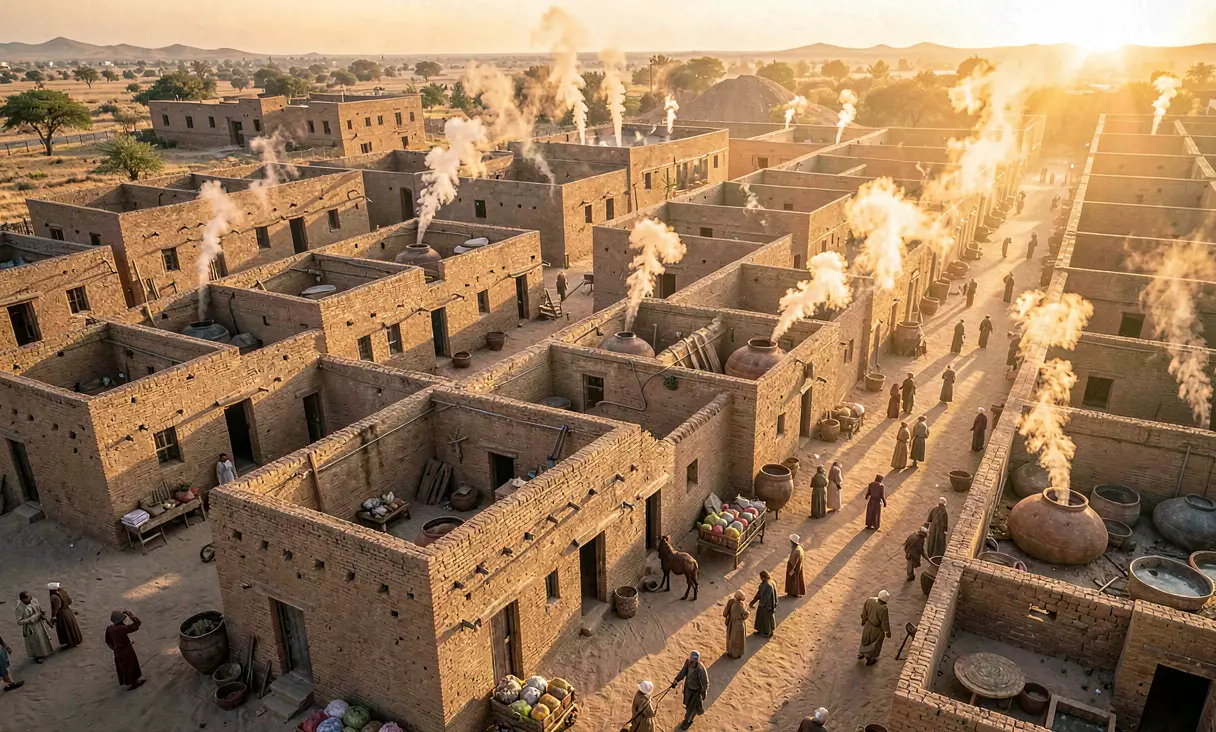 CivilizationUrbanization of Harappa and Mohenjo-daroc. 2600 BCE · Harappa and Mohenjo-daro, Indus Valley (modern Pakistan)The mature Harappan phase begins, establishing the first large-scale urban centers in South Asia with advanced grid planning.
 ExplorationLapita Settlement in Western Samoac. 1000 BCE · Western SamoaLapita voyagers reach the Samoan archipelago, marking the first entry into Remote Oceania.
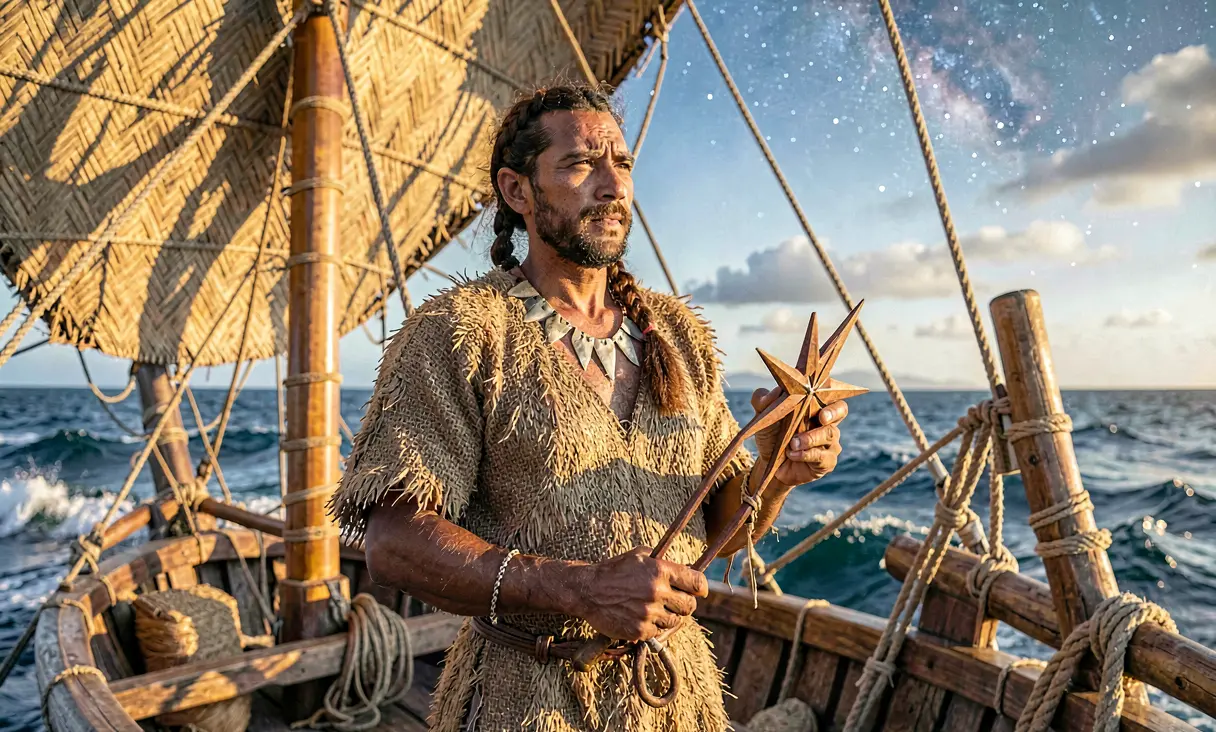 ScienceRefinement of Polynesian Wayfinding Techniquesc. 1000 BCE to 1500 CE · Pacific Ocean (Society Islands)Polynesian navigators perfect star paths and ocean swells to traverse the vast Pacific without instruments.
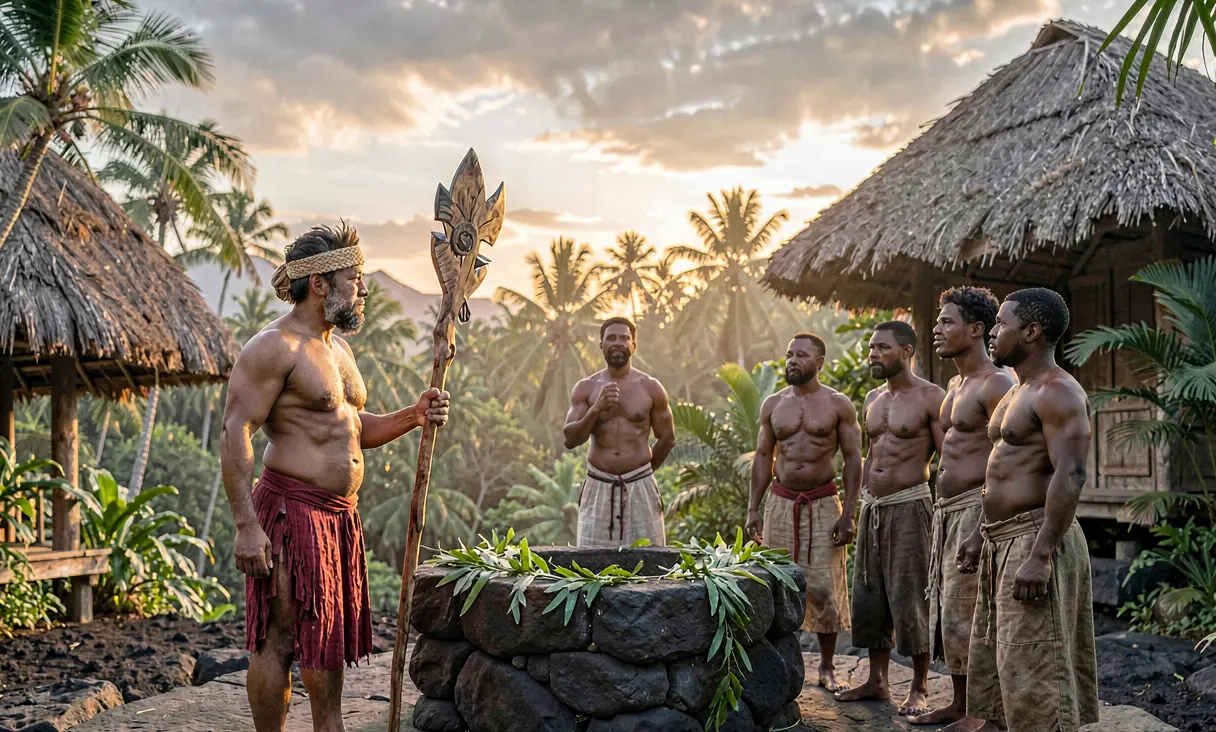 ReligionCodification of the Hawaiian Kapu Systemc. 1000 CE · Hawaii (Big Island), USAThe Hawaiian kapu system is formalized, establishing a rigid social hierarchy and religious code.
Discussion
Loading…