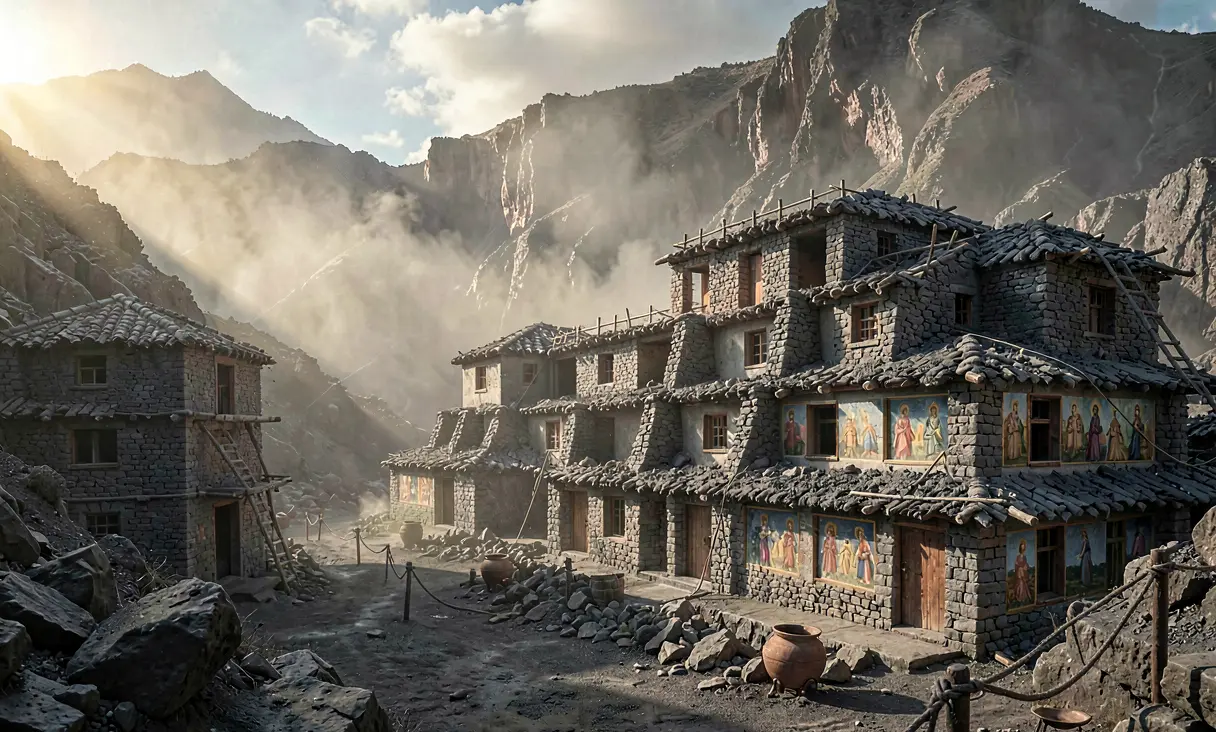
Volcanic Ash Burial of Akrotiri on Thera
The volcanic burial of Akrotiri around 1600 BCE preserved a pristine snapshot of Minoan life while its eruption devastated the Mediterranean, triggering the decline of the Minoan empire and inspiring
The Minoan Enclave of Akrotiri
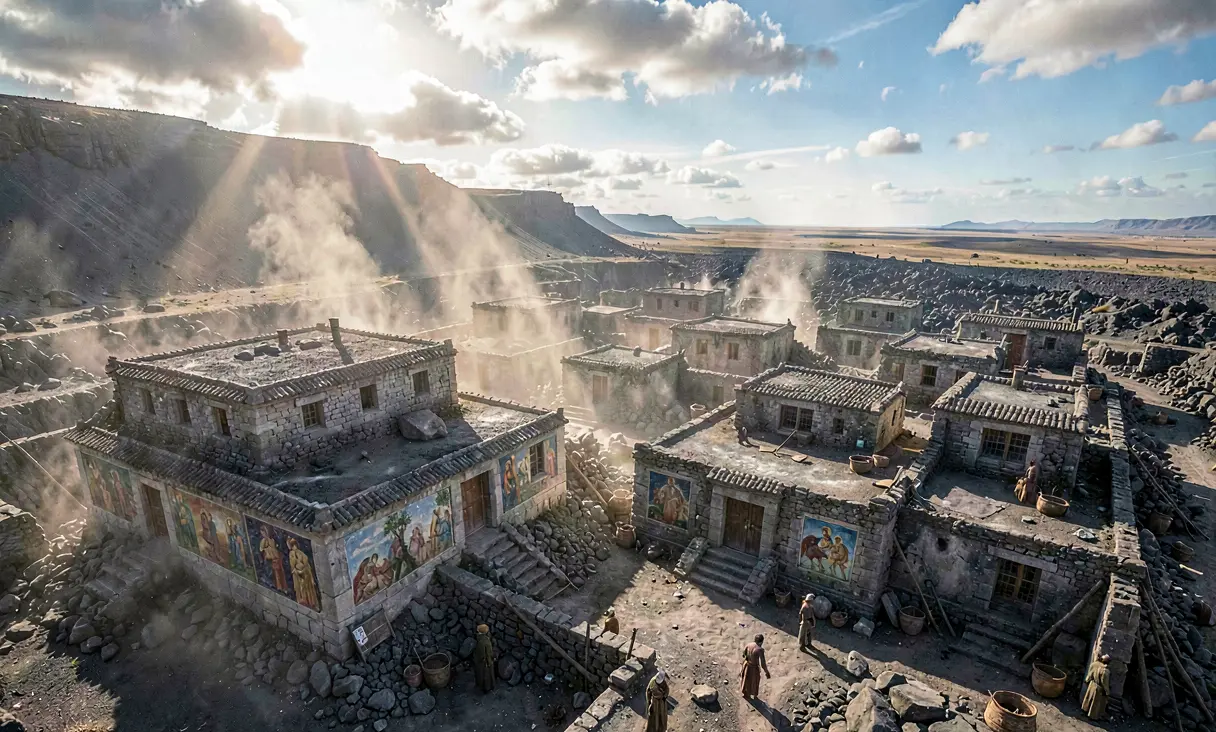
Situated on the southern coast of Thera (modern Santorini) in the Cyclades archipelago, Akrotiri flourished as a sophisticated Bronze Age port city during the Late Minoan IA period. Unlike typical settlements of its era, Akrotiri displayed advanced urban planning characterized by straight streets, multi-story stone buildings with wooden reinforcements, and a complex drainage system featuring terracotta pipes and flush toilets. The settlement served as a critical hub in the Eastern Mediterranean trade network, connecting Egypt, Cyprus, and the Greek mainland. Its wealth is evident in the abundance of imported goods found within its walls, including obsidian from Melos, copper from Cyprus, and exotic spices from the Near East, all housed beneath structures adorned with vibrant frescoes depicting marine life, processions, and religious rituals.
The Cataclysmic Eruption of Thera
Around 1600 BCE, likely within a narrow window between 1627 and 1600 BCE based on dendrochronology and ice core data, the volcano beneath Thera entered its most violent phase. The eruption was a Plinian event of Volcanic Explosivity Index (VEI) 7 magnitude, dwarfing historical eruptions like Krakatoa or Mount Vesuvius in 79 CE. It began with a series of powerful phreatomagmatic explosions that ejected massive columns of gas and ash into the stratosphere. The initial phase deposited layers of pumice up to several meters thick over Akrotiri, effectively sealing the city under a protective cap before the main pyroclastic surges swept across the island, obliterating the landscape and altering the course of the Aegean Sea.
The Silent Evacuation
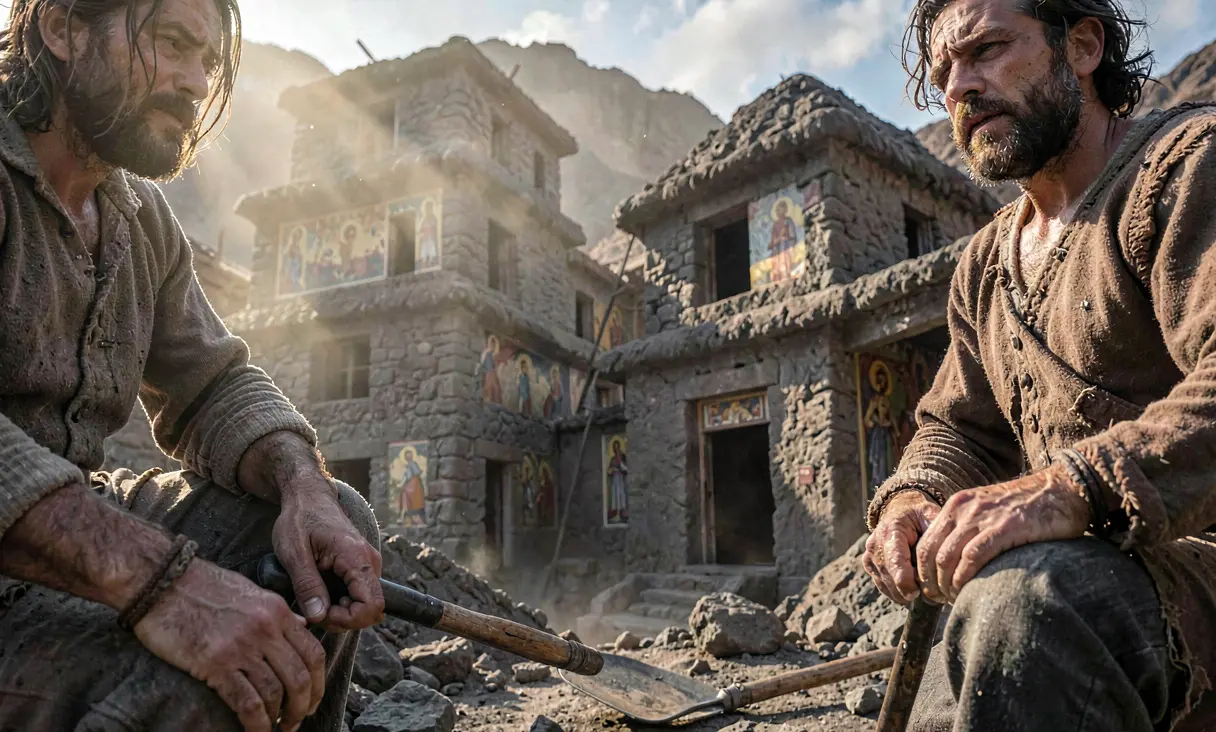
A defining characteristic that distinguishes Akrotiri from Pompeii is the complete absence of human remains within the buried layers. Archaeological excavations have yielded no skeletons, suggesting a successful and timely evacuation of the entire population. This exodus was likely precipitated by weeks or months of precursor seismic activity, which would have given residents ample warning to abandon their homes. The orderly nature of the departure is further indicated by the lack of looting; valuable bronze tools, jewelry, and even large storage jars (pithoi) containing grain and oil were left behind. Some rooms show signs of being hastily boarded up with wooden planks, perhaps in an attempt to protect property from scavengers or the elements before the final collapse.
Preservation in Stone and Ash
The rapid burial by dry pumice and ash created an anaerobic environment that arrested decay with extraordinary fidelity. The result is a 'Pompeii of the Aegean,' where three-story buildings stand intact, their walls covered in masterpieces of Minoan art. Frescoes such as the 'Spring Fresco' (depicting lilies and swallows) and the 'Boxer Fresco' offer unparalleled insights into Bronze Age aesthetics and cultural practices. The preservation extends to organic materials: carbonized loaves of bread, wooden furniture, and even the grain in storage jars remain visible. This time capsule provides historians with a rare, unmediated view of domestic life, religious iconography, and architectural sophistication that is otherwise lost to the ravages of time in other Minoan sites.
Ripples Across the Bronze Age World
The destruction of Akrotiri was merely the opening act of a regional catastrophe. The eruption generated massive tsunamis that devastated the northern coast of Crete, destroying the Minoan fleet and coastal palaces, which were vital to their maritime empire. While the Minoan civilization did not vanish immediately, this event severely weakened its political and economic dominance, creating a power vacuum that allowed the Mycenaeans from mainland Greece to eventually ascend. The ash cloud likely caused significant climatic anomalies across the Mediterranean and possibly as far as China, leading to crop failures and social unrest that contributed to the broader Bronze Age collapse. The loss of Akrotiri severed a crucial link in the trade network, reshaping the geopolitical landscape of the ancient world.
Modern Rediscovery and Legacy
Lost for millennia beneath layers of volcanic debris, Akrotiri was rediscovered in 1867 during efforts to quarry pumice for the construction of the Suez Canal. Systematic excavations began in earnest in 1967 under the direction of Greek archaeologist Spyridon Marinatos, who hypothesized that Thera's eruption inspired the legend of Atlantis described by Plato. Today, the site is a protected archaeological park, with many structures covered by a modern protective roof to preserve the frescoes from humidity and light damage. Akrotiri remains the primary source for understanding Minoan civilization outside of Crete, challenging previous assumptions about their isolation and highlighting the advanced nature of Aegean urbanism prior to the Late Bronze Age collapse.
Akrotiri offers an unparalleled glimpse into daily life in the ancient Aegean, preserved by volcanic catastrophe.
Where it happened
Akrotiri, Thera (Santorini), Greece — see it on the interactive map →
Explore related history
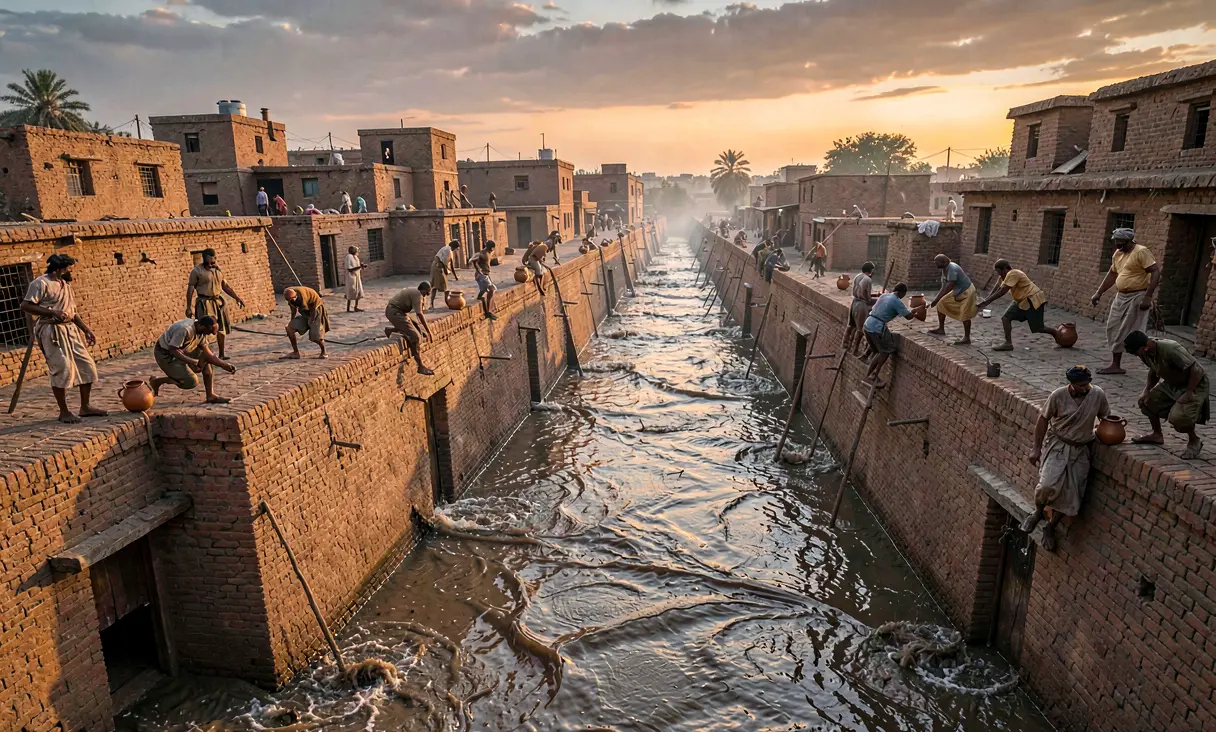 DisasterCatastrophic Flooding at Mohenjo-Daroc. 1900 BCE · Mohenjo-Daro, Sindh, PakistanDevastating floods from the Indus River repeatedly buried and destroyed layers of Mohenjo-Daro, signaling the decline of the urban phase.
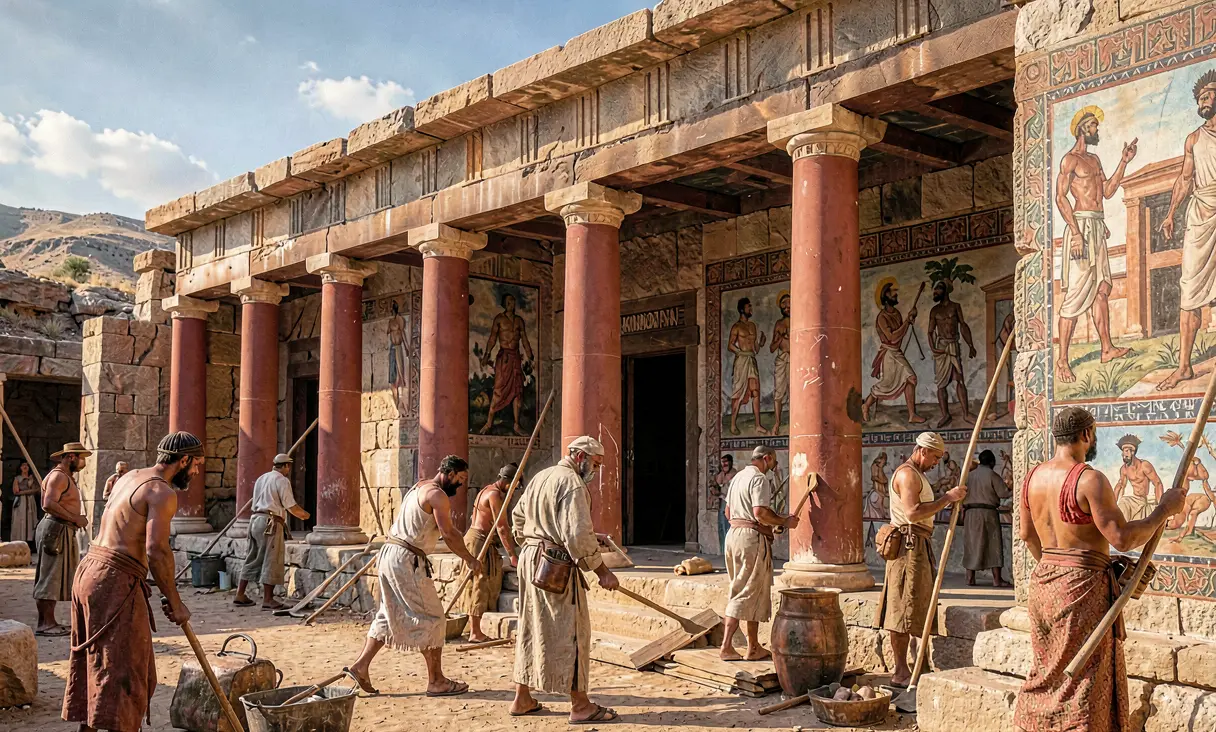 DisasterRebuilding of the Palace at Knossos after Earthquakec. 1700 BCE · Knossos, Crete (Greece)Minoans rebuild the Palace of Knossos after a massive earthquake destroys the old structure.
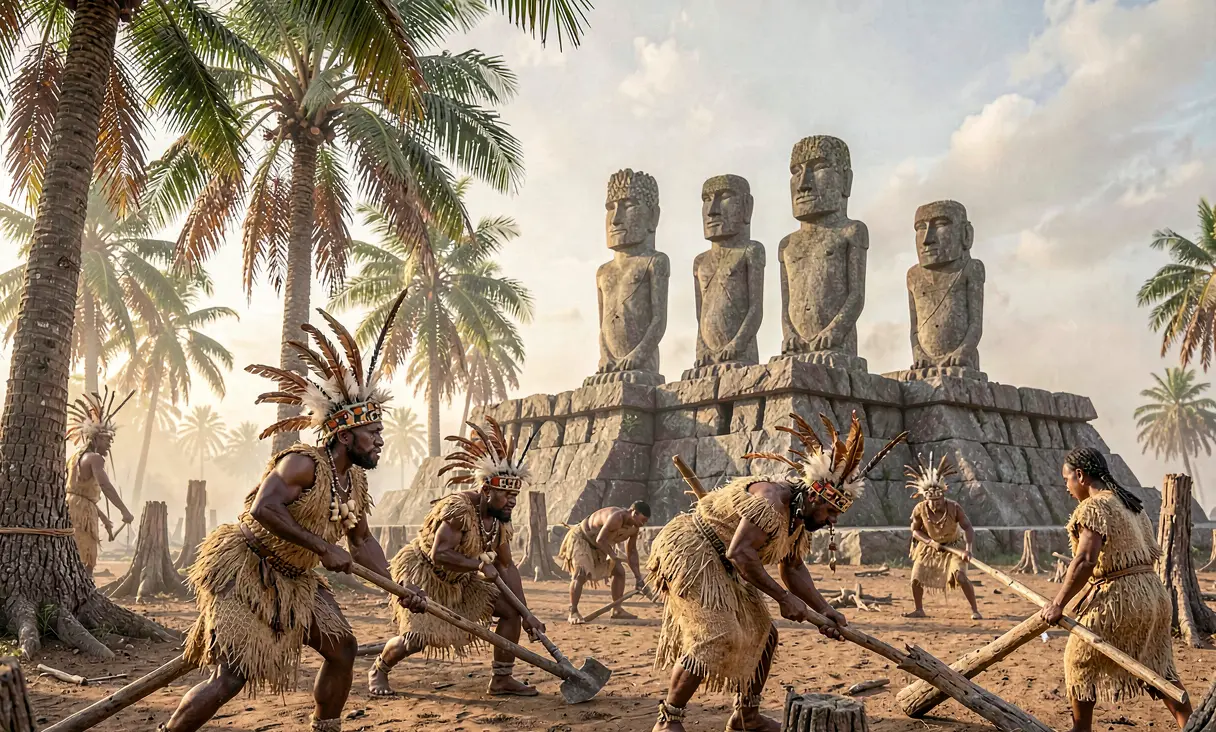 DisasterEcological Collapse and Deforestation of Rapa Nuic. 1600 CE · Rapa Nui (Easter Island), ChileOverexploitation of resources leads to deforestation and societal transformation on Rapa Nui.
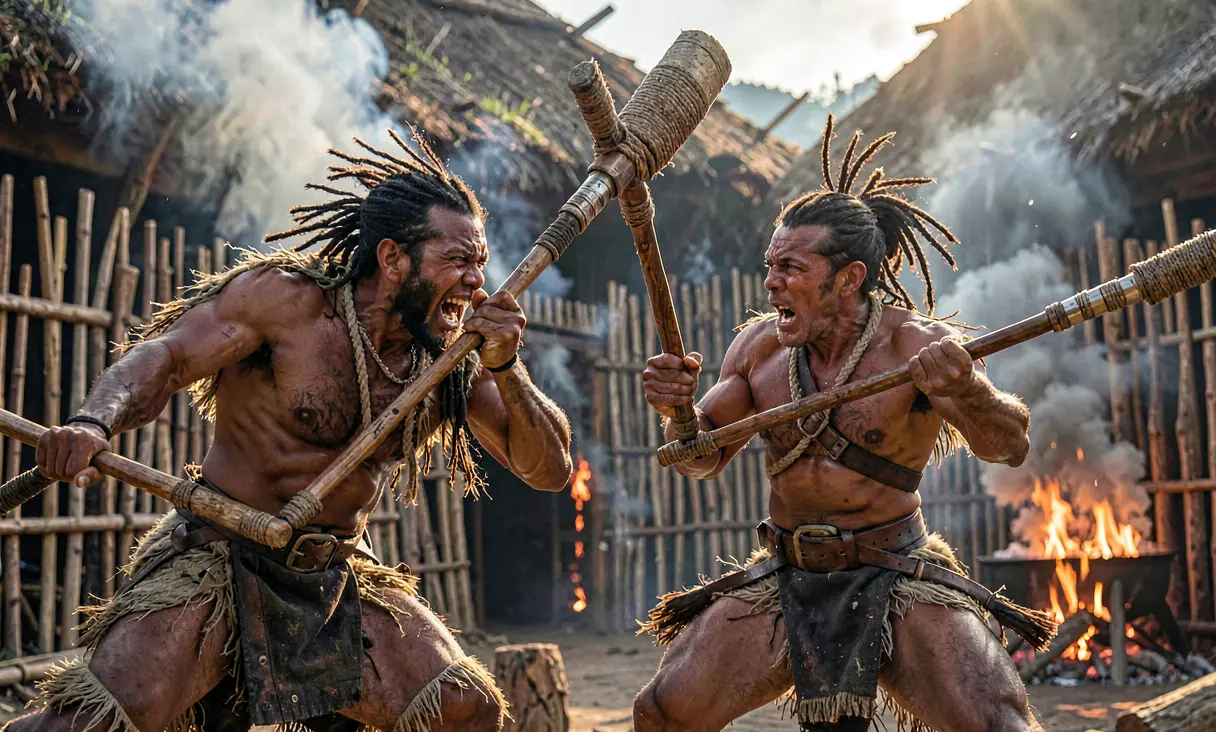 WarEscalation of Inter-Tribal Warfare in New Zealandc. 1600 CE · North Island, New ZealandIntensified warfare leads to the construction of massive pā and the development of new weapons like the taiaha.
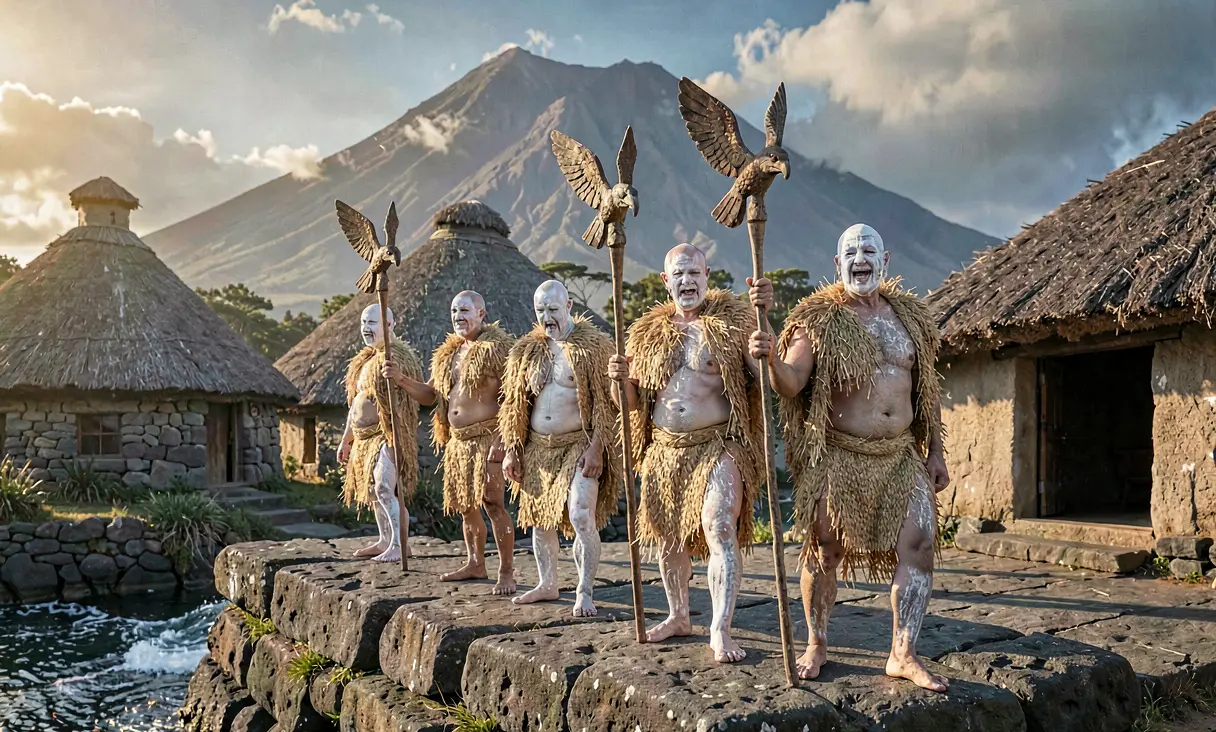 ReligionRise of the Birdman Cult on Rapa Nuic. 1600 CE · Orongo, Rapa NuiThe Birdman cult replaces moai worship as the central religious and political institution on Rapa Nui.
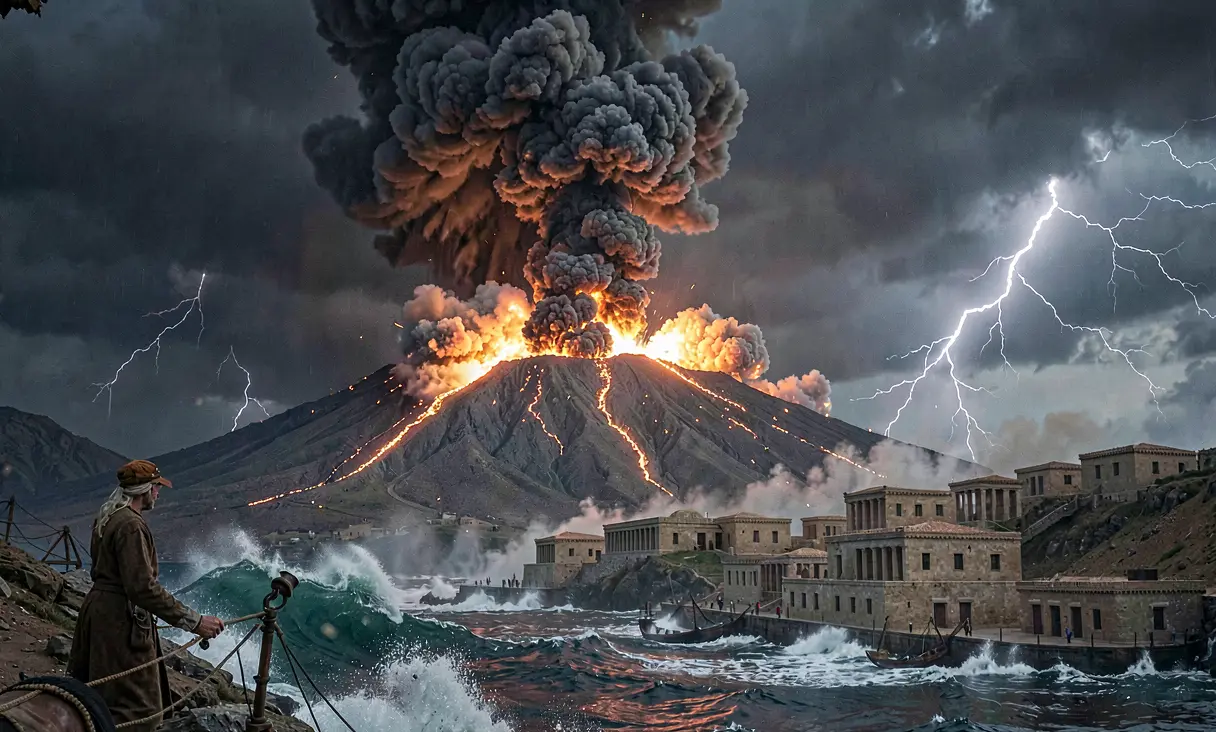 DisasterMinoan Eruption of Thera (Santorini)c. 1600 BCE · Santorini (Thera), Aegean SeaA massive volcanic eruption devastates the Minoan civilization and alters the Mediterranean climate.
Discussion
Loading…