
Maya Obsidian Trade Network Expansion
The expansion of the El Chayal obsidian trade around 250 CE transformed Tikal into a superpower by weaponizing economic control over volcanic glass, fueling military expansion and monumental construct
Geological Foundations and Pre-Classic Roots
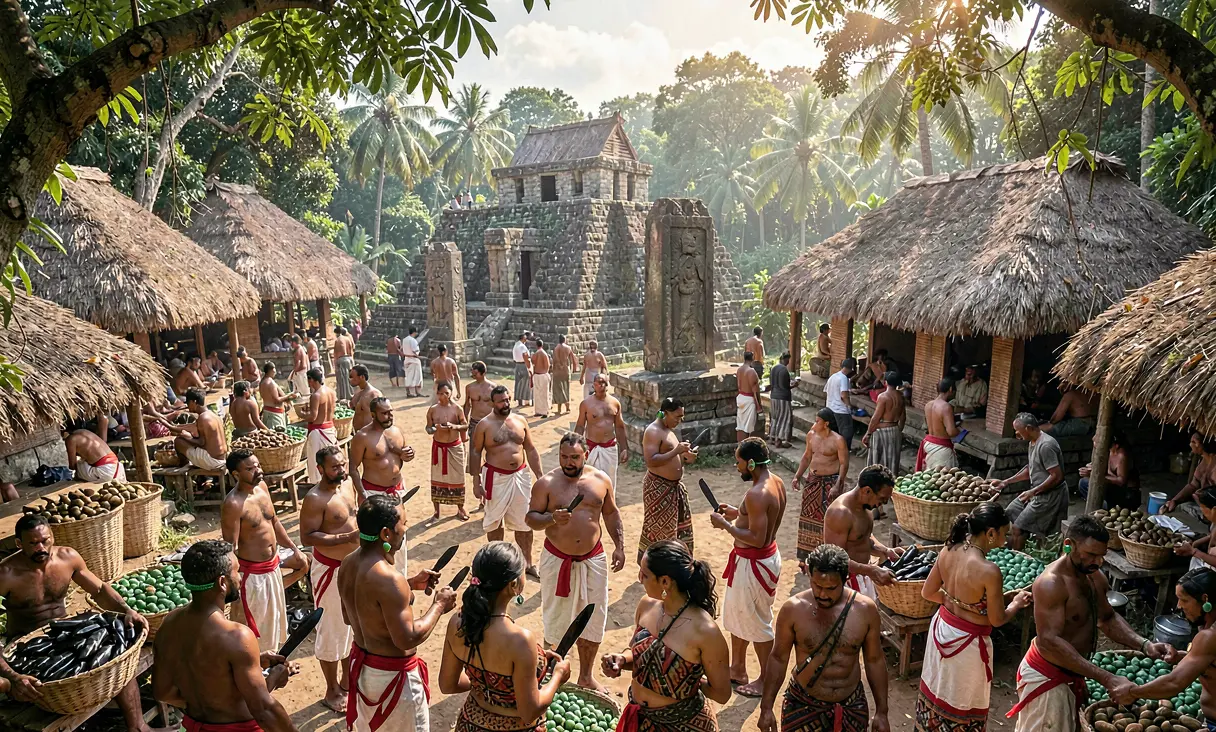
The expansion of the Maya obsidian trade network around 250 CE was not a sudden invention but the culmination of centuries of logistical refinement. The primary source of this volcanic glass, known as El Chayal, lies in the highlands of modern-day Guatemala, approximately 100 kilometers from the great lowland metropolis of Tikal. While obsidian had been utilized since the Pre-Classic period for ritual blades and tools, the Early Classic era saw a dramatic shift in scale and organization. Unlike other commodities such as jade or cacao, which were often monopolized by specific elite lineages, obsidian was essential for the daily subsistence of the entire population, ranging from agricultural tools to household knives. The geological abundance of El Chayal allowed for a surplus that could sustain a vast distribution network extending deep into the Petén Basin and northward toward the Yucatán Peninsula.
The Political Economy of Volcanic Glass
By 250 CE, Tikal had emerged as the preeminent power in the southern lowlands, initiating a period often termed the 'Tikal Supremacy.' The city-state's control over the obsidian trade routes was instrumental in this ascendancy. Archaeological evidence from Tikal's monumental core reveals that the arrival of El Chayal obsidian coincided with the construction of massive pyramids and the erection of stelae dedicated to rulers like Yax Ehb' Xook, whose reign marked a pivotal moment in dynastic consolidation. The trade was not merely commercial; it was a mechanism of statecraft. By controlling the flow of this critical resource, Tikal could reward loyal vassals with high-quality weaponry and tools while withholding them from rivals, effectively weaponizing economic dependence. This system facilitated the formation of a complex web of alliances that stretched across hundreds of miles.
The Catalyst: The Arrival of Siyaj K'ak'
A defining moment in the expansion of this network occurred in 378 CE, though its roots were firmly planted in the preceding century. The arrival of the enigmatic figure Siyaj K'ak' (Born of Fire) at Tikal marks a dramatic intensification of trade and military integration with the distant Teotihuacan civilization in central Mexico. While the initial expansion began around 250 CE, Siyaj K'ak's intervention solidified the route as a trans-regional artery. He is believed to have replaced the local ruler, Chak Tok Ich'aak I, installing a new dynasty that was more closely aligned with Teotihuacan interests. This political realignment ensured that the obsidian routes were protected by military might and standardized under a unified administrative logic, allowing for the rapid movement of goods from the Guatemalan highlands to the northern reaches of the Maya world.
Logistics and the Mechanics of Exchange
The mechanics of this trade network were sophisticated, relying on a combination of riverine transport along the Usumacinta and Pasión rivers, followed by overland portages through dense jungle. Obsidian was transported in two primary forms: as raw nodules for local knapping or as preforms (roughly shaped blades) ready for final sharpening at destination sites. Excavations at sites such as Caracol and Naranjo have yielded distinct isotopic signatures confirming the dominance of El Chayal obsidian during this period, often comprising over 80% of the lithic assemblage. The standardization of blade sizes suggests a centralized production system where specialized artisans worked under state supervision to meet the demands of both urban centers and rural hinterlands.
Warfare and Social Stratification
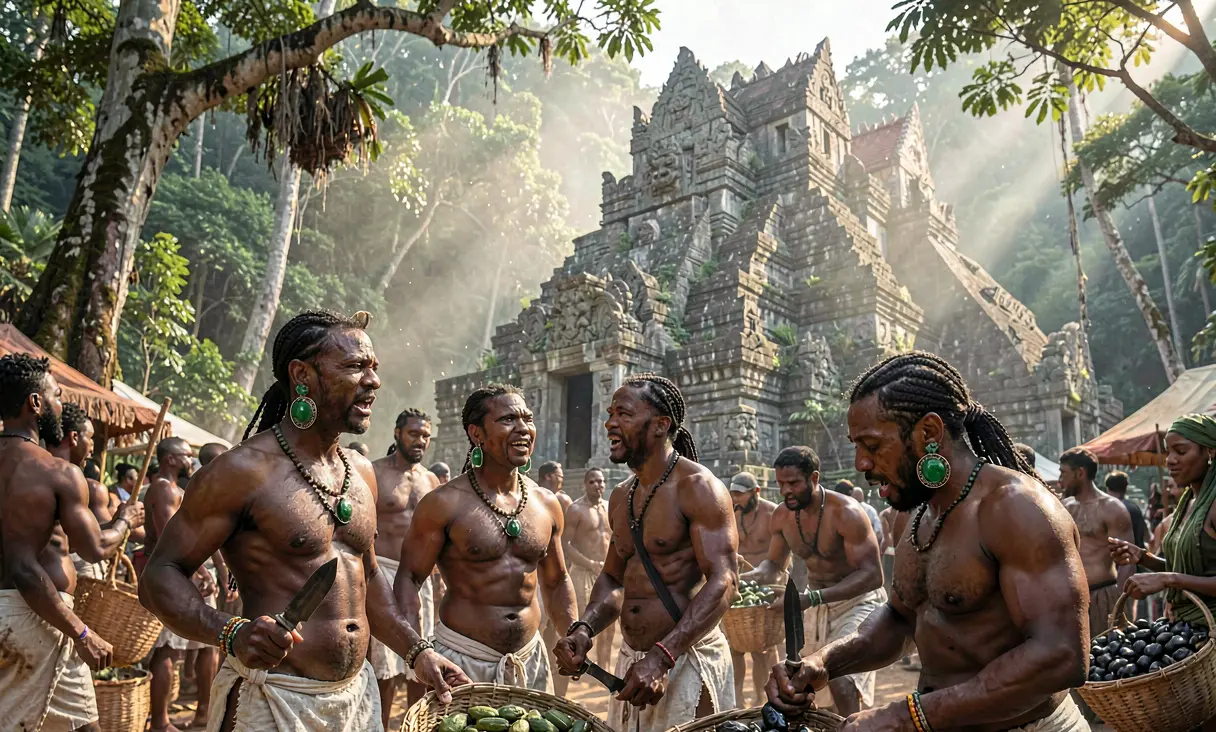
The proliferation of obsidian directly influenced the nature of Maya warfare and social hierarchy. The availability of sharp, durable blades transformed infantry combat, allowing for more lethal close-quarters engagements and the mass production of sacrificial tools used in state rituals. This militarization reinforced the power of the warrior aristocracy, who were often depicted on stelae wielding obsidian macuahuitl-like clubs or carrying bundles of prismatic blades as symbols of office. Furthermore, the trade network created a distinct economic stratification; cities situated directly on the main arteries flourished, while those bypassed by the routes stagnated. The wealth generated from taxing this flow of goods funded the monumental architecture that defines the Classic Maya landscape, including the towering temples of Tikal and the palaces of Calakmul.
Legacy and the Collapse of the Network
The obsidian trade network remained the economic backbone of the Maya civilization until the Terminal Classic collapse around 900 CE. As political alliances fractured and city-states like Tikal fell into decline, the centralized control of these routes disintegrated. However, the legacy of this system persisted in the cultural memory of the region; even after the fall of the great cities, local communities continued to utilize El Chayal obsidian for centuries. The network demonstrated how a single geological resource could shape political boundaries, dictate military strategy, and drive urbanization across an entire hemisphere. It stands as a testament to the Maya's ability to integrate environmental constraints with complex socio-political engineering, creating a system that sustained one of history's most sophisticated civilizations for nearly seven hundred years.
It created an integrated economic sphere that bound diverse Mesoamerican cultures together through commerce.
Where it happened
Tikal, Guatemala — see it on the interactive map →
Explore related history
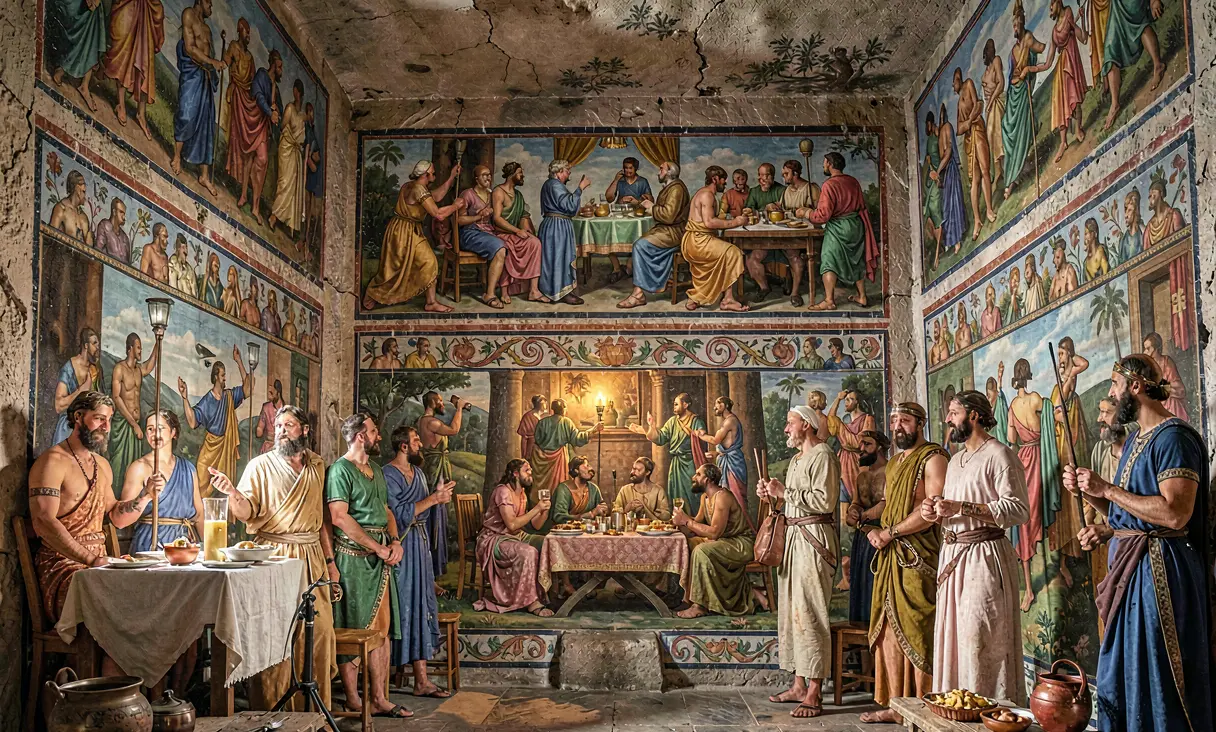 CivilizationRise of the Etruscan League in Central Italyc. 750 BCE · Tarquinia (Cerveteri), ItalyEtruscan city-states form a powerful confederation dominating central Italy and influencing Rome.
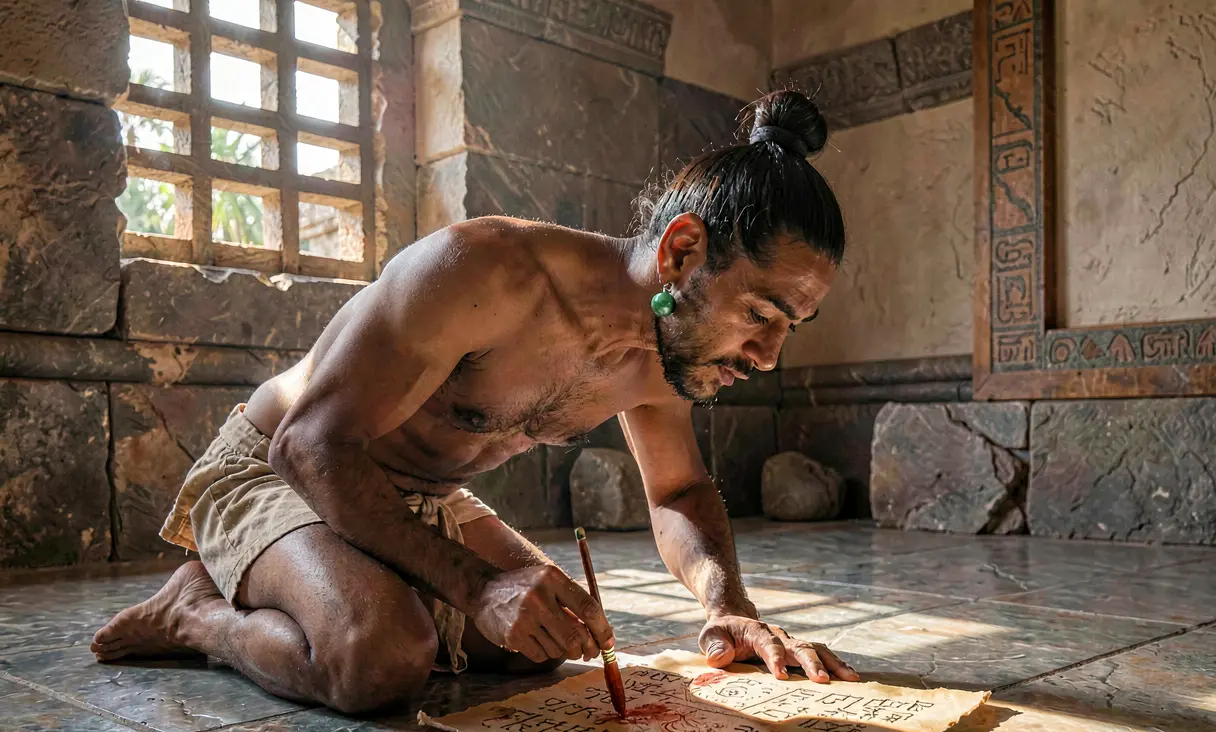 CivilizationCodices and Writing System of the Mayac. 200 BCE · El Mirador, GuatemalaThe Maya develop a complex logosyllabic writing system and astronomical calendars during the Preclassic period.
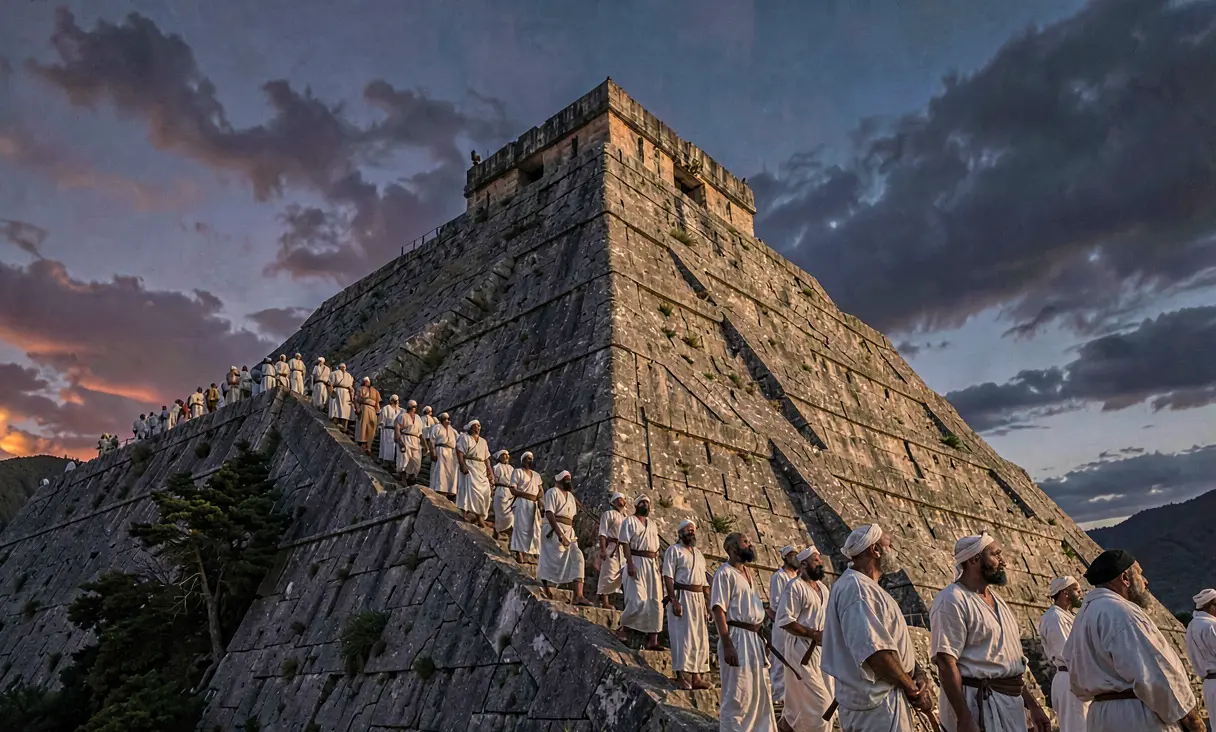 CivilizationConstruction of the Pyramid of the Moon at Teotihuacánc. 1 CE · Teotihuacán, MexicoThe second-largest pyramid is built to honor the Great Goddess and align with lunar cycles.
 ArtCompletion of Great Stupas at Nagarjunakondac. 275 CE · Nagarjunakonda, Andhra Pradesh, IndiaThe Ikshvaku dynasty completes massive stone stupas and monasteries at Nagarjunakonda, showcasing the pinnacle of Deccan Buddhist art.
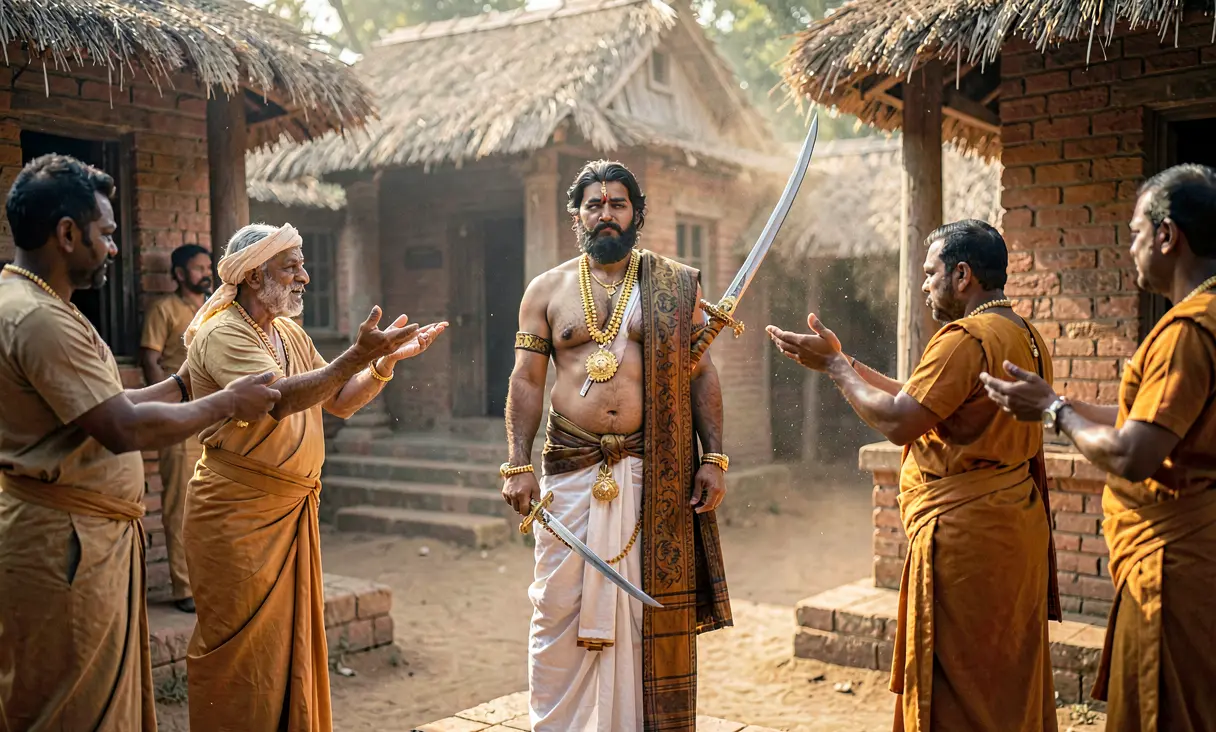 PoliticsFounding of the Gupta Empire by Chandragupta Ic. 320 CE · Pataliputra (modern Patna/India)Chandragupta I assumes the title of Maharajadhiraja, marking the beginning of the 'Golden Age' of India.
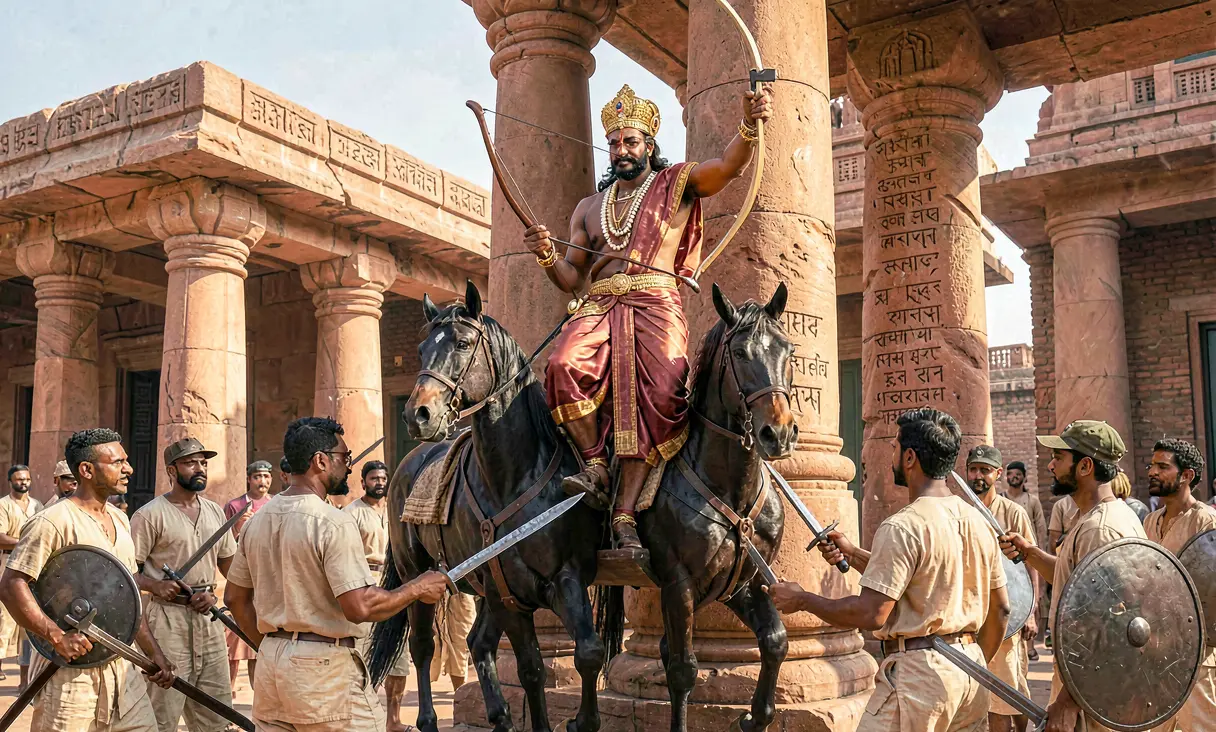 WarSamudragupta's Southern Campaigns and Allahabad Pillarc. 350 CE · Allahabad (modern Uttar Pradesh/India)Emperor Samudragupta conquers northern and southern India, recording his victories on the Allahabad Pillar.
Discussion
Loading…