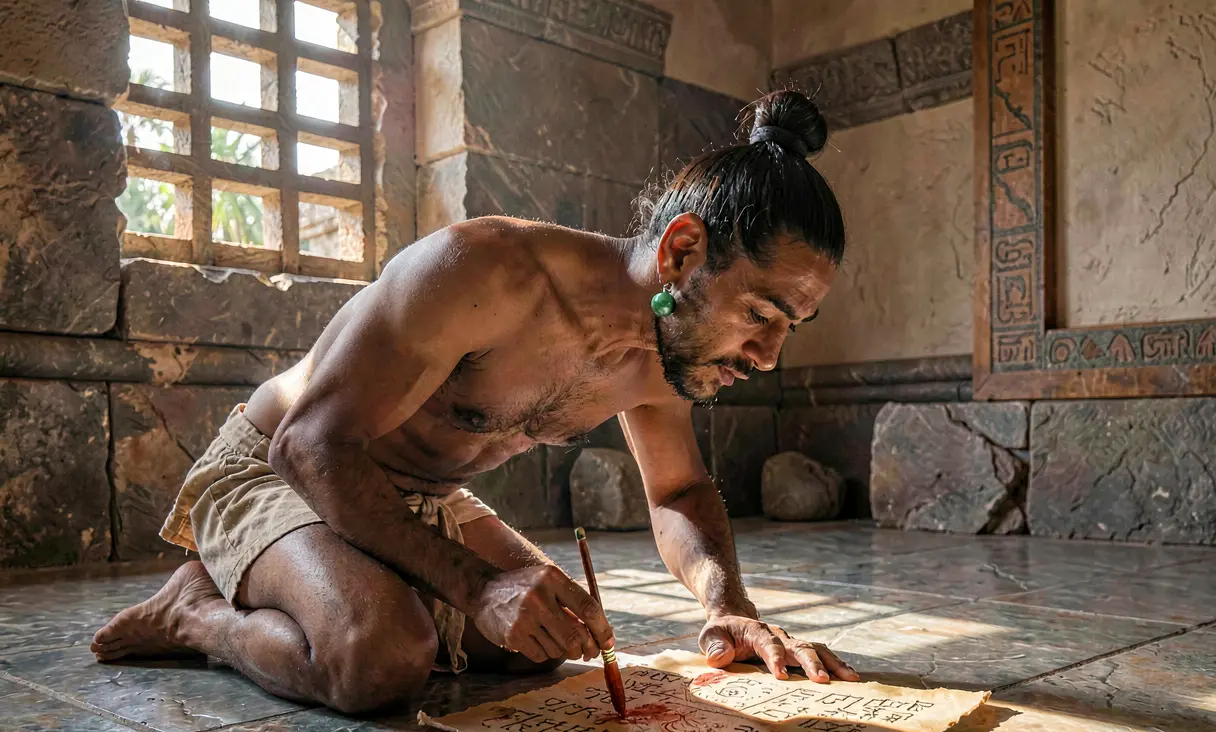
Codices and Writing System of the Maya
Around 200 BCE, El Mirador birthed the complex Maya script and zero concept, enabling unprecedented historical record-keeping that cemented political power and defined Mesoamerican civilization for a
The Cradle of Maya Literacy
Emerging from the dense lowlands of northern Guatemala during the Preclassic period (c. 200 BCE), the city-state of El Mirador stands as a monumental testament to the dawn of Maya civilization. While often overshadowed in popular imagination by the later Classic era cities of Tikal and Palenque, El Mirador was the largest and most populous urban center in the Americas prior to the Common Era's second millennium. It was within this sprawling metropolis, dominated by the colossal La Danta pyramid complex, that the intellectual foundations of Maya culture were solidified. The society here did not merely adopt writing; they engineered a sophisticated script capable of capturing the nuances of human history and cosmic order, setting a precedent that would define Mesoamerican thought for over a thousand years.
The Birth of a Dual Script
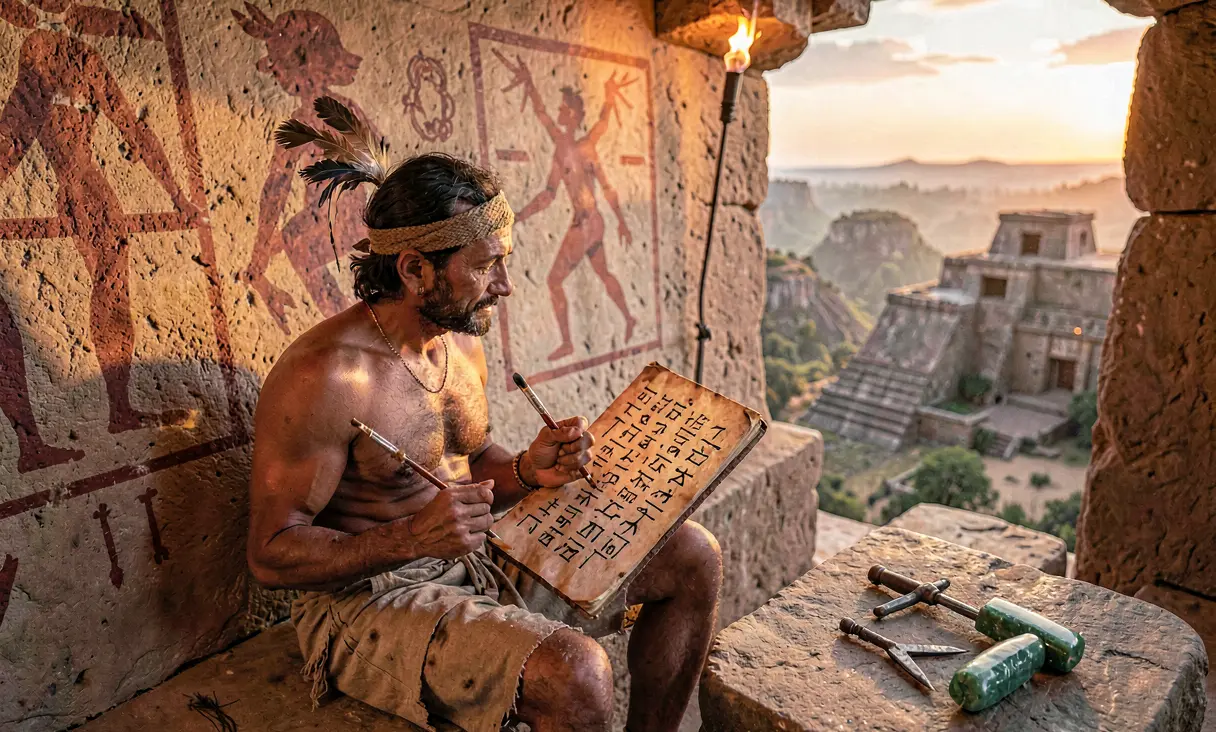
By approximately 200 BCE, scribes at El Mirador had refined a writing system that uniquely blended logograms (symbols representing whole words) with syllabic signs (symbols representing sounds). This hybrid script allowed for a flexibility unmatched by contemporary systems like the Zapotec or Olmec glyphs. Early inscriptions found on ceramic vessels and stone monuments reveal a transition from purely pictorial representation to a phonetic capability that could record names, dates, and complex grammatical structures. This linguistic breakthrough was not merely administrative; it was theological, enabling the recording of dynastic lineages with unprecedented precision and documenting rituals that bound the ruler to the divine realm.
Mathematics and the Concept of Zero
The intellectual leap at El Mirador extended beyond linguistics into the abstract realm of mathematics, where Maya scholars developed a vigesimal (base-20) number system. Crucially, this era saw the formalization of the concept of zero as a placeholder and a numerical value, an innovation that would not appear in Europe for another millennium. This mathematical sophistication was essential for their astronomical calculations and the construction of the Long Count calendar. The ability to track vast spans of time allowed El Mirador's elite to project political authority into deep history and distant futures, framing their rule as part of an eternal cosmic cycle rather than a fleeting temporal occurrence.
The Architecture of Power
Writing at El Mirador was inextricably linked to the consolidation of centralized political power. The monumental architecture, including the massive causeways (sacbeob) connecting ceremonial centers, served as a canvas for these new inscriptions. Rulers utilized the script to legitimize their divine right to govern, often depicting themselves in acts of bloodletting or warfare alongside deities like the Maize God and the Jaguar. By documenting their lineage back to mythic ancestors and recording specific dates of accession and military victories, the kings of El Mirador created a bureaucratic apparatus that could manage resources across a vast territory. The written word became the glue holding together a complex state apparatus in an era where few other civilizations possessed such administrative tools.
The Fragility of the Maya Codices
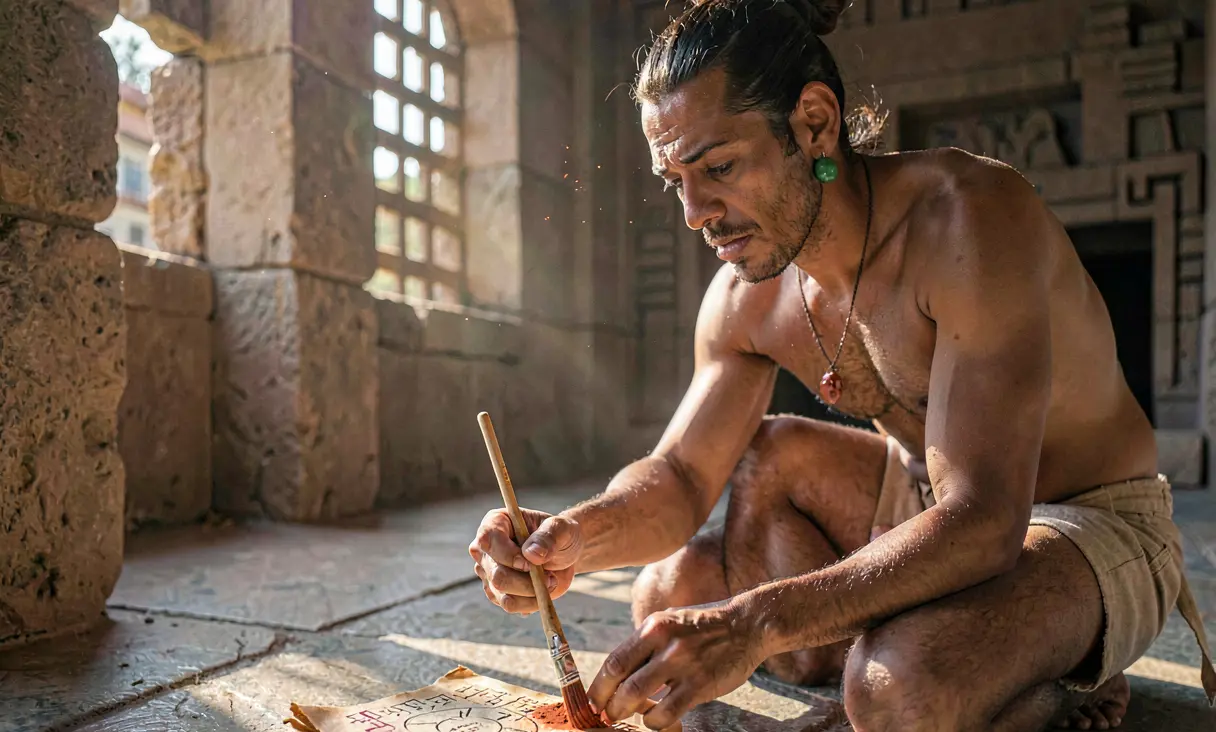
Despite the sophistication of their writing system, the physical records from El Mirador are tragically scarce. The Maya wrote primarily on bark paper folded into screen-fold books known as codices, which were highly susceptible to the humid tropical climate and the ravages of time. Unlike stone stelae, which have survived in abundance, almost all Maya codices were destroyed by Spanish conquistadors and friars during the 16th century, who viewed them as instruments of paganism. Consequently, our understanding of El Mirador's specific textual output relies heavily on fragmented inscriptions, ceramic iconography, and the few surviving Postclassic codices that may preserve echoes of these earlier traditions.
Legacy and Historical Significance
The intellectual achievements at El Mirador around 200 BCE established a cultural paradigm that persisted through the Classic collapse and into the modern era. The script developed here allowed for the preservation of history, astronomy, and mythology in a way that distinguished the Maya from their neighbors. When archaeologists finally deciphered the script in the late 20th century, they unlocked a narrative voice that had been silent for centuries, revealing a civilization deeply concerned with time, lineage, and cosmic order. The legacy of this early literacy is evident in the enduring cultural identity of modern Maya peoples and stands as one of the few instances in human history where writing was developed independently to such a high degree of complexity.
It represents the most advanced writing system in the pre-Columbian Americas.
Where it happened
El Mirador, Guatemala — see it on the interactive map →
Explore related history
 CivilizationRise of the Etruscan League in Central Italyc. 750 BCE · Tarquinia (Cerveteri), ItalyEtruscan city-states form a powerful confederation dominating central Italy and influencing Rome.
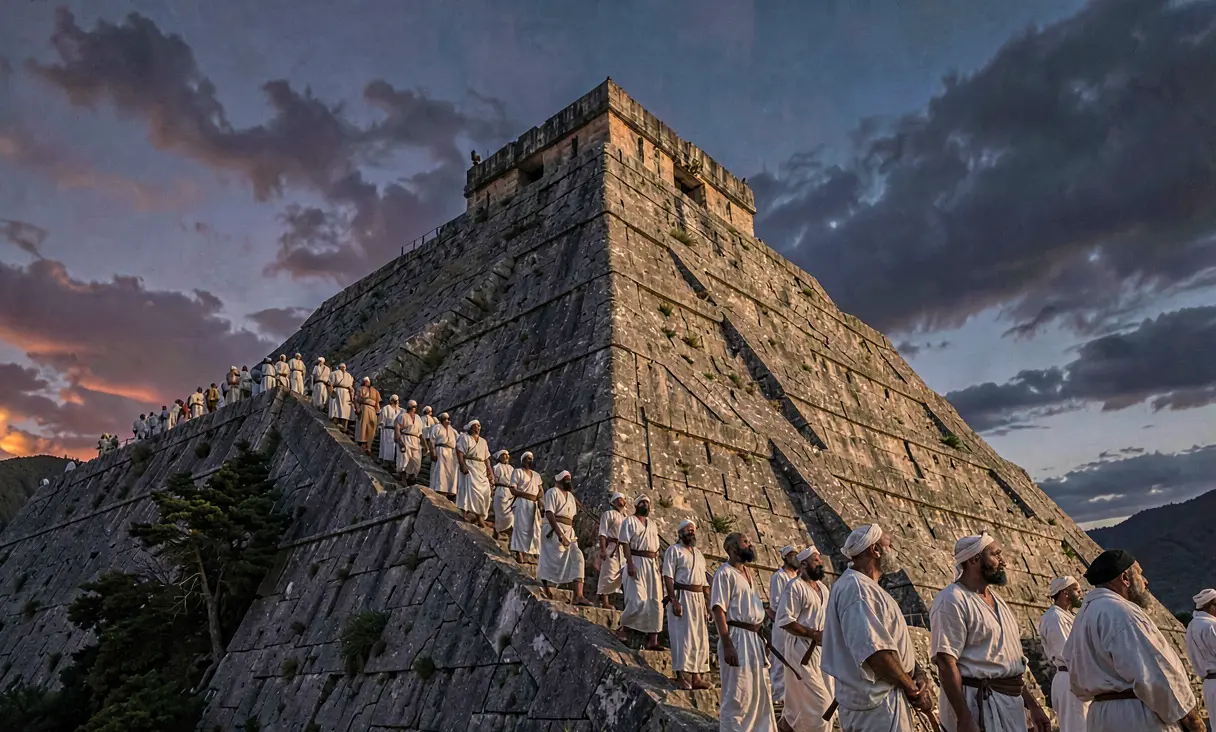 CivilizationConstruction of the Pyramid of the Moon at Teotihuacánc. 1 CE · Teotihuacán, MexicoThe second-largest pyramid is built to honor the Great Goddess and align with lunar cycles.
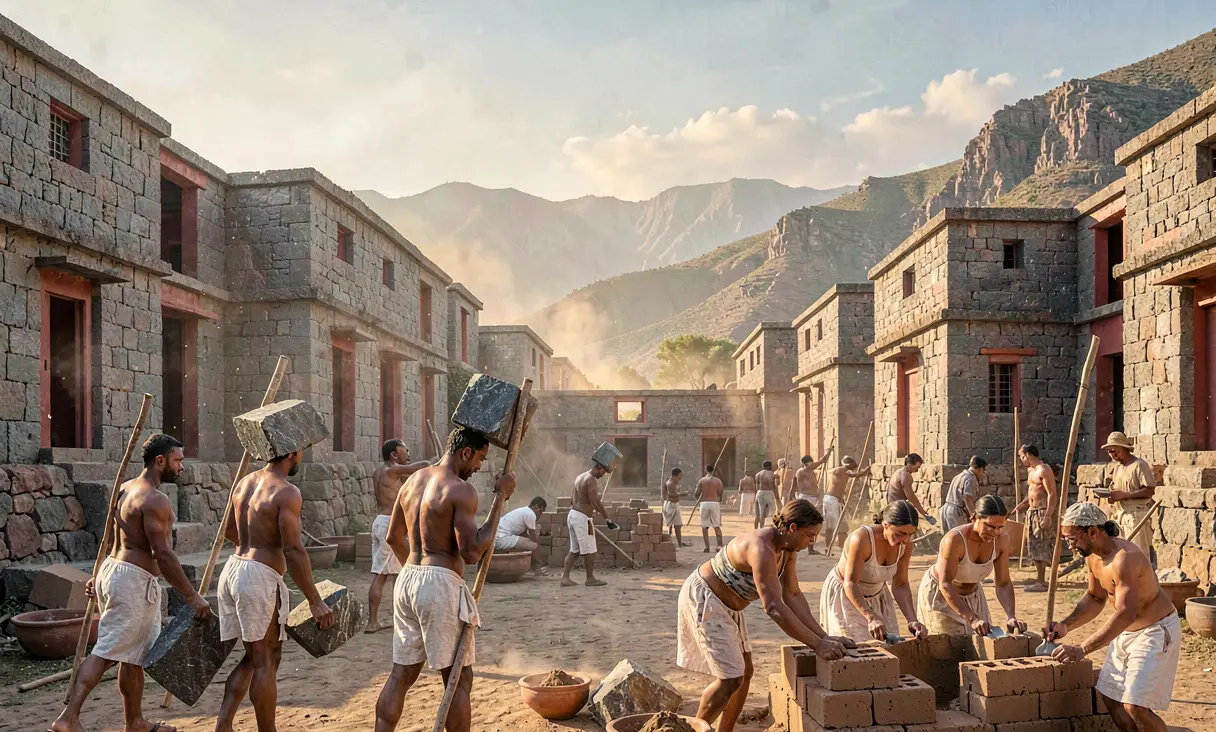 CivilizationConstruction of Teotihuacán Apartment Compoundsc. 100 BCE · Teotihuacán, MexicoMassive apartment complexes are built to house the growing urban population.
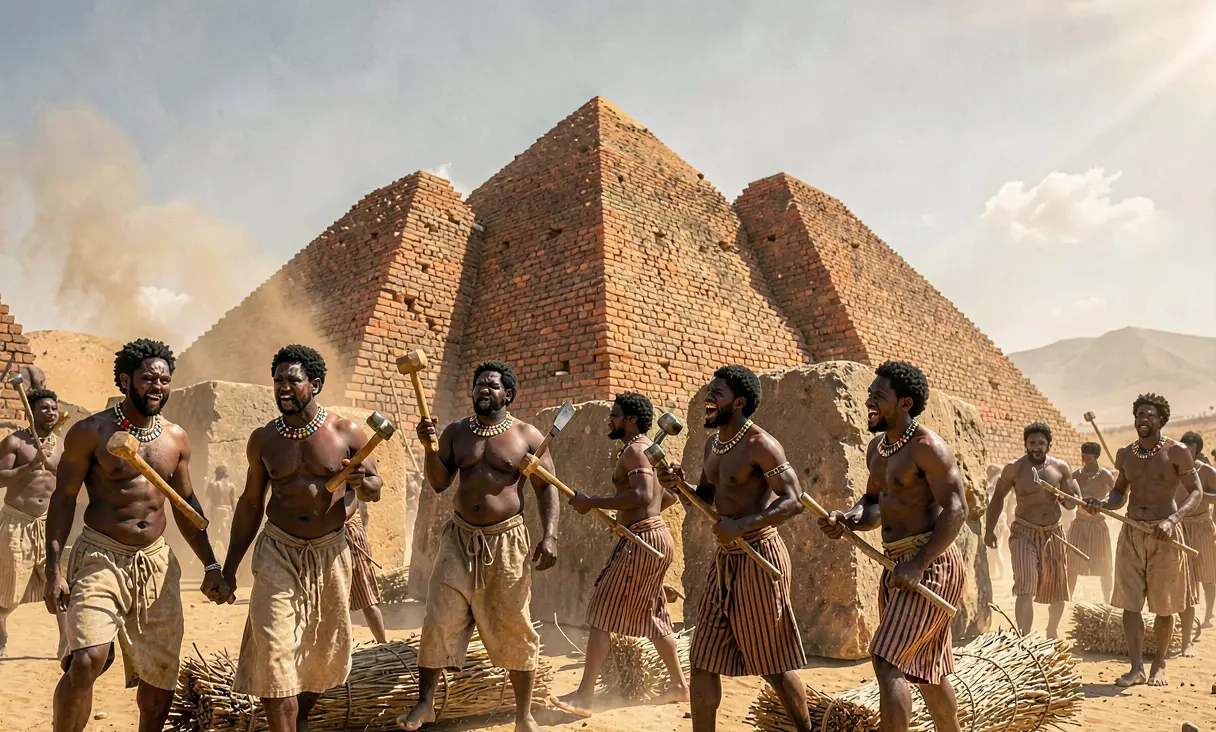 ArtPeak of Pyramid Construction in Meroec. 200 BCE · Meroe, SudanThe Kingdom of Kush reaches its architectural zenith with the construction of steep pyramids at Meroe.
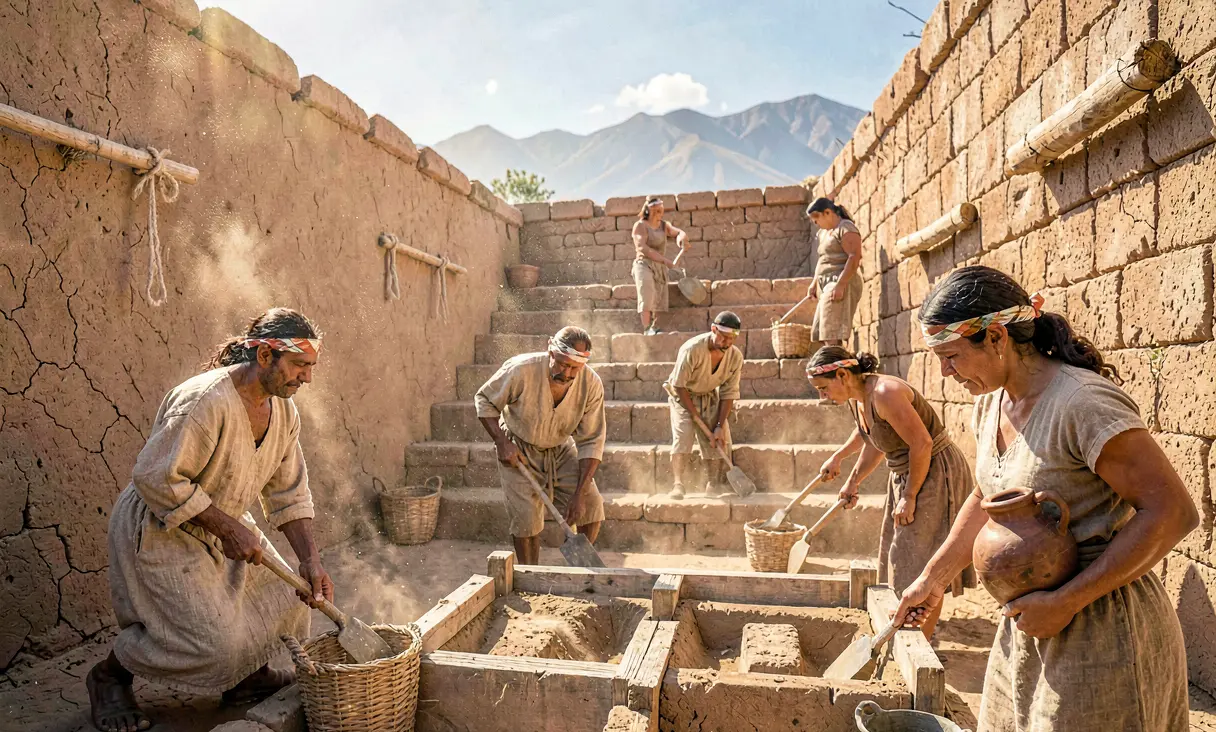 PoliticsConstruction of Royal Tombs at Sipán (Huaca Rajada)c. 200 CE · Sipán, PeruThe Huaca Rajada complex is built to house the elite of the Moche civilization.
 WarBattle of Red Cliffs208 CE · Red Cliffs, Yangtze River, ChinaAlliance of Sun Quan and Liu Bei defeats Cao Cao's massive naval fleet using fire ships.
Discussion
Loading…