Construction of El Mirador Causeways
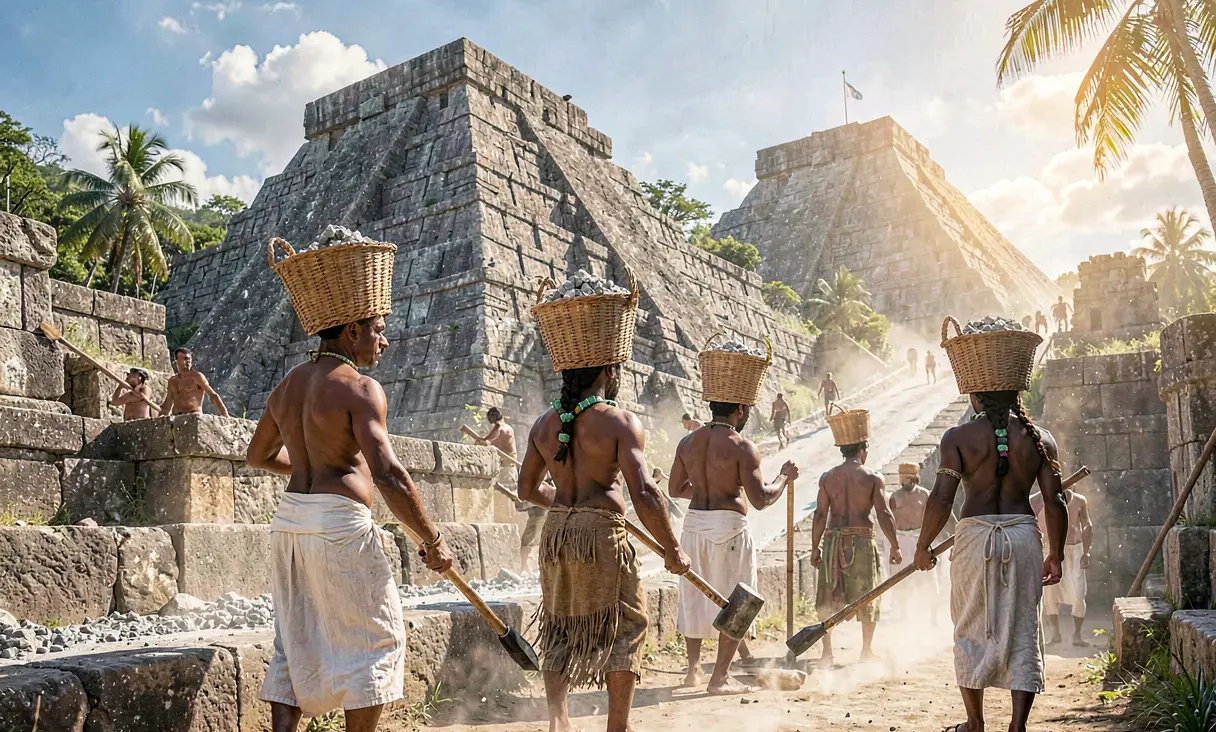
Around 100 BCE, El Mirador built a vast network of raised causeways to unite its massive population and trade networks, proving Preclassic Maya rulers could mobilize empires centuries before the Class
The Preclassic Metropolis
During the Late Preclassic period (c. 350 BCE – 150 CE), the Maya world was undergoing a profound transformation from scattered agricultural villages to complex urban states. In the remote, dense lowlands of the northern Petén region in modern-day Guatemala, the city of El Mirador emerged as the preeminent political and economic center of its time. Unlike later Classic period cities such as Tikal or Calakmul, which would rise to prominence centuries later, El Mirador reached its zenith early, boasting a population estimated between 80,000 and 100,000 inhabitants. This urban explosion required unprecedented levels of social organization, resource management, and engineering prowess to sustain life in an environment characterized by seasonal flooding and dense jungle.
Engineering the Sacbeob Network
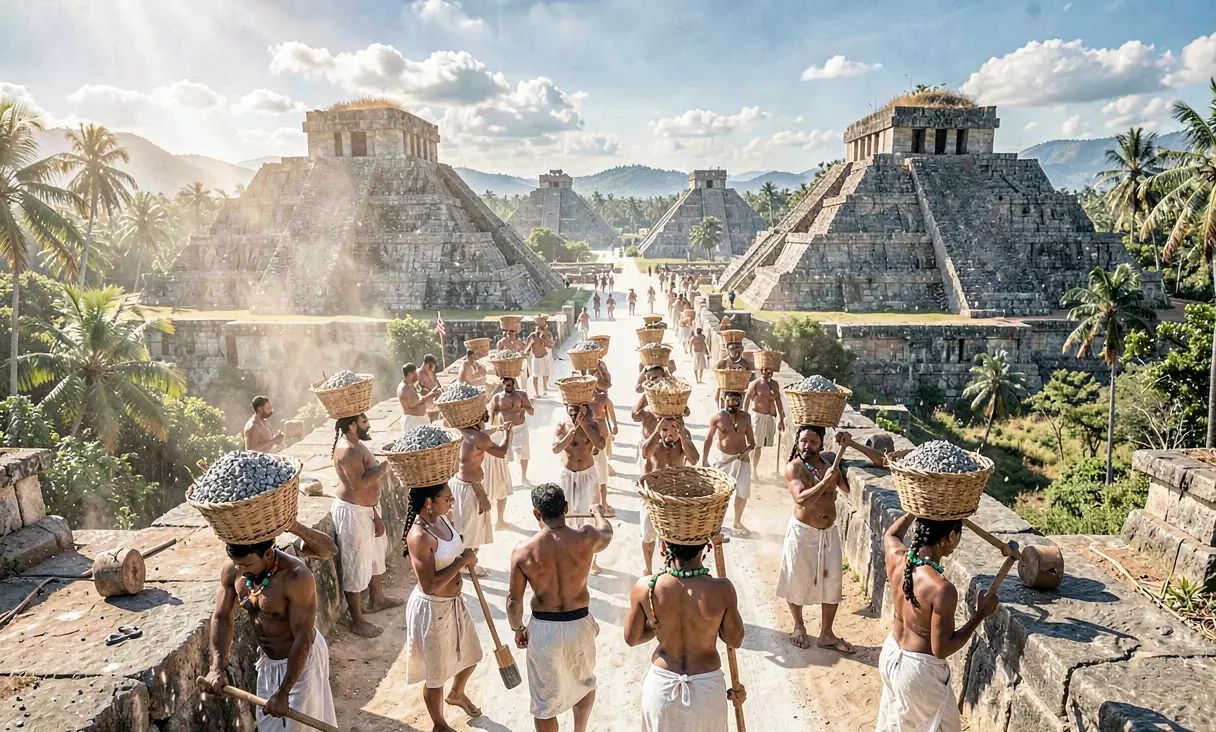
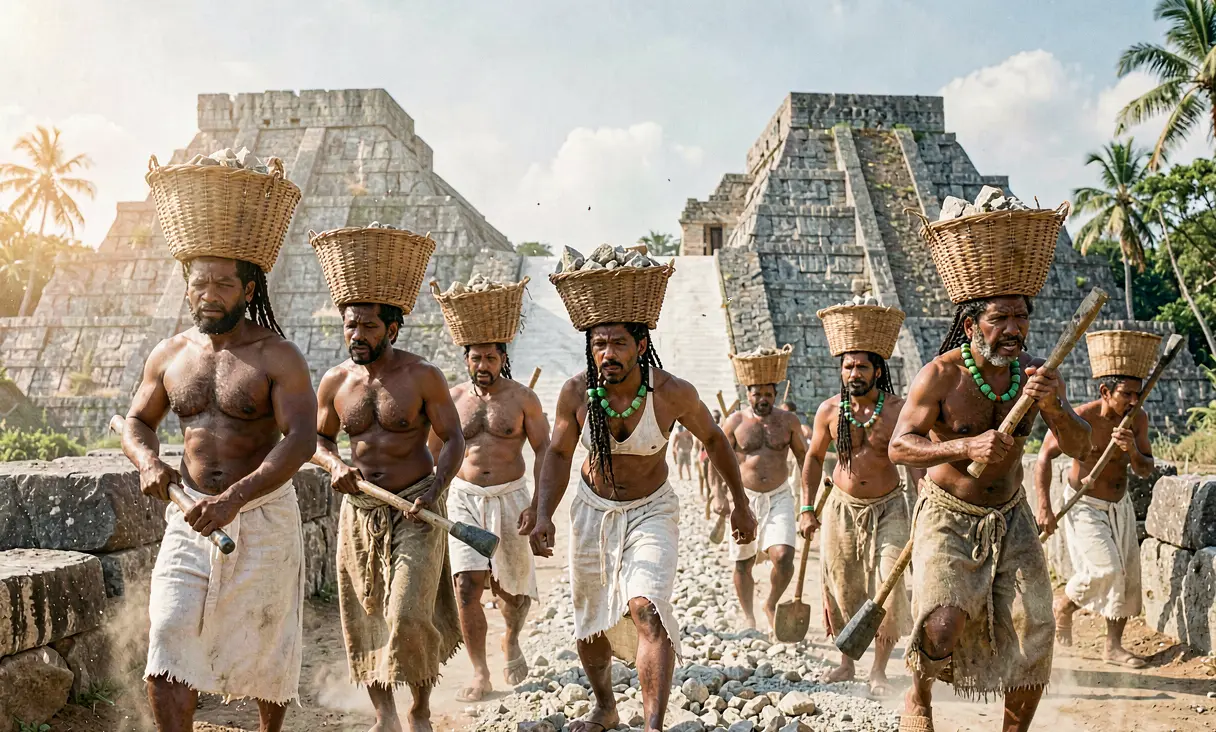
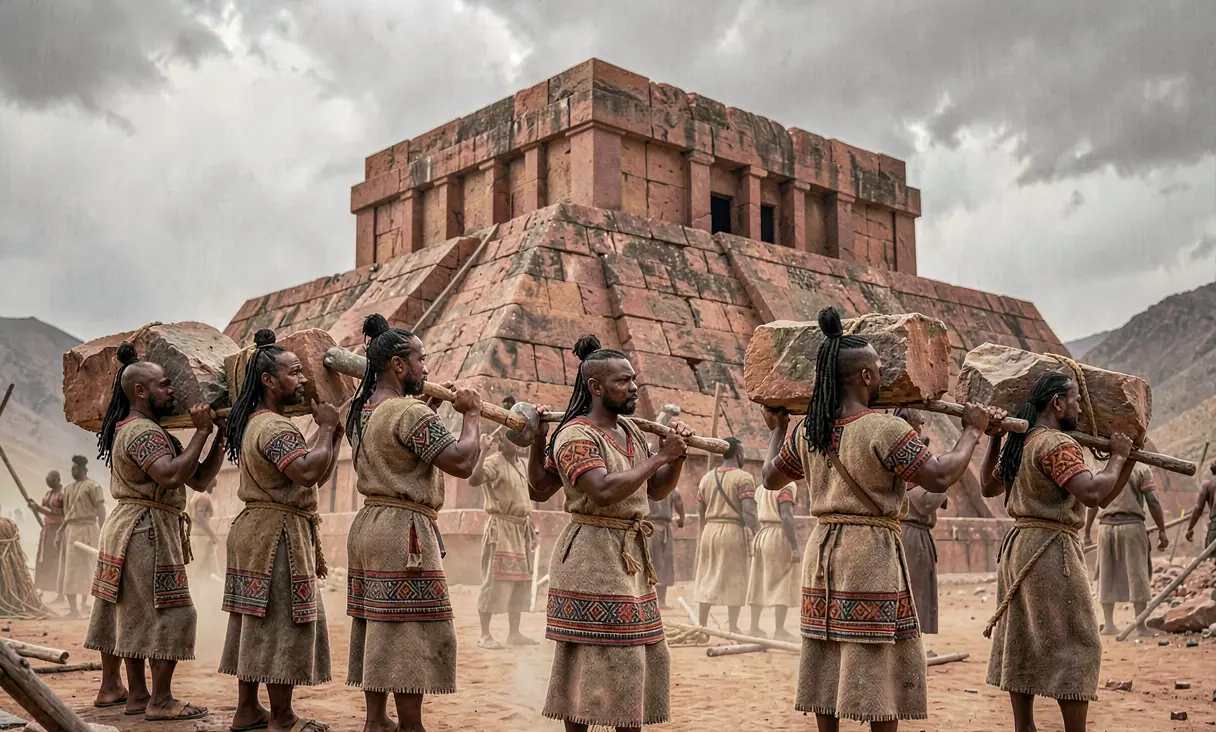
To bind this sprawling metropolis together, the architects of El Mirador undertook one of the most ambitious infrastructure projects of the ancient Americas: the construction of an extensive network of sacbeob, or raised white causeways. Beginning around 100 BCE, laborers carved through the dense rainforest and constructed massive earthen embankments topped with limestone pavement, creating elevated highways that connected the city's colossal pyramid complexes, including the monumental La Danta and El Tigre. These causeways were not merely paths; they were engineered marvels designed to remain passable during the rainy season when the surrounding terrain became impassable marshland. The primary sacbe, stretching over 12 kilometers (7.5 miles) from El Mirador to the satellite city of Nakbé, stands as a testament to this logistical mastery.
Mobilizing the Collective Will
The construction of these causeways required the mobilization of a vast labor force, likely organized through a complex system of tribute and religious obligation directed by a powerful ruling dynasty. While specific names of individual kings from this early period remain obscured by time, archaeological evidence suggests that El Mirador was ruled by a centralized authority capable of directing thousands of workers simultaneously. The sheer volume of limestone required for the pavement and the fill material for the embankments implies a sophisticated understanding of logistics, quarrying, and transportation. This mobilization predates the famous dynastic inscriptions of the Classic era, demonstrating that the capacity for state-level organization was fully established centuries before the so-called 'Classic florescence'.
Facilitating Trade and Ritual
The sacbeob served dual purposes: they were vital arteries for commerce and essential conduits for ritual movement. The causeways facilitated the rapid transport of goods such as obsidian, jade, cacao, and salt across the rugged terrain, integrating El Mirador into a vast trade network that extended from the highlands to the Caribbean coast. Simultaneously, these white roads held deep cosmological significance, symbolizing the path between the earthly realm and the divine. Processions of priests and elites would traverse these causeways during major ceremonies, reinforcing the political authority of the rulers and the spiritual cohesion of the city-state. The visual impact of a white road cutting through the dark green canopy was likely intended to project power and permanence.
The Collapse and Abandonment
Despite its monumental achievements, El Mirador's dominance was relatively short-lived. By approximately 150 CE, the city began a rapid decline, likely triggered by a combination of environmental degradation, resource exhaustion, and shifting political dynamics. The massive construction projects may have overextended the agricultural base, leading to soil depletion and deforestation that undermined the city's ability to support its large population. As the climate shifted and rival powers like Calakmul rose in the south, El Mirador was gradually abandoned. The great causeways were reclaimed by the jungle, their white stones hidden beneath centuries of vegetation, leaving the massive pyramids to stand as silent ruins until their rediscovery.
A Legacy Reclaimed
The significance of the El Mirador causeways was lost to history for nearly two millennia until modern aerial photography and LiDAR technology revealed the full extent of the Preclassic urban landscape. Today, these ruins are recognized as the cradle of Maya civilization, fundamentally altering historical understanding of when and how complex state societies emerged in Mesoamerica. The engineering feats at El Mirador demonstrate that the Maya were capable of large-scale urban planning and monumental construction long before the Classic period. The site challenges previous narratives that placed the origins of Maya complexity later in history, establishing El Mirador as a pivotal chapter in human civilization.
El Mirador challenges earlier assumptions that complex urbanism only emerged during the Classic period.
Where it happened
El Mirador, Guatemala — see it on the interactive map →
Explore related history
 CivilizationRise of the Etruscan League in Central Italyc. 750 BCE · Tarquinia (Cerveteri), ItalyEtruscan city-states form a powerful confederation dominating central Italy and influencing Rome.
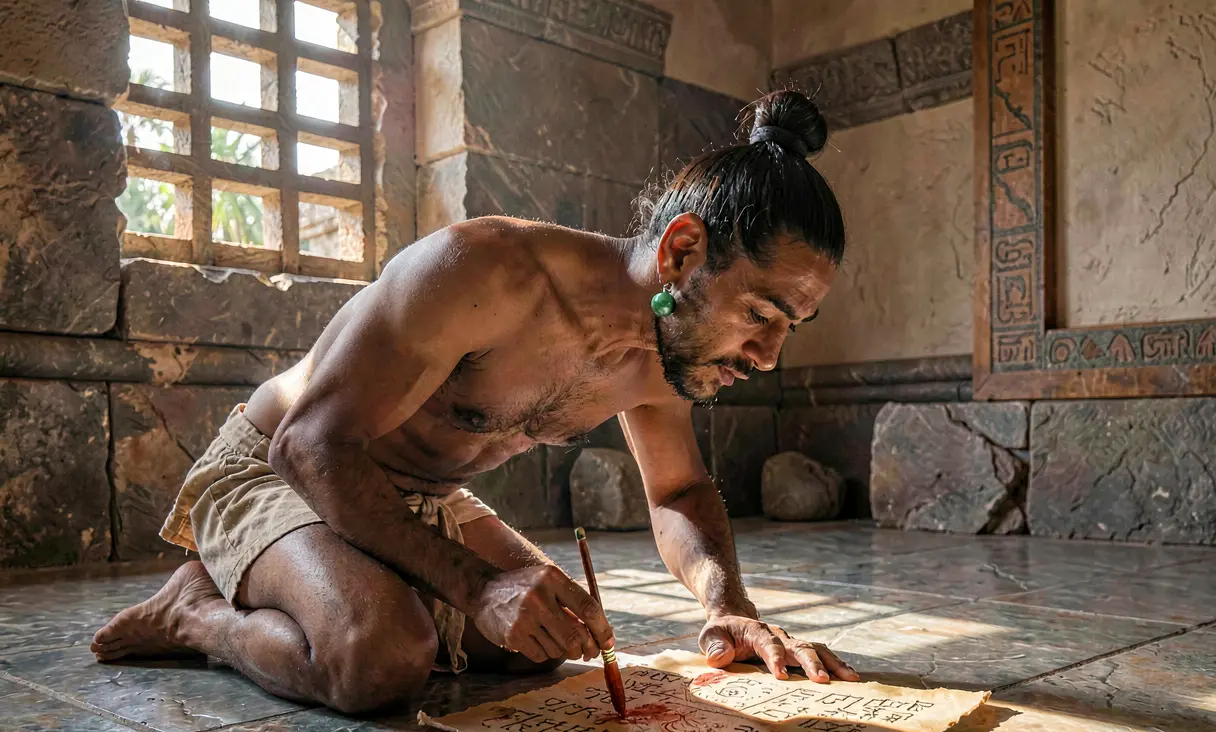 CivilizationCodices and Writing System of the Mayac. 200 BCE · El Mirador, GuatemalaThe Maya develop a complex logosyllabic writing system and astronomical calendars during the Preclassic period.
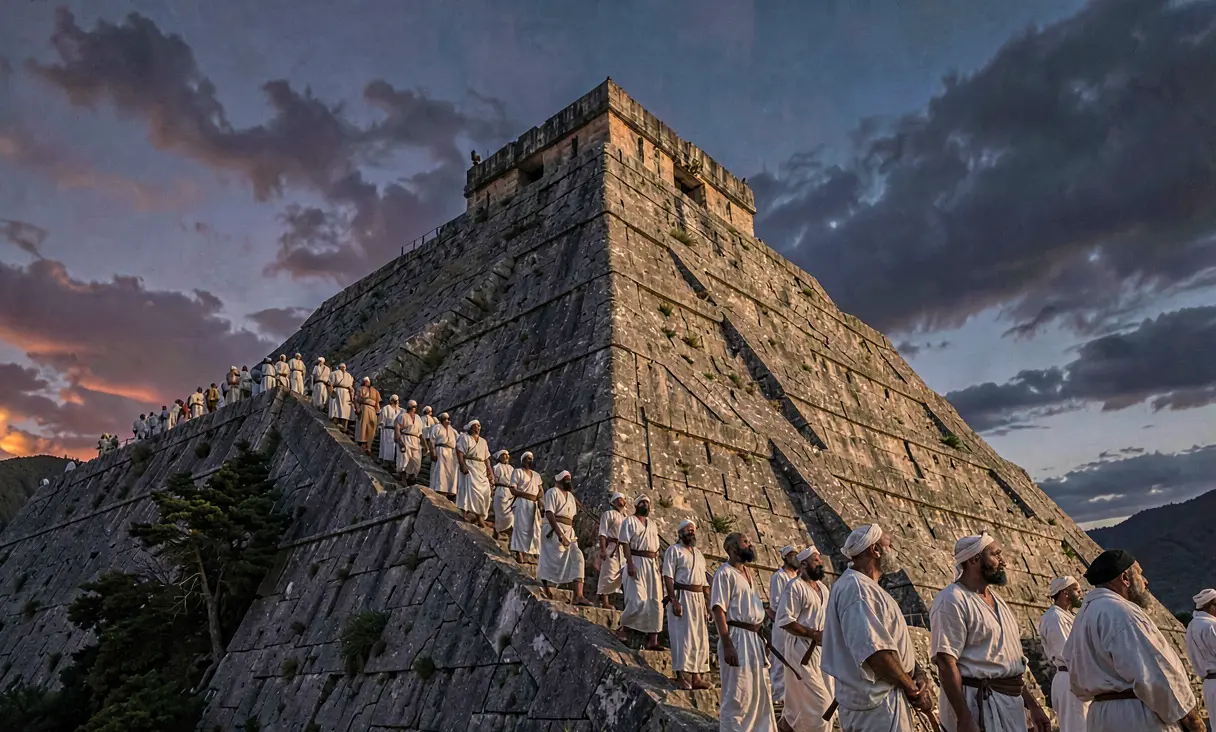 CivilizationConstruction of the Pyramid of the Moon at Teotihuacánc. 1 CE · Teotihuacán, MexicoThe second-largest pyramid is built to honor the Great Goddess and align with lunar cycles.
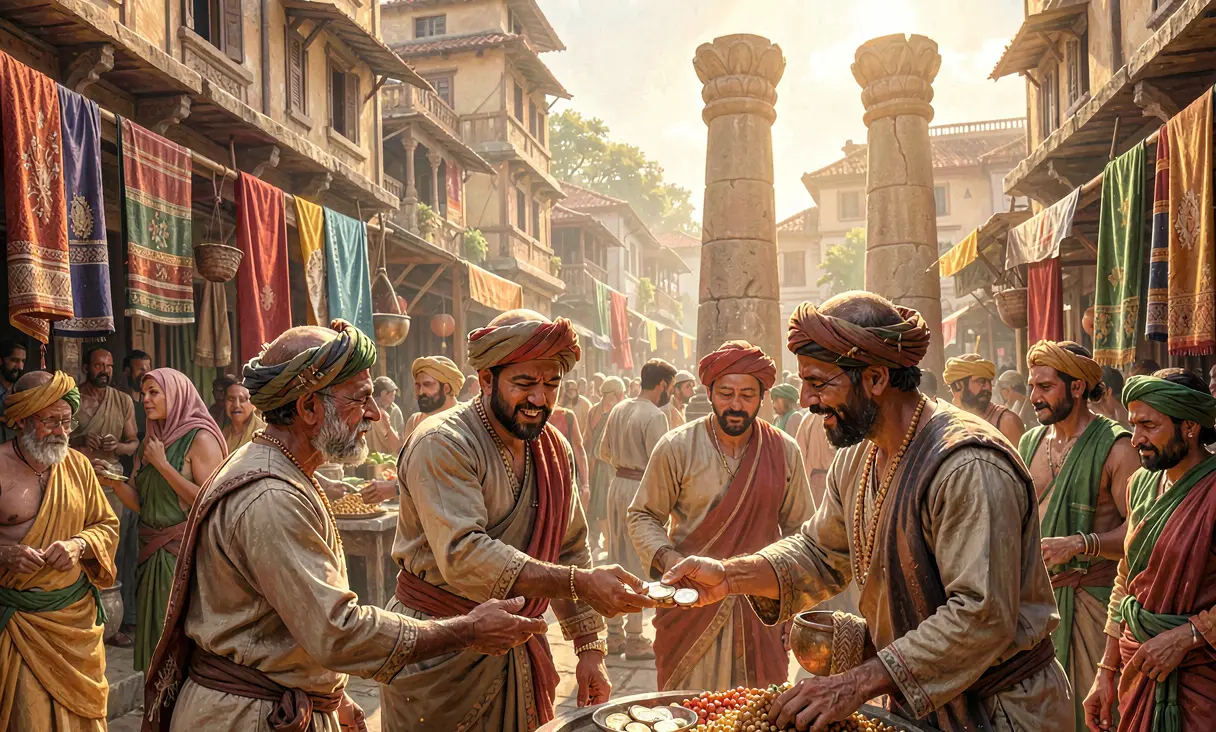 PoliticsSatavahana Ascendancy in the Deccanc. 100 BCE · Pratishthana, Maharashtra, IndiaThe Satavahana dynasty consolidates power in the Deccan plateau, breaking away from Shunga dominance and becoming a major trade hub.
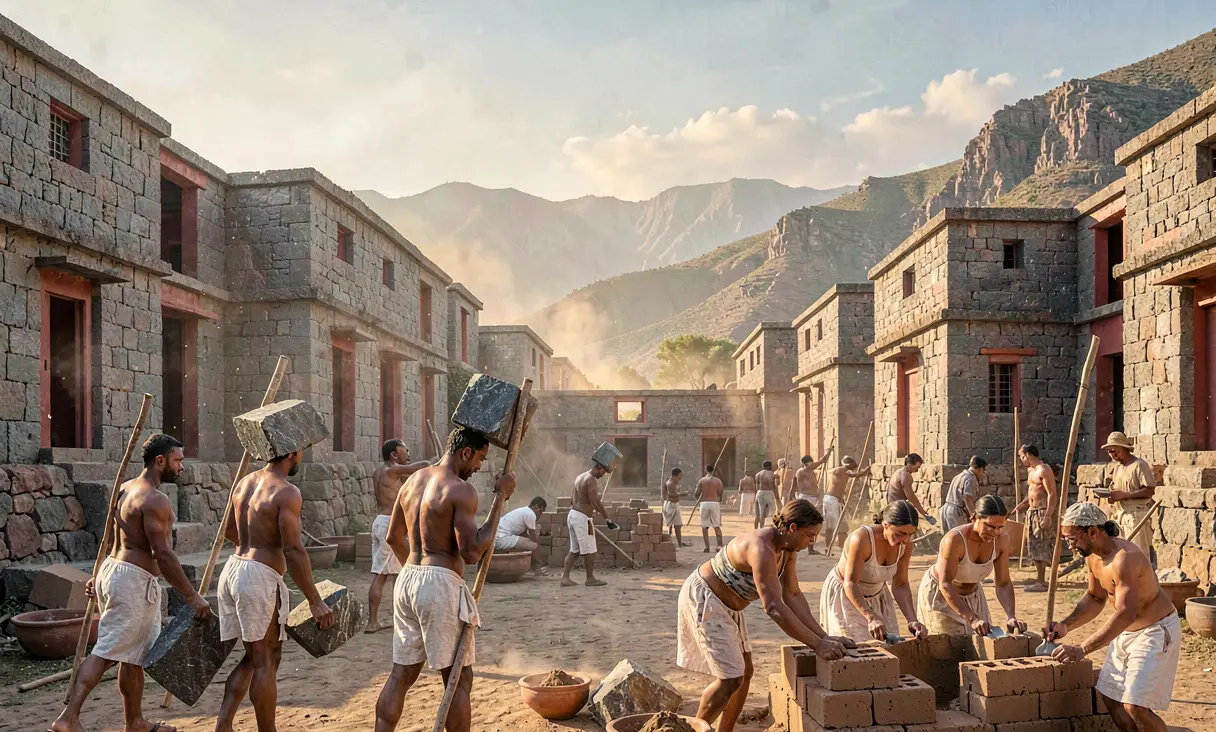 CivilizationConstruction of Teotihuacán Apartment Compoundsc. 100 BCE · Teotihuacán, MexicoMassive apartment complexes are built to house the growing urban population.
 CivilizationExpansion of the Akapana Pyramid at Tiwanakuc. 100 BCE · Tiwanaku, BoliviaThe Akapana pyramid is expanded into a massive artificial mountain for ritual use.
Discussion
Loading…