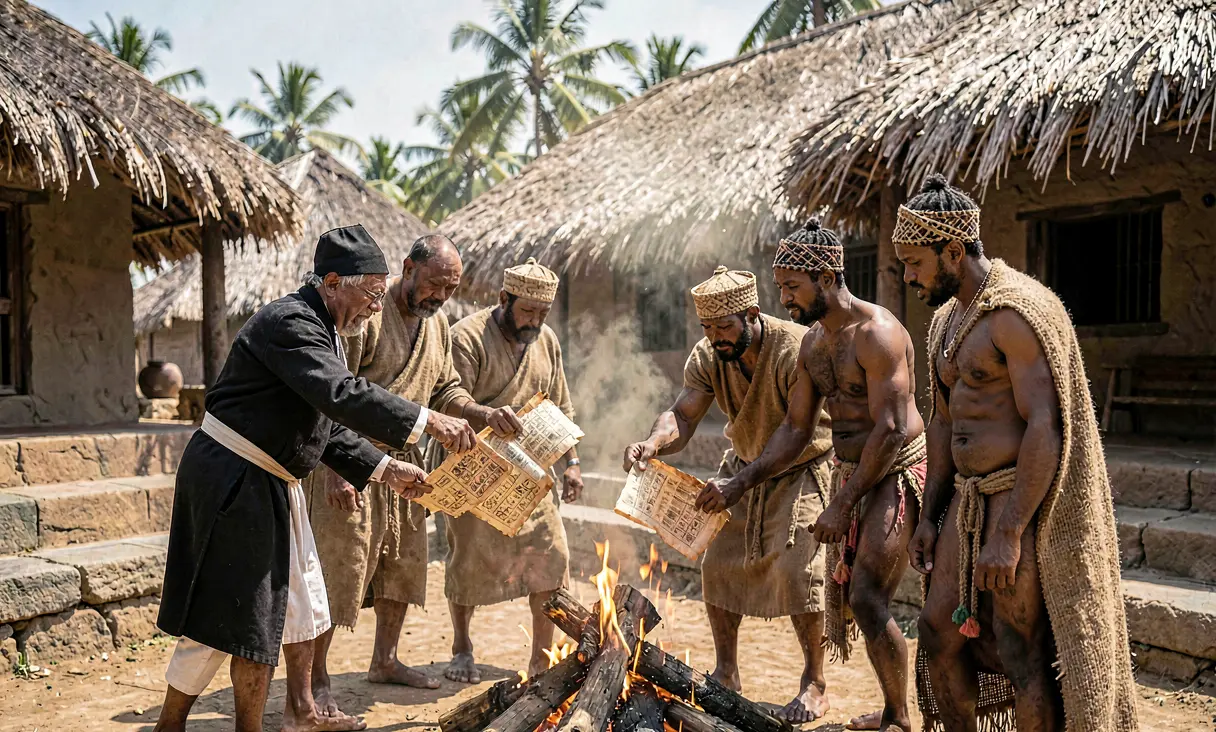
Destruction of Maya Codices by Bishop Landa
In 1562, Bishop Landa's burning of thousands of Maya codices at Maní erased centuries of scientific and historical knowledge, creating an irreparable cultural void that still defines Mesoamerican scho
The Clash of Worlds in Colonial Yucatán
By the mid-16th century, the Spanish conquest of the Maya civilization had transitioned from military campaigns to a systematic effort at cultural and religious subjugation. In the Yucatán Peninsula, the indigenous population maintained a complex syncretism, blending pre-Columbian traditions with superficial Catholic observances. Bishop Diego de Landa, appointed in 1549, arrived with an uncompromising zeal to eradicate what he perceived as diabolical idolatry. Unlike his predecessors who often focused on political consolidation, Landa viewed the preservation of Maya cosmology and writing systems as a direct threat to the soul of the colony. He believed that the Maya gods were demons in disguise and that their sacred texts were manuals for sorcery, necessitating total eradication.
The Auto-da-fé at Maní
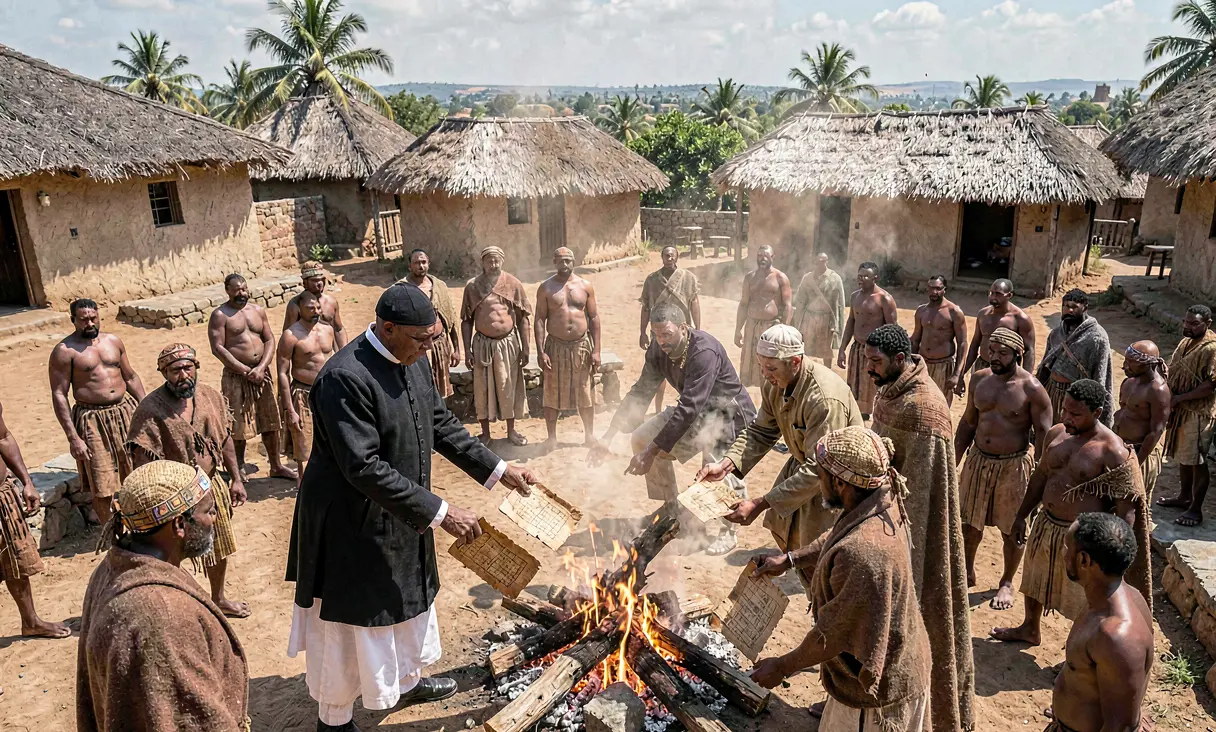
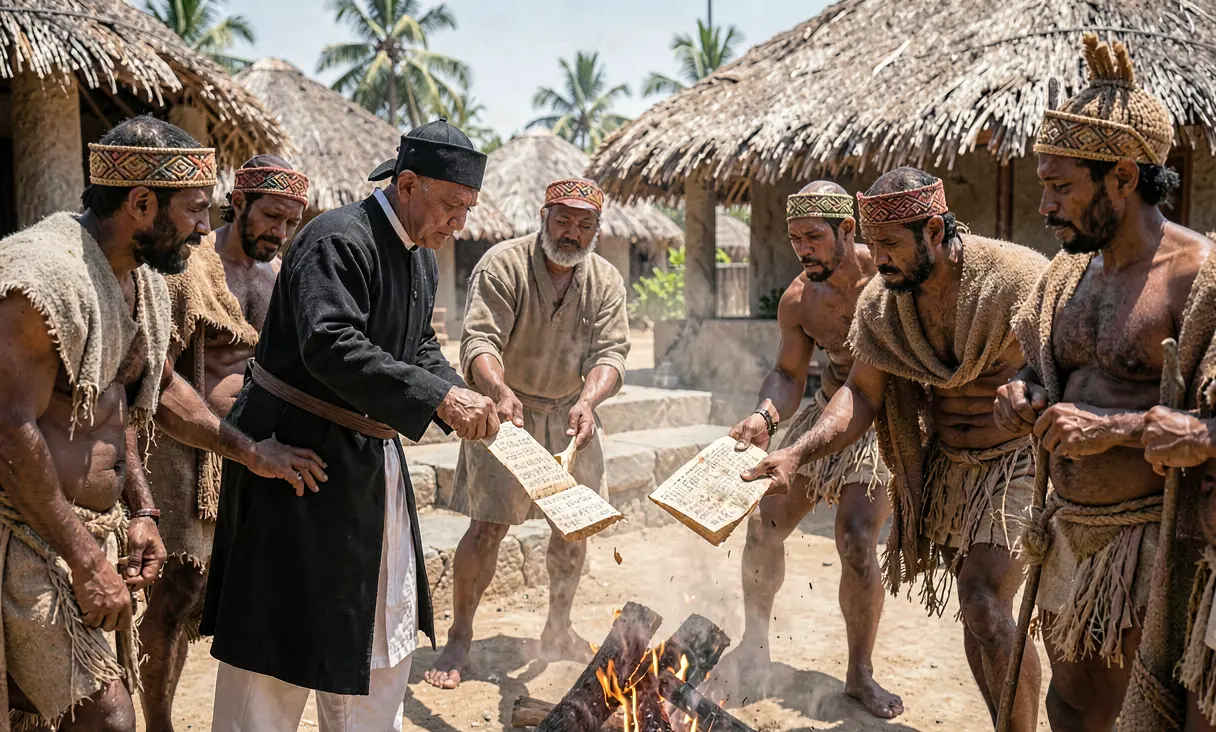
On July 12, 1562, in the town of Maní, the culmination of Landa's campaign against indigenous culture took place during a massive auto-da-fé. Under the Bishop's direct orders, Inquisitorial tribunals were established to root out 'idolaters,' leading to the torture and imprisonment of hundreds of Maya nobles and priests. The climax of this persecution occurred when a vast collection of sacred objects was gathered for public destruction. Landa later recorded in his own chronicle that he burned more than forty thousand books and nearly five thousand idols, though modern historians suggest these numbers may be hyperbolic estimates intended to magnify the scope of the 'victory' over paganism.
The Irreparable Loss of Knowledge
The destruction of the Maya codices represents one of the most catastrophic losses in human history, effectively severing the link between the ancient Maya world and its written record. These books, painted on bark paper and folded like screens, contained the sum total of Maya scientific knowledge: precise astronomical calculations, agricultural calendars, dynastic histories, and religious rituals. With their burning, centuries of accumulated data regarding celestial movements, eclipse predictions, and historical lineages vanished forever. The act transformed a literate civilization with a sophisticated script into one whose history could only be reconstructed through fragmented archaeological evidence and the biased accounts of its conquerors.
The Paradox of Landa's Record
Ironically, Bishop Diego de Landa became the single most important source for understanding the very culture he sought to destroy. Following his return to Spain in 1563 and subsequent recall due to accusations of abuse, Landa wrote 'Relación de las cosas de Yucatán' (Account of the Things of Yucatán) around 1566. In this text, he meticulously documented Maya customs, rituals, and, crucially, their writing system. He recorded a phonetic alphabet provided by his informants, which, despite its flaws, preserved the key to deciphering the glyphs. Without Landa's detailed, albeit colonial-minded, observations, the Maya script might have remained an undeciphered mystery for centuries longer.
The Survival of the Three Codices
Despite the systematic purging at Maní and elsewhere, three pre-Columbian Maya codices miraculously survived, likely because they were removed from Yucatán prior to Landa's campaign or hidden by indigenous scribes. These are now known as the Dresden Codex, the Madrid Codex, and the Paris Codex (with a fourth, the Grolier Codex, being a subject of ongoing scholarly debate regarding its authenticity). The Dresden Codex alone contains detailed astronomical tables for Venus and eclipses that demonstrate a level of mathematical sophistication unmatched in the pre-modern world. These surviving fragments serve as haunting testaments to the magnitude of what was lost on that day in Maní.
Legacy and Modern Significance
The events of 1562 cast a long shadow over Mesoamerican studies, defining the field as one of reconstruction rather than direct reading. The destruction forced modern archaeologists to rely on stone inscriptions, pottery iconography, and colonial-era texts like Landa's to piece together Maya history. Today, the Maní auto-da-fé stands as a potent symbol of cultural genocide and the fragility of written heritage. It serves as a stark reminder of how the imposition of one worldview can obliterate an entire intellectual tradition, leaving only silence where there was once a chorus of voices recording the cosmos.
The burning of the Maya codices represents one of the greatest cultural losses in human history, erasing centuries of written knowledge.
Where it happened
Maní, Yucatán, Mexico — see it on the interactive map →
Explore related history
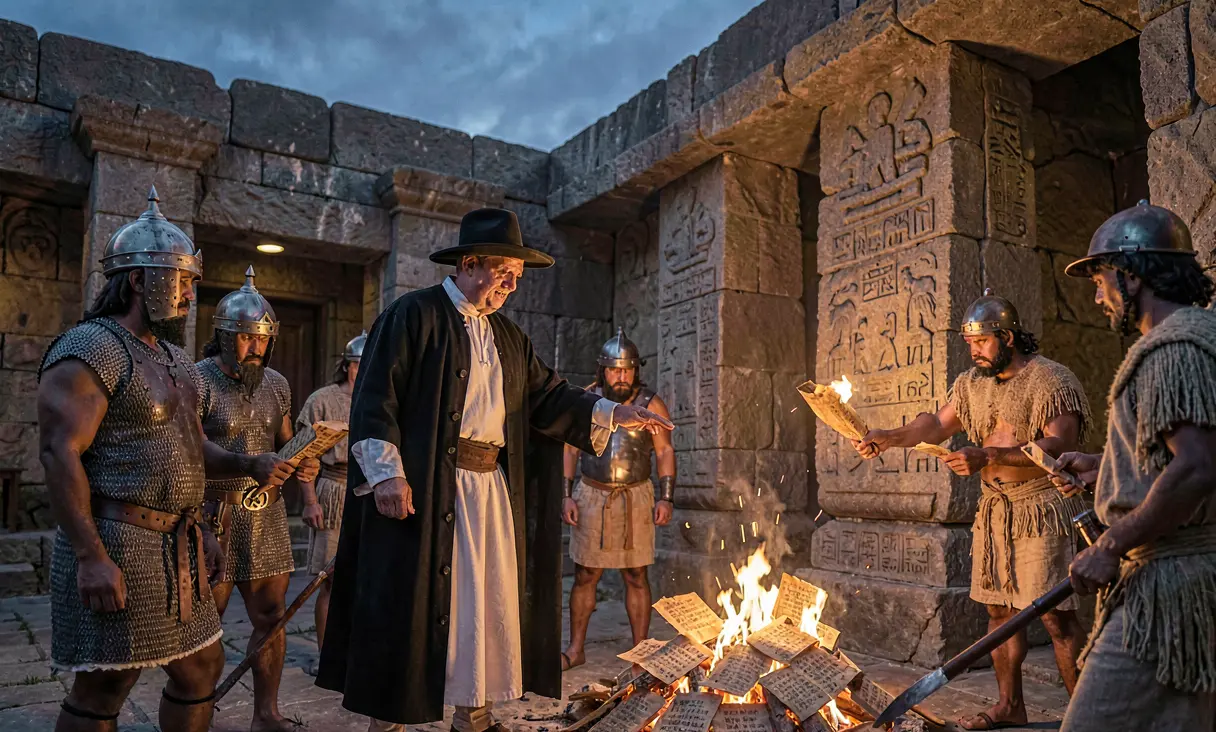 DisasterBurning of Maya Codices by Bishop LandaJuly 1562 CE · Mani, Yucatan, MexicoSpanish Bishop Diego de Landa orders the destruction of most surviving Maya written records in a campaign against idolatry.
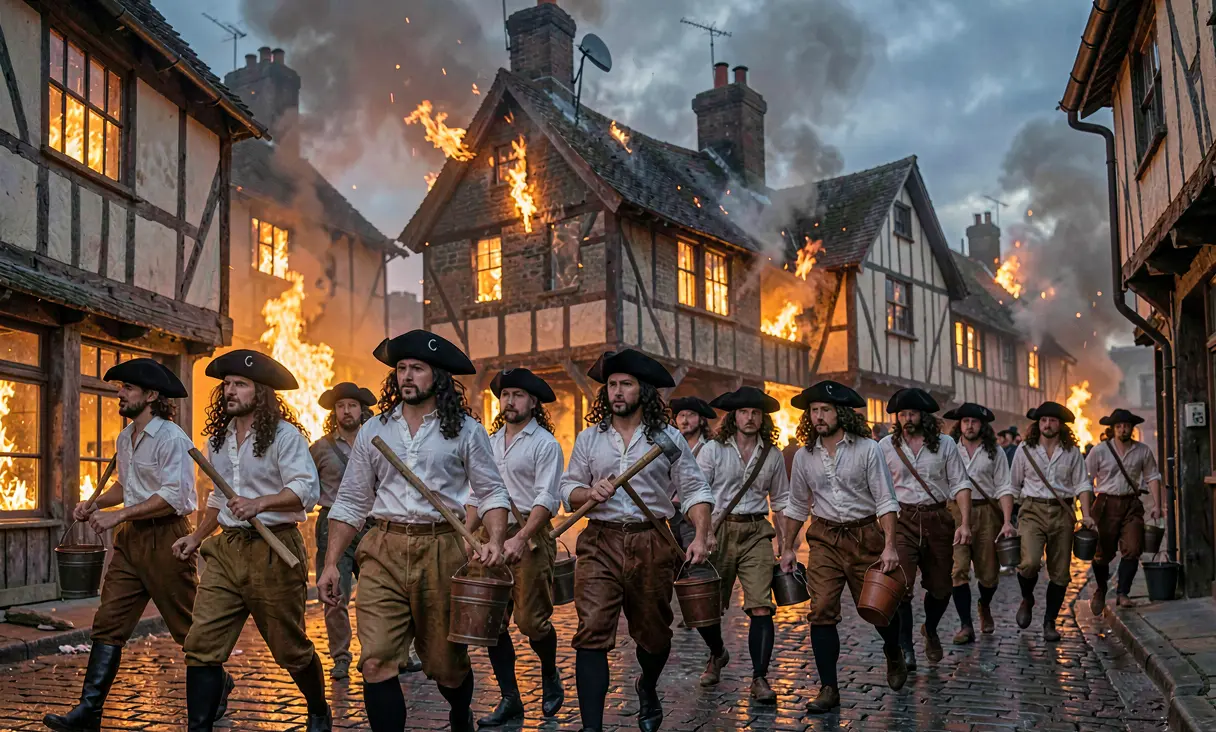 DisasterGreat Fire of LondonSeptember 2, 1666 · London, EnglandCatastrophic fire destroys medieval London, leading to major urban reconstruction.
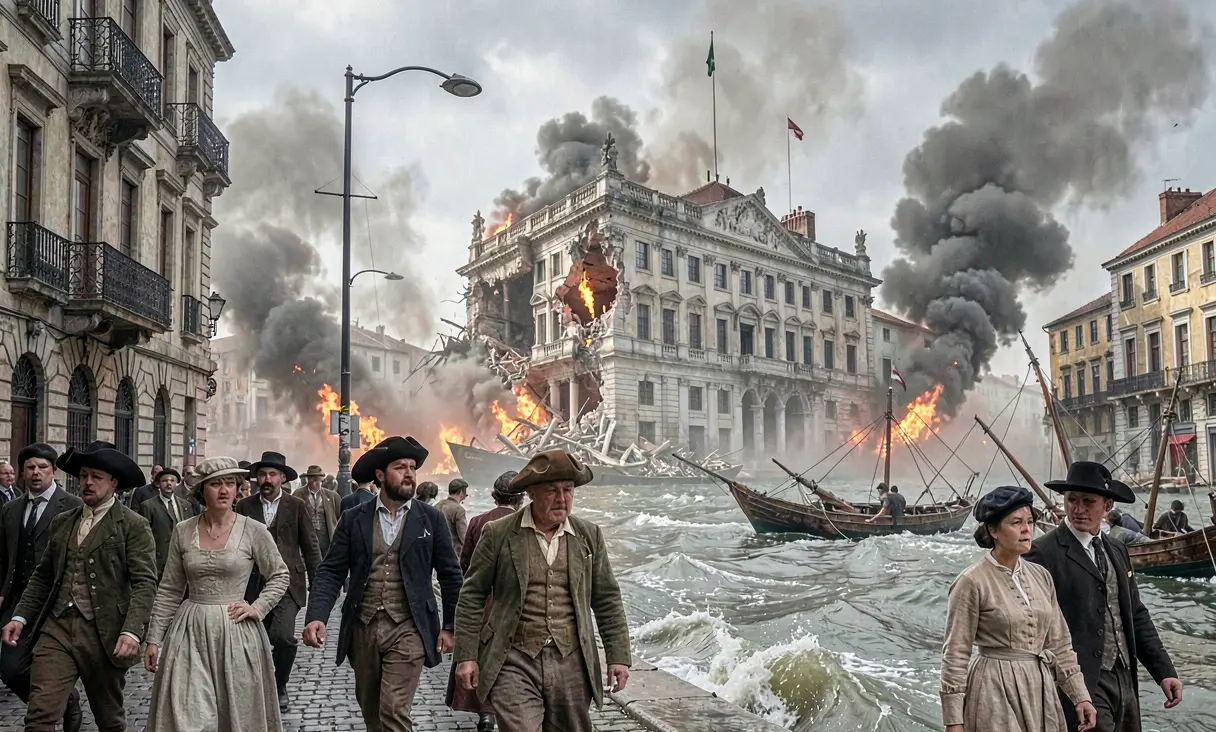 DisasterLisbon Earthquake and TsunamiNovember 1, 1755 CE · Lisbon, PortugalMassive quake and fire destroy capital city challenging Enlightenment optimism.
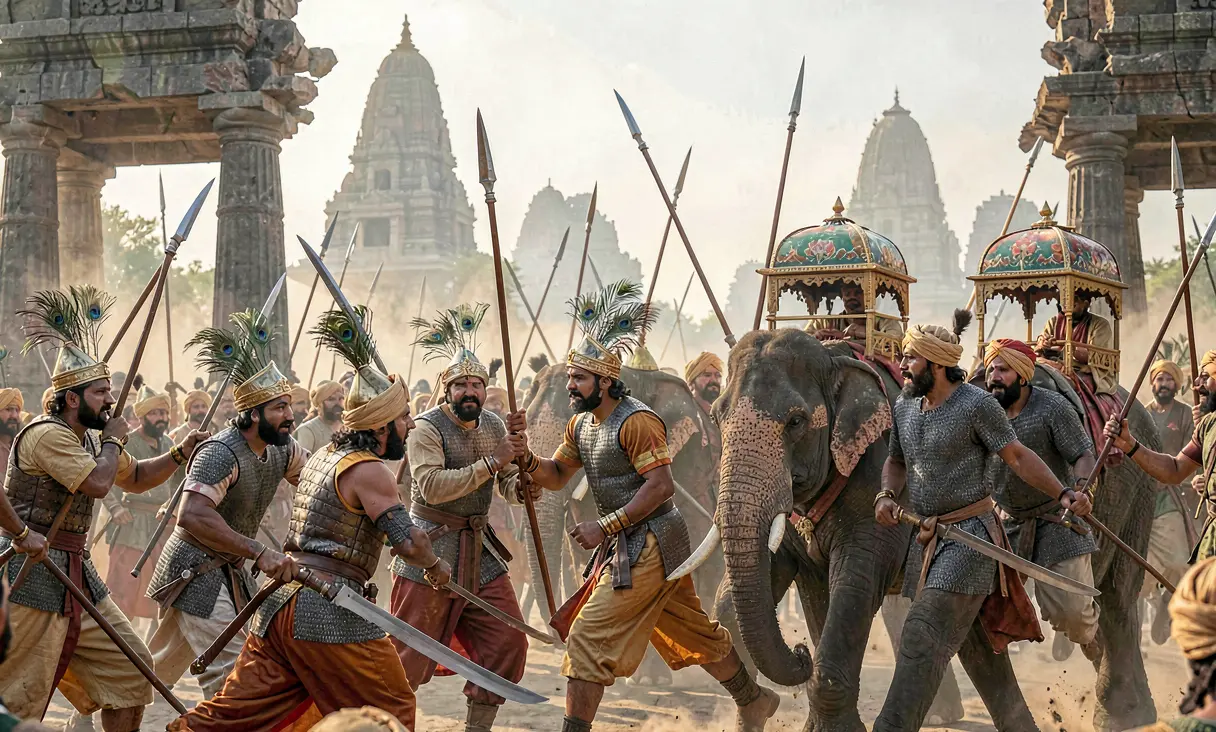 WarBattle of Talikota and Fall of Vijayanagarac. 1565 CE · Talikota, Karnataka, IndiaThe Deccan Sultanates defeat the Vijayanagara Empire in a decisive battle, leading to the sack of Hampi and the empire's collapse.
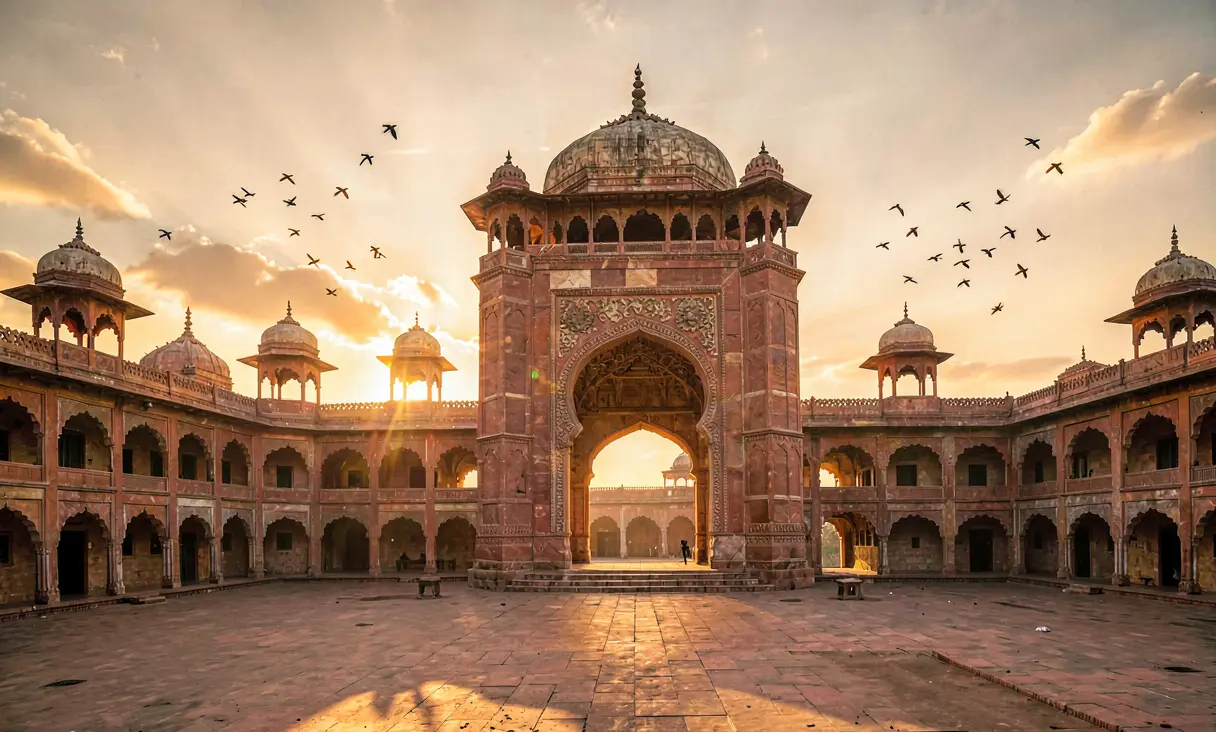 PoliticsFounding of Fatehpur Sikric. 1571 CE · Fatehpur Sikri, Uttar Pradesh, IndiaAkbar establishes Fatehpur Sikri as the new capital of the Mughal Empire to honor his spiritual guide and centralize administration.
 ArtMichelangelo Paints the Last JudgmentNovember 1541 · Vatican City, RomeMichelangelo completes the massive fresco on the altar wall of the Sistine Chapel.
Discussion
Loading…