Ritual Bloodletting as Medical and Religious Practice in Maya
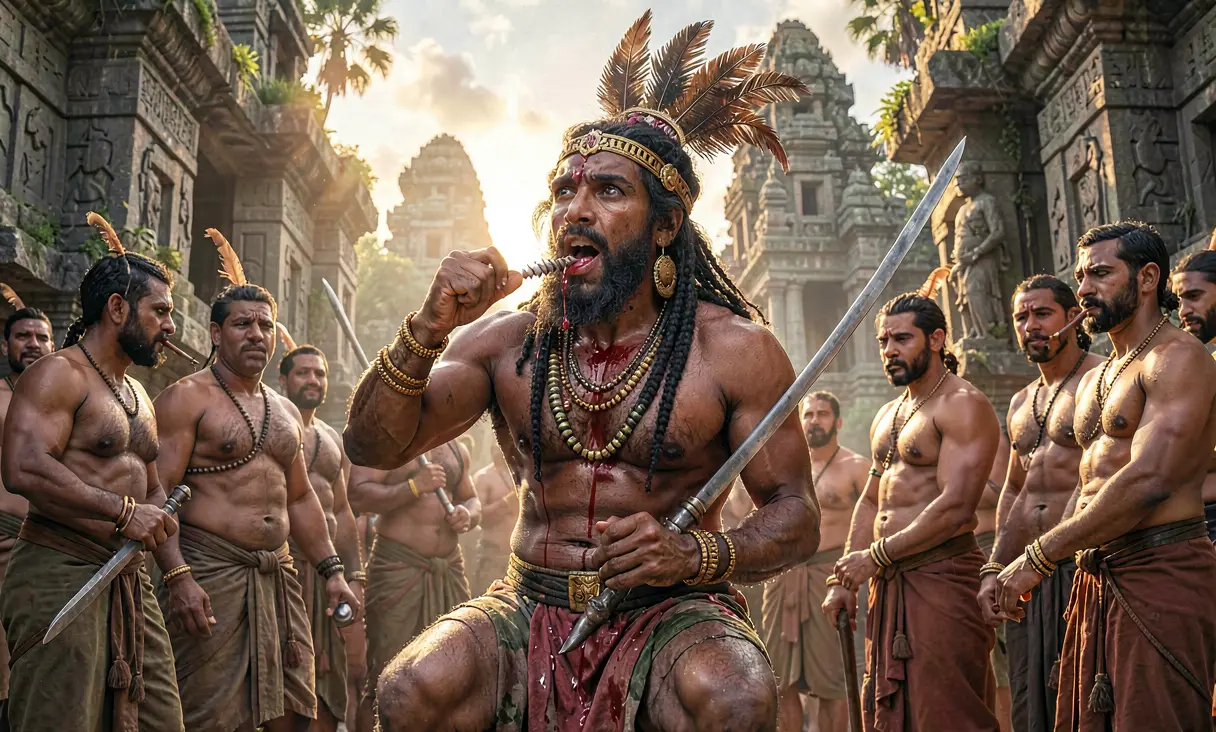
In 600 BCE Tikal, rulers pierced their own bodies to offer blood to gods, blending advanced medical knowledge with cosmic duty to sustain the universe and ensure agricultural fertility.
Cosmic Foundations and Early Ritual Context
By approximately 600 BCE, during the Preclassic period of Maya civilization, the city of Tikal in the Petén Basin of modern-day Guatemala was emerging as a dominant political and spiritual center. In this era, the boundary between the physical world and the supernatural realm was porous; blood was not merely a biological fluid but the primary currency of communication with the gods. The Maya cosmology posited that the universe required constant nourishment to prevent its collapse, and human blood, specifically *ch'ulel* or life-force, was the most potent offering available. Unlike later periods characterized by mass sacrifice, this early era focused heavily on auto-sacrifice performed by the ruling elite, establishing a precedent where the king's physical suffering became the mechanism for sustaining agricultural cycles and cosmic order.
The Artifacts of Auto-Sacrifice
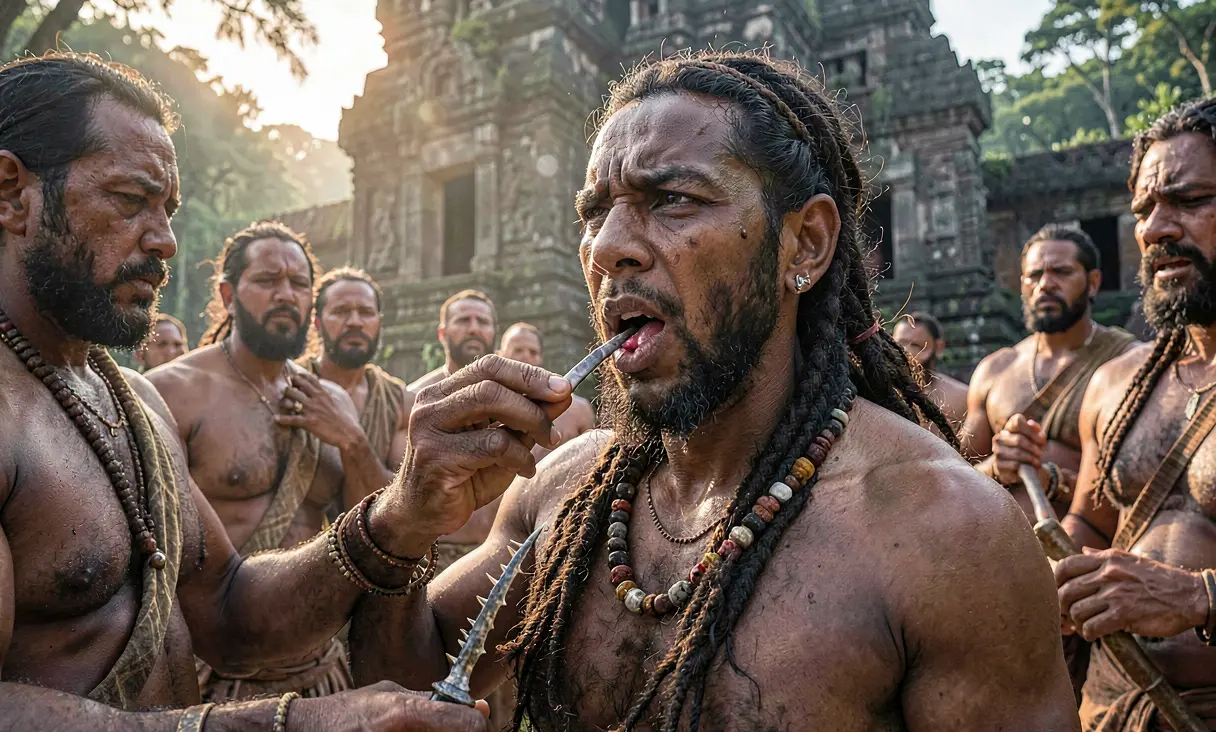
Archaeological excavations at Tikal have uncovered a sophisticated assemblage of ritual implements dating to this formative period, including perforated stingray spines, obsidian lancets, and bone awls. These tools were not crude instruments but finely crafted objects often buried in caches alongside jade beads and shell ornaments, indicating their sacred status. The presence of these items in elite contexts suggests that the practice was highly ritualized and restricted to those with the authority to mediate between the human and divine spheres. The precision required to manufacture these spines and the specific wear patterns found on them indicate a standardized method of application, reflecting an advanced understanding of anatomy and the controlled infliction of pain for spiritual ends.
The Rulers as Living Intermediaries
While specific names from 600 BCE remain elusive due to the lack of fully deciphered early dynastic records at Tikal, the practice was intrinsically linked to the concept of the *k'uhul ajaw*, or holy lord. These rulers were viewed as living embodiments of deities, and their bodies served as the conduit for divine energy. In the absence of a written record naming a specific king from this exact year, historical consensus attributes these early rituals to the proto-dynastic founders who laid the groundwork for the later Classic period giants like Yax Nuun Ahiin I. The ruler would perform the act of bloodletting not as a victim, but as an active agent of creation, piercing their own tongue, ears, or genitals to draw forth blood that was then collected on bark paper and burned.
The Mechanics of the Ritual
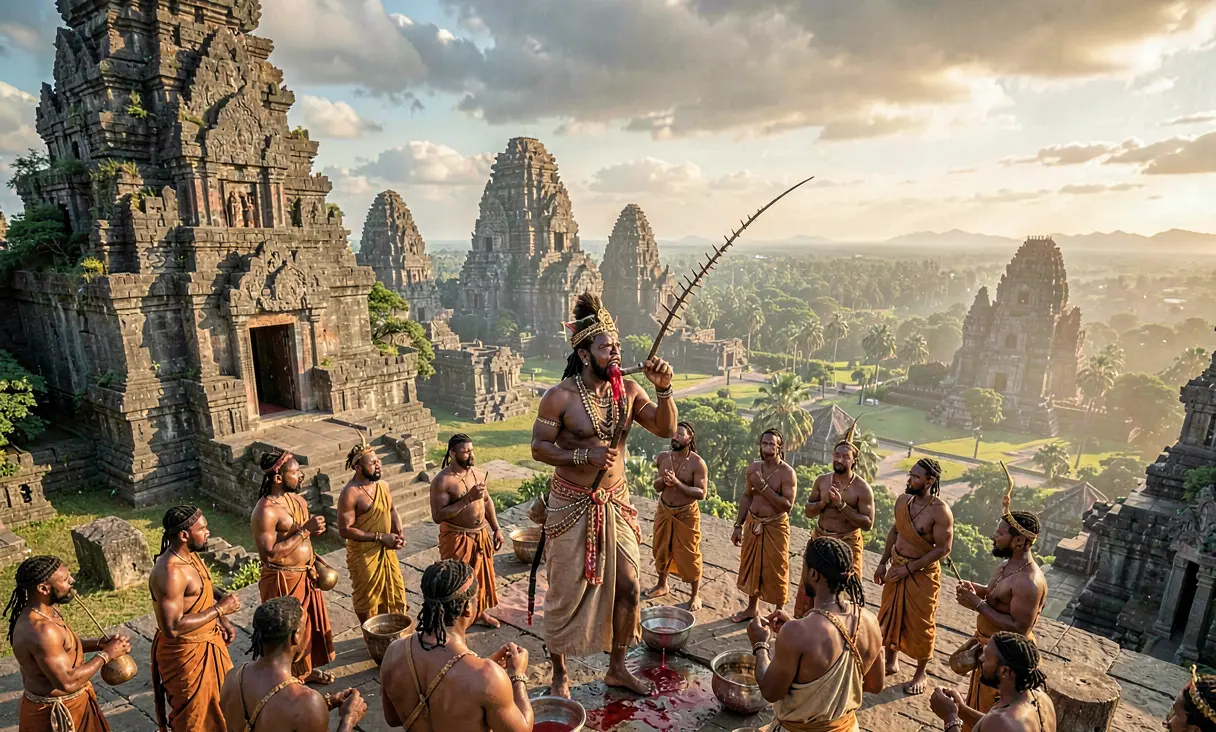
The ritual unfolded in a highly choreographed sequence, often taking place within temple precincts or sacred caves. The ruler, sometimes accompanied by a consort who participated in parallel acts, would use the stingray spine to pierce sensitive areas such as the tongue or earlobes. Blood was allowed to drip onto strips of unbleached bark paper, which were subsequently burned. The resulting smoke and ash were believed to carry the essence of the offering directly to the gods, particularly Chaac, the rain deity, whose favor was essential for maize cultivation. This process combined physical endurance with visionary states; the loss of blood often induced hypoxia, leading to hallucinations that the Maya interpreted as direct contact with ancestors or deities, validating the ruler's divine mandate.
Medical and Spiritual Syncretism
Beyond its religious significance, this practice held profound medical implications within the Maya worldview. The act of bloodletting was believed to purge the body of spiritual impurities and balance the humors, functioning as a form of ritualized therapy. The controlled nature of the wound, performed with sterile obsidian or polished bone tools, minimized infection risks common in other ancient practices. Furthermore, the psychological release of pain combined with the trance state may have served as a potent mechanism for stress management among leaders bearing the weight of the cosmos. This dual function illustrates a sophisticated integration of somatic experience and metaphysical belief, where healing the spirit was synonymous with healing the body.
Legacy and Historical Significance
The bloodletting rituals established at Tikal around 600 BCE set a cultural template that would endure for over a millennium, evolving into the grand public spectacles of the Classic period. The iconography developed during this time, depicting rulers in trance states with blood streaming from their bodies, became a central motif in Maya art and epigraphy, reinforcing the legitimacy of dynastic lines well into the 9th century CE. These early practices underscored the fundamental Maya belief that human agency was required to maintain the universe's equilibrium. The endurance of this tradition highlights the resilience of Tikal as a spiritual capital and cements the understanding that for the ancient Maya, the king's blood was the literal lifeblood of their civilization.
Bloodletting integrated spiritual belief with anatomical practice, reinforcing the ruler's role as an intermediary between worlds.
Where it happened
Tikal, Guatemala — see it on the interactive map →
Explore related history
 medicineSushruta Samhita: Foundation of Indian Surgery and Anatomyc. 600 BCE · Varanasi, IndiaSushruta documents advanced surgical techniques including rhinoplasty and cataract surgery.
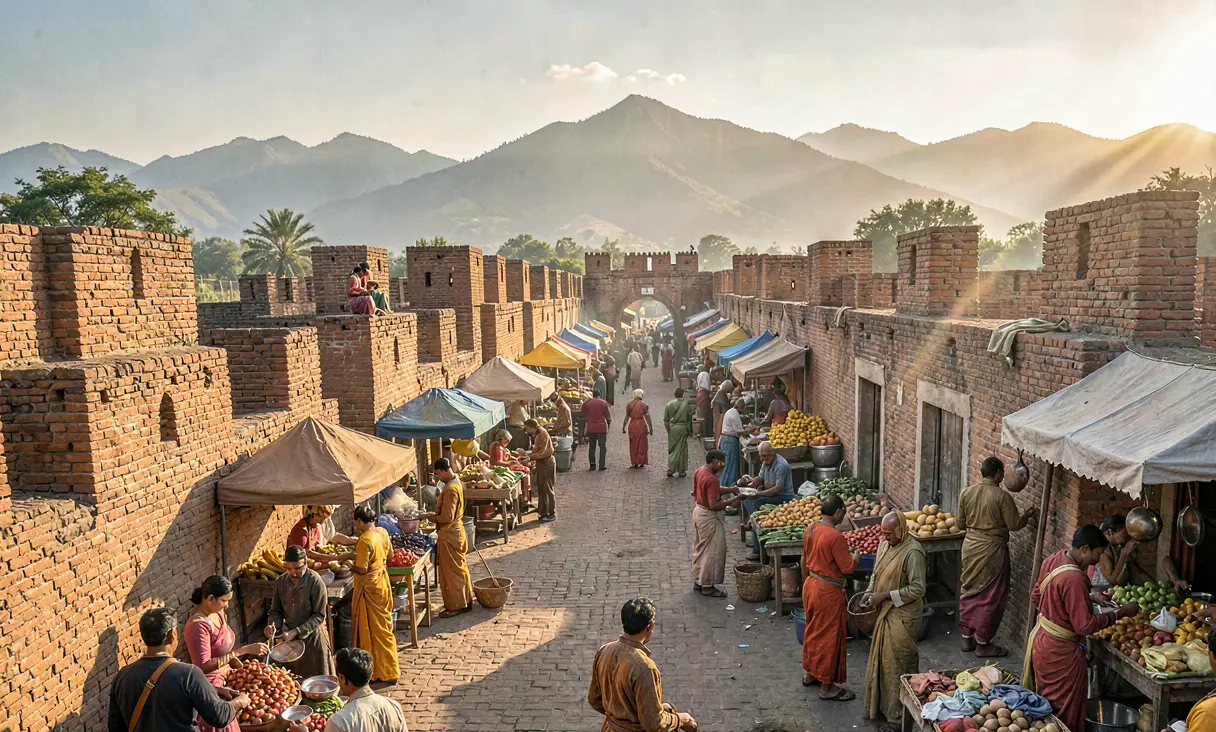 PoliticsRise of the Sixteen Mahajanapadasc. 600 BCE · Gangetic Plain (modern Uttar Pradesh/India)Sixteen great kingdoms and republics emerge across the Gangetic plain, marking the transition from tribal chiefdoms to state-level societies.
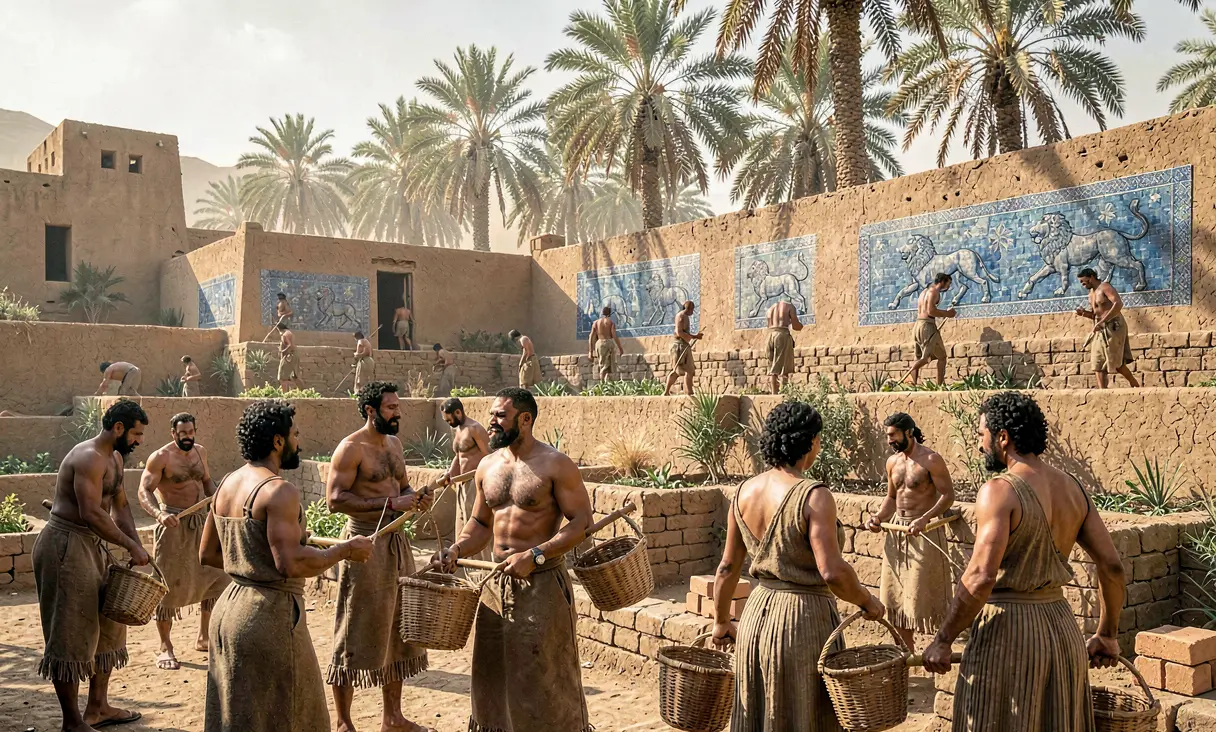 ArtConstruction of the Hanging Gardens of Babylonc. 605 BCE · Babylon, Mesopotamia (Iraq)Nebuchadnezzar II builds the legendary Hanging Gardens for his Median wife.
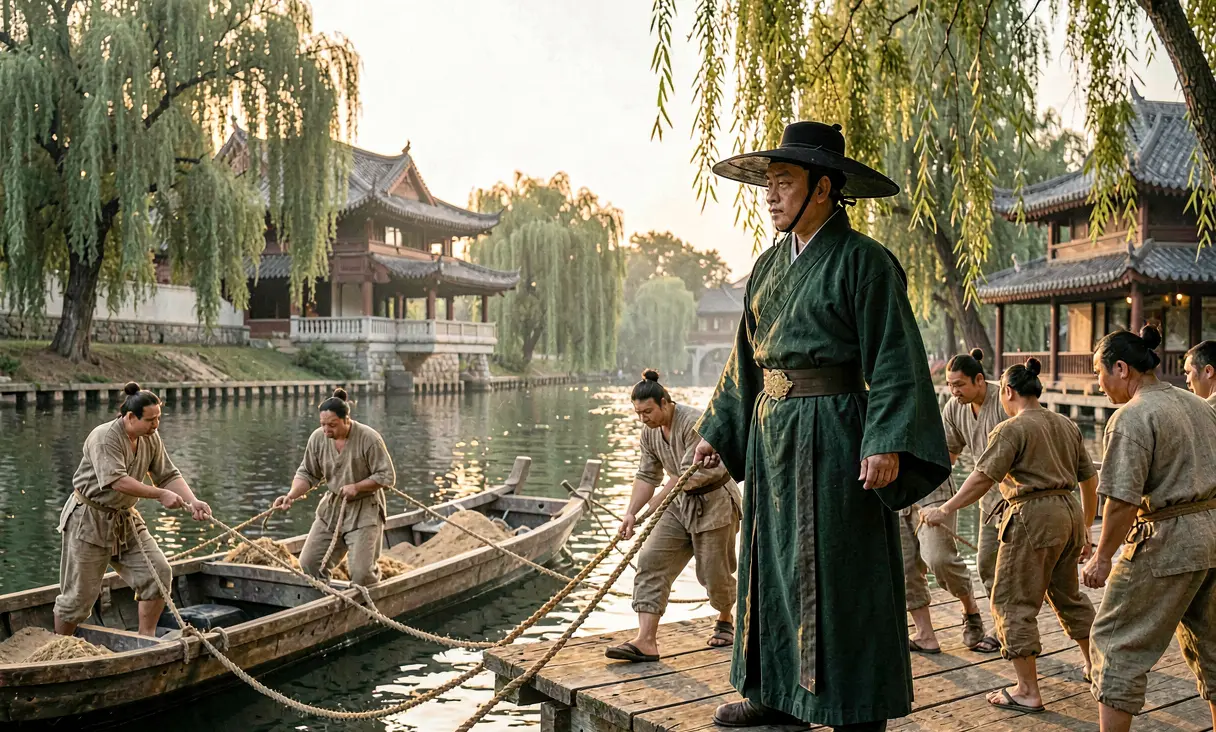 TechnologyGrand Canal of China Connects North and South610 CE · Luoyang to Hangzhou, ChinaEmperor Yang completes the massive waterway linking the Yellow and Yangtze rivers for transport and grain.
Discussion
Loading…