Development of Māori Tā Moko Tattooing Tradition
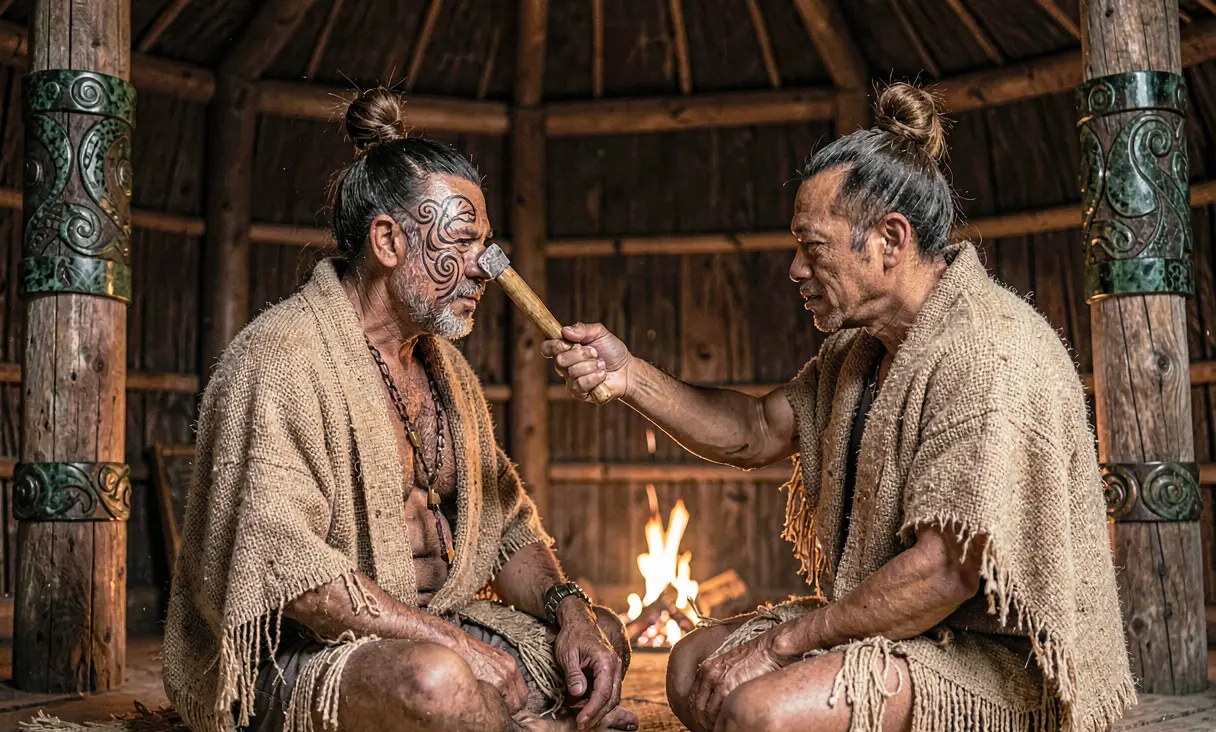
Emerging around 1400 CE in New Zealand, tā moko transformed Polynesian tattooing into a sacred carving ritual using wooden chisels to inscribe genealogy and status directly onto the skin.
Polynesian Roots and the New Zealand Context
The origins of tā moko are deeply rooted in the broader Polynesian tradition of tattooing known as 'tatau,' practiced across the Pacific Islands. However, upon the arrival of Māori ancestors in Aotearoa (New Zealand) around 1280–1350 CE, the practice underwent a profound transformation driven by environmental and cultural factors. Unlike the soot-based ink puncture methods common elsewhere in Polynesia, the cooler climate and specific social structures of New Zealand necessitated a new approach. By approximately 1400 CE, Māori artisans had developed a distinct technique that utilized wooden chisels (uhi) rather than needles, marking a divergence that would define Māori identity for centuries.
The Mechanics of Carving the Skin
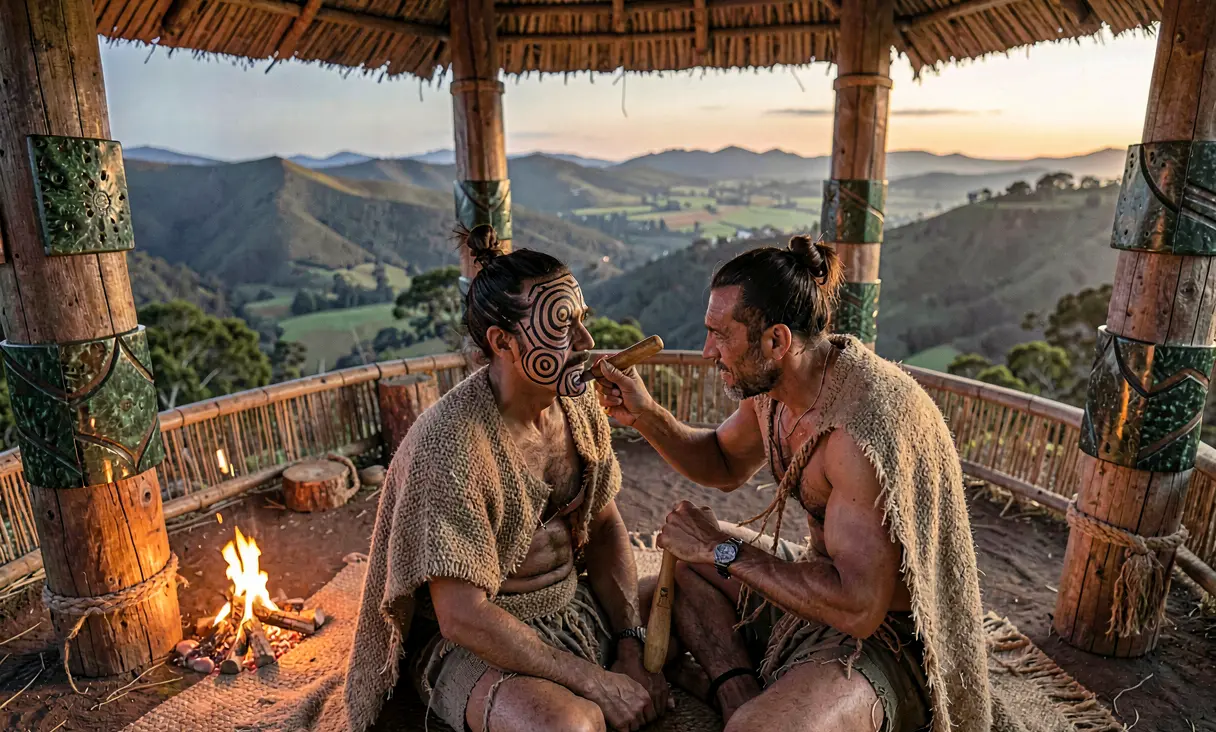
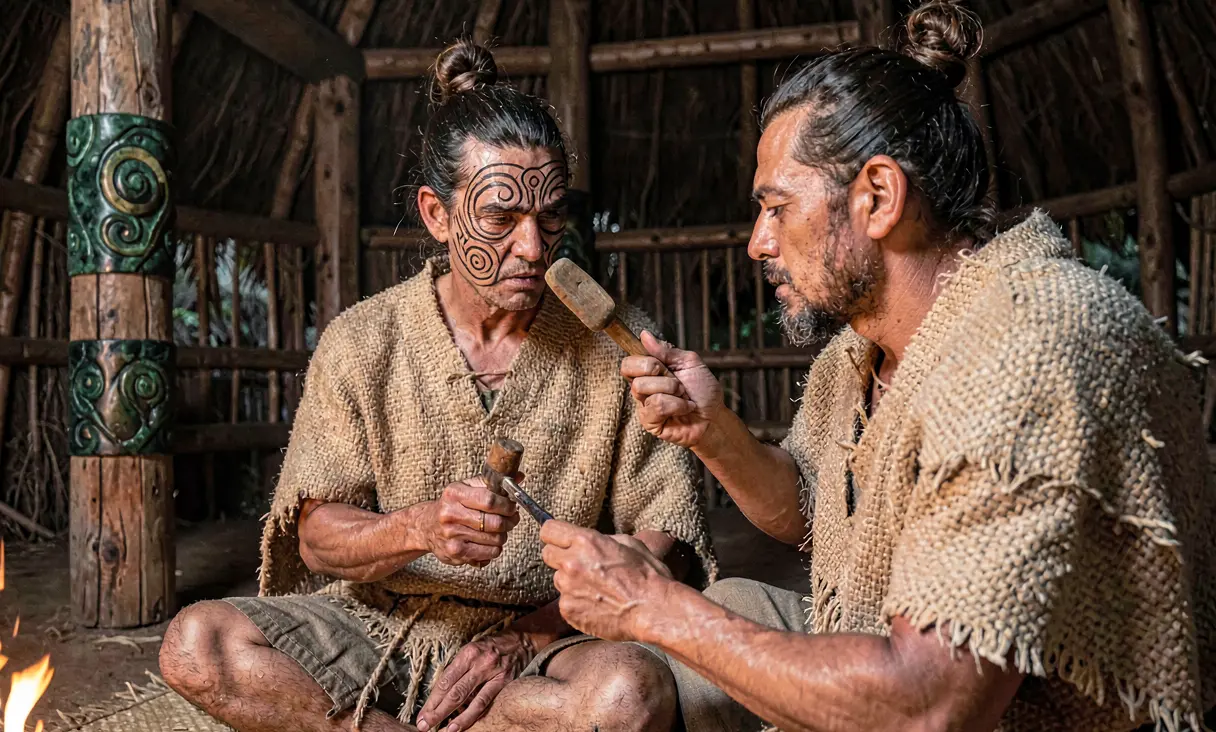
The defining characteristic of tā moko is its method of application: carving. Artisans used uhi, chisels carved from bone (often albatross or human) or wood, which were struck with a small mallet to cut grooves into the dermis. This process removed layers of skin and created permanent furrows that healed as raised ridges, giving the tattoos a unique three-dimensional texture visible even in low light. The pigment was typically derived from natural sources such as burnt kauri gum mixed with oil or plant-based dyes, which settled into these carved channels. This technique required immense skill and precision, as the depth of the cut determined the final appearance and longevity of the design.
Ritual, Tapu, and Spiritual Protection
The creation of tā moko was not merely a cosmetic procedure but a deeply sacred ritual governed by strict protocols (tapu). The process often took place in a special location away from the village to protect the community from spiritual contamination. Before the first cut, prayers were recited to invoke the protection of atua (gods) and ancestors, ensuring the recipient's mana (spiritual power) was not diminished by the pain or bloodshed. The artist, or tohunga tā moko, held a position of high status, acting as an intermediary between the physical and spiritual worlds. Violations of these taboos were believed to bring misfortune or illness, underscoring the belief that the skin was a vessel for one's genealogy and soul.
Visual Biography and Social Stratification
Each tā moko design served as a visual biography, encoding the wearer's whakapapa (genealogy), tribal affiliation, social rank, and personal achievements. For men, the facial moko (moko kanohi) was particularly significant; the patterns on the forehead indicated rank and status, while the cheeks often denoted tribal connections and specific deeds in war or hunting. No two designs were identical, as they were tailored to the individual's face shape and life story. A fully tattooed face signified a person of high standing who had completed their life's work, whereas those without moko were often viewed as having lower status or lacking significant achievements. Women traditionally wore moko on the lips (moko kauae) and chin, symbolizing their maturity, fertility, and tribal identity.
Colonial Encounter and Suppression
The arrival of European explorers in the late 18th century initially sparked fascination with tā moko, with early accounts describing the intricate designs as a form of 'writing on the skin.' However, following the signing of the Treaty of Waitangi in 1840 and the subsequent colonization efforts, Māori cultural practices faced severe suppression. Missionaries condemned tā moko as pagan and barbaric, leading to a decline in its practice during the late 19th century. Despite this pressure, the tradition survived in remote areas and within families who maintained the knowledge secretly, preserving the techniques of uhi carving and design symbolism against the erasure attempts of colonial authorities.
Modern Revival and Cultural Renaissance
Since the 1970s, a powerful cultural renaissance has seen tā moko reclaimed as a potent symbol of Māori identity and resistance. Contemporary practitioners have revived the traditional uhi carving method alongside modern tattooing techniques, though the carved style remains highly revered for its authenticity and spiritual connection. Today, tā moko is worn by both men and women across New Zealand and the diaspora, serving not only as a connection to ancestors but also as a statement of cultural pride and sovereignty. The practice continues to evolve, with new artists adapting ancient patterns to contemporary contexts while strictly adhering to the protocols that ensure the integrity of the tradition.
Tā moko represents a unique artistic and cultural achievement that serves as a permanent marker of personal and tribal identity in Māori society.
Where it happened
North Island, New Zealand — see it on the interactive map →
Explore related history
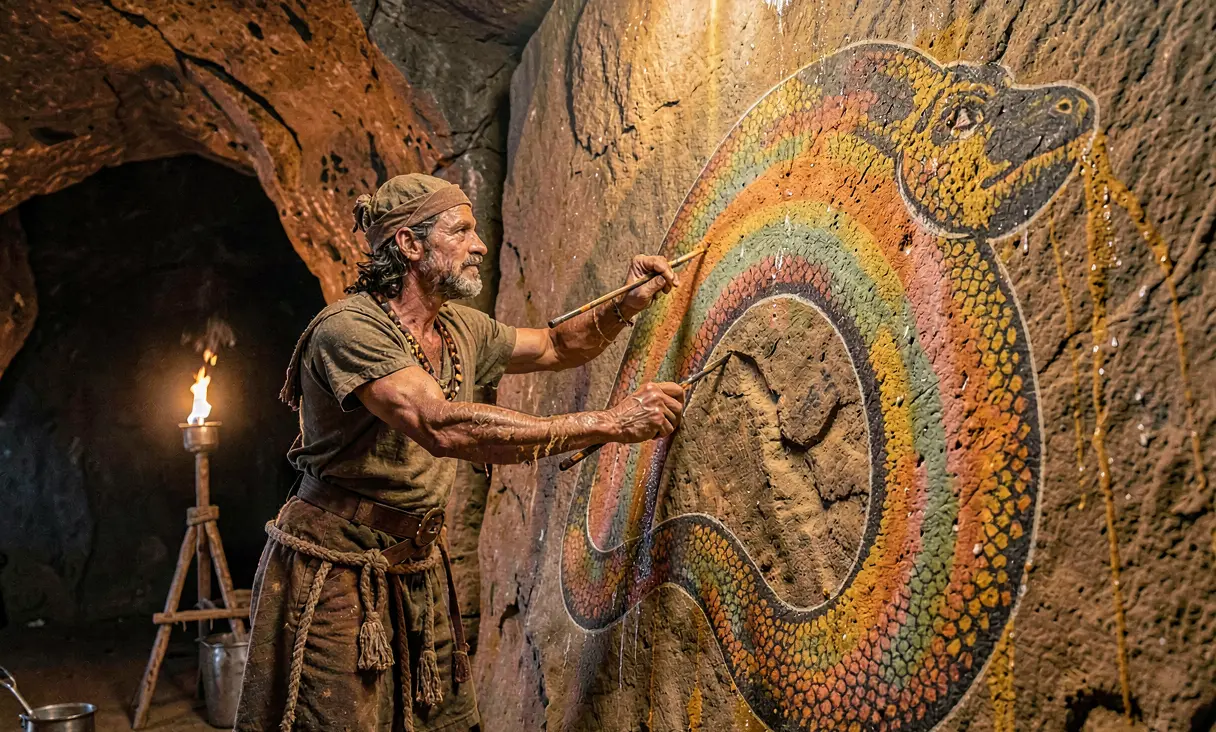 ArtPeak Period of Australian Aboriginal Rock Artc. 3000 BCE to 1500 CE · Kakadu National Park, AustraliaAboriginal artists create vast galleries of rock paintings depicting ancestral beings and hunting scenes.
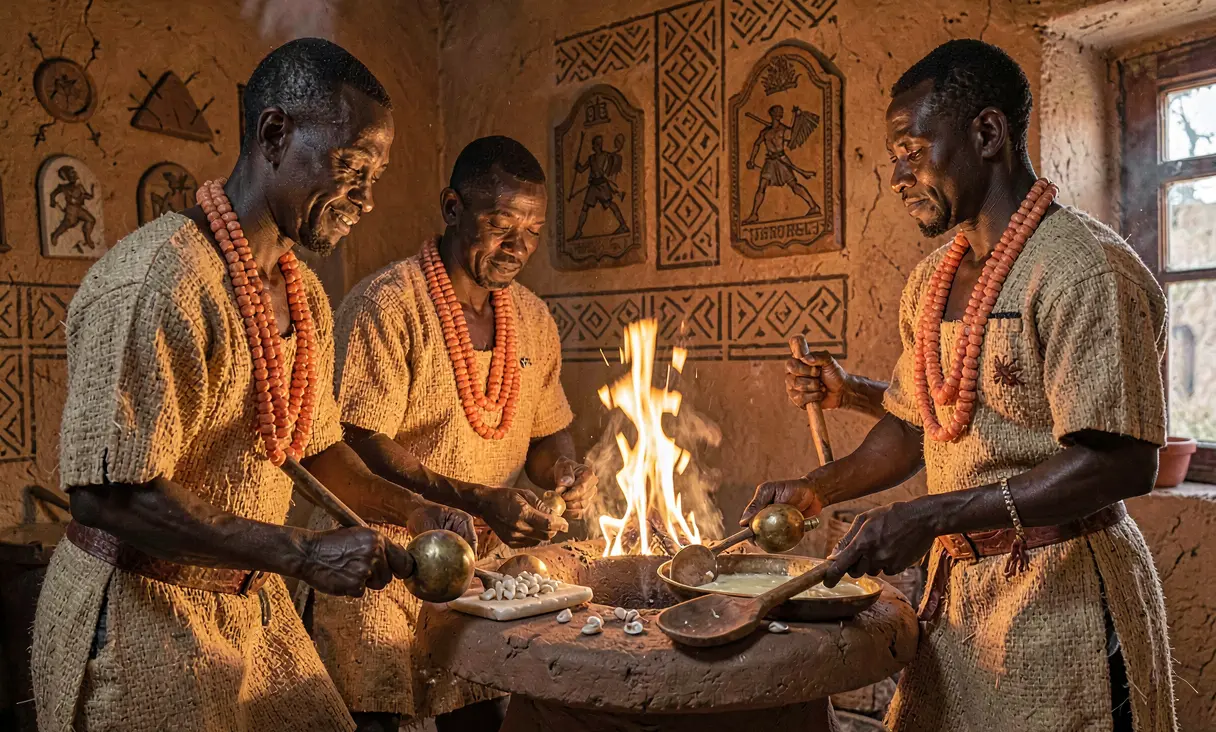 ArtCreation of the Benin Bronzes under Oba Ewuarec. 1450 CE · Benin City, NigeriaOba Ewuare commissions the famous bronze and ivory plaques documenting court life and military victories.
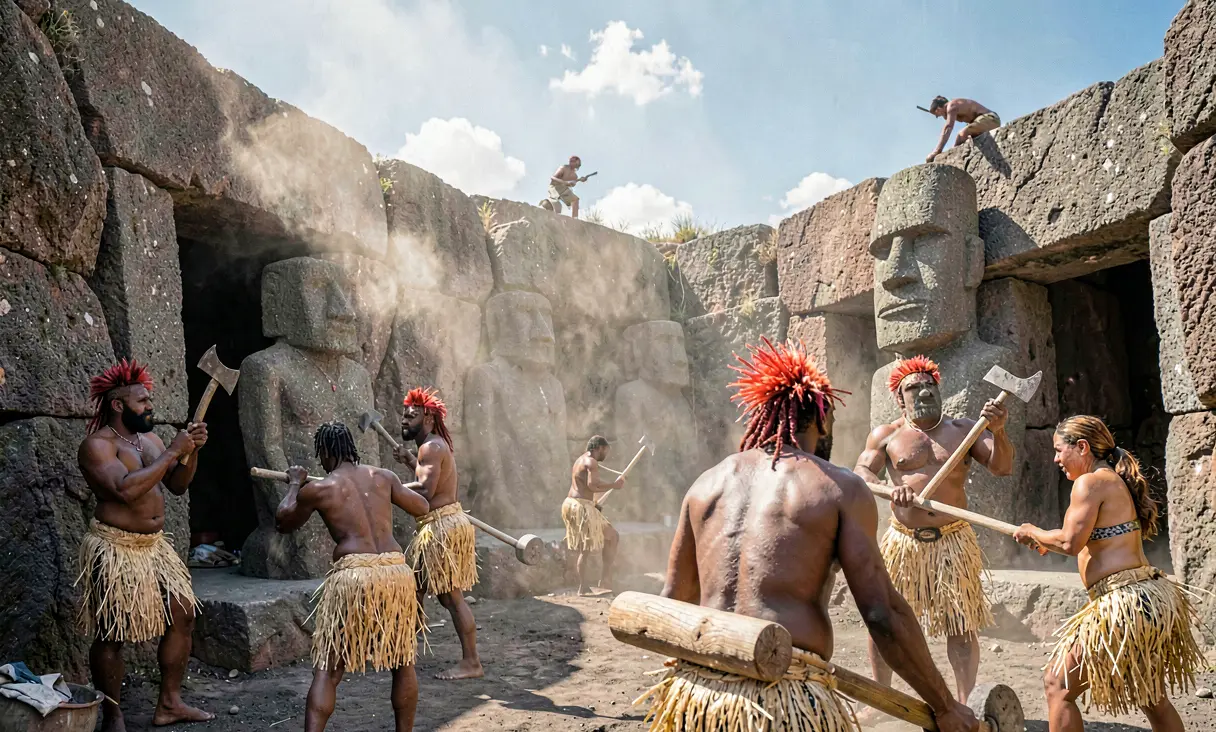 ArtMass Production of Moai Statues at Rano Rarakuc. 1400 CE · Rano Raraku Quarry, Rapa NuiThe peak period of moai carving begins at the Rano Raraku quarry under the direction of clan chiefs.
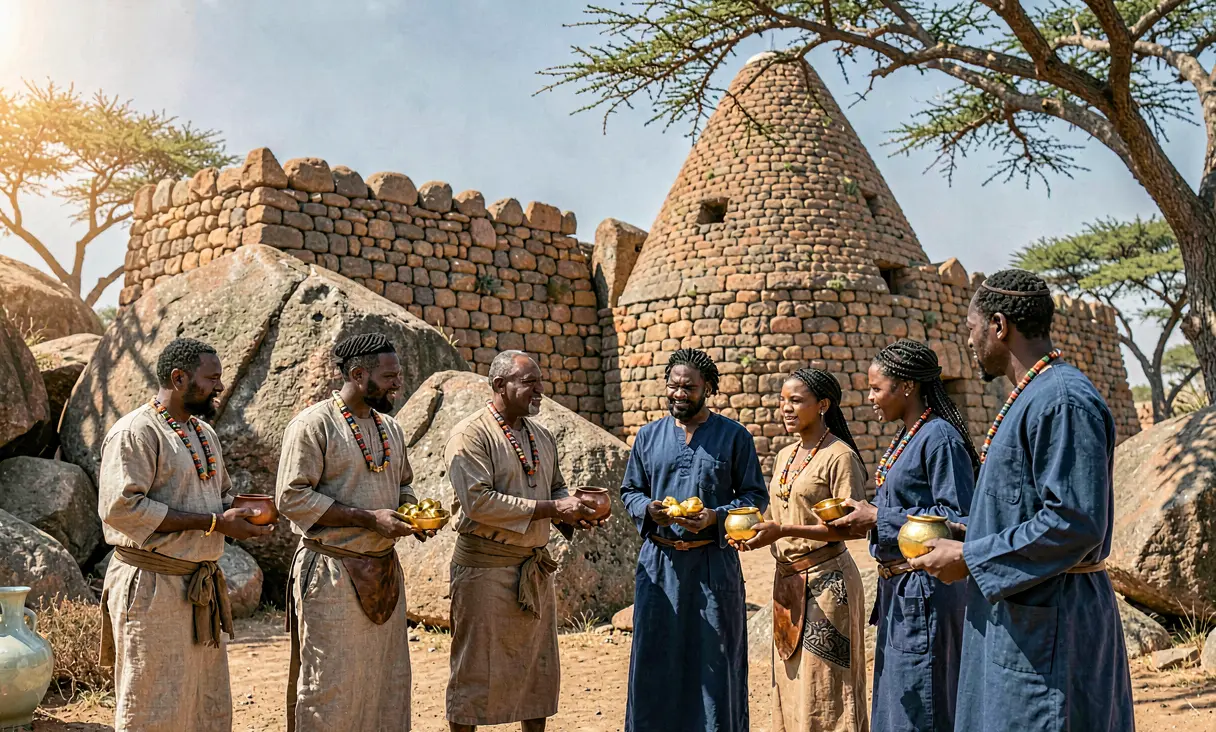 ExplorationGreat Zimbabwe Dominates Gold Trade with Kilwac. 1400 CE · Great Zimbabwe, ZimbabweArchaeological evidence confirms extensive gold trade between Great Zimbabwe and Swahili coastal cities.
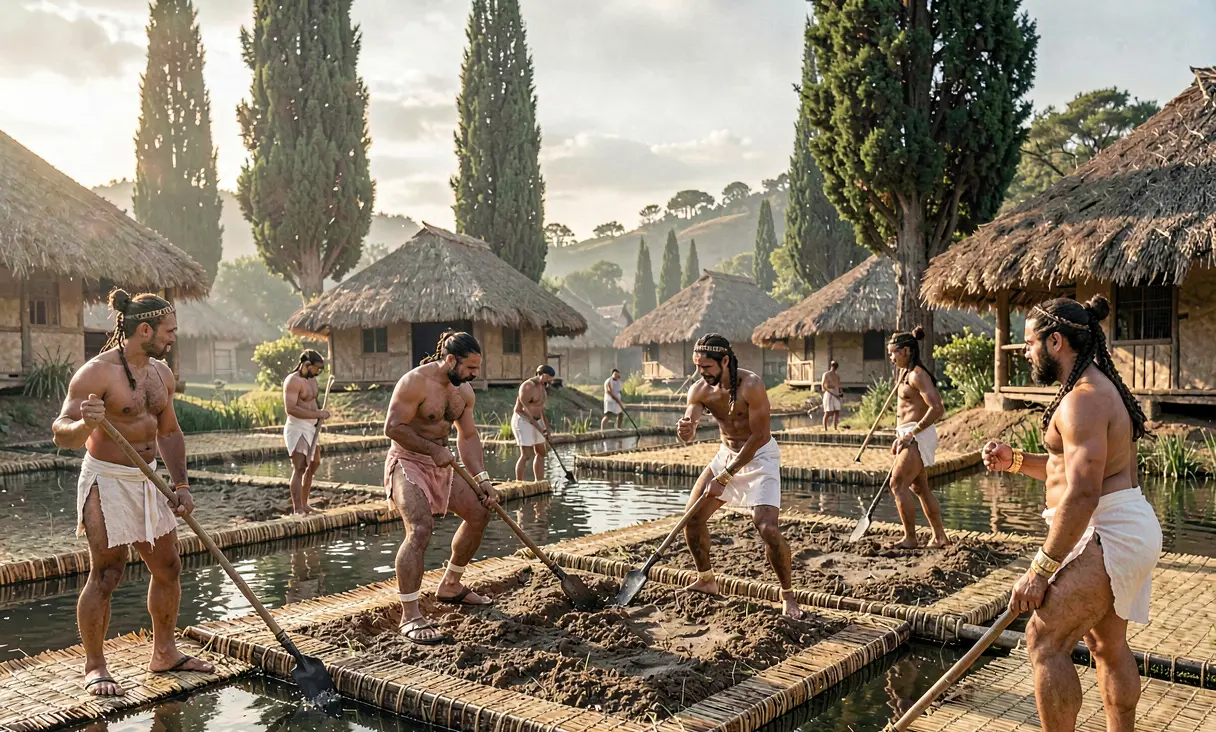 TechnologyExpansion of Chinampa Agriculture in the Valley of Mexicoc. 1400 CE · Lake Xochimilco, Mexico City, MexicoAztec engineers develop intensive floating gardens to feed a growing population.
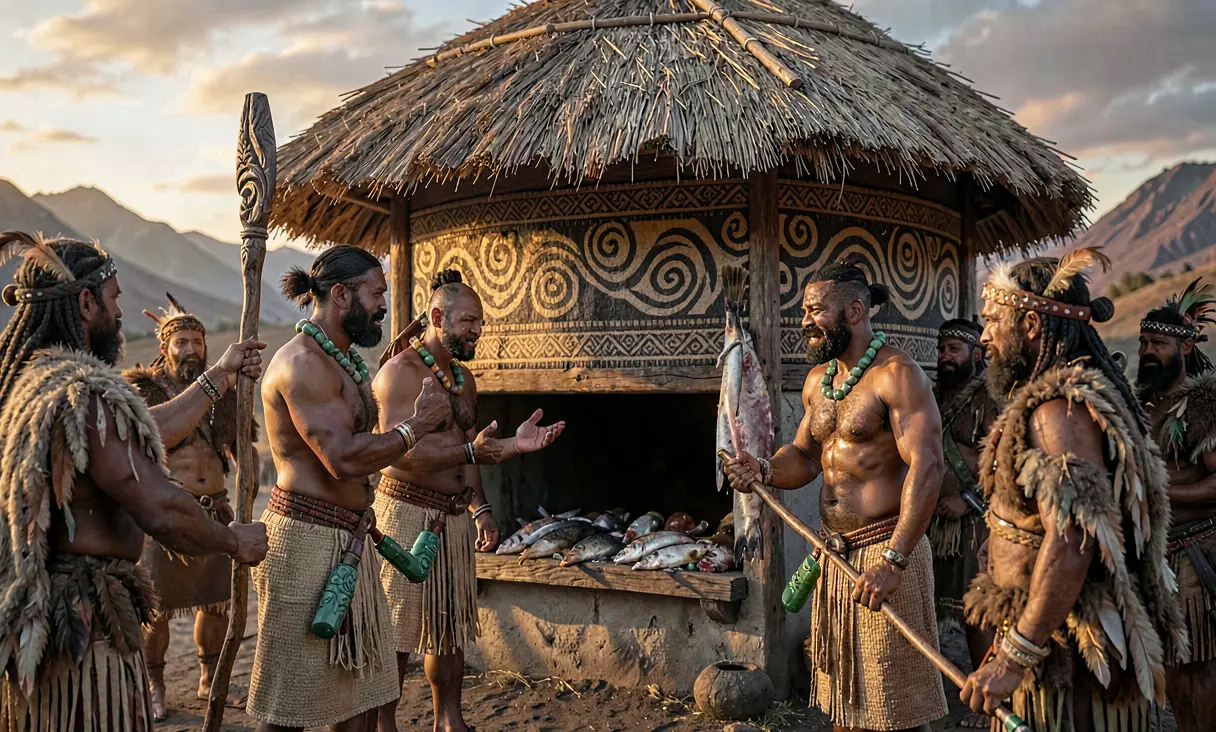 PoliticsBreaking of the Tapu by High Chiefsc. 1400 CE · North Island, New ZealandHigh chiefs challenge and modify traditional tapu rules to consolidate power and redistribute resources.
Discussion
Loading…