Māori Settlement of Aotearoa (New Zealand)
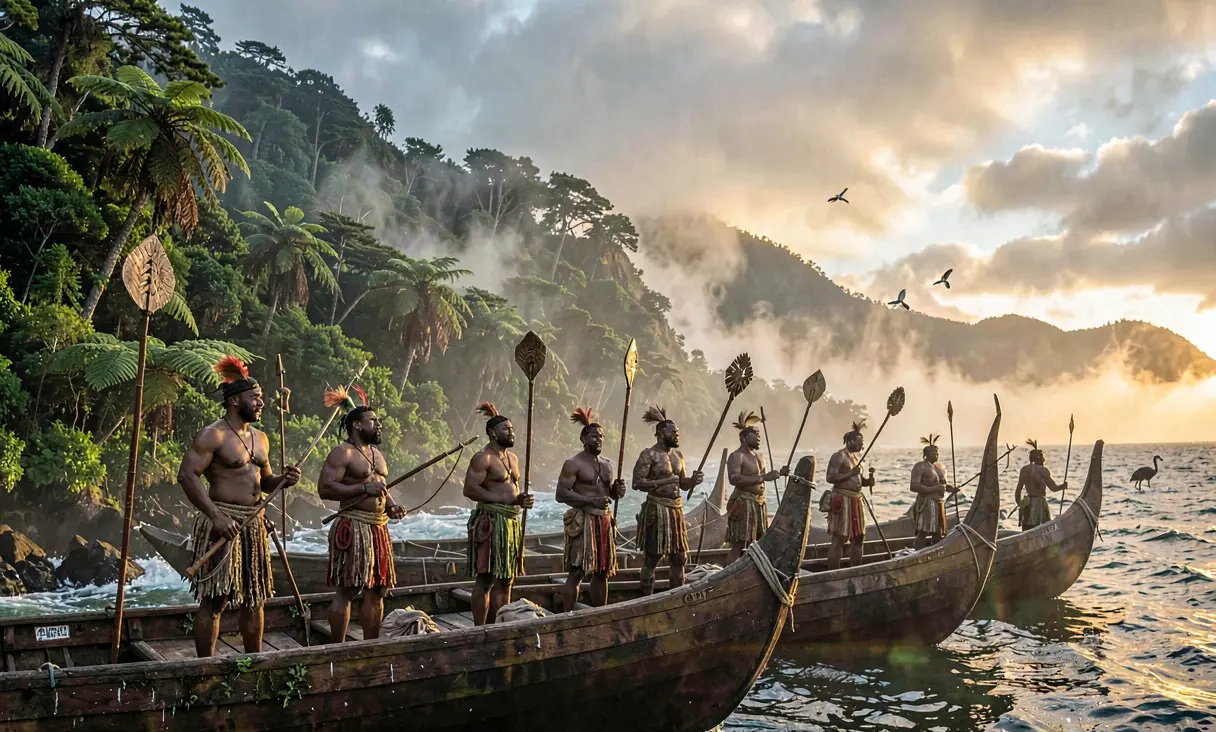
Around 1280 CE, Polynesian voyagers completed humanity's global expansion by settling New Zealand, adapting to a unique temperate ecosystem and forging a distinct Māori culture.
The Final Frontier of Polynesian Expansion
By the late 13th century, the Polynesian expansion across the Pacific had reached its geographical limit. For millennia, skilled wayfinders had navigated the vast expanse of Remote Oceania, settling islands from Hawaii to Easter Island and Rapa Nui. The discovery of Aotearoa (New Zealand) represented the last major landmass suitable for human habitation in the world to be settled by humans. Unlike the tropical atolls of Central Polynesia, this new territory lay far to the south, characterized by a temperate climate, massive forests, and an ecosystem devoid of terrestrial mammals but rich in avian life.
The Great Fleet and Arrival c. 1280 CE
While oral traditions speak of numerous voyages over generations, modern archaeological consensus, supported by radiocarbon dating and paleoecological evidence, places the initial sustained settlement around 1280 CE. The arrival is often mythologized as the 'Great Fleet' (Te Tākitimu), a coordinated movement of seven great waka hourua (double-hulled canoes) including the Tainui, Te Arawa, and Mātaatua. However, historical analysis suggests this was likely a series of independent voyages occurring over a relatively short period rather than a single synchronized armada. These voyagers arrived from East Polynesia, likely the Society Islands or the Cook Islands, guided by sophisticated celestial navigation techniques that required no instruments other than the stars, swells, and bird migrations.
Encountering a Pristine World
Upon landing, primarily on the North Island's east coast and the northern reaches of the South Island, the settlers encountered an environment radically different from their tropical origins. The land was dominated by dense podocarp forests and populated by giant, flightless birds such as the moa (Dinornis), which had no natural predators prior to human arrival. There were no native mammals other than a single bat species. This ecological vacuum allowed for rapid population growth initially, as the settlers exploited the abundant protein sources provided by the moa, seals, and seabirds, while simultaneously adapting their agricultural practices to the cooler climate.
Adaptation and Cultural Divergence
The transition from a tropical Polynesian lifestyle to a temperate one necessitated profound cultural evolution. The cultivation of kumara (sweet potato), a staple crop, became the economic cornerstone, requiring innovative storage methods like underground pits (rua) to survive cooler winters. As the moa populations were hunted to extinction within a few centuries, society shifted from a mobile hunting-gathering existence to a more sedentary, horticultural-based structure. This shift fostered the development of distinct Māori cultural traits, including intricate wood carving (whakairo), the practice of tā moko (facial tattooing) as a marker of status and genealogy, and the construction of elaborate fortified settlements known as pā on hilltops to defend resources.
The Formation of Iwi and Hapū
Within a few hundred years of arrival, the descendants of these voyagers had diversified into distinct iwi (tribes) and hapū (sub-tribes), often tracing their lineage back to specific waka. The social structure became highly stratified, governed by complex systems of mana (authority/prestige) and utu (reciprocity). Oral history preserved the names of key ancestors such as Kupe, who is credited with the initial discovery, and later navigators like Ngātoro-i-rangi of Te Arawa. These genealogies (whakapapa) served not merely as family trees but as living maps connecting people to the land, the sea, and the spiritual realm.
Legacy and Historical Significance
The settlement of Aotearoa stands as one of the most remarkable feats in human prehistory. It marked the completion of the Peopling of the Earth, closing a chapter that began with the migration out of Africa tens of thousands of years prior. The resulting Māori culture developed in isolation for nearly 500 years before European contact, creating a unique Polynesian society that thrived in one of the world's most southerly latitudes. This event fundamentally altered the biological and cultural landscape of the Pacific, leaving an enduring legacy visible today in the language, art, and social structures of New Zealand.
This event marks the last successful human migration to an inhabited continent-sized landmass in history.

Where it happened
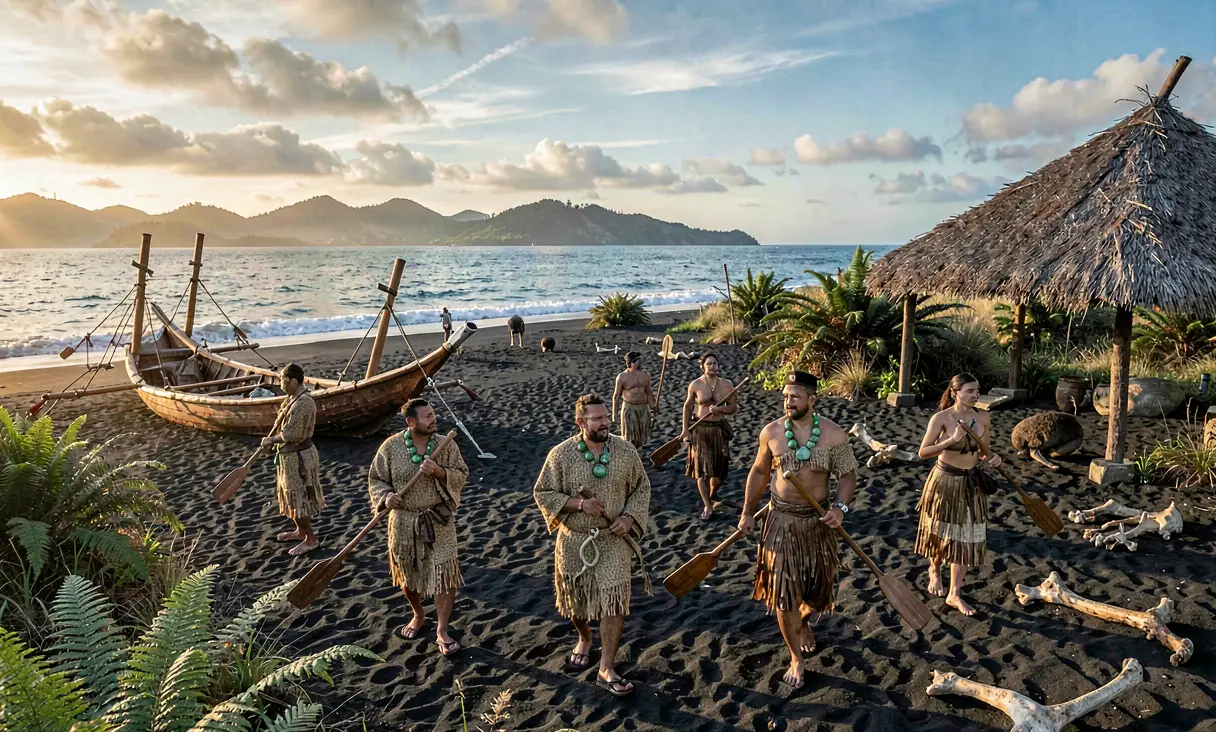
North Island, New Zealand — see it on the interactive map →
Explore related history
 ExplorationLapita Expansion into the Bismarck Archipelagoc. 1500 BCE · Bismarck Archipelago, Papua New GuineaLapita people migrate from Island Melanesia into the Bismarck Archipelago, establishing distinct pottery traditions.
 ExplorationEnd of Zheng He's Voyages and Ming Isolationism1433 CE · East Africa / China CoastThe Ming Dynasty halts the great naval expeditions and restricts maritime trade.
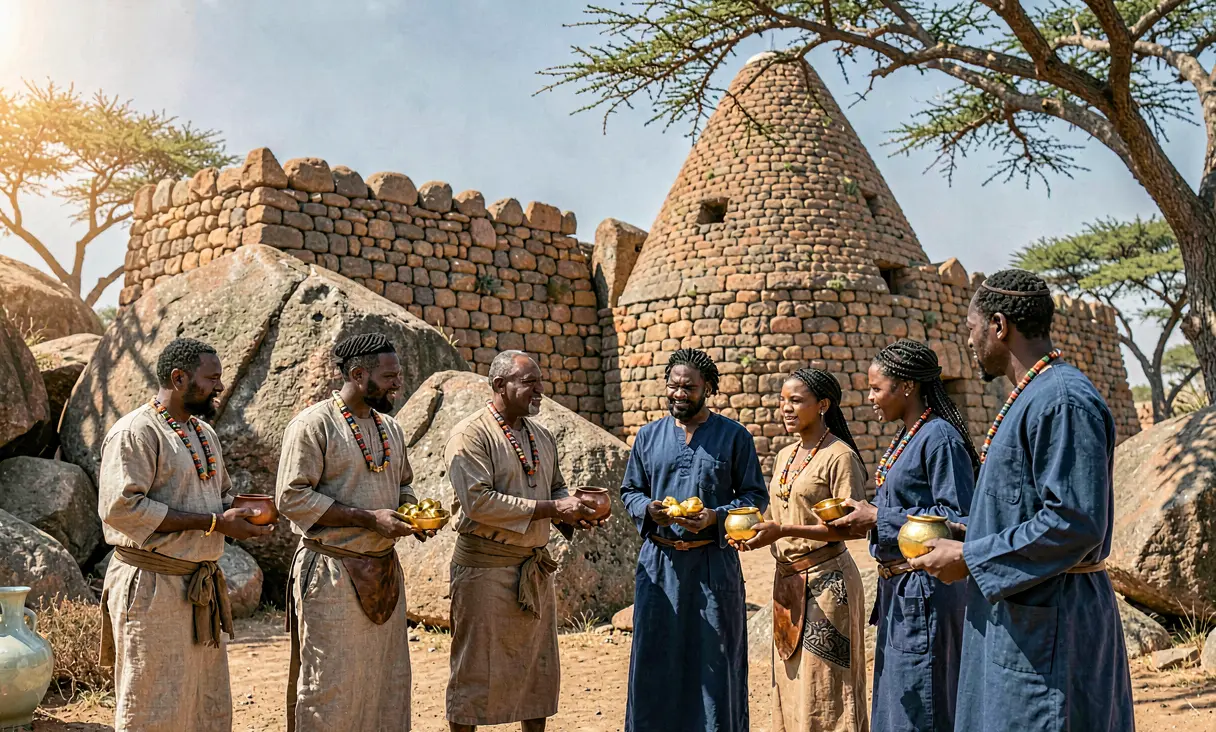 ExplorationGreat Zimbabwe Dominates Gold Trade with Kilwac. 1400 CE · Great Zimbabwe, ZimbabweArchaeological evidence confirms extensive gold trade between Great Zimbabwe and Swahili coastal cities.
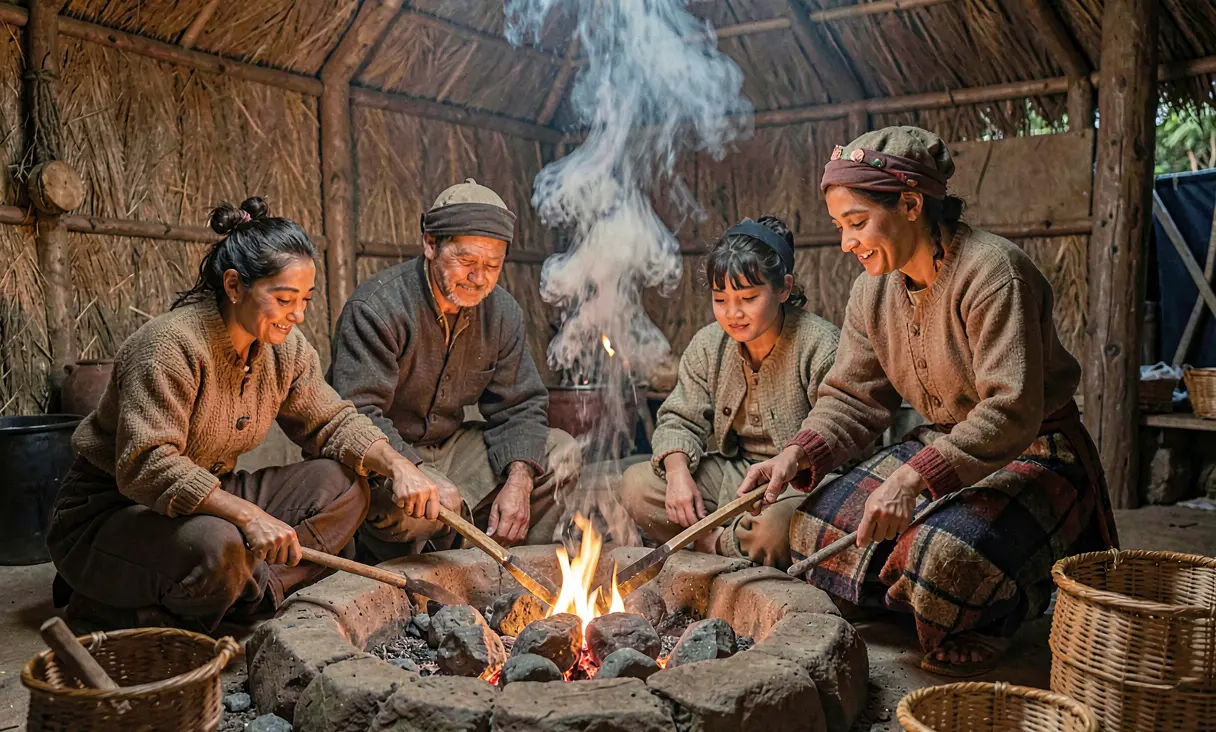 ScienceAbsence of Pottery in Māori Culturec. 1280 CE onwards · New ZealandMāori settlers abandon pottery making upon arrival in New Zealand due to lack of suitable clay and fuel.
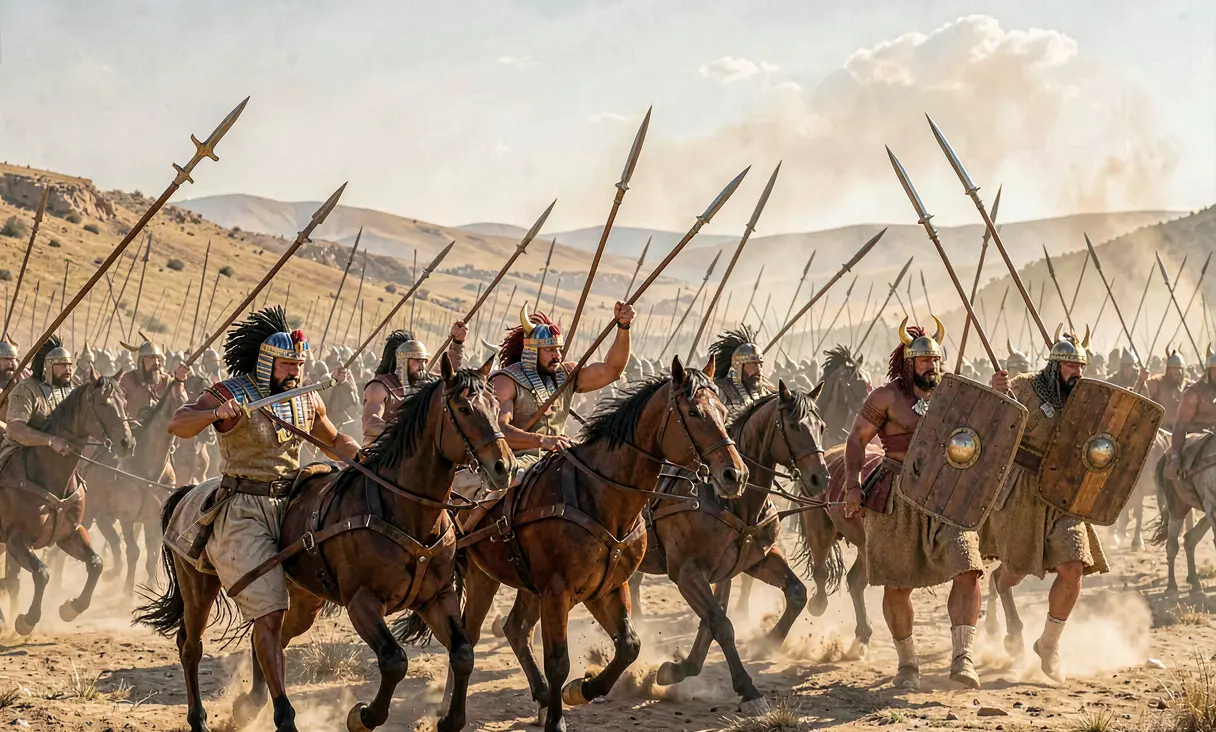 WarBattle of Kadeshc. 1274 BCE · Syria/Lebanon BorderEgypt and Hittites clash in the largest chariot battle of antiquity resulting in a peace treaty.
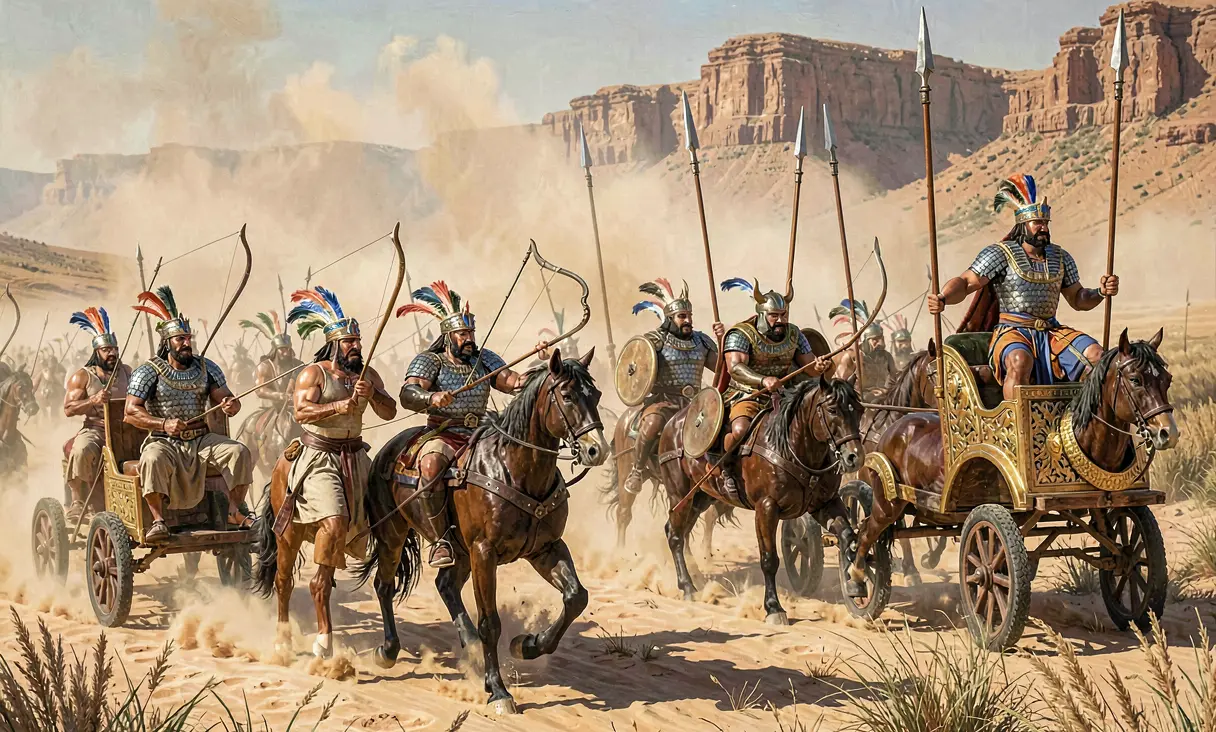 WarBattle of Kadesh: Hittites vs. Egyptiansc. 1274 BCE · Kadesh (Tall al-Nabi Mind), SyriaRamesses II and Muwatalli II clash in the largest chariot battle of antiquity.
Discussion
Loading…