Construction of Complex Pā Fortifications in New Zealand
Around 1500 CE, rising populations in Auckland drove Māori to engineer sophisticated volcanic fortresses, transforming Tāmaki Makaurau into a landscape of strategic strongholds that redefined social p
Demographic Shifts and the Rise of Conflict
By approximately 1500 CE, the social landscape of Aotearoa New Zealand underwent a profound transformation driven by population growth and the intensification of resource competition. As Māori communities expanded across the North Island, particularly in the fertile volcanic plains of the Auckland Region (Tāmaki Makaurau), the traditional subsistence economy faced new pressures. The cultivation of kumara (sweet potato) required significant labor and secure land, leading to disputes over prime agricultural zones and fishing grounds. This era marked a decisive departure from earlier, more mobile settlement patterns toward sedentary life, necessitating permanent defenses against rival iwi (tribes). The convergence of these factors catalyzed the development of sophisticated military architecture, turning natural geological features into formidable strongholds.
Engineering the Volcanic Stronghold
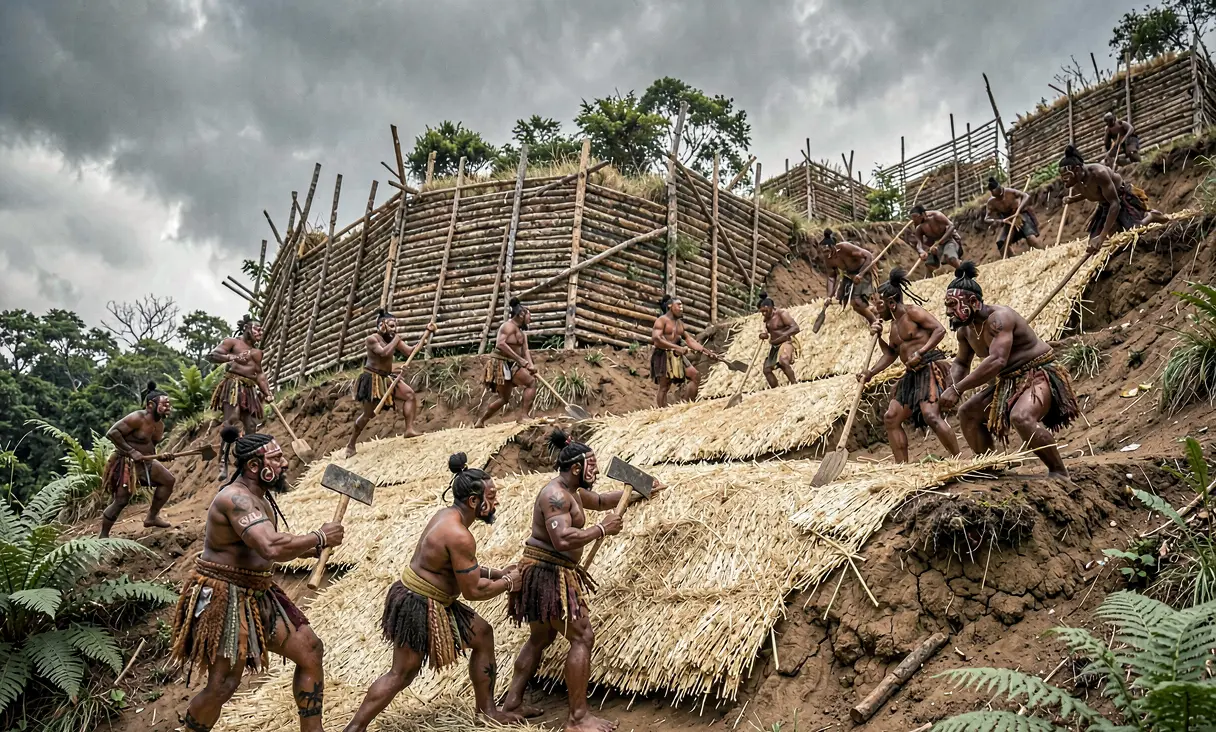
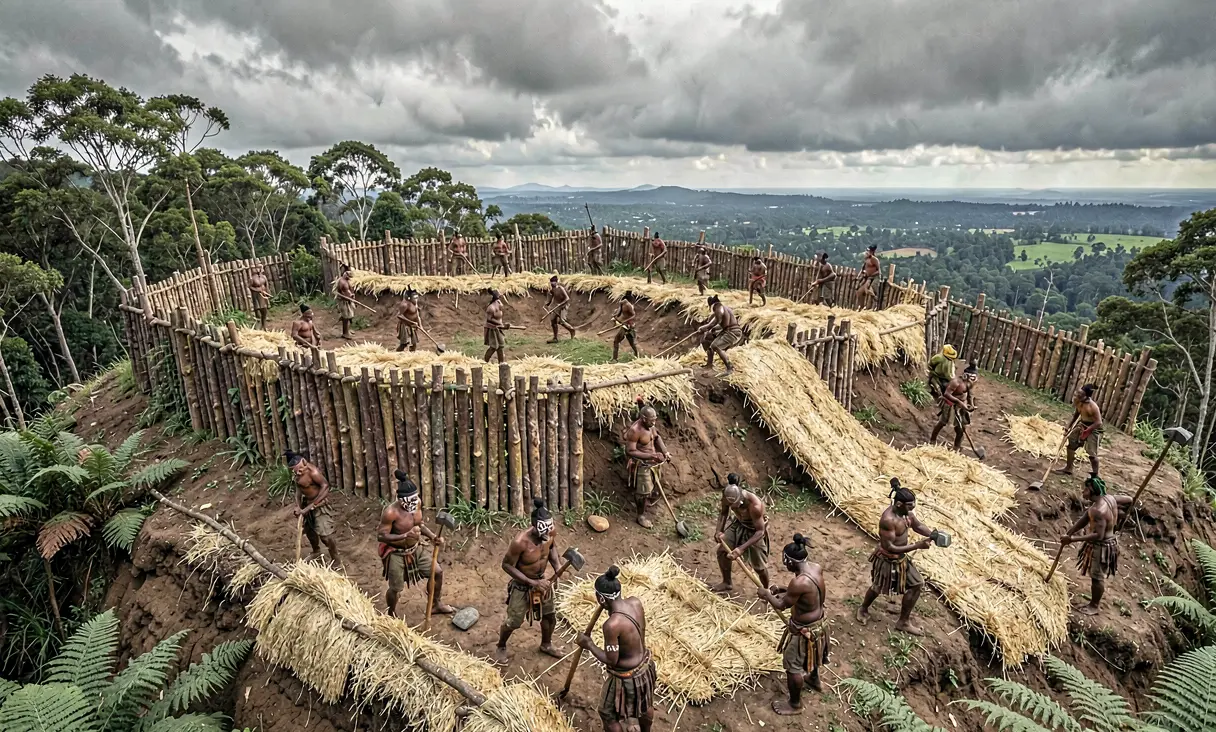
The construction of complex pā during this period represents a pinnacle of pre-colonial Pacific engineering, uniquely adapted to the geology of Tāmaki Makaurau. Builders exploited the region's twenty-plus volcanic cones and rugged headlands, carving multiple defensive terraces directly into the steep slopes. These earthworks were not merely excavations but carefully calculated structures featuring deep ditches (wāhi), steep banked ramparts, and intricate tunnel systems that allowed defenders to move unseen between levels. The most striking innovation was the palisade system; unlike simple fences, these walls utilized overlapping slats of totara or tōtara wood, often reinforced with woven flax, creating a barrier impervious to fire and difficult to breach by hand. Storage pits (rua) were dug deep into the warm volcanic soil to preserve kumara supplies, enabling communities to withstand prolonged sieges that could last for months.
The Strategic Mastery of Te Puke
Te Puke, located on a prominent pā site in the Auckland region, stands as a quintessential example of this architectural evolution. Archaeological investigations reveal a multi-stage construction history where initial simple defenses were expanded into a complex fortress capable of housing hundreds of people. The site demonstrates a masterful understanding of topography; defenders utilized the natural drop-offs of the volcanic cone to create killing zones while maintaining internal access to water sources and food stores. The layout often included distinct residential terraces separated from fighting platforms, ensuring that daily life could continue even under threat. This level of planning indicates a society with specialized labor forces, likely organized under the direction of experienced tohunga (experts) and rangatira (chiefs), who coordinated the massive earth-moving efforts required to reshape the landscape.
Social Reorganization Under Chiefly Authority
The construction of these fortifications was inextricably linked to the consolidation of power under high-ranking rangatira. As warfare became more frequent and lethal, the ability to mobilize labor for such massive projects became a primary metric of chiefly authority. The pā served not only as military bastions but also as symbols of mana (prestige and spiritual power) and territorial claim. A well-fortified pā demonstrated that a chief could protect his people and control valuable resources, thereby attracting allies and deterring enemies. This period saw the emergence of more rigid social hierarchies, where the protection of the community became the central function of leadership, shifting the balance of power from loose kinship groups to centralized, territorially defined iwi structures.
The Siege Economy and Daily Life
Life within these fortified settlements was a delicate balance between military readiness and agricultural productivity. The design of the pā facilitated a 'siege economy' where the community could remain self-sufficient for extended periods. Terraced gardens were often integrated into the lower slopes, protected by the upper defenses, while water catchment systems ensured hydration during blockades. Social rituals continued within the safety of the palisades, reinforcing group cohesion in the face of external threats. However, this lifestyle also meant that a significant portion of the population was constantly engaged in maintenance and defense duties, fundamentally altering the rhythm of daily existence compared to earlier, more open settlements.
Legacy of the Fortified Landscape
The legacy of these 15th-century fortifications is etched permanently into the Auckland landscape, with over 500 pā sites identified in the region alone. These structures defined the political geography of Tāmaki Makaurau for centuries, influencing settlement patterns long after European arrival and shaping modern urban development. The engineering principles employed—utilizing natural topography for maximum defensive advantage without heavy machinery—remain a subject of study for military historians and archaeologists globally. Furthermore, these sites serve as enduring physical connections to the ancestors who shaped New Zealand's pre-colonial history, preserving the memory of a time when the volcanic peaks became the heart of Māori sovereignty.
Significance in Global Context
While often overlooked in global narratives compared to European castles or Asian city walls, the pā fortifications represent a unique and highly effective adaptation to specific environmental conditions. Unlike stone-based fortifications of the Old World, these earth-and-wood structures were built rapidly, could be relocated if necessary, and were perfectly suited to the seismic and volcanic environment of New Zealand. They demonstrate that complex military engineering and state-like social organization emerged independently in the Pacific, challenging Eurocentric views of technological progression. The sophistication of the pā system underscores the adaptability and ingenuity of Māori society in response to the pressures of population growth and inter-tribal competition.
The development of pā represents a unique adaptation of Polynesian culture to the specific environmental and social conditions of New Zealand.
Where it happened
Auckland Region, New Zealand — see it on the interactive map →
Explore related history
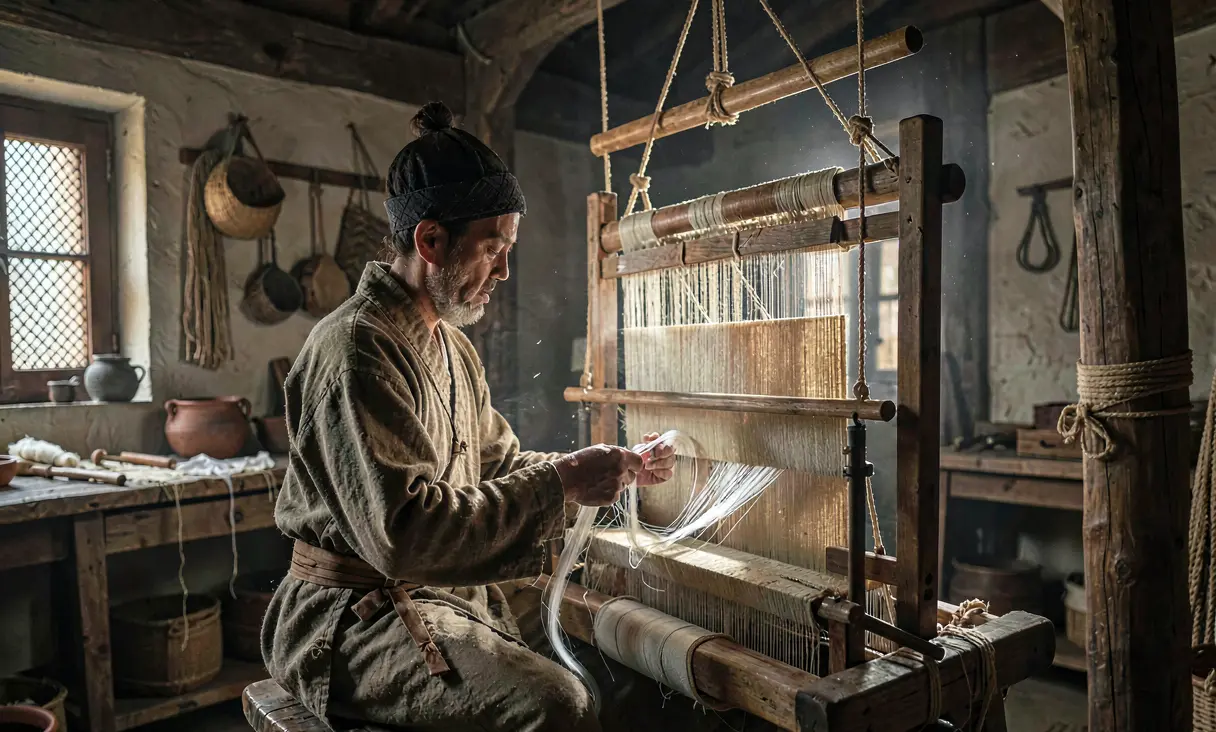 TechnologyIndustrialization of Sericulture in Ancient Chinac. 2600 BCE · Shaanxi Province, ChinaChinese artisans perfect the reeling and spinning of silk from silkworm cocoons.
 TechnologyAdvanced Irrigation Systems of the Indus Valley Civilizationc. 2600 BCE · Harappa, PakistanEngineers construct sophisticated canal networks and water reservoirs for urban agriculture.
 TechnologyBenin Acquires Cannon Technology from Portugalc. 1500 CE · Benin City, NigeriaThe Kingdom of Benin integrates Portuguese cannon technology into its military arsenals.
 PoliticsKingdom of Kongo Engages in Large-Scale Slave Tradec. 1500 CE · Mbanza Kongo, AngolaThe Kingdom of Kongo begins exporting significant numbers of captives to Portuguese traders in exchange for goods.
 TechnologyCompletion of the Qhapaq Ñan Road Networkc. 1500 CE · Andes Mountains (Various), Peru/ChileThe Inca finalize the vast road system connecting their empire.
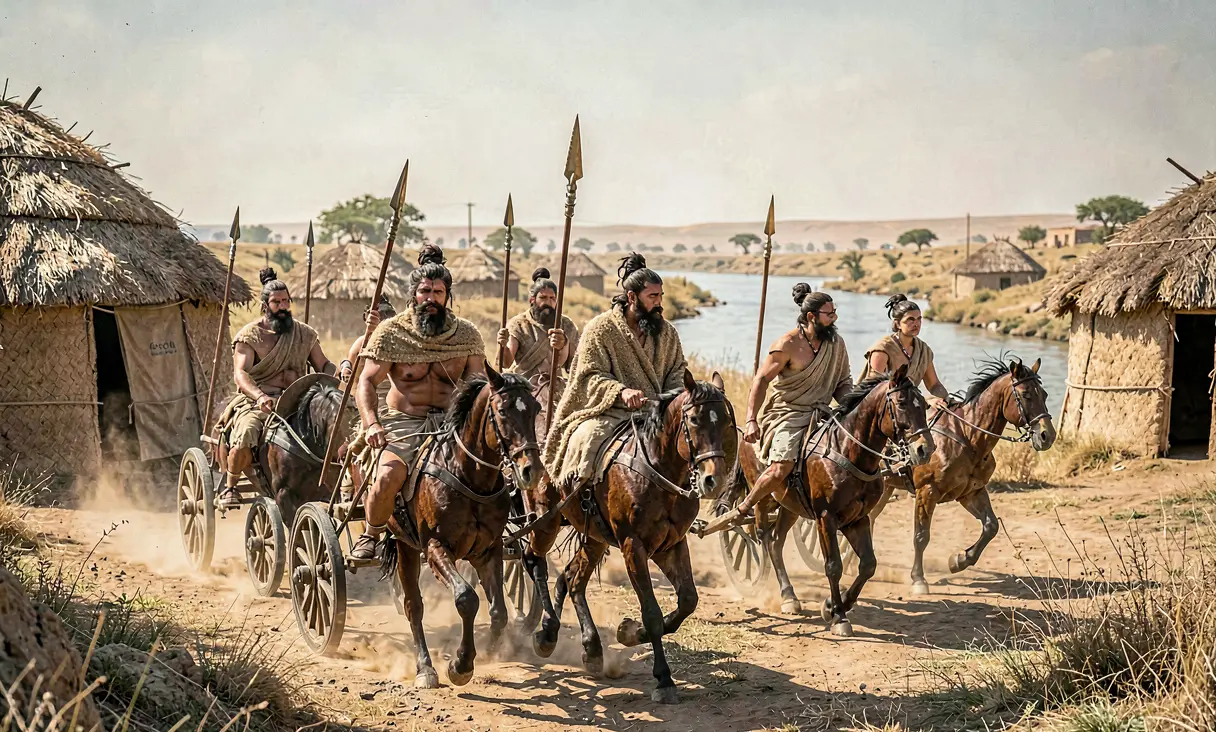 CivilizationArrival of Indo-Aryan Speakers in the Punjabc. 1500 BCE · Punjab Region (modern Pakistan/India)Indo-Aryan tribes migrate into the northwestern Indian subcontinent, introducing the Vedic Sanskrit language and horse culture.
Discussion
Loading…