Adaptation of Kumara Cultivation in New Zealand
Māori ingeniously adapted tropical kumara to New Zealand's temperate climate through raised beds and geothermal heating, enabling population growth and complex social structures by 1400 CE.
Background and Environmental Challenge
The arrival of Polynesian settlers in Aotearoa New Zealand around 1280 CE marked a profound ecological shift. Unlike the tropical islands of East Polynesia from which they originated, New Zealand possessed a temperate climate with distinct seasons, shorter growing periods, and significantly lower average temperatures. The primary crop carried across the Pacific, the kumara (Ipomoea batatas), was a heat-loving tuber native to South America that had been domesticated in the tropics long before its introduction to Polynesia. In the warm atolls of Rarotonga or Hawaii, kumara thrived effortlessly; however, in New Zealand's North Island, the crop faced existential threats from frost and insufficient solar radiation. Without immediate adaptation, the staple food source that underpinned Māori society would have failed, potentially leading to starvation or a forced return to a purely hunter-gatherer lifestyle reliant on moa and other megafauna.
Technological Innovation in Horticulture
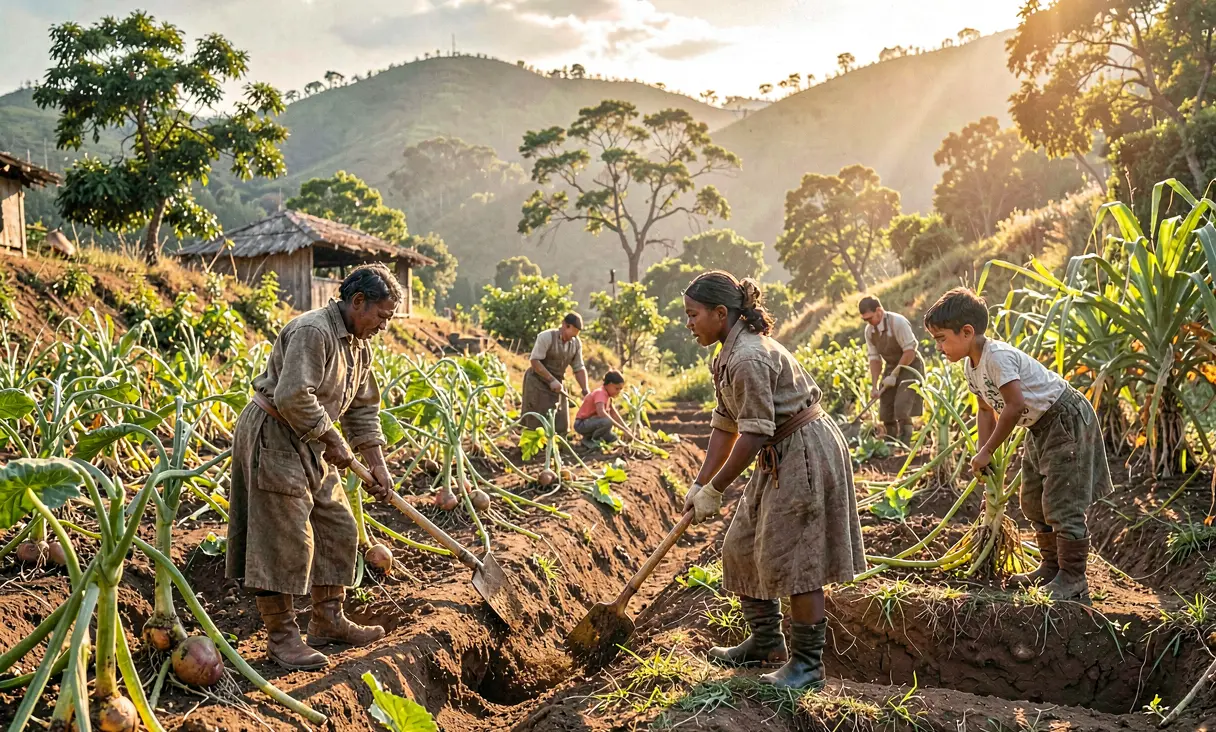
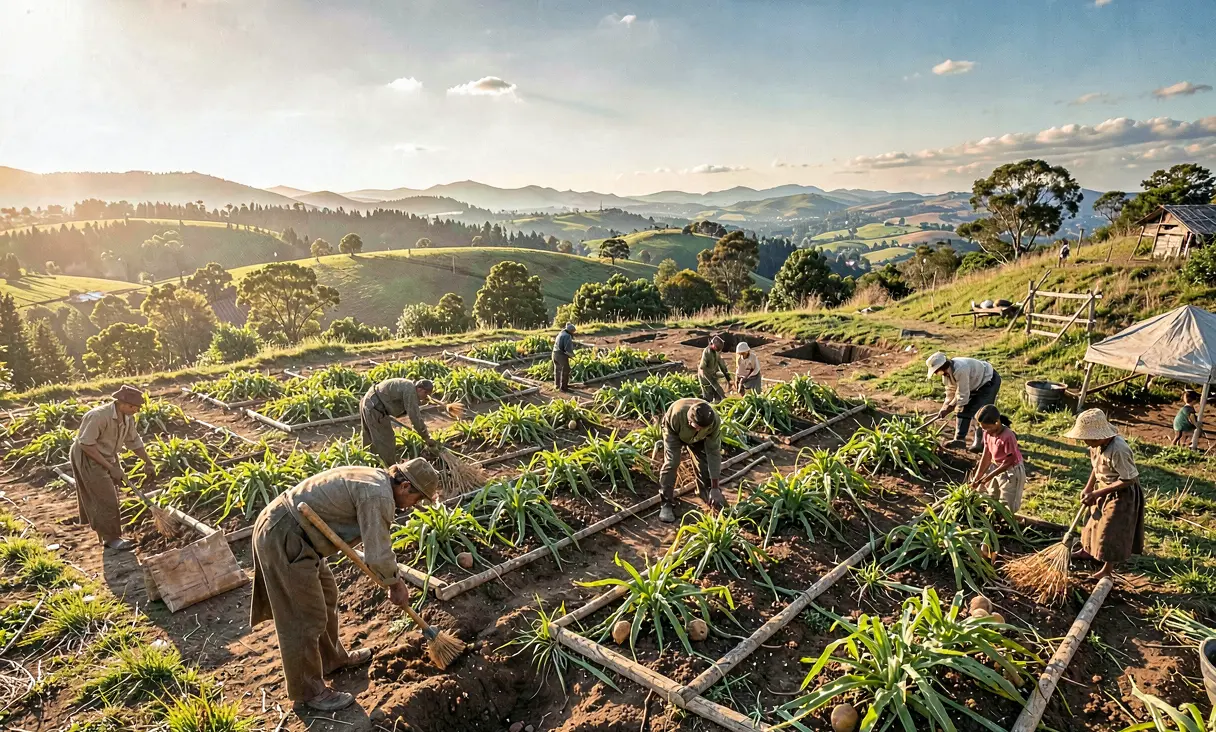
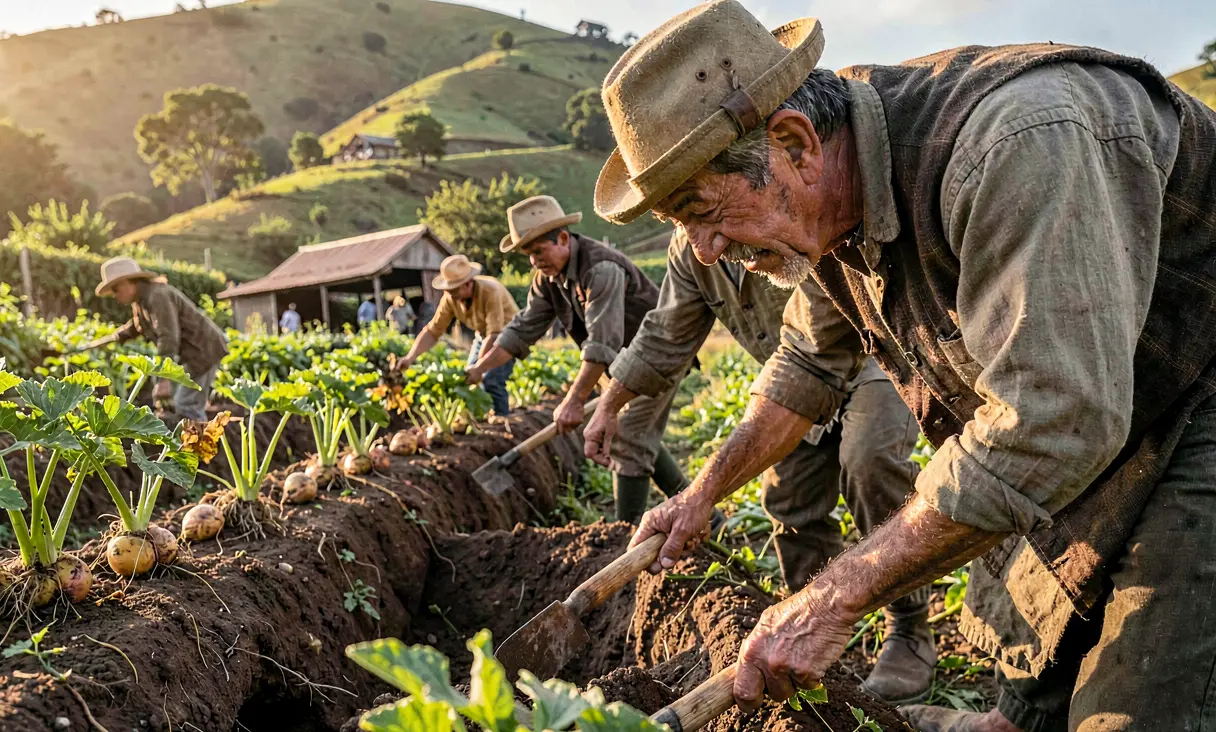
To overcome these climatic barriers, Māori horticulturists engineered sophisticated agricultural systems that transformed the landscape of the North Island. They developed raised soil mounds known as 'māra kumara,' which improved drainage and increased surface area for solar absorption. In regions with cooler microclimates, such as parts of Waikato and Taranaki, settlers utilized geothermal heat, placing hot stones beneath the soil or constructing specialized earth ovens to artificially warm the root zone. This thermal manipulation effectively extended the growing season by several critical weeks, allowing the tubers to reach maturity before the first autumn frosts. Furthermore, they practiced rigorous varietal selection, breeding and preserving strains of kumara that possessed shorter maturation cycles and greater frost tolerance than their tropical ancestors.
The Event: Systematic Adaptation c. 1300-1400 CE
Between approximately 1300 and 1400 CE, a rapid and intensive period of agricultural experimentation occurred across the northern regions of New Zealand. Archaeological evidence from sites such as Pukehinau in Northland and Wairau Bar suggests that by the mid-14th century, these innovations had moved beyond trial to become standardized practice. The process involved the communal labor of entire hapū (sub-tribes) to construct extensive fields of raised beds, often covering hectares of land. This was not merely a change in farming technique but a fundamental restructuring of settlement patterns; communities began to establish permanent villages near fertile soils and geothermal resources rather than following migratory food sources. The success of this adaptation is evidenced by the proliferation of storage pits, or 'rua,' which were ingeniously lined with flax and grasses to maintain a constant temperature, preserving the harvest through the harsh New Zealand winter.
Social and Political Consequences
The successful cultivation of kumara fundamentally altered Māori social hierarchy and political organization. Unlike the relatively egalitarian foraging societies of early colonization, the intensive labor required to maintain kumara fields necessitated strong leadership and complex resource management. The ability to produce a surplus became the primary metric of a rangatira's (chief's) mana and authority. Chiefs who could command the construction of vast storage facilities and organize the planting and harvesting cycles gained significant power, leading to increased social stratification. This agricultural surplus supported population growth in the North Island, where the climate was most favorable, resulting in larger settlements and more frequent inter-tribal conflicts over fertile land and stored food reserves.
Legacy and Long-Term Significance
The adaptation of kumara cultivation stands as one of the most remarkable examples of human agricultural ingenuity in history, allowing a tropical crop to flourish at latitudes previously thought unsuitable for its growth. This innovation sustained the Māori population for nearly five centuries until European contact, supporting a complex society with specialized crafts, warfare, and trade networks. The kumara remained the central pillar of the economy and diet, deeply embedded in oral traditions, mythology, and ritual practices. Even today, the legacy persists in the continued cultivation of traditional varieties and the cultural reverence for the crop, symbolizing the resilience and adaptability of the Māori people in a new world.
The successful adaptation of kumara cultivation enabled sustained agriculture and population stability in New Zealand's cooler environment.
Where it happened
North Island, New Zealand — see it on the interactive map →
Explore related history
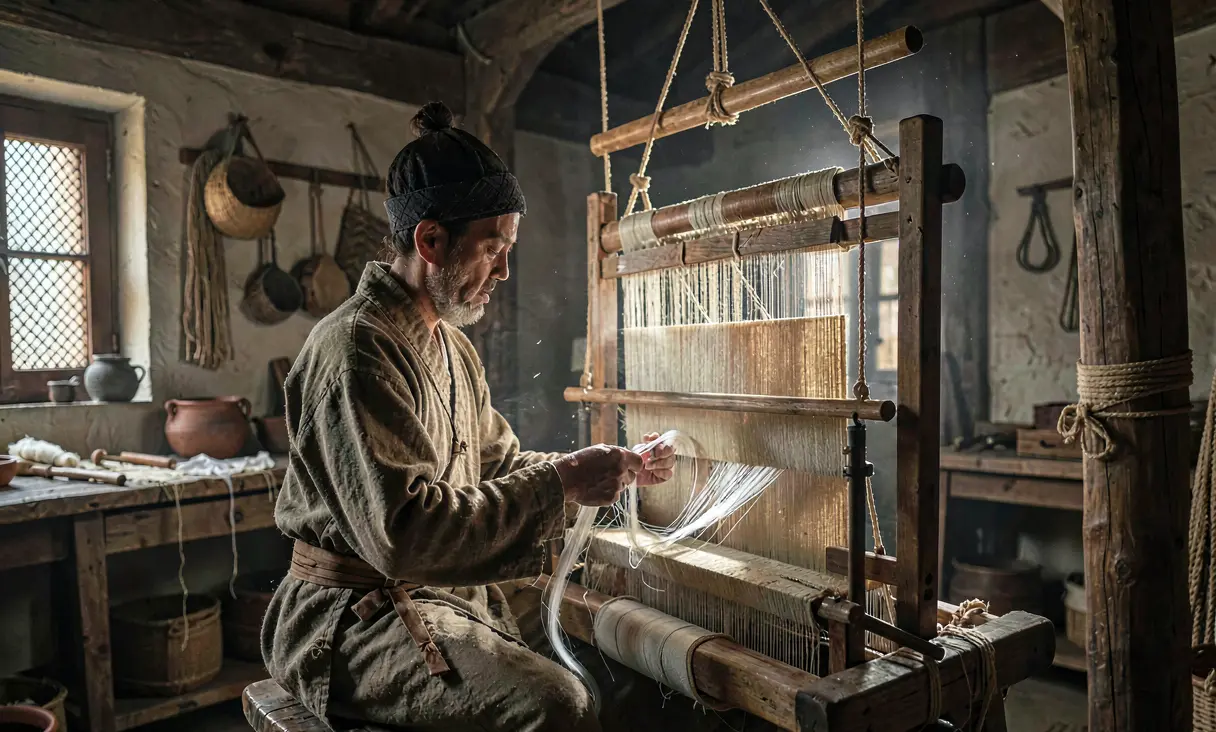 TechnologyIndustrialization of Sericulture in Ancient Chinac. 2600 BCE · Shaanxi Province, ChinaChinese artisans perfect the reeling and spinning of silk from silkworm cocoons.
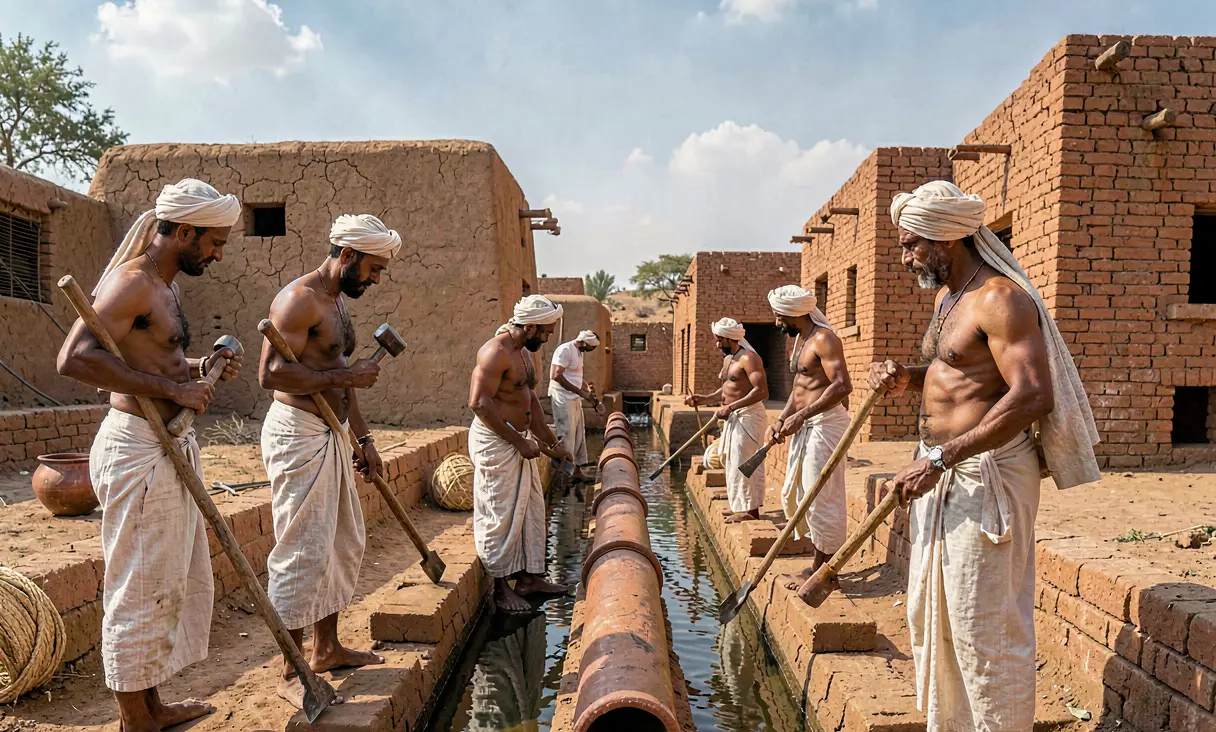 TechnologyAdvanced Irrigation Systems of the Indus Valley Civilizationc. 2600 BCE · Harappa, PakistanEngineers construct sophisticated canal networks and water reservoirs for urban agriculture.
 TechnologyBenin Acquires Cannon Technology from Portugalc. 1500 CE · Benin City, NigeriaThe Kingdom of Benin integrates Portuguese cannon technology into its military arsenals.
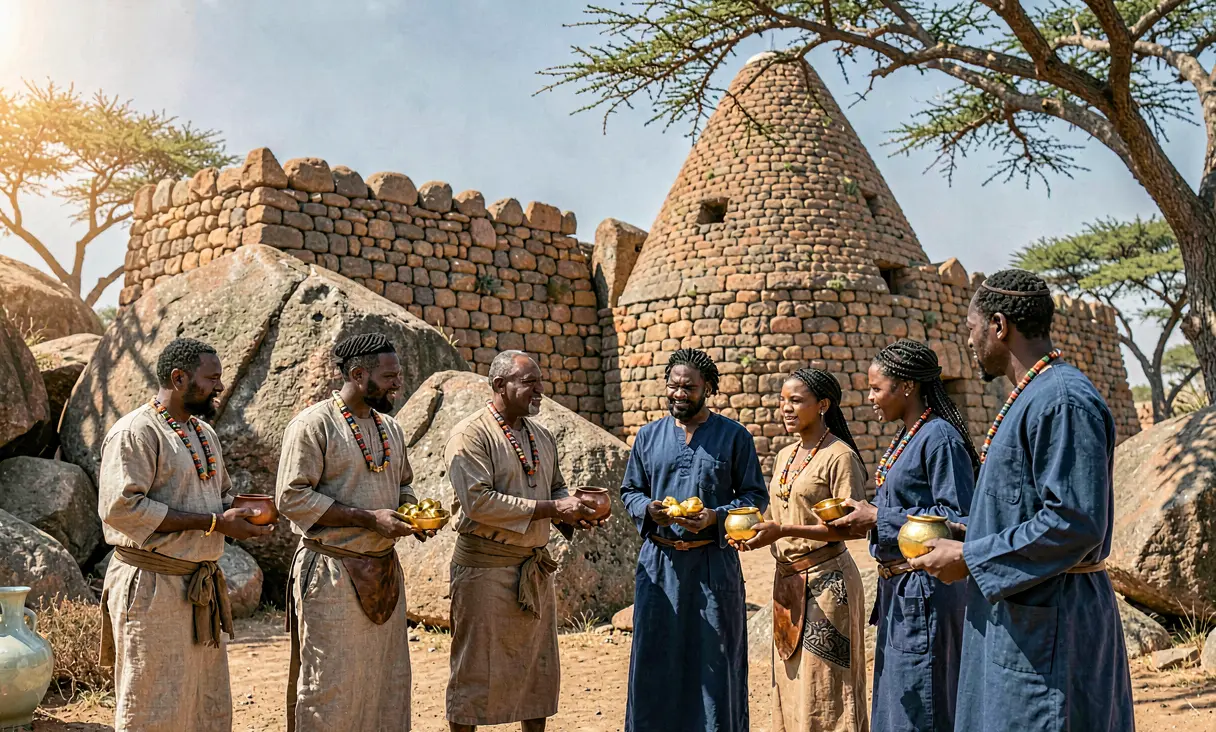 ExplorationGreat Zimbabwe Dominates Gold Trade with Kilwac. 1400 CE · Great Zimbabwe, ZimbabweArchaeological evidence confirms extensive gold trade between Great Zimbabwe and Swahili coastal cities.
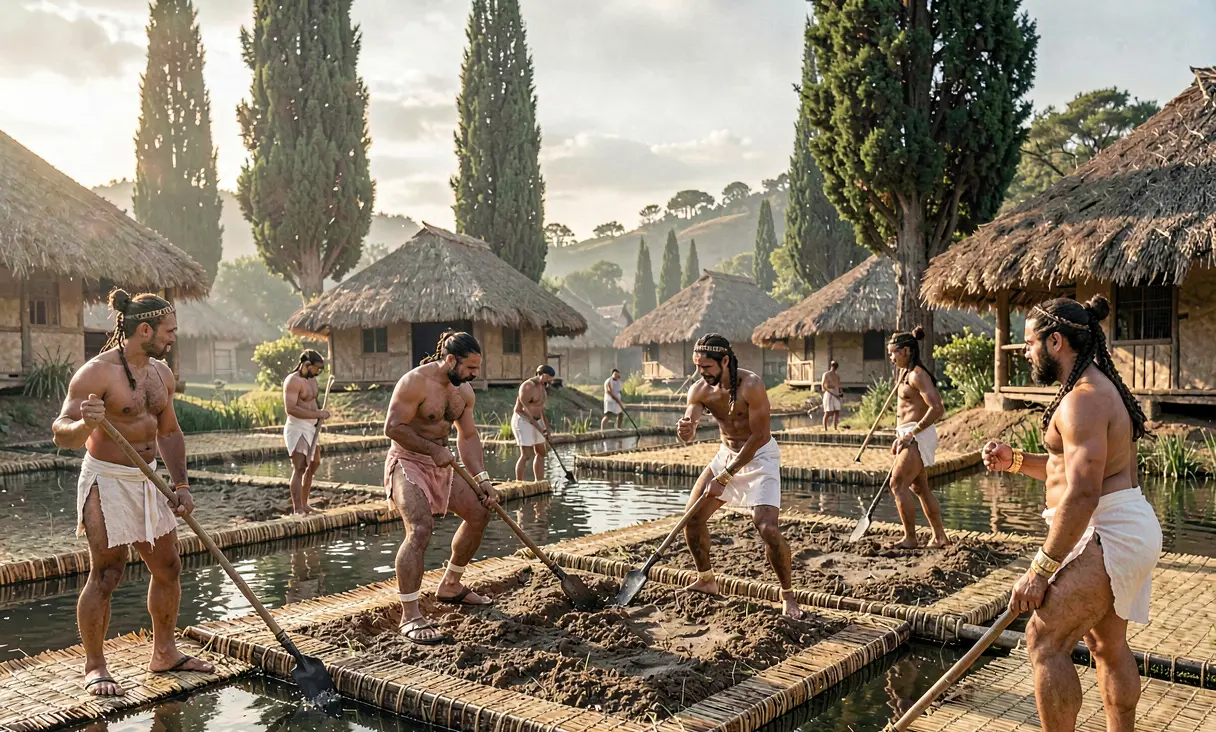 TechnologyExpansion of Chinampa Agriculture in the Valley of Mexicoc. 1400 CE · Lake Xochimilco, Mexico City, MexicoAztec engineers develop intensive floating gardens to feed a growing population.
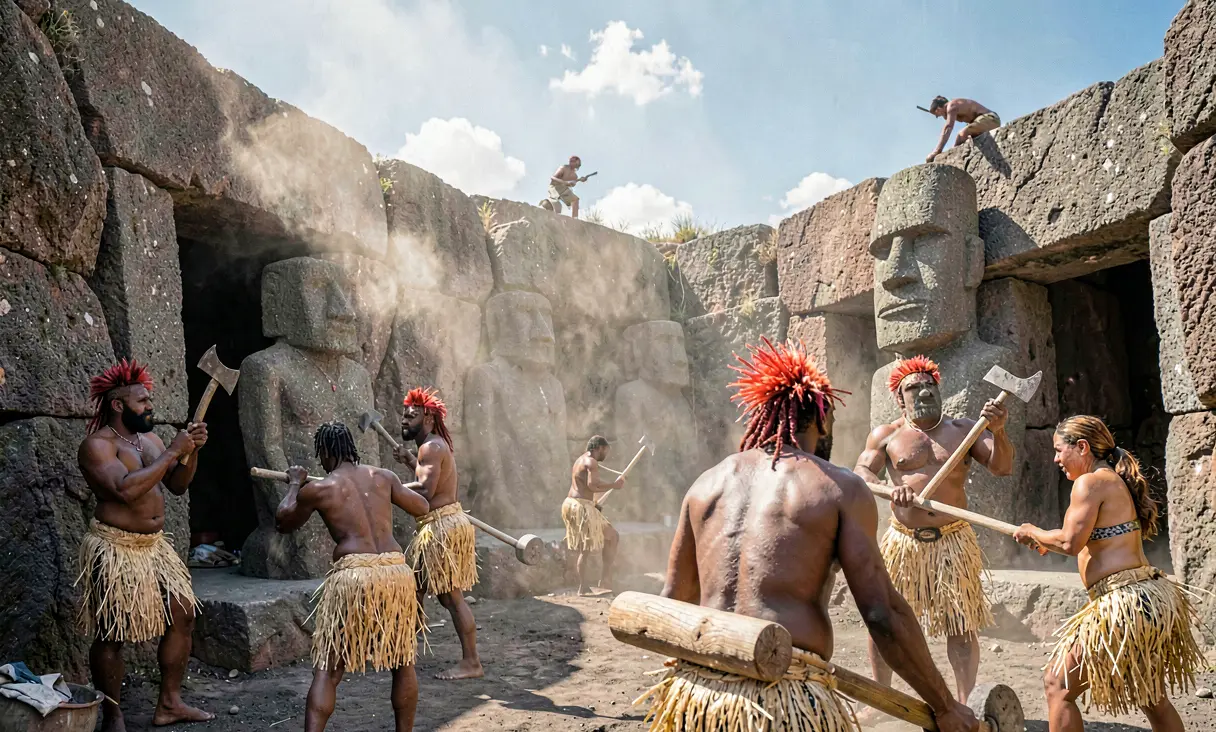 ArtMass Production of Moai Statues at Rano Rarakuc. 1400 CE · Rano Raraku Quarry, Rapa NuiThe peak period of moai carving begins at the Rano Raraku quarry under the direction of clan chiefs.
Discussion
Loading…