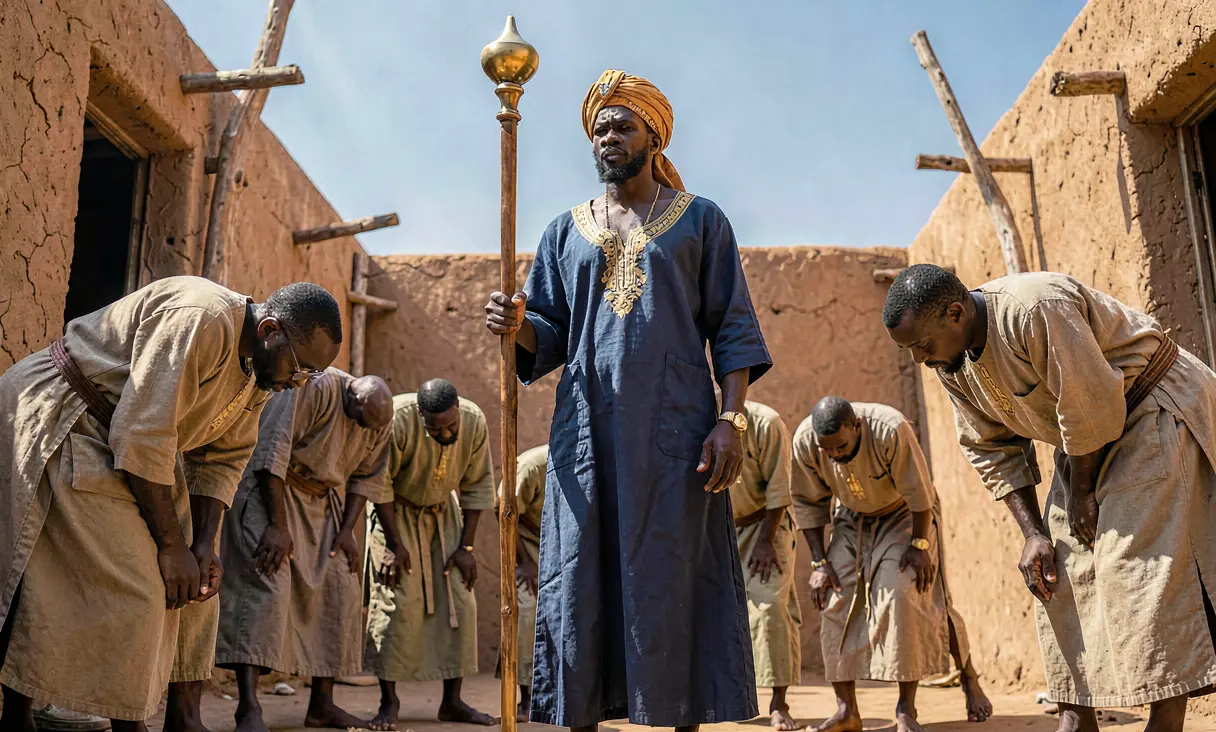
Mansa Musa Ascends to the Throne of Mali
Mansa Musa's ascension in c. 1312 CE transformed Mali into a global superpower, securing trade routes and launching a golden age of wealth and Islamic scholarship that captivated the medieval world.
The Context of a Rising Empire
By the early 14th century, the Mali Empire had already established itself as the preeminent power in West Africa, succeeding the declining Ghana Empire. Founded by Sundiata Keita in the mid-13th century, the state controlled the critical trans-Saharan trade routes that linked the gold fields of the south with the salt mines of the Sahara and the Mediterranean markets beyond. The empire's economy was built on a dual monopoly: it taxed the flow of gold dust from Wangara and the salt caravans from Taghaza. However, the political landscape remained fluid, with various vassal states occasionally testing the central authority in Niani. The succession of rulers prior to 1312 had maintained stability, but the empire stood at a precipice where it could either fracture under internal pressure or expand into a global superpower.
The Disappearance of Abu Bakr II
The direct catalyst for Mansa Musa's ascension was the mysterious fate of his predecessor, Mansa Abu Bakr II. According to the accounts recorded by the Arab historian Al-Umari in the 14th century, Abu Bakr II became obsessed with exploring the limits of the Atlantic Ocean. Believing a vast sea lay beyond the western horizon, he abdicated the throne to lead a massive fleet of ships into the unknown. He reportedly dispatched a first expedition of 2,000 vessels, which never returned, followed by a second personal expedition of even greater magnitude. When Abu Bakr II failed to return from this maritime odyssey, the throne in Niani was left vacant, creating an immediate succession crisis that threatened to destabilize the realm.
Musa's Accession and Consolidation
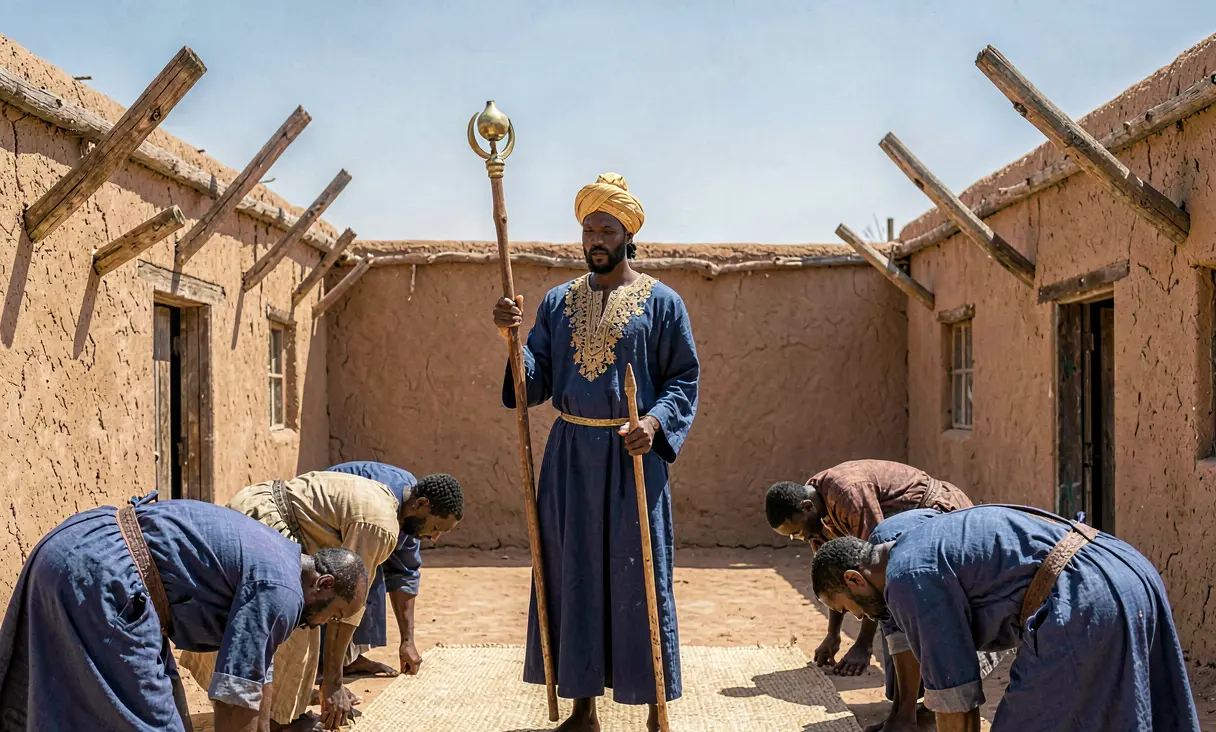
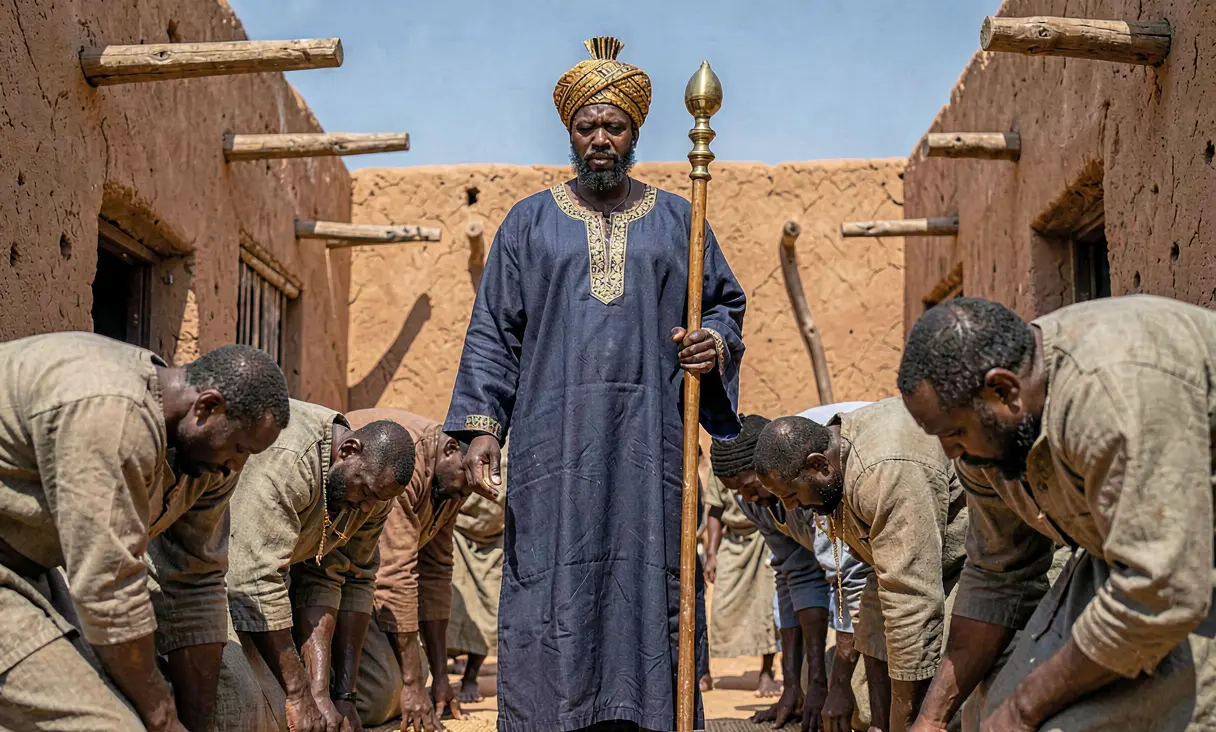
In approximately 1312 CE, Musa, a member of the Keita dynasty and likely the brother or close relative of Abu Bakr II, ascended to the throne as Mansa. Unlike his predecessor, who sought unknown horizons, Musa focused on consolidating the known world. He inherited an empire that was vast but required firm administrative tightening. Musa immediately moved to secure the loyalty of fractious vassals and reorganized the military to ensure the protection of trade routes. His accession marked a shift from exploration to administration and expansion. He systematically brought key cities under direct imperial control, ensuring that the flow of wealth remained uninterrupted and that the central government in Niani could effectively tax the burgeoning commerce.
Military Campaigns and Diplomatic Mastery
Musa's early reign was defined by decisive military action to reclaim territories that had slipped from Mali's grasp. Most notably, he launched a successful campaign against the Songhai city of Gao, which had declared its independence. By retaking Gao, Musa secured control over the Niger River bend, a vital artery for trade and transport. Simultaneously, he strengthened ties with Timbuktu, transforming it from a regional trading post into a major intellectual and commercial hub. His diplomacy was equally effective; he utilized marriage alliances and religious patronage to integrate diverse ethnic groups within the empire. By leveraging Islam as a unifying political force, Musa created a cohesive administrative class that could govern the empire's vast diversity.
The Dawn of the Golden Age
Musa's ascension initiated what historians universally recognize as Mali's Golden Age. The stability he provided allowed the empire to reach its territorial zenith, stretching from the Atlantic coast in the west to the Niger River bend in the east, and from the Sahara in the north to the dense forests of the south. Under his rule, the empire became synonymous with immense wealth, a reputation cemented by his legendary pilgrimage to Mecca in 1324. However, this era was not merely about material accumulation; it was a period of profound cultural flourishing. Musa invested heavily in architecture and education, commissioning the construction of mosques and madrasas that attracted scholars from across the Islamic world to cities like Timbuktu and Djenné.
Legacy and Global Impact
The significance of Mansa Musa's ascension extends far beyond the borders of West Africa. His reign brought Mali into the consciousness of Europe, North Africa, and the Middle East, fundamentally altering how these regions perceived sub-Saharan Africa. The maps drawn by European cartographers in the subsequent centuries, such as the 1375 Catalan Atlas, prominently featured Mansa Musa holding a golden orb, symbolizing his immense power. His accession marked the transition of Mali from a regional hegemon to a global entity whose economic and cultural influence resonated across continents. The administrative structures and trade networks he solidified would sustain the empire for nearly another century, leaving an indelible mark on the history of human civilization.
Initiated the most prosperous period in West African history, making Mali the wealthiest empire in the medieval world.
Where it happened
Niani, Mali — see it on the interactive map →
Explore related history
 PoliticsSargon of Akkad Establishes the First Empirec. 2334 BCE · Akkad (Location uncertain, near Baghdad, Iraq)Sargon unifies Sumerian city-states to create the world's first multi-ethnic empire.
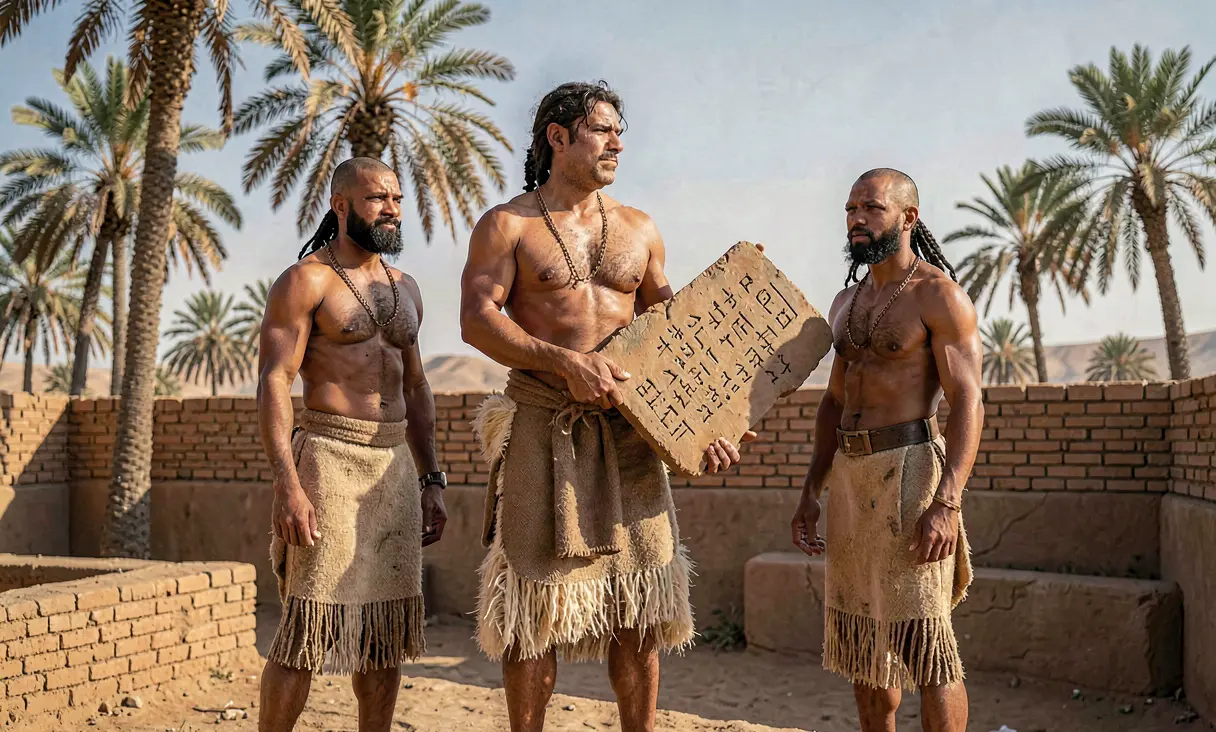 PoliticsPromulgation of the Code of Ur-Nammuc. 2100 BCE · Ur, Southern Mesopotamia (Iraq)The earliest known surviving law code is established in the Sumerian city of Ur.
 PoliticsNelson Mandela Elected President of South AfricaApril 27, 1994 · Cape Town, South AfricaSouth Africa holds its first democratic election, ending the apartheid regime and establishing a multiracial government.
 CivilizationFoundation of Lamu as a Swahili City-Statec. 1300 CE · Lamu, KenyaThe city of Lamu is founded as a major trading port connecting the African interior to the Indian Ocean.
 ArtEstablishment of Lapita Pottery Traditionc. 1300 BCE · New Britain, Papua New GuineaLapita potters develop distinctive dentate-stamped decoration techniques that define their culture.
 DisasterHunting and Extinction of the Moa in New Zealandc. 1300 to 1450 CE · South Island, New ZealandIntensive hunting by Māori leads to the rapid extinction of the giant flightless moa birds.
Discussion
Loading…