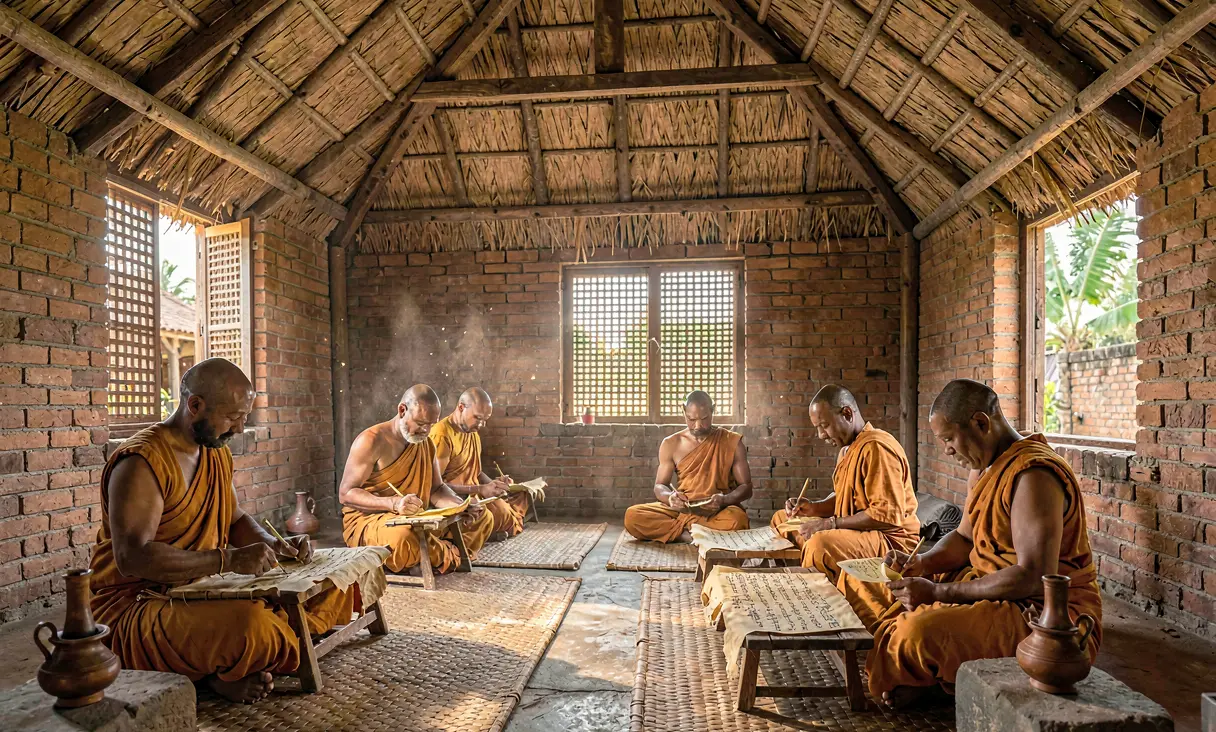
Fourth Buddhist Council in Sri Lanka
In 29 BCE, monks in Sri Lanka defied tradition to write down the Pali Canon on palm leaves during a famine, saving Theravada Buddhism from extinction and shaping the faith across Asia forever.
A Kingdom in Crisis
By the late first century BCE, the island of Sri Lanka faced an existential threat that transcended mere political instability. King Vattagamani Abhaya (also known as Valagamba), who had ascended the throne in 103 BCE, was forced into exile for fourteen years following a successful invasion by South Indian Chola forces. During his reign and subsequent restoration to power around 29 BCE, the kingdom was ravaged by a catastrophic famine that decimated the agricultural base and disrupted the monastic economy. The Sangha, the community of Buddhist monks who relied entirely on lay patronage for survival, found itself in a precarious position. With resources scarce and social order fracturing under the weight of foreign occupation and internal strife, the continuity of the Dhamma—the core teachings of Buddhism—was imperiled.
The Oral Tradition at Risk
For centuries following the death of the Buddha in the 5th century BCE, his teachings had been preserved exclusively through an unbroken chain of oral recitation. This method relied on the rigorous memory and discipline of the monks, who organized the canon into distinct baskets (Pitakas): the Vinaya (discipline), Sutta (discourses), and Abhidhamma (philosophical analysis). However, the prolonged famine and the chaos of war created a demographic crisis within the monastic order. Senior masters, or Theras, were dying in large numbers without having transmitted their knowledge to younger generations. The fear was palpable among the remaining elders: if the oral lineage were broken even once, the entirety of the Buddha's doctrine could be lost forever, leaving future generations with only fragmented myths.
The Council at Aluvihara
In response to this imminent danger, King Vattagamani Abhaya convened a historic assembly of approximately five hundred senior monks in the year 29 BCE. The gathering took place not in the royal capital of Anuradhapura, but within the cool, secluded caves of Aluvihara (Alu Vihara), located near Matale, where the monks could retreat from the immediate turmoil to focus on their sacred task. Under the patronage of the King, who had recently regained his throne and sought to restore religious stability, the council made a radical departure from tradition. They resolved that the Pali Canon, specifically the Tipitaka and its accompanying commentaries (Atthakatha), must be committed to writing for the first time in history.
The Transcription of the Dhamma
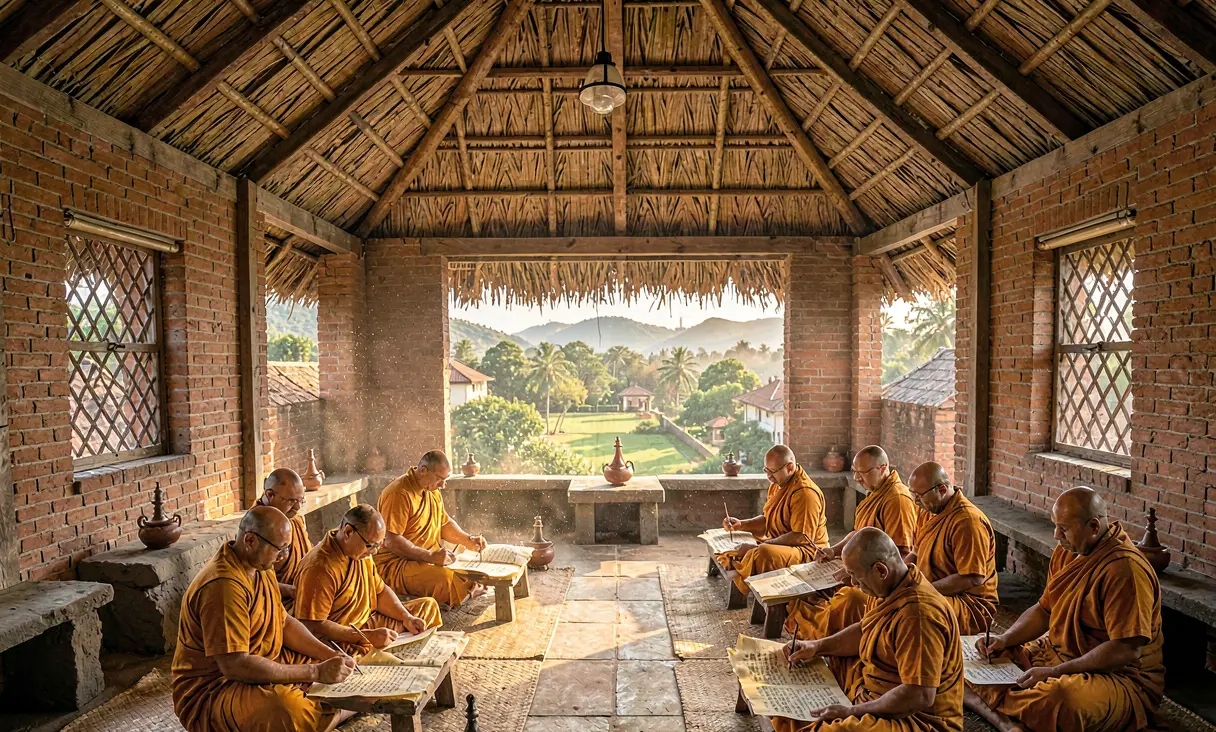
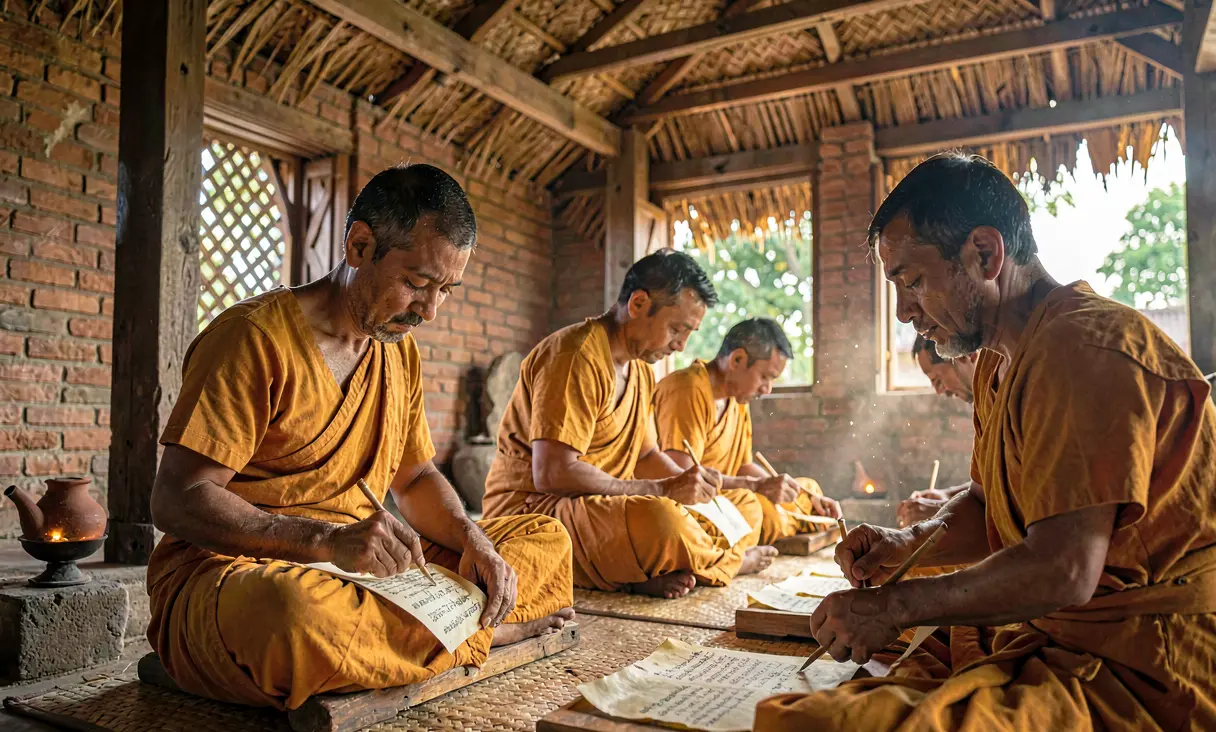
The process involved selecting the most learned elders who had memorized the entire canon and having them recite the texts while scribes carefully transcribed the words onto ola leaves (palm leaves). This was a monumental logistical and intellectual undertaking, transforming an oral culture into a textual one. The decision to write down the scriptures was not without controversy; some traditionalists argued that writing might lead to stagnation or corruption of the living word. However, the elders concluded that preservation took precedence over tradition in these times of crisis. The resulting manuscript became the definitive version of the Theravada Canon, standardizing the Pali language and freezing the text against further drift or variation.
Consolidation of Theravada Orthodoxy
The Fourth Buddhist Council in Sri Lanka served as a critical demarcation point for the Theravada school. By codifying the scriptures, the council effectively marginalized competing sects and rival schools that had begun to diverge in doctrine during the period of instability. The written text provided an immutable standard against which all teachings could be measured, ensuring that the specific interpretations upheld by the Mahavihara monastery in Anuradhapura became the orthodox norm. This act solidified the identity of Sri Lankan Buddhism and created a unified doctrinal foundation that would resist external influences from emerging Mahayana schools or other Hindu philosophical movements.
A Legacy for Southeast Asia
The consequences of this single event in 29 BCE rippled across the globe, shaping the religious landscape of South and Southeast Asia. The written Pali Canon preserved at Aluvihara became the authoritative scripture for all subsequent Theravada traditions. As Sri Lankan monks traveled to Burma (Myanmar), Thailand, Cambodia, and Laos, they carried these texts with them, establishing a unified Buddhist culture across the region that persists to this day. Without this transcription, the Pali Canon might have been lost or significantly altered, potentially erasing the primary source of early Buddhist philosophy. The council thus stands as the pivotal moment where Buddhism transitioned from a fluid oral tradition into a fixed textual religion, ensuring its survival for over two millennia.
It secured the survival of Theravada Buddhism and standardized its scriptures for future generations.
Where it happened
Anuradhapura (Sri Lanka) — see it on the interactive map →
Explore related history
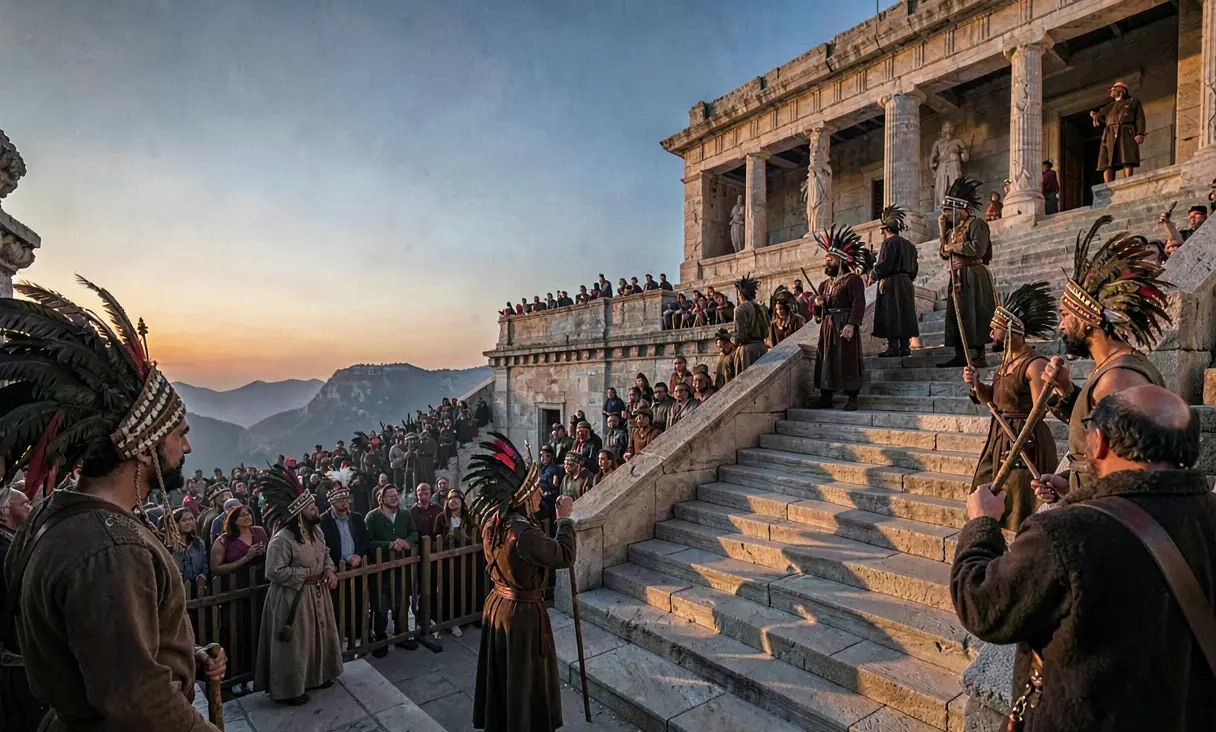 ReligionConstruction of the Temple of Kukulcán at Chichén Itzác. 800 CE · Chichén Itzá, MexicoThe iconic pyramid dedicated to the feathered serpent god is built during the Puuc-Toltec fusion period.
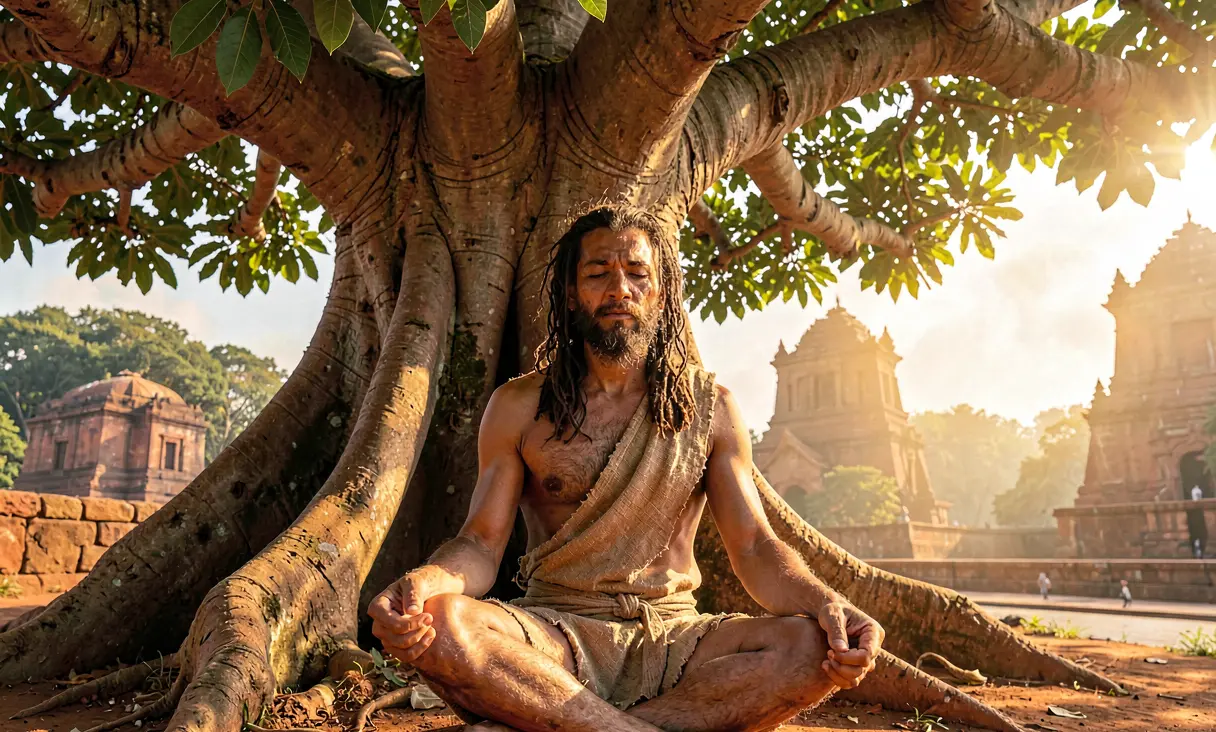 ReligionBuddha Attains Enlightenmentc. 528 BCE · Bodh Gaya, IndiaSiddhartha Gautama achieves nirvana under the Bodhi tree founding Buddhism.
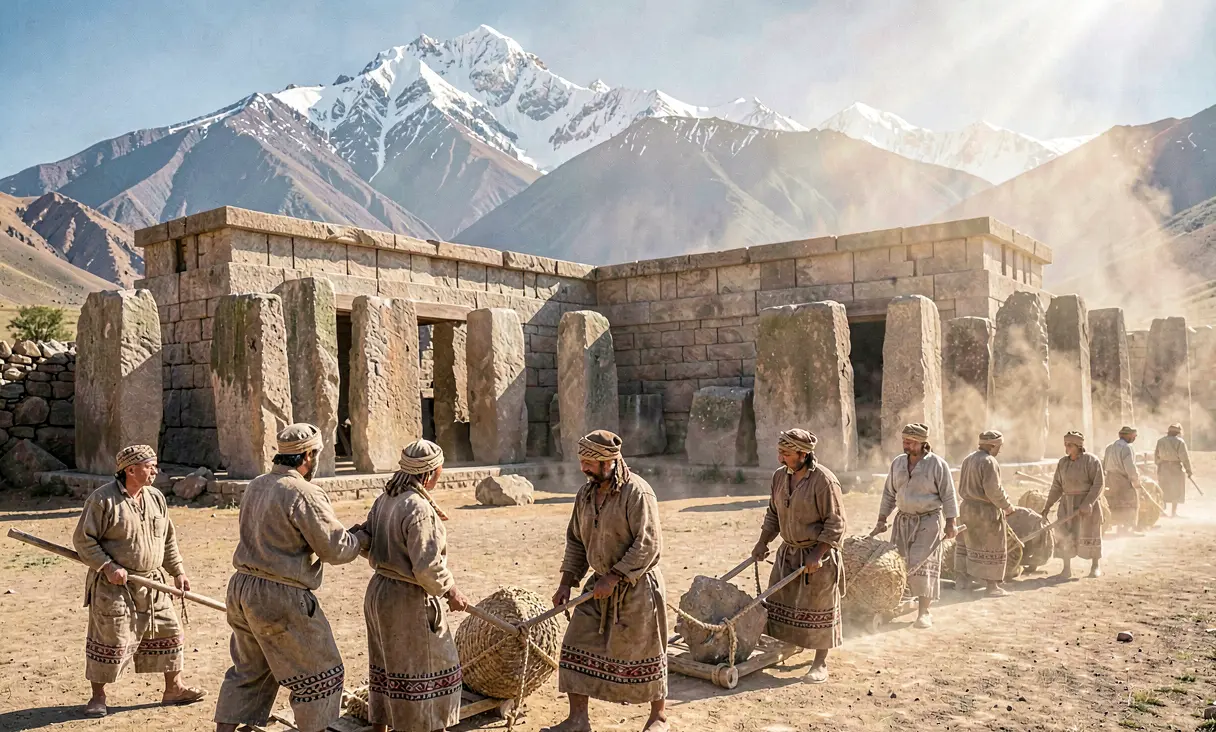 ReligionConstruction of Kalasasaya Temple at Tiwanakuc. 500 CE · Tiwanaku, BoliviaThe Kalasasaya temple is built with monolithic stones for solar observance.
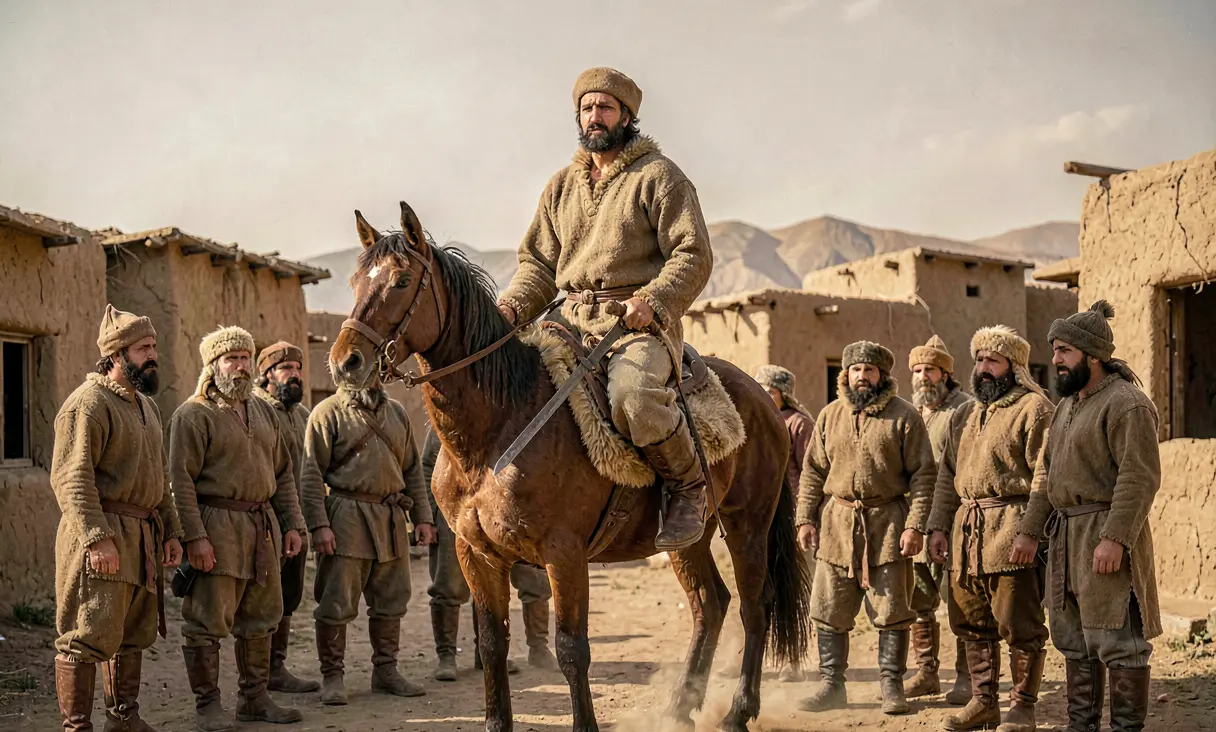 PoliticsKujula Kadphises Unifies the Kushansc. 30 BCE · Kabul Valley, AfghanistanKujula Kadphises unites the Yuezhi tribes to form the Kushan Empire, conquering the Indo-Greek territories and establishing control over Central Asia.
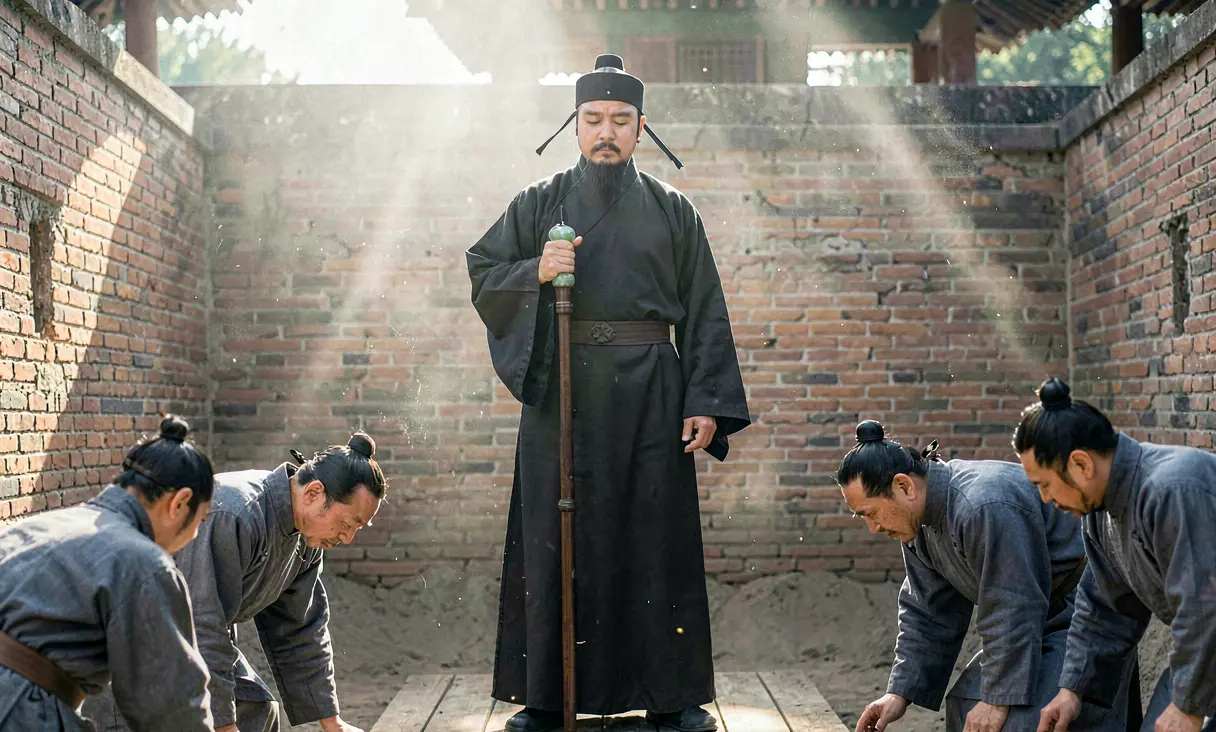 PoliticsEmperor Guangwu Restores the Han Dynasty (Eastern Han)25 CE · Luoyang, ChinaLiu Xiu defeats rival warlords and re-establishes Han rule from the new capital at Luoyang.
 TechnologyInvention of Glassblowing in the Roman Levantc. 1 BCE · Sidon, LebanonSyrian craftsmen invent glassblowing, revolutionizing the production of glass vessels.
Discussion
Loading…