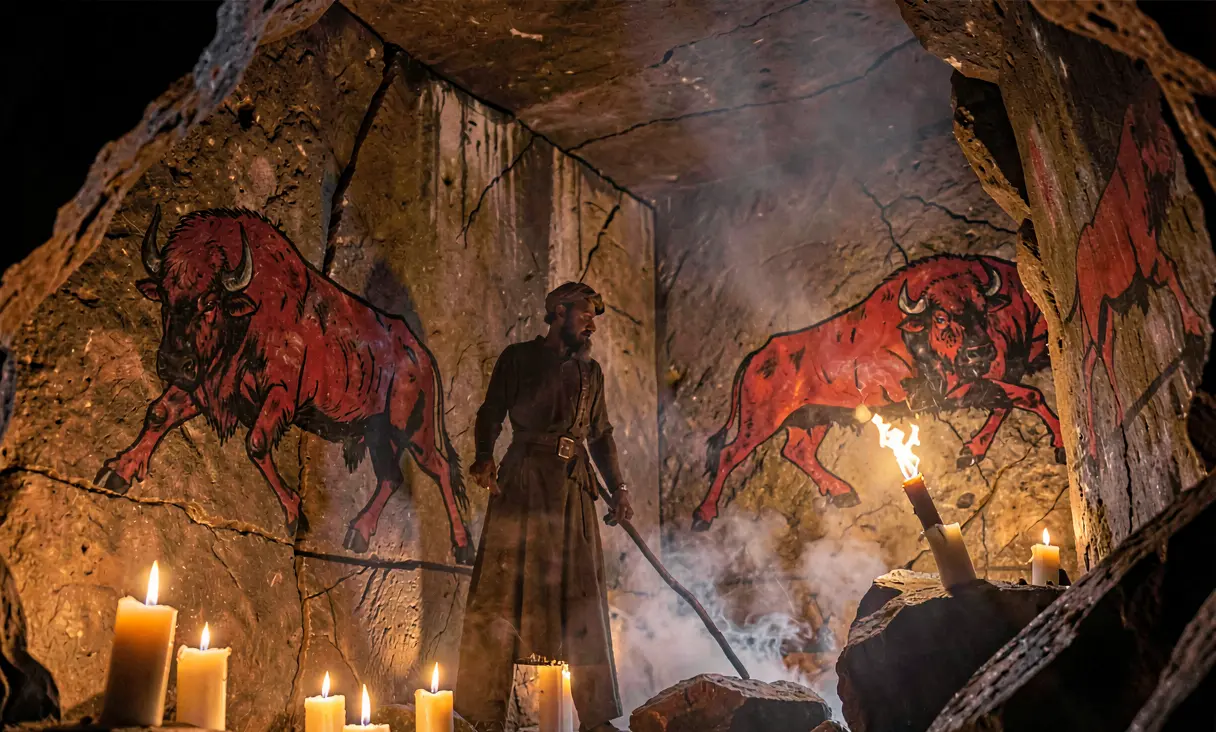
Lascaux Cave Paintings Created
Created c. 17,000 BCE in France, Lascaux's masterful cave art reveals the sophisticated spiritual and cognitive life of Paleolithic humans, marking a defining moment in human cultural evolution.
The Paleolithic Context of the Dordogne
During the Upper Paleolithic era, specifically within the Gravettian and Magdalenian cultures, hunter-gatherer societies in southwestern Europe faced a dramatically different climate than today. The region now known as the Dordogne was a cold steppe-tundra environment teeming with megafauna such as woolly rhinoceroses, mammoths, and herds of reindeer. It was within this harsh yet resource-rich landscape that Homo sapiens developed complex symbolic behaviors, moving beyond mere survival to express abstract thought through art. The creation of the Lascaux cave paintings represents a zenith in this cognitive evolution, occurring roughly around 17,000 BCE, a period often associated with the height of Magdalenian culture in Europe.
The Discovery and Initial Exploration
While the art was created millennia ago, its modern rediscovery is a pivotal moment in 20th-century archaeology. On September 12, 1940, four teenagers—Marcel Ravidat, Jacques Marsal, Georges Agnel, and Simon Coencas—followed their dog, Robot, into a collapsed shaft near the village of Montignac. They descended into a network of caverns that had remained sealed since the last Ice Age. The initial exploration revealed a breathtaking gallery of polychrome paintings covering over 2,000 square meters. The sheer scale and preservation quality stunned the scientific community, leading to official excavation by Abbé Henri Breuil, often called the 'Pope of Prehistory,' who meticulously documented the site's iconography before it was opened to the public.
The Great Hall of the Bulls and Artistic Technique
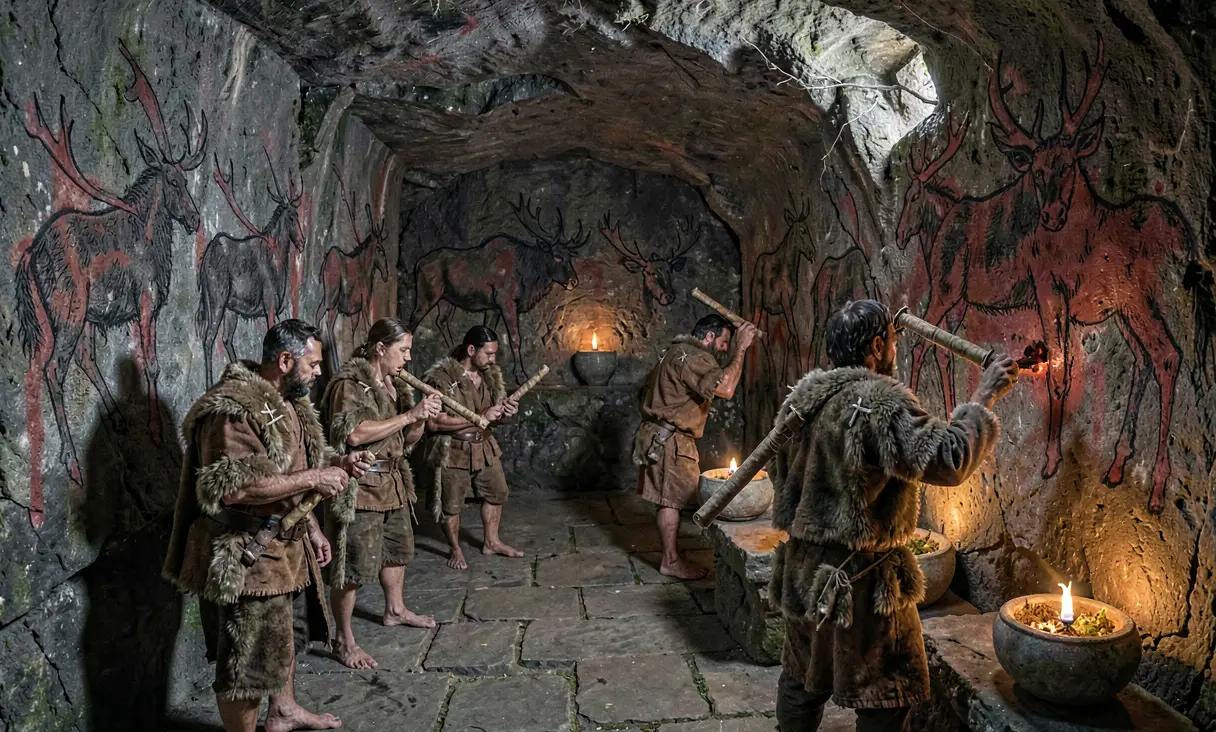
The cave is divided into distinct chambers, most notably the Great Hall of the Bulls, where a massive black bull, measuring over 5 meters in length, dominates the wall. The artists employed sophisticated techniques that utilized the natural contours of the rock to create three-dimensional volume, a method known as bas-relief modeling. Pigments were derived from local minerals: iron oxides provided reds and yellows (ochre), manganese dioxide created blacks, and white clay offered contrast. These colors were applied using charcoal sticks, brushes made from animal hair or moss, and by blowing pigment through hollow bones to create spray effects. The depiction of anatomy is remarkably accurate, capturing the musculature and movement of horses, stags, and aurochs with an intuitive understanding that rivals later classical art.
Interpretations of Ritual and Symbolism
The function of Lascaux remains a subject of intense scholarly debate, though the consensus leans heavily toward ritualistic significance rather than simple decoration. The cave's deep, inaccessible location suggests it was not a dwelling but a sacred space reserved for specific ceremonies. Prominent theories include 'hunting magic,' where the depiction of wounded animals or speared beasts was intended to ensure successful hunts in the real world. Alternatively, anthropologists like David Lewis-Williams argue for a shamanistic interpretation, suggesting that the swirling patterns and therianthropic figures (part-human, part-animal) represent visions induced by trance states within the cave's acoustic and sensory environment. The absence of domestic debris supports the view that these images served as a bridge between the physical world and the spiritual realm.
The Closure and Preservation Crisis
Following its discovery, Lascaux was opened to the public in 1948, drawing thousands of visitors annually. However, human presence proved catastrophic; the introduction of carbon dioxide, heat, and humidity from breath and lighting altered the cave's microclimate. By the early 1960s, green algae and white mold began to proliferate on the ancient walls, threatening to obliterate the artwork within decades. In a decisive move to save the site, French authorities closed Lascaux to the public in 1963. Since then, strict climate control measures have been implemented to stabilize the environment, though the battle against biological growth remains an ongoing scientific challenge that underscores the fragility of prehistoric heritage.
Legacy and the Birth of Lascaux II
The legacy of Lascaux extends far beyond its physical walls; it fundamentally altered humanity's understanding of its own origins. It provided irrefutable evidence that early modern humans possessed complex cognitive abilities, aesthetic sensibilities, and spiritual lives comparable to those of later civilizations. To preserve this legacy while allowing public access, the French government constructed 'Lascaux II' in 1983, a meticulous facsimile located just 200 meters from the original site. This replica allows millions to experience the art without endangering the originals. Today, Lascaux stands as a UNESCO World Heritage Site and a global symbol of human creativity, reminding us that the impulse to create meaning through image is an intrinsic part of our species' history.
These artworks represent some of the earliest known examples of symbolic human expression.

Where it happened
Dordogne, France — see it on the interactive map →
Explore related history
 PrehistoryFirst Human Settlement of Australiac. 65,000 BCE · Central AustraliaFirst humans arrive in Sahul via sea crossings, marking the earliest migration out of Africa into Oceania.
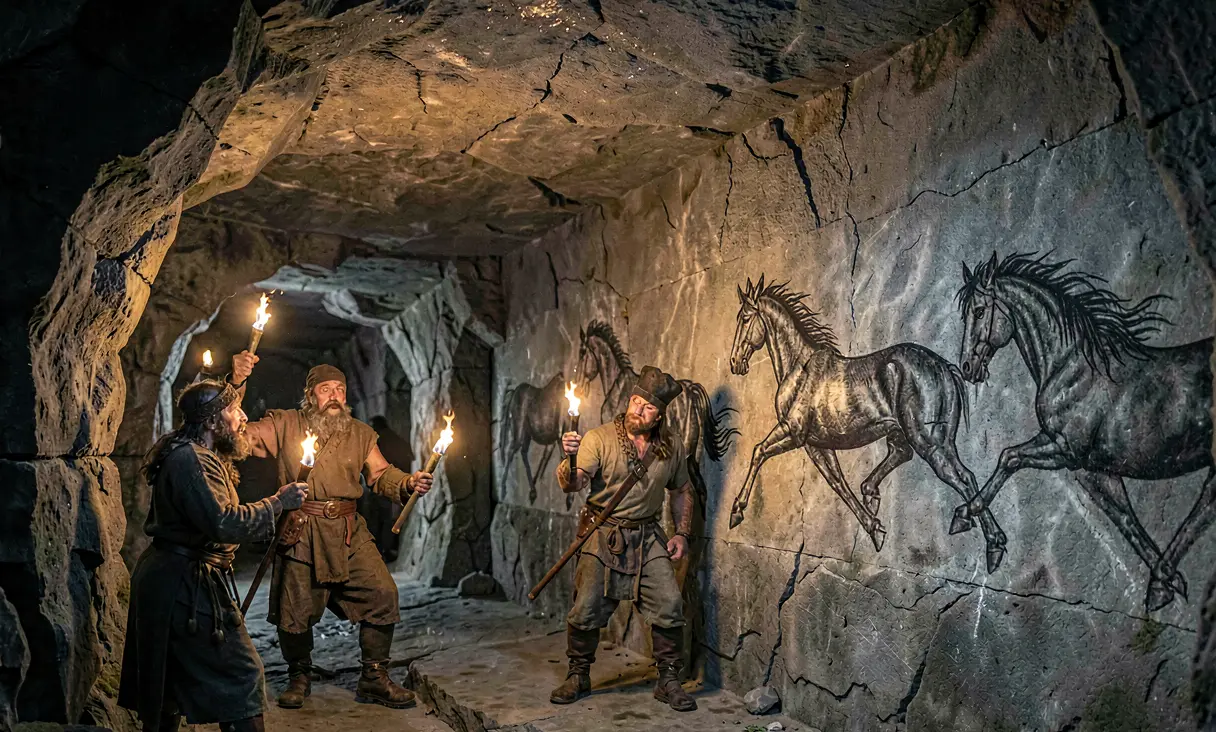 PrehistoryCreation of Chauvet Cave Paintingsc. 30,000 BCE · Vallon-Pont-d'Arc, FranceEarly humans create sophisticated animal paintings in deep limestone caves.
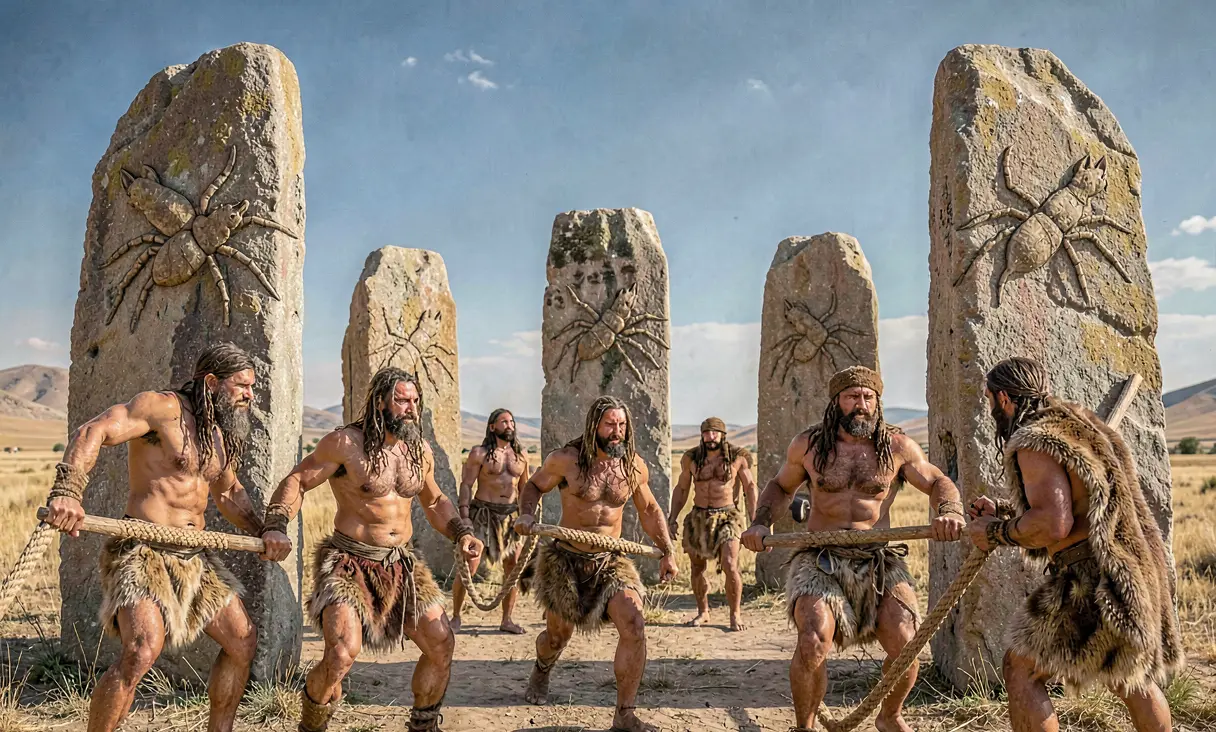 PrehistoryConstruction of Gobekli Tepec. 9500 BCE · Sanliurfa, TurkeyHunter-gatherers build massive stone circles predating agriculture and pottery, challenging assumptions about civilization origins.
 PrehistoryDomestication of Wheatc. 9500 BCE · Fertile Crescent, Syria/IraqWild grasses are cultivated for food in the Fertile Crescent, sparking the Neolithic Revolution.
 CivilizationEmergence of Ubaid Culture in Southern Mesopotamiac. 6500 BCE · Tell al-Ubaid, Southern Mesopotamia (Iraq)The Ubaid culture establishes the first widespread agricultural settlement pattern in southern Iraq.
 CivilizationDomestication of Rice in the Yangtze Valleyc. 4000 BCE · Yangtze River Valley, ChinaRice cultivation begins in the Yangtze River valley, transforming East Asian agriculture and supporting massive population growth.
Discussion
Loading…