
Lapita Settlement in Western Samoa
Around 1000 BCE, Lapita voyagers settled Western Samoa, transforming into Proto-Polynesians at Mulifanua and creating the essential staging ground for the eventual colonization of the entire Pacific.
The Final Frontier of Westward Expansion
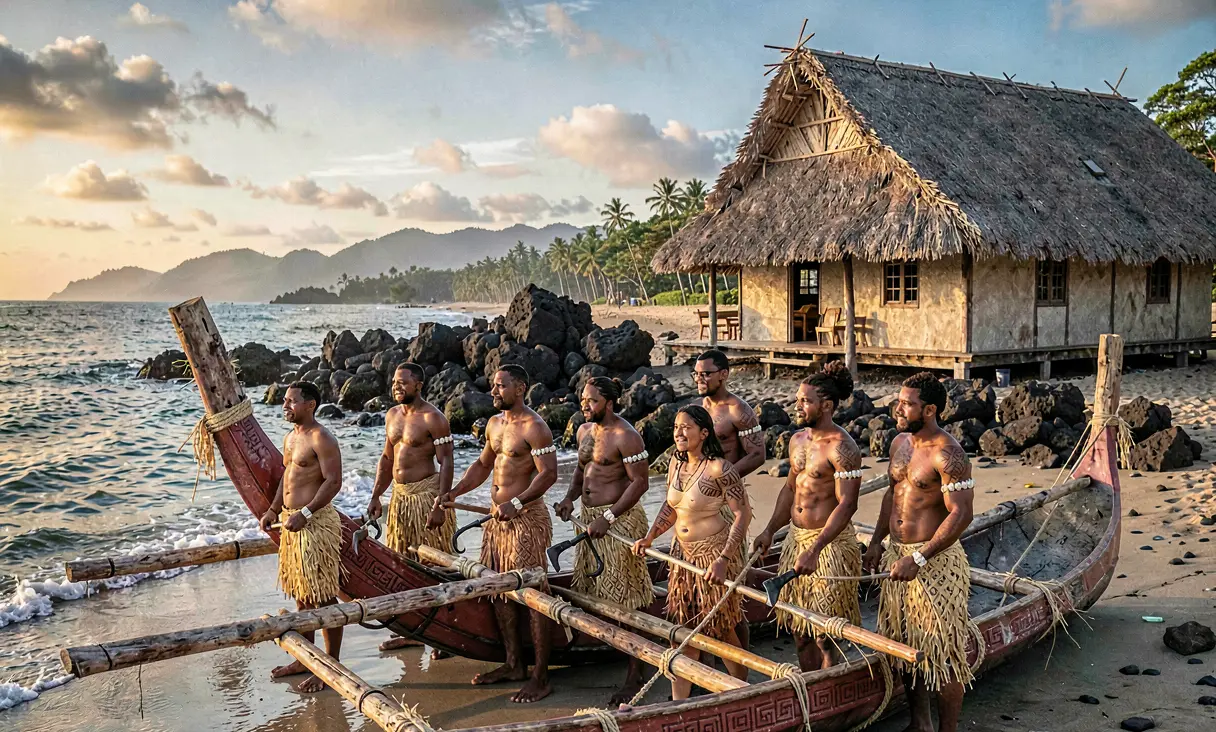
By approximately 1000 BCE, the Lapita people, a seafaring culture originating in the Bismarck Archipelago, had completed one of the most remarkable maritime migrations in human prehistory. Having traversed over 5,000 kilometers of open ocean across the Solomon Islands and Vanuatu, these voyagers pushed beyond their previous limits to reach the remote volcanic archipelago of Western Samoa. This arrival marked the easternmost extent of the Lapita cultural horizon, a boundary that had remained unbreached for centuries. The settlement of Samoa represented the final major step in the initial colonization of Remote Oceania, placing humans on islands that had been uninhabited by any species other than seabirds and bats.
The Mulifanua Discovery
The primary archaeological evidence for this pivotal settlement comes from the site of Mulifanua, located on the southwestern coast of Upolu Island. Excavations conducted in the 1970s revealed a dense stratigraphic deposit containing over 4,000 fragments of classic Lapita pottery. These shards are characterized by their distinctive dentate-stamped decoration, featuring intricate geometric patterns created by pressing toothed combs into wet clay before firing. The sheer volume and preservation of these artifacts at Mulifanua confirm that the settlement was not a transient camp but a substantial, established community. Radiocarbon dating of charcoal and shell samples from this layer consistently places the occupation between 1025 and 960 BCE.
Voyaging Strategies and Adaptation
The successful colonization of Samoa required sophisticated maritime technology and navigational expertise. The Lapita settlers likely utilized large, double-hulled canoes capable of carrying families, domesticated animals such as pigs, dogs, and chickens, along with essential plant cuttings like taro, yam, and breadfruit. Upon arrival, they faced the challenge of adapting their agricultural practices to the unique volcanic soils of Samoa while maintaining vital maritime connections with their western neighbors in Fiji and Tonga. This period was characterized by a dynamic exchange of goods and ideas, as evidenced by the presence of obsidian from sources in the Bismarck Archipelago found within Samoan layers, indicating that long-distance trade networks remained active even after settlement.
The Transition to Proto-Polynesian Culture
Over the subsequent centuries, the distinct cultural traits of the Lapita people in Samoa began to undergo a profound transformation. As the islands became more isolated from the western source populations, the elaborate dentate-stamped pottery tradition gradually faded, replaced by simpler, undecorated wares. This shift signaled the emergence of what archaeologists term Proto-Polynesian culture. The social structures evolved to support larger, more permanent villages, and new linguistic developments began to diverge from the ancestral Austronesian tongue. Samoa thus served as a crucible where the foundational elements of Polynesian identity were forged, blending the inherited Lapita heritage with local innovations.
The Samoan Staging Ground
The settlement of Western Samoa was not merely an endpoint but a crucial staging ground for the subsequent eastward expansion into the vast Pacific. From this stable base, Polynesian voyagers would eventually launch expeditions that reached the Marquesas Islands around 300 CE, and later Hawaii, Easter Island, and New Zealand. The linguistic and genetic continuity between Samoans and modern Polynesians underscores Samoa's role as the demographic and cultural bridge between Near Oceania and the rest of the Pacific. Without this successful adaptation and population growth in Samoa, the eventual peopling of the entire Polynesian triangle would have been impossible.
Enduring Legacy
The legacy of the Lapita settlement in Western Samoa is etched into the DNA, language, and oral traditions of modern Pacific peoples. The Mulifanua site remains a testament to human ingenuity, standing as one of the few locations where the transition from the Lapita to the Proto-Polynesian phase can be clearly observed in the archaeological record. Today, the descendants of these first settlers maintain a deep cultural connection to their ancestral lands and the ocean that connected them. The event stands as a defining moment in human history, demonstrating the capacity for exploration and adaptation that allowed humanity to inhabit the most isolated corners of the globe.
The arrival in Samoa marked the transition from Near Oceania to Remote Oceania, enabling the eventual peopling of Polynesia.

Where it happened
Western Samoa — see it on the interactive map →
Explore related history
 ExplorationLapita Expansion into the Bismarck Archipelagoc. 1500 BCE · Bismarck Archipelago, Papua New GuineaLapita people migrate from Island Melanesia into the Bismarck Archipelago, establishing distinct pottery traditions.
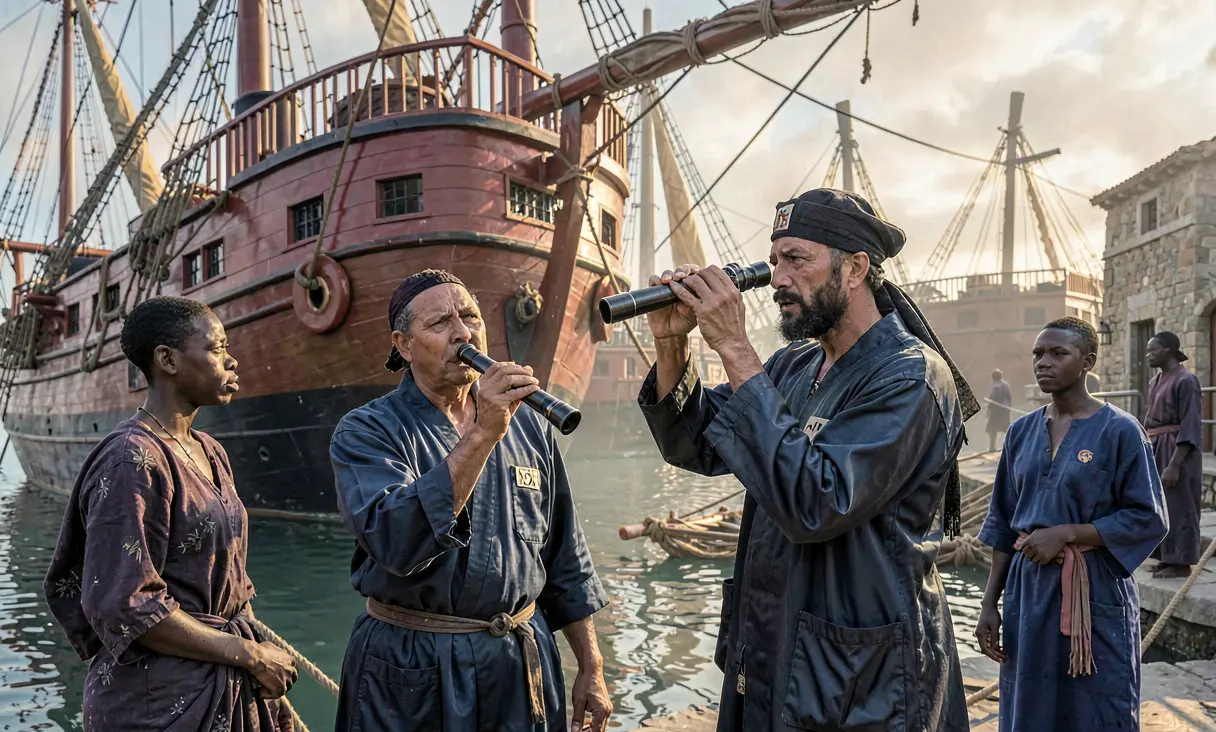 ExplorationEnd of Zheng He's Voyages and Ming Isolationism1433 CE · East Africa / China CoastThe Ming Dynasty halts the great naval expeditions and restricts maritime trade.
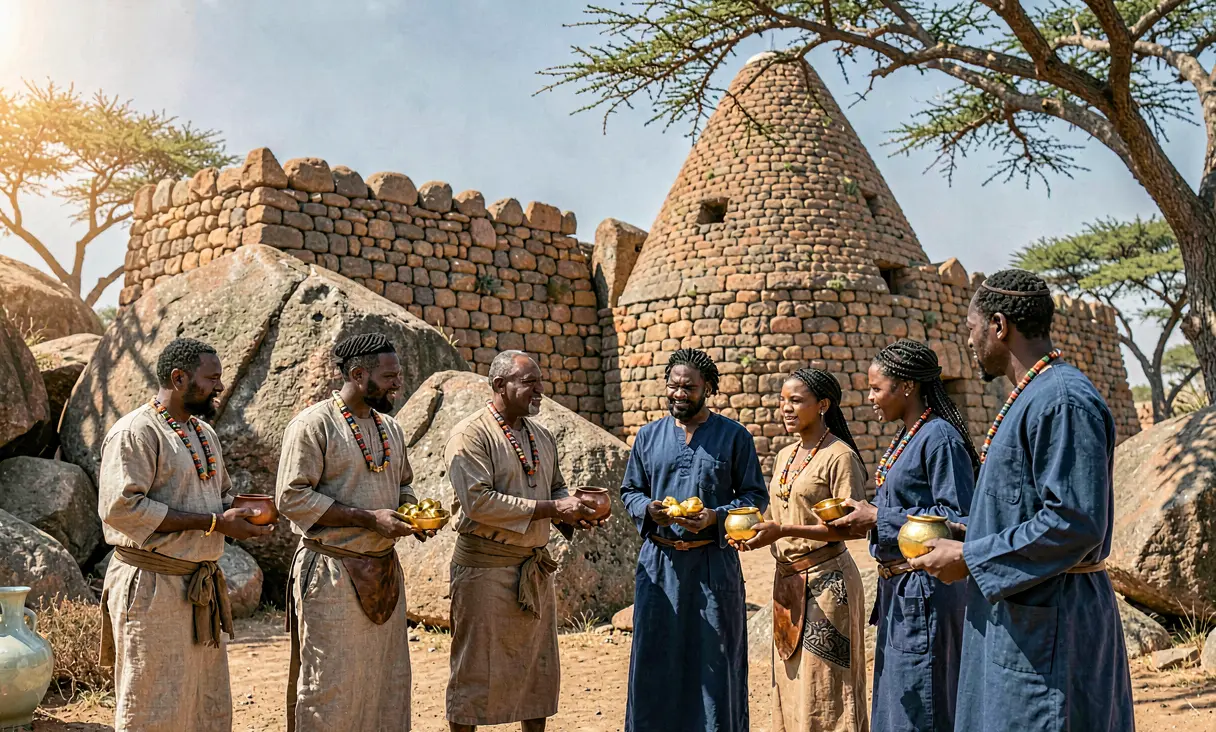 ExplorationGreat Zimbabwe Dominates Gold Trade with Kilwac. 1400 CE · Great Zimbabwe, ZimbabweArchaeological evidence confirms extensive gold trade between Great Zimbabwe and Swahili coastal cities.
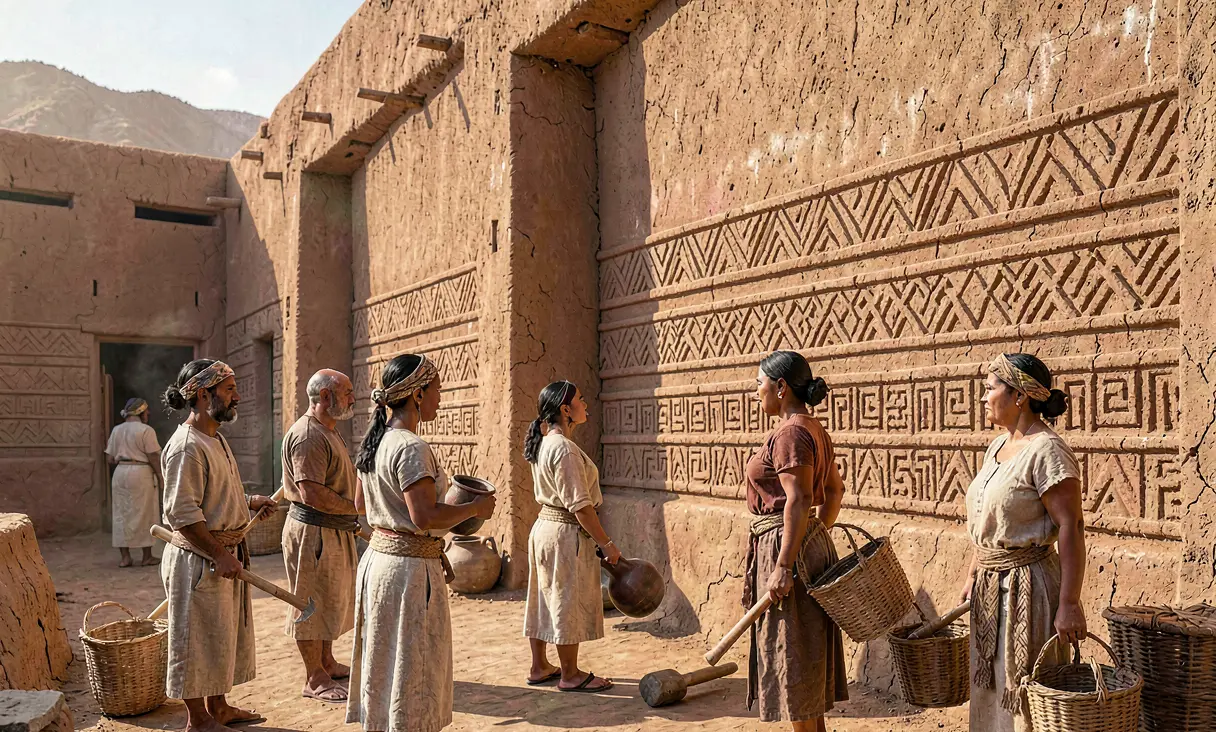 CivilizationRise of the Chimú Kingdom at Chan Chanc. 1000 CE · Chan Chan, PeruThe Chimú establish the largest adobe city in the Americas at Chan Chan.
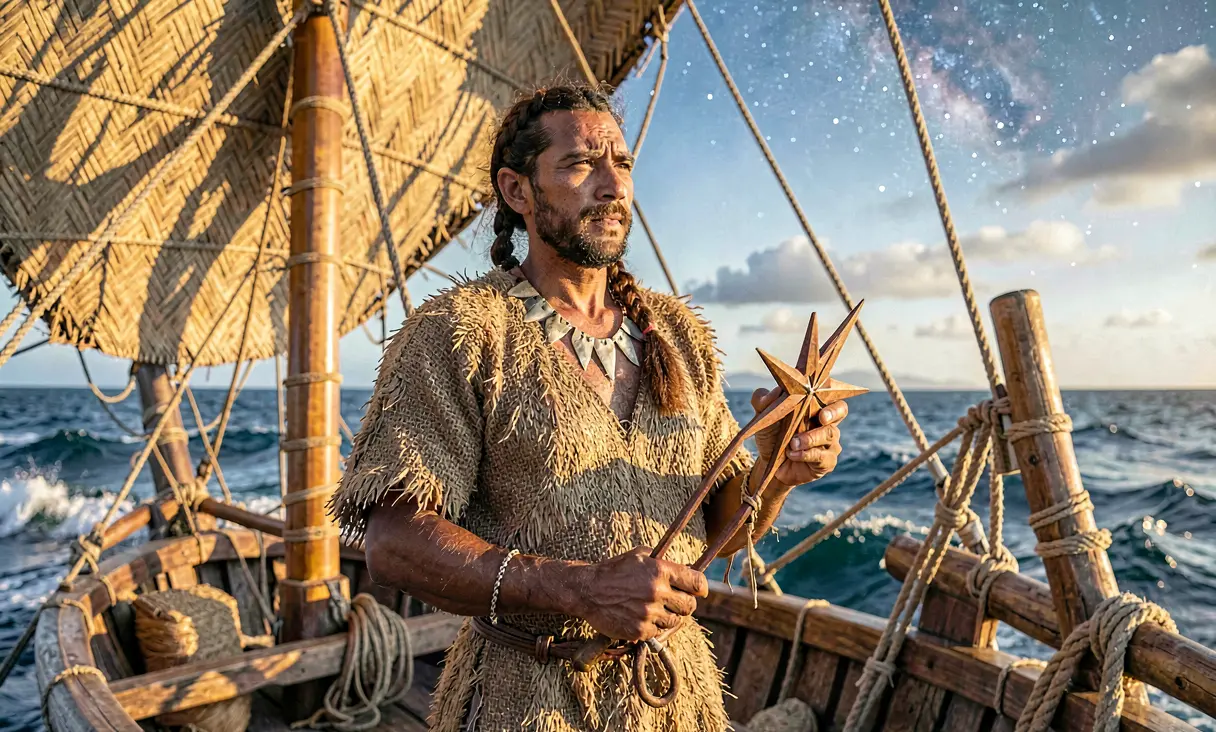 ScienceRefinement of Polynesian Wayfinding Techniquesc. 1000 BCE to 1500 CE · Pacific Ocean (Society Islands)Polynesian navigators perfect star paths and ocean swells to traverse the vast Pacific without instruments.
 ReligionCodification of the Hawaiian Kapu Systemc. 1000 CE · Hawaii (Big Island), USAThe Hawaiian kapu system is formalized, establishing a rigid social hierarchy and religious code.
Discussion
Loading…