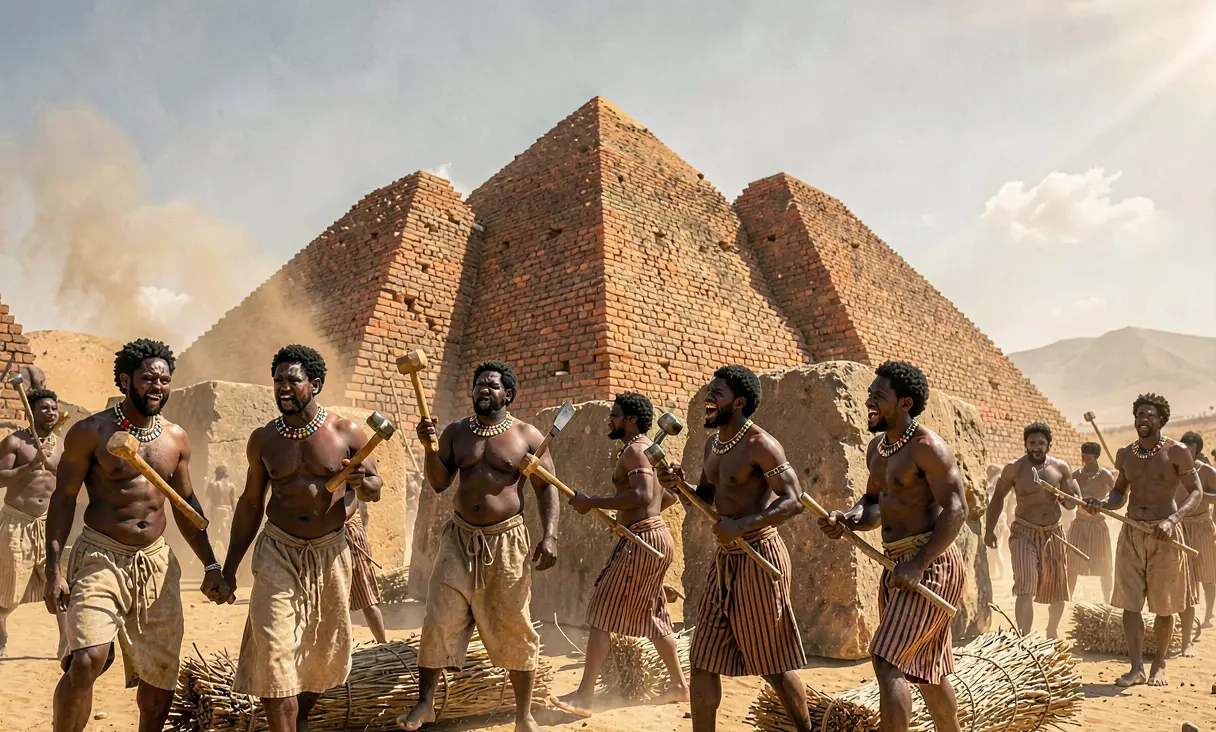
Peak of Pyramid Construction in Meroe
Around 200 BCE, the Kingdom of Kush reached its architectural zenith at Meroe, erecting over 200 steep-sided pyramids that uniquely celebrated female rulers and forged a distinct Nubian identity indep
The Rise of the Meroitic Capital
By the early third century BCE, the Kingdom of Kush had decisively shifted its political and cultural center from Napata to Meroe, a strategic location nestled between the Fifth and Sixth Cataracts of the Nile. This relocation was not merely administrative but marked a profound transformation in Nubian identity, allowing the kingdom to distance itself from the waning influence of Egypt while leveraging local resources. The fertile lands surrounding the capital, enriched by seasonal rains and supported by iron-smelting industries that utilized abundant charcoal forests, fueled an unprecedented economic boom. It was within this vibrant context, around 200 BCE, that the architectural landscape of Meroe began to be permanently altered by a distinct style of funerary monument that would come to define the region for centuries.
Architectural Innovation and Distinct Style
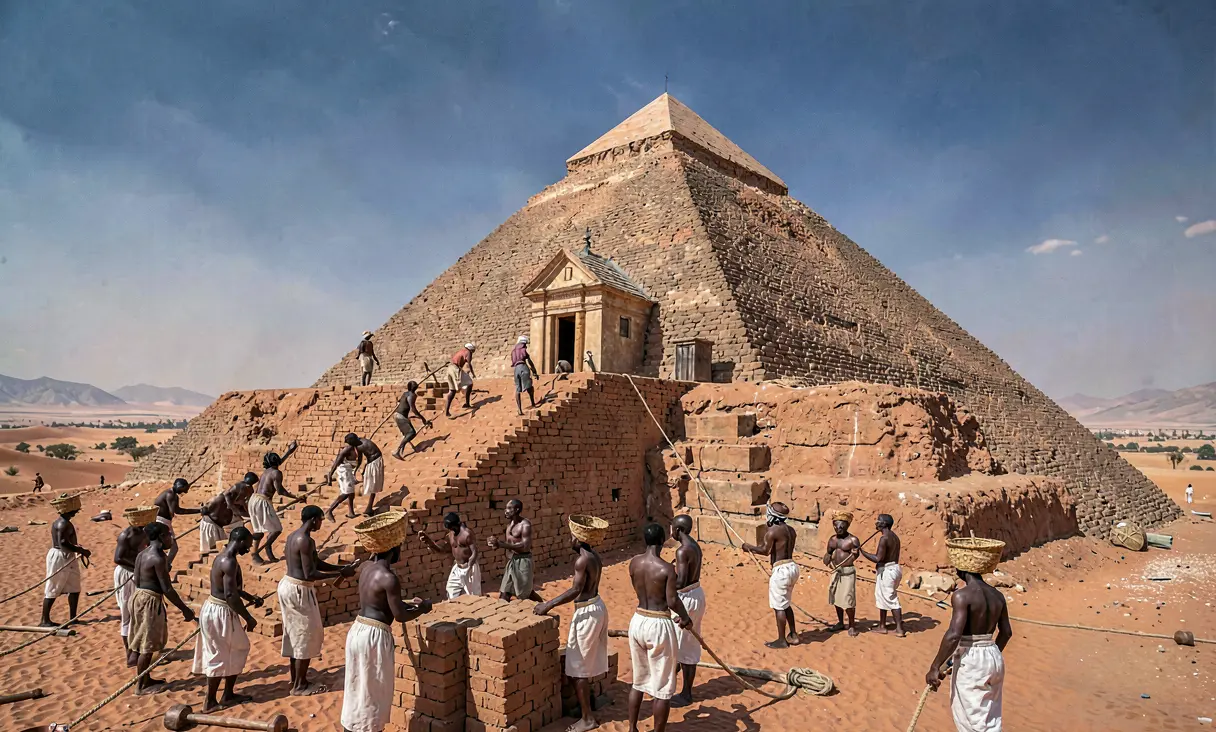
The pyramids constructed during this zenith differed radically from their Egyptian predecessors. While Egyptian structures like those at Giza were massive, broad-based monuments designed to touch the heavens with gentle slopes, the Meroitic pyramids were characterized by steep angles, often exceeding 70 degrees, and significantly smaller bases, typically ranging from 6 to 15 meters per side. These slender towers were built using locally quarried sandstone blocks, often rough-hewn but meticulously stacked without mortar in some instances, or bound with mud brick cores in others. At the foot of each pyramid stood a small offering chapel, accessible via a steep staircase, where priests and family members performed daily rituals to sustain the deceased's spirit (ka). This architectural formula became standardized, creating a skyline that was unmistakably Nubian yet undeniably rooted in the ancient tradition of pyramid building.
The Reign of the Candaces
A defining feature of this era was the unprecedented prominence of female rulers, known as Kandakes or Candaces, who exercised supreme military and political authority. Unlike the occasional regents in Egypt, these women ruled in their own right, commanding armies and commissioning monuments that rivaled those of male kings. Around 200 BCE, figures such as Queen Amanirenas (though her most famous campaigns were slightly later, the tradition was firmly established) and her predecessors set a precedent where royal women were buried with the same grandeur as their male counterparts. The sheer number of pyramids attributed to queens in the Meroe necropolis—often outnumbering those of kings—serves as archaeological testament to this matriarchal shift in power, reflecting a society where gender roles in leadership were fluid and highly respected.
Construction Techniques and Cultural Synthesis
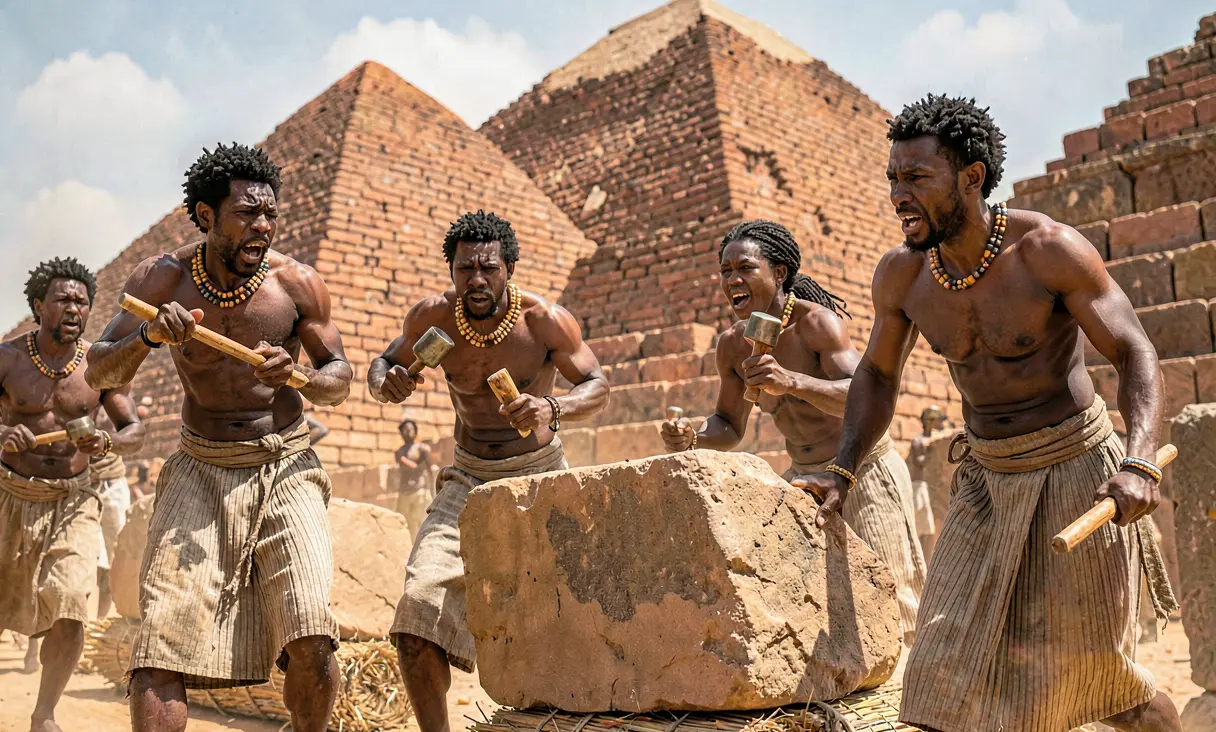
The construction boom around 200 BCE was facilitated by a sophisticated synthesis of indigenous Nubian craftsmanship and adapted Egyptian iconography. Artisans utilized the local sandstone to create intricate relief carvings on chapel walls, depicting the king or queen making offerings to Meroitic deities like Apedemak, the lion god, alongside traditional Egyptian gods such as Amun. The inscriptions accompanying these scenes were written in the Meroitic script, a writing system developed during this period that remains only partially deciphered today, marking a conscious effort to assert cultural independence from Egypt. The labor force likely consisted of skilled local artisans and conscripted workers, organized into guilds that managed the quarrying, transport, and precise assembly of these steep-sided structures, demonstrating a high level of centralized organization.
The Necropolis as a Statement of Power
By 200 BCE, the northern and southern necropolises at Meroe had become vast cities of the dead, housing over 200 pyramids that stretched across the desert sands. This concentration of monumental architecture was not accidental; it was a deliberate projection of state power intended to intimidate rivals and legitimize the ruling dynasty in the eyes of both domestic subjects and foreign powers like Ptolemaic Egypt and later Rome. The density of these tombs, often clustered closely together despite their steep profiles, created a visual landscape that dominated the horizon. Each pyramid served as an eternal marker of the kingdom's wealth, its ability to mobilize resources, and its unique cultural synthesis, distinguishing Meroe from any other contemporary civilization in Africa.
Legacy and Historical Significance
The peak of pyramid construction at Meroe around 200 BCE represents the height of the Kingdom of Kush's independence and cultural confidence. These structures stand today as the most numerous pyramids in Africa, surpassing even Egypt in total count, yet they have historically been overshadowed by their northern neighbors due to Eurocentric biases in early archaeology. The legacy of this period is twofold: it preserved a distinct Nubian identity that survived for centuries after Egyptian influence waned, and it provided the world with a unique architectural tradition where female sovereignty was visibly enshrined in stone. Although the kingdom eventually declined due to environmental degradation and the rise of Aksum, the Meroitic pyramids remain an enduring symbol of African antiquity's sophistication and resilience.
Created a unique architectural legacy that distinguished Kushite culture from Egypt while honoring royal ancestry.
Where it happened
Meroe, Sudan — see it on the interactive map →
Explore related history
 ArtConstruction of Sennacherib's Palace at Ninevehc. 705 BCE · Nineveh (Mosul), IraqSennacherib expands Nineveh into a magnificent capital filled with art and libraries.
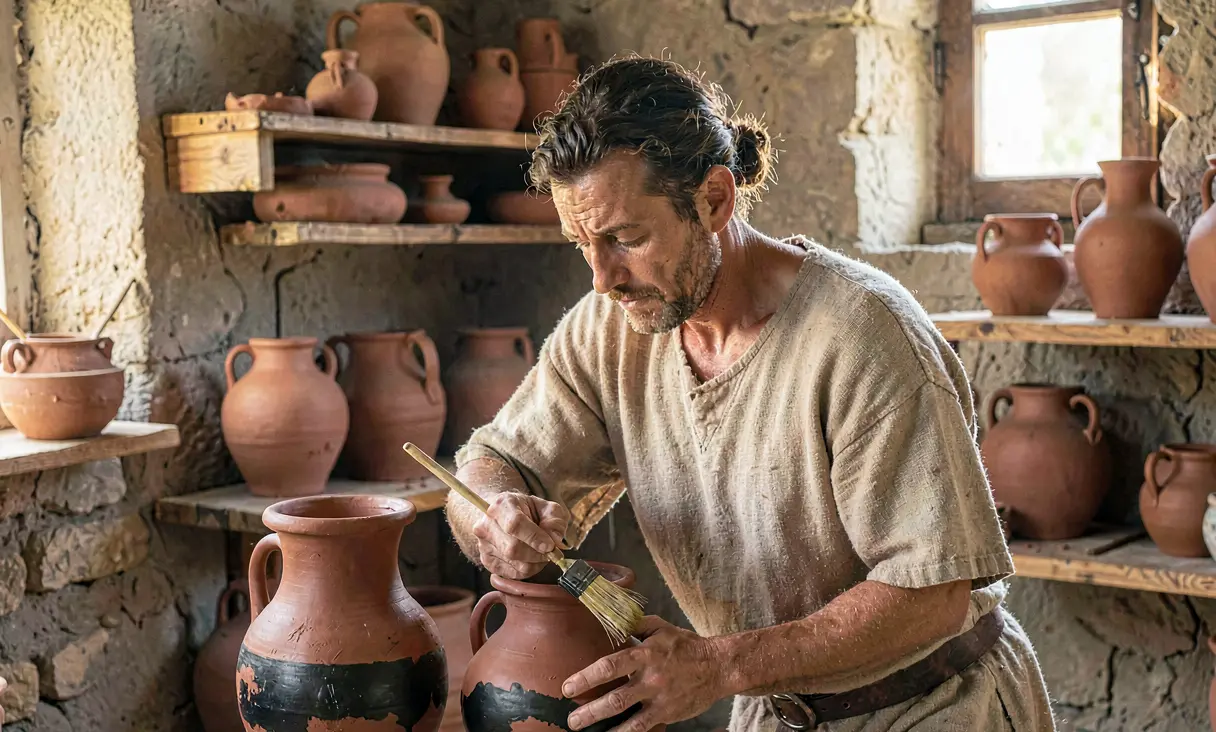 ArtRise of Black-Figure Vase Paintingc. 700 BCE · Athens, GreeceGreek potters perfect the black-figure technique to depict mythological scenes.
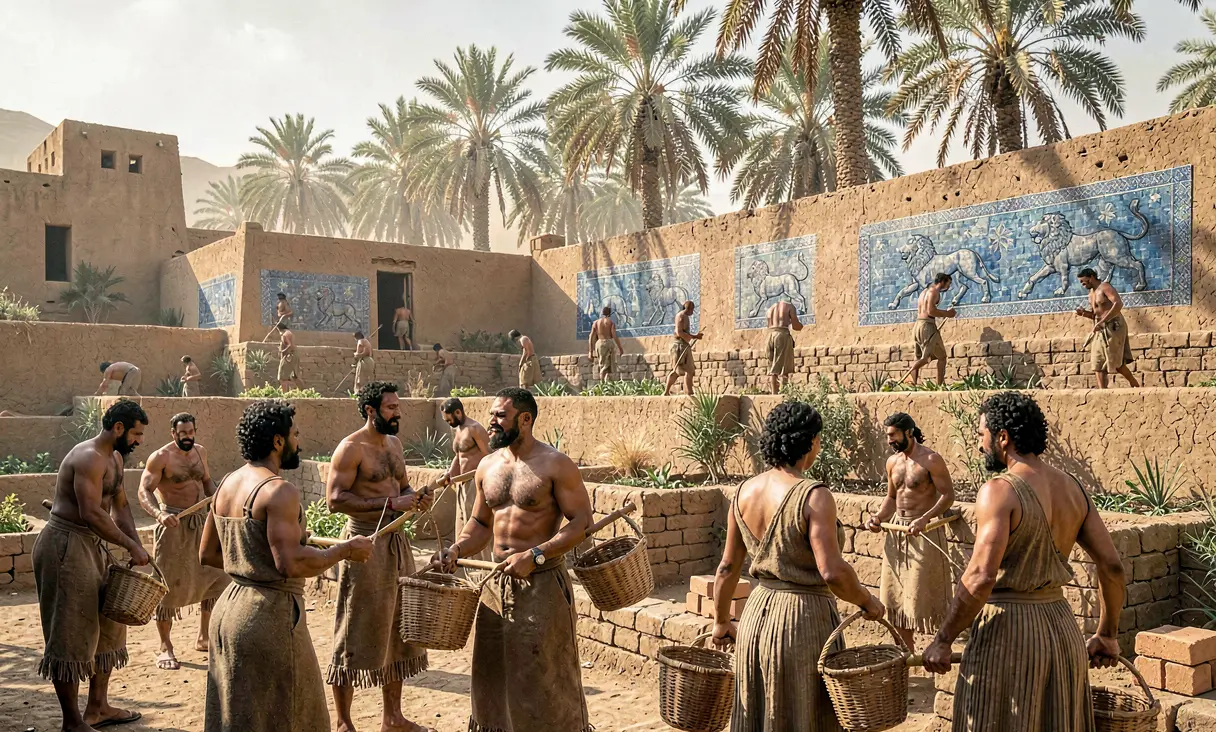 ArtConstruction of the Hanging Gardens of Babylonc. 605 BCE · Babylon, Mesopotamia (Iraq)Nebuchadnezzar II builds the legendary Hanging Gardens for his Median wife.
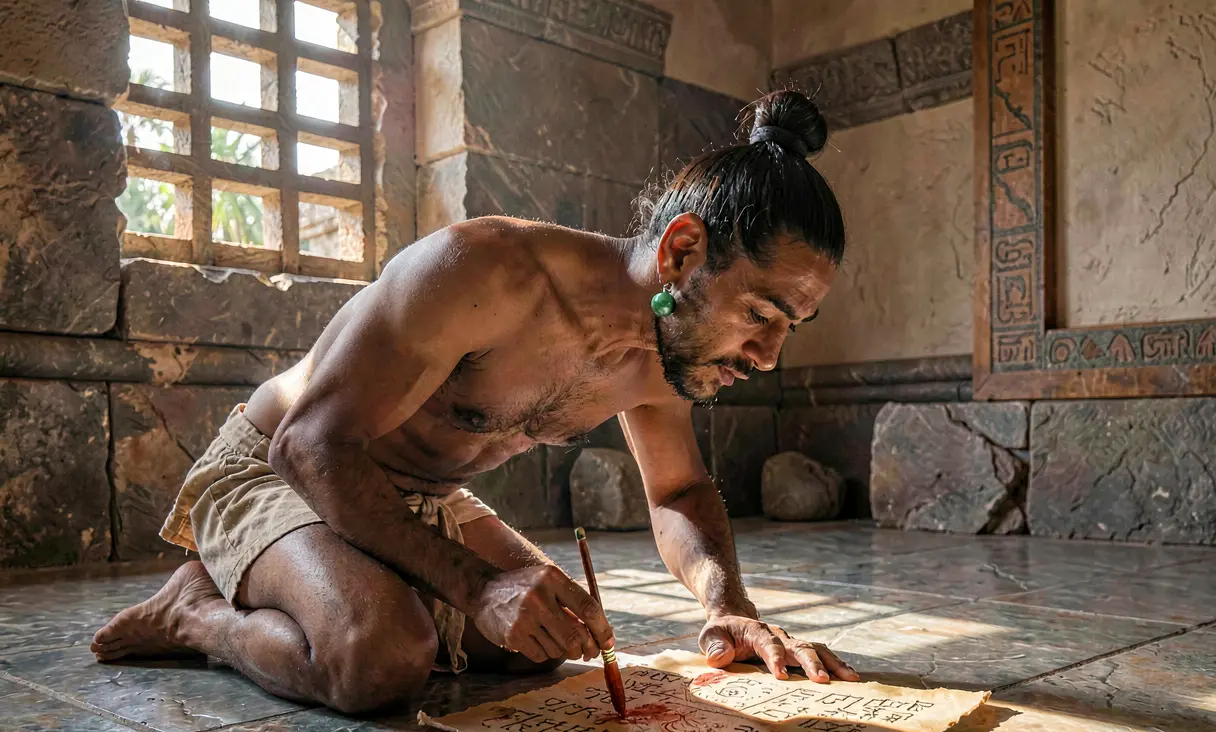 CivilizationCodices and Writing System of the Mayac. 200 BCE · El Mirador, GuatemalaThe Maya develop a complex logosyllabic writing system and astronomical calendars during the Preclassic period.
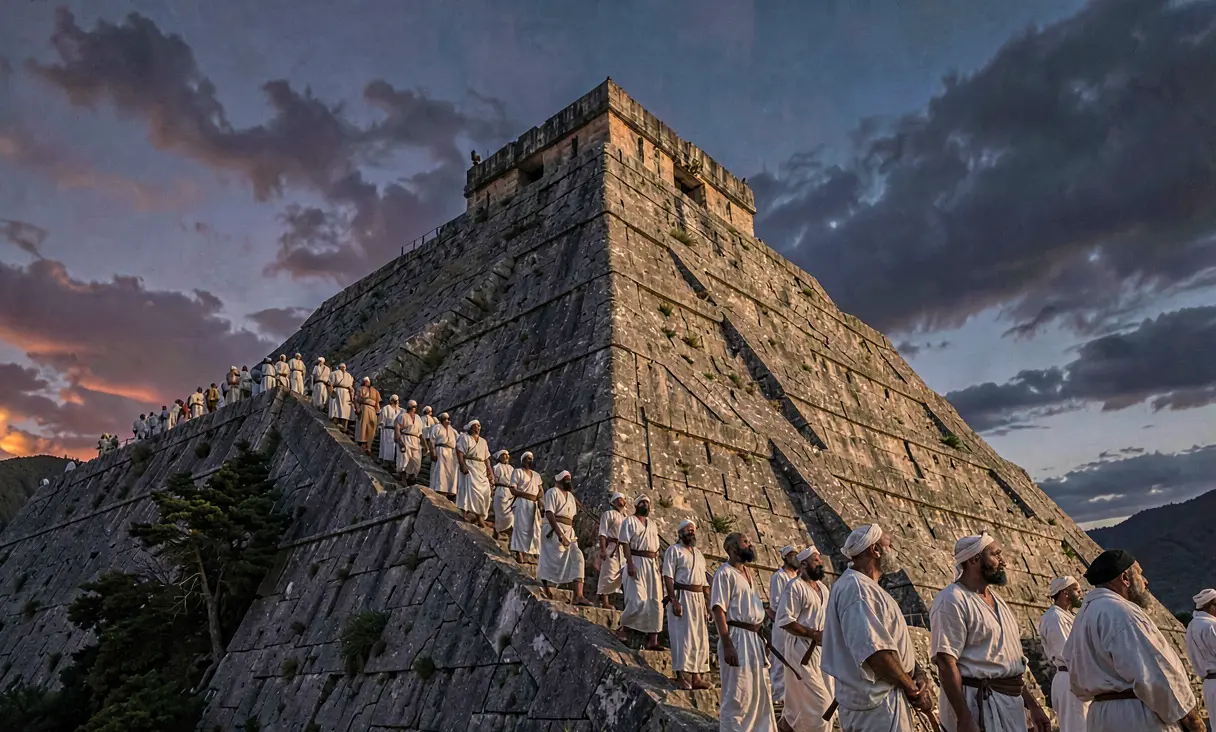 CivilizationConstruction of the Pyramid of the Moon at Teotihuacánc. 1 CE · Teotihuacán, MexicoThe second-largest pyramid is built to honor the Great Goddess and align with lunar cycles.
 PoliticsConstruction of Royal Tombs at Sipán (Huaca Rajada)c. 200 CE · Sipán, PeruThe Huaca Rajada complex is built to house the elite of the Moche civilization.
Discussion
Loading…