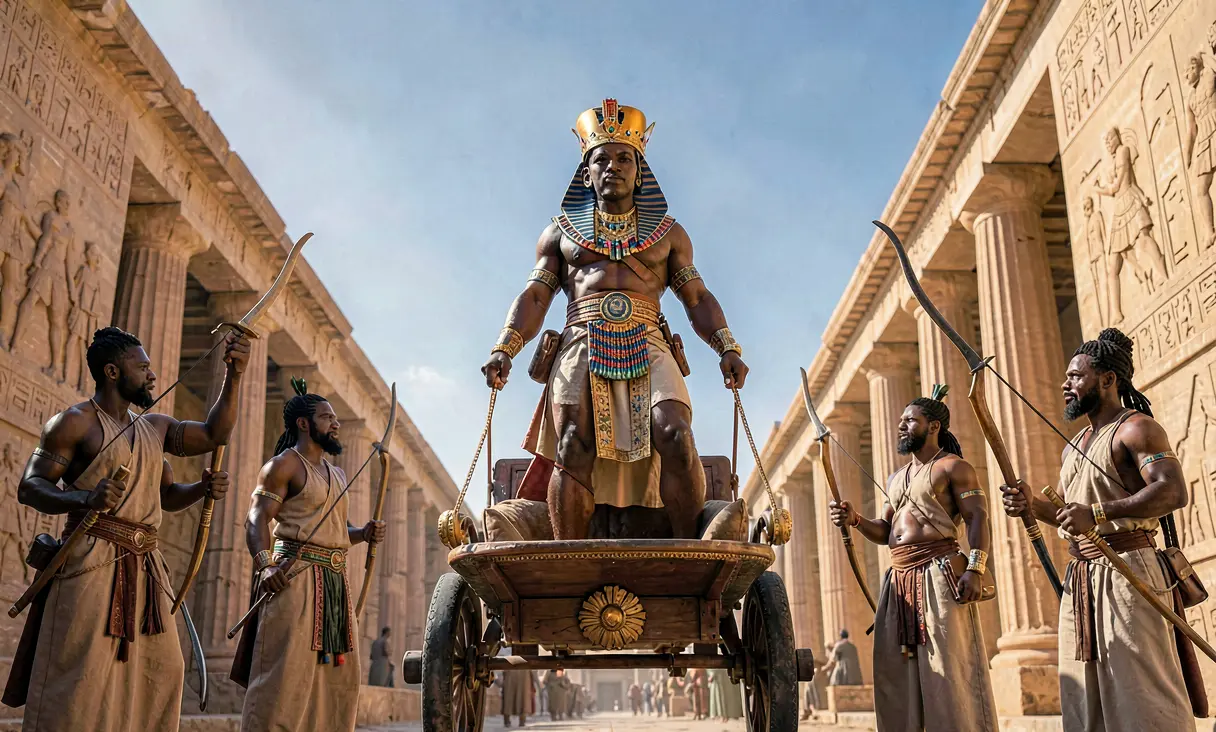
Kushite Conquest of Egypt (25th Dynasty)
Kushite King Piye reunified a fractured Egypt in the 8th century BCE, restoring pharaonic traditions while shifting the region's cultural center south to Napata and Meroë.
The Fragmented Nile Valley
By the mid-8th century BCE, ancient Egypt had fractured into a patchwork of rival city-states and petty kingdoms, lacking central authority. The Third Intermediate Period was characterized by the dominance of the High Priests of Amun in Thebes in the south and a series of Libyan-descended rulers in the north, particularly the Twenty-third Dynasty based at Leontopolis. This political disunity left Egypt vulnerable to external pressures, most notably from the rising Neo-Assyrian Empire to the east. Simultaneously, to the south, the Kingdom of Kush had consolidated its power around Napata, a religious and political hub near the Fourth Cataract of the Nile. Unlike their northern neighbors, the Kushite kings maintained a robust military machine and a deep ideological connection to Egyptian culture, viewing themselves as the true guardians of Amun's cult.
Piye: The Lion of Nubia
The catalyst for reunification was King Piye (also known as Piankhy), who ascended the Kushite throne around 747 BCE. A devout follower of Amun, Piye did not initially seek to conquer Egypt but rather to restore order and religious orthodoxy that he felt had been compromised by Libyan warlords. His motivation is vividly preserved in his famous Victory Stele at Gebel Barkal, where he describes the chaos in Egypt as a violation of Ma'at (cosmic order). Piye possessed not only military acumen but also a keen political strategy; he sought to legitimize his rule by positioning himself not as a foreign invader, but as the restorer of Egyptian tradition. He commanded a formidable force that included chariotry and infantry, trained in the harsh environments of Nubia.
The Campaign of Reunification
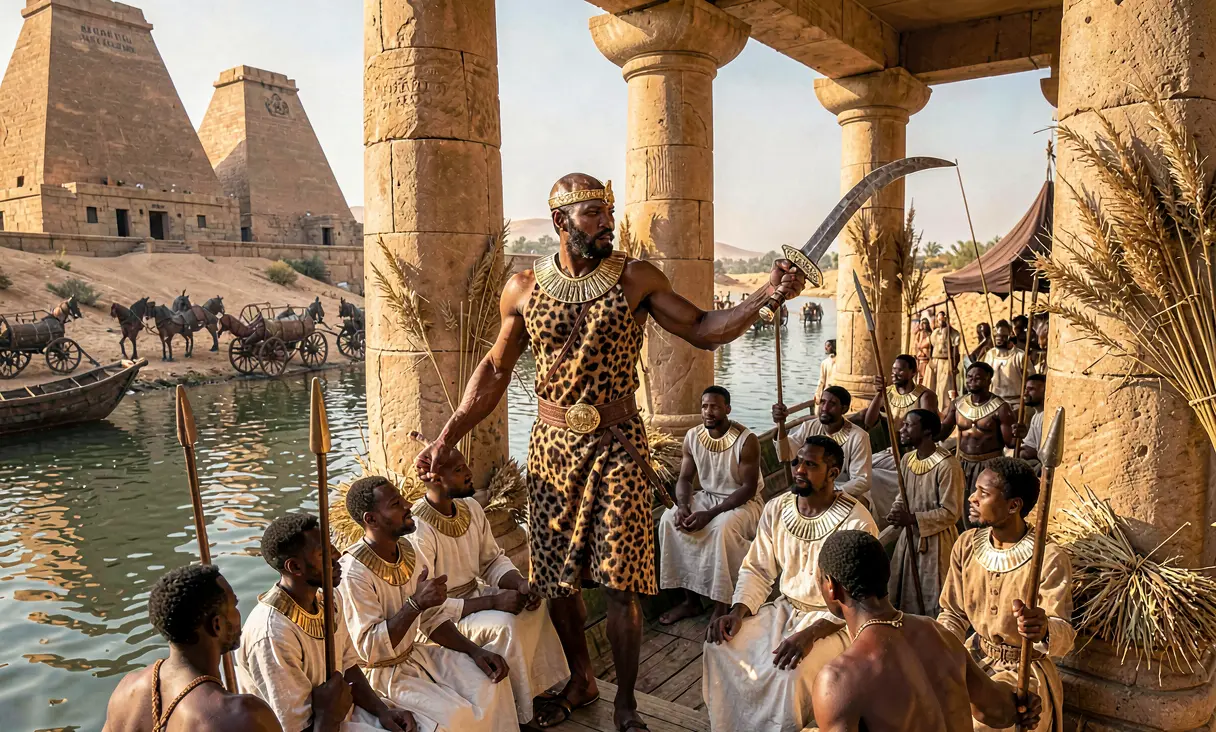
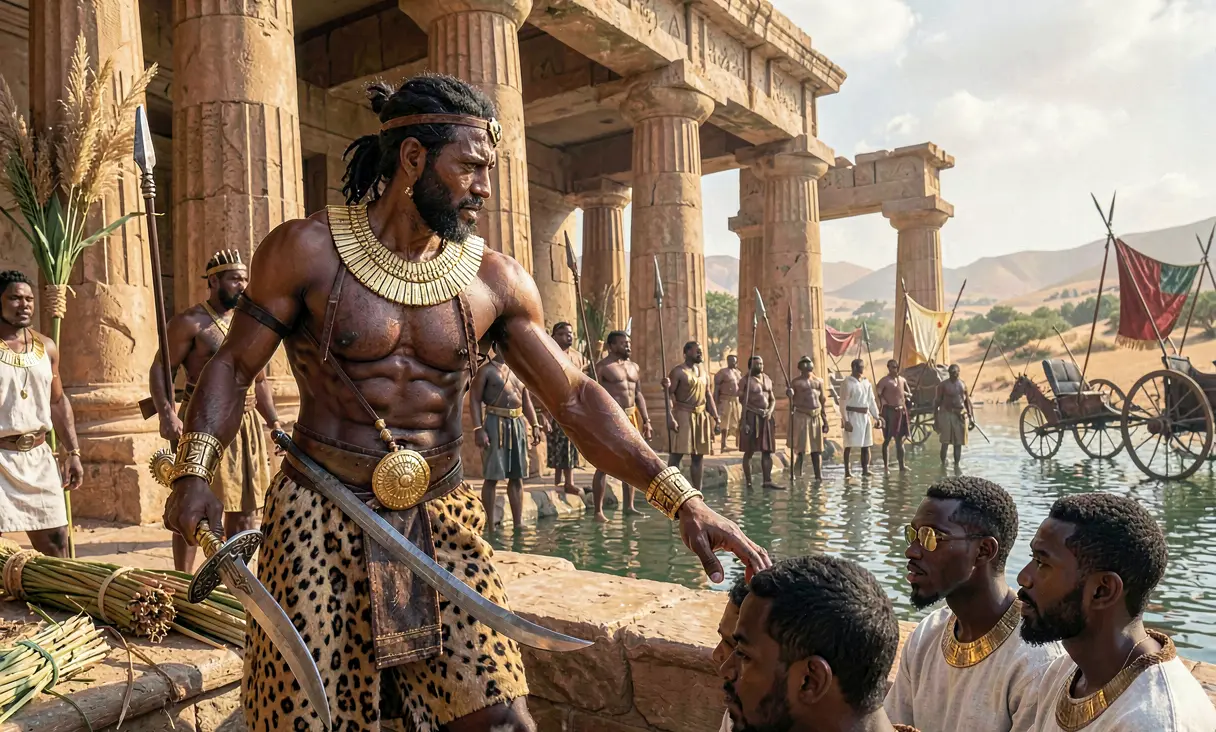
Around 728 BCE, Piye launched his northern campaign, crossing into Egypt and rapidly securing Upper Egypt. He captured Elephantine and advanced to Thebes, where he was welcomed by the local priesthood who recognized him as a legitimate heir to the pharaonic tradition. The decisive conflict occurred in Lower Egypt against Tefnakht of Sais, the most powerful rival ruler. Piye's forces besieged Hermopolis and eventually Memphis, defeating Tefnakht's coalition through a combination of naval blockades on the Nile and land assaults. Unlike previous conquerors who might have razed cities, Piye accepted the surrender of local rulers who submitted to his authority, allowing them to retain their thrones as vassals provided they acknowledged Kushite suzerainty.
The 25th Dynasty and Cultural Synthesis
Following his victory, Piye returned to Napata, leaving his generals and local allies to govern Egypt, though he maintained supreme authority. His successors, including Shabaka, Shebitku, and Taharqa, would eventually move their court to Memphis and Thebes, fully integrating themselves into the Egyptian political landscape. This era, known as the 25th Dynasty, was marked by a deliberate revival of Old Kingdom artistic styles and architectural grandeur. The Kushite pharaohs commissioned massive temples at Karnak and Luxor, often inscribing their names over those of earlier rulers to assert continuity. They introduced distinct stylistic elements, such as the rounded facial features in sculpture and new headdress designs, creating a unique fusion of Nubian vitality and Egyptian formality.
The Assyrian Conflict and Decline
The reunification was short-lived due to the relentless expansion of the Neo-Assyrian Empire. The Assyrians, under kings Esarhaddon and Ashurbanipal, viewed a unified Egypt as a strategic threat. In 671 BCE, Esarhaddon invaded and captured Memphis, forcing Taharqa to retreat south to Thebes. Although Taharqa briefly retook the capital, the Assyrian military machine proved superior in siege technology and organization. By 656 BCE, the Assyrians had driven the Kushites completely out of Egypt, ending their rule over the Nile Valley. Despite this military defeat, the Kushite kings retreated to Napata with their dignity intact, maintaining a rump state that would continue to thrive independently.
Legacy and the Pyramid Renaissance
The legacy of the 25th Dynasty extends far beyond its political duration. The Kushite rulers left an indelible mark on Egyptian religion, art, and architecture, effectively acting as a bridge between the declining New Kingdom and the later periods of foreign domination. Perhaps their most enduring physical legacy lies in Nubia itself; following the loss of Egypt, the Kushite capital moved to Meroë, where they constructed over 200 pyramids—far outnumbering those in Egypt—in a distinctively steep-sided style. This period demonstrated that cultural power could flow southward as well as northward, challenging the notion of Egyptian hegemony and establishing a golden age for Nubian civilization that would last for centuries.
It marked the first time an African dynasty ruled all of Egypt, revitalizing its culture before the Assyrian invasion.
Where it happened
Thebes, Egypt — see it on the interactive map →
Explore related history
 WarAn Lushan Rebellion Begins755 CE · Chang'an, ChinaGeneral An Lushan revolts against Emperor Xuanzong, devastating the Tang Dynasty and population.
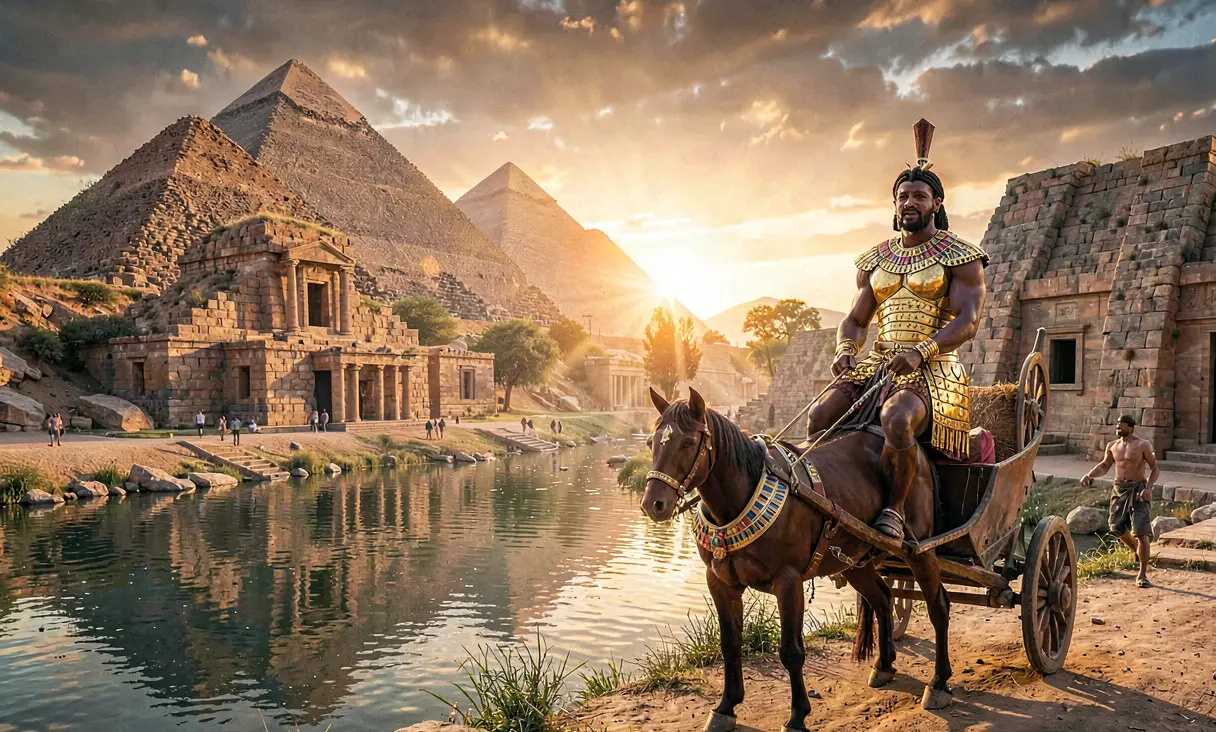 WarKushite Conquest of Egypt Establishes 25th Dynastyc. 744 BCE · Napata, Nubia (Modern Sudan)King Piye of Kush conquers Upper Egypt, establishing the 25th Dynasty and restoring traditional Egyptian religious practices.
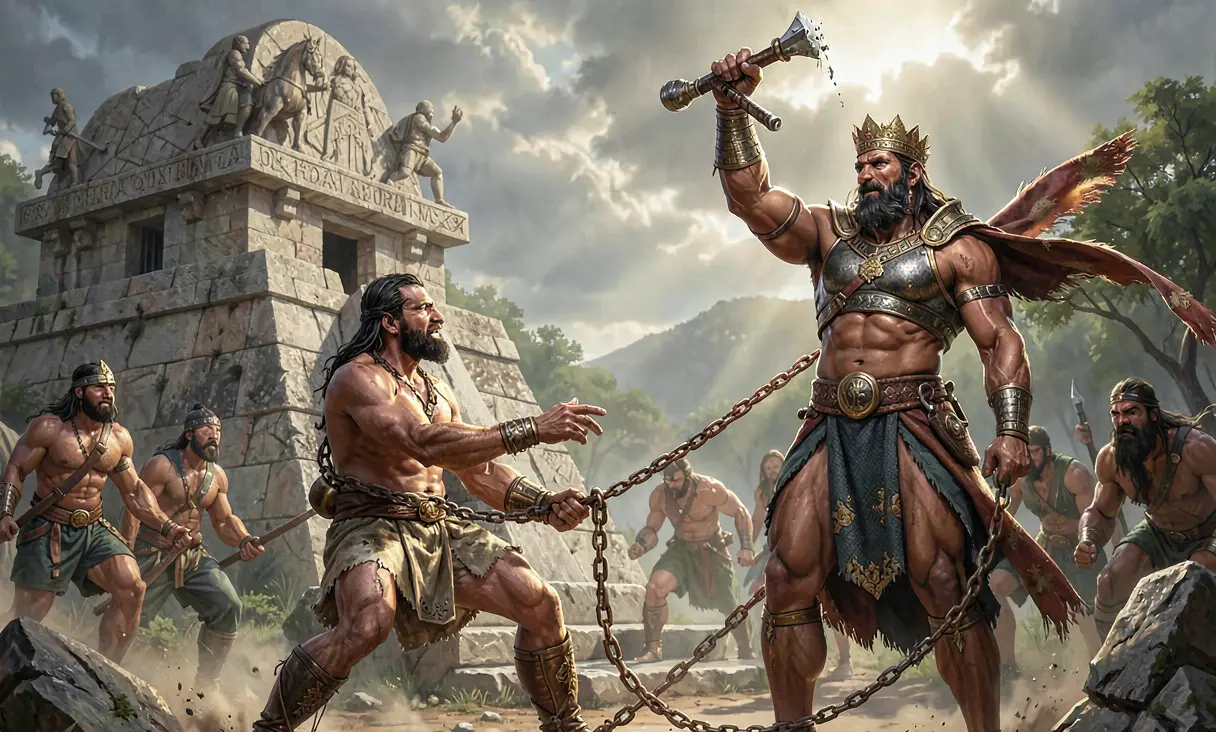 WarDeath of Ah Cacao and Fall of Copán's Dynasty738 CE · Copán, HondurasThe king of Copán is captured and executed by his rival from Quiriguá, ending a golden age.
 ScienceEstablishment of the Babylonian Astronomical Observatoriesc. 747 BCE · Babylon, IraqBabylonian priests begin systematic nightly recording of planetary movements and eclipses.
 DisasterCatastrophic Floods and Collapse of Moche San José de Moroc. 750 CE · Lambayeque Valley, PeruEl Niño floods devastate Moche infrastructure leading to societal transformation.
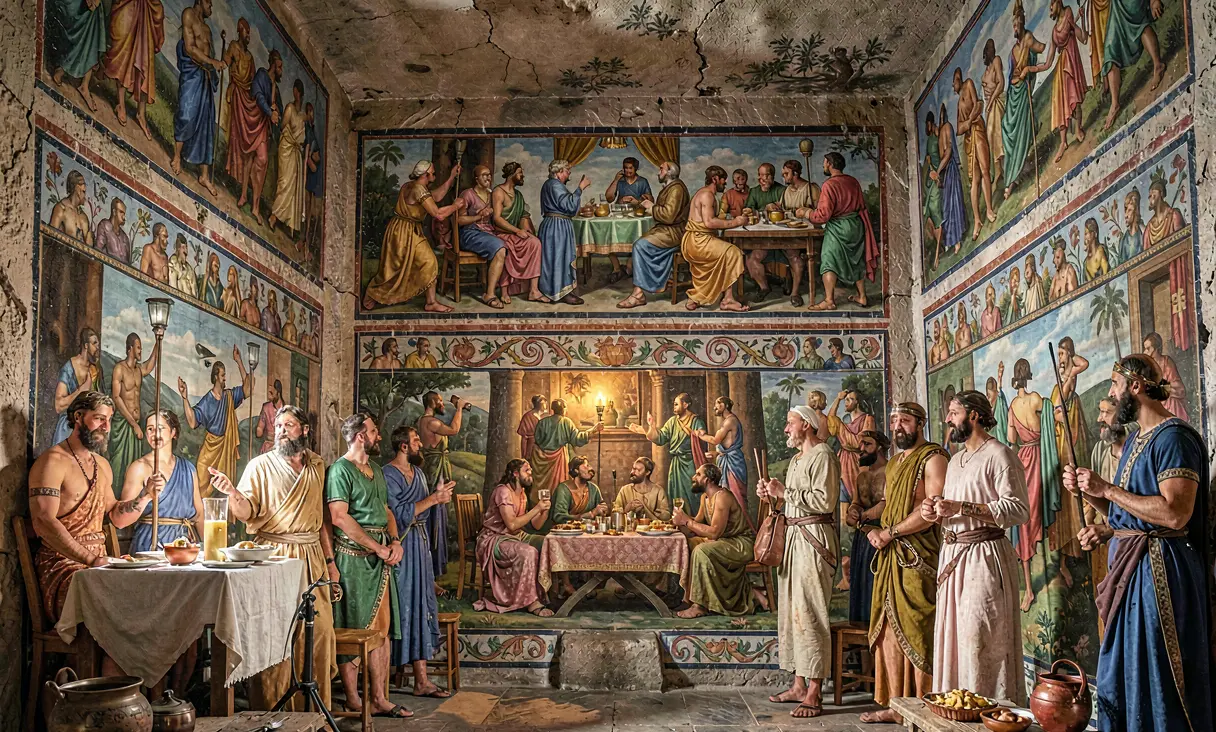 CivilizationRise of the Etruscan League in Central Italyc. 750 BCE · Tarquinia (Cerveteri), ItalyEtruscan city-states form a powerful confederation dominating central Italy and influencing Rome.
Discussion
Loading…