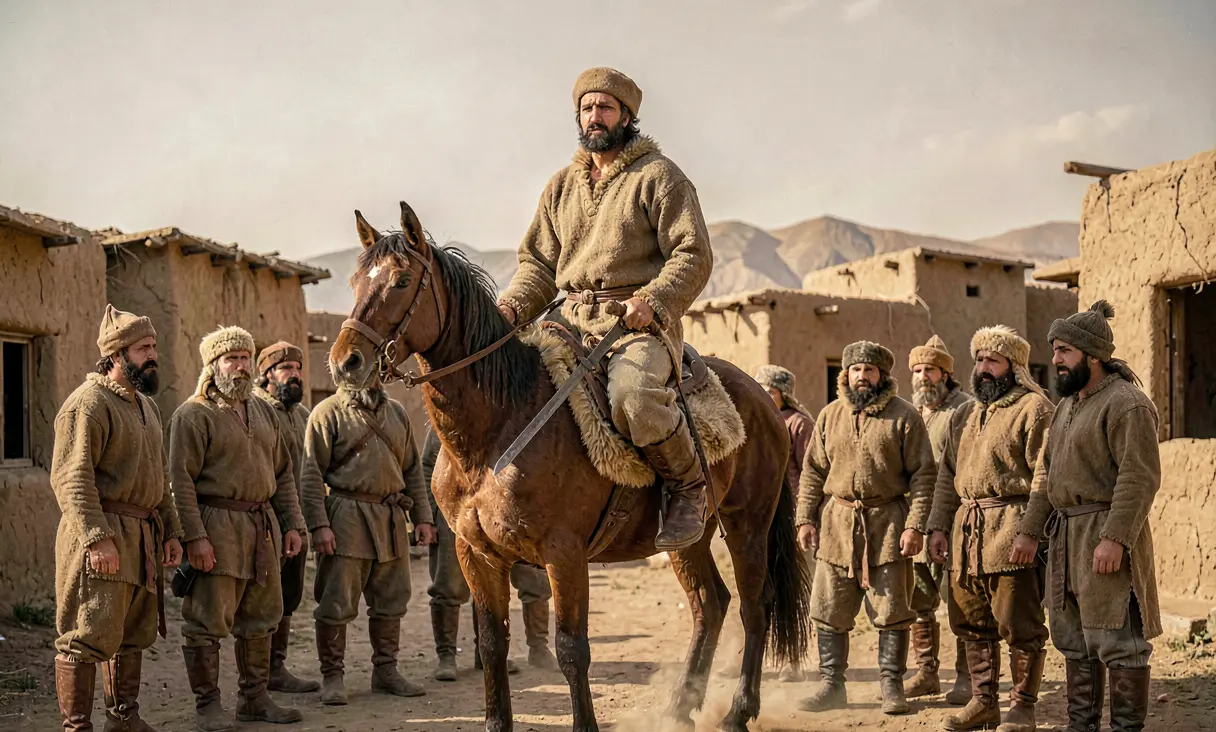
Kujula Kadphises Unifies the Kushans
Kujula Kadphises unified the Yuezhi tribes and conquered Indo-Greek kingdoms around 30 BCE, founding the Kushan Empire and revitalizing Silk Road trade through pragmatic cultural synthesis.
The Fragmented Landscape of the Hindu Kush
By the late 1st century BCE, the political map of Central Asia and Northern India was a fractured mosaic. The Greco-Bactrian Kingdom, once a beacon of Hellenistic culture east of the Oxus River, had crumbled under internal dynastic strife and external pressure from nomadic incursions. In the Kabul Valley and the region of Gandhara, small, warring Indo-Greek kingdoms such as those ruled by Hippostratus and Artemidoros held tenuous control over urban centers like Taxila and Pushkalavati. Simultaneously, the Yuezhi, a confederation of five major tribes (Yue-zhi) who had migrated from the Gansu corridor in China centuries earlier, were settling into the steppes north of the Hindu Kush. The region was a volatile intersection of cultures, where Greek administrative traditions clashed with emerging Central Asian nomadic customs and local Indian political structures.
The Rise of Kujula Kadphises
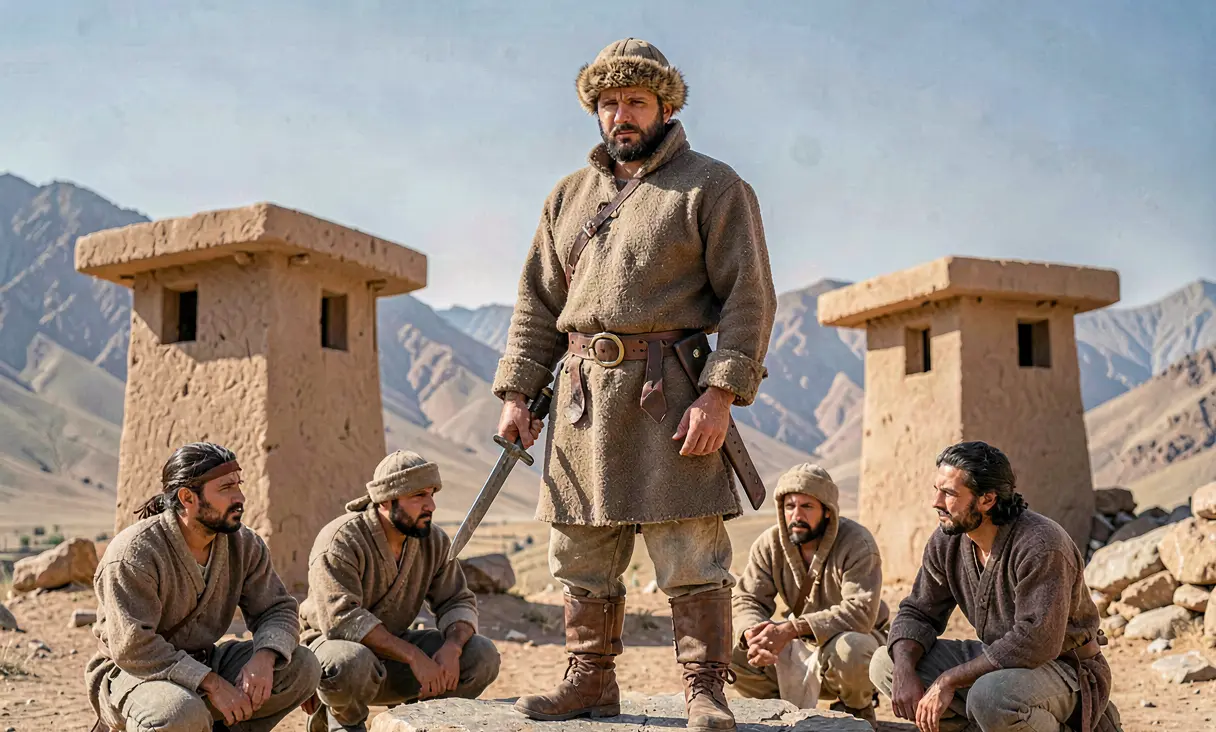
Emerging from this chaos was Kujula Kadphises, the first historically attested ruler of the Kushan dynasty. His name appears in Chinese historical records as Gui Shuang (Guishuang), identifying him as the leader of one of the five Yuezhi tribes who had successfully consolidated power over the others. While exact birth and death dates remain elusive due to the scarcity of contemporary written chronicles, numismatic evidence and later inscriptions suggest his reign began around 30 BCE and extended into the early decades of the 1st century CE. Kujula was not merely a warlord but a shrewd statesman who understood that military conquest alone could not secure a lasting empire over such a culturally diverse populace.
The Campaigns of Unification
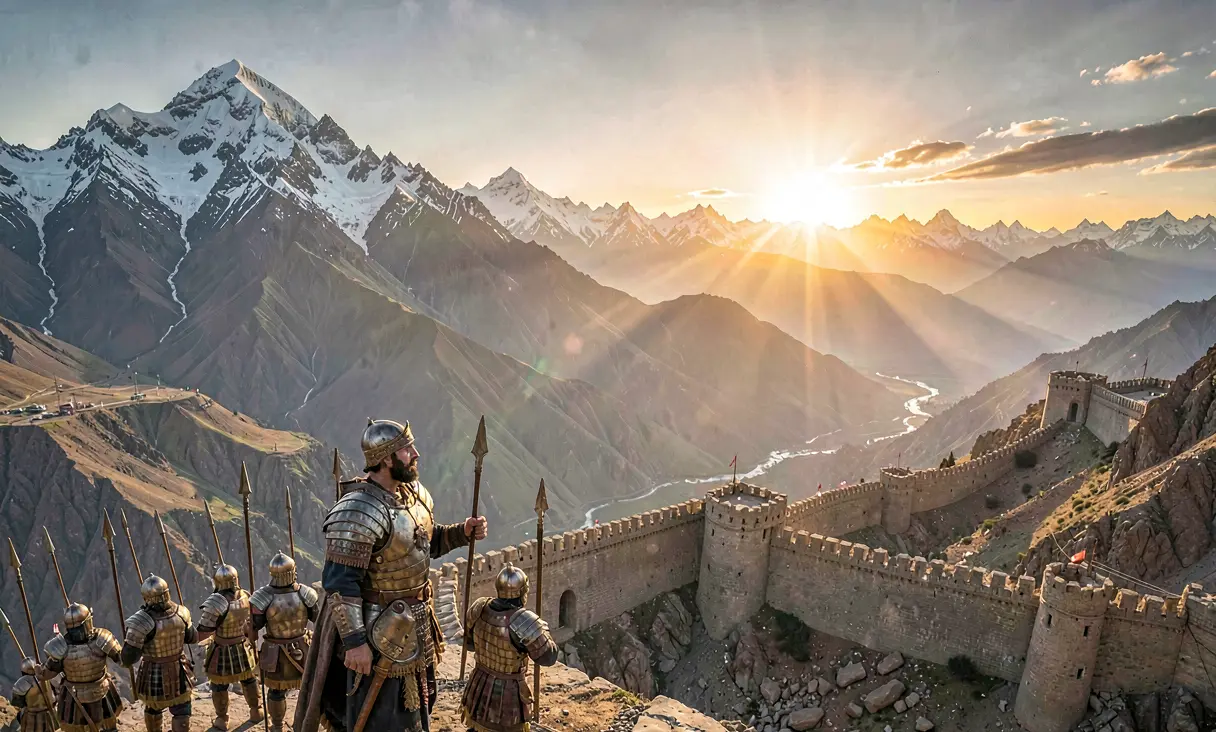
Kujula's unification strategy began with the subjugation of his fellow Yuezhi chieftains, transforming the loose tribal confederation into a centralized military machine. With this consolidated force, he turned southward, crossing the formidable Hindu Kush mountains to invade the Kabul Valley. Here, he systematically dismantled the remaining Indo-Greek polities. The conquest was likely gradual rather than a single lightning campaign, involving the capture of strategic fortresses and the neutralization of rival kings who had ruled the region for decades. By seizing control of the vital trade routes connecting Bactria to Gandhara, Kujula positioned himself as the gatekeeper between Central Asia and the Indian subcontinent.
Pragmatic Syncretism in Governance
The most striking aspect of Kujula's rule was his innovative approach to legitimacy. Rather than erasing the Hellenistic heritage of his new subjects, he adopted and adapted it. His early coinage is a testament to this pragmatism; he minted gold and copper coins that bore his own portrait on the obverse but retained Greek deities such as Heracles, Zeus, and Helios on the reverse. He even utilized Greek legends alongside Kharosthi script, ensuring his authority was recognized by both the local Indo-Greek aristocracy and the broader population. This cultural synthesis allowed him to present himself not as a foreign conqueror destroying civilization, but as a successor to the legitimate kings of the region who respected their traditions while imposing order.
Consolidation and Expansion into Gandhara
Having secured Kabul, Kujula pushed further south into Gandhara, the cultural heartland of Northern India. This region was a critical node on the Silk Road, linking China to the Mediterranean world via Persia and the Indian Ocean. By controlling Gandhara, Kujula gained access to immense wealth generated by trans-continental trade. Historical accounts, including references in the *Hou Hanshu*, note that he conquered the 'five tribes' of Yuezhi and established a unified power base. While his son Vima Takto would later expand the empire significantly into the Ganges plain, it was Kujula who laid the foundational infrastructure, securing the northern frontiers and establishing the administrative continuity necessary for an imperial state.
Legacy of the First Kushan Empire
The unification under Kujula Kadphises marked a turning point in Eurasian history. It ended the era of fragmented Indo-Greek rule and created a stable, powerful entity that would eventually become one of the four great empires of antiquity alongside Rome, Parthia, and Han China. His reign facilitated an unprecedented revival of Silk Road commerce, allowing for the flow of goods, ideas, and religions—most notably Buddhism—which would flourish under his successors. The Kushan Empire became a crucible where Greek, Persian, Indian, and Central Asian cultures merged, giving rise to the distinctive Gandhara art style that would influence Buddhist iconography across Asia.
The formation of the Kushan Empire reconnected the fragmented post-Alexander territories, creating a crucial bridge between Rome, China, and India.
Where it happened
Kabul Valley, Afghanistan — see it on the interactive map →
Explore related history
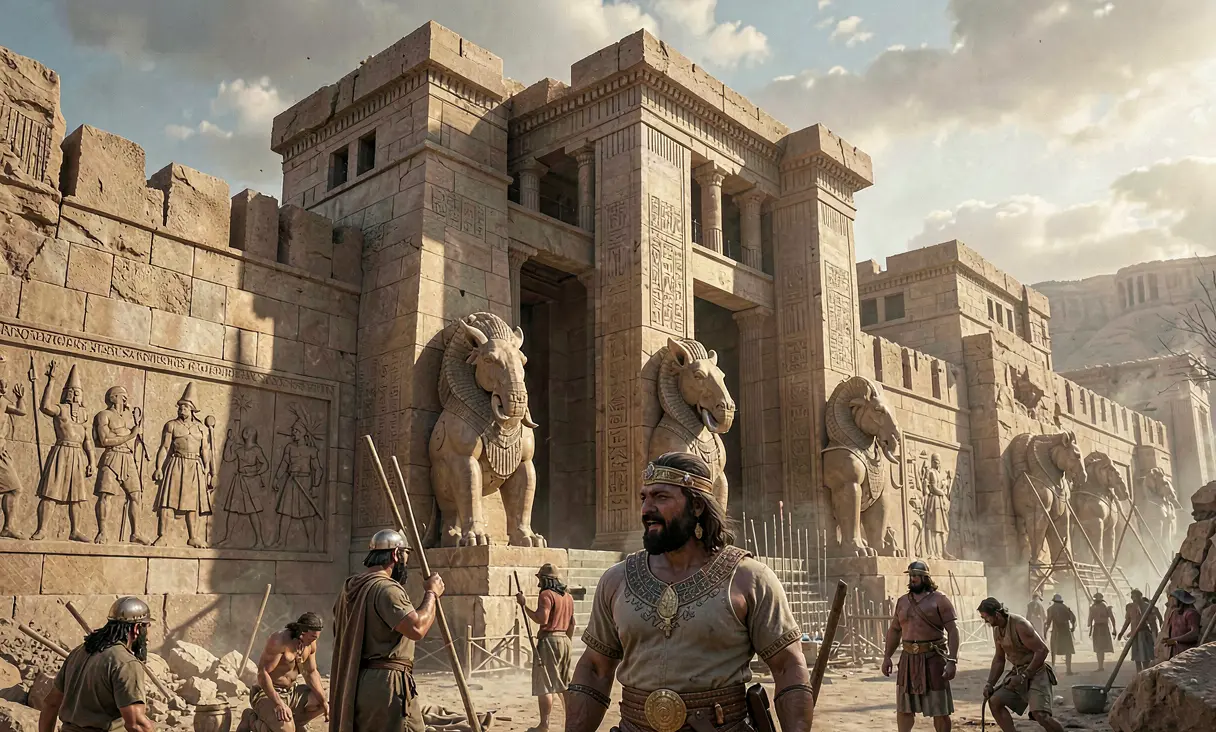 PoliticsFounding of Dur-Sharrukin by Sargon IIc. 717 BCE · Khorsabad (Dur-Sharrukin), IraqSargon II builds a new capital city to project Assyrian power and administrative control.
 PoliticsReign of Emperor Taizong and the Zhenguan Era626 CE · Chang'an, ChinaLi Shimin ascends the throne after the Xuanwu Gate Incident, ushering in a golden age of governance.
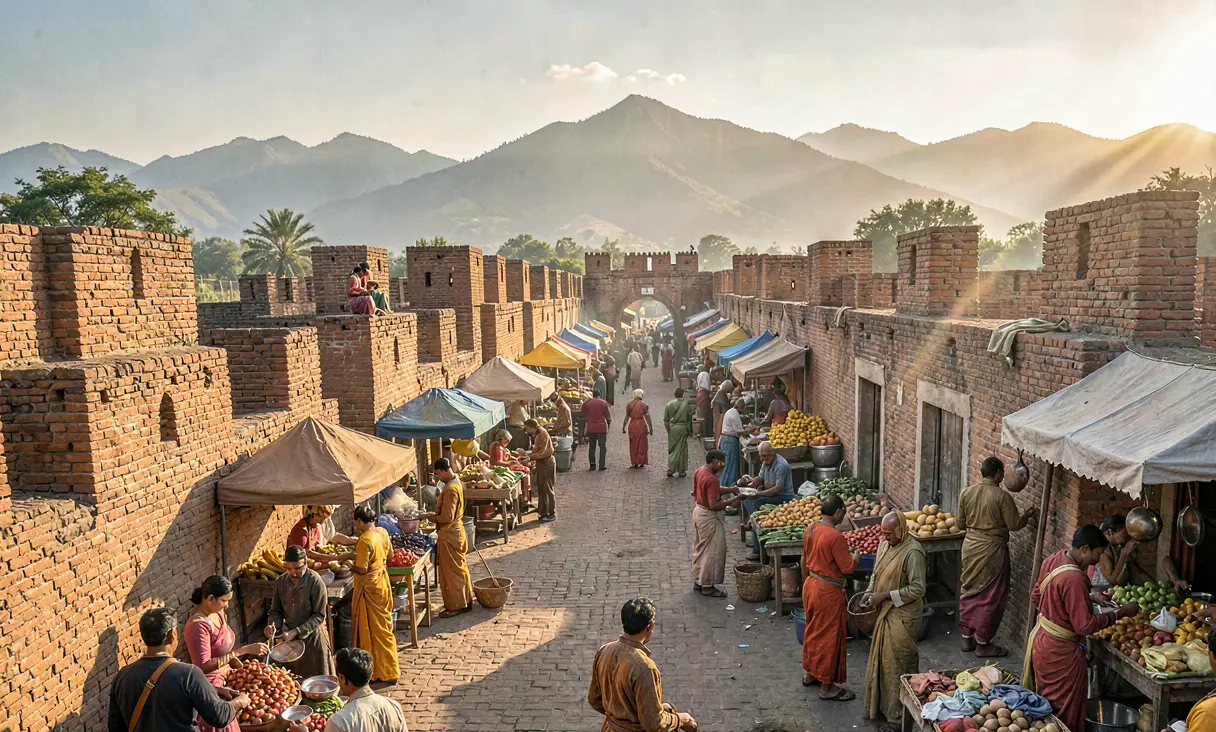 PoliticsRise of the Sixteen Mahajanapadasc. 600 BCE · Gangetic Plain (modern Uttar Pradesh/India)Sixteen great kingdoms and republics emerge across the Gangetic plain, marking the transition from tribal chiefdoms to state-level societies.
 ReligionFourth Buddhist Council in Sri Lanka29 BCE · Anuradhapura (Sri Lanka)Theravada canon is committed to writing for the first time.
 PoliticsEmperor Guangwu Restores the Han Dynasty (Eastern Han)25 CE · Luoyang, ChinaLiu Xiu defeats rival warlords and re-establishes Han rule from the new capital at Luoyang.
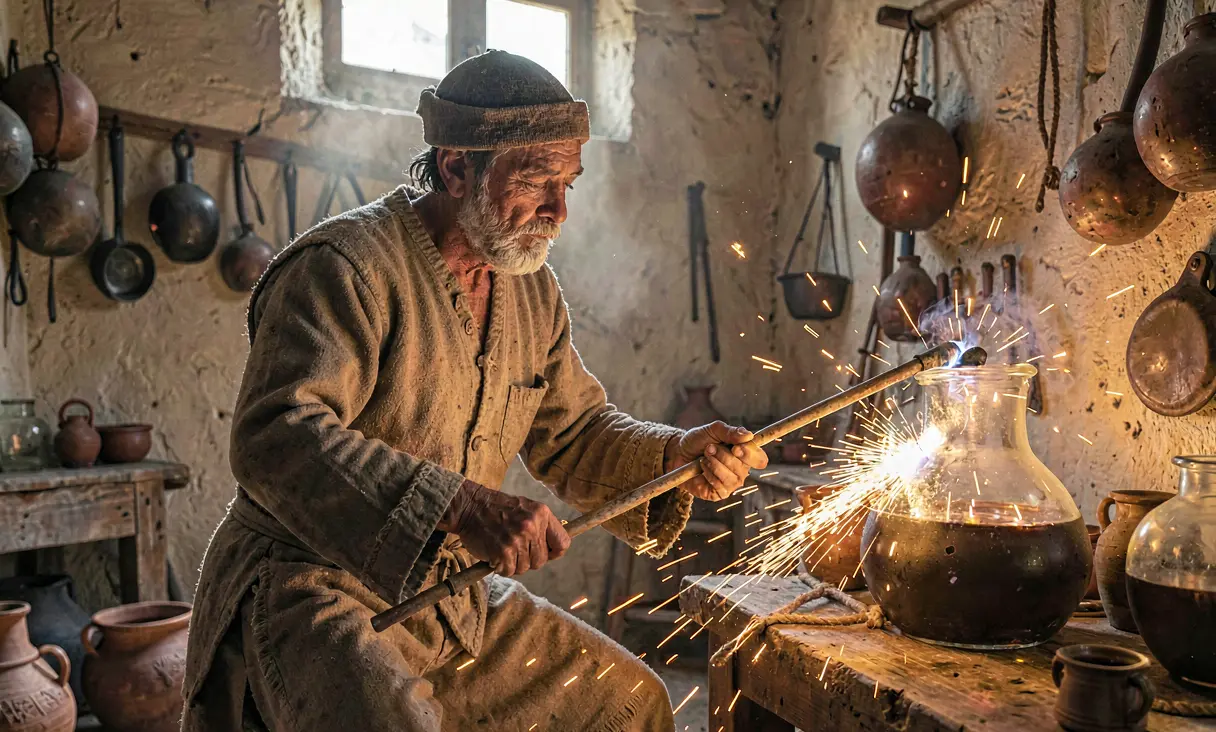 TechnologyInvention of Glassblowing in the Roman Levantc. 1 BCE · Sidon, LebanonSyrian craftsmen invent glassblowing, revolutionizing the production of glass vessels.
Discussion
Loading…